Popular Architecture Competitions This Week on uni.xyz: The July 2026 Weekly Digest
Popular-this-week is the weekly digest view of architecture competition discovery. It is a curated snapshot of which briefs drew the most sustained attention from the uni.xyz community over the last seven days, measured by page visits, registration click-through, and time on page. The weekly cadence is deliberate. Daily feeds produce noise; monthly round-ups arrive stale. Seven days is long enough for real peer signal to accumulate and short enough to remain actionable. What this page tells you that no other feed can is a simple, high-value question: which briefs are other serious architects actually spending time reading right now? Not what just launched (see new releases), not what is about to expire (see deadlines closing soon), not what is moving in the live activity feed (see trending). Popular-this-week is the peer-signal view, and it exists because peer attention is still the most reliable filter architects have for knowing where to spend their next one hundred hours.
Most-read architecture competitions this week (July 2026)
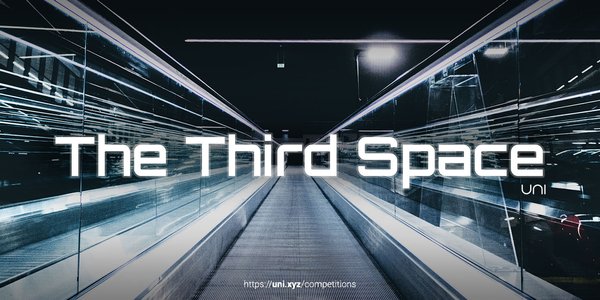
- The Third Space — Challenge to visualize a collision of the future and past · organized by UNI · registration closes August 30, 2026 · prize pool USD 7,000
- UnIATA '26 — The Global Benchmark for Graduation Excellence · organized by UNI · registration closes July 14, 2026 · prize pool USD 2,500
- UnIADA '26 — The Global Benchmark for Architecture Dissertation Awards · organized by UNI · registration closes July 14, 2026 · prize pool USD 1,000
- UPA '26 — The International Standard for Design Portfolios · organized by UNI · registration closes July 14, 2026 · prize pool USD 500
What "popular this week" actually measures
Every brief on uni.xyz generates three kinds of attention signal that a weekly digest can track:
- Unique page visits across the last seven days. How many distinct architects opened the brief.
- Registration click-through — the ratio of visitors who went from reading the brief to starting the registration flow. This is the single highest-signal indicator because it captures intent, not just curiosity.
- Time on page — how long visitors actually spent reading the full brief. A ten-second bounce is not peer signal. A four-minute read is.
The popular-this-week digest blends these three signals over a rolling 168-hour window and is editorially reviewed before publication to filter out bot traffic, external link spikes, and anomalies caused by newsletter sends or social media pushes. The result is a short list of briefs that the serious readers of the platform have been spending time on, not a raw data dump.
Why the weekly cadence is the right editorial rhythm
The weekly digest is not a recent invention. It is the most robust editorial rhythm that serious publishing has ever produced, and it works for one specific reason: seven days is the shortest window long enough to separate sustained attention from launch-day noise, and the longest window short enough to stay actionable before a competition deadline passes.
- Daily feeds produce too much noise. Every launch looks urgent, every small spike looks meaningful, and the reader has no way to filter signal from promotion.
- Monthly round-ups arrive too late. By the time a monthly digest tells you a brief is interesting, you have lost two to four weeks of development time and the early-entry advantage is gone.
- Weekly digests hit the sweet spot. Sustained attention has had time to accumulate. The brief has survived the initial launch hype. And the reader still has enough of the registration window left to commit to the work.
This is why every serious architectural publication has relied on a weekly rhythm as its editorial backbone for more than a century, and why Spotify's Discover Weekly, launched in 2015, became the defining user-experience pattern for algorithmic discovery in the streaming era. Weekly is not an arbitrary interval. It is an evolved rhythm.
A hundred years of the weekly digest as editorial form
The weekly digest has a longer and more intellectually serious history than its current reputation suggests.
- The Architectural Review (founded 1896). The longest continuously running serious editorial filter in architecture. The AR's weekly and monthly cadences established the pattern that architectural discourse operates on a regular rhythm of peer-reviewed attention.
- The Architects' Journal (founded 1895). The British weekly trade journal, still publishing, still the weekly backbone of UK architectural practice discourse.
- The New Yorker's "Talk of the Town" (since 1925). The founding example of the weekly digest as a serious editorial form. Not a summary of what happened, but a curated perspective on what mattered that week. Architecture criticism has borrowed the form repeatedly.
- Casabella (founded 1928). The Italian architectural journal, edited by Ernesto Nathan Rogers in its most influential period, established the European continental weekly-monthly editorial tradition.
- Oppositions (1973-1984). The canonical example of architecture's peer-signal editorial tradition. Published by the Institute for Architecture and Urban Studies in New York and edited by Peter Eisenman, Oppositions was the journal that told architects what the field was actually arguing about, not what PR firms and client-side marketing departments were promoting. For eleven years, Oppositions defined the difference between peer attention and advertised attention in architecture, and it remains the benchmark that every serious architectural editorial project is still measured against.
- Log magazine (2003 to present).Log, edited by Cynthia Davidson and published by the Anyone Corporation, is the direct contemporary successor to Oppositions. Same refusal to chase press releases, same commitment to what architects are actually reading and arguing about.
- Dezeen (launched 2006). The moment digital weekly aggregation arrived in architecture media. Dezeen's weekly newsletter became the single most-read architectural editorial in the world within its first decade, and it did so by treating the weekly rhythm as non-negotiable.
- ArchDaily, The Architect's Newspaper, Archinect Features. The three other digital weekly aggregators that shaped the post-2006 era of architectural editorial. Each runs its own weekly rhythm, and each is based on the same underlying claim: the week is the right unit of architectural attention.
- Spotify's Discover Weekly (launched July 2015). Not an architecture reference, but the defining mass-market demonstration that an algorithmically-curated weekly digest is the optimal UX pattern for discovery without fatigue. Discover Weekly validated the weekly rhythm for an entire generation of digital products.
- uni.xyz's popular-this-week is the architecture-competition equivalent. Same weekly cadence. Same blend of attention signal and editorial review. Same intellectual inheritance from Oppositions and the AR.
Why page-view and registration signal matters more than PR
Press releases are easy to manufacture. Sponsored content is cheap. The one thing a competition cannot fake at scale is sustained reading attention from serious architects. A brief that attracts a large short-lived spike from a newsletter send is not popular in any meaningful sense. A brief that attracts steady reading attention from distinct visitors who spend four minutes on the page and click through to the registration form is telling you something real: a community of serious readers has decided this brief is worth their time.
This is why popular-this-week is not based on raw page views or on press mentions. It is based on the combination of visits, dwell time, and registration click-through, and it is reviewed editorially before publication. Peer attention is harder to manufacture than press coverage, and that is exactly why it is the more useful signal.
What popular-this-week typically surfaces
Certain categories of brief over-index in the weekly digest for reasons worth understanding.
- UNI's flagship annual awards. UnIATA (thesis), UnIADA (dissertation), and UPA (portfolio) accumulate attention across long registration windows because every year's cohort of graduating students discovers them as the September-to-January decision moment approaches. These briefs appear repeatedly on popular-this-week and are a strong example of why long-cycle attention is different from short-cycle spikes.
- Conceptual and speculative briefs with strong narrative framing — briefs that pose a question worth thinking about rather than a site to populate tend to attract sustained attention from the kind of architects who read competition briefs for intellectual reasons, not just portfolio-building ones.
- Typology-specific briefs that hit a current community mood. In the current cycle the dominant moods are wellness (fitness, retreat, healing), the future home (domestic futures, climate adaptation), and adaptive reuse (renovation, material reuse, heritage extension). A brief that lands in one of these moods will over-index in weekly attention.
- Free or low-fee briefs lower the barrier to entry, broaden the field, and typically generate more reading traffic from curious browsers who would otherwise click away.
- Curator-led briefs with named credible jurors (see the featured curators section) attract sustained attention because the curator's name and published position is the intellectual signal.
UNI's three flagship awards currently leading the digest
Three UNI-authored annual programmes frequently appear at the top of the popular-this-week list. They are worth a paragraph each because every reader landing on this page should understand what they are.
UnIATA — the UNI International Architecture Thesis Award
UnIATA is UNI's global thesis award, open to undergraduate and postgraduate architecture, landscape, and urban design thesis projects worldwide. It is free to enter, runs annually, and awards separate prizes at undergraduate and postgraduate levels. UnIATA is the largest international thesis competition specifically built around your graduation project, and it is the single fastest way to take your thesis from a graded studio exercise to a globally visible piece of work. The 2026 edition, UnIATA '26, is live on the platform and has been described in the brief as "the global benchmark for graduation excellence".
UnIADA — the UNI International Architecture Dissertation Award
UnIADA is UNI's written companion to UnIATA. It is open to research papers, dissertations, and academic writing about architecture at undergraduate and postgraduate level. Free to enter, open globally, and one of very few dedicated architecture dissertation competitions anywhere. UnIADA fills a real gap in the international competition landscape: most architecture awards ignore written work entirely. The UnIADA '26 edition is currently on the popular-this-week list.
UPA — the UNI International Portfolio Award
UPA is UNI's annual portfolio award, open to architects, interior designers, landscape architects, and urban designers at every career stage. The brief is to submit your strongest three-to-five project portfolio against a curated theme. UPA exists because a strong portfolio is the single most valuable document in an architecture career, and because the discipline has almost no institutional mechanism for peer-reviewed portfolio recognition outside the main professional awards. The UPA '26 edition is live and positioned as "the international standard for design portfolios".
How to read peer signal strategically
A brief with sustained weekly attention is telling you two things at once, and both matter to your competition strategy.
- The field is likely to be larger. If a brief has dominated weekly reading attention for three weeks in a row, the registration field is also likely to be large by the time the deadline arrives. That raises the bar for a shortlisting or a win.
- The publication and exposure reward is likely to be higher. High-attention briefs attract editorial coverage from architectural media, stronger jurors, and more aggressive press around the results. A well-placed entry in a popular brief often generates more career value than a win in a brief nobody is reading.
The strategic question is not "should I enter a popular brief" but "do I have something specific enough to say to survive a crowded field, and is the exposure reward worth the competition density?" For a serious portfolio-building architect, the answer to popular briefs is usually yes. For a beginner looking for their first shortlist, smaller fields in less crowded briefs (see new releases) may be a better starting point.
How to use popular-this-week alongside the other discovery feeds
The full discovery stack on uni.xyz is designed to complement, not duplicate. A weekly reading habit that uses all four feeds once each delivers more signal than any single feed in isolation.
- New releases — check for discovery. What just dropped that you have not seen yet.
- Popular-this-week (this page) — check for peer signal. What are serious architects spending time on.
- Deadlines closing soon — check for urgency. What must be decided this week.
- Trending — check for live activity. What the community is actively engaging with right now.
Set a fixed weekly time, ideally Monday evening, and run through all four feeds in that order. The entire check should take twenty minutes. At the end of it you will know more about the state of the architecture competition calendar than ninety percent of architects who only look at one feed when they are bored.
Frequently asked questions about popular architecture competitions on uni.xyz
How is popular-this-week different from trending on uni.xyz?
Trending is a rolling live feed of the briefs the community is engaging with right now, updated continuously. Popular-this-week is a curated editorial snapshot based on the last seven days of attention signal, reviewed before publication. Trending is the live-activity dashboard. Popular-this-week is the weekly digest. Both are useful, but they answer different questions.
How often is the popular-this-week list updated?
Once a week, on a rolling seven-day window. The list typically refreshes over the weekend for the coming week, so Monday morning is the earliest point a new digest is live. Readers who want the freshest version should check on Monday or Tuesday.
What does "popular" mean on uni.xyz? Is it based on views or entries?
Both, plus time on page. Popular-this-week blends three signals: unique page visits, registration click-through rate, and reading dwell time, weighted to surface briefs that attract sustained attention from serious readers rather than short-lived traffic spikes. The weighted result is then reviewed editorially before publication.
Should I enter a popular competition or avoid the crowded field?
It depends on your career stage and portfolio goal. Popular briefs have larger fields but higher exposure value. For portfolio-building architects who want media coverage, jury prestige, and a strong result on a recognisable brief, popular is usually the right choice. For early-career entrants looking for their first shortlist or win, smaller fields in less crowded briefs may be a better starting point. Use popular-this-week as a calibration tool, not a to-do list.
Can organizers pay to appear on the popular-this-week list?
No. Popular-this-week is based on measured attention signal, not paid placement. A brief cannot buy its way onto this list. If an organizer wants editorial attention, the route is the recommended architecture competitions section, which is a separate editorially-vetted shortlist.
Why are thesis and portfolio awards so often at the top of the list?
Because they accumulate attention across long registration windows. A thesis award like UnIATA has an eight-to-twelve month registration cycle, and every cohort of graduating students discovers it as their deadline approaches, which keeps the brief in sustained reading traffic for months at a time. Short-cycle conceptual briefs rarely sustain that much attention over a rolling seven-day window, so long-cycle flagship awards tend to dominate the weekly digest.
What are UnIATA, UnIADA, and UPA?
UnIATA is UNI's International Architecture Thesis Award — a free, global competition for undergraduate and postgraduate thesis projects. UnIADA is the written companion, the International Architecture Dissertation Award for research papers and academic writing. UPA is the International Portfolio Award, open to architects and designers at every career stage who want peer-reviewed recognition of a curated portfolio. All three are UNI-authored annual awards, free to enter, and open internationally.
Are popular competitions always high quality?
High attention is correlated with quality but not identical to it. A brief can attract sustained attention because the question is interesting, the curator is credible, or the prize is large, but those are different things. The editorial review that sits on top of the raw attention signal filters out obvious outliers, but the reader still has to apply the usual competition evaluation framework (see the recommended architecture competitions page for the seven-point vetting checklist) before committing time.
Can I get notified when the popular-this-week list updates?
Yes. Enable weekly digest notifications in your uni.xyz profile and you will get an email each week when the new popular-this-week list publishes, typically on Monday. This is the easiest way to turn the weekly digest into a fixed reading habit without having to remember to check.
How should I use popular-this-week in my overall competition strategy?
Treat it as your peer-signal layer in a four-feed weekly discovery routine. Use new releases for what just dropped, popular-this-week for what serious architects are reading, deadlines closing soon for what is about to expire, and trending for live activity. Twenty minutes a week across all four feeds is the minimum viable competition-discovery habit for any architect who wants to build a serious portfolio from competition work.
Is popular-this-week the same as "best competitions this month"?
No. "Best of the month" implies editorial ranking by quality. Popular-this-week is a weekly attention snapshot, measured and reviewed, not a quality ranking. Some briefs on this list are excellent; others are simply drawing attention for structural reasons like long registration windows or favourable typology timing. Read each brief on its own terms before committing.
Recommended further reading
- The Architectural Review (founded 1896). The longest continuously running serious editorial filter in architecture.
- Oppositions magazine (1973-1984), edited by Peter Eisenman at the Institute for Architecture and Urban Studies. The canonical architecture peer-signal editorial.
- Log magazine (2003 onward), edited by Cynthia Davidson at the Anyone Corporation. The contemporary successor to Oppositions.
- Casabella (founded 1928), the Italian continental weekly-monthly editorial tradition, notably under Ernesto Nathan Rogers.
- The New Yorker, "Talk of the Town" (since 1925). The founding weekly-digest format as a serious editorial practice.
- Dezeen weekly newsletter (Dezeen launched 2006). The contemporary digital weekly aggregator the entire industry now reads.
Explore related feeds on uni.xyz
The popular-this-week digest refreshes on a rolling seven-day window and reflects the state of community attention as of July 2026. If you believe peer attention is still the most reliable filter architects have for deciding where to spend their next one hundred hours, this is the feed that rewards a weekly reading habit.