
Social Habitat
Group housing design challenge
Overview
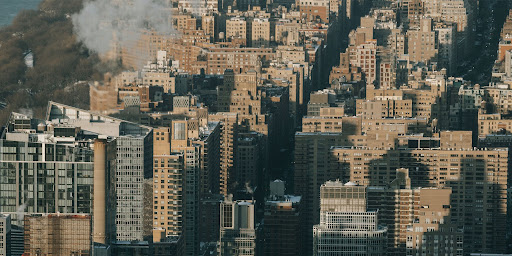 Fig: 1 - A city is crafted from different layers of tangible/intangible infrastructural layers/facilities (Credits-Laura tancedi)
Layers of an urban environment
A city is a compound system of overlapping layers, synthesised to produce an ideal human environment. This principle was well-recognised in the earlier days of traditional human settlements. But as time progressed, regulations were introduced, segregating the distinct layers of a city, on the basis of their function, nature and so on. Segregation is evident in an urban setting, through its zoning arrangements. The residential areas were separated from the city’s commercial, educational, cultural and industrial sectors. his detachment has put a strain on the economic and social life of the inhabitants of a city. A smooth functioning system is created when its different components interwork. Similarly, the suitable interlace of layers of a city will generate a synergised way of life for its residents. The creative integration of compatible systems and communities in urban settings can help create a cohesive society with a low footprint.
How can we synthesise the layers of a city?
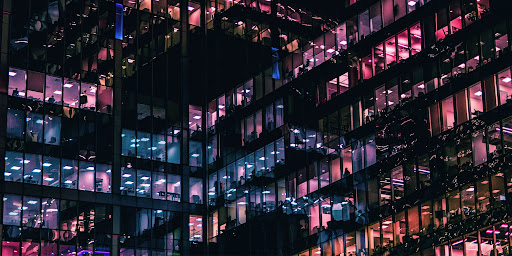 Fig: 2 - Commercial infrastructure is often segregated causing imbalance and unnecessary strain on the city as well as its people (Credits-Mike-Kononov)
Unsustainable segregation
The land is one of the most valuable resources of a city, so trends of high land costs are seen due to its limited availability. The growing population demands are addressed in an unsustainable manner. The physical and social well-being of people is under threat. The common requirements of people in a city are housing, income, and employment. All of these are resolved through various layers of infrastructure in cities. But since the sectors are segregated, retrofit solutions are offered that come with an additional expense on the citizen’s account, such as transport facilities. This system proves to be unsustainable for people and the city environment over a long period of time. For the same can housing and businesses be blended with the development of mixed-use housing?
With shelter and economic income secured, will the quality of life of inhabitants be enhanced? Group housing includes both residential and social spaces that not only restore the sense of community within but also have the ability to revitalise the relationship of the people with their surrounding neighbourhoods.
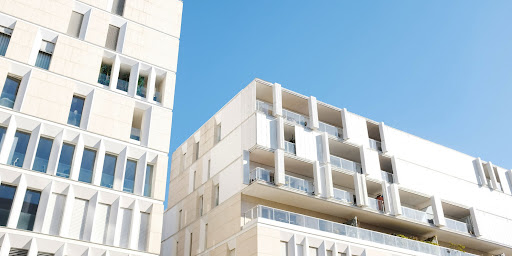 Fig: 3 - Can we mix typologies to create a much convenient atmosphere for people? (Credits-Adrien Olichon)
Brief of the competition
Brief: The challenge is to design a mixed-use group housing with dwelling units for a middle-income society. The group housing must consist of commercial/retail spaces along with living and communal spaces. The design must consist of a single structure with retail spaces on the bottom floors and living spaces on the top floors.
Spaces for greenery and communal activities are to be designed. The design must be facilitated both vertically and horizontally with efficient systems. Sustainable strategies must be employed so as to create a low impact and ideal performance prototype for composite structures. Achieving an integrative design at the given scale is essential.
The aim of the design is to create a cohesive live-work community by addressing diversity and efficiency. It should have a sense of place that is derived from the present and historic contexts of the site. A balance between public spaces and privacy in living spaces must be achieved.
Design objectives
- Harmony: The design must be able to establish a connection to or harmony with the surrounding site context.
- Balance: Privacy and interaction must be guided in the layout and a balance of closed, open and semi-open spaces must be achieved.
- Layout: The navigation among different spaces must be guided in a simple manner that could cater to both residents and outsiders.
- Context: The design must consider the immediate site conditions as well as the wider socio-economic and environmental factors surrounding the site.
Site
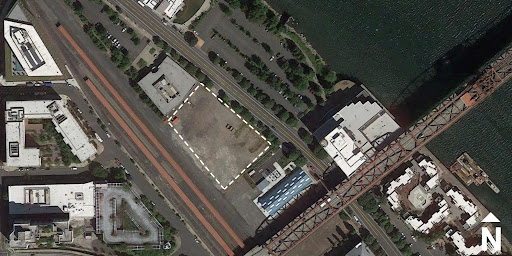
Portland, United States
The city is a densely populated port city of the state of Oregon. Mixed-use zoning became popular in the city, as a way of reducing dependence on car-related infrastructure. The city encourages the mixing of commercial, work and living spaces.
The site can be accessed from NW Naito Parkway. It is adjacent to the Broadway Bridge. The neighbouring sites include parking lots, educational institutes, commercial outlets and hospitality complexes. The location is suitable for this typology as it offers close proximity to all essential services and in a developing neighbourhood.
Site area = 5410 sq.m
Height restriction = 20 metres
Ground coverage = 30%
Setbacks (as per CAD plan)
Coordinates = 45°31'52.1"N 122°40'39.9"W
Program outline
The following area programme can be used to begin your design. You are free to add more functions as per needs.
- Residential: 40%
A minimum of 16 dwelling units (two-bedroom) must be fitted into the design proposal. The living section must also incorporate social spaces for interaction and communal activities. The allied services and systems are to be embedded in a convenient manner.
- Commercial/Retail: 30%
The bottom levels can be used to reside retail storefronts that can be owned by residents of the apartment. The nature of retail businesses is left to the participant but must be justified to work within the composite apartment complex scenario.
Administration offices, lounge, service entry, storage, reception and other assistive functional spaces can be incorporated into the design proposal for efficient operation.
- Circulation, Services and Parking 20%
- Recreation and landscape 10%
The functioning of this composite system has to be regulated in order to incur smooth functioning and comfortable living for its residents.

