
Unwinding Classics
Exploring architecture theory through design experimentation
OVERVIEW
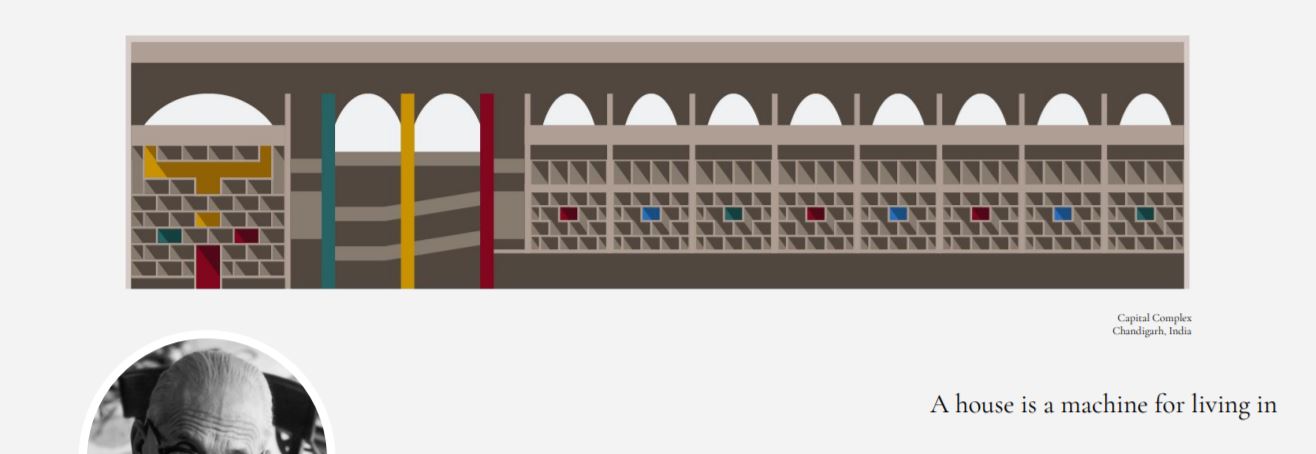
Img 1: An illustration of Le Corbusier’s iconic structure
The process of design
Theory is a bank of ideas that precede actions. Architects have combined ideas from different sources to create spaces of both complex and subtle nature, inspired by elements of nature, arts or human behaviour.
In architecture, a theory is not divorced from practice, rather theory and practice are inseparable. To design a building, an architect needs a set of concepts and ideas to guide their actions. They may be traditional conventions, experimental structural concepts, or aesthetics. Similarly, theory ultimately relies on practice, to test its hypotheses and assumptions.
Designing as a process is continuous and, when it comes to designing buildings (architecture) the process originates from an idea/inspiration and develops on the theory acquired over a period of time.
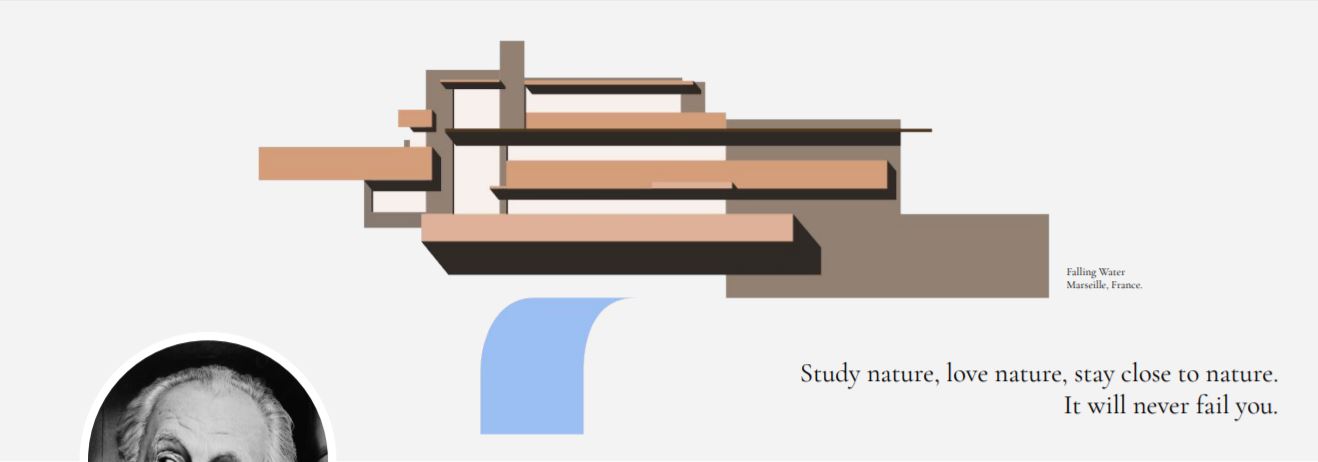
Img 2: An illustration of F.L. Wright’s one of the finest work.
Theory of architecture
The architectural theory comprises of critical commentary or explanations of architectural works or styles or movements; instructions or guidelines for architectural design; musings on the origins of building types or styles; and advocacy for new approaches to the architectural practice.
The first great written and compiled work of architectural theory of medieval period belongs to Leon Battista Alberti, called De Re Aedificatoria. Since then architecture has been re-written for decades, it has been evolving on principles and on styles.
Architectural styles were revolutionized from some of the strong literary works like “Less is More” - M.V. Rohe. ”Ornament is Crime”- Louis Sullivan, “Form follows function” - Le Corbusier etc. which created a foundation for practice and learning. This began 100 years earlier and now, it is an incremental form of knowledge.
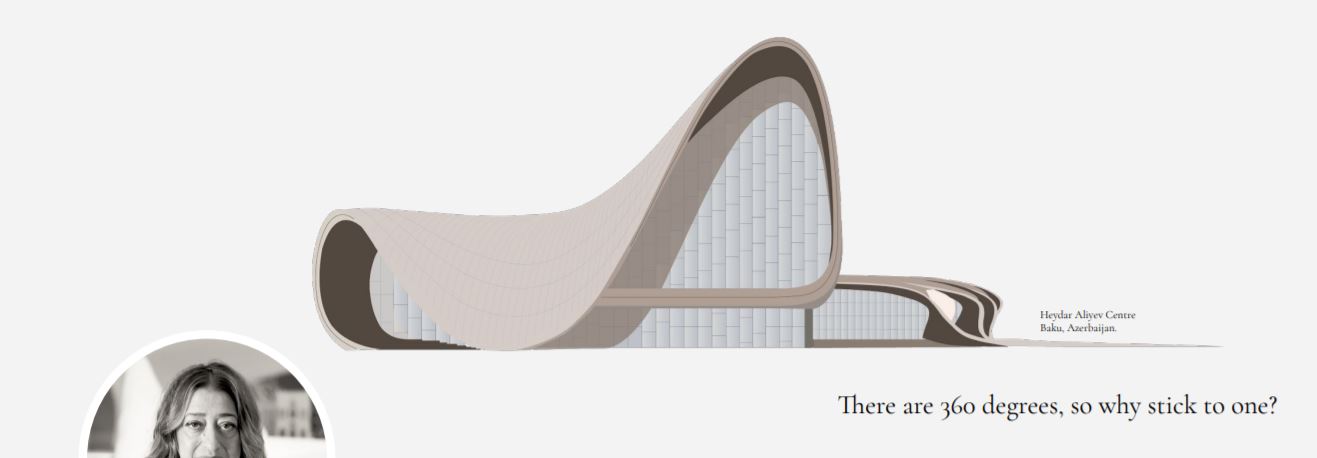
Img 3: Zaha Hadid’s one of the most popular works illustrated
Design learning
While learning in design is advocated through practice and experience, we also study theories as a part of our curriculum. The architectural principles devised by renowned architects in “Theory of Architecture” acts as an ignition point for our ideas and inspirations. Supported by examples of buildings that are already made.
The evolution of architecture is captured and updated in the theory. What if we looked at learning from a new perspective? There are different parts to reach learning but, can we learn beyond reading? How can we re-experience these ideas? What if we took an absolute inspiration from successful works that form a part of theory to enhance our learning curve by direct application? What would be the gain if we perform design exercises that can target theory and design at the same time enabling to learn by practice?
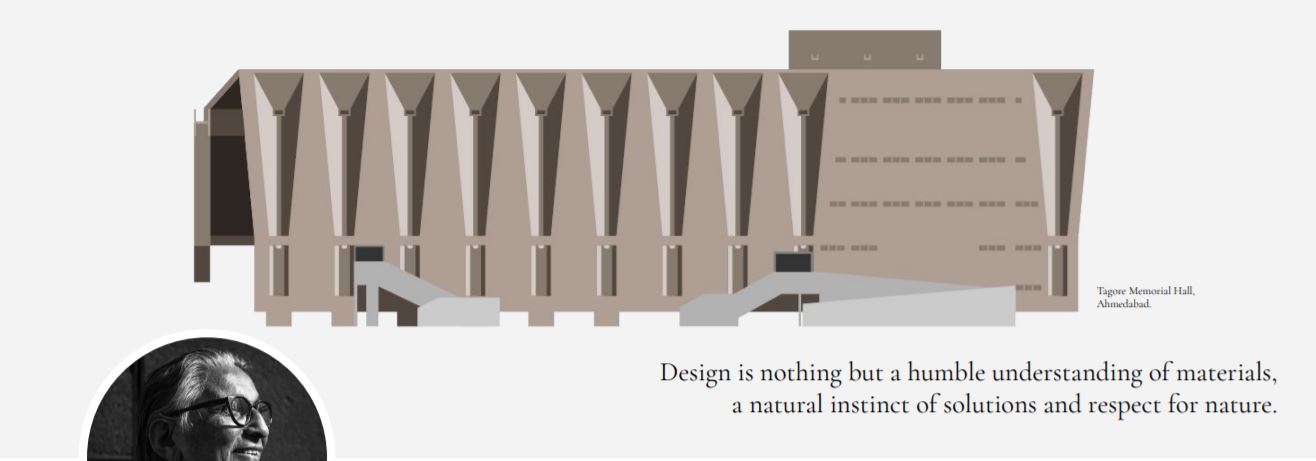
Img 4: An illustration of B.V. Doshi’s Tagore Memorial Hall
Way Forward
These are some of the pioneers of architecture illustrated in each slide whose successful experiments changed the future of design by thinking ahead of their time. Theory of architecture comprises their work to understand what has shaped architecture that we see today. Their understanding of forms, spaces and integration of both has created a benchmark for generations. These can be seen as the initial points of inspiration and theoretical study for the design challenge.
The participants can choose any one of the following architects and interpret their design ideologies into a Pavillion and Exhibition Center.

Brief of the competition
This design exercise aims to enable a new form of learning “by doing” among the participants.
The challenge here is to design a Pavilion and Exhibition Center as a design exercise to understand spaces based on principles.
This structure can be inspired and interpreted on the conventional ideologies of architectural theory by (architects mentioned) or famous literary works by the same or even take inspiration from some of the iconic examples of their work, which were turning points of architectural style.
The ultimate outcome and the process of design aims to help the participant develop a sense of personal “style” founded on the theories of architecture. The structure can be based on any of the ideologies of any one of the architect mentioned in the previous slide.
Objectives
The following objectives can be a point of beginning to conceive this design. Participants can assume their own contexts and users before initiating their design process.
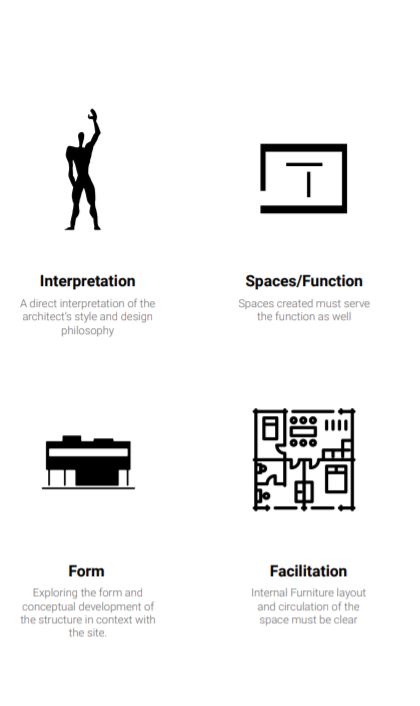
Submission Requirements
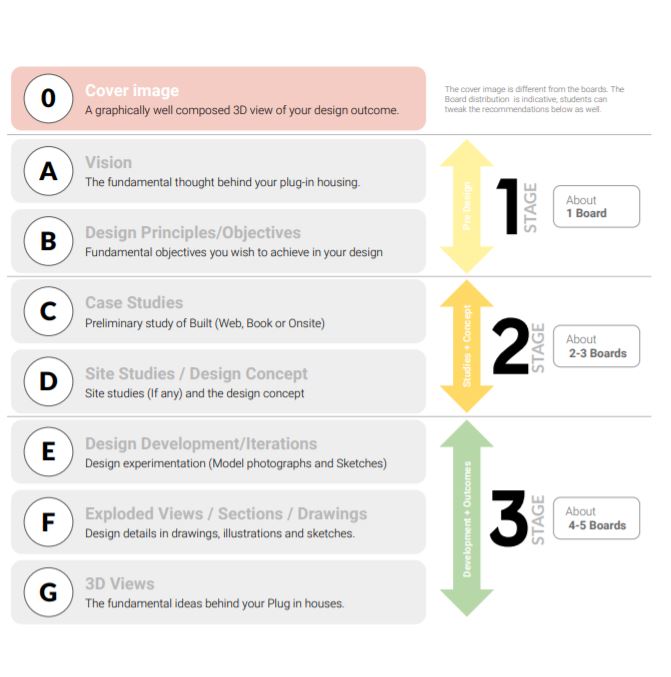
Site
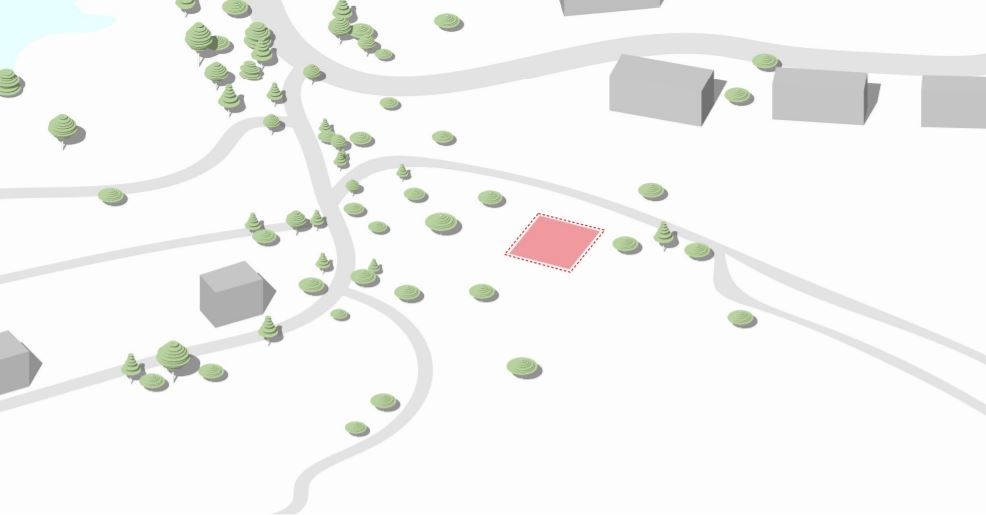
The site chosen for this design exercise is hypothetical and considered to be located inside a public park of a dense urban town. The area allotted is 350 m2 and is expected to host about 100 visitors at a time. The public park is assumed to have only pedestrian access in the part shown above and a heavy flow of urban residents for other activities as well. However, the design outcome is independent of the site context and a detailed study is not required.
- Area: 350 m2
- Height limit: 12 m (39.37 ft)
Judging Criteria
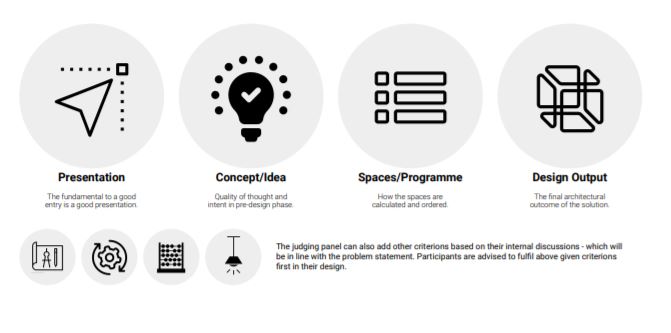
The entries will be judged by an international jury of the competition on the following criterions:
About - Classroom Competitions
Classroom Competitions serves as a part of UNI in the realm of learning and portfolio building oriented design exercises. It intends to give opportunity to young students to explore their design skills in refreshing problems similar to their curriculum. It aims to bring in challenges based on fundamentals of design education. Classroom Competitions embarks on the idea of creating fundamental design challenges to enhance the learning experience and education. It is a research initiative dedicated to providing opportunities for students of design schools from all domains to explore the ideas that go beyond the restrictions of usual architectural discourse.
Queries: support@uni.xyz
Discover other competitions: https://uni.xyz/competitions
Facebook: https://www.facebook.com/unixyzglobal/
Instagram: https://www.instagram.com/uni.xyz/
Discover FAQ’s about this competition on our help forum here: http://help.uni.xyz/
Similar Competitions
Discover competitions you might be interested in


Challenge to design an open learning module for the elderly

Challenge to design a portable music platform

Challenge to design a portable theatre
