
Beauty Acupuncture Clinic Ryu no Ana: A Masterpiece of Japanese Wellness Architecture
Beauty Acupuncture Clinic Ryu no Ana exemplifies Japanese wellness architecture, merging traditional Kyoto townhouses with modern healing spaces for acupuncture and meditation.

Reimagining Traditional Townhouses for Modern Healing
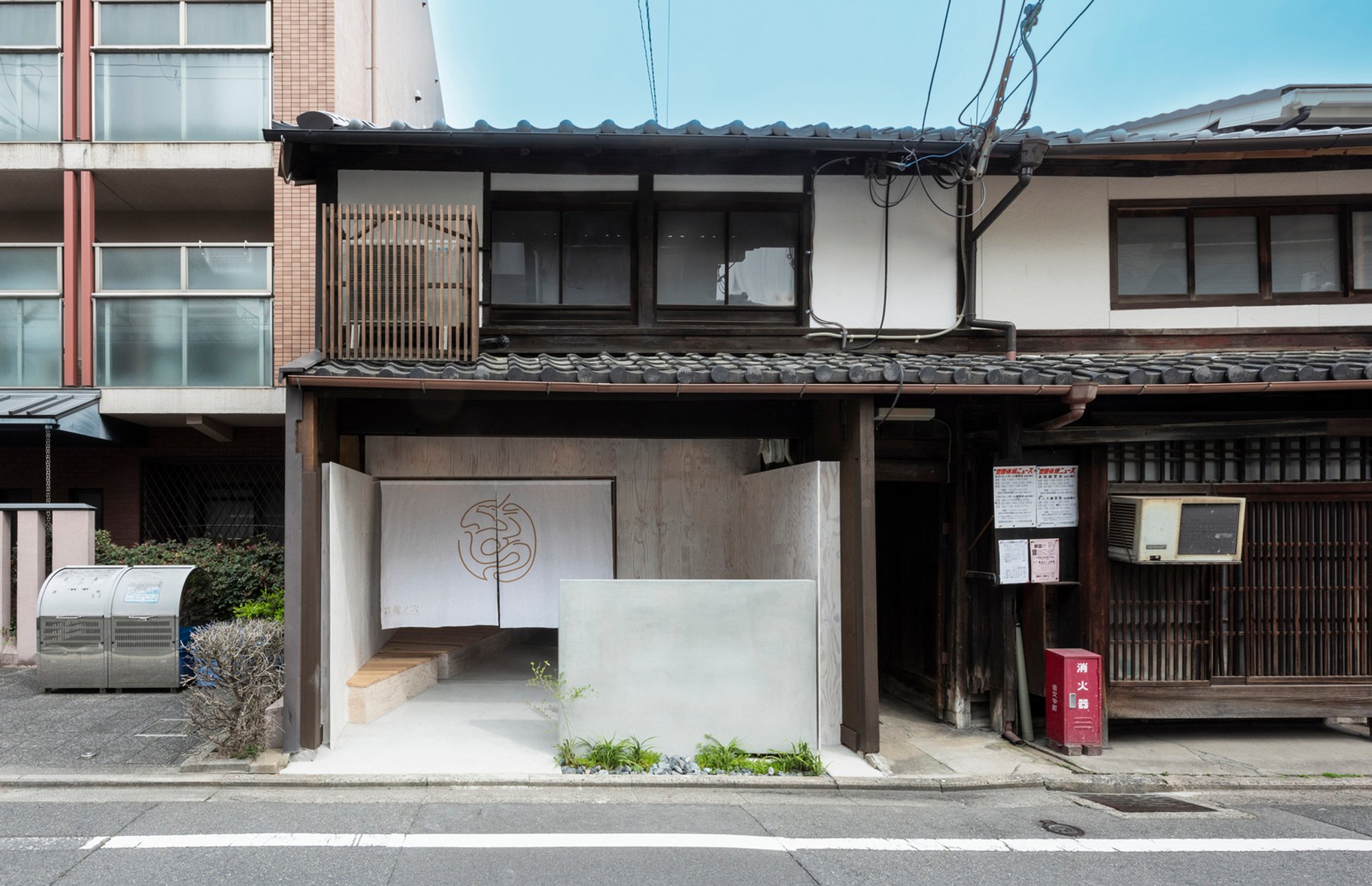
Located in the heart of Kyoto, Beauty Acupuncture Clinic Ryu no Ana is a striking example of Japanese wellness architecture, where traditional design elements merge seamlessly with contemporary healing spaces. Designed by td-Atelier and ENDO SHOJIRO DESIGN, the project breathes new life into two historic townhouses, transforming them into a sanctuary for acupuncture, meditation, and holistic wellness.
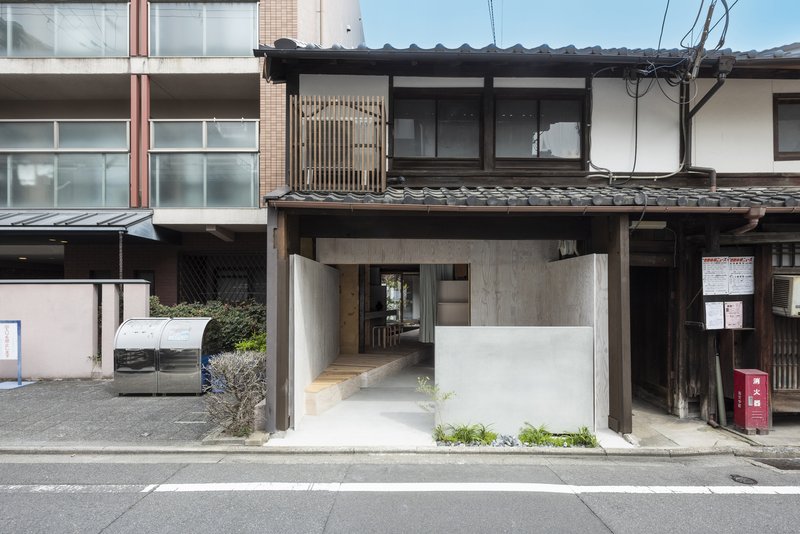
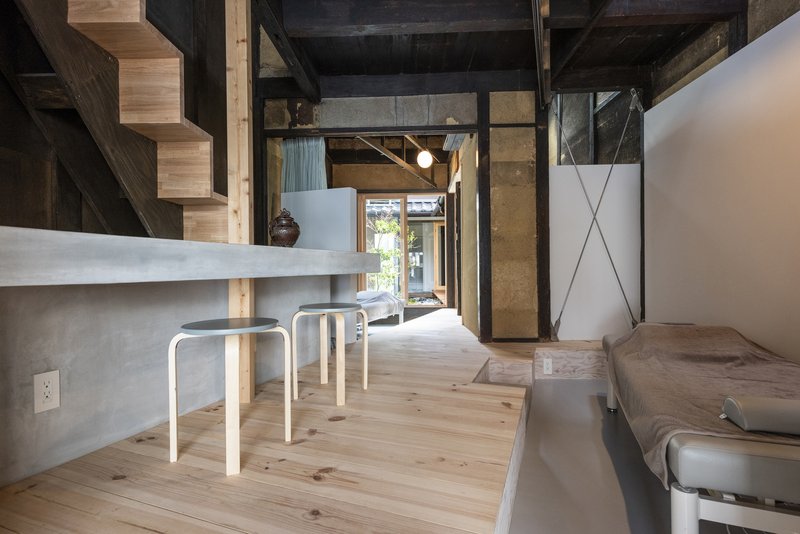
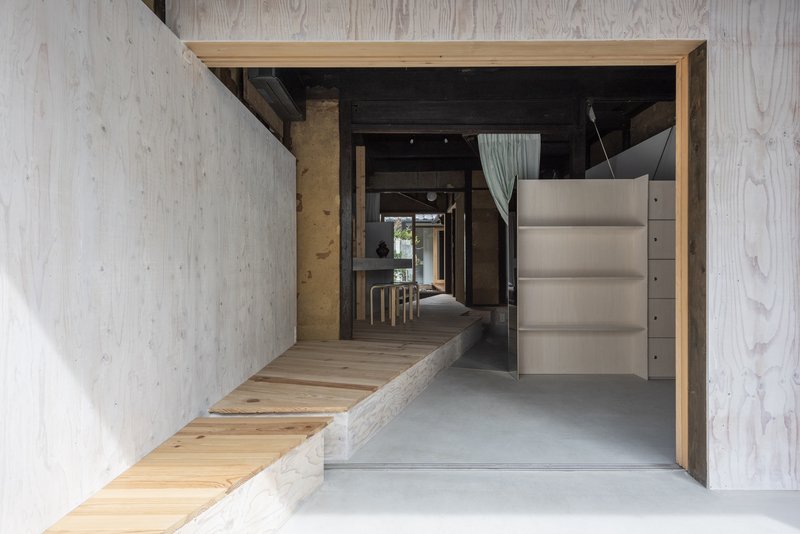
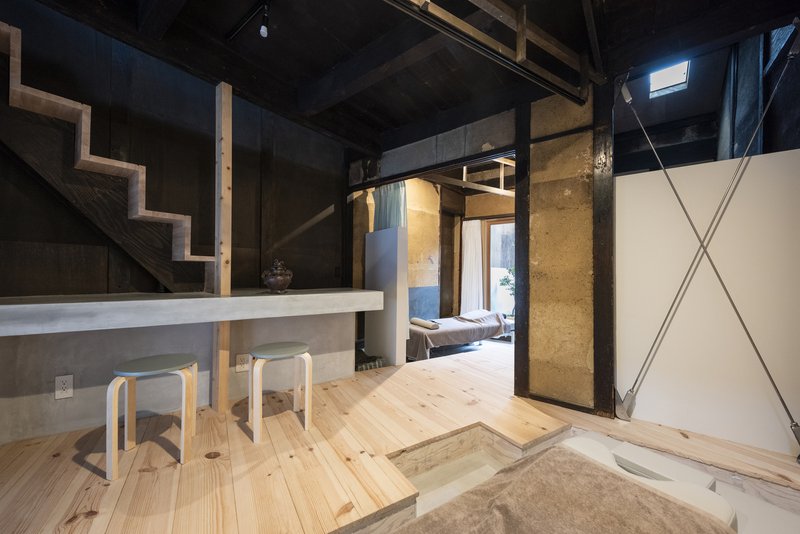
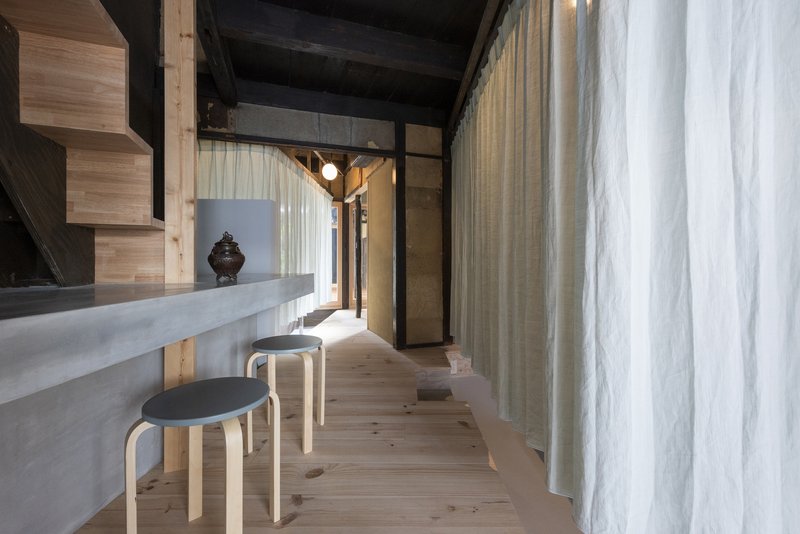
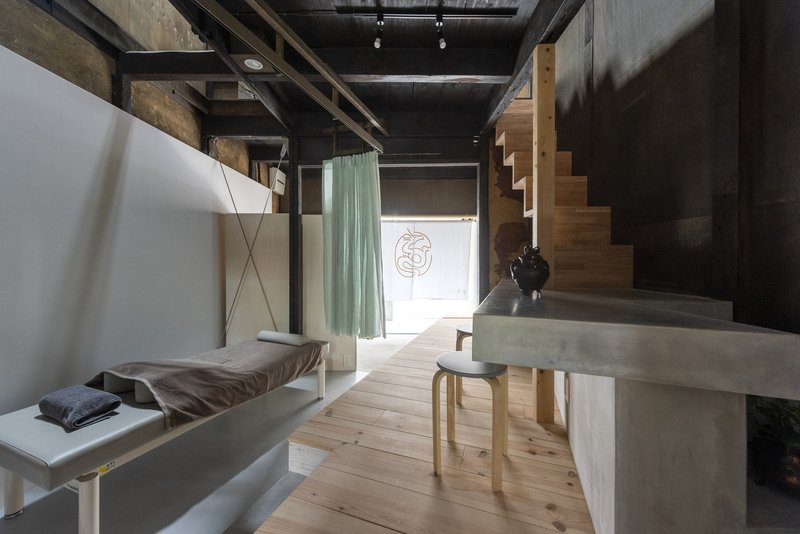
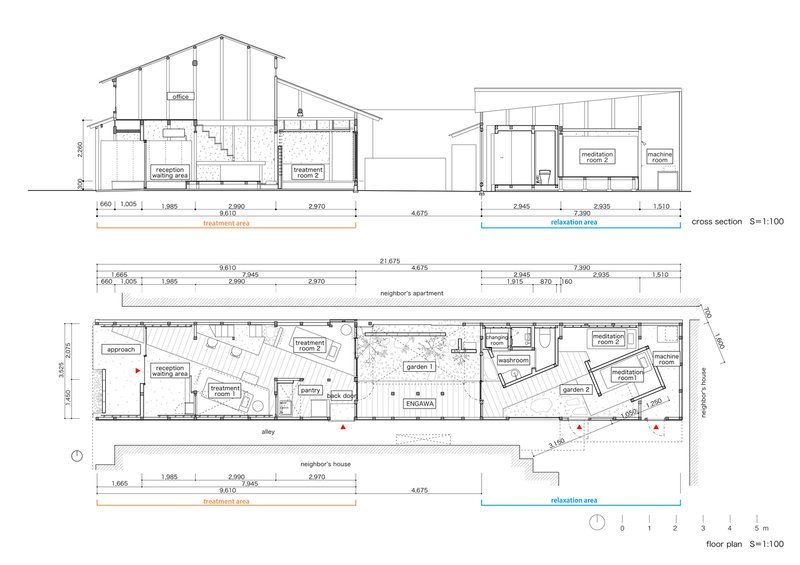
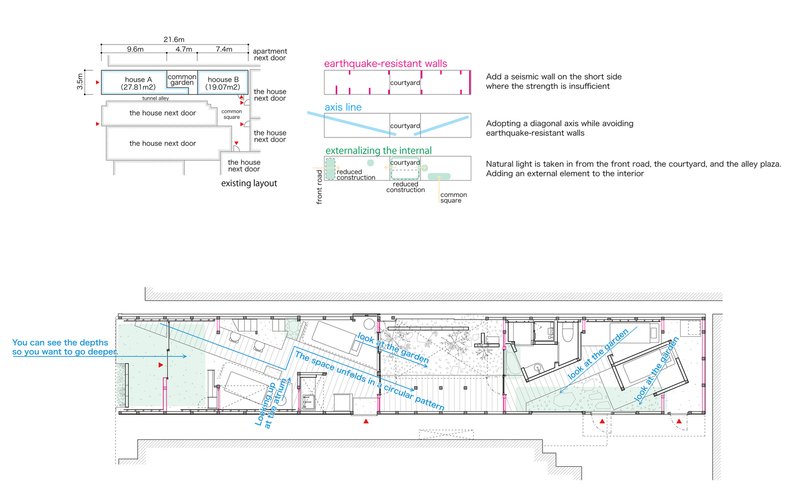
The renovation respects the historic essence of the structures while optimizing their functionality. With a narrow yet elongated footprint—only 3.5 meters wide and 21 meters deep—the design introduces diagonal axes to maximize space efficiency. This innovative spatial reconfiguration not only enhances movement but also establishes a fluid connection between treatment and relaxation areas.
A Spatial Dialogue Between Healing and Tranquility
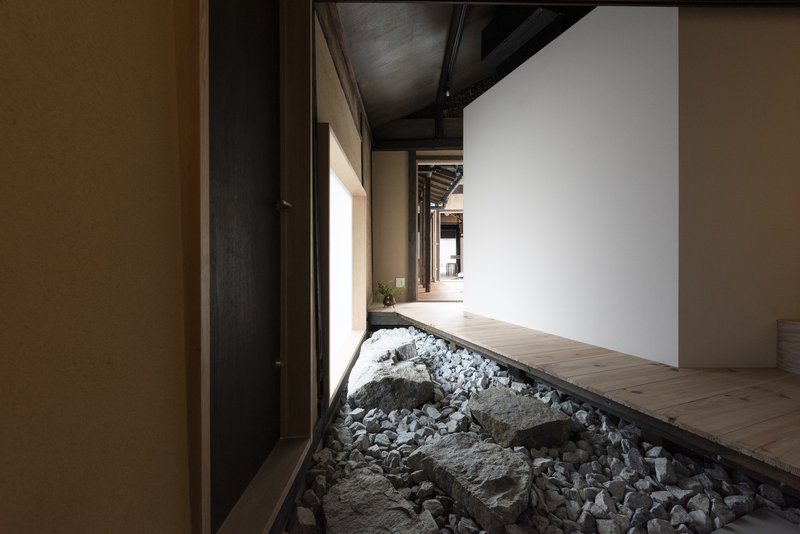
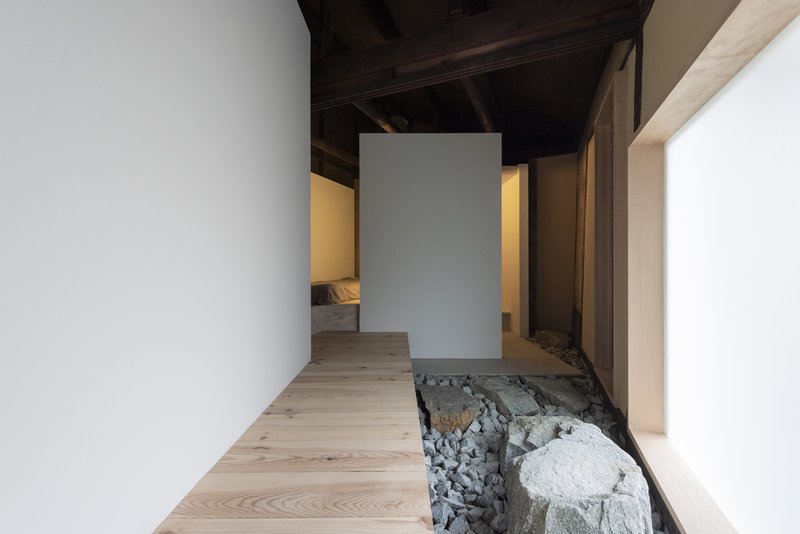
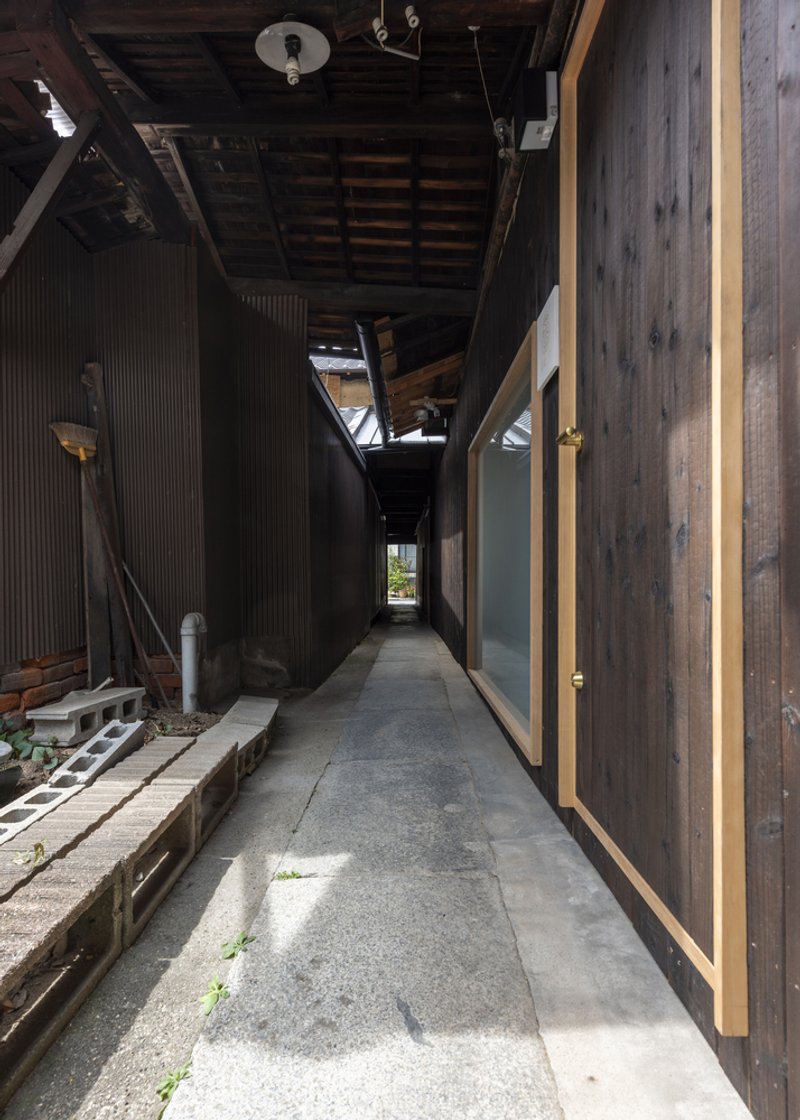
The clinic is divided into two distinct yet interconnected buildings. The roadside structure houses the acupuncture and moxibustion treatment rooms, where carefully arranged spaces follow the diagonal floor plan, allowing for uninterrupted sightlines from the entrance to the courtyard. The back building, accessed through a traditional tunnel alley, serves as a relaxation space for meditation, featuring minimalistic white volumes that encourage serenity and mindfulness.
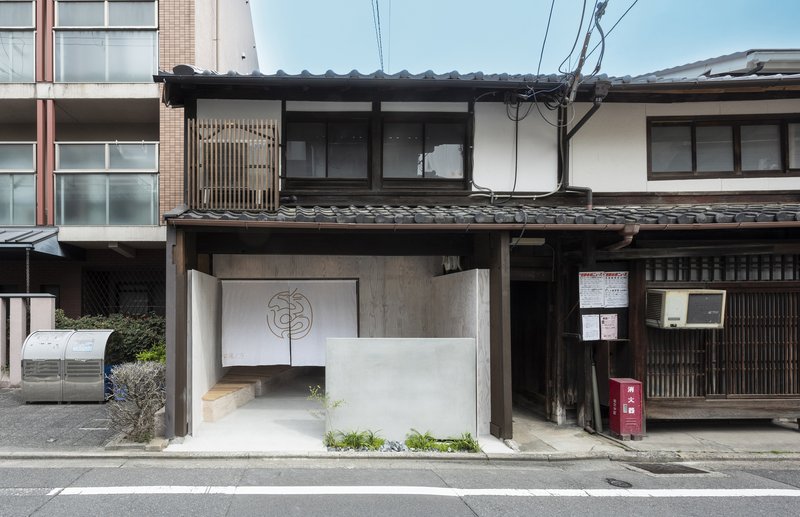
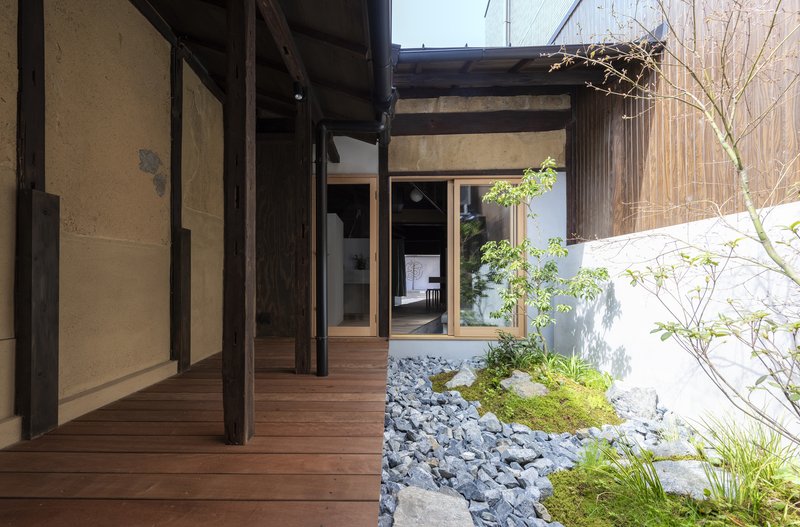
An engawa—a traditional Japanese veranda—links the two spaces, reinforcing the harmonious flow between interior and exterior. The courtyard, which sits at the heart of the clinic, serves as a natural extension of the built environment, blurring the boundaries between inside and outside. The integration of natural light, wooden textures, and traditional architectural elements enhances the sense of tranquility, offering visitors a retreat from the urban environment.
The Essence of Japanese Wellness Architecture
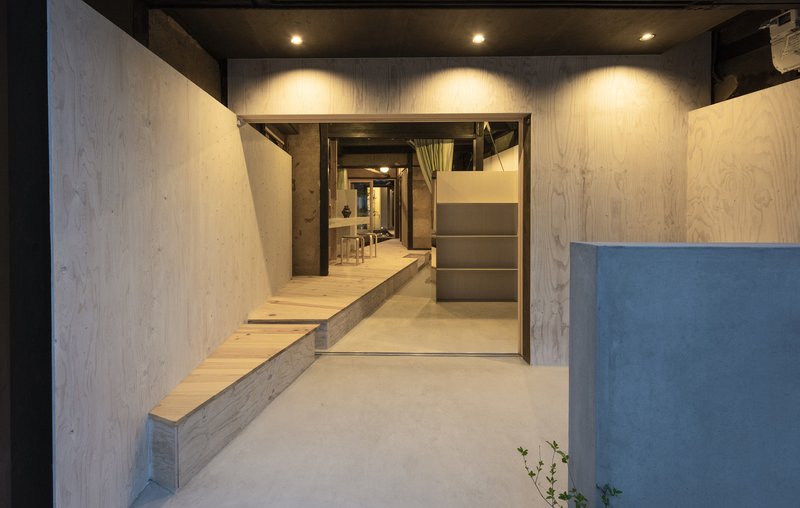
A key principle of Japanese wellness architecture is the seamless transition between nature and built form. At Ryu no Ana, this philosophy is realized through architectural gestures that dissolve rigid spatial divisions. The extended floor at the entrance, which doubles as a public bench, subtly invites engagement with the city, while shoji-inspired screens and minimalist partitions create a fluid interplay of openness and privacy.
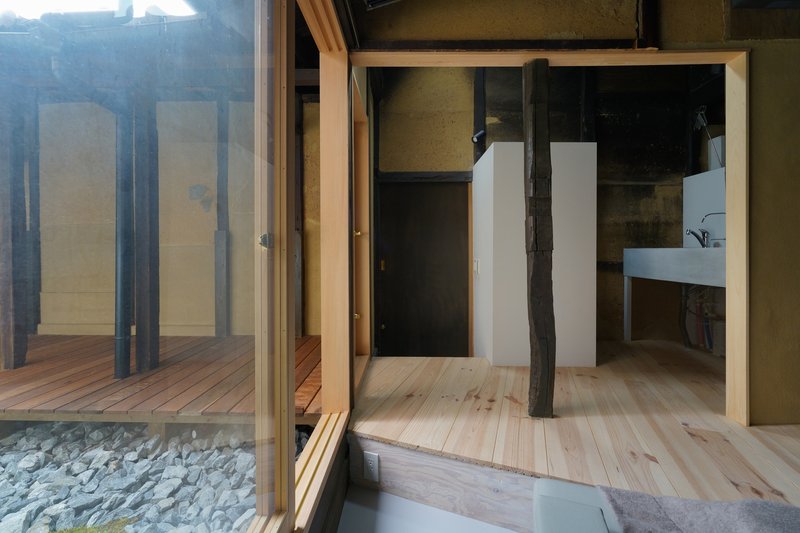
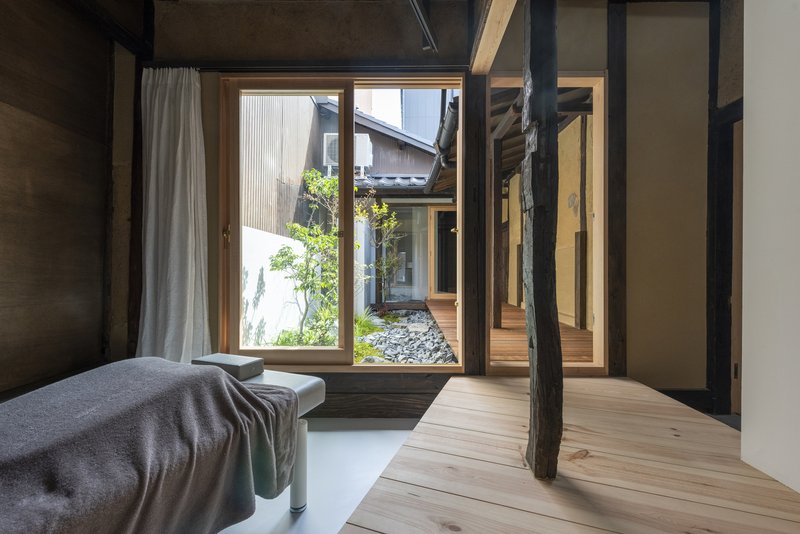
By incorporating time-honored design strategies—such as blurring spatial thresholds and using organic materials—the project achieves a modern reinterpretation of Japanese architectural wisdom. The careful orchestration of natural elements within the healing environment provides both physical and psychological comfort, embodying the timeless principles of balance and harmony.
A Contemporary Sanctuary Rooted in Tradition
Beauty Acupuncture Clinic Ryu no Ana is more than a healthcare facility; it is an architectural manifestation of wellness, designed to nurture both body and mind. Through a masterful blend of tradition and innovation, it stands as a benchmark for contemporary Japanese wellness architecture, demonstrating how historic spaces can be revitalized to serve modern needs while preserving their intrinsic cultural value.
All photographs are works of Matsumura Kohei




Popular Articles
Popular articles from the community

Louis Malle Cinema: A Limestone Cultural Landmark Revitalizing Community Life in Prayssac
Limestone cinema extension with public forecourt, blending heritage and modern design to create flexible cultural spaces and strengthen community interaction.
Atelier Macri Concept Store Interior Design by CASE-REAL
Atelier Macri store features a "ko" counter, walnut wood details, cork displays, blending retail, gallery, and seamless customer experiences.
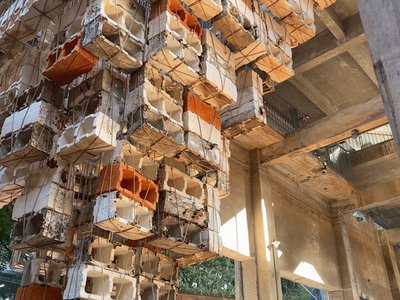
Inverted Architecture Installation by Studio Link-Arc: Exploring the Intersection of Architecture and Living Organisms
Inverted Architecture Installation by Studio Link-Arc blends mycelium, sustainability, inverted design, ecological cycles, and urban adaptive architecture in Shenzhen.
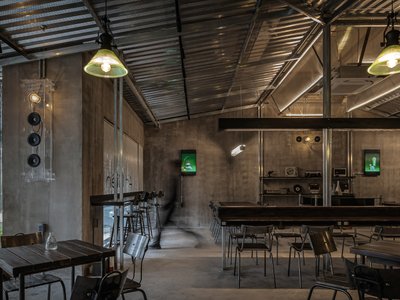
An Miên Lumière Cafe by xưởng xép, Ho Chi Minh City, Vietnam
An industrial-inspired café where layered steel and warm light create a dynamic, immersive environment shaped by reflection, depth, and perception.

Similar Reads
You might also enjoy these articles


Top 15 Architecture Competitions to Enter in 2026
From student-friendly idea competitions to prestigious international awards, here are the best architecture competitions open for entries in 2026. Updated regularly.

DIY & Engineering in Computational Design : Enter the BeeGraphy Design Awards
Showcase Your Creativity with Computational Design and Open Source Projects
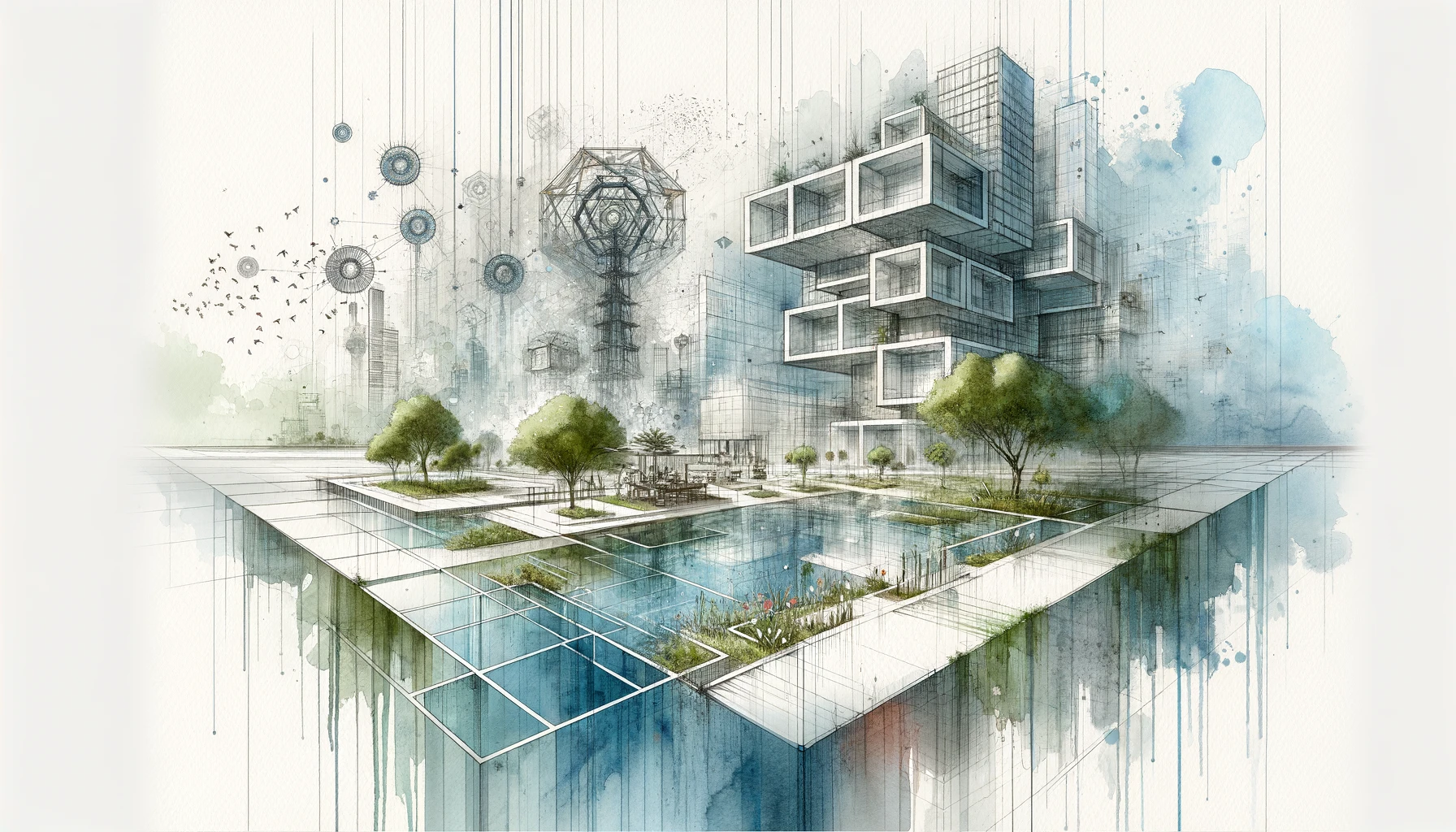
Innovative Design Solutions: Award-Winning Projects from Recent Architecture Competitions
Exploring award-winning architectural projects shaping the future of design, sustainability, and community.



Explore Architecture Competitions
Discover active competitions in this discipline




The International Standard for Design Portfolios


The Global Benchmark for Architecture Dissertation Awards


The Global Benchmark for Graduation Excellence


Challenge to reimagine the Iron Throne
Comments (0)
Please login or sign up to add comments
No comments yet. Be the first to comment!