
Heritage House Restoration in India: A Case Study of Apdu ‘Gaam nu Ghar’ Residence
This article explores the meticulous restoration of Apdu ‘Gaam nu Ghar’ Residence in Vemar, blending traditional Indian architecture with modern functionality.


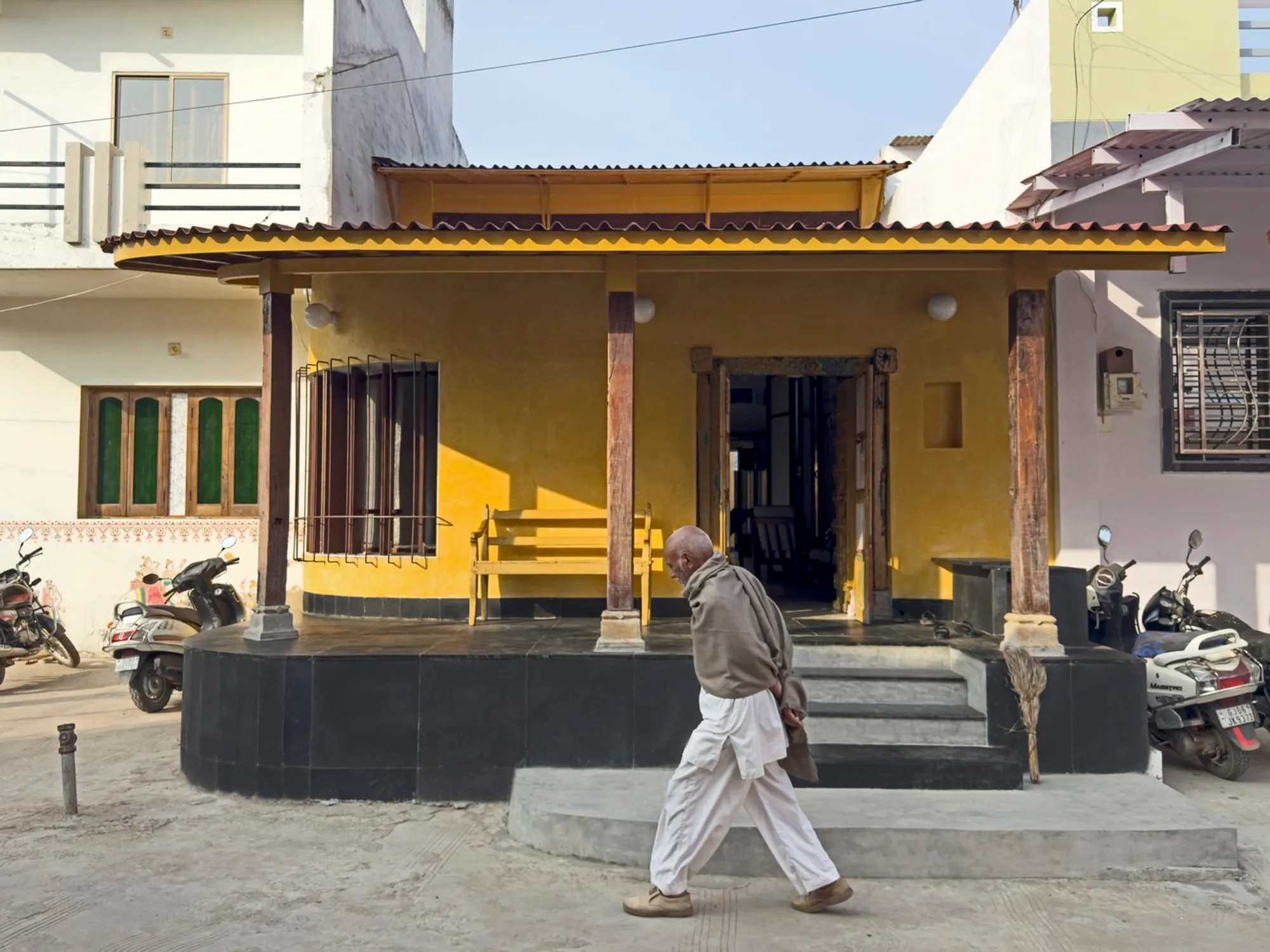
Heritage house restoration in India represents a significant aspect of preserving the cultural and historical fabric of the country. The Apdu ‘Gaam nu Ghar’ Residence in Vemar, a village 25km from Baroda in Gujarat, stands as a testament to the delicate balance between maintaining architectural heritage and incorporating modern conveniences. This article explores the intricate restoration of this over 150-year-old residence by the architectural firm Doro, showcasing a model for heritage house restoration in India.

Understanding the Need for Restoration
The migration trends in Vemar, similar to many parts of India, have led to a unique architectural narrative. Many ancestral homes, once left behind, are now being reimagined as cherished retreats for NRI families. The Apdu ‘Gaam nu Ghar’ Residence is one such project that articulates the desire to preserve heritage while adapting to contemporary lifestyles.
The Restoration Approach by Doro
Traditional Foundations
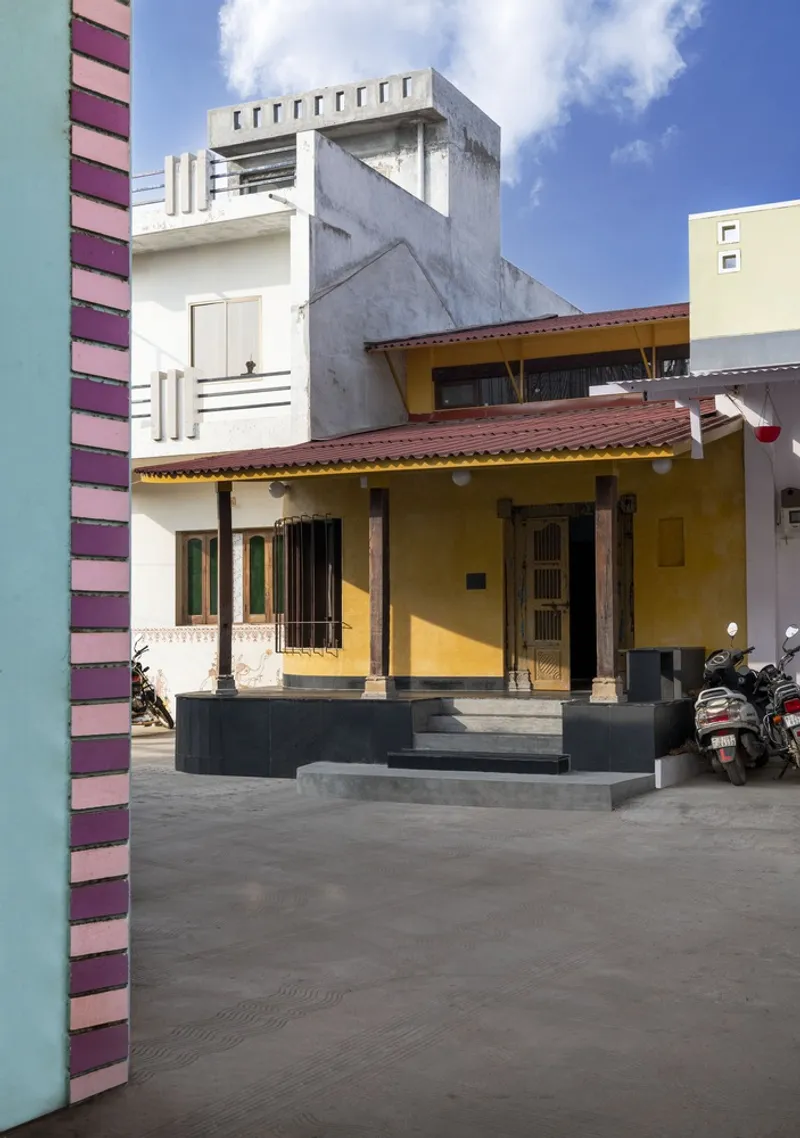
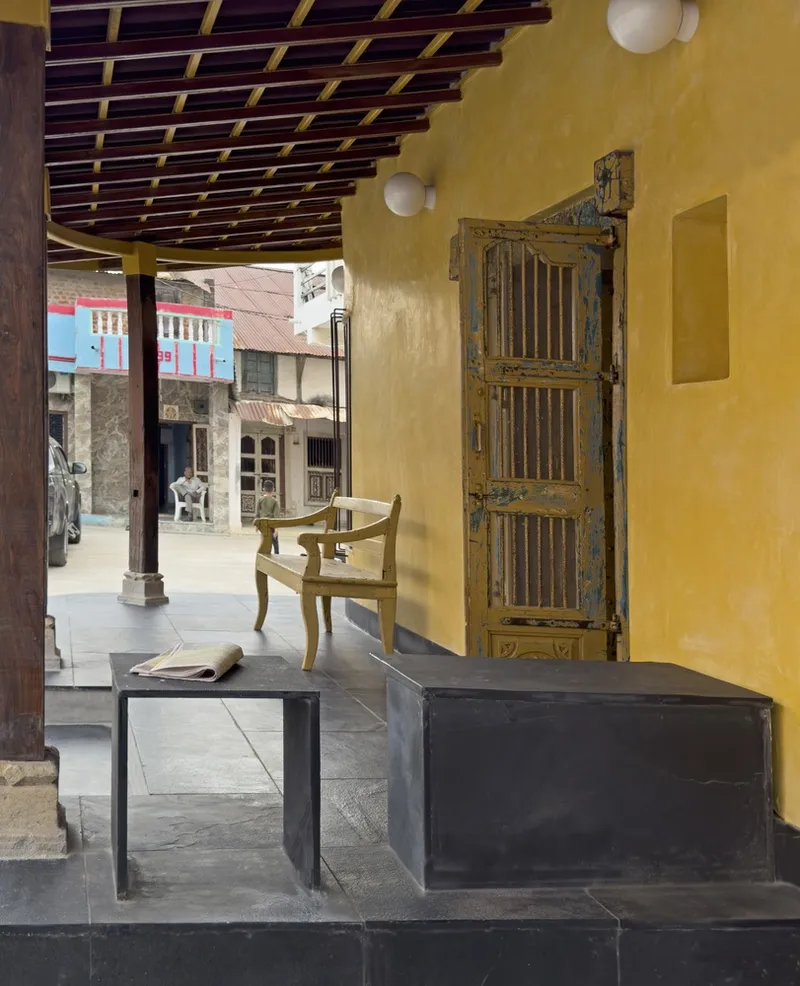
The residence, characterized by its traditional wooden structure and pitched roofs, faced structural deteriorations necessitating a comprehensive restoration. The project led by architects Naomy Parikh and Niyati Shah, with AMI Engineers as structural engineers, embarked on deconstructing the old house for safety while preserving its essence.

Blending Tradition with Modernity
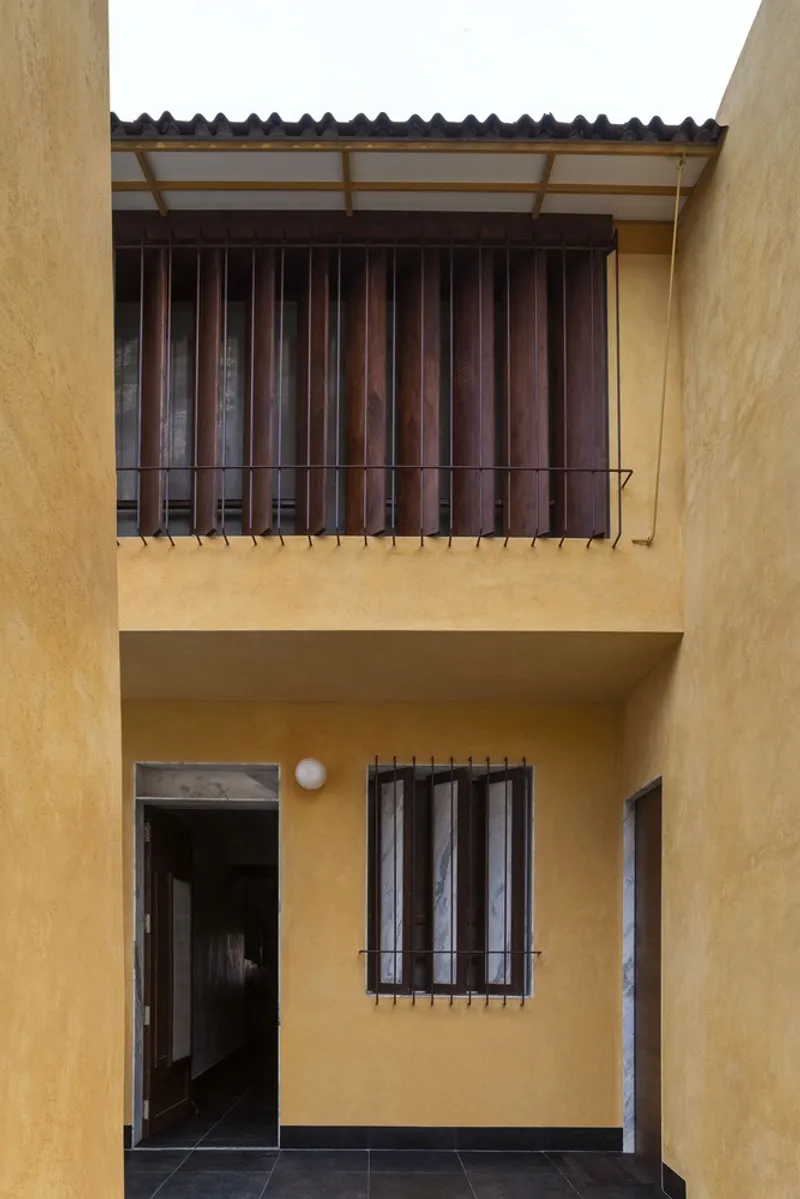
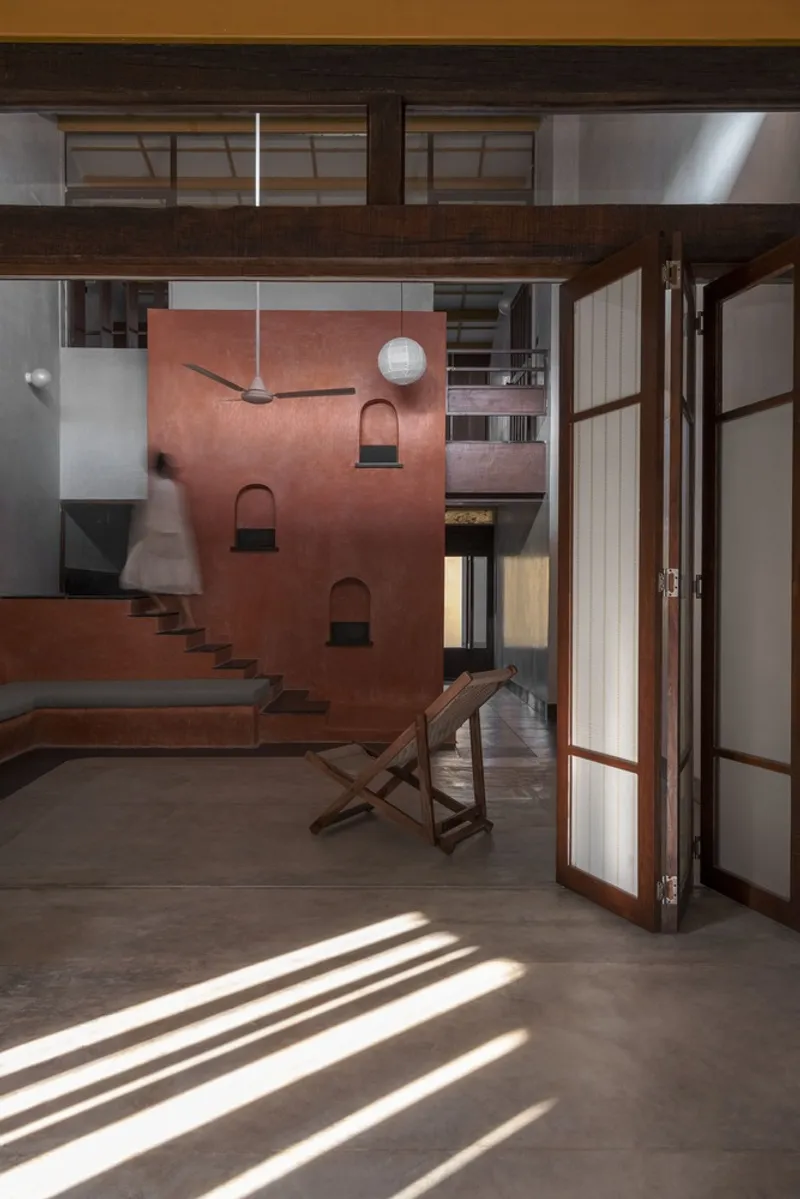
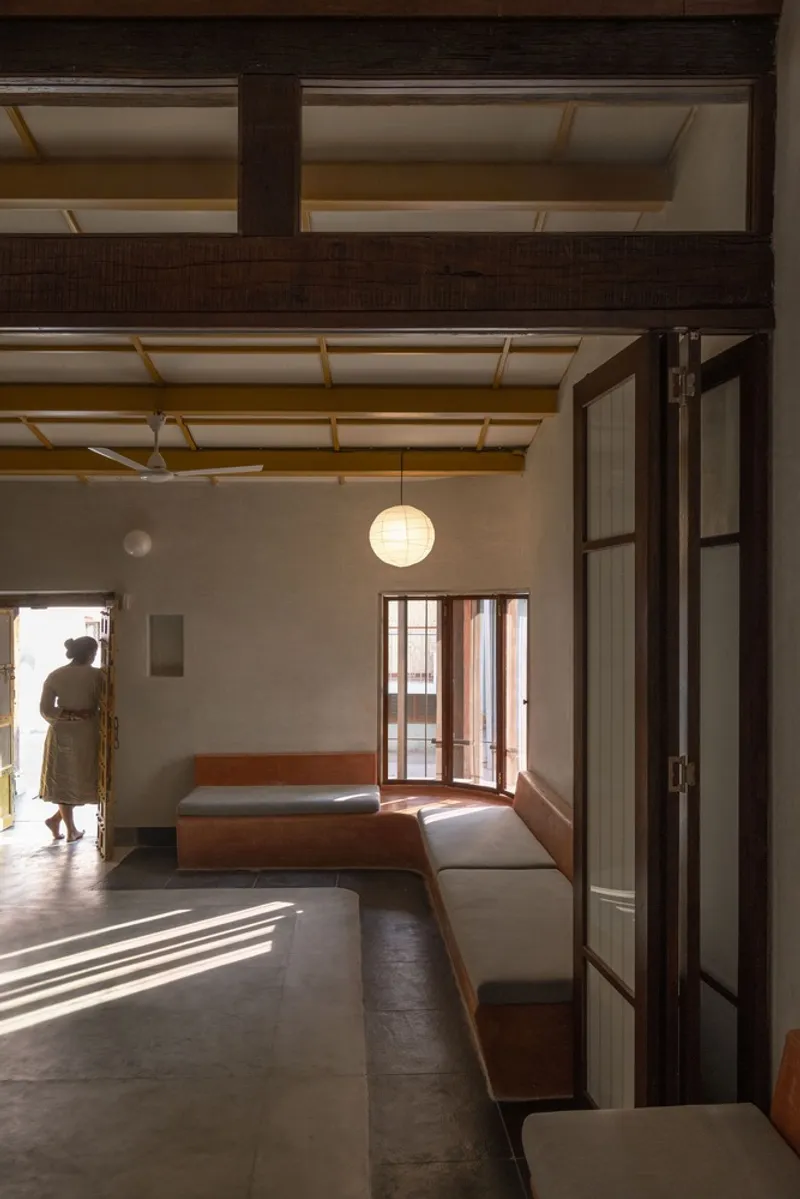
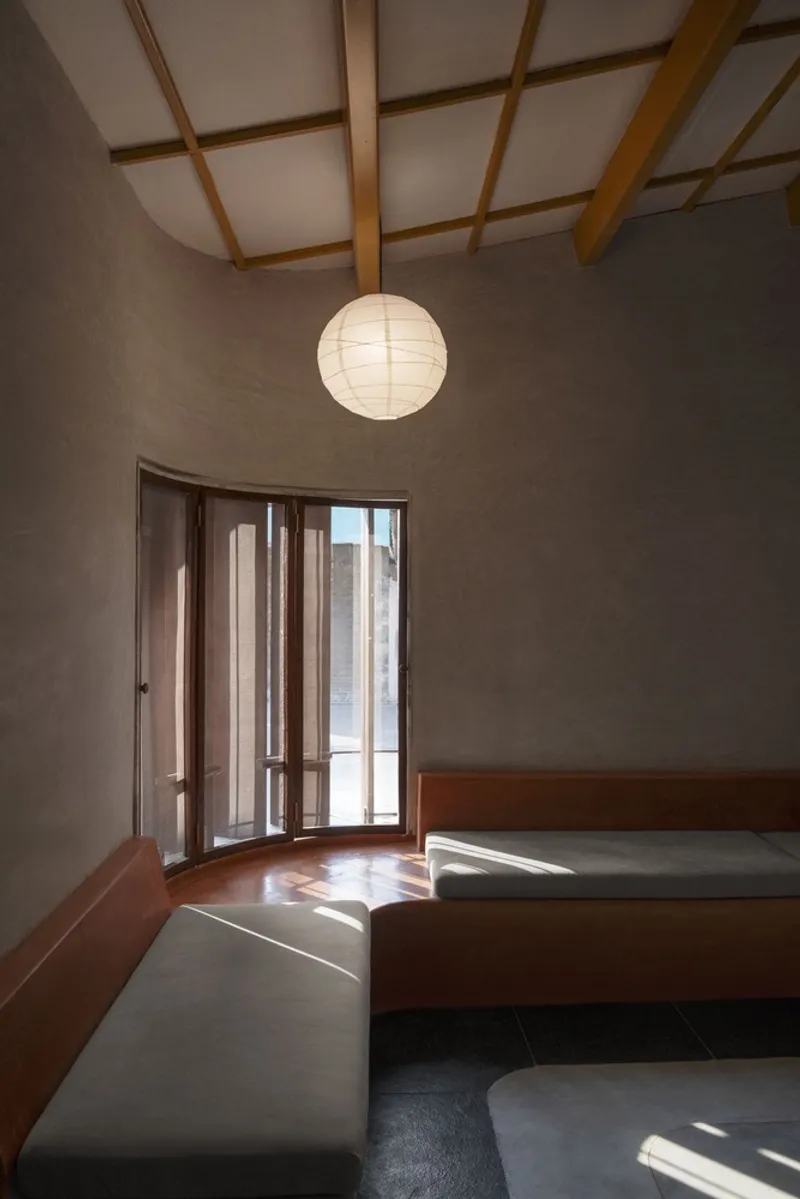
The challenge was to retain the house's historical integrity while making it suitable for modern living. The solution was a split gable roof design that not only respects the traditional architectural style but also optimizes the space for the family's occasional visits. The use of traditional materials like bricks, mud lime mortar, and plasters alongside modern techniques exemplifies the fusion approach in heritage house restoration.
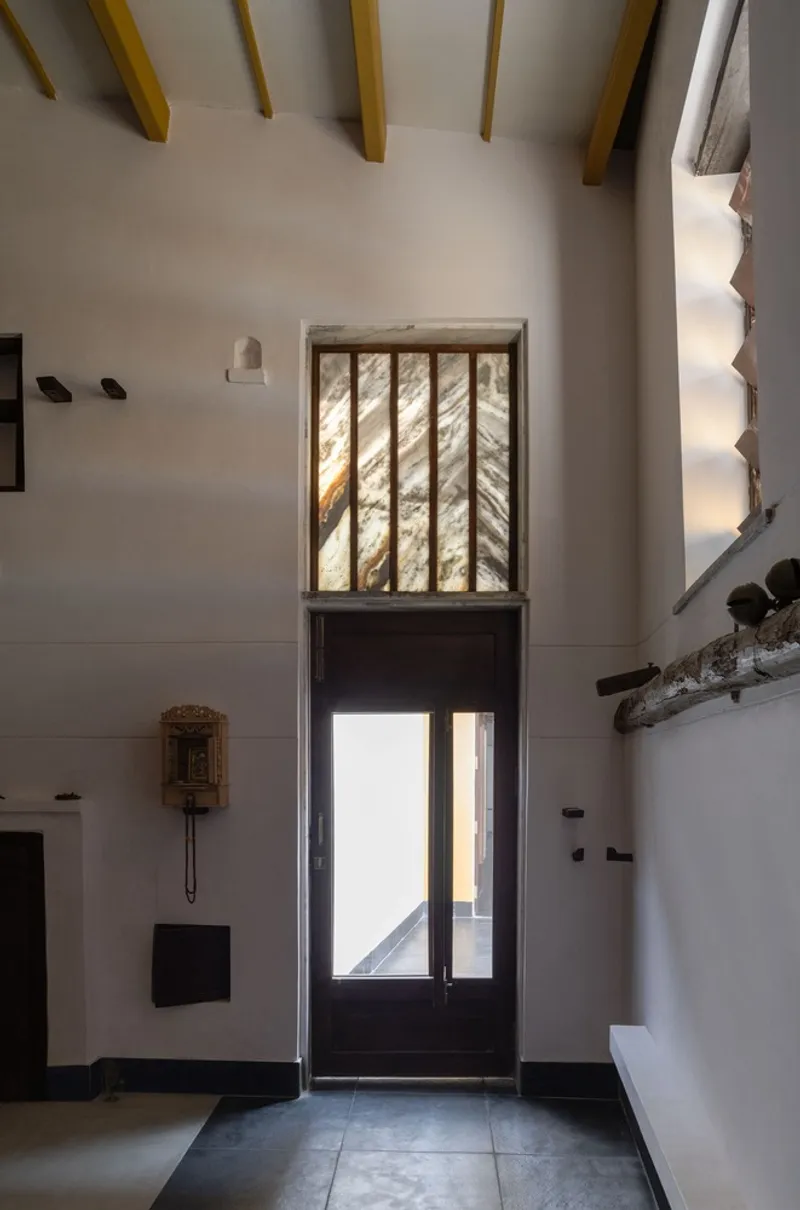
Key Features of the Restoration
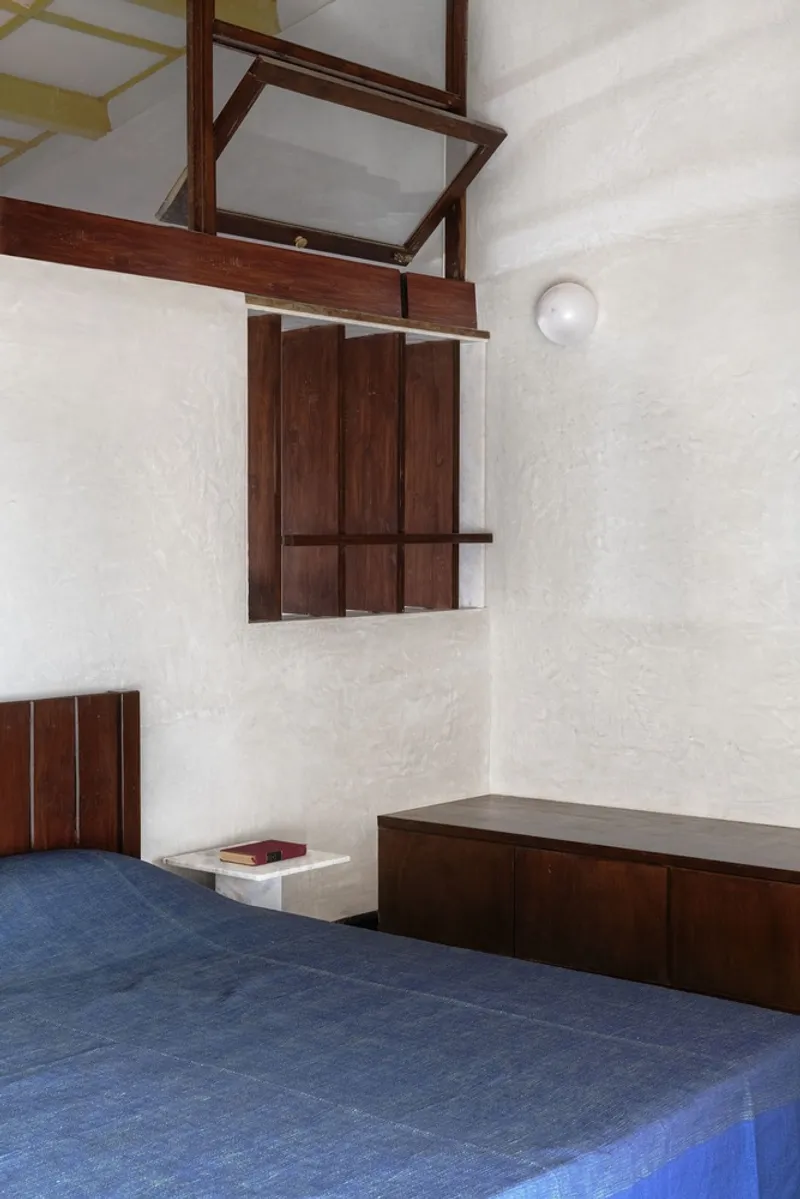
- Preservation of Timber: The original timber was repurposed in the new construction, maintaining the essence of the old structure.
- Adaptation of Spaces: The house features distinct areas such as the 'Prahar' for guests and the 'Orda' for family, reflecting traditional living patterns while accommodating modern needs.
- Sustainability in Materials: The project emphasized the reuse of materials, from beams to doors and windows, ensuring sustainability in the restoration process.
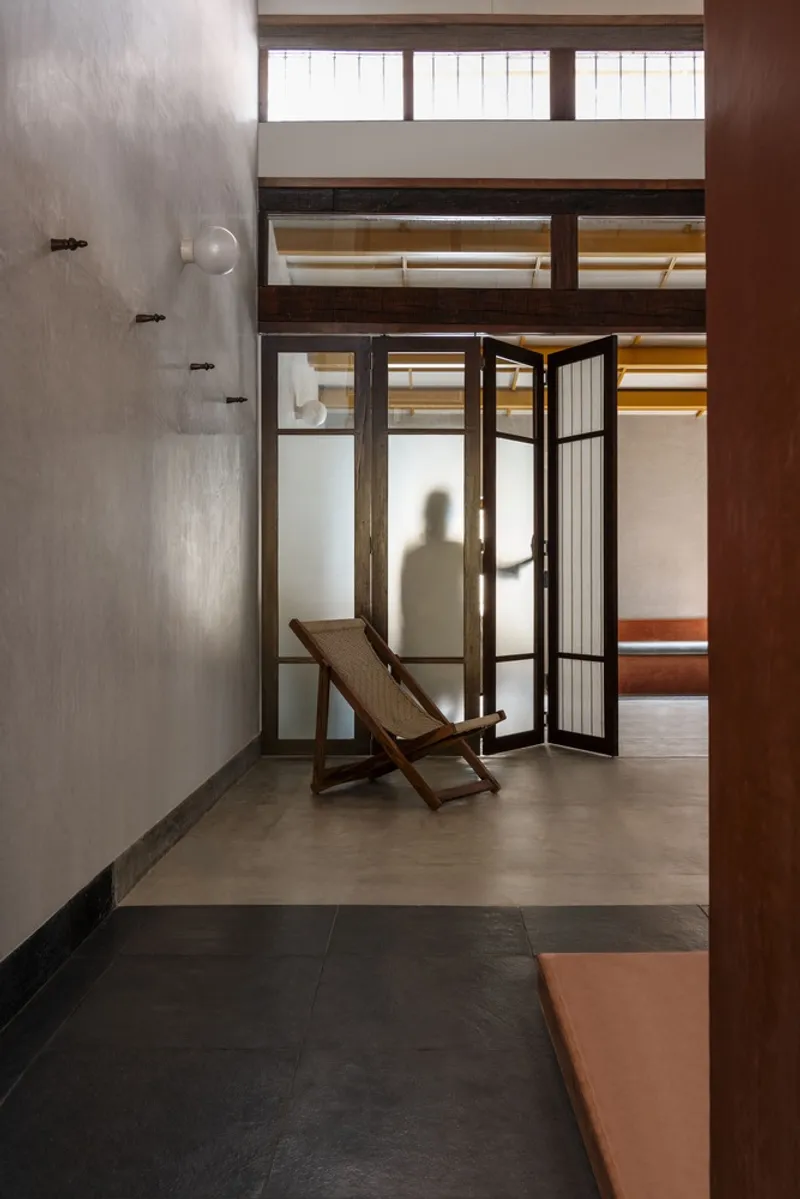
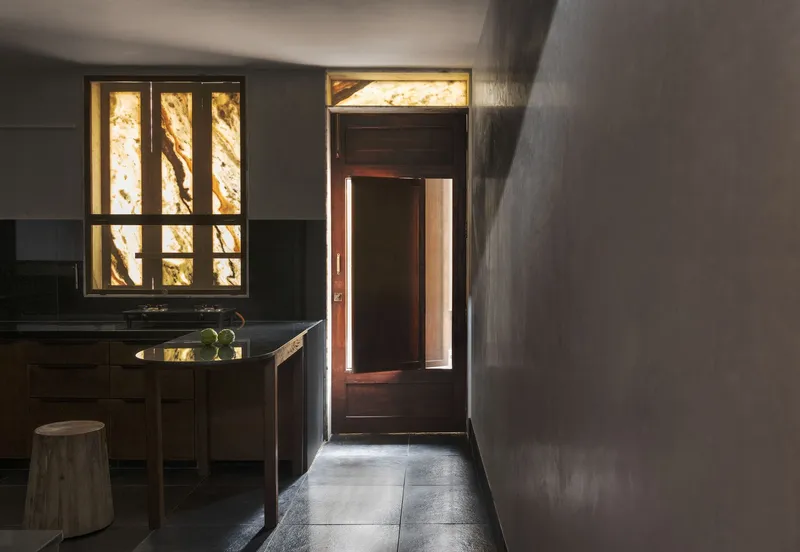
Embodying Tradition and Modernity
The Apdu ‘Gaam nu Ghar’ Residence stands as a beacon of heritage house restoration in India, embodying the dual imperatives of preserving cultural heritage and adapting to contemporary needs. This project not only reflects the architectural richness of Vemar but also serves as an inspiration for similar restoration efforts across India. In the evolving narrative of Indian villages, the preservation of heritage homes like Apdu ‘Gaam nu Ghar’ ensures that the architectural and cultural legacies continue to thrive amidst modern transformations.
This case study on the Apdu ‘Gaam nu Ghar’ Residence underlines the importance and potential of heritage house restoration in India, offering valuable insights for architects, planners, and homeowners interested in embarking on their restoration journeys.
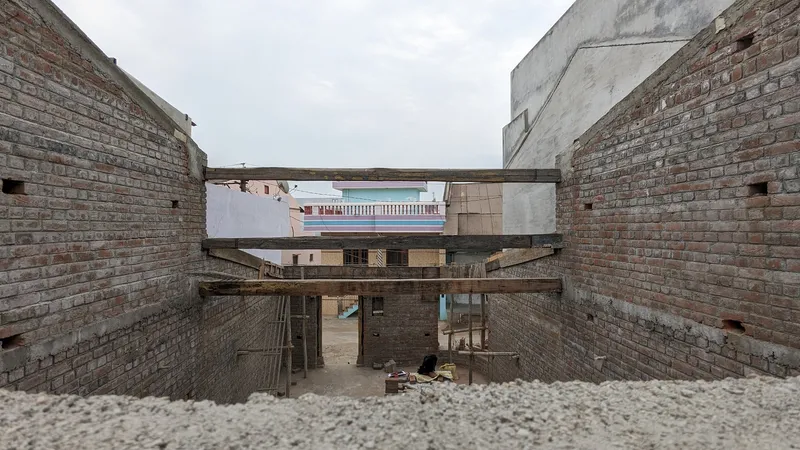
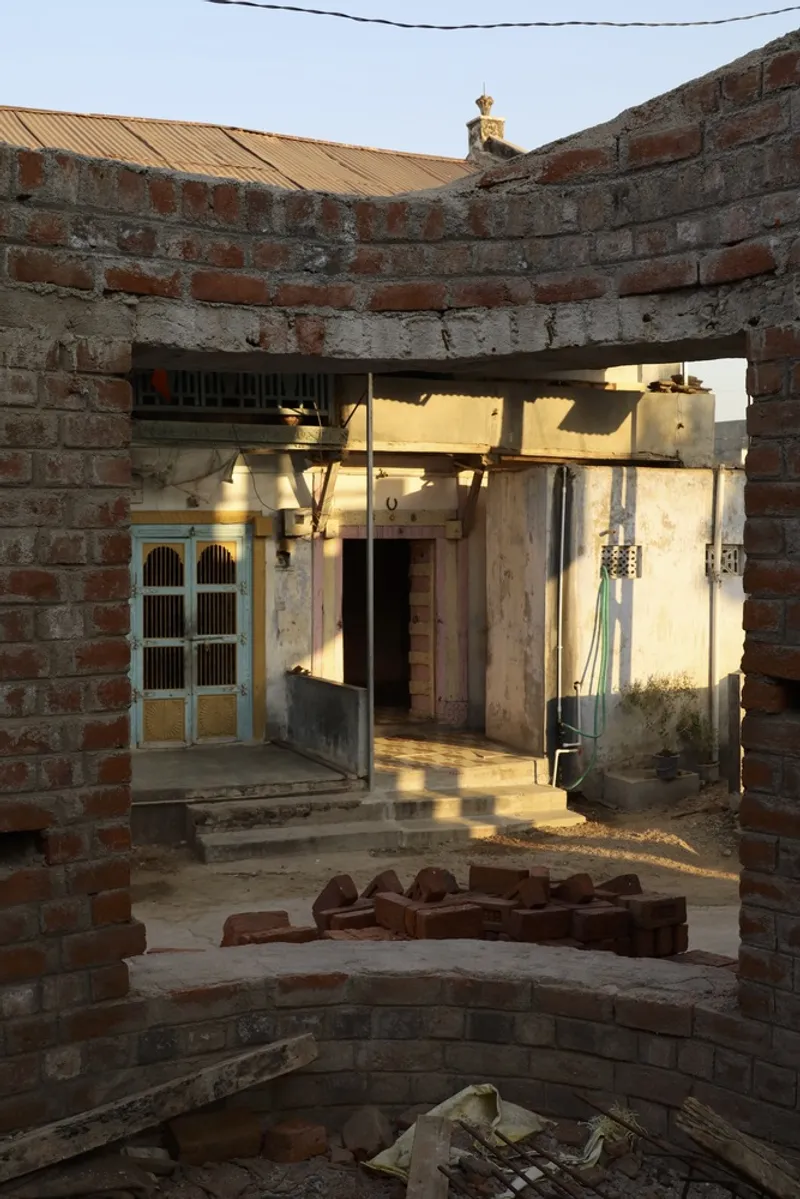

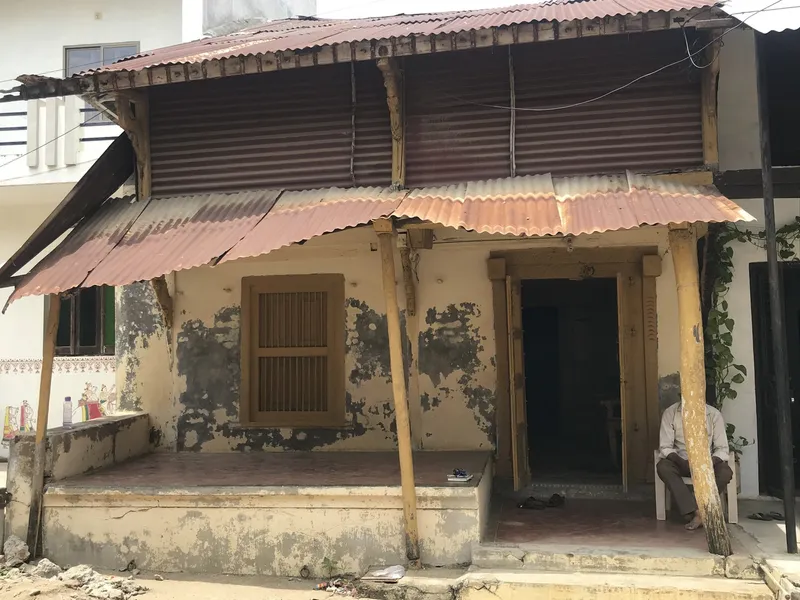

All photographs are work of Stavan Bhagora, Suryan // Dang, Niyati Shah



Popular Articles
Popular articles from the community


The Ocean Hive: Sustainable Architecture for a Self-Sufficient Civilization at Sea
The Ocean Hive imagines sustainable architecture at sea, where modular habitats, algae, wave power and ocean waste sustain a growing colony.

EW PARK: Sustainable Architecture Reimagines the Future of Urban Parking
EW PARK reimagines city parking as a modular wooden tower combining automation, solar energy, electric mobility, and adaptable urban design.

Hill & Cross Opera: Sculptural Opera House Architecture Shaped by Tallinn’s Landscape and Identity
Hill & Cross Opera reimagines opera house architecture in Tallinn through its sculptural hill, civic plaza, glass wave and a luminous cross.

The Musturak Paradise: Senior Living Architecture for a Connected Future in Temara, Morocco
The Musturak Paradise reimagines senior living architecture in Temara via private homes, social spaces, culture, community, and shared care.

Similar Reads
You might also enjoy these articles

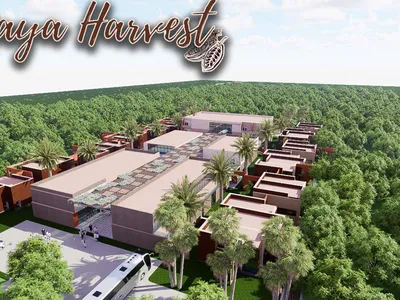
Maya Harvest: A Cacao Resort Village Rooted in Mayan Tradition and Local Craft
Situated within a Tabasco cacao plantation, this shortlisted resort proposal merges vernacular materials with hands-on cultural immersion.
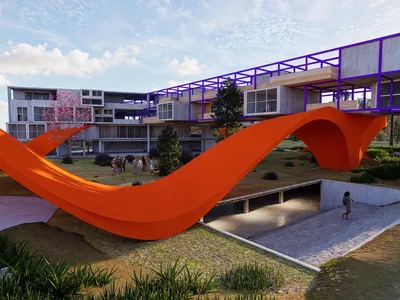
Harmonia: A River-Shaped Community That Grows Over Decades in Boa Vista
Curved pathways and modular grid structures along the Branco River create a phased settlement designed to evolve from 2030 to 2050.
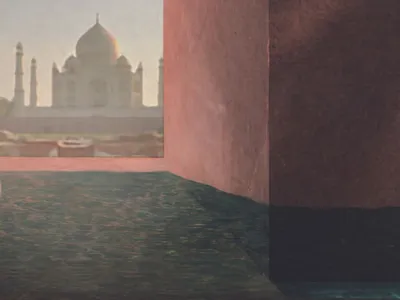
The Architecture of Bathing: A Mughal Hammam Reimagined Across the Yamuna
Charlotte May's honorable mention entry for The Black Taj reinterprets Agra's bathing rituals through red sandstone, water, and framed views of the Taj Mah
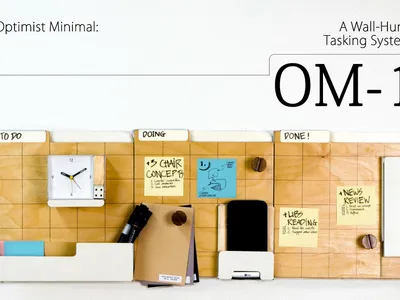
Om-1: A Wall-Hung System That Moves Your Workspace Off the Desk
Modular plywood boards, magnetic pegs, and utility elements migrate clutter from the horizontal surface to the vertical plane.

Explore Heritage Protection Competitions
Discover active competitions in this discipline



Challenge to reimagine the Iron Throne


Photograph architecture without architects


Illustrate the lost glory of Angkor Wat - Render Challenge


Design challenge to reuse E-waste
Comments (0)
Please login or sign up to add comments
No comments yet. Be the first to comment!