
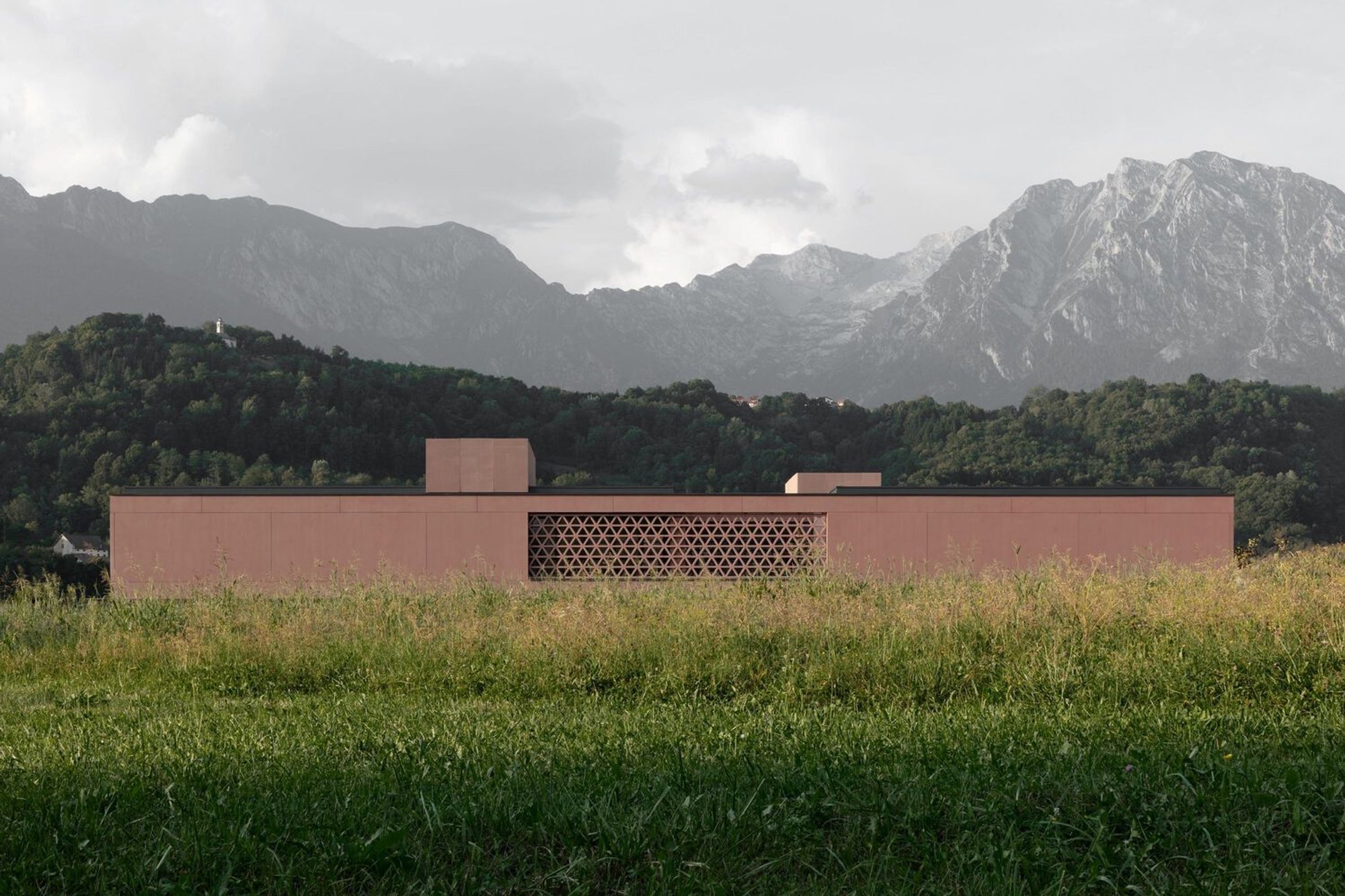
Modern School Architecture: Secondary School Puos d’Alpago by Facchinelli Daboit Saviane
The Secondary School Puos d’Alpago redefines modern school architecture by integrating open spaces, transparency, and sustainability into a dynamic learning environment.


The Secondary School Puos d’Alpago, designed by Facchinelli Daboit Saviane, is a striking example of modern school architecture that redefines educational spaces through innovative design principles. Located in Italy, this project was conceived as part of a broader strategy to counteract depopulation by investing in contemporary educational infrastructure. The result is a dynamic and interactive learning environment that fosters community engagement while prioritizing spatial fluidity, sustainability, and adaptability.
A School Designed as a Civic Space
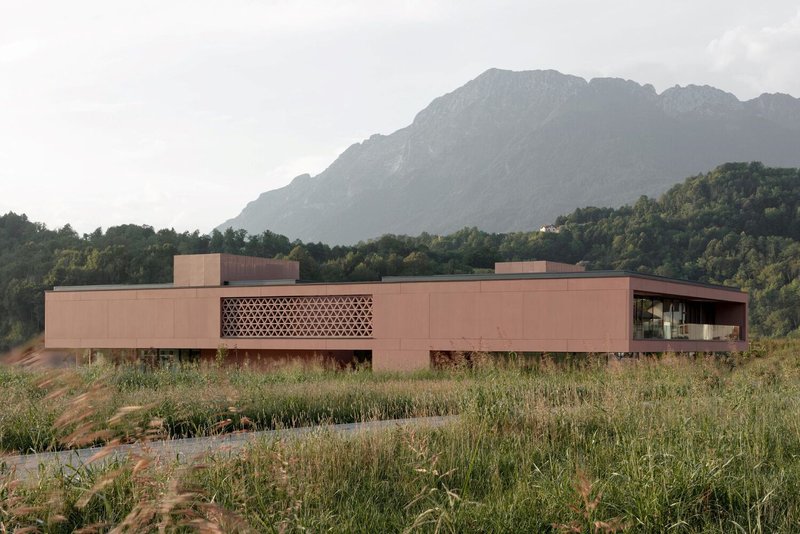
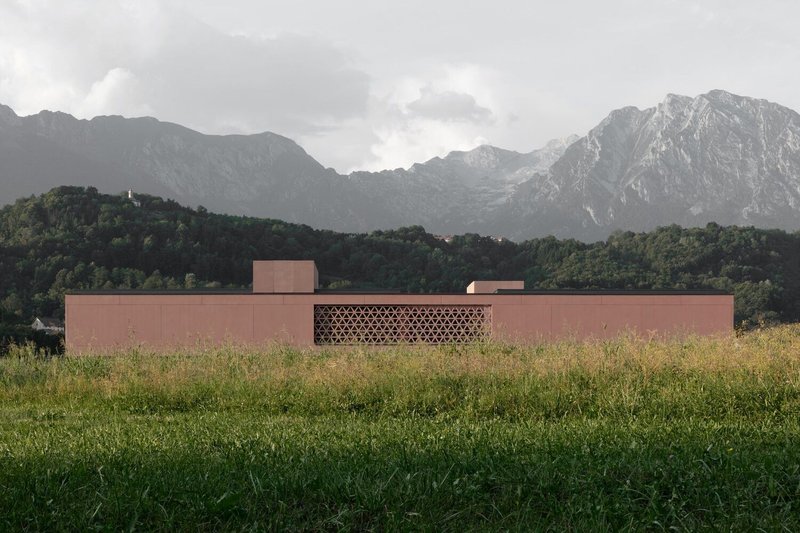
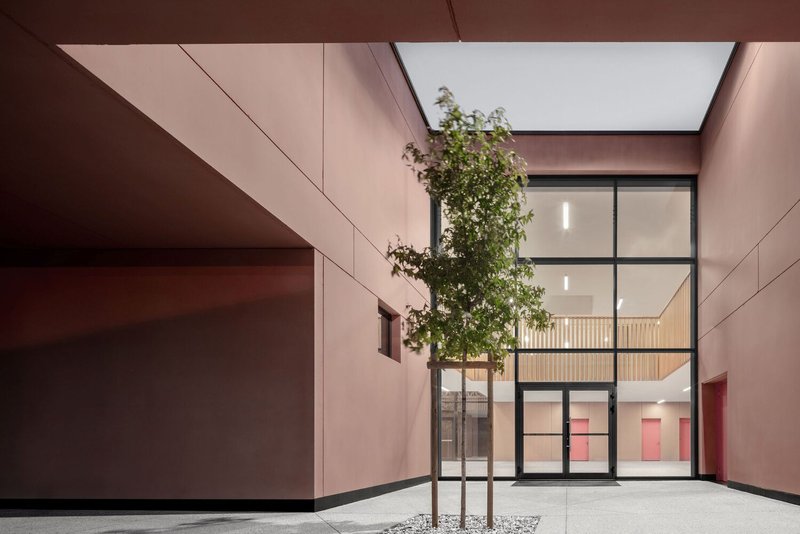
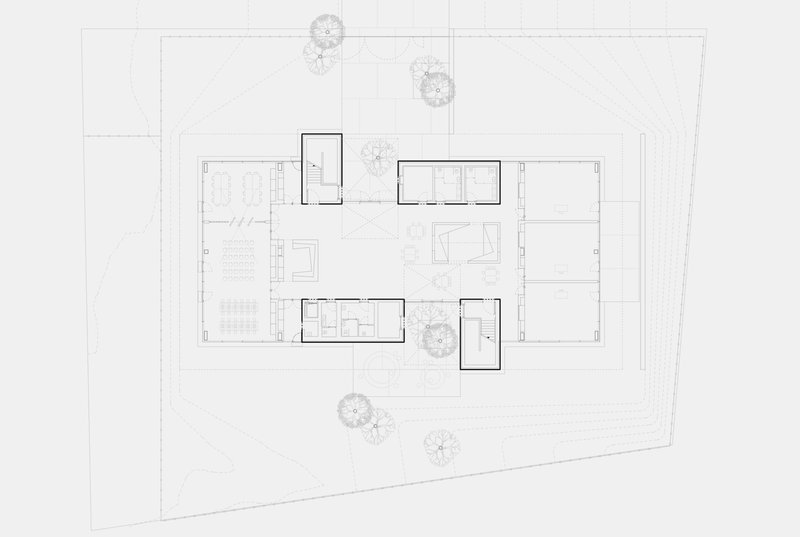
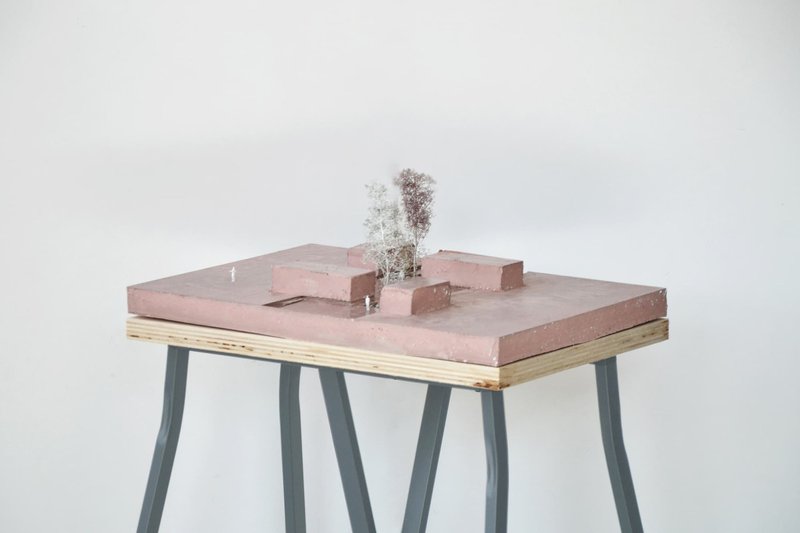
At the heart of the design concept is the idea of a "covered square," a communal space that seamlessly integrates the school with the surrounding urban fabric. The building is structured as a suspended volume resting on four colored concrete cores, which house service areas while framing an open and flexible central courtyard. This central space serves as a civic hub, extending the function of the school beyond traditional academic hours to accommodate cultural and social activities for the wider community.
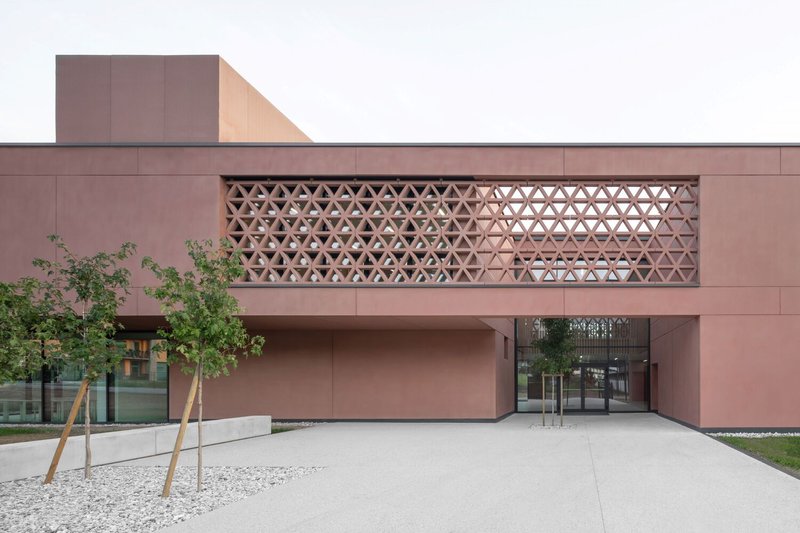
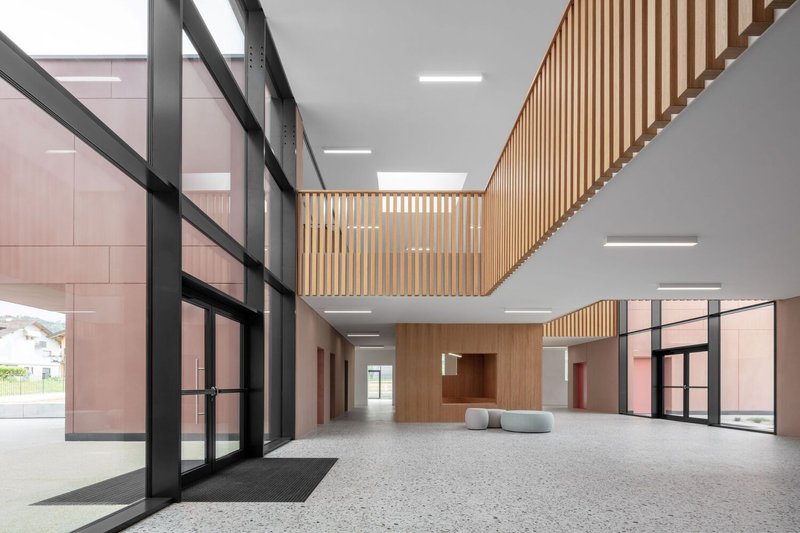
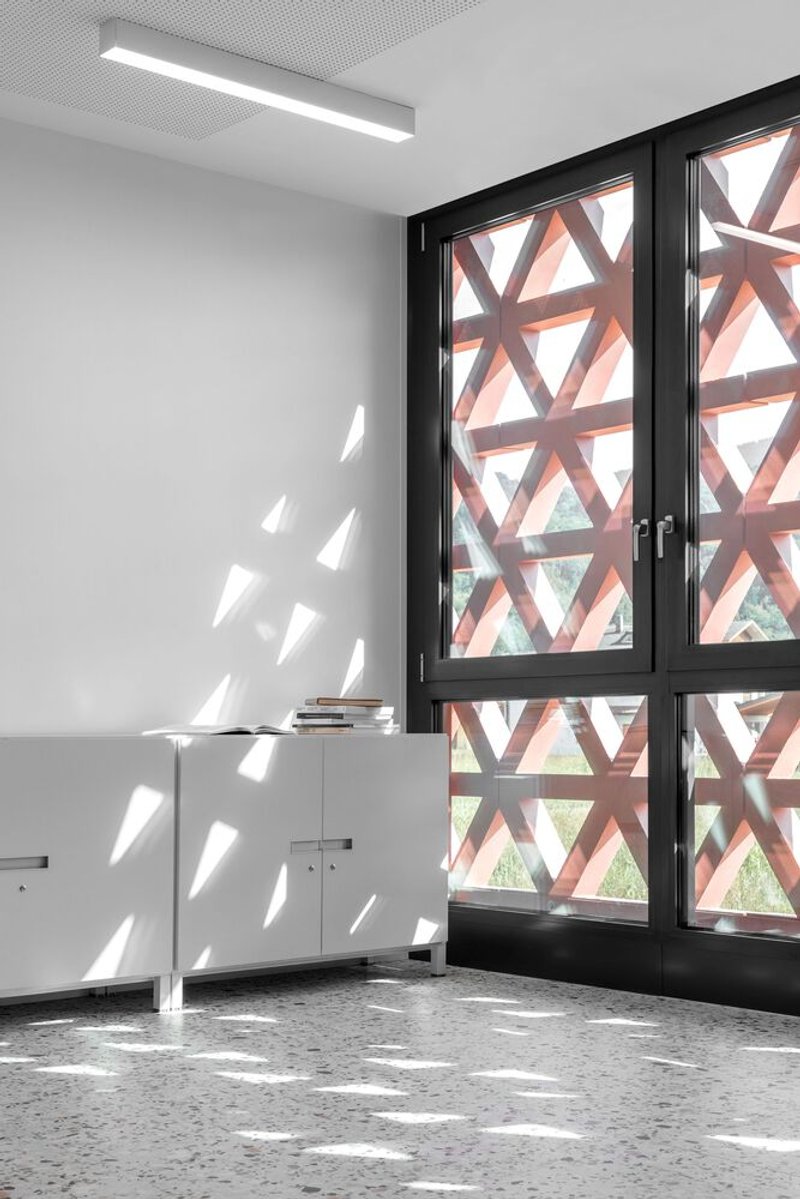
The architectural strategy blurs the boundaries between interior and exterior, allowing natural elements to penetrate the school environment. A tree-lined pedestrian axis crosses through the site, connecting the surrounding landscape with the school's internal courtyards. These open-air spaces provide natural illumination and enhance the permeability of the learning environment, ensuring that classrooms and communal areas remain visually and physically interconnected.
Spatial Fluidity and Visual Connectivity
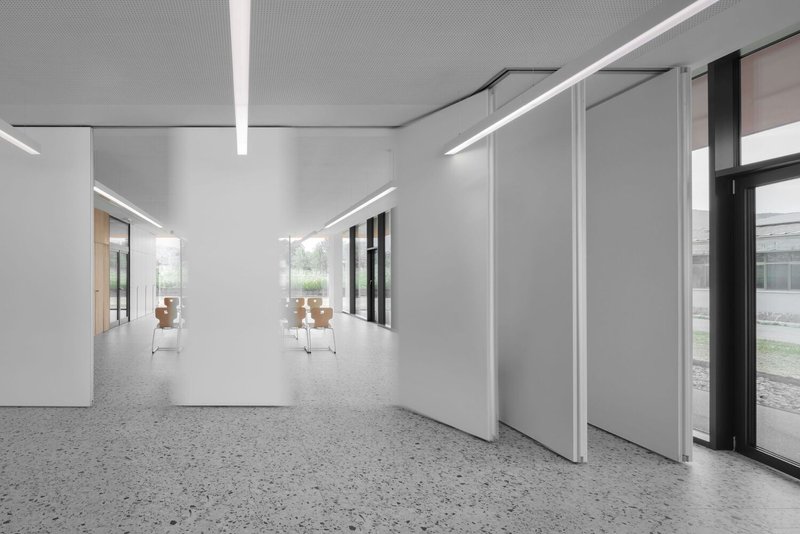
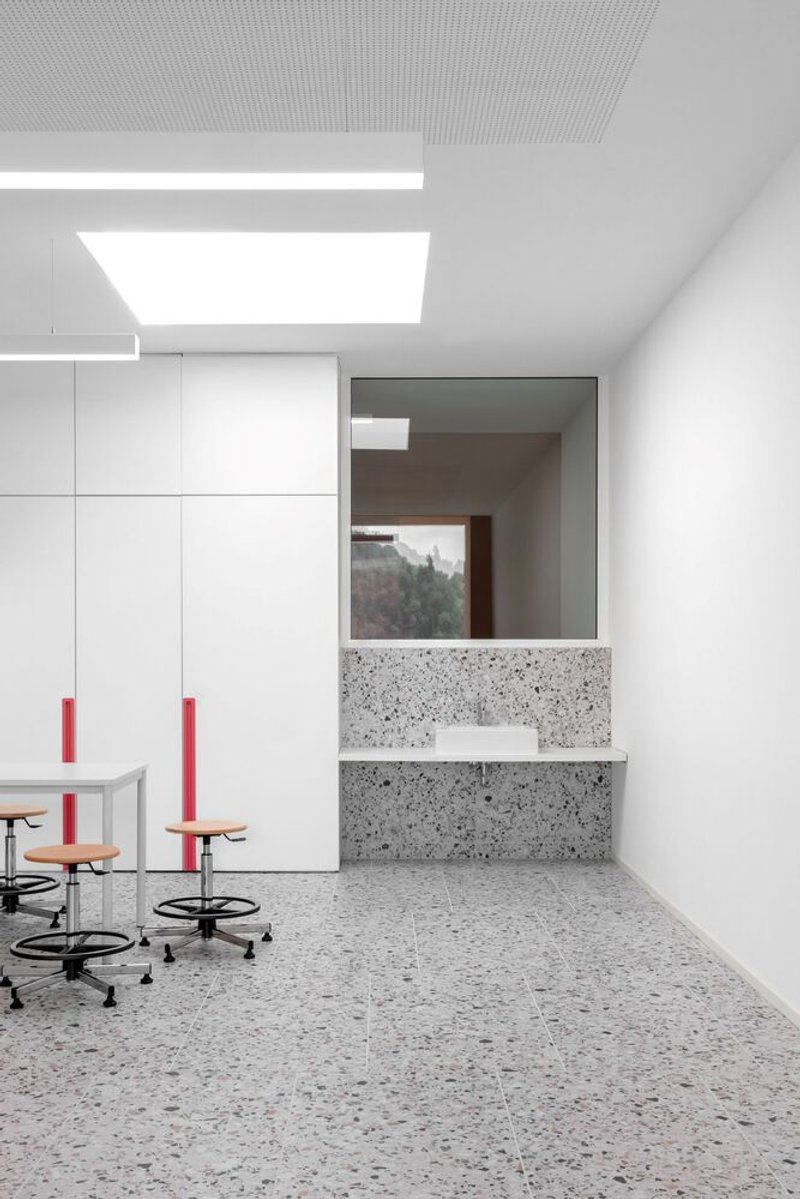
A defining feature of the Secondary School Puos d’Alpago is its emphasis on transparency and interaction. Classrooms and laboratories are arranged around the central agora, maintaining a constant dialogue with shared spaces through large windows and sliding partitions. This layout encourages collaborative learning and adaptability, allowing students and educators to engage dynamically with their surroundings.
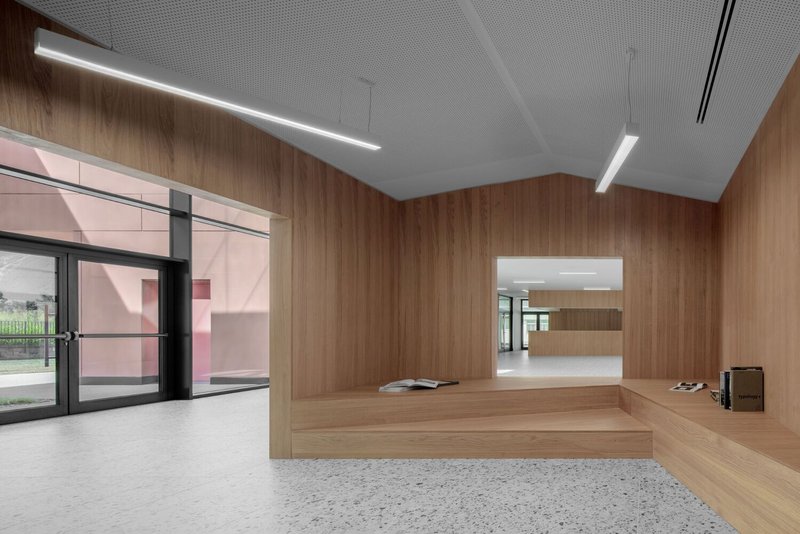
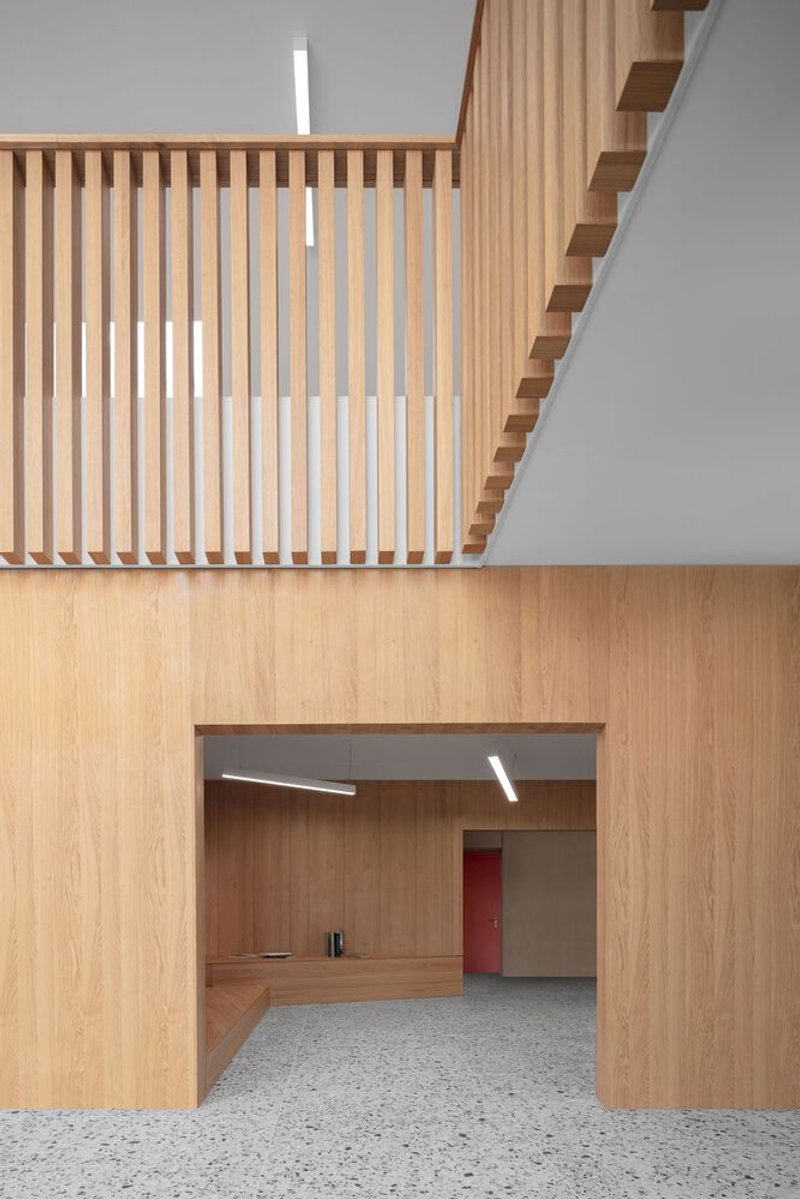
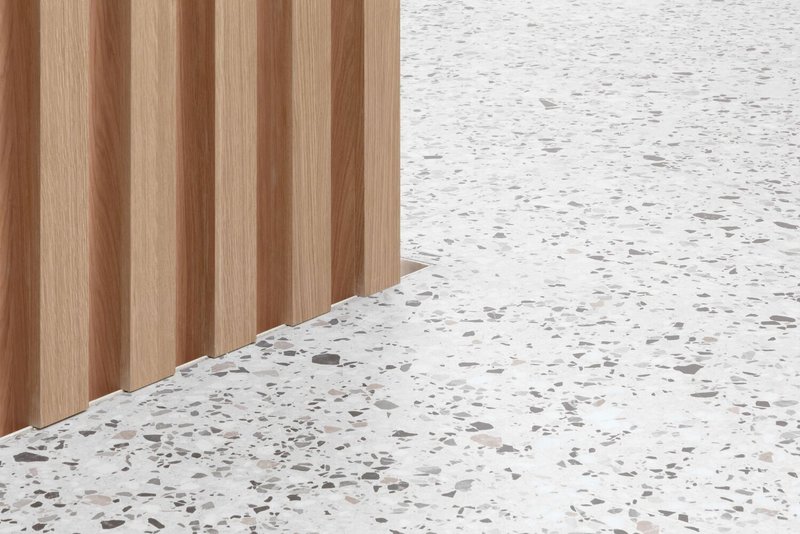
The interplay of materials further reinforces the architectural vision. The concrete volumes are punctuated by warm wooden elements, which define key spaces such as the reading room and administrative offices. This combination of materials balances robustness with warmth, creating an inviting atmosphere conducive to both focused study and informal interaction.
Sustainability and Advanced Construction Techniques
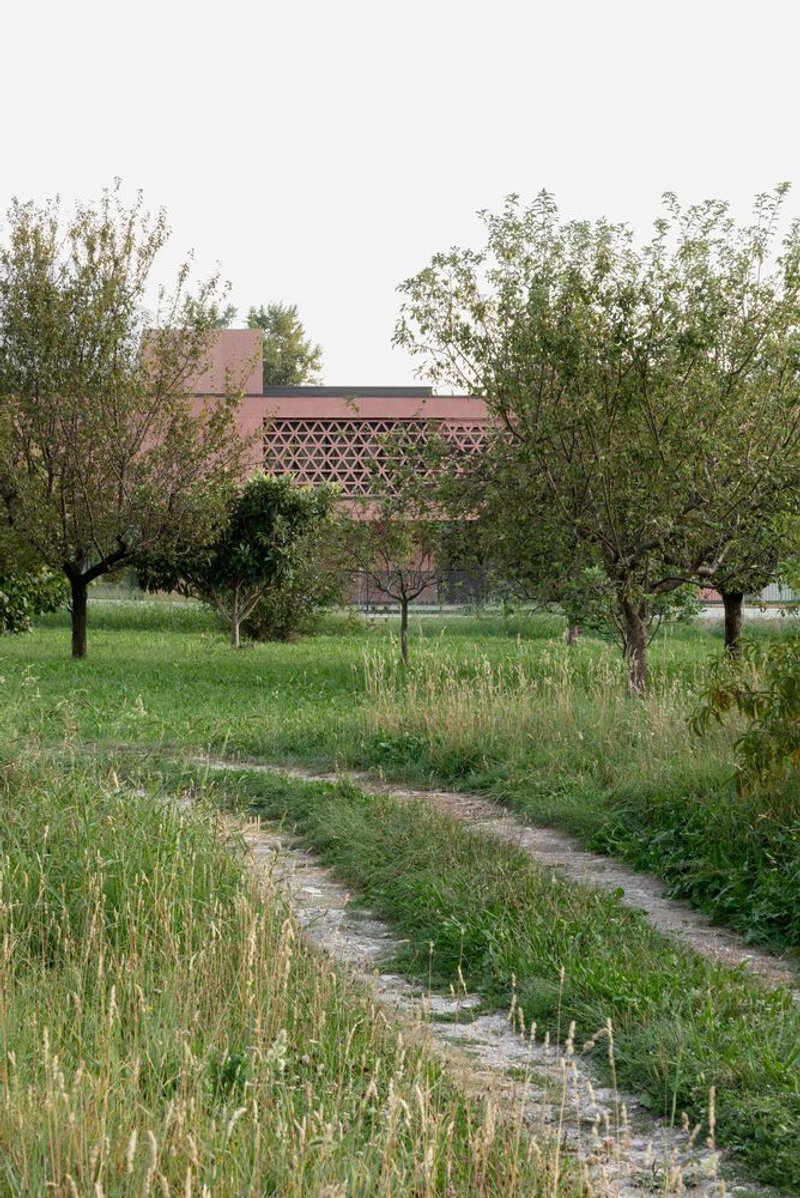
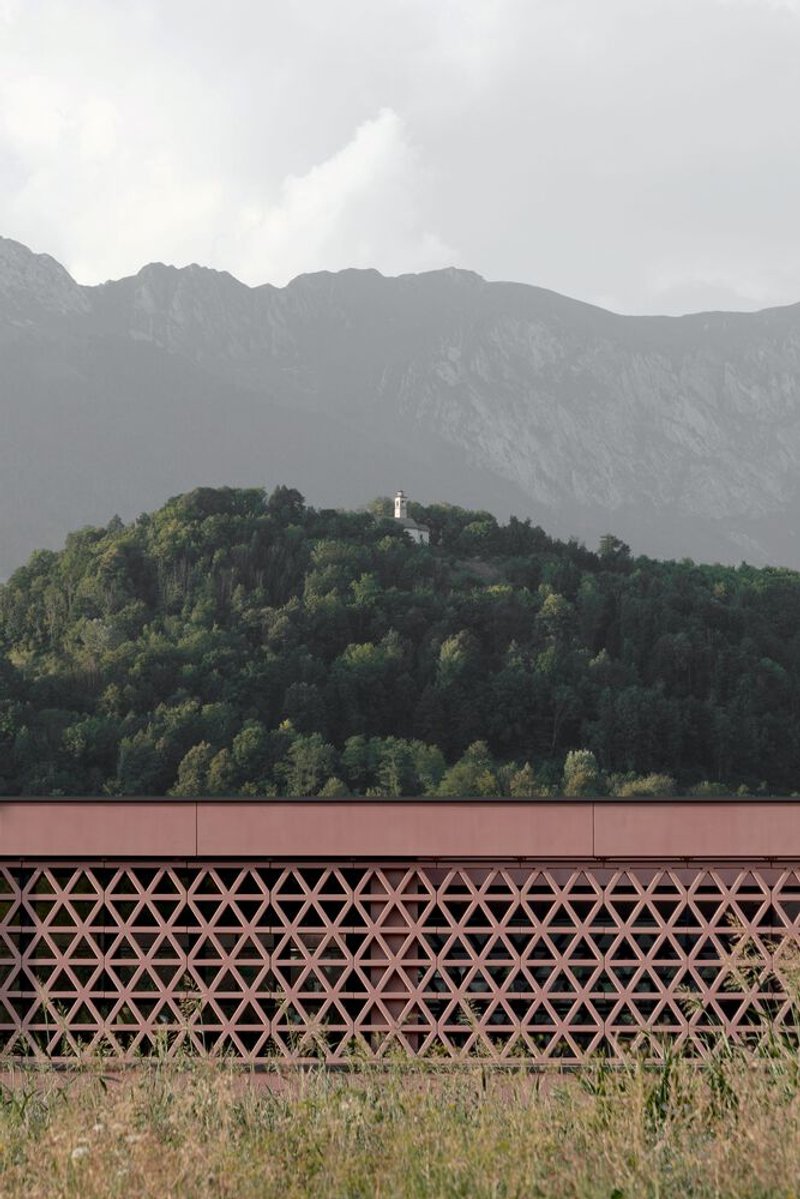
The school’s commitment to sustainability is reflected in its construction methodology. An exposed concrete shell, developed using advanced prefabrication technologies, eliminates the need for additional finishing layers. This not only enhances structural efficiency but also integrates insulation and mechanical systems within the prefabricated components, optimizing energy performance. The result is a highly efficient building that minimizes material waste while ensuring long-term durability.
The Secondary School Puos d’Alpago exemplifies modern school architecture by seamlessly blending functionality, community engagement, and environmental sustainability. Facchinelli Daboit Saviane has created a learning environment that prioritizes flexibility, visual connectivity, and urban integration. This innovative approach to school design demonstrates how educational buildings can serve as both academic institutions and civic landmarks, fostering a sense of belonging and interaction within the broader community.
All Photographs are works of Gustav Willeit
