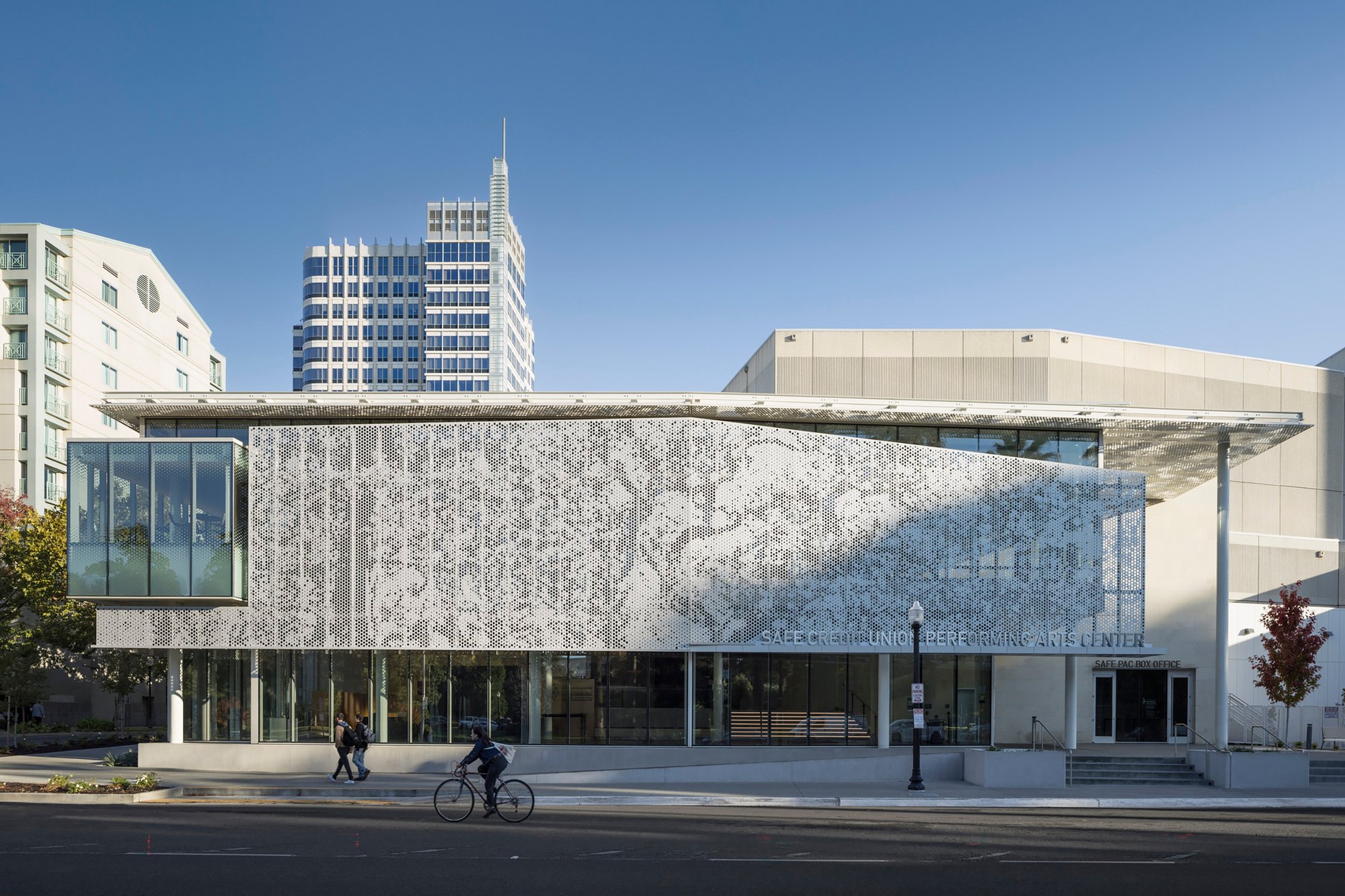
SAFE Credit Union Performing Arts Center – DLR Group
Comprehensive renovation transforming a brutalist performing arts center into an open, inclusive, acoustically enhanced, public-facing cultural destination for Sacramento.


A complete architectural reinvention of a brutalist landmark into an open, inclusive, acoustically upgraded cultural hub for Sacramento
The SAFE Credit Union Performing Arts Center in Sacramento, originally opened in 1976, once stood as one of the city’s most significant cultural anchors yet was also emblematic of an era whose architectural values leaned toward enclosure, monumentality, and separation rather than outward engagement and permeability. Defined by its heavy concrete massing and introverted character, the building resisted connection with its surroundings; the façade presented itself as impermeable, and little communicated the cultural life happening within. Four decades later, this celebrated yet aging brutalist structure required more than technical upgrades. It needed a philosophical rethinking: to transform into a building that could speak to its city, reflect the energy of Sacramento’s arts community, and embody contemporary values of transparency, inclusion, and urban reciprocity.
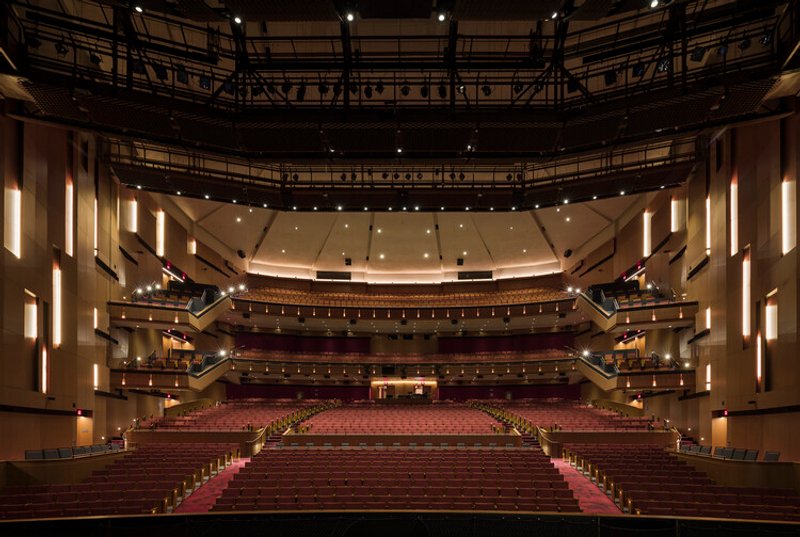
DLR Group’s renovation and expansion accomplishes exactly that. Completed in 2022, the transformation is both physical and ideological, redefining the building as an inviting cultural interface rather than an autonomous monument. The redesigned performing arts center is now outward-facing, light-filled, technologically advanced, and architecturally legible — a place where the arts no longer occur behind concrete walls but instead extend into the public realm. What was once a solid, closed mass has been opened visually and socially, reintroducing the building into Sacramento’s urban conversation.
From Brutalist Enclosure to Transparent Civic Beacon
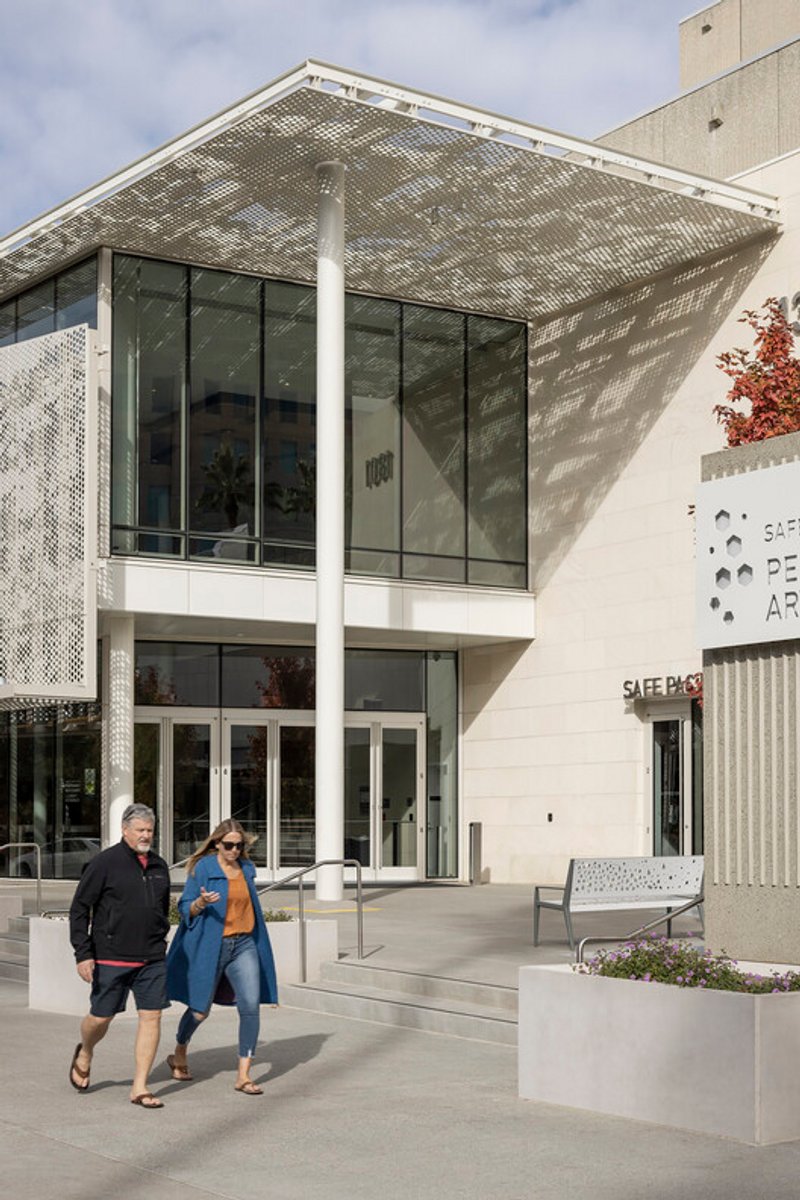
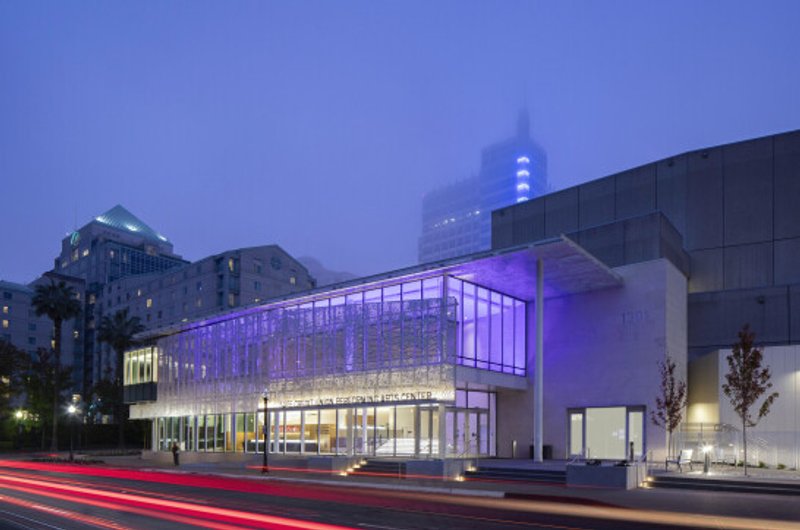
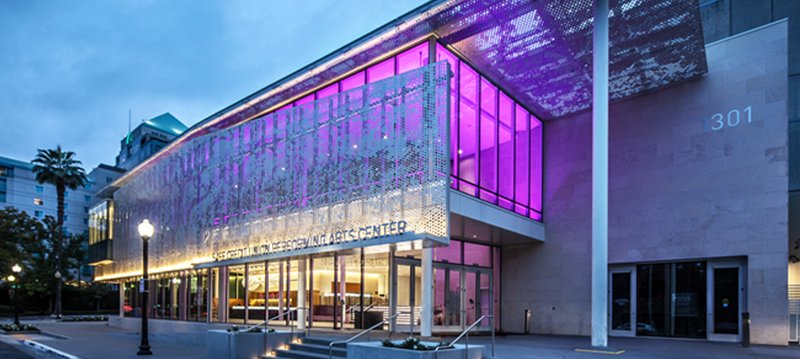
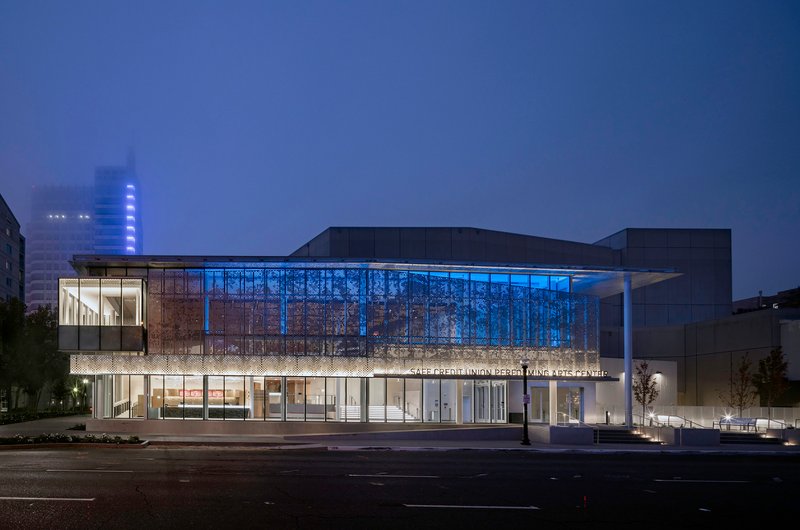
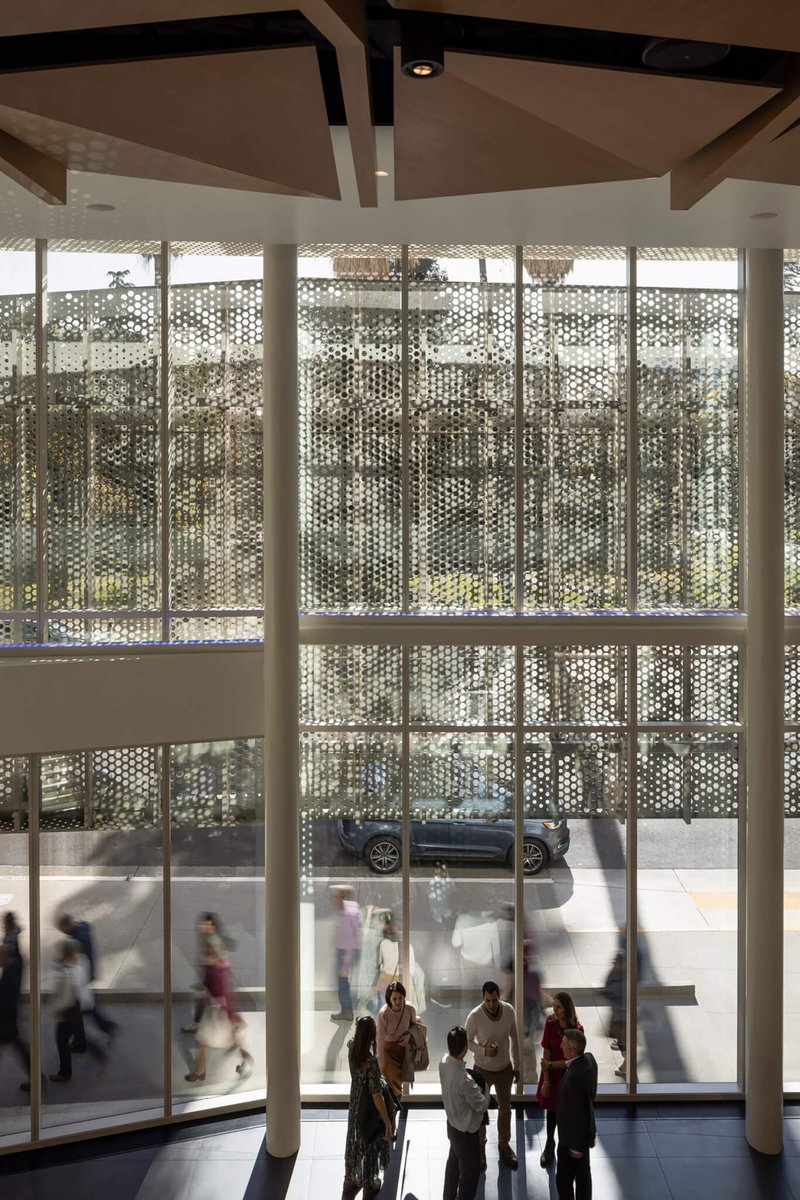
One of the most profound interventions of the renovation lies in the reorientation of the building’s relationship with the street. Previously introverted, the performing arts center now meets its city with a clarified architectural language rooted in openness. New lobbies extend directly to the sidewalk, visible through large panels of transparent glazing that dissolve the sense of separation between exterior pedestrian life and interior activity. This transparency works not just visually but symbolically, communicating cultural inclusivity and welcoming exploration.
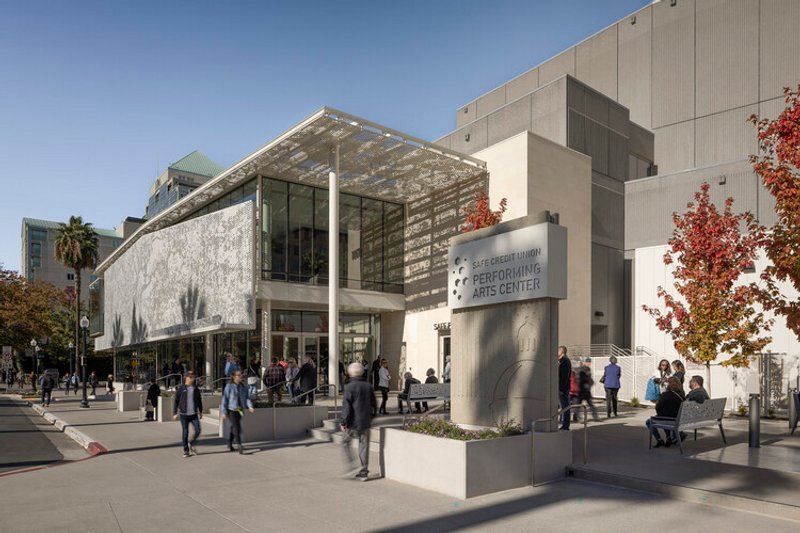
In the evening, these public-facing lobbies are illuminated, turning the building into a civic lantern. Their glow anchors the surrounding pedestrian network and signals performance, community gathering, and shared experience. The architectural effect is both elegant and urban, ensuring that the building participates actively in downtown life rather than sitting apart from it. Light becomes the medium through which the arts radiate outward — a visual invitation to enter, gather, and take part.
A New Dialogue with Sacramento’s Landscape
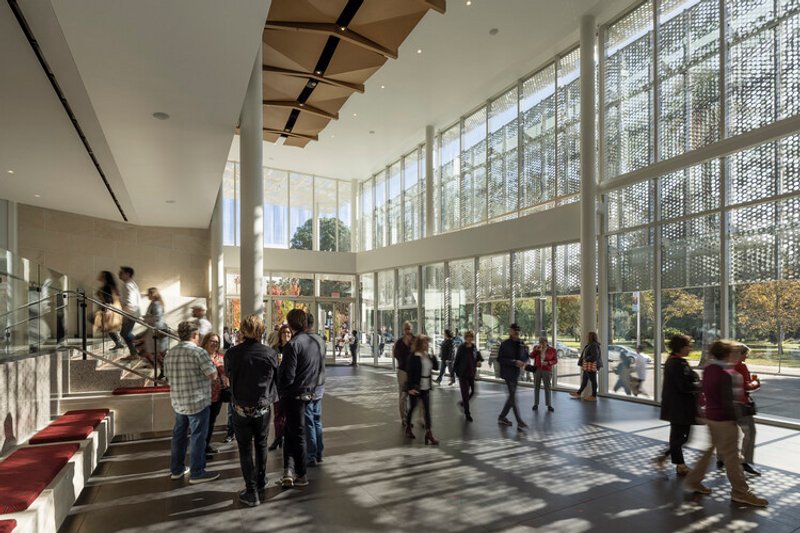
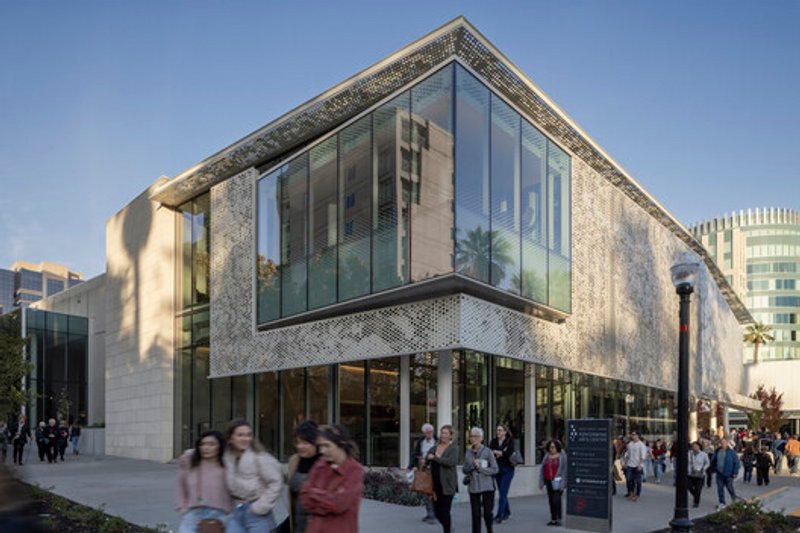
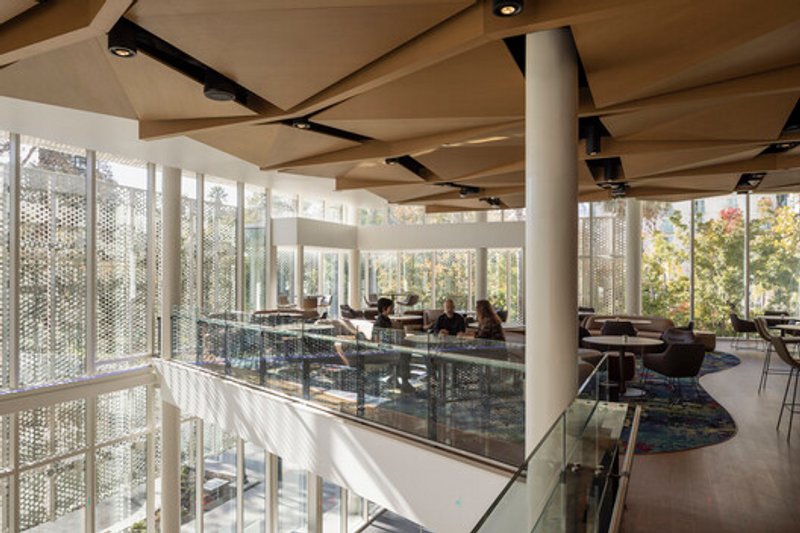
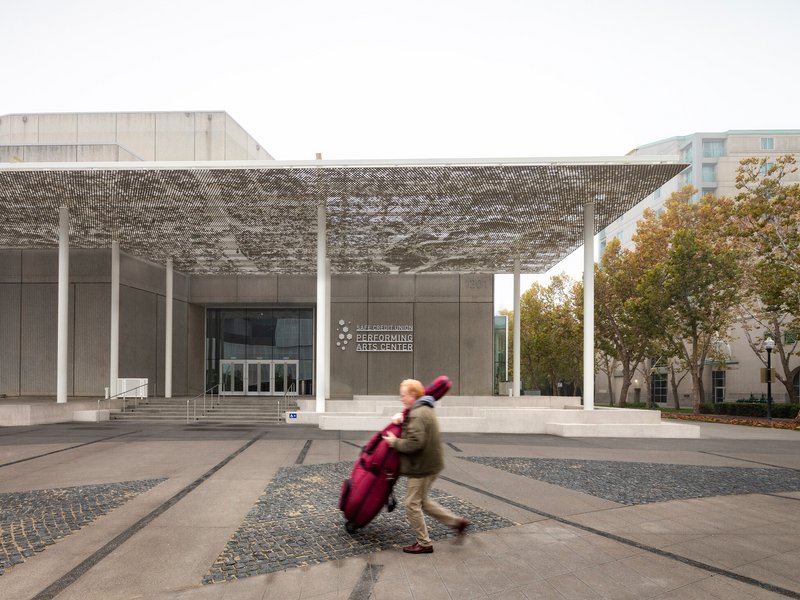
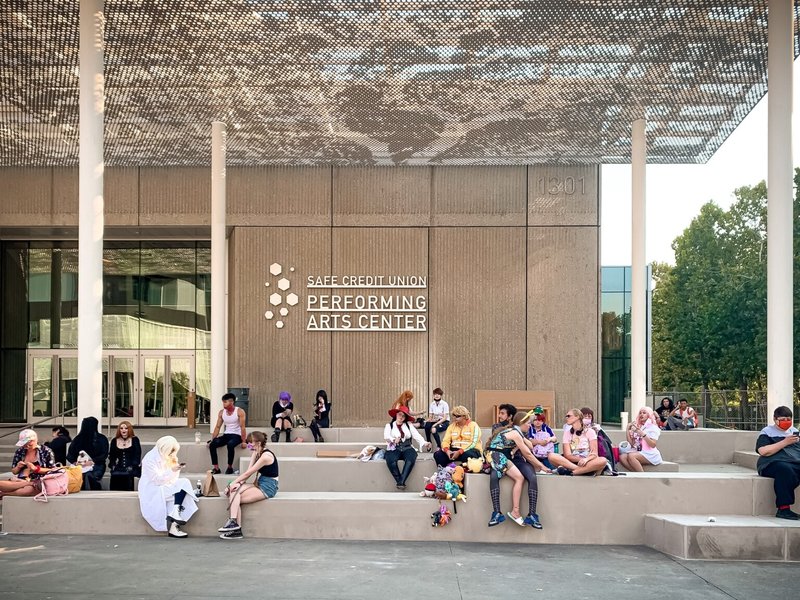
The design team recognized that the performing arts center does not exist in isolation but within a city shaped by its remarkable urban canopy. Sacramento’s identity as a city of trees forms a core conceptual foundation for the design. This botanical richness is reinterpreted architecturally through the use of a perforated scrim — a metallic veil wrapping the lobby and extending north to create covered outdoor social rooms. Its pattern filters sunlight like leaves overhead, generating spatial dapple and subtle motion during the day. These shifting shadows establish a serene connection to the arboretum landscape across the street, rooting the building in its regional ecology while softening its newly sharpened glass façade.
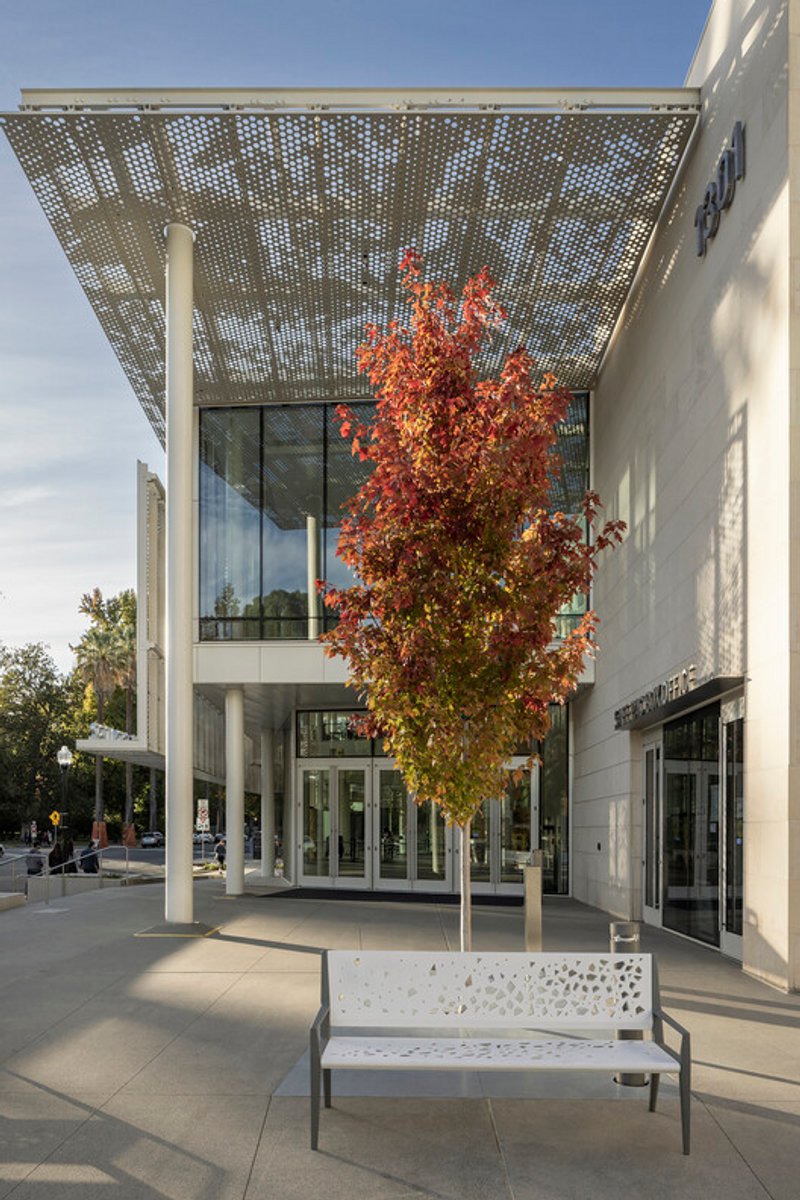
The scrim provides functional environmental benefit as well. The shade it casts minimizes glare, mitigates heat gain, and allows for generous daylighting inside the lobby without compromising comfort. This strategy extends the building’s usable environments beyond conditioned space, enabling flexible outdoor programming such as open-air performances, community movie nights, receptions, and informal gatherings. The architecture thereby becomes spatially and socially porous, accommodating the spontaneity of public life.
Re-Engineering the Auditorium: Acoustic Upgrades and Equitable Access
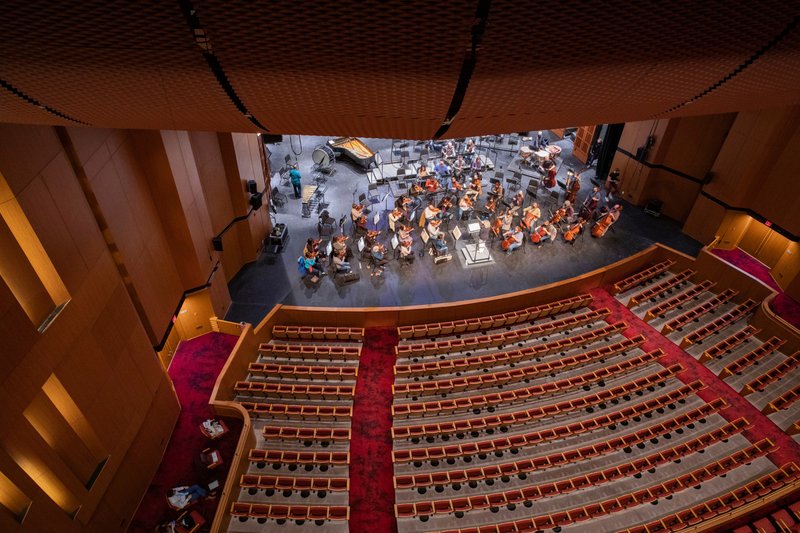
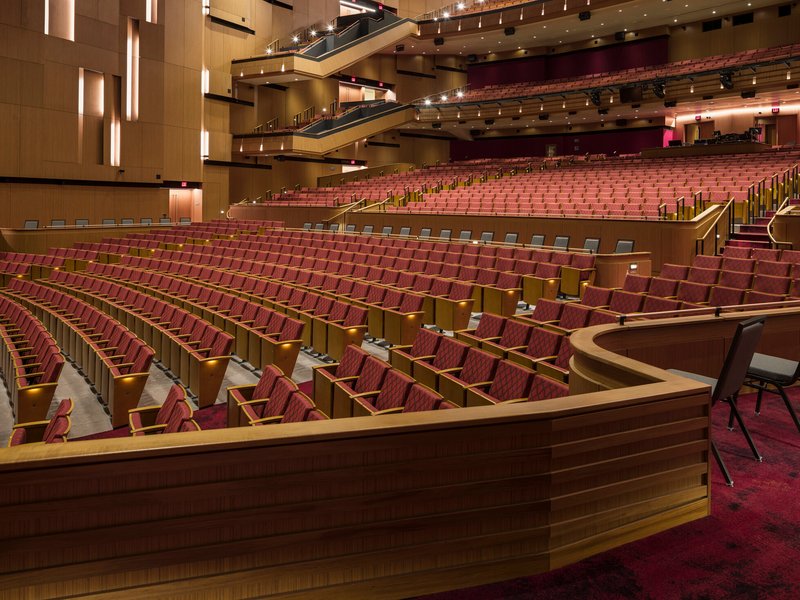
The interior transformation is as significant as the exterior one. The performance hall, once acoustically challenged and visually inconsistent, has been reimagined as a warm, clear, and acoustically precise venue. DLR Group integrated the largest electro-acoustic enhancement system in California, radically improving sound quality while maintaining flexibility for varied performances. This enhancement system elevates clarity, resonance, and dynamic range, ensuring a listening experience that meets modern expectations for orchestral music, amplified performance, and spoken word.
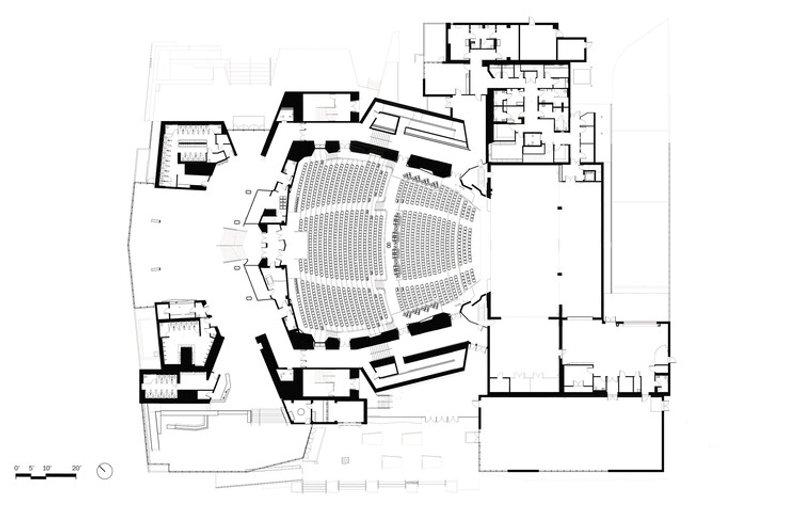
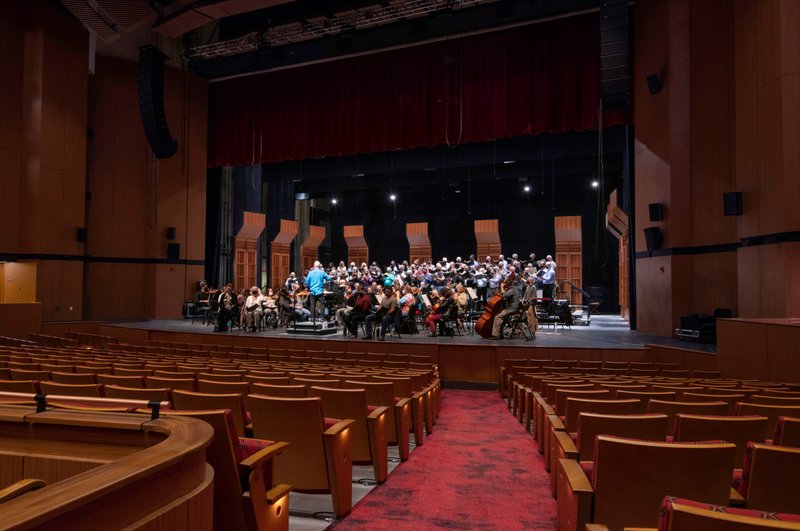
Equity informed the auditorium’s redesign. Sightlines and sound distribution have been recalibrated for universal access, correcting limitations of the original space. The hall now supports inclusive audience experiences regardless of seating position, mobility needs, or auditory requirements. Acoustics are treated as a democratizing force, rather than a privilege of placement. Through both environmental and technical intelligence, the performance hall becomes a more just and welcoming cultural container.
A Coherent Material Language
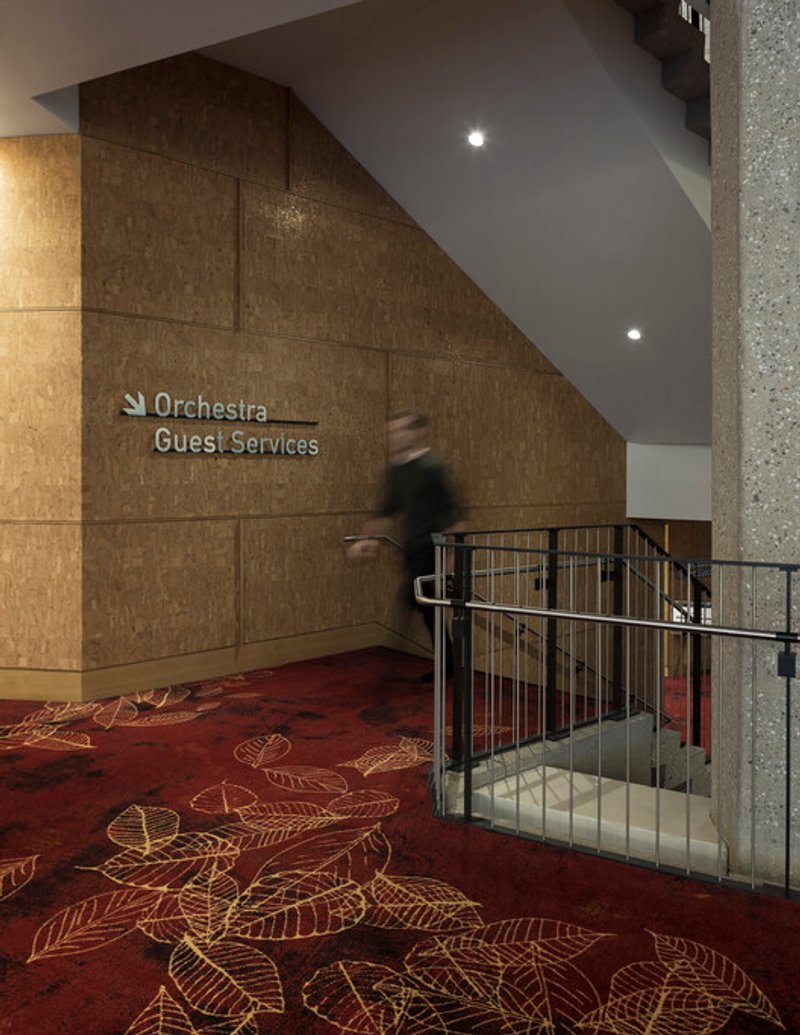
The renovated center demonstrates a calculated contrast between old and new material character. Where the original building’s concrete massing emphasized solidity and weight, the new intervention introduces transparency, refinement, and perceptual lightness. Rather than masking its brutalist core, the renovation contextualizes it, using glass, perforated metal, and luminous interior finishes to mediate between past and present.
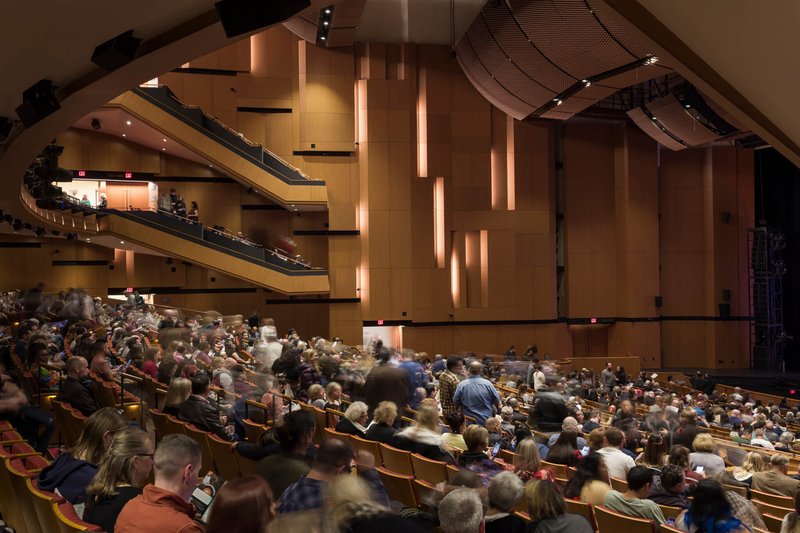
Material strategies reinforce the conceptual theme of filtered light. Interior surfaces such as timber slats, acoustic panels, and subtly reflective finishes distribute illumination and soften the volume of public spaces. Textures are layered to create acoustic calm, tactile visual depth, and a spatial experience that feels warm rather than monumental. The shift from opacity to light is not only optical but atmospheric.
Architectural Continuity Through Transformation
The SAFE Credit Union Performing Arts Center renovation demonstrates that transformation need not erase legacy. Instead, it illustrates how thoughtful adaptation can sustain history while projecting relevance into the future. The brutalist bones remain visible, but their relationship to public space has changed entirely. The building no longer resists its city — it participates within it.
DLR Group’s work reasserts the performing arts center as a civic commons. New internal venues broaden opportunities for local performers, emerging artists, and smaller productions. The building becomes not only a venue for large touring shows, but a platform that reflects cultural diversity and creative variety. Sacramento gains a performing arts space that belongs to many rather than few.
The project is therefore less a renovation than a renewal — a shift in cultural posture, accessibility, and urban presence. It recognizes that architecture for the arts must enhance not only acoustics and staging capability but social connection, visibility, and equity. The result is an institution rebuilt for contemporary performance and community participation.
Urban Architecture as Cultural Infrastructure
The SAFE Credit Union Performing Arts Center now stands as a case study in how public buildings can be re-opened to the city fabric. More than a technical upgrade, its renewal reinforces an architectural ethic: civic culture thrives when buildings speak outward, when light is shared, and when arcs of access replace walls of separation.
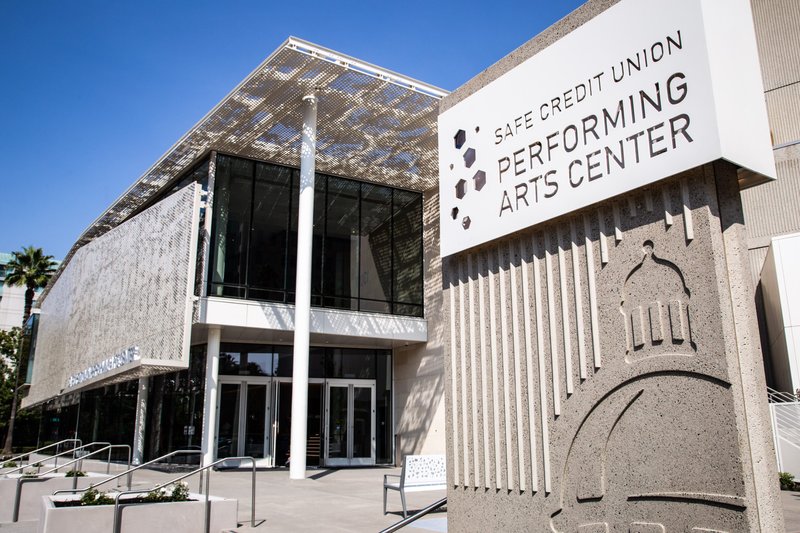
Through transparency, landscape integration, acoustic excellence, and inclusive spatial strategy, the performing arts center is no longer only a performance hall. It is now a civic threshold — a public invitation to gather, listen, experience, and belong.
All the Photographs are works of Michael Grimm