
star pavilion
Interstellar portal
It was born from the earth and goes towards the sky. It embraces us and shows the sky.
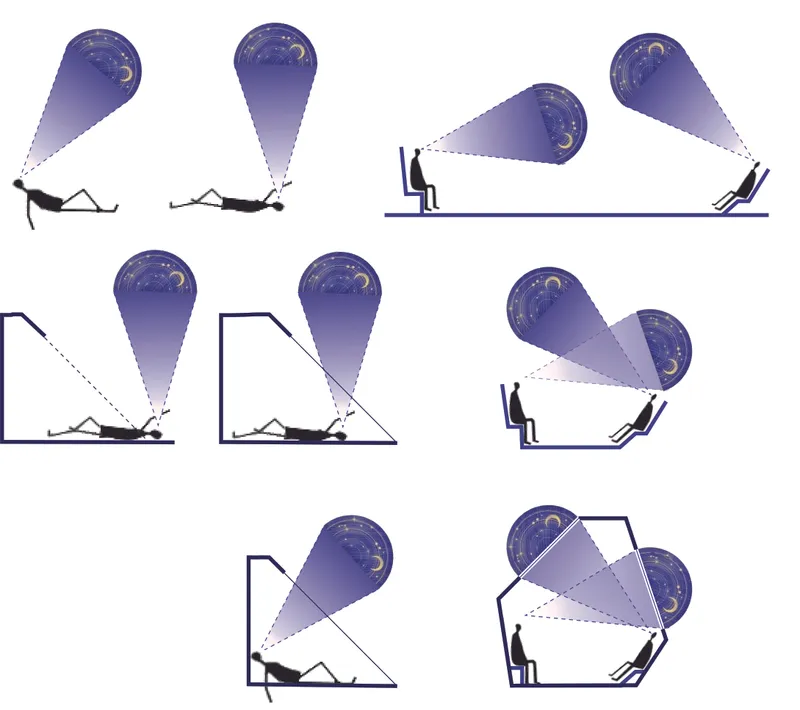
The primary ideas of the design are shaped from the viewing angle of humans in different positions (sitting, lying, lounging) while they are looking at the sky.
The conceptual form of the hexagonal geometry is inspired by The Winter Hexagon stars.The effort is to create a space to gather users and direct their attention and curiosity towards the sky. 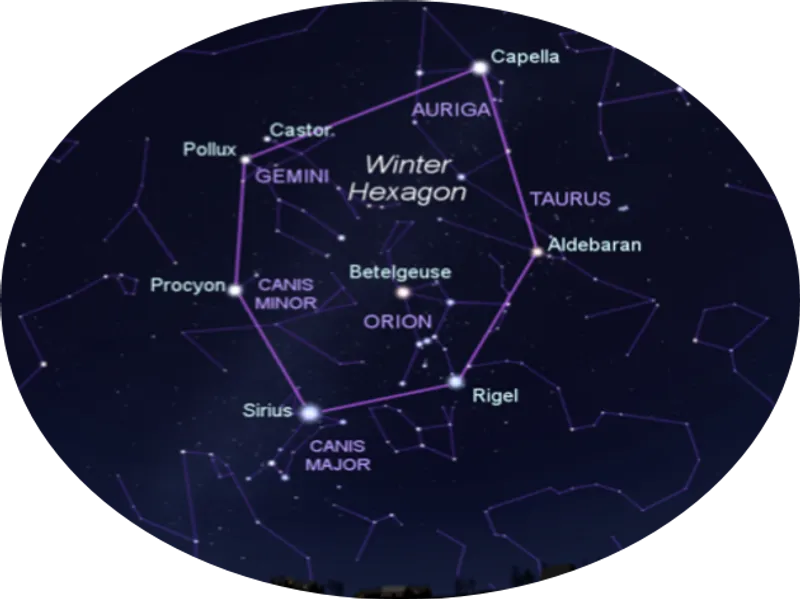
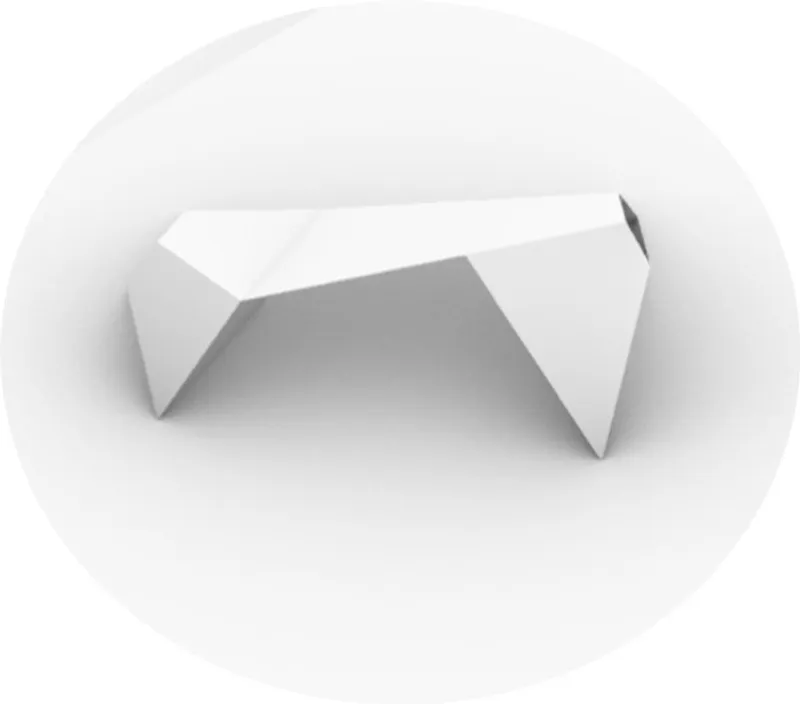
Slant walls are designed for lying and lounging on , and portals are created according to the optimal human’s view angel towards the sky.
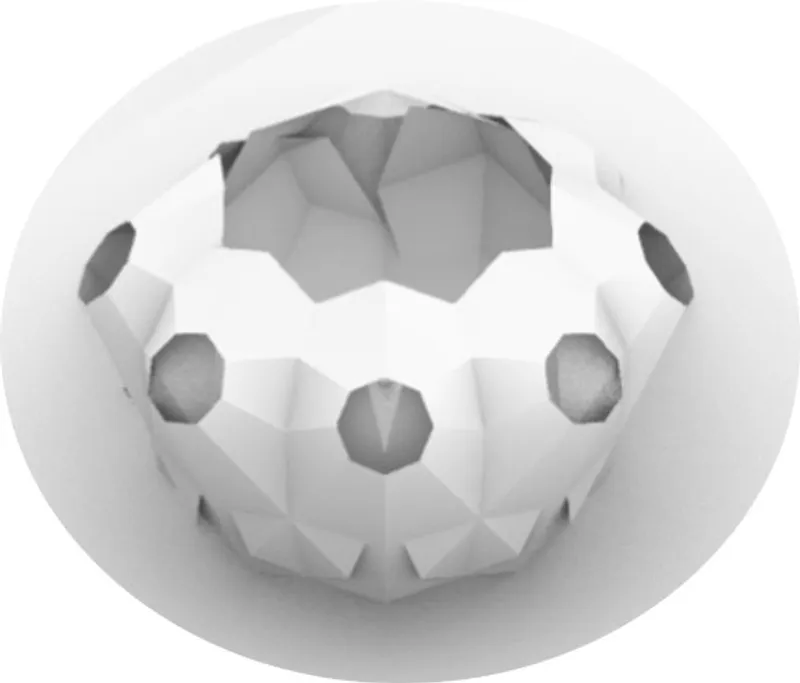
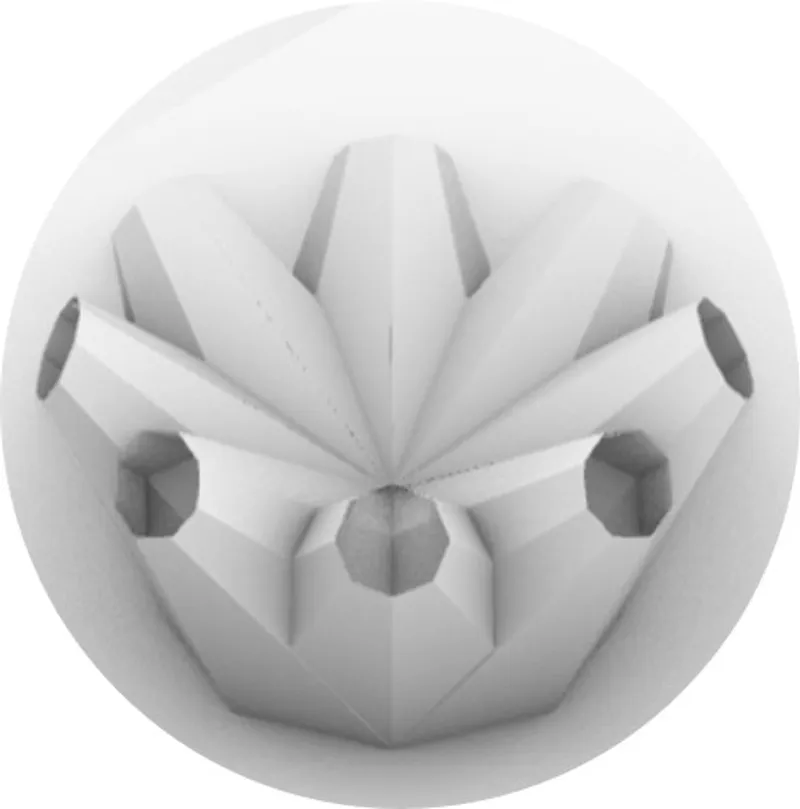
These 3D volumes are shaped for 360-degree views and collective spaces.
However, all openings have the same view angles, and they do not meet the optimal views for different physical human situations.
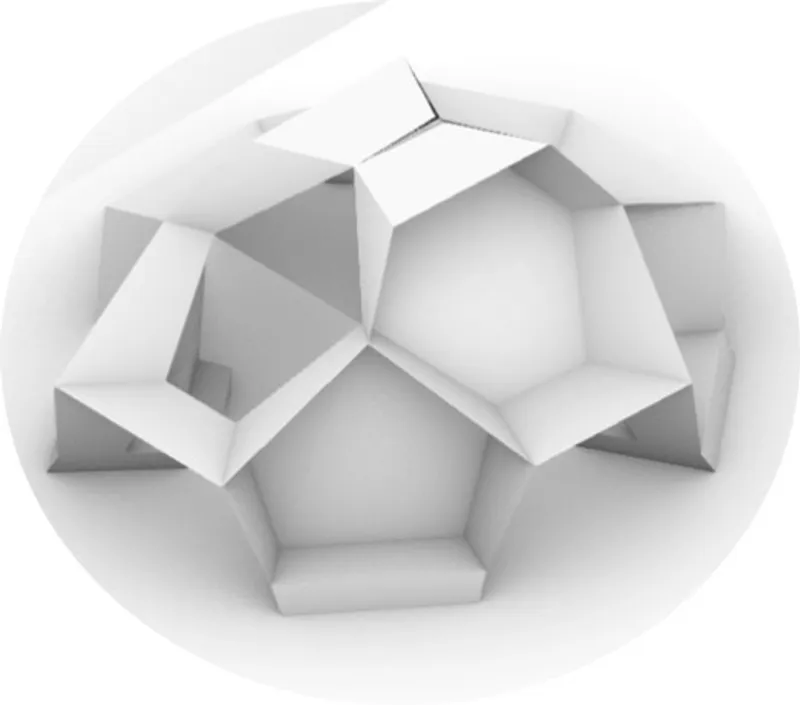
These forms are designed for achieving a suitable viewing angle from different viewing.
Nonetheless, the openings are minor and would not be practical for several people sitting next to each other and seeing the sky. Also, the human horizontal angle is not be noticed in these forms.

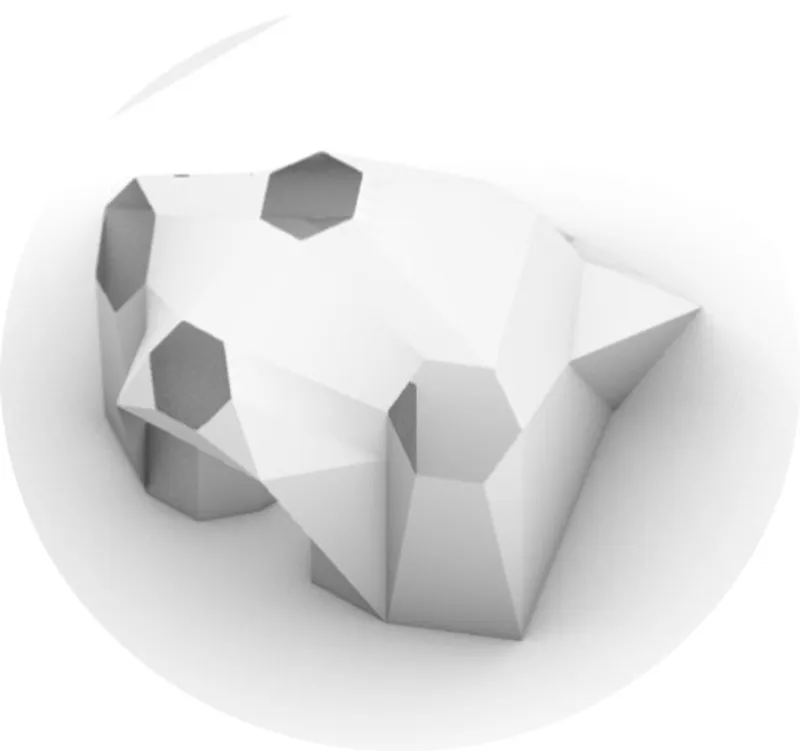
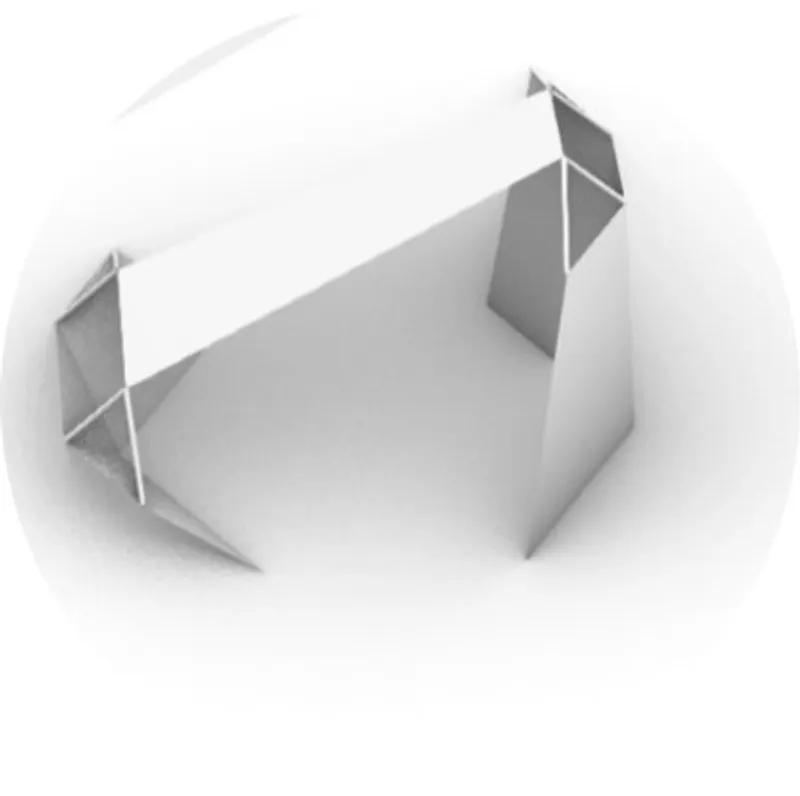
Therefore, slant walls are designed for lounging and sitting, and expanded openings that comply with collective space are defined.
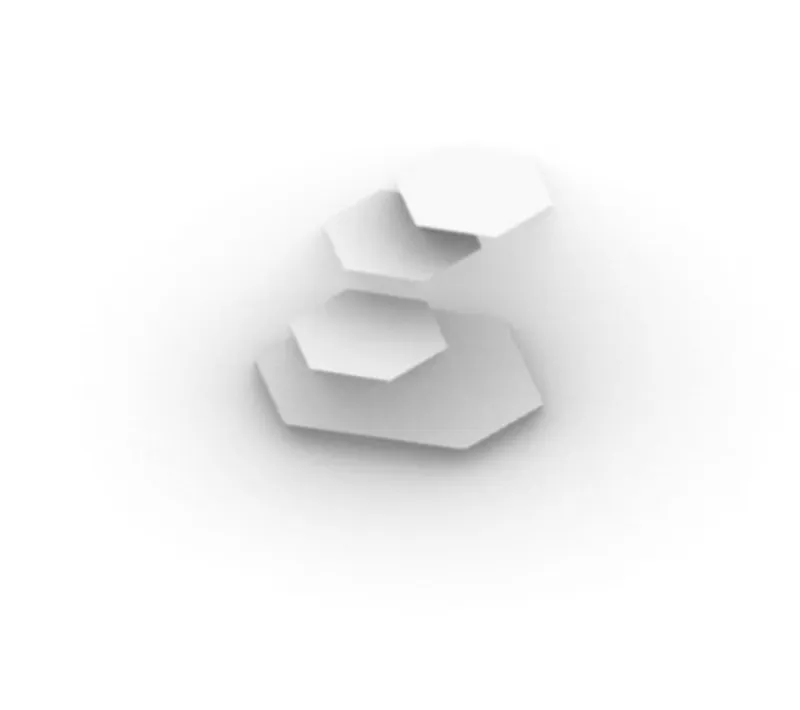
To create vertical hierarchy and make a closer connection with stars, we needed some roofs towards the sky. Thus, some mezzanines were generated in the direction of the sky
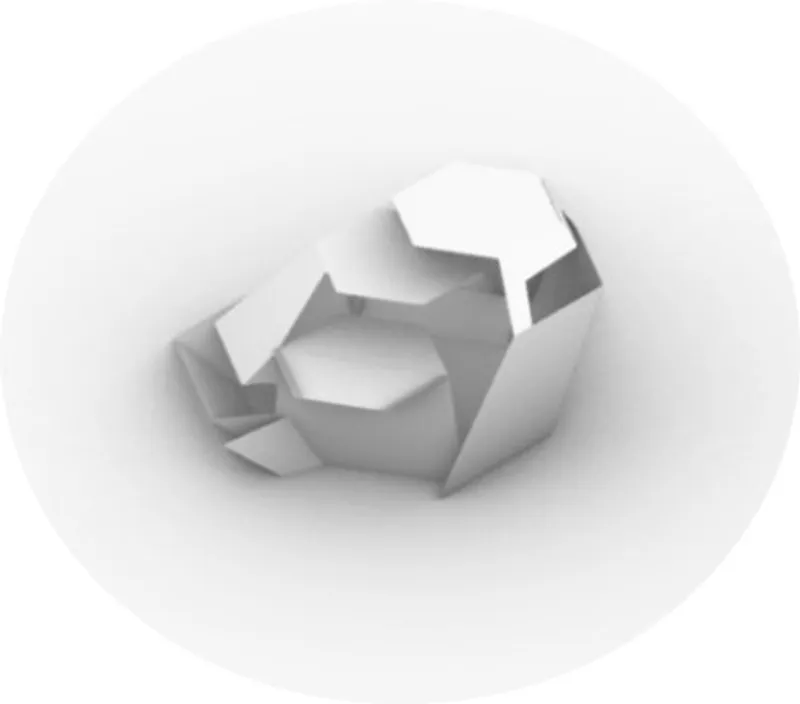
As the modular pavilion is small and we have to consider service areas in temporary accommodation, the sleeping area would be placed on the mezzanine to create more connection with skies, and other service areas such as the bathroom, kitchen, and wardrobe are placed under that.
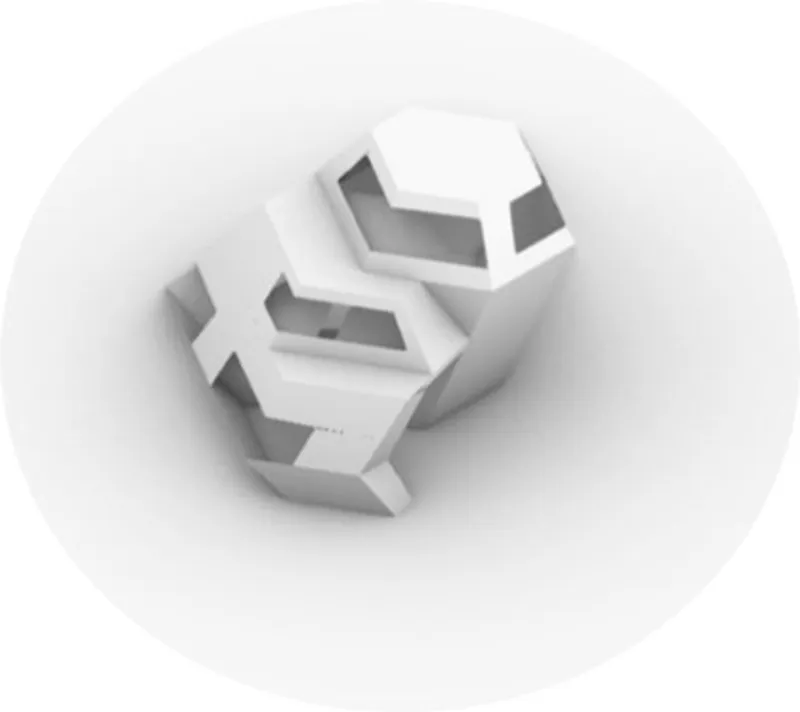
Afterward, quality spaces such as; entrance space, semi-open areas, and roofs (the most vital one) are developed that provide unlimited access to the stars for different types of users.

The pavilion can be more flexible and provide users a freedom to choose what part of the sky they want to see.
Also, users can open the windows that they need according to their expectations.
However, they are not able to open windows in upper levels, and the windows should be cleaned regularly after every rainfall.
Therefore, the structure should be designed in a way that meets the visitors' expectations while not requiring to be washed regularly.
The pavilion is divided into soft and hard parts. The hard part includes fixed spaces such as the bathroom, kitchen, commode, entrance, and sleeping area.
The soft part contains the pavilion upper cupola, the main gateway, and invites seekers to explore through the stars.
The soft part is a flexible area that shows different views of skies owing to users' diverse interests and needs.
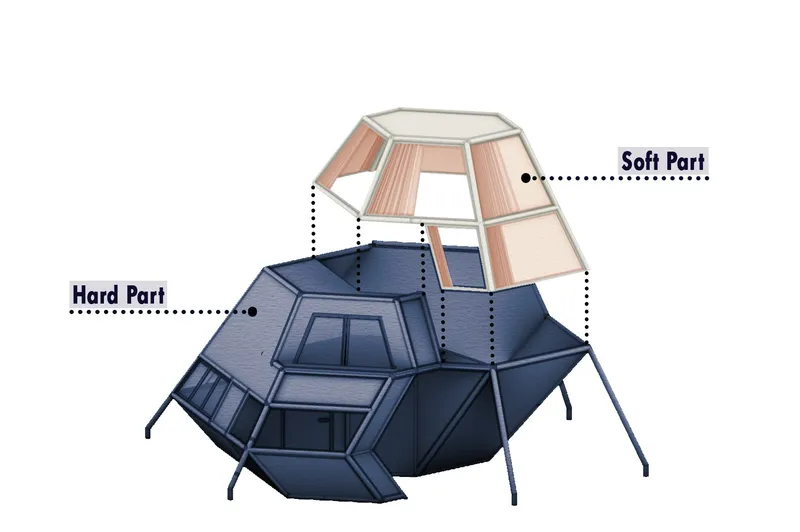
The fabric structure operates like a curtain, and users can open it with curtain cords. When it is open, users are allowed to communicate with stars without any intermediaries, and users have 360 degrees view into the sky. Moreover, the structure is more flexible and can be open, close, or semi-open based on air conditions and user needs.

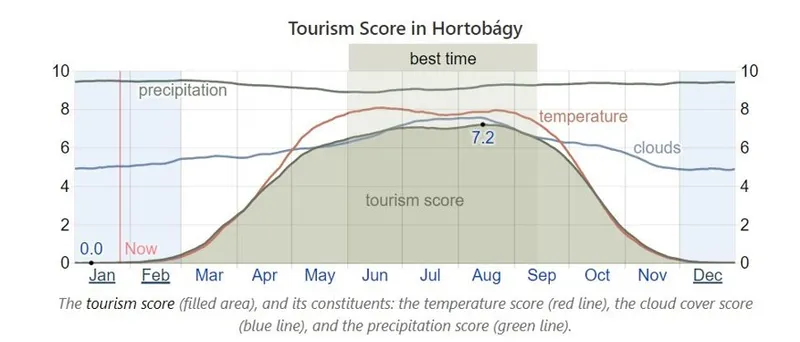
According to the data on Weatherspark’s website, the appropriate time for visiting the national park in Hortobágy is early June to mid-September (based on the visitors' feedback). But the most rainfall happens in June and July, and therefore, the rain will cause dirty windows.
The difficulty of cleaning and maintenance is one of the main reasons that we decided not to use glass in the upper openings. During the cloudy and rainy days that people do not visit, the fabric structure is closed to protect the hard part of the building, and it can be opened on suitable days to provide night sky seekers with unlimited access.
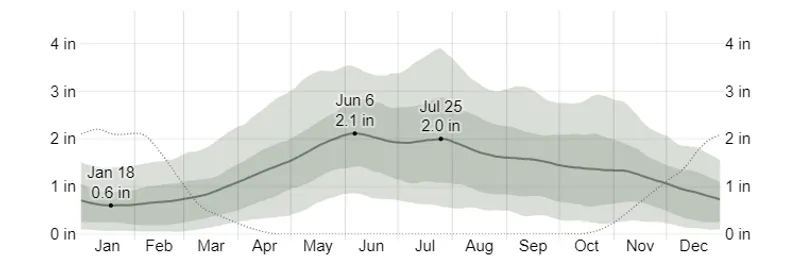
Average Monthly Rainfall in Hortobágy
References: https://weatherspark.com/y/87237/Average-Weather-in-Hortob%C3%A1gy-Hungary-Year-Round#Figures-Summary
As mentioned on Weatherspark's website, the temperature is 60 to 80 F (15.6 to 26.6 C) between June to September.
Therefore, Visitors can open the curtains, and factors such as cold wind will be less likely to be an issue for them.
The fabric structure covers the soft part and protects the hard part during seasons when the pavilion is not used.
The fabric structure can be separated easily, maintained, cleaned, and changed after a few years. In addition, mattresses and pillows can be placed in the wardrobe, and the kitchen is closed with sliding detail.
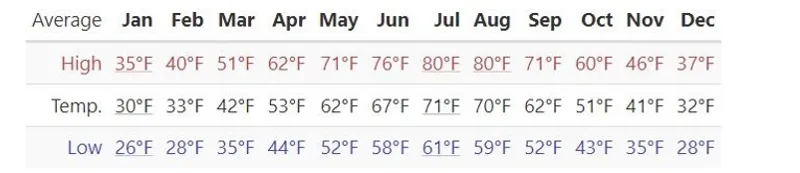
References: https://weatherspark.com/y/87237/Average-Weather-in-Hortob%C3%A1gy-Hungary-Year-Round#Figures-Summary
The materials are inspired by the current site area, which is located in Hungary. The area is covered with cropland and grassland, and it is preferable to use vernacular material for building the pavilion. Straw is a sustainable material, eco-friendly and light material, and a significant amount of it is easily accessible in that area. Straw is used in external walls in the pavilion, and timber is used in the main structure. Timber is light and can be implemented quickly. The fabric’s material is Brezent, which is flexible and waterproof.
References: file:///E:/Uni%20XYZ%20cometition/Research/vernacular%20architecture/10.1515_jbe-2015-0004.pdf
Functional insights:
A space was designed for the entrance that frames the sky, and there is a table that users can sit around and enjoy stargazing in open areas.
The geometry in the living area was designed that users can be gathered together and have an optimal view of the sky. The sleeping area is on the mezzanine, and people can open the windows and experience one night's sleep under the starry skies.
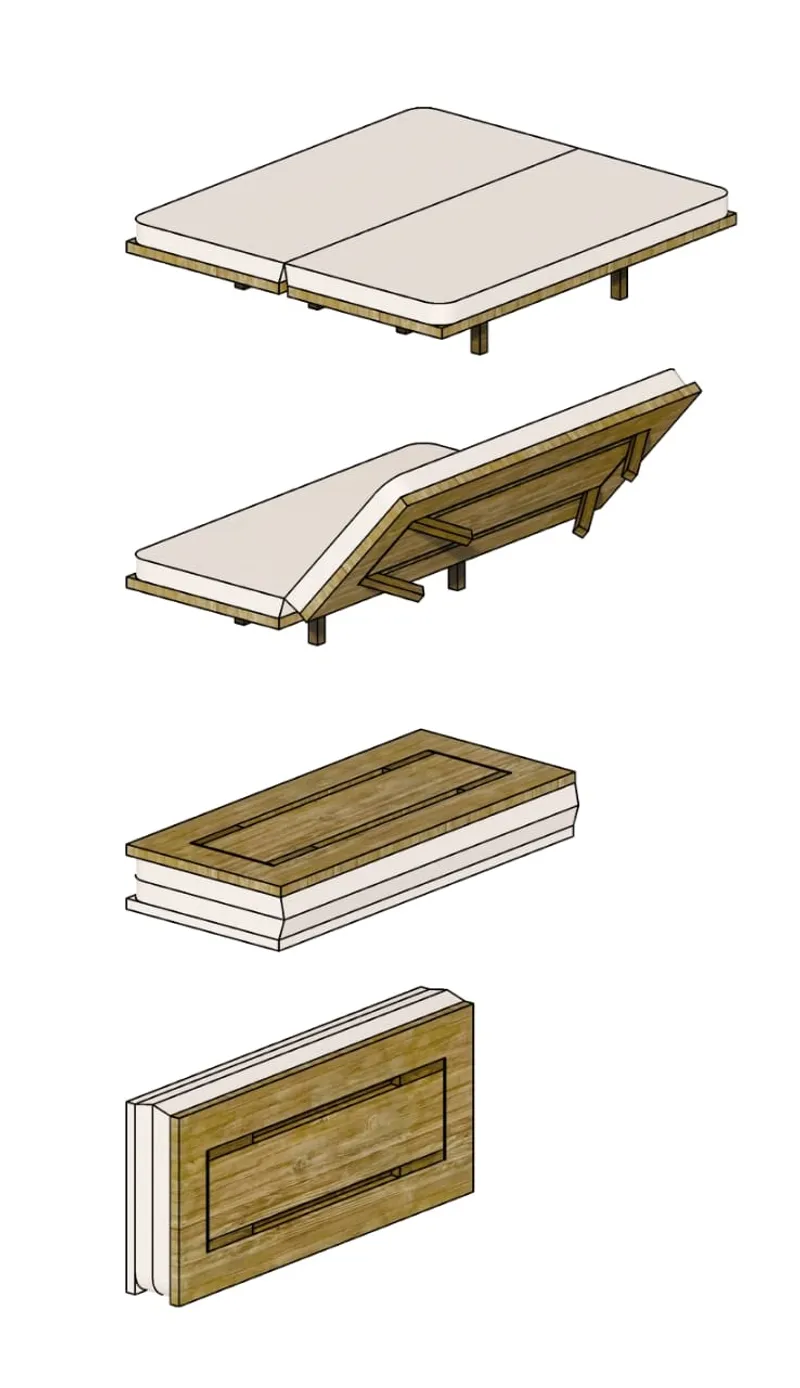
Folding chairs in the living areas are there for disabled people . They can easily open the folding chairs and lie down on the bed.
Conclusion:
Explanation of Concept:
It was born from the earth and goes towards the sky. It embraces us and shows the sky.
It was born from the earth
The cropland and the straw which is used
goes towards the sky
The vertical hierarchy and creating the roof and semi-open areas towards the sky
It embraces us
The hexagonal geometry that brings users together
shows the sky
Openings that are shaped based on different position types of users and their appropriate viewing angle.

Popular Articles
Popular articles from the community


Lunar Spiral: Space Architecture Shaped by the Mathematics of the Universe
Lunar Spiral reimagines space architecture through Fibonacci geometry, lunar regolith, levitating habitats, and self-sustaining Moon living.

The Musturak Paradise: Senior Living Architecture for a Connected Future in Temara, Morocco
The Musturak Paradise reimagines senior living architecture in Temara via private homes, social spaces, culture, community, and shared care.

Co-Life: Senior Housing Design That Reconnects Older Adults With the City
Co-Life reimagines senior housing design through healing gardens, shared streets, workshops, and a sustainable community across generations.

Conexión: Biophilic Design Reimagines High-Rise Living in Hong Kong
Conexión reimagines high-rise living in Hong Kong through biophilic design, green facades, shared spaces, daylight, water and nature within.


Similar Reads
You might also enjoy these articles

The Rhythm of Seasons
A Farmers' Market Connecting Nature and the City

More Than a Building-Designing a Living System
More Than a Building-Designing a Living System
Base Beyond
DESERT COMPOUND ARID: TOURISM OF ABSENCE AND ABUNDANCE





Comments (0)
Please login or sign up to add comments
No comments yet. Be the first to comment!