
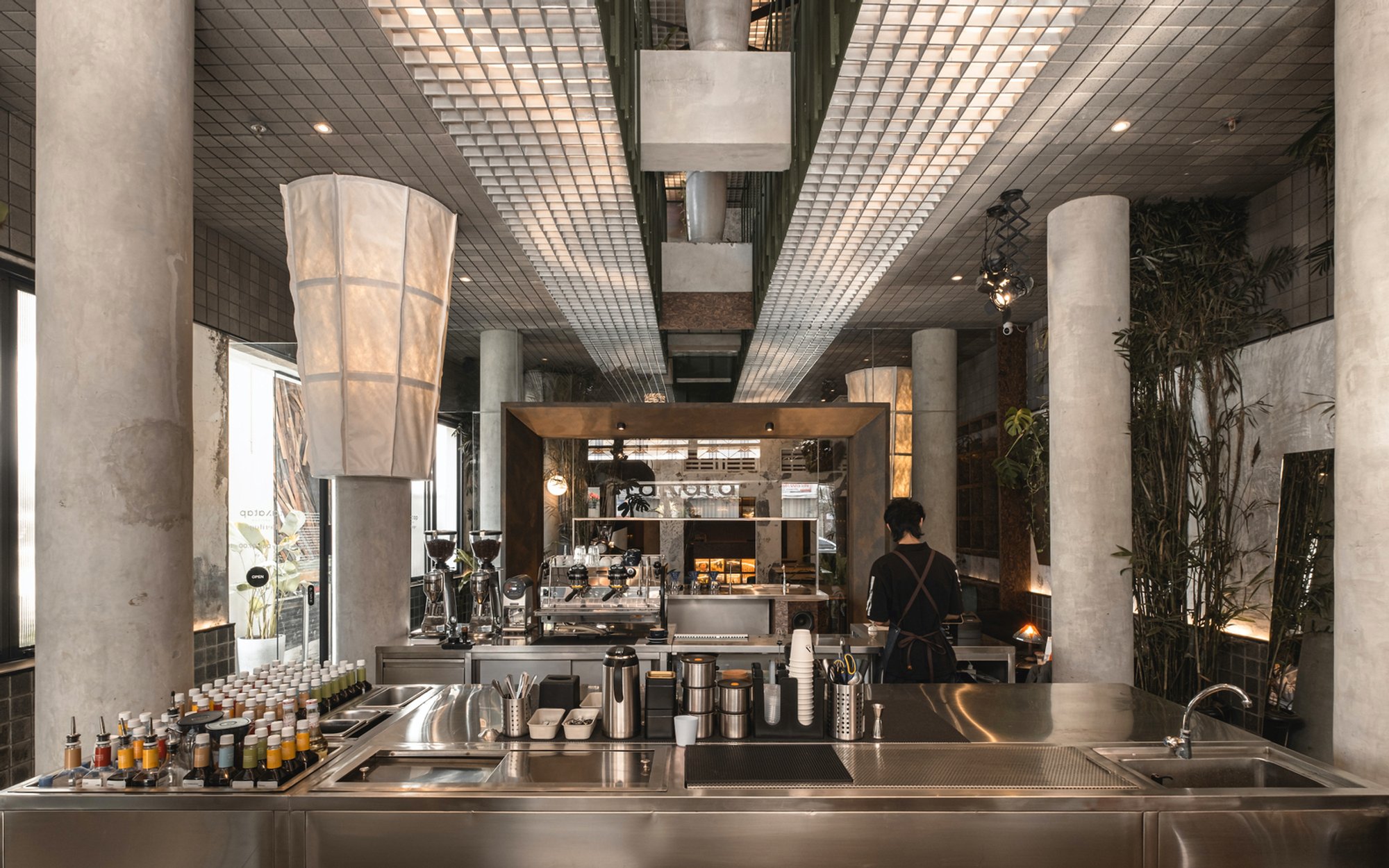
Tanatap Heritage Garden by RAD+ar: A Benchmark in Adaptive Reuse Architecture
Tanatap Heritage Garden redefines adaptive reuse architecture by transforming a colonial-era warehouse into a vibrant cultural and culinary space.

Revitalizing Heritage Through Adaptive Design
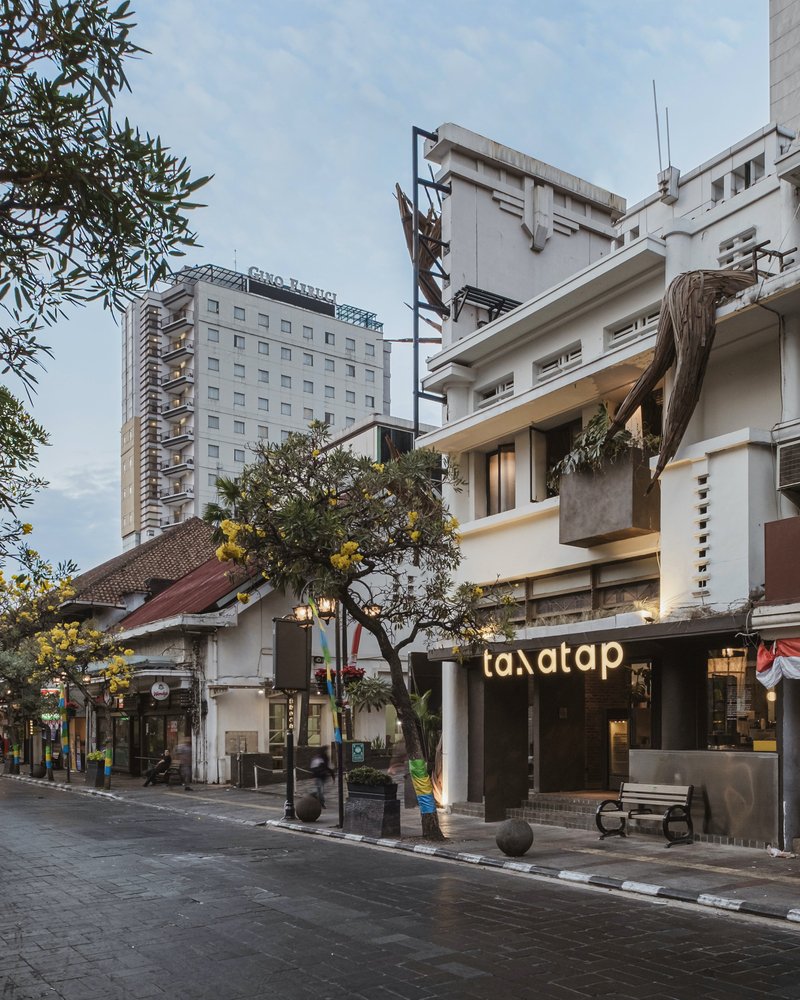
Tanatap Heritage Garden, designed by RAD+ar (Research Artistic Design + architecture), is a shining example of adaptive reuse architecture. Situated in the heart of Braga Street, Bandung—an area steeped in colonial history—the project transforms a previously underutilized Dutch-era warehouse into a vibrant restaurant and coffee shop that honors its past while reimagining its function.
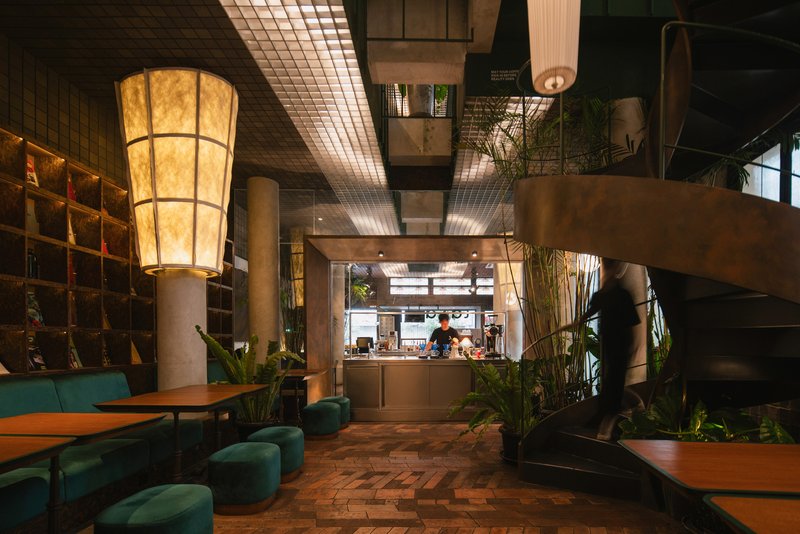
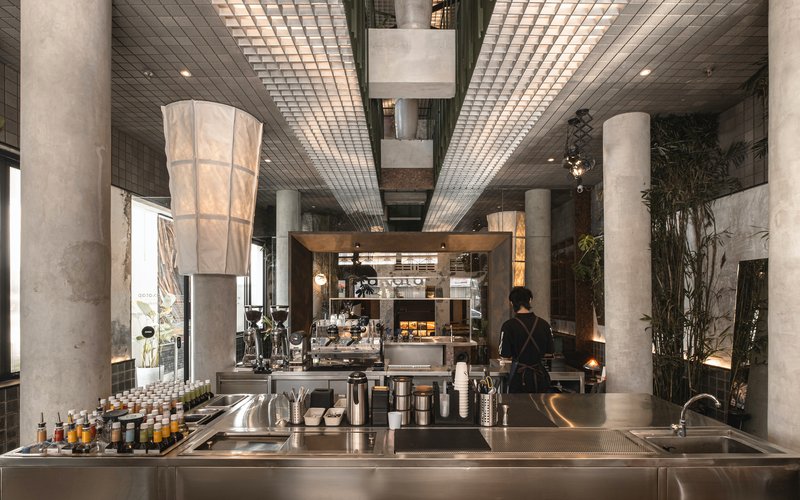
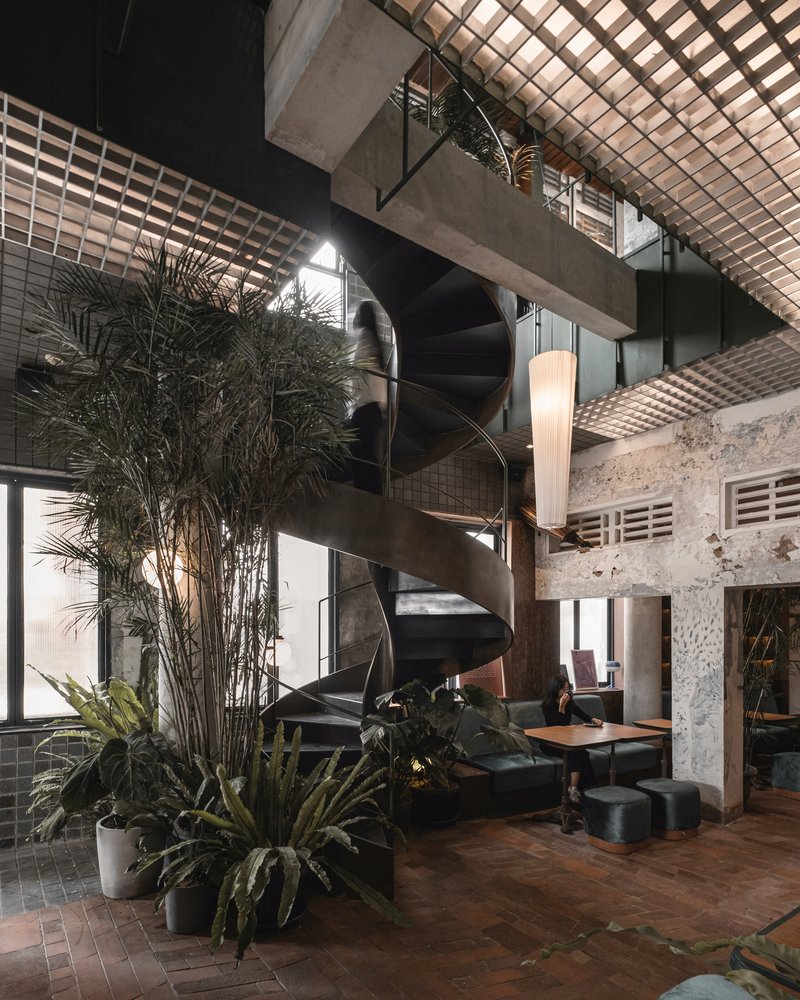
Completed in 2024, this 300-square-meter intervention showcases how architecture can respect historical integrity while introducing modern function and identity. The adaptive reuse strategy employed by RAD+ar has turned a forgotten structure into a spatial narrative of conservation, creativity, and community.
Honoring the Spirit of Braga's Dutch Heritage
Braga Street, often referred to as "Parijs van Java," is famed for its early 20th-century Dutch colonial shophouses, European-style cafés, and boutiques. Tanatap Heritage Garden does not compete with this rich historical backdrop—it harmonizes with it.
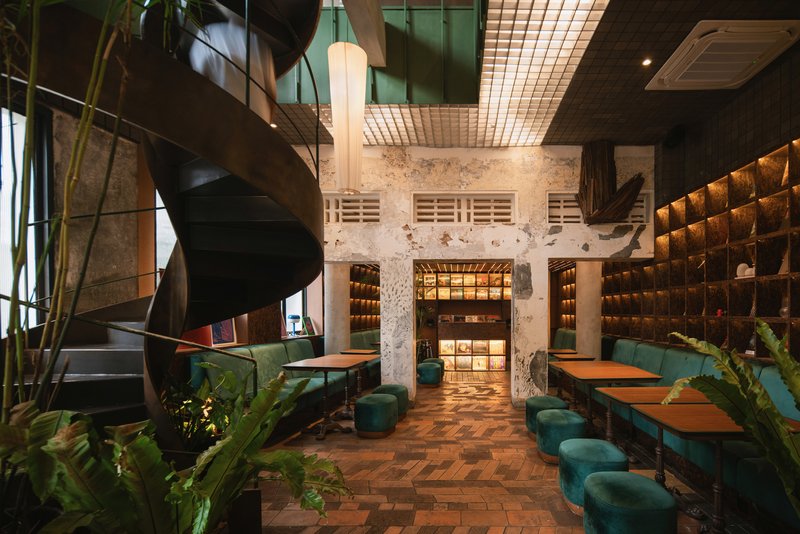
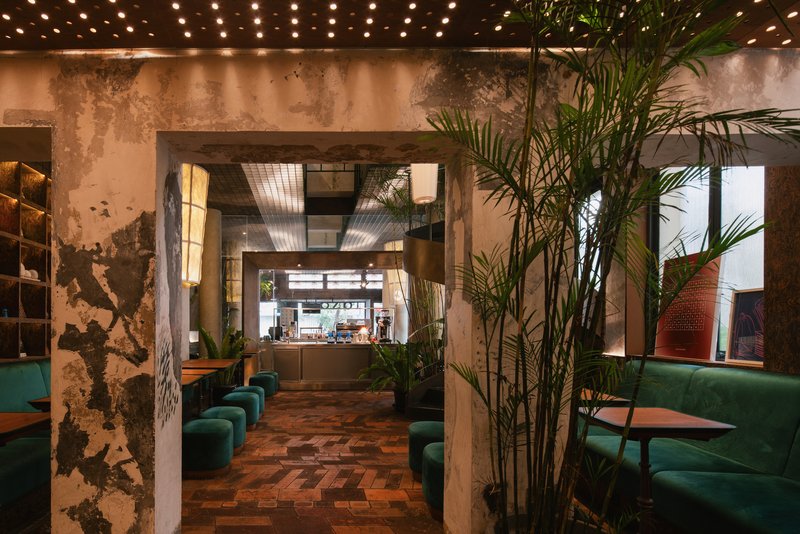
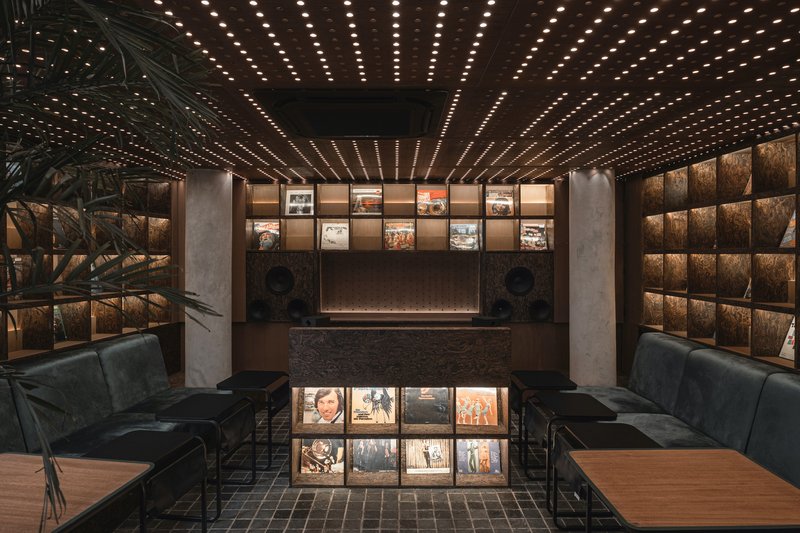
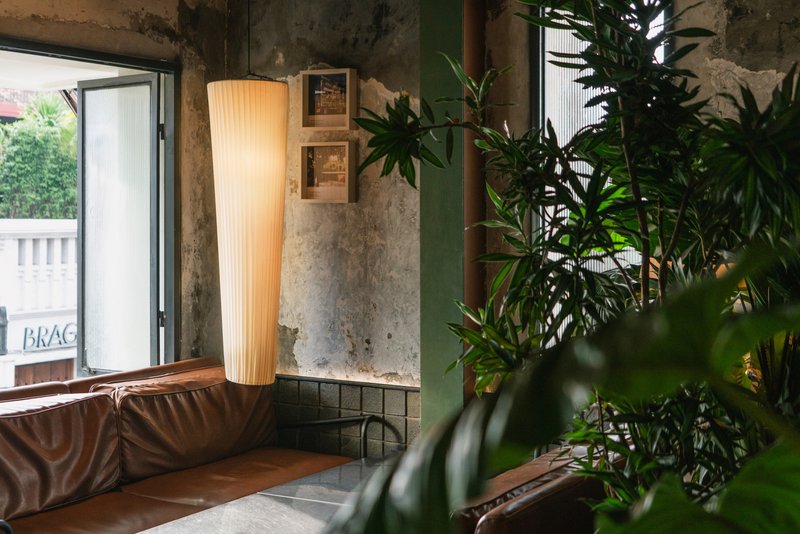
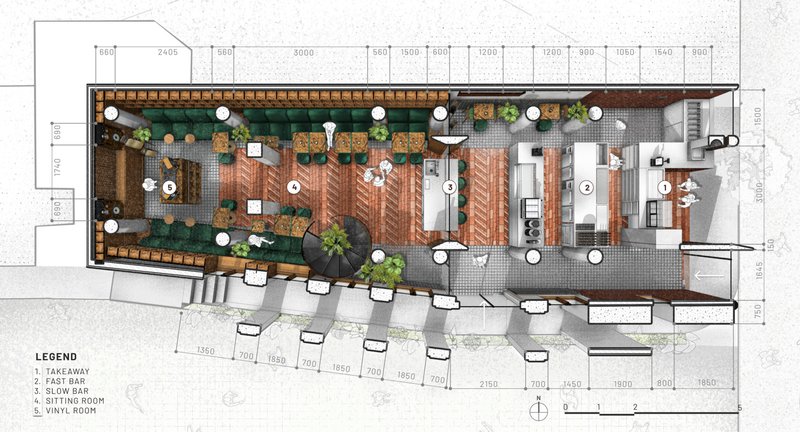
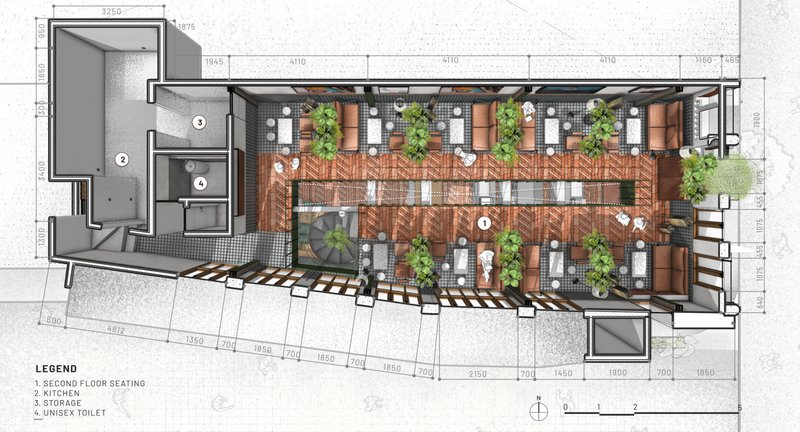
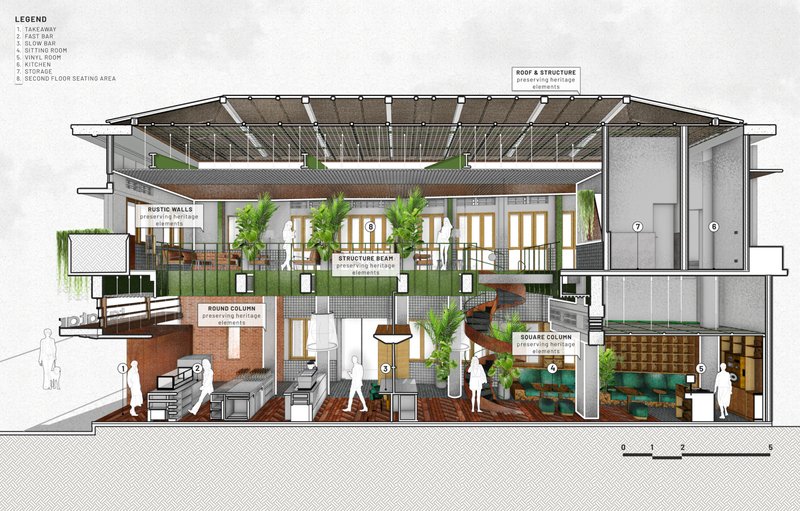
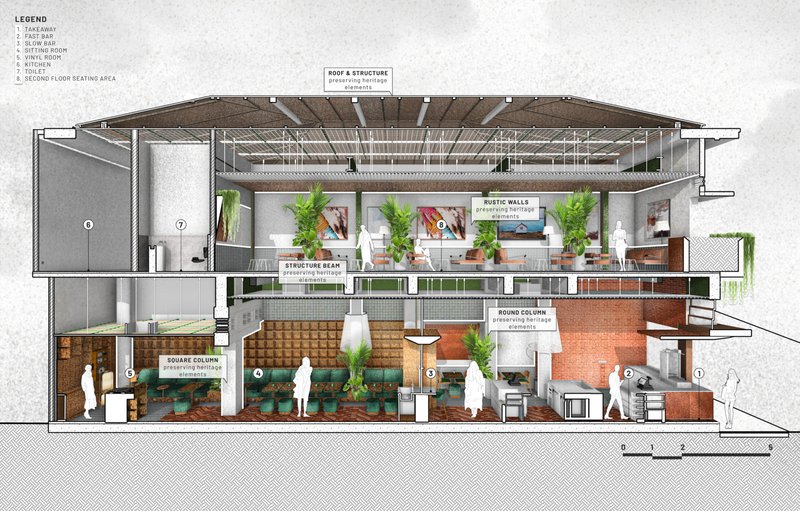
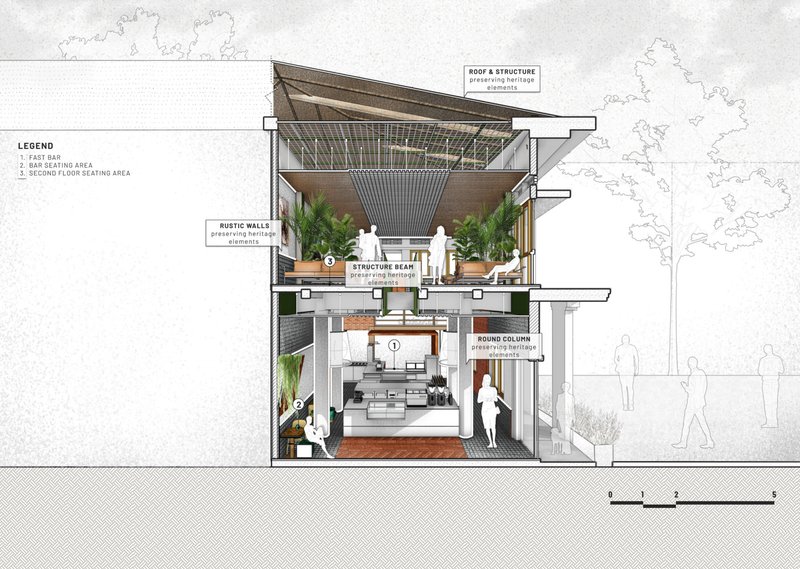
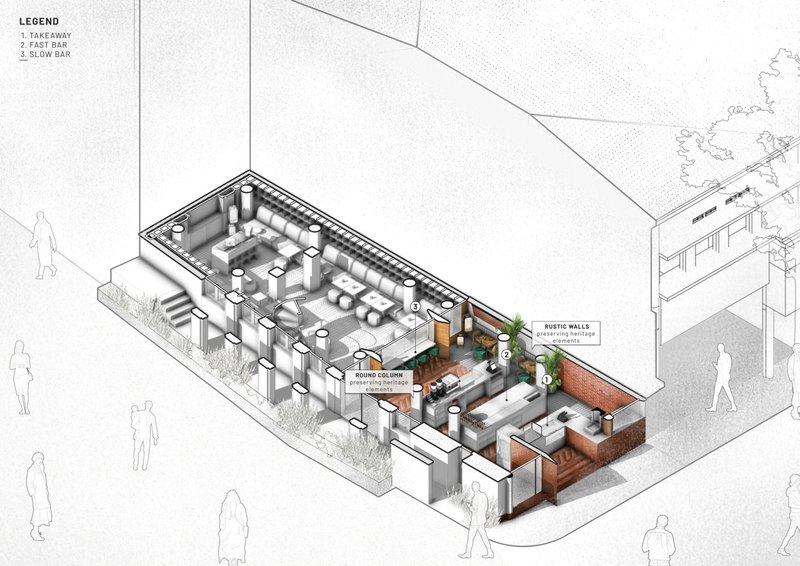
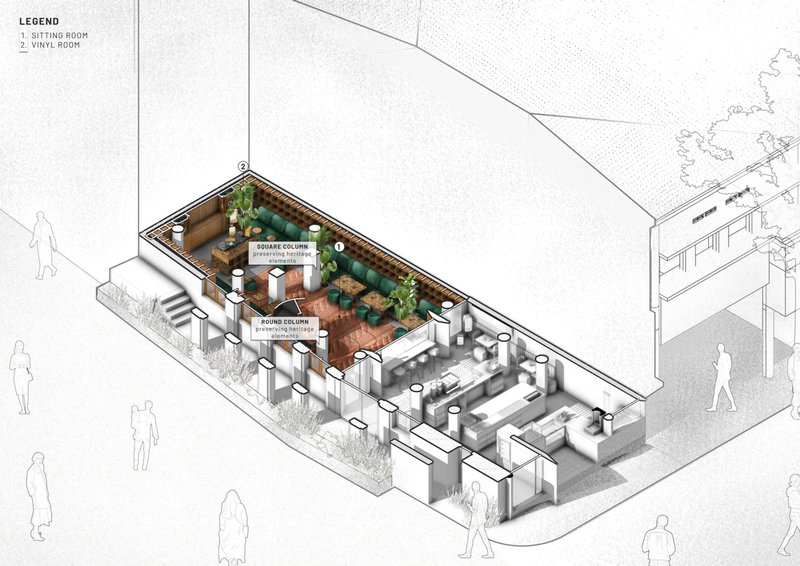
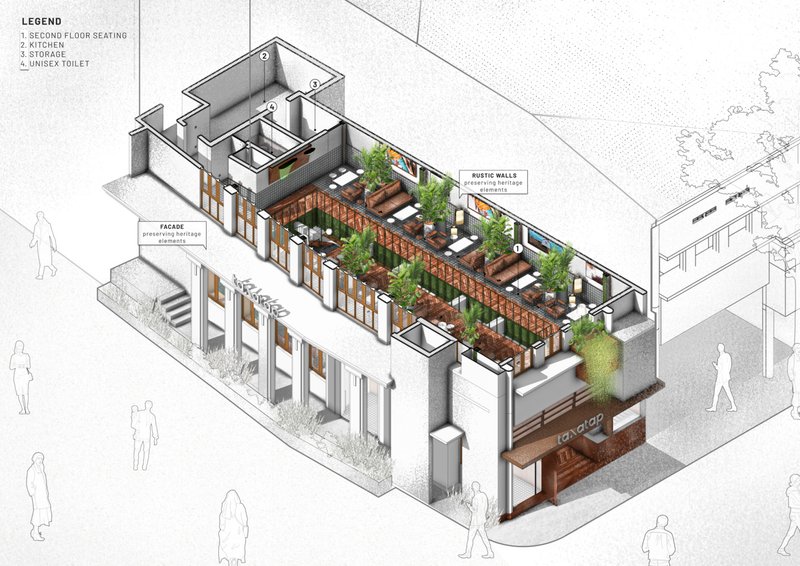
By retaining much of the original structure, including existing walls, frames, and facades, the design builds upon the soul of the space. Rather than stripping away character, RAD+ar amplified it, allowing history to speak through preserved materials and adaptive interventions. The use of corten steel frames and aged timber further anchors the building in a dialogue between past and present.
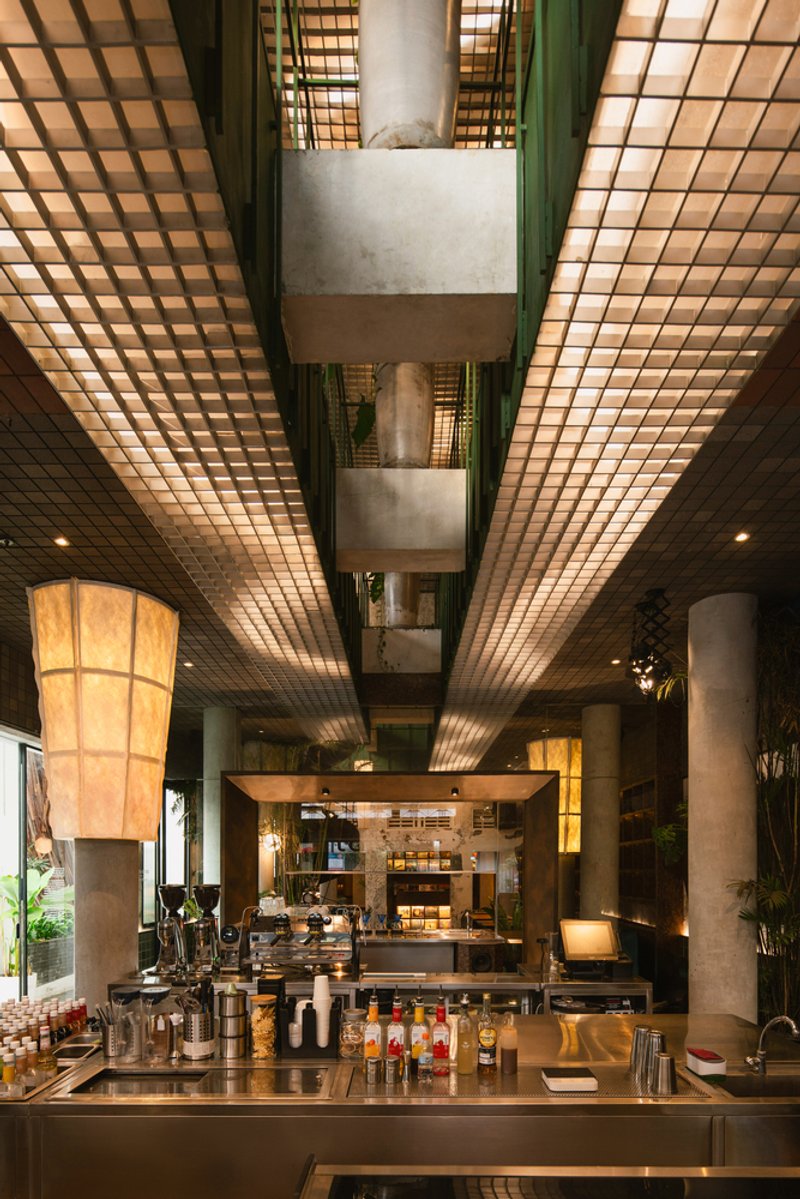
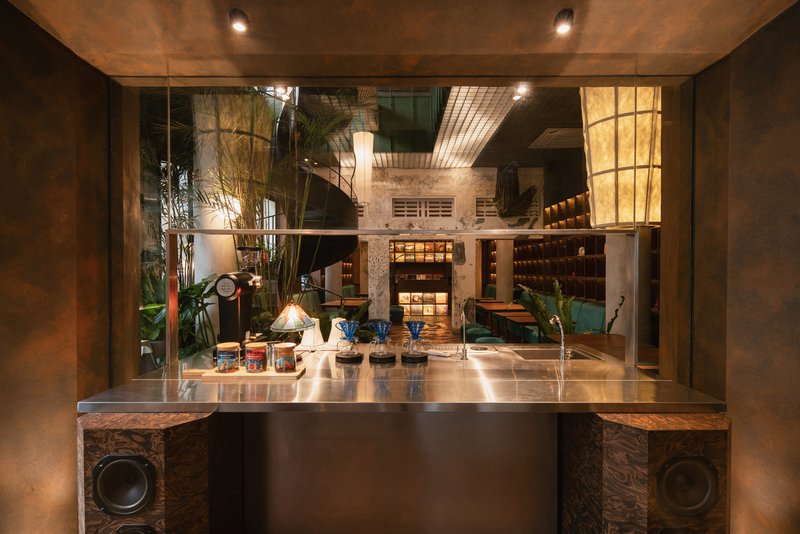
A Sculptural Narrative of Compress and Release
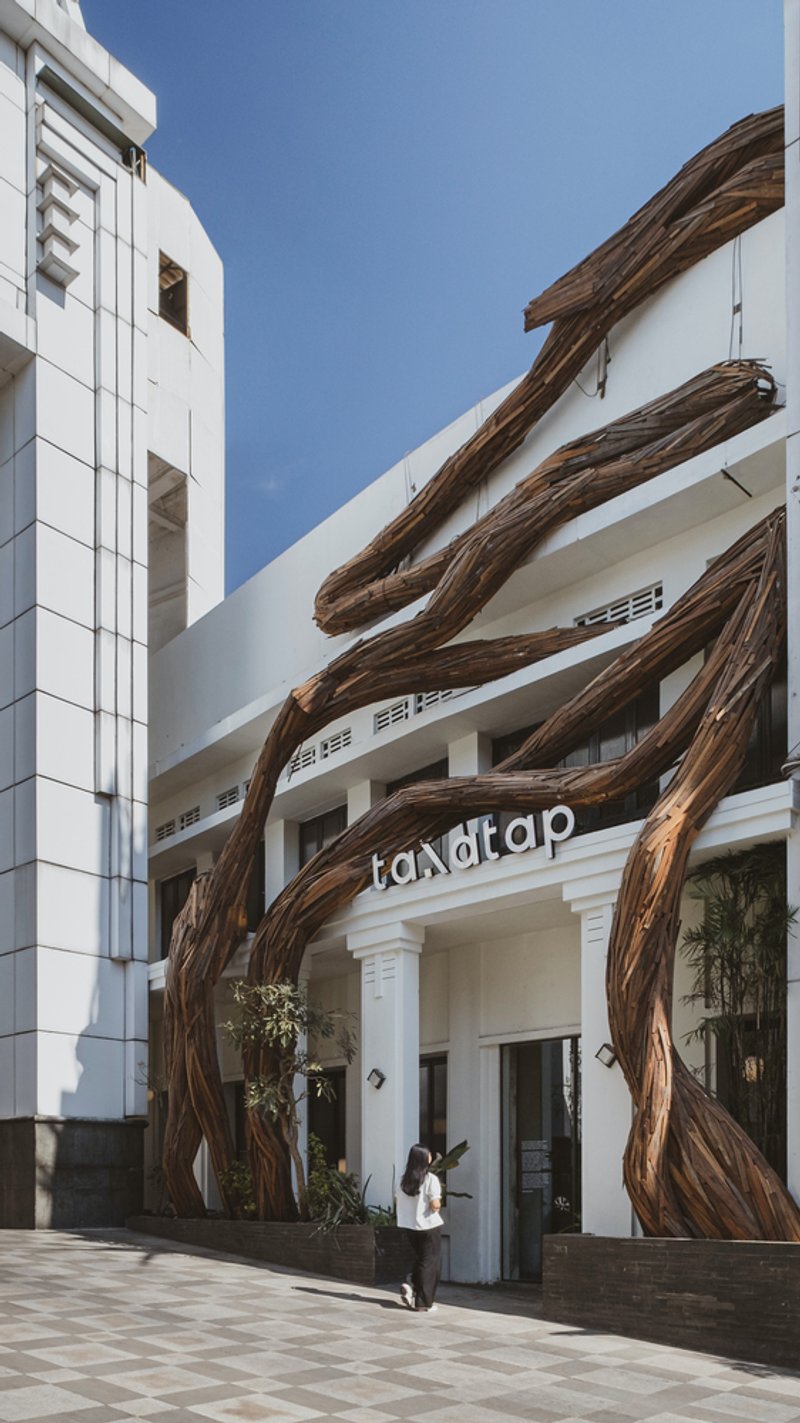
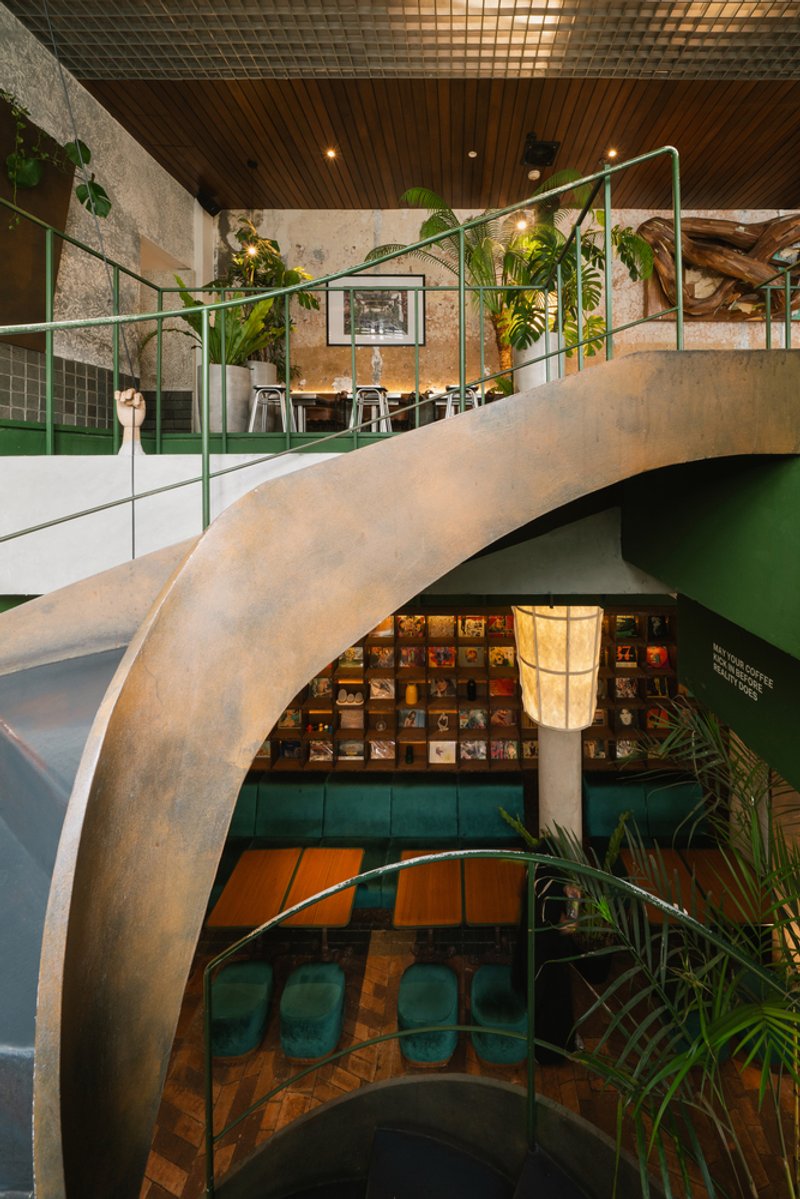
The spatial journey through Tanatap Heritage Garden is orchestrated using compress and release sequences that guide visitors through a rhythmic experience of openness and intimacy. The central ironwood sculpture by artist Wisnu Ajitama acts as a spiritual axis, visually and conceptually grounding the space in nature and heritage.
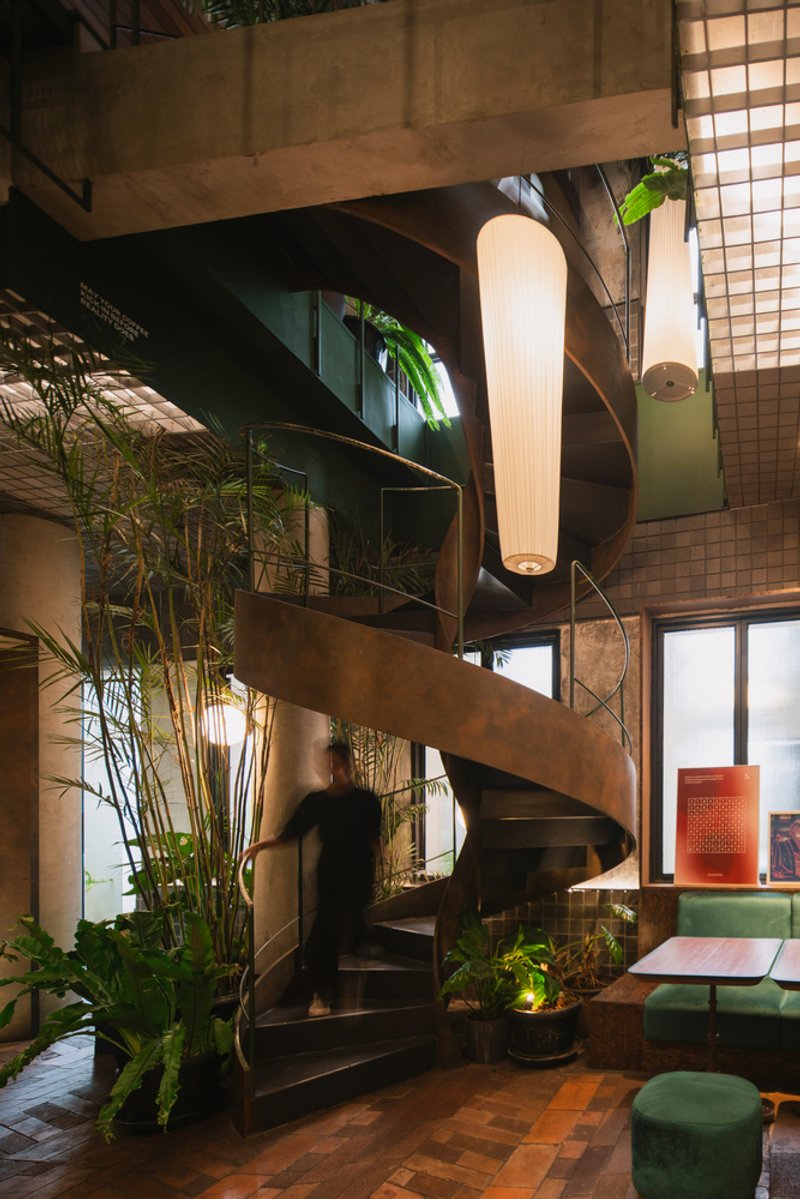
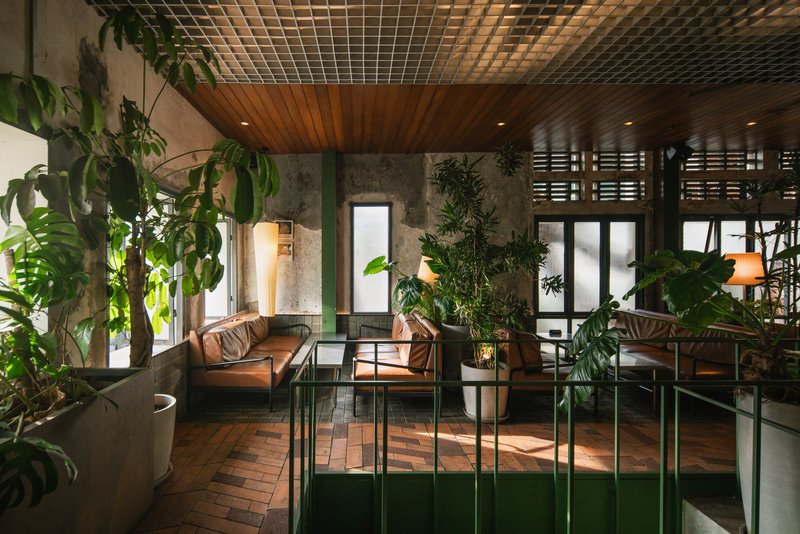
This approach goes beyond aesthetic gestures—it is about honoring the memory embedded in architectural form. Visitors are invited not just to dine or relax, but to reflect, reconnect, and experience a layered environment that merges cultural continuity with contemporary use.
Prioritizing Reuse Over Demolition
At its core, Tanatap Heritage Garden is a case study in responsible architecture. In a rapidly urbanizing world, this project stands out for choosing to reuse and reconfigure rather than demolish and rebuild. The architects embraced existing structural bones, allowing them to guide design decisions instead of working against them.
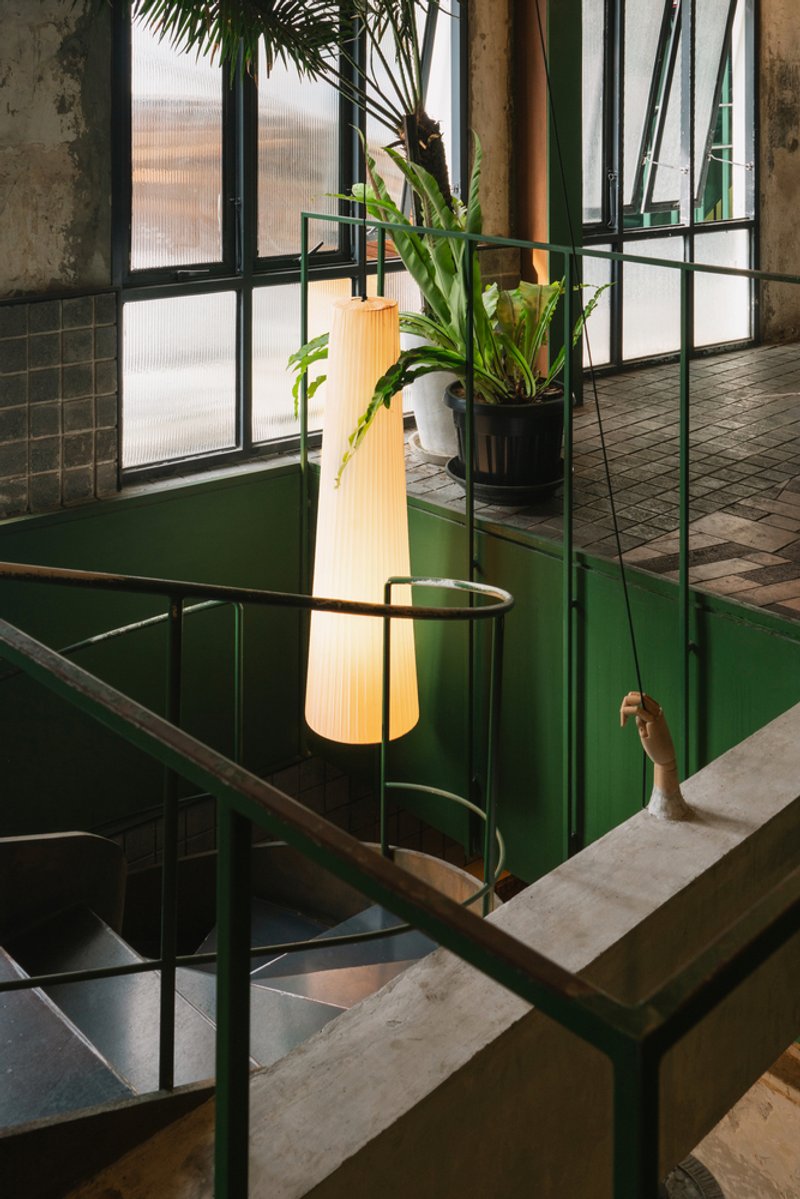
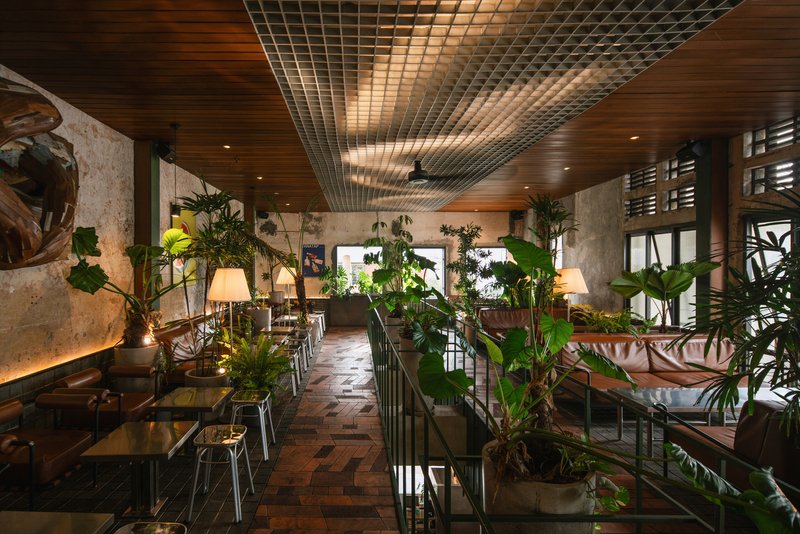
This environmentally conscious choice reduces construction waste, lowers embodied carbon, and minimizes the environmental footprint. It also shows how architectural creativity can thrive within limitations, crafting elegant solutions out of what already exists.
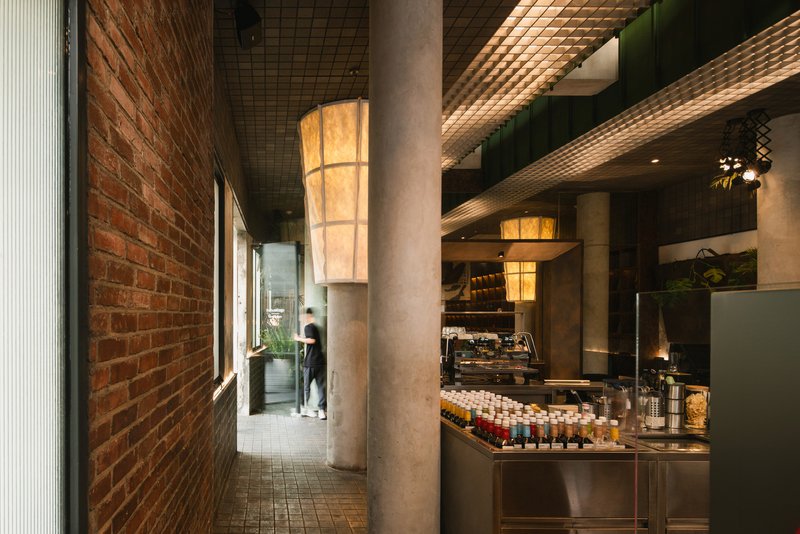
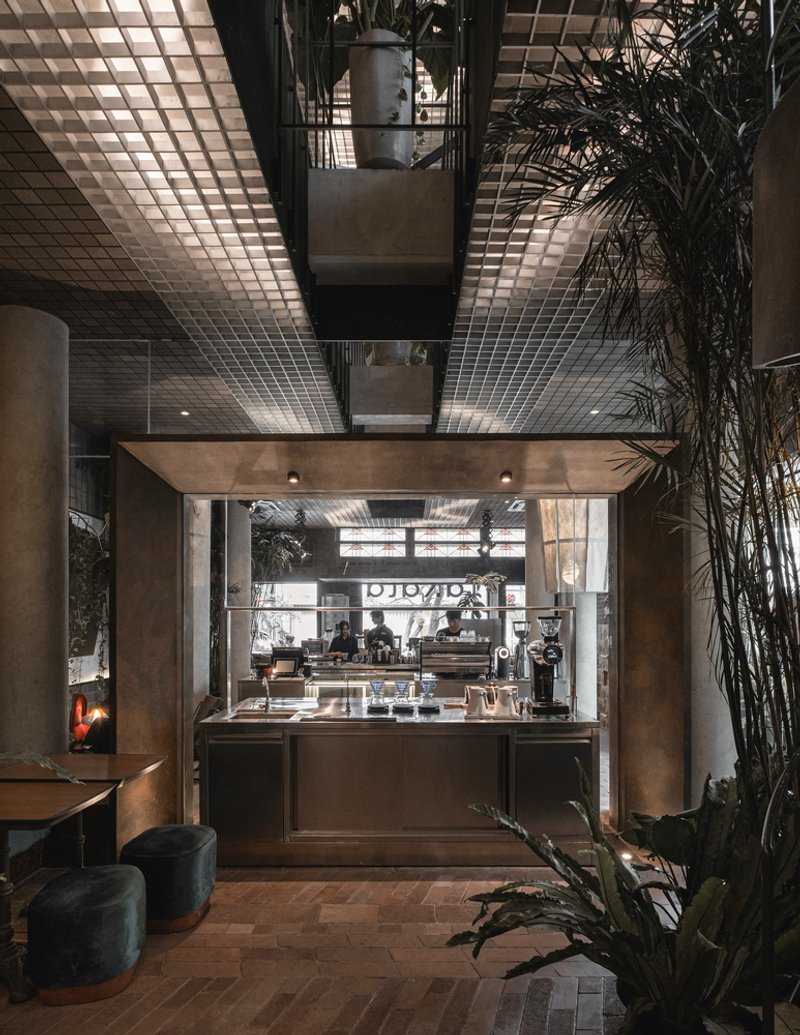
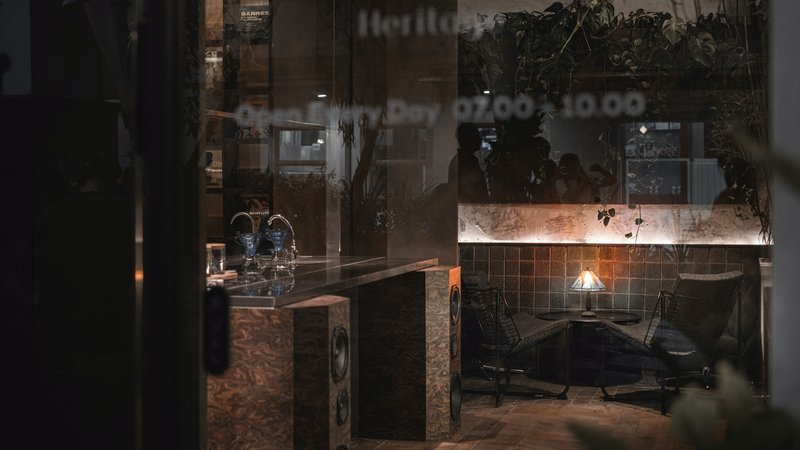
Adaptive Reuse as a Catalyst for Urban Culture
More than just a restaurant, Tanatap Heritage Garden functions as a small cultural node in Bandung’s historic heart. By reprogramming a vertical barrier into a community space, the project subtly reintegrates the block it inhabits, encouraging foot traffic, artistic interaction, and social gathering.
It’s a soft but powerful example of how adaptive reuse architecture can contribute to the cultural fabric of a city. It reminds us that sustainability isn’t just about technology—it’s about preservation, continuity, and sensitivity to place.
The Future of Heritage-Led Design
Tanatap Heritage Garden is a living testament to architecture’s ability to bridge time periods and tell stories through form. In celebrating reuse over replacement, RAD+ar not only conserved a piece of Braga’s heritage but also sparked a dialogue about how cities can grow thoughtfully, retaining their identity while embracing modern needs.
As urban centers around the world face the dilemma of preservation versus development, this project offers a valuable model. Adaptive reuse is not a compromise—it's a powerful tool to reimagine spaces and revitalize communities while respecting their roots.
All Photographs are works of Ernest Theofilus, Liandro Siringoringo




Popular Articles
Popular articles from the community

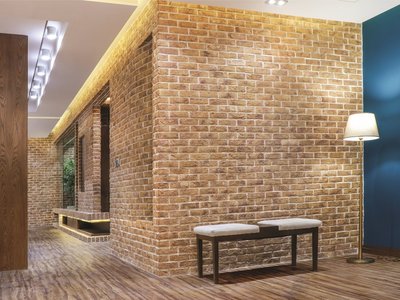
A Contemporary Take on Iranian Residential Architecture
A modern interior design in Mashhad that reinterprets brick, light, and spatial flow to create a warm, contemporary residential architecture.
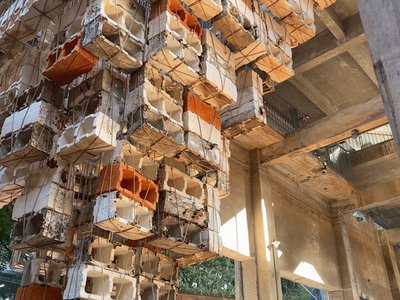
Inverted Architecture Installation by Studio Link-Arc: Exploring the Intersection of Architecture and Living Organisms
Inverted Architecture Installation by Studio Link-Arc blends mycelium, sustainability, inverted design, ecological cycles, and urban adaptive architecture in Shenzhen.


The Ken Roberts Memorial Delineation Competition (Krob)
As the most senior architectural drawing competition currently in operation anywhere in the world, it draws hundreds of entries each year, awarding the very best submissions in a series of medium-based categories.
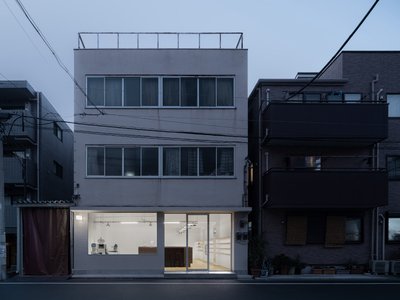
Atelier Macri Concept Store Interior Design by CASE-REAL
Atelier Macri store features a "ko" counter, walnut wood details, cork displays, blending retail, gallery, and seamless customer experiences.


Similar Reads
You might also enjoy these articles

Top 15 Architecture Competitions to Enter in 2026
From student-friendly idea competitions to prestigious international awards, here are the best architecture competitions open for entries in 2026. Updated regularly.

DIY & Engineering in Computational Design : Enter the BeeGraphy Design Awards
Showcase Your Creativity with Computational Design and Open Source Projects
Innovative Design Solutions: Award-Winning Projects from Recent Architecture Competitions
Exploring award-winning architectural projects shaping the future of design, sustainability, and community.


Explore Architecture Competitions
Discover active competitions in this discipline




The International Standard for Design Portfolios


The Global Benchmark for Architecture Dissertation Awards


The Global Benchmark for Graduation Excellence


Challenge to reimagine the Iron Throne
Comments (0)
Please login or sign up to add comments
No comments yet. Be the first to comment!