Wooden Architecture in Rural Design: The Innovative Approach of Dongyang Village's Community Center
This article explores the sustainable design of Dongyang Village's Wooden Structure, showcasing the harmony of wood in rural architecture.


Wooden Architecture in Rural Design
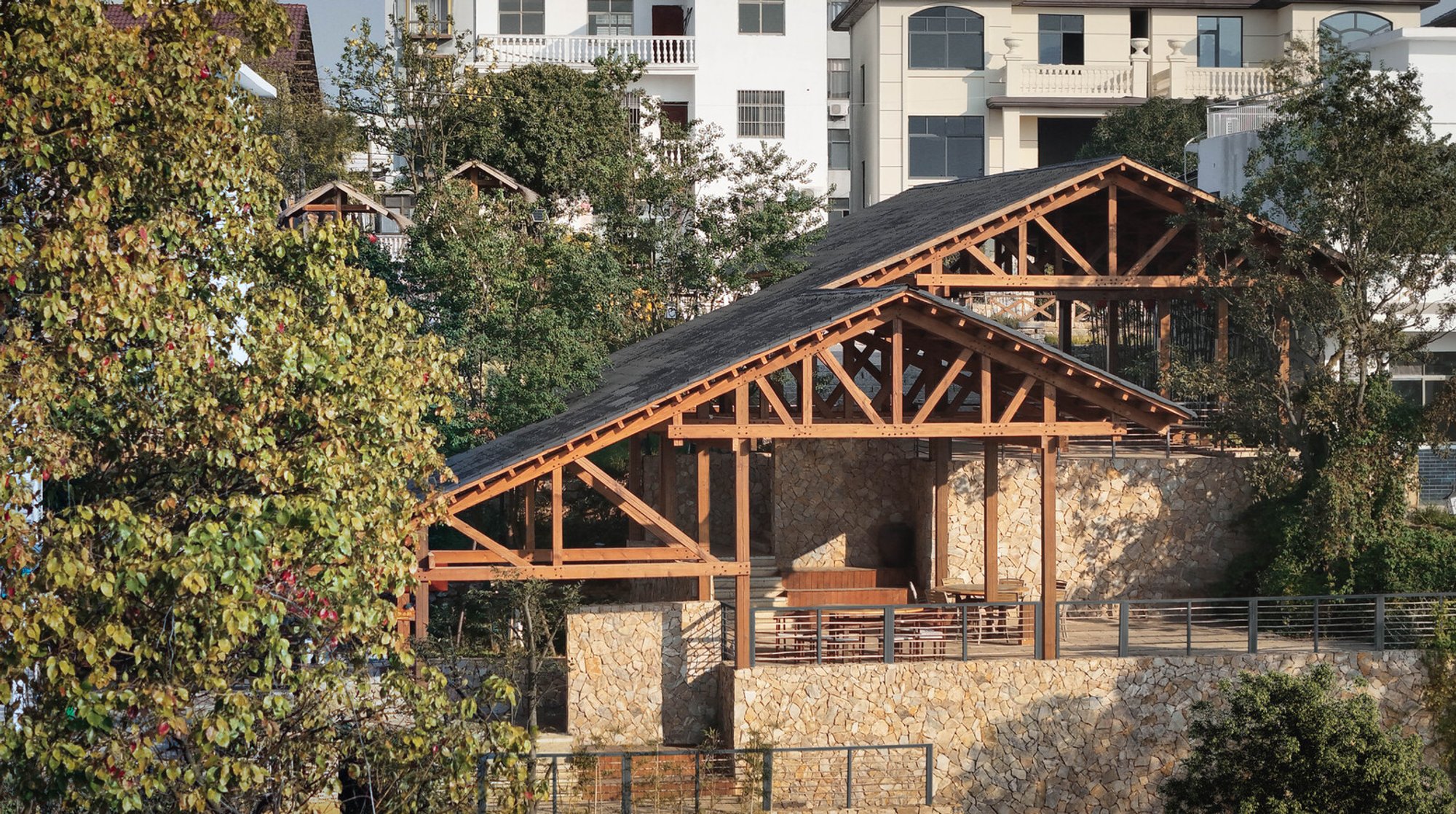
In the realm of rural architecture, one innovative project stands out as a true reflection of sustainability and simplicity—the Wooden Structure in Dongyang Village. This contemporary community center, designed by Galaxy Arch, seamlessly integrates wooden architecture with the natural landscape of Dongyang, a tranquil village nestled between the Meiling mountains in Nanchang, China. The project not only showcases the timeless charm of wooden structures but also emphasizes how thoughtful design can create a harmonious blend between tradition and modernity.
In this article, we’ll explore how wooden architecture in rural design can transform communities by offering a sustainable, functional, and aesthetically pleasing environment, using the Wooden Structure in Dongyang Village as a case study.
The Charm of Wooden Architecture in Rural Areas
Wooden architecture has long been an essential component of rural and vernacular design worldwide. Its ability to blend into natural surroundings while providing durability and warmth makes it an ideal material for sustainable architecture in rural areas. When applied thoughtfully, wooden buildings can evoke a sense of timelessness and harmony with the environment.
The Wooden Structure in Dongyang Village is a perfect example of this. The use of wooden trusses and sustainable materials helps minimize the environmental footprint while respecting the traditional building practices of the region.
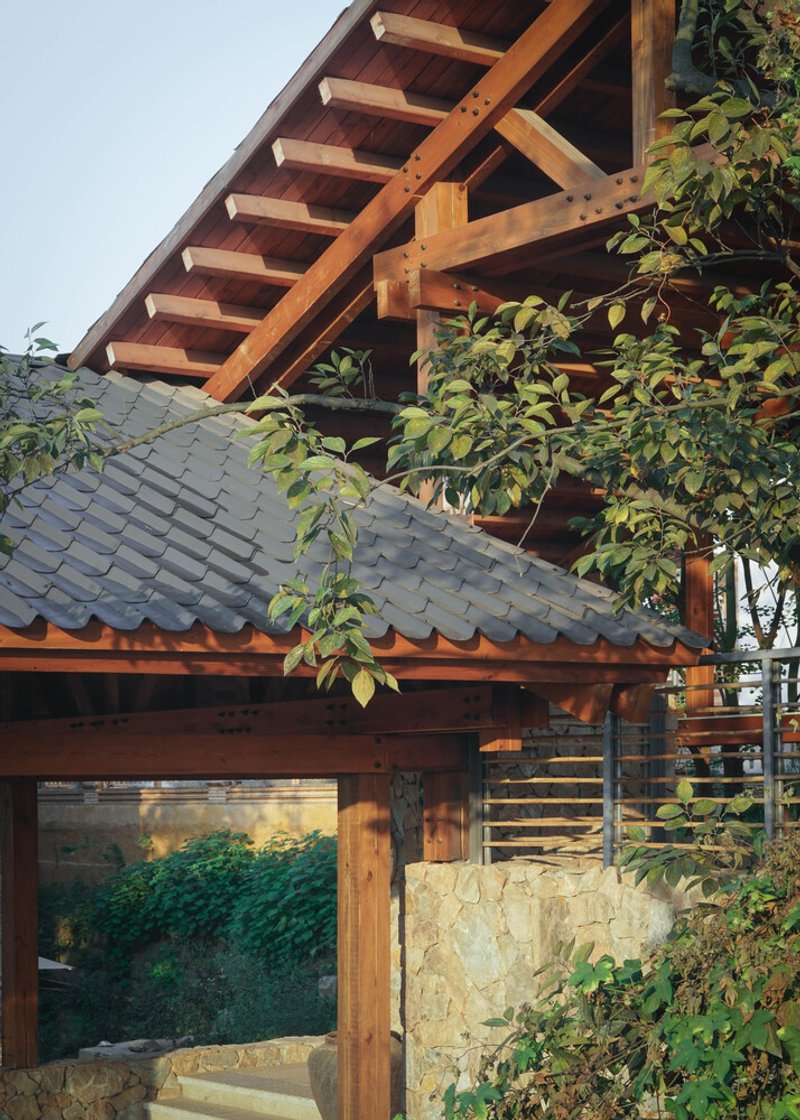
Design Concept and Location of Dongyang Village Community Center
The Dongyang Village Wooden Structure is situated in a picturesque setting, with the Meiling mountains to the north and the village homes spread across the rolling hills. The design aims to create a space that caters to both the natural topography and the needs of the local community.
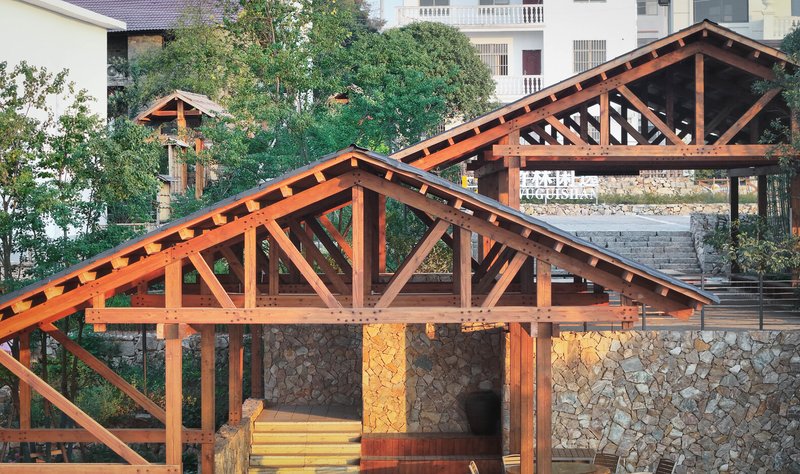
Site Analysis and Context
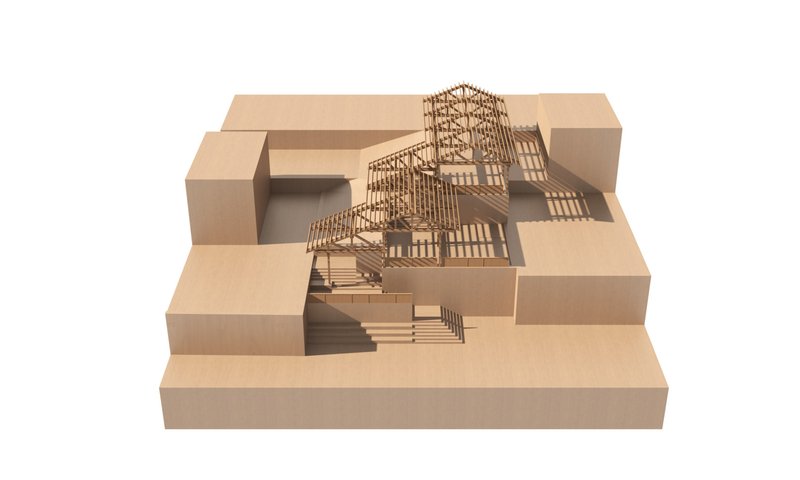
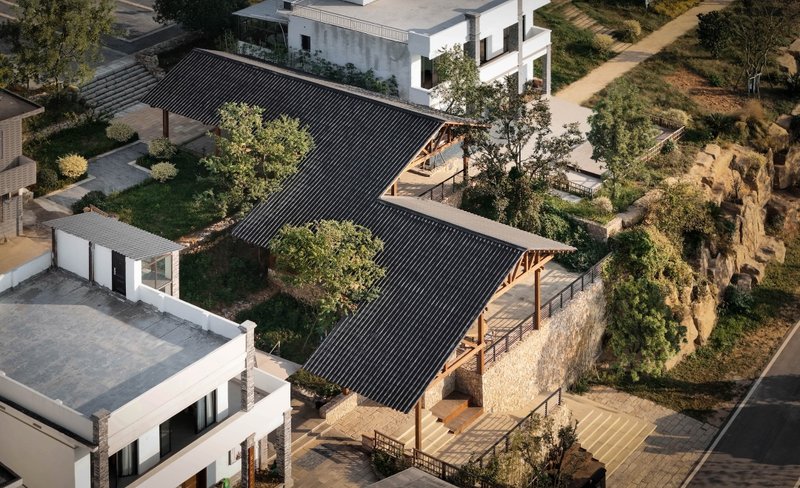
Dongyang’s geographical features, particularly the 10-meter height difference across the site, influenced the design approach. The wooden structure was conceived as a sequence of spaces that follow the contours of the landscape. This integration of natural slopes with architectural design ensures that the community center not only serves as a social hub but also respects the village’s rural context.
The site’s strategic location on a hill allows for sweeping views of the Meiling mountains and the surrounding lush greenery. This scenic backdrop became a key element in the architectural planning, providing a visual and emotional connection to the landscape.
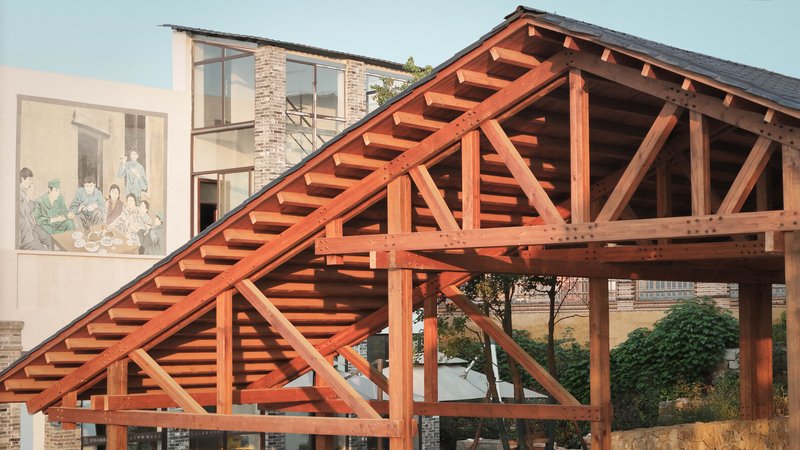
The Role of Wooden Trusses in Rural Architecture
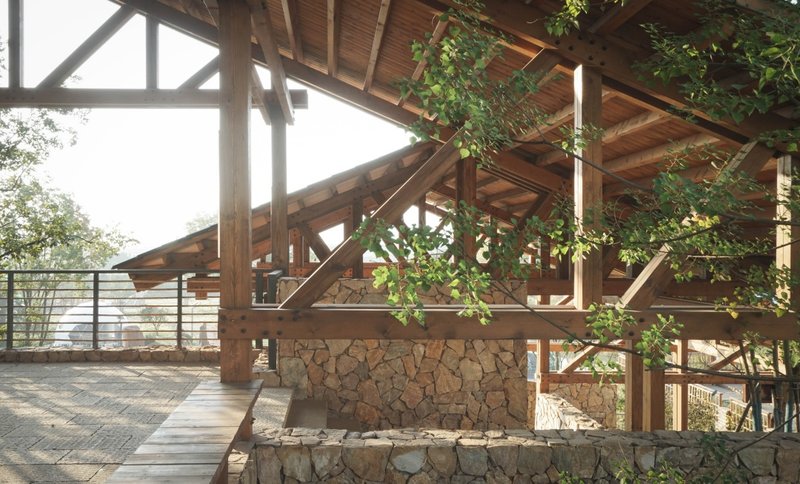
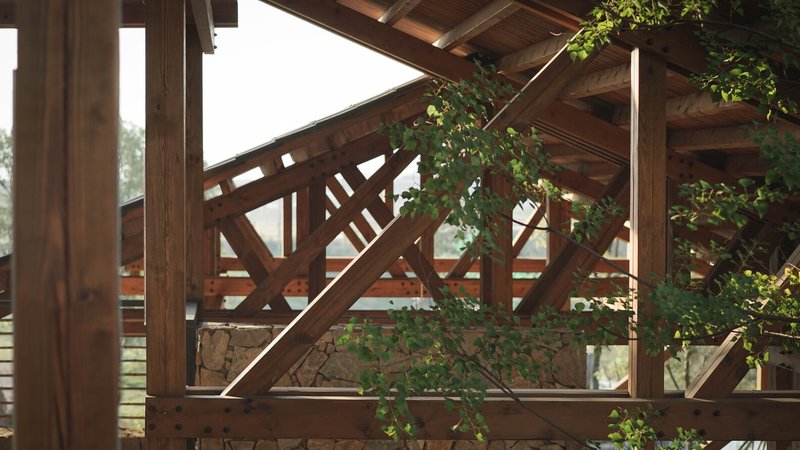
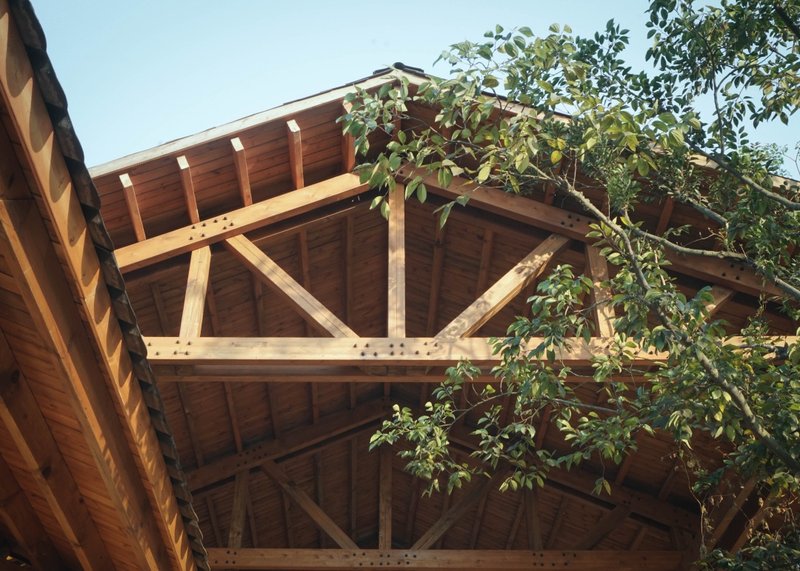
One of the standout features of this project is its wooden truss system, which plays a crucial role in both the structural integrity and aesthetic appeal of the design. The trusses, arranged parallel to the site’s contours, guide the circulation paths and help reduce sightlines that might obstruct views of neighboring residential buildings.
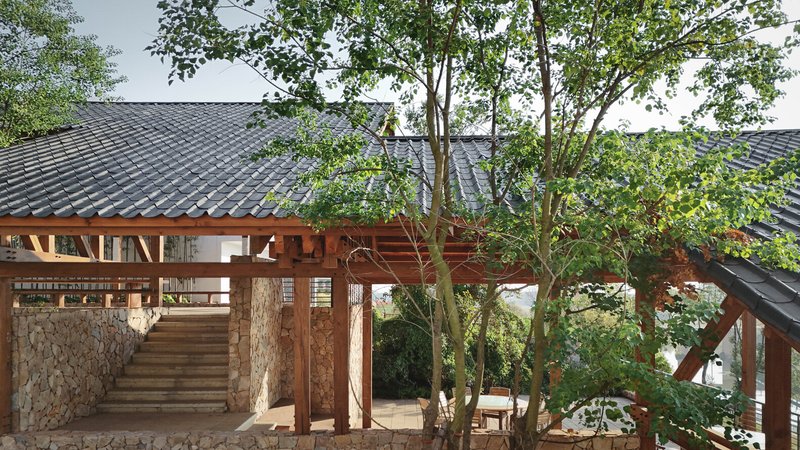
Trusses and Structural Design
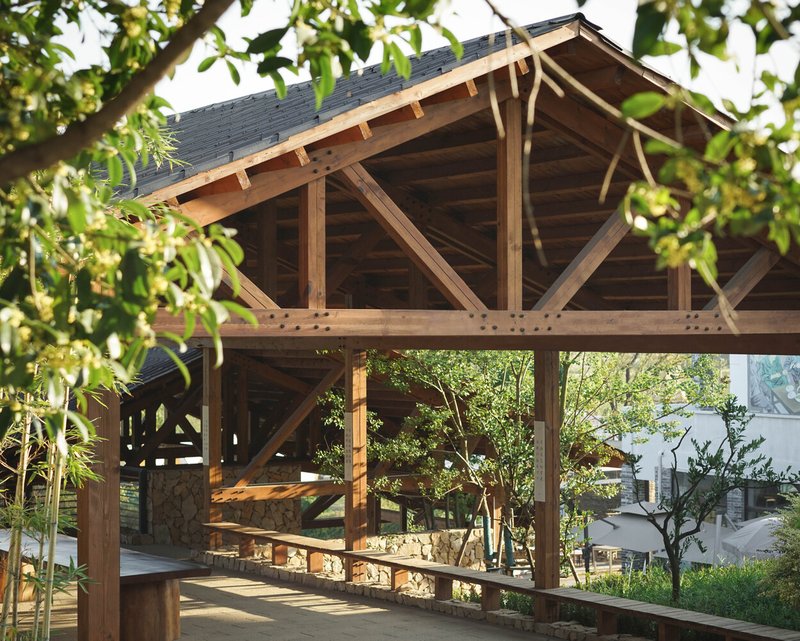
The trusses are designed to transfer gravity loads to the retaining walls below, ensuring that the structure remains stable despite the slope. The column system, each designed to accommodate the varying elevations of the site, supports the trusses while creating a distinctive visual element on the building’s facade. The wooden architecture here serves both functional and aesthetic purposes, adding to the visual richness of the community center.
Sustainable Materials in Rural Design: Lightweight Roofing and Local Building Practices
Sustainability is a key factor in rural architectural design, and the Dongyang Village Wooden Structure takes this principle seriously. The roof is constructed with lightweight molded asphalt tiles, which offer both strength and waterproofing capabilities. This choice of material helps reduce the size and load of the columns, making the building easier to construct and maintain while ensuring durability in the rural environment.
The design team carefully considered on-site construction methods to minimize the need for precise factory-made components. By embracing simpler forms and materials, the project aligns with the local building traditions and makes use of sustainable materials that are locally sourced.
The Importance of Simplicity in Rural Architecture
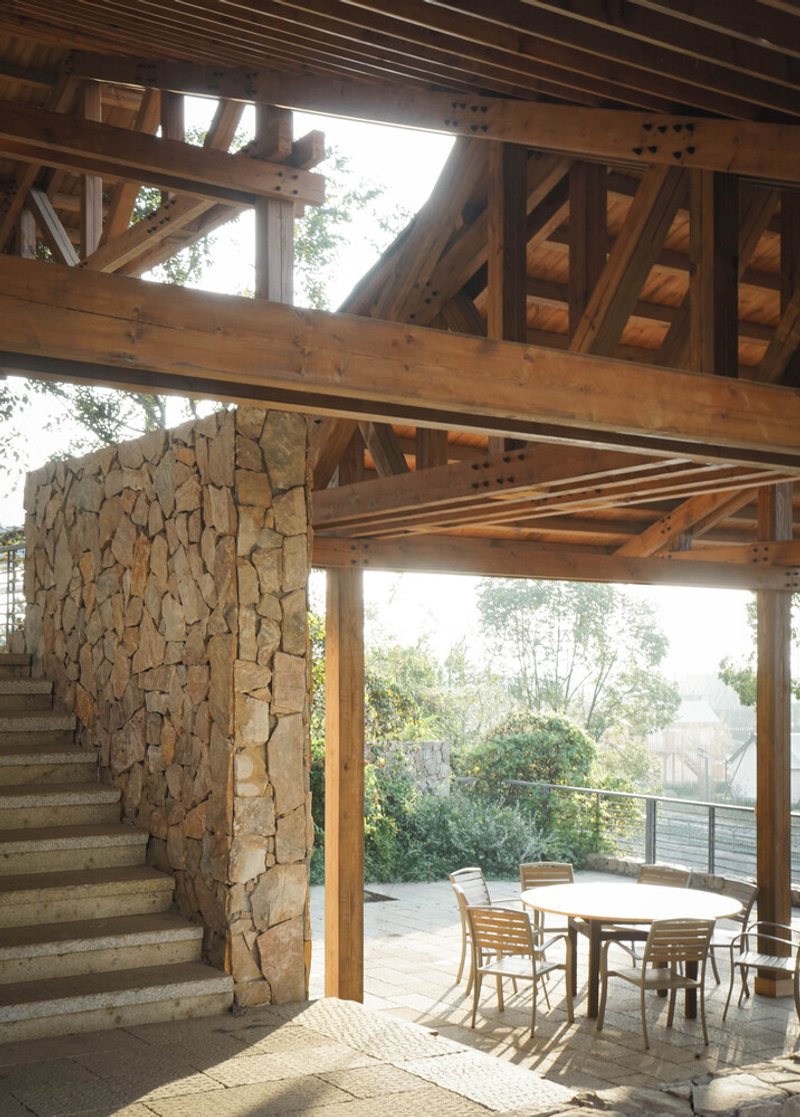
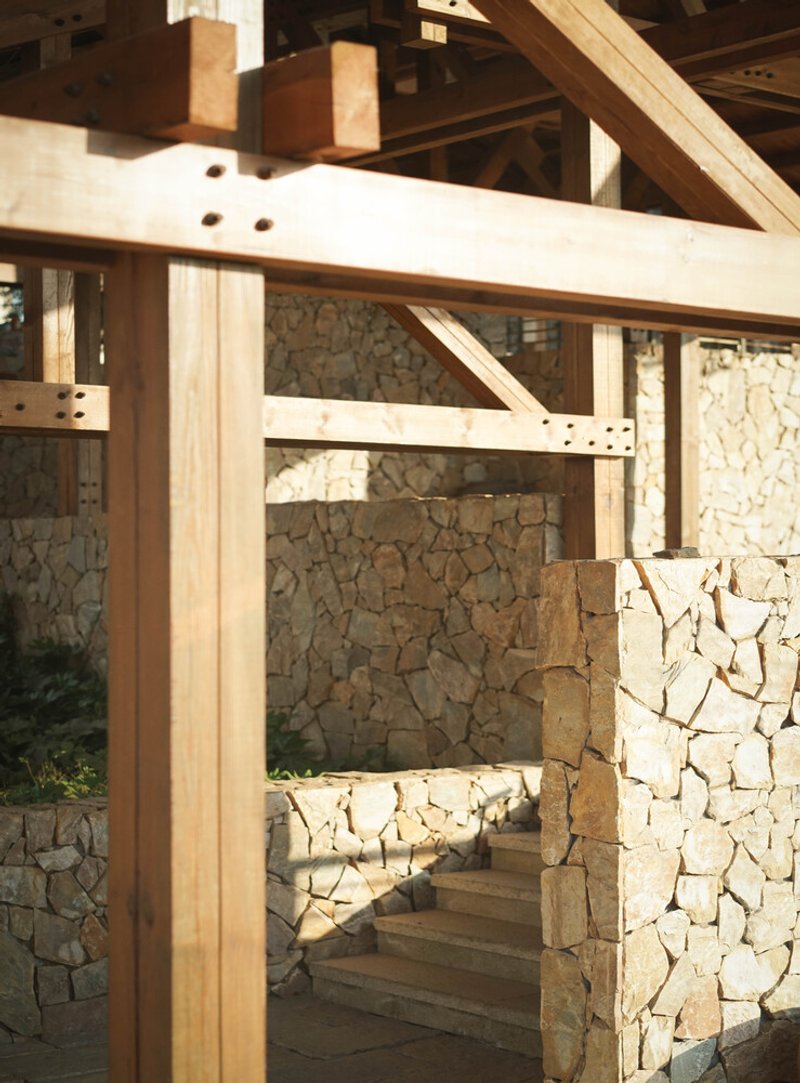
At the core of the Wooden Structure in Dongyang Village is its simplicity. The design process was driven by the desire to create a space that was both functional and unobtrusive, reflecting the unpretentious nature of the local homes. The use of wooden elements, such as beams and trusses, emphasizes the natural beauty of the material, avoiding excessive ornamentation.
This simplicity allows the Wooden Structure to blend naturally with its surroundings, offering a space that is both timeless and contemporary. The focus on basic architectural principles fosters a strong connection between the community and the land, creating a space that is both comfortable and meaningful.
Functionality and Community Impact
The Wooden Structure in Dongyang Village has become an important gathering place for the community. Its open design allows for flexible use, from casual resting spaces to more formal gatherings. The central resting platform is equipped with round tables, where local villagers can come together, socialize, and enjoy the views of the surrounding landscape.
Moreover, the space has been embraced by local farmhouse businesses, who use it to host community events and serve as a hub for daily activities. This kind of design is not only practical but also fosters a sense of community and social connection.
The Future of Wooden Architecture in Rural Design
The Wooden Structure in Dongyang Village exemplifies the potential of wooden architecture in rural design to create meaningful spaces that blend tradition with modern functionality. As rural areas continue to evolve, the use of sustainable materials and the preservation of local building traditions will be critical to creating architecture that supports sustainable communities.
This project serves as a beacon for future rural architecture, showing that with thoughtful design, it is possible to create buildings that are not only functional and beautiful but also ecologically responsible and deeply connected to the local culture.
The Timeless Appeal of Wooden Architecture in Rural Settings
The Wooden Structure in Dongyang Village is a testament to the enduring value of wooden architecture in rural design. By embracing simplicity, sustainability, and local building traditions, the design fosters a connection between people and place, offering a space that serves both functional and emotional needs. As we look to the future, the project highlights the importance of incorporating sustainable architecture practices in rural design, ensuring that buildings remain deeply rooted in their environments while meeting the evolving needs of rural communities.