
Abbey House Restoration in Portell de Morella: A Masterclass in Historic Building Restoration in Spain
A medieval parish house restored into rural accommodation, celebrating vernacular heritage through sensitive historic building restoration in Spain.


Reviving the Legacy of Portell de Morella
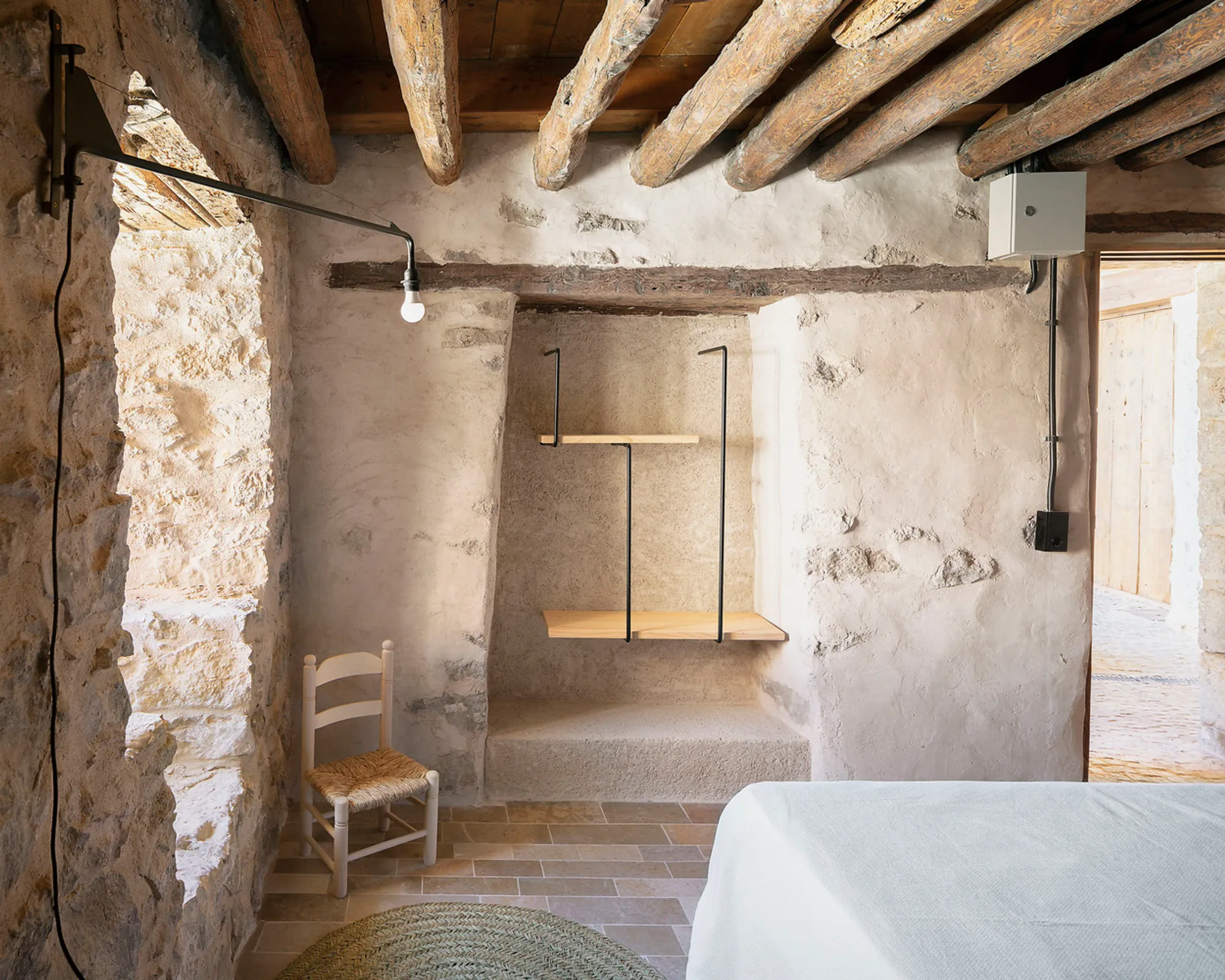
In the ancient hilltop village of Portell de Morella, Spain, architects Antonio Garcia Blay and Jose Antonio Ruiz Suaña undertook the restoration of the Abbey House, an architectural relic embedded within the historic castle complex. This project exemplifies contemporary historic building restoration in Spain, blending structural consolidation, respectful material intervention, and sensitive spatial redesign to reimagine a long-abandoned structure into functional municipal rural accommodation.
Contextual Heritage: A Castle, A Parish, A Forgotten Fragment
The site, nestled within the castle walls, included the ruins of a former parish house linked to one of the defensive towers. Its proximity to these fortifications gave it not only historical value but also strategic significance. After years of neglect, the structure was severely deteriorated, calling for a meticulous approach that balanced architectural intervention with cultural preservation.
Reclaiming Defensive Identity Through Spatial Subtraction
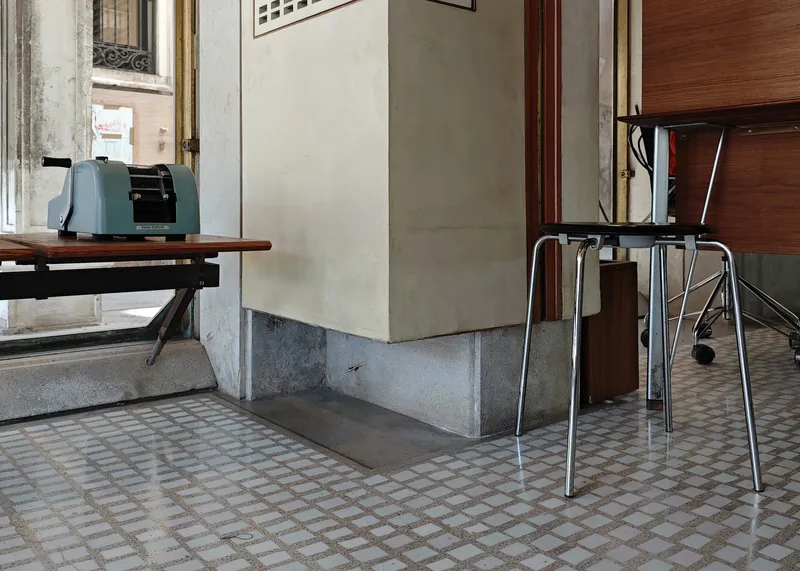
To revive the fortress's original defensive logic, the architects strategically removed part of the structure and introduced a new courtyard. This open-air void redefined the spatial organization, allowing the historic tower and wall to stand independently and reclaim their historical character. The courtyard also serves a practical function, providing natural light, ventilation, and vertical circulation that links all levels of the newly restored building.
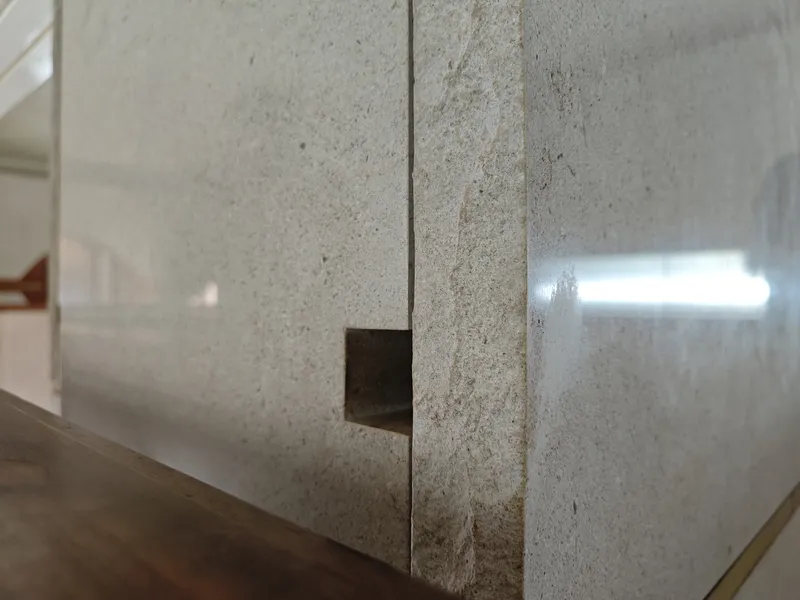
Harmonizing Exterior Authenticity with Interior Adaptation
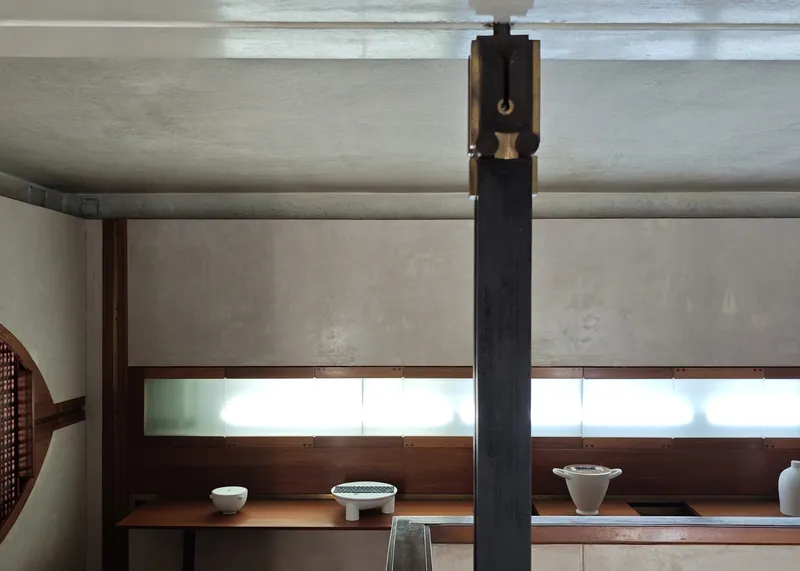
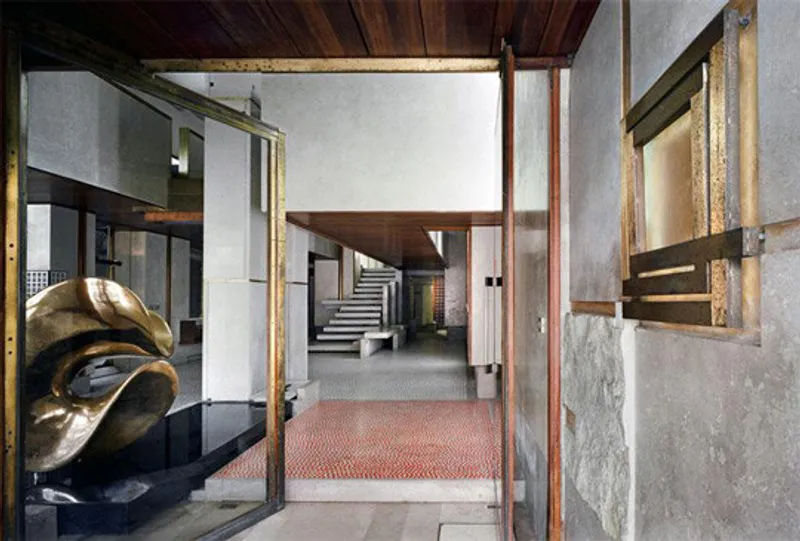
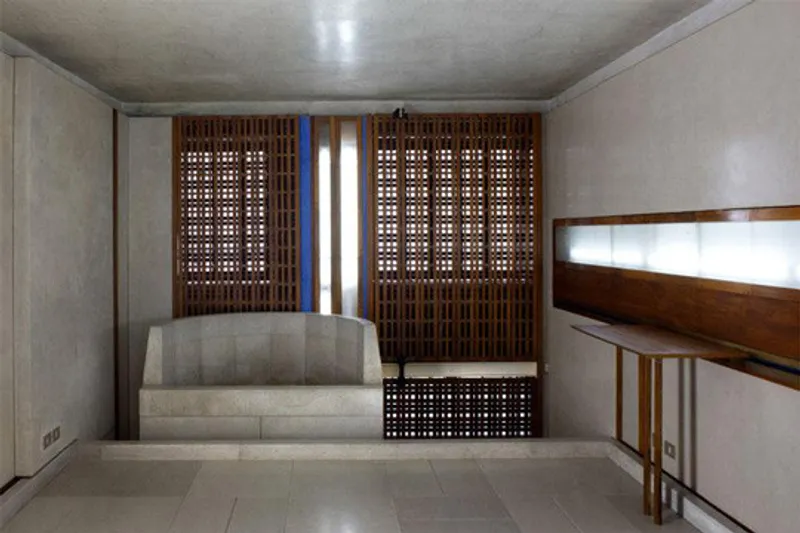
While the exterior façade and urban profile of the Abbey House remain largely untouched to maintain its vernacular authenticity, the interior transformation is a refined display of restraint and modern practicality. The architects reconfigured the space into a municipal rural lodging, supporting local tourism while preserving the building's historic charm.
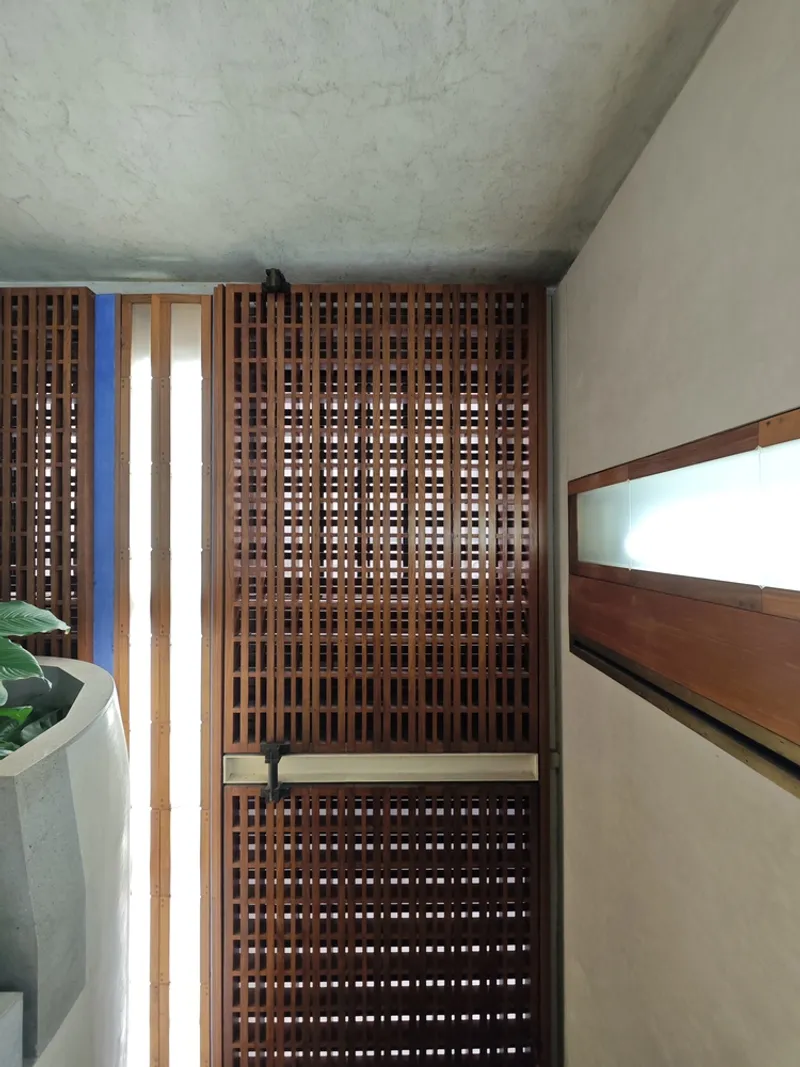
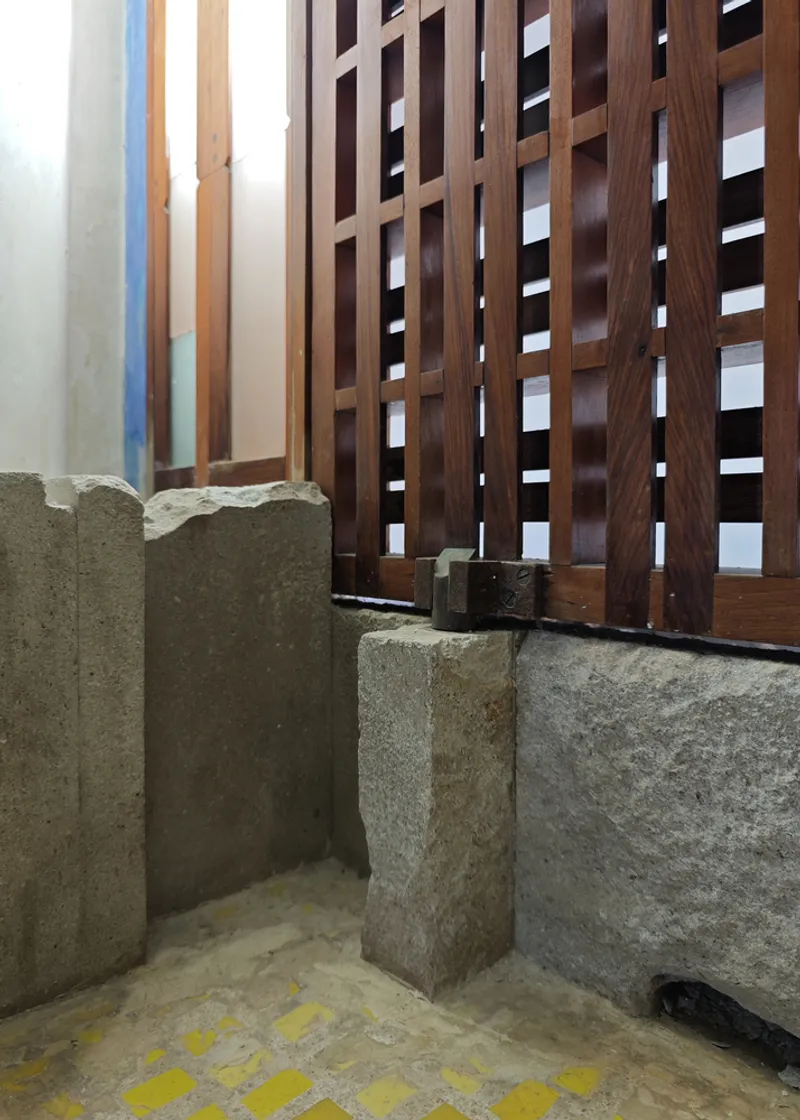
Wooden Intervention as Spatial Structure
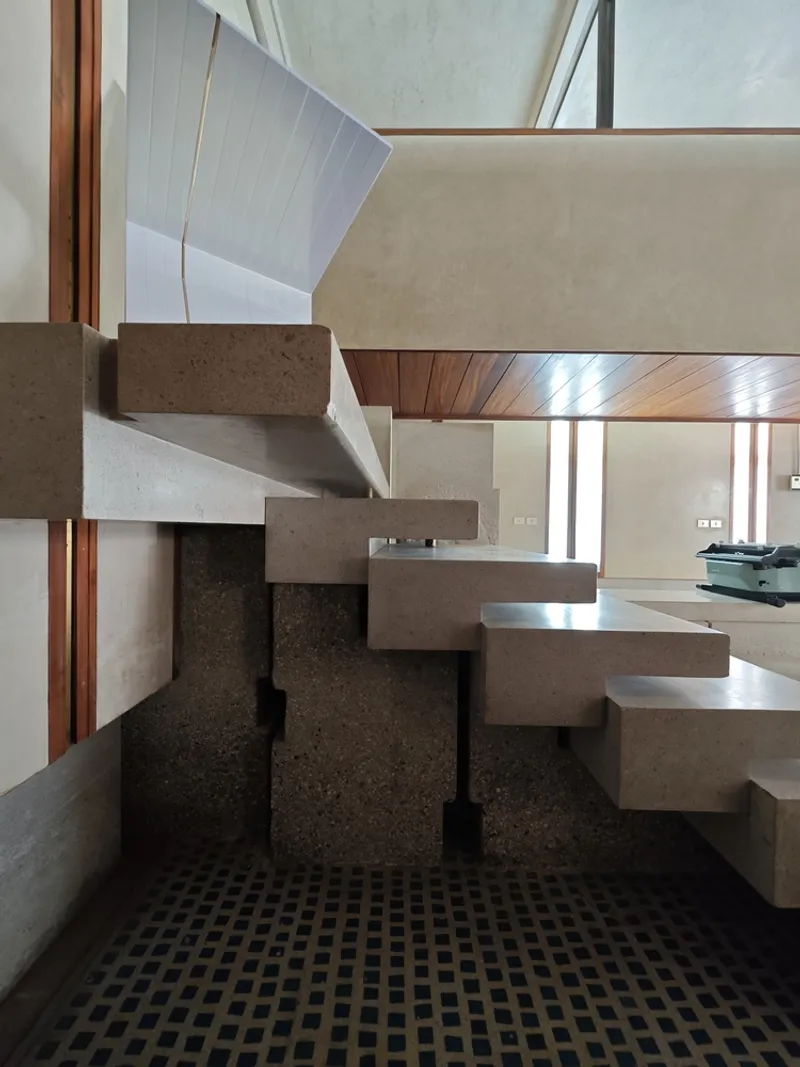
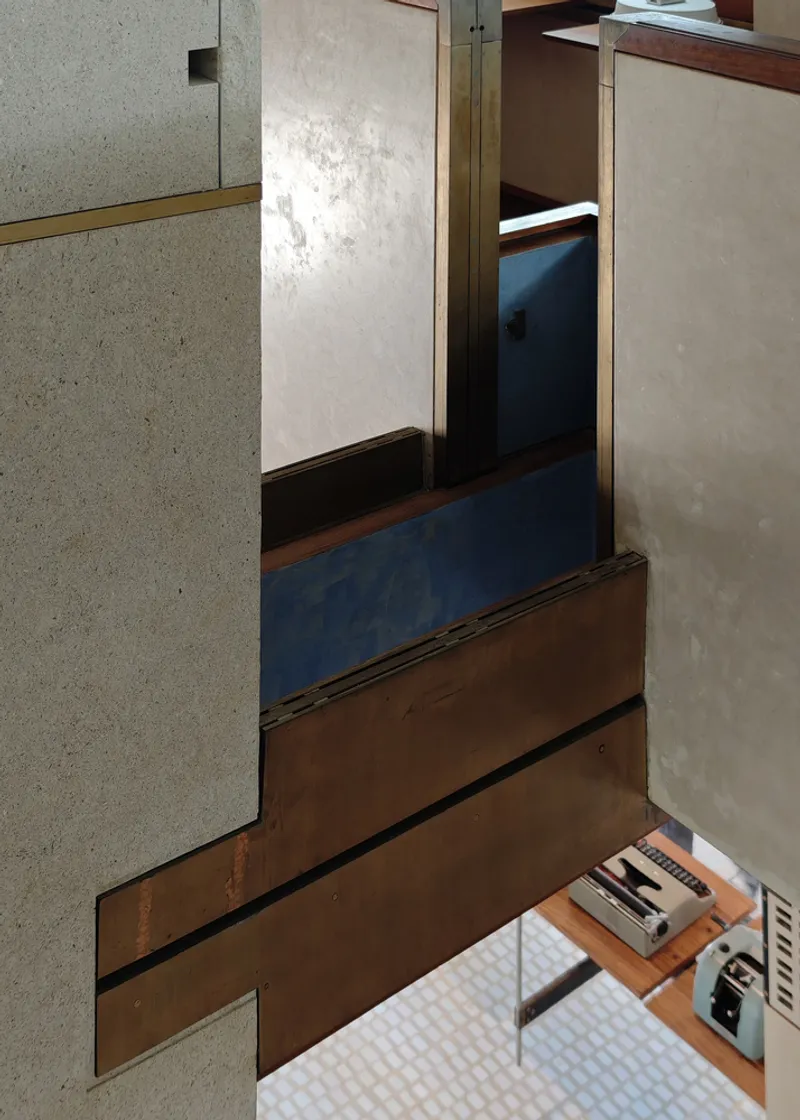
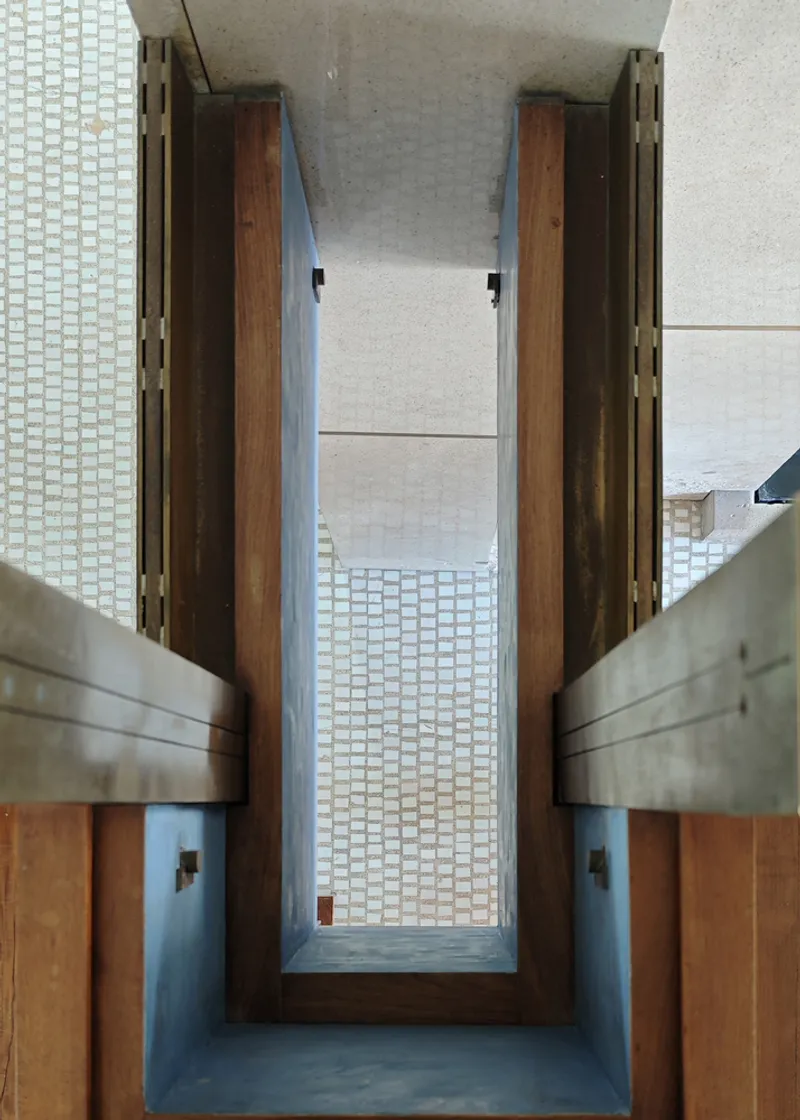
The restoration strategy introduced a new interior wooden structure, replacing deteriorated slabs and reinforcing wall boxes. This timber system does more than support the building—it shapes its new spatial order. Floors, partitions, and surfaces are formed by this modular wood framework, creating rooms that are warm, clean, and resonant with regional craftsmanship. The consistent materiality ensures cohesion between structure, finish, and ambiance, allowing the old and the new to coexist harmoniously.
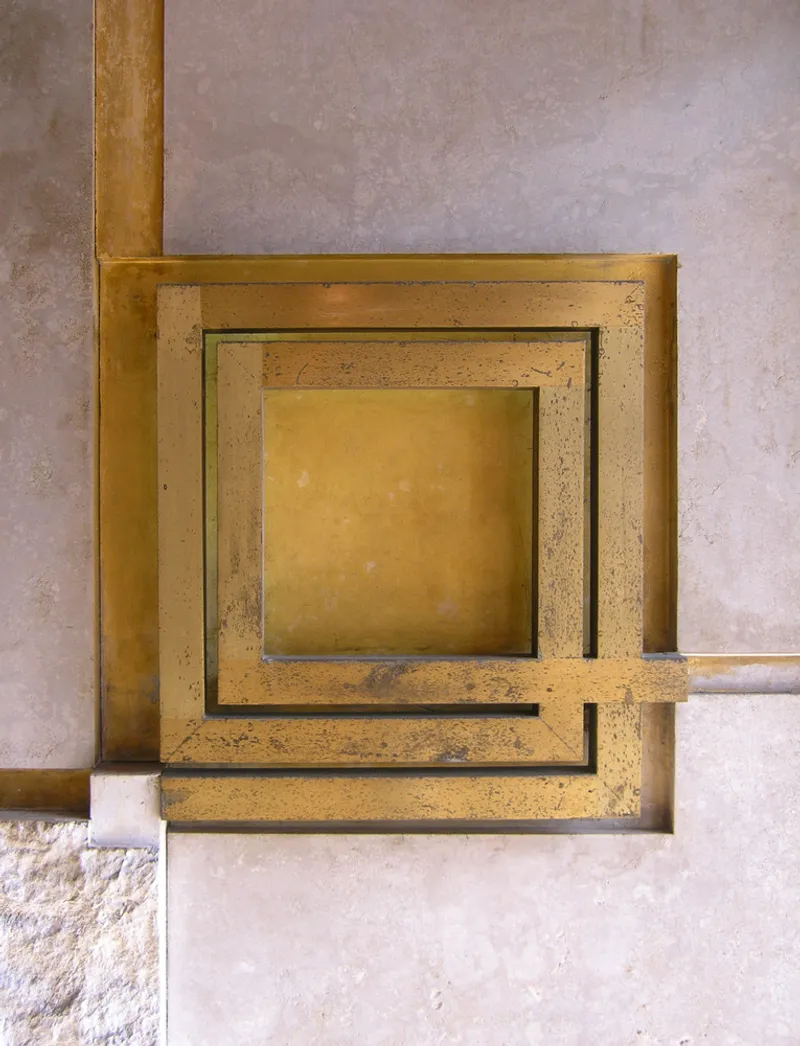
Crafting Atmosphere Through Light, Texture, and Circulation
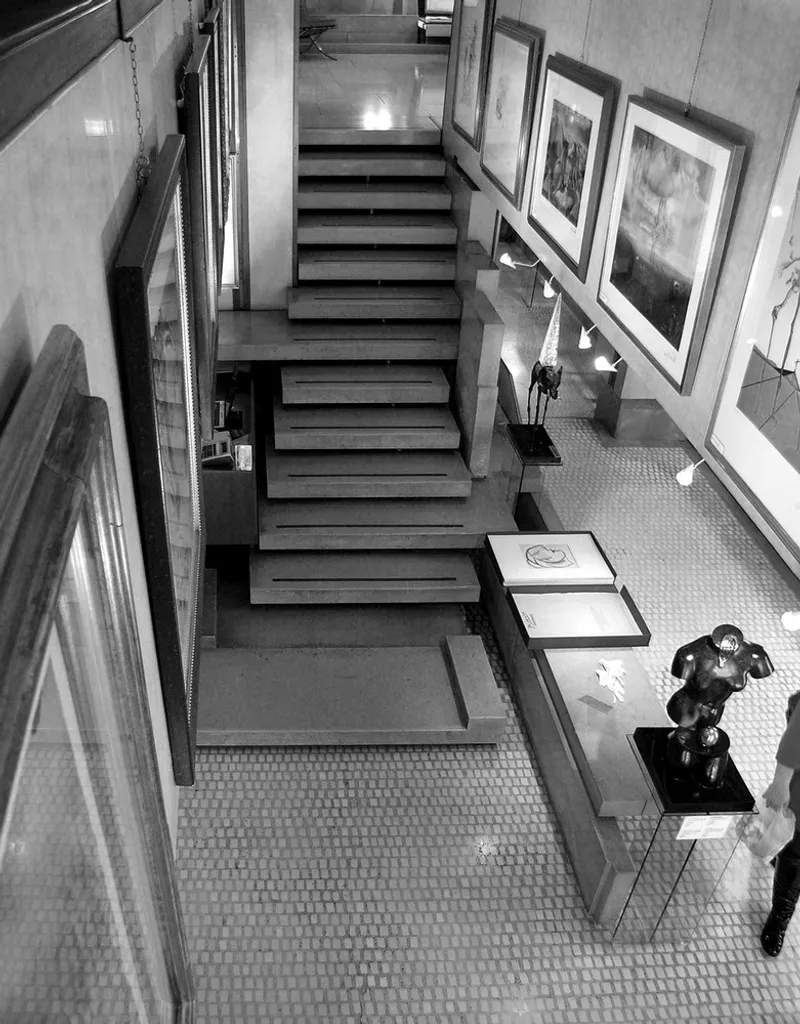
By removing enclosures and opening new circulation routes, the project emphasizes the spatial experience of the dwelling. The staircase, railings, and exposed beams act as sculptural elements that enhance verticality and reveal historical layers. Natural materials, including brick, stone, and timber, evoke the building’s origin while embracing contemporary comfort. This fusion crafts an environment that feels at once aged and alive.
A Resilient Model for Heritage Conservation
The Abbey House Restoration is a prime example of historic building restoration in Spain, where architectural rehabilitation extends beyond preservation into creative reuse. Blay and Suaña’s intervention respectfully disentangles a ruined fragment from its past, repositions it into the present, and prepares it for a socially sustainable future. Through sensitive subtraction, material intelligence, and spatial clarity, the project not only restores a building, but revives a legacy.
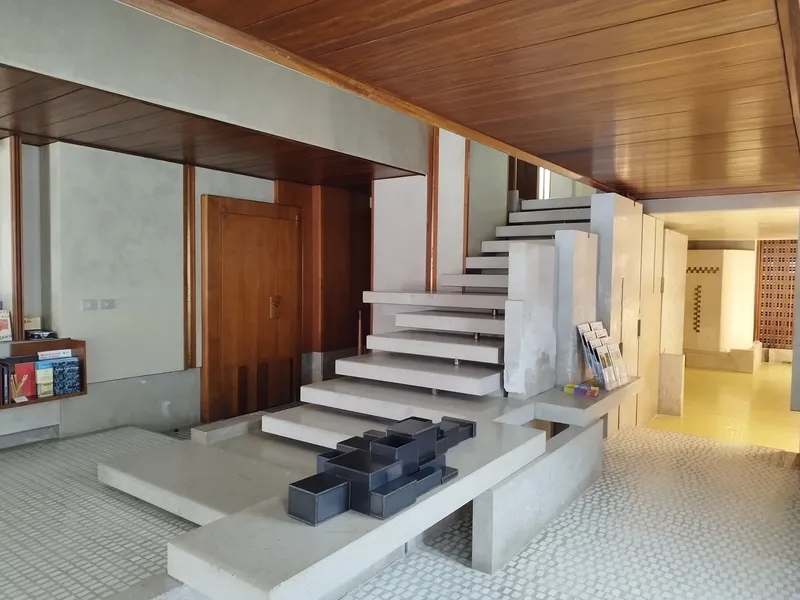
All photographs are works of Milena Villalba



Popular Articles
Popular articles from the community


The Earth Pod: 3D Printed Homes for Resilient Refugee Communities
The Earth Pod reimagines refugee housing through 3D printed homes made from clay, combining resilience, self-sufficiency, and rapid shelter.

Lunar Spiral: Space Architecture Shaped by the Mathematics of the Universe
Lunar Spiral reimagines space architecture through Fibonacci geometry, lunar regolith, levitating habitats, and self-sustaining Moon living.

Co-Life: Senior Housing Design That Reconnects Older Adults With the City
Co-Life reimagines senior housing design through healing gardens, shared streets, workshops, and a sustainable community across generations.

Riyadh For All: Intergenerational Urban Design for Active Aging in Rabat
Riyadh For All reimagines urban design in Rabat with intergenerational co-living, adaptive courtyards, and Moroccan cultural exchange today.

Similar Reads
You might also enjoy these articles


FAMM Arquitectura Organizes Ten Villas Around Courtyards and Jungle in Nosara, Costa Rica
El Molino pairs two elongated volumes with deep overhangs and timber louvers to build a compact coastal community five minutes from the beach.

Oscar Niemeyer's Ibirapuera Park Pavilions Define São Paulo's Cultural Identity in Concrete and Curve
A constellation of modernist volumes set within São Paulo's most important urban park, conceived for the city's 400th anniversary in 1954.
How Henri Picq's 1889 Paris Pavilion Traveled 11,000 Kilometers to Become Santiago's Artequín Museum
A prefabricated iron and glass pavilion built for the Paris Universal Exposition found a second life as a children's art museum in Chile.

Sanjay Puri Architects Wraps a Jaipur Office Tower in Capsule-Shaped Green Buffers
A nine-level climate-responsive workplace near Jaipur Airport uses stacked planter terraces and aluminium screens to fight 40°C heat.


Explore Architecture Competitions
Discover active competitions in this discipline



Challenge to reimagine the Iron Throne


Photograph architecture without architects


Illustrate the lost glory of Angkor Wat - Render Challenge


Design challenge to reuse E-waste
Comments (0)
Please login or sign up to add comments
No comments yet. Be the first to comment!