

Architectural Masterpiece: Miguel Montor Transforms Pyrotechnics Museum into a Dazzling Firework of Design
Can Architect Miguel Montor's Vision Ignite a New Era for Pyrotechnics Museums?

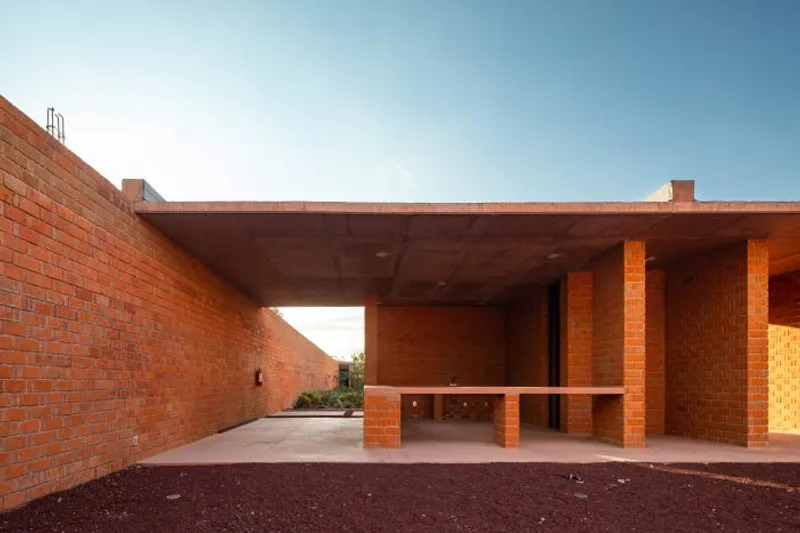
The Pyrotechnics Museum, a captivating architectural masterpiece, stands as a testament to the harmonious union of design and pyrotechnic artistry. Created to pay homage to San Juan de Dios, the patron saint of pyrotechnic craftsmen, this museum offers a truly immersive experience where visitors can appreciate the magic of fireworks. Designed by renowned architect Miguel Montor and his talented team, the museum's striking features and thoughtful elements ensure a memorable encounter with the explosive beauty of pyrotechnics.
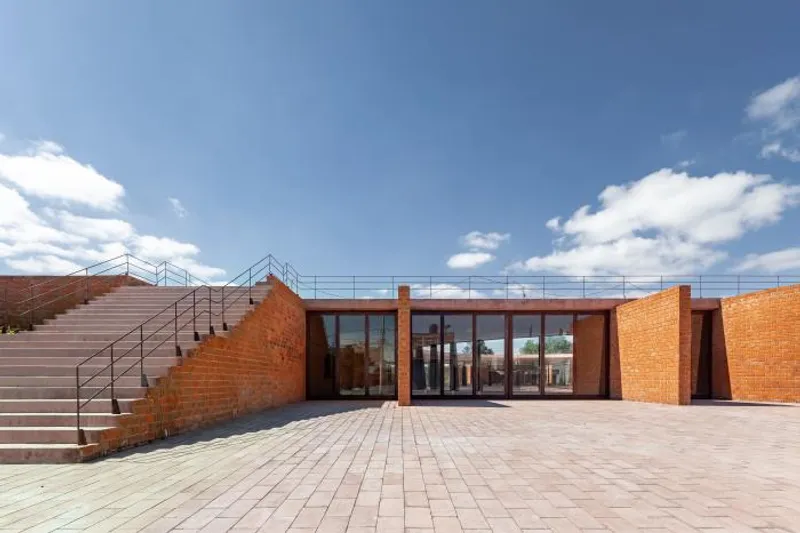
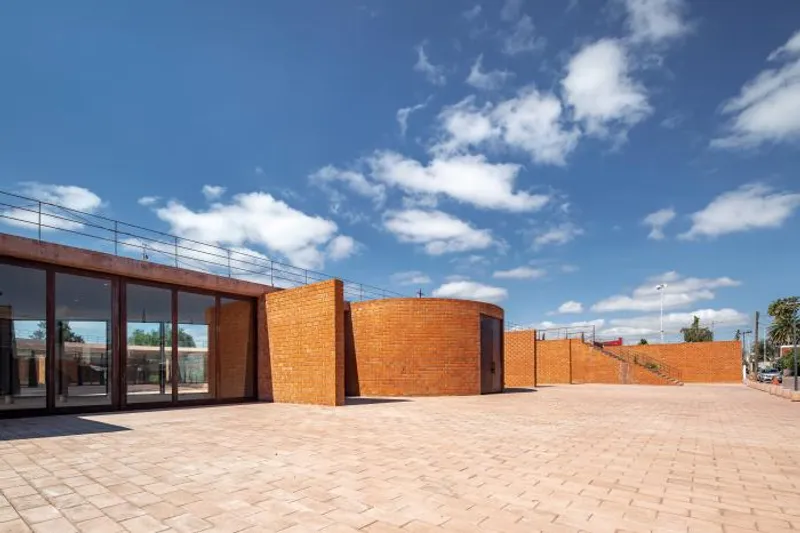
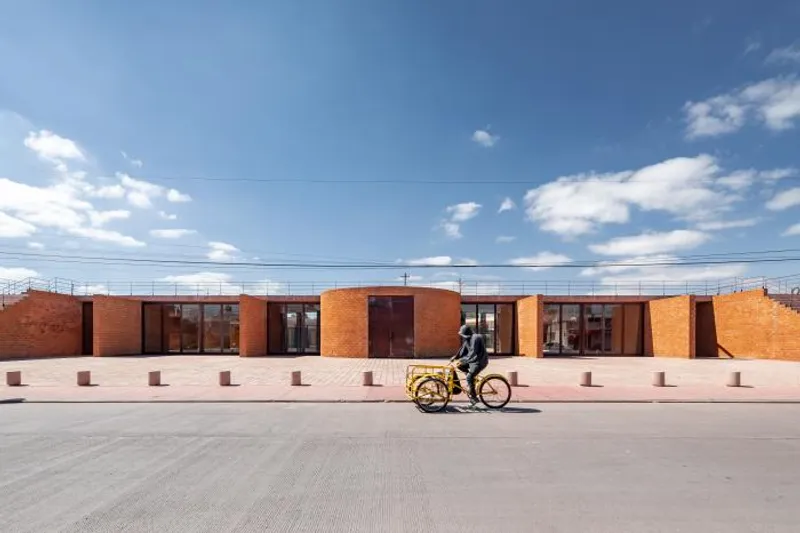
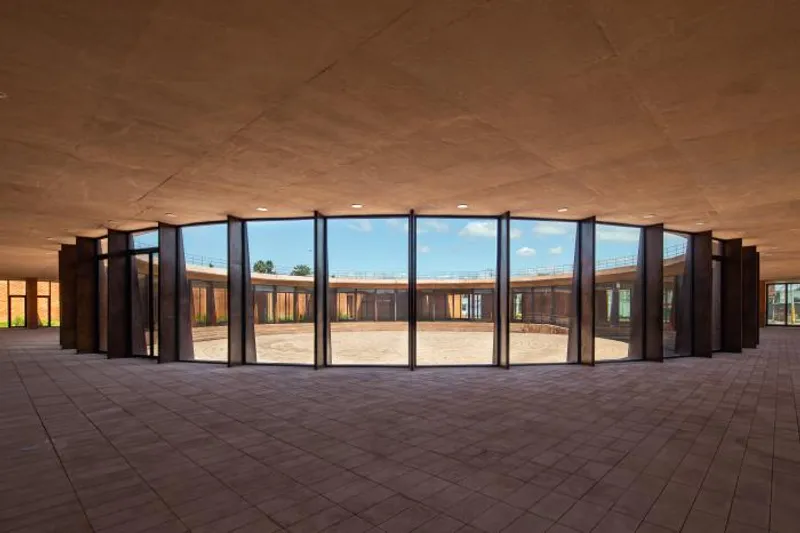
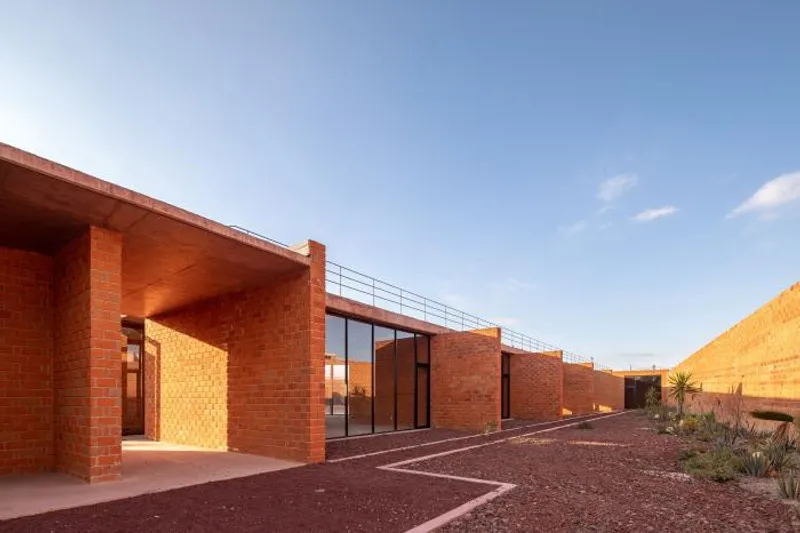
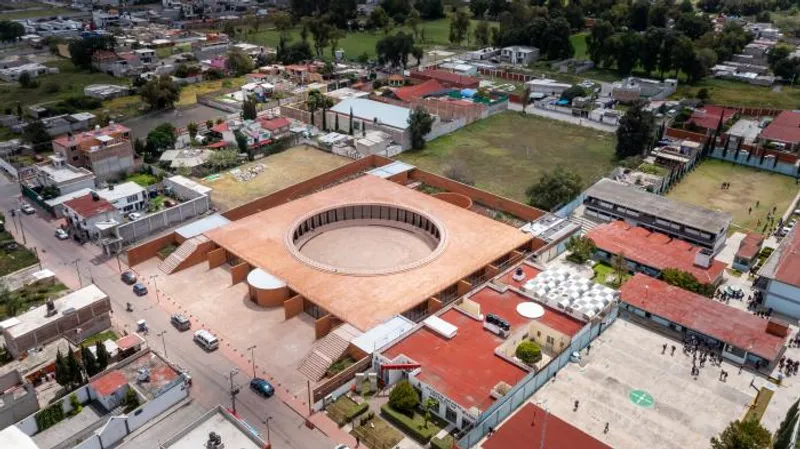
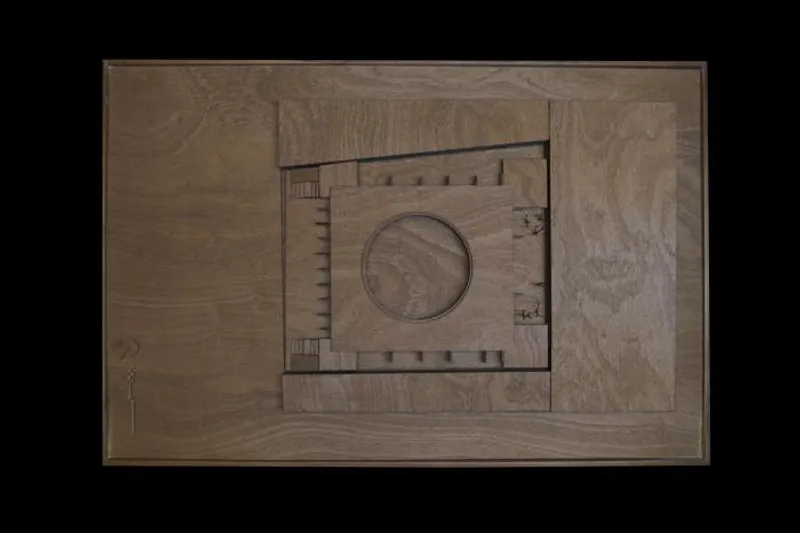
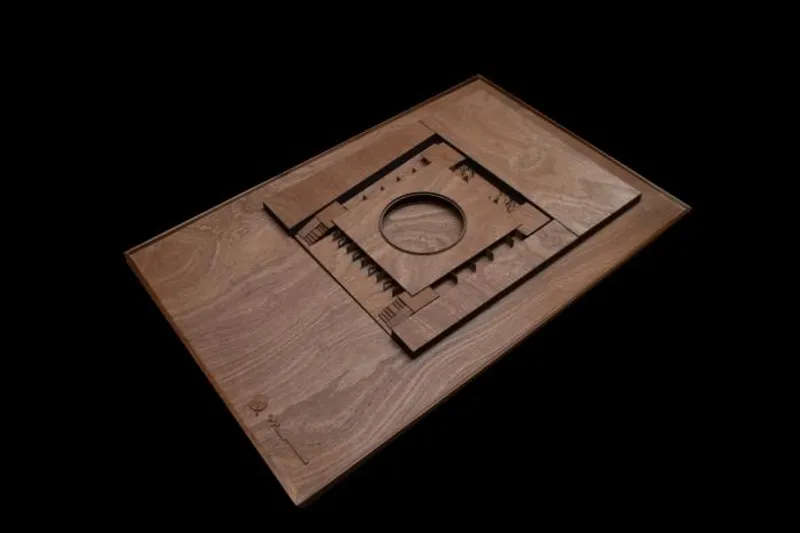
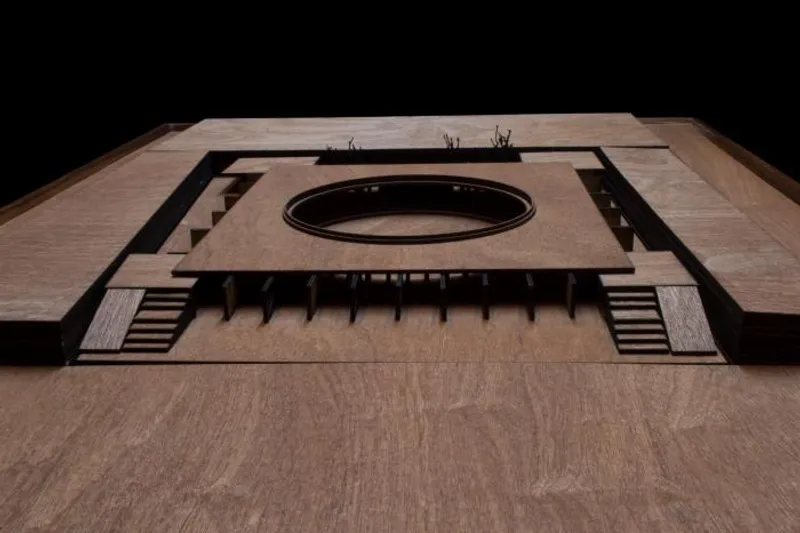
A Building That Breathes: In a stroke of genius, the design team made the museum a space accessible beyond regular visiting hours, incorporating an open public square that remains open day and night. This decision allows visitors to revel in the pyrotechnic displays whenever they occur, fostering a continuous connection to the art form. The building's tectonics primarily rely on slabs and walls, emphasizing the interplay of planes and interstices. These architectural choices create a sense of anticipation, hinting at the awe-inspiring spectacles about to unfold within the void.
A Symphony of Senses: The Pyrotechnics Museum offers an immersive experience that extends beyond visual marvels. Sonorous elements play a vital role, as the reverberations of detonations harmoniously coincide with a curated sonic exhibition. Visitors are treated not only to the visual spectacle of fireworks but also to a symphony of sounds that heighten the overall experience, engaging their auditory senses in a truly captivating way.
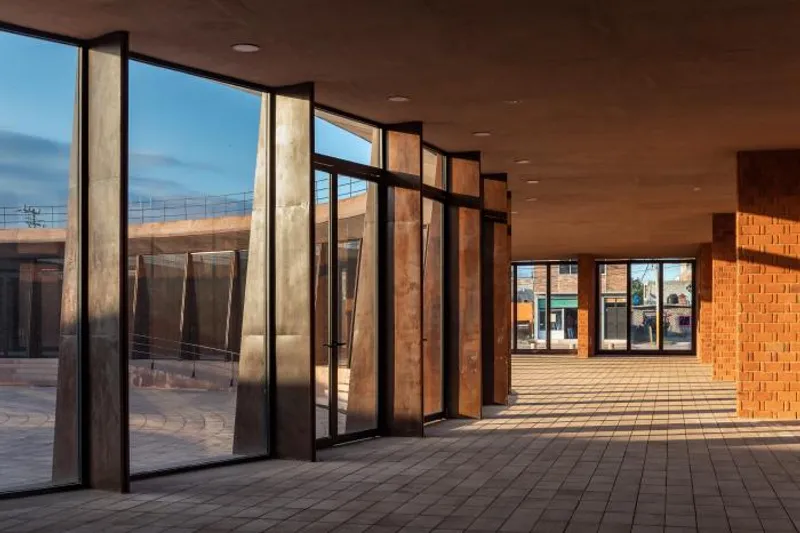
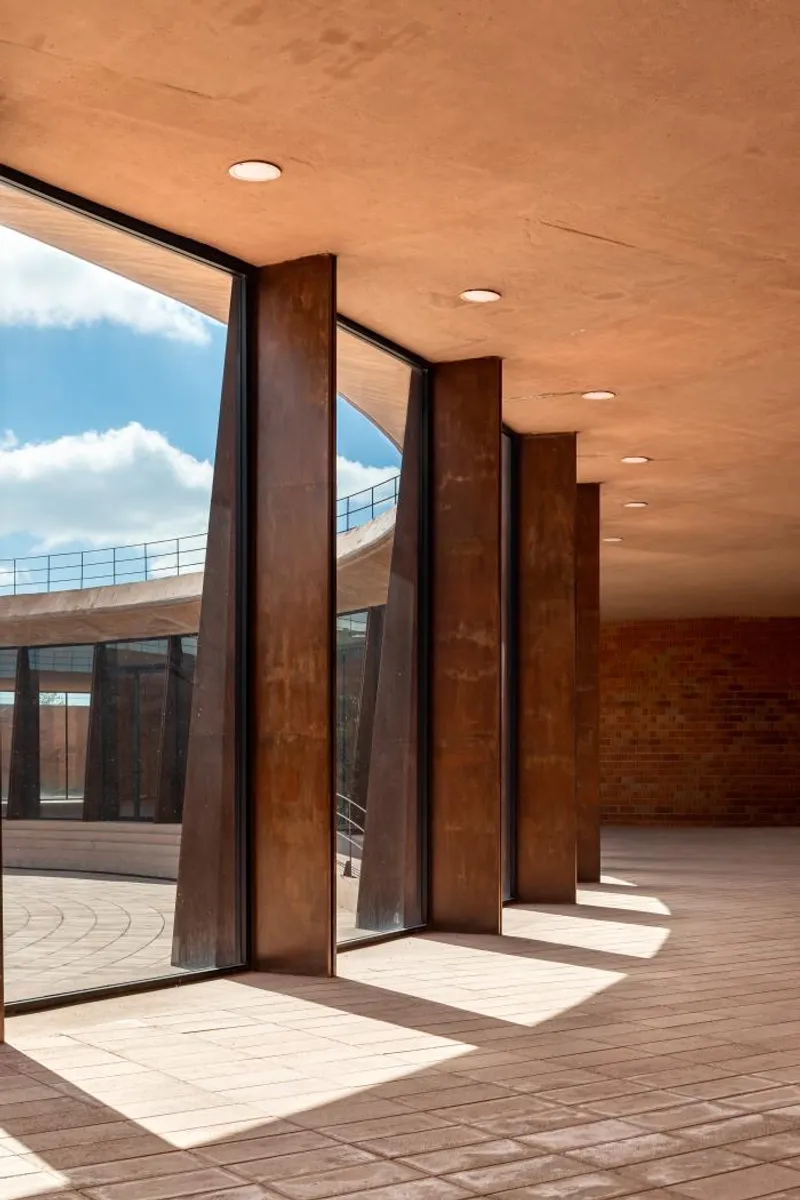
Celebrating Tradition: Honoring the legacy of San Juan de Dios, the museum's design incorporates symbolic references to the pyrotechnic craft. The panels adorning the museum's exterior abstractly resemble a cluster of rockets, encircling the central void. This design choice reflects the analogy of a volcano, evoking the raw power and energy that is inherent in pyrotechnics. The intentional discontinuity in the building's periphery directs focus towards the elevated plain, ensuring the void takes centre stage in visitors' minds.
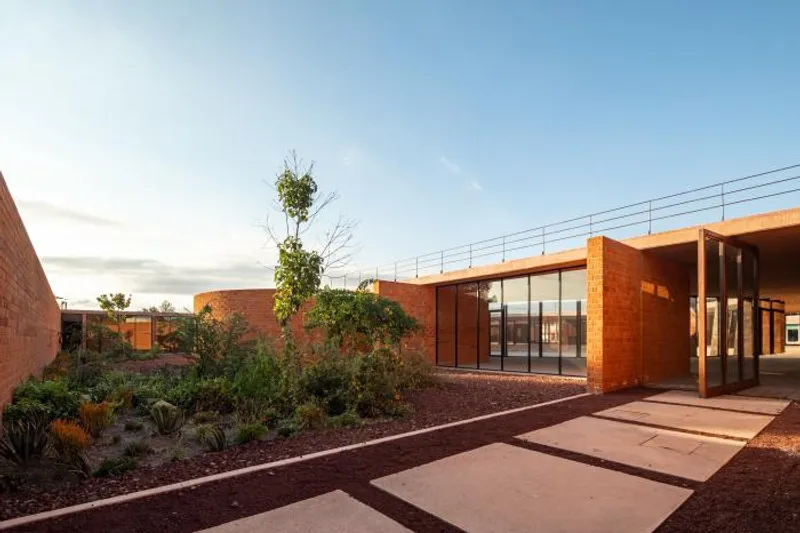
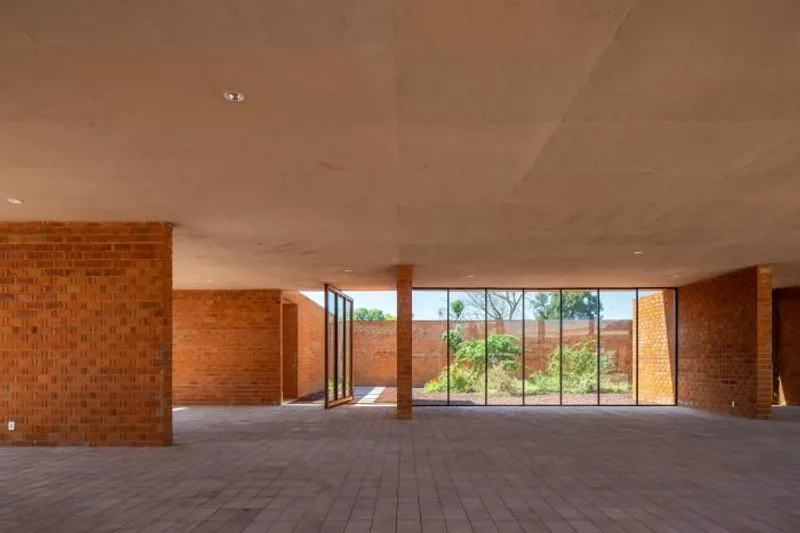
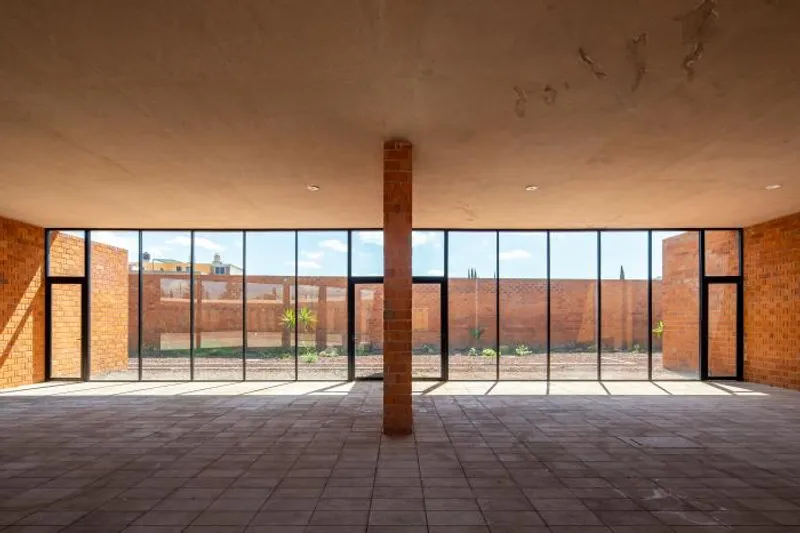
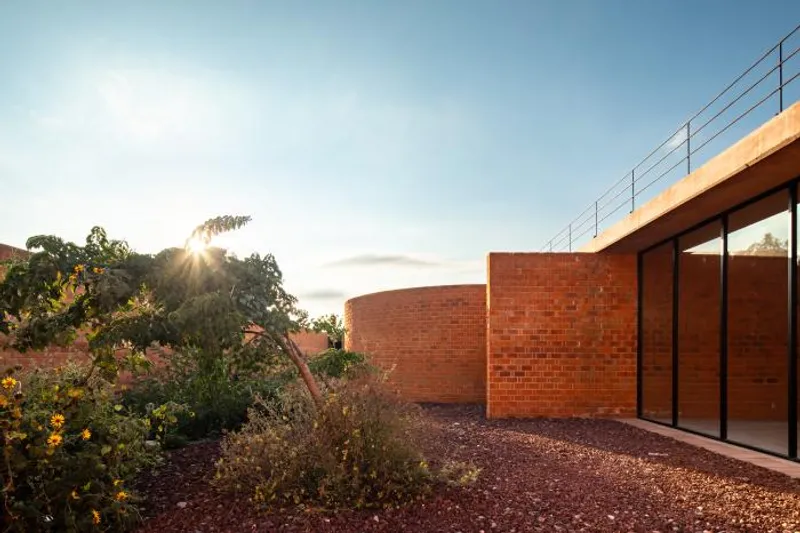
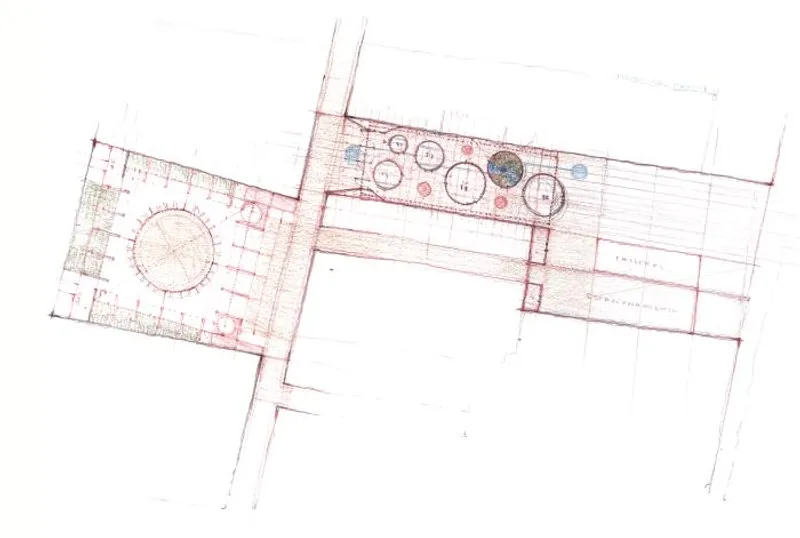
A Serene Interstice: Nestled between the museum and its surroundings, serene gardens serve as both a walkway and a respite from the captivating museography within. Visitors can take a leisurely stroll amidst these carefully designed green spaces, offering a peaceful contrast to the excitement and vibrancy of the pyrotechnic displays. This harmonious integration of nature provides a seamless transition between the museum and its external environment.
Community Gathering Point: In an effort to foster community engagement, the Pyrotechnics Museum features a welcoming cafeteria alongside the public square. This space serves as a meeting point for locals and visitors alike, allowing them to come together and share their experiences while enjoying refreshments. The museum's vision extends beyond fireworks, aiming to cultivate a sense of belonging and camaraderie within the community.
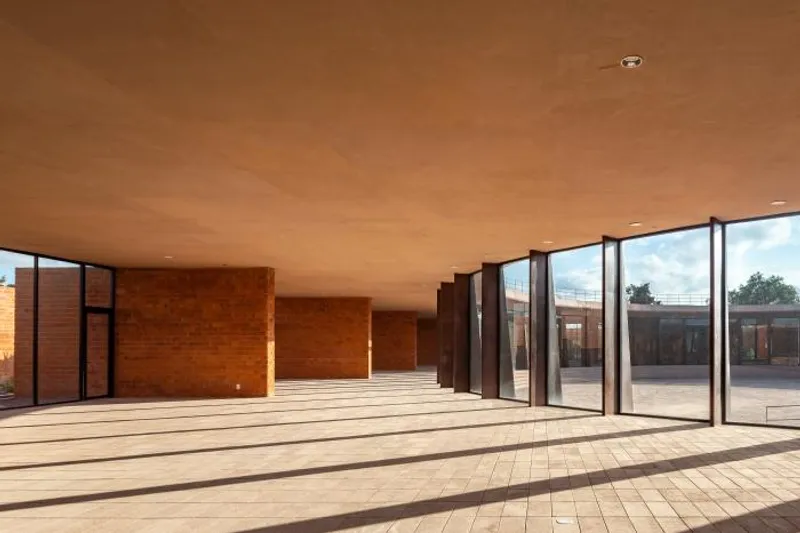
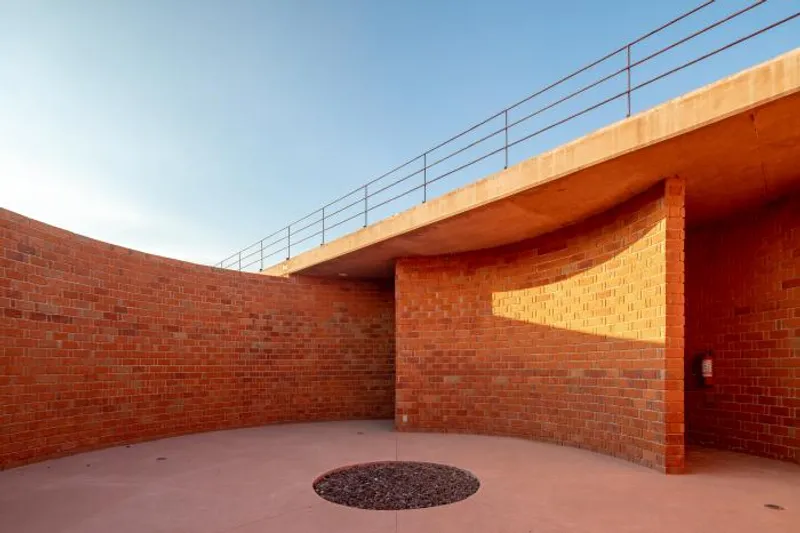
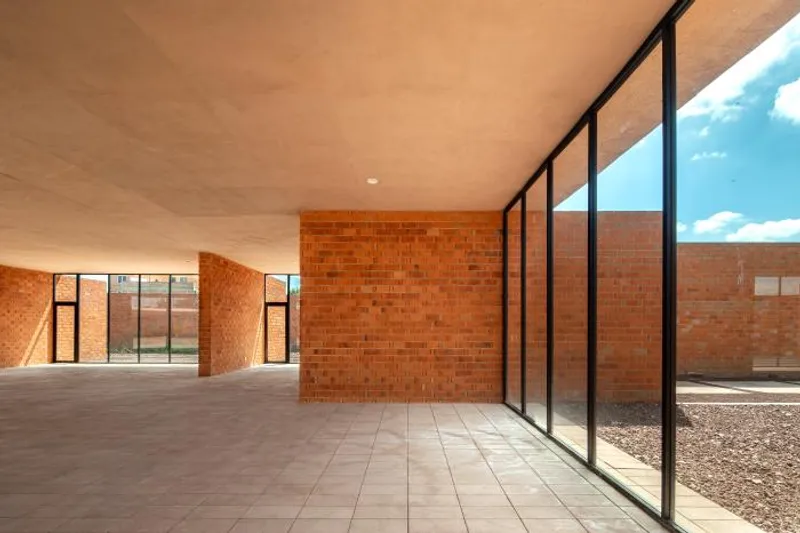
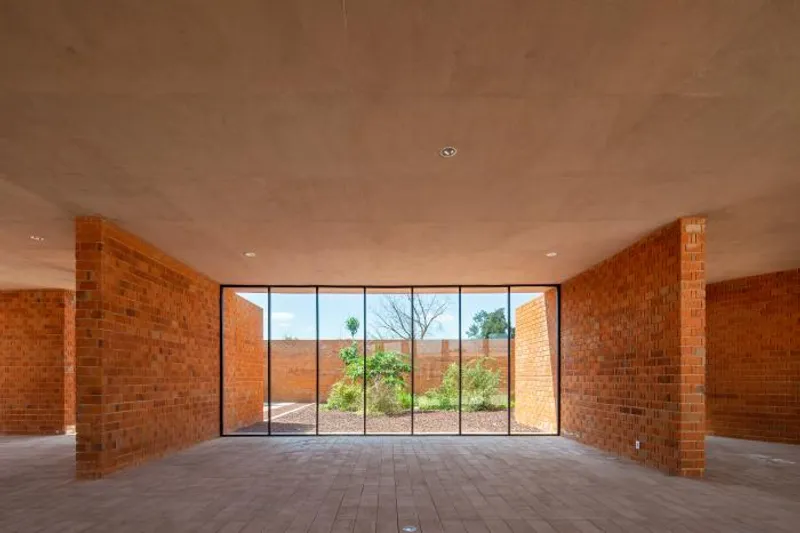
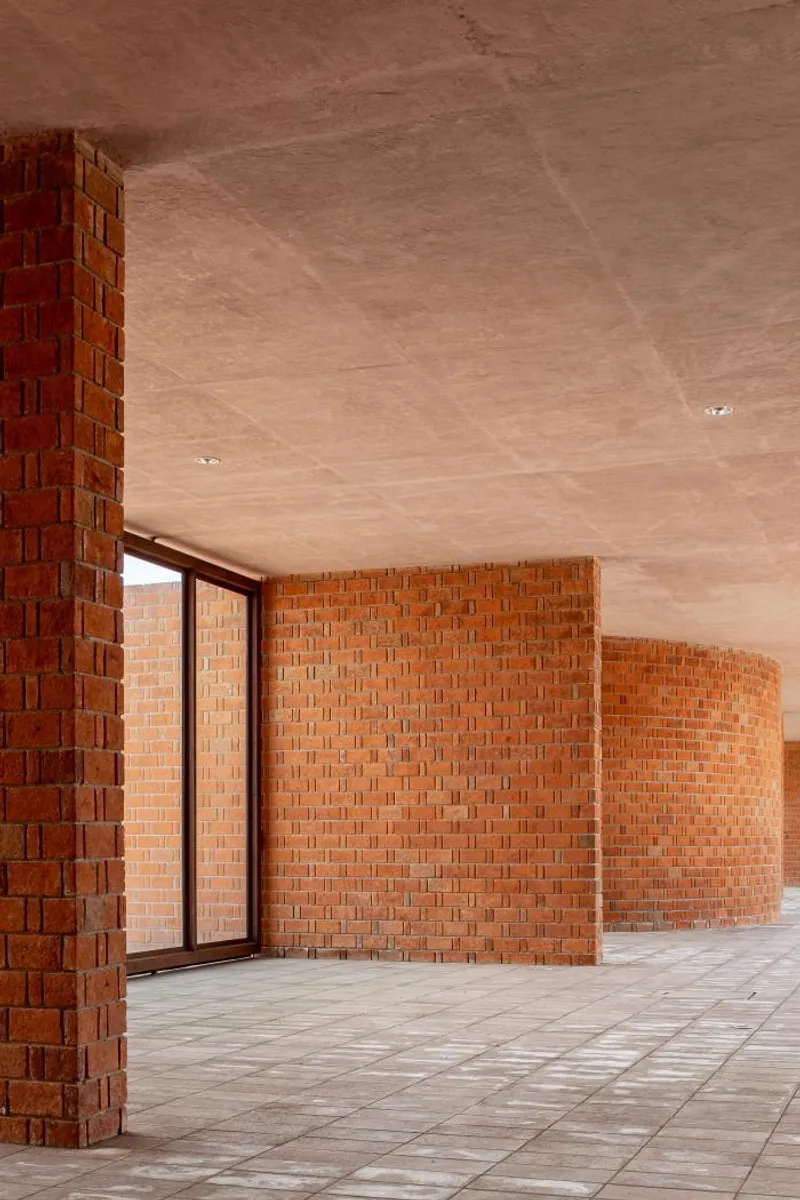
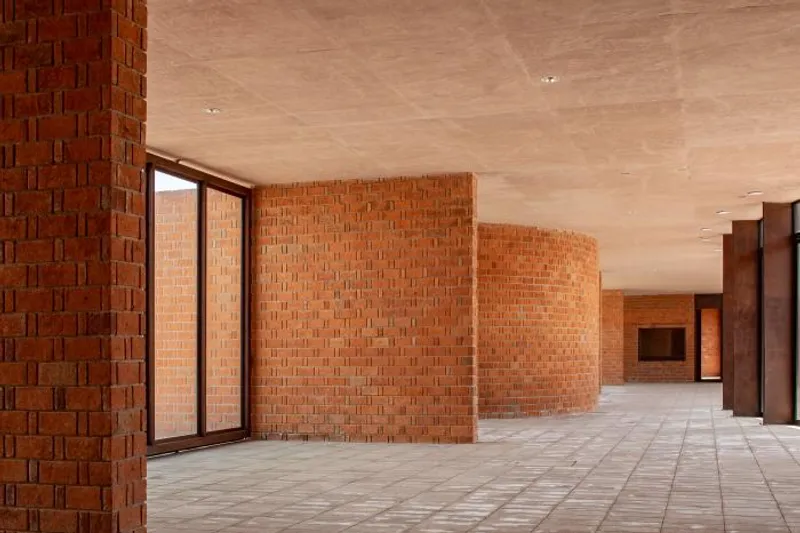
Thoughtful Material Selection: The choice of materials used in constructing the museum demonstrates a careful consideration for both aesthetic appeal and practicality. Low-maintenance materials, such as red brick, pigmented concrete, and oxidized steel, were deliberately selected to ensure longevity and ease of upkeep. The pigmentation of the materials was also thoughtfully chosen, aligning with the museum's earthy theme and preserving the essence of the surroundings.
Tultepec, State of Mexico - In a bold initiative to promote urban improvement and economic recovery, the municipality of Tultepec has unveiled plans for a remarkable project as part of its Urban Improvement Program (PMU): the Pyrotechnics Museum. Nestled in an area renowned for its pyrotechnic fireworks manufacturing and the annual International Pyrotechnics Fair, the museum aims to pay homage to the town's vibrant heritage while fostering socio-cultural and educational experiences.
Conceived after a comprehensive sector study conducted by the Ministry of Agrarian, Territorial, and Urban Development (SEDATU), the Pyrotechnics Museum is set to become a beacon of Tultepec's cultural identity. Designed in collaboration with urban planners, the museum embraces local labour and manual work, creating employment opportunities and contributing to post-pandemic economic recovery.
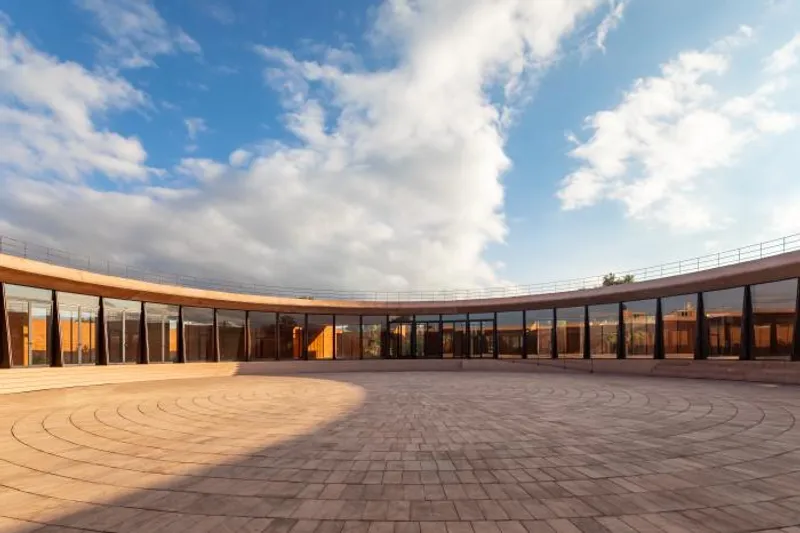
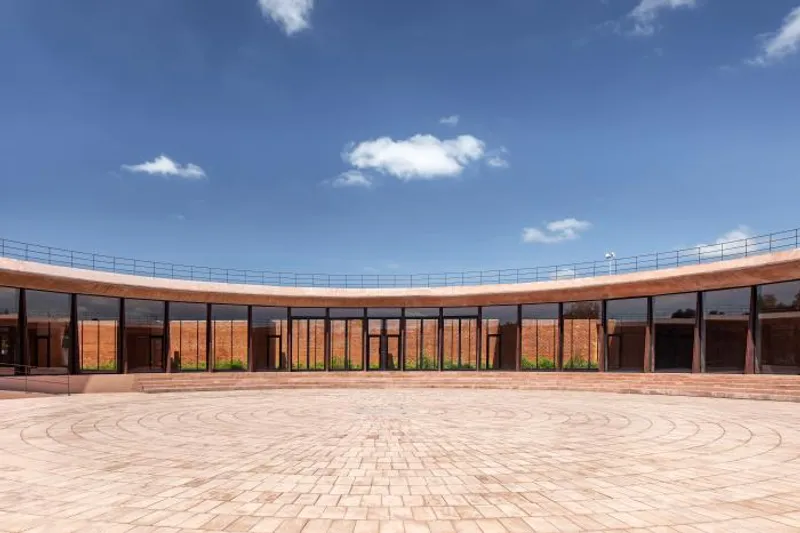
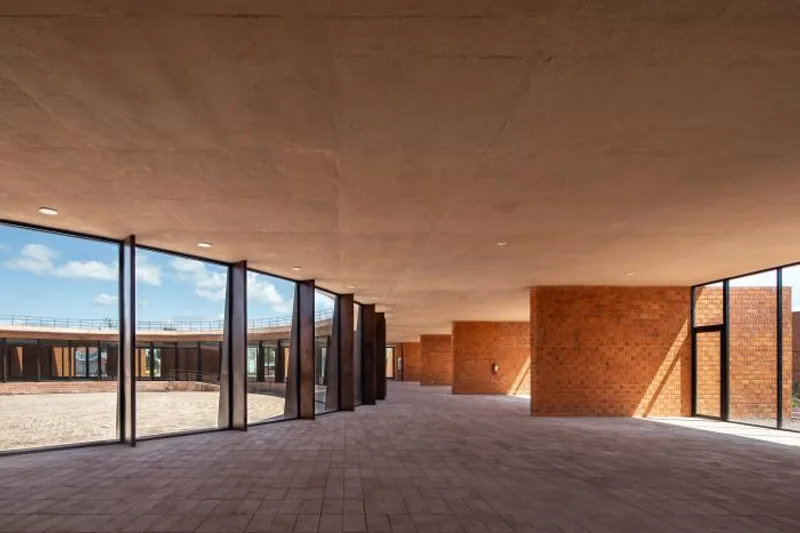
The architectural response to the project is a true testament to the town's spirit. The central esplanade of the museum mirrors the iconic shape of a bullring, symbolizing the thrilling "pyrotechnic bulls" shows that captivate attendees during the International Pyrotechnics Fair. This analogy embraces the open-air nature of the celebrations, emphasizing the pyrotechnics' ability to create awe-inspiring omnidirectional voids.
Inside the museum, visitors are greeted with a sense of spaciousness and interconnectedness. The interior and exterior exhibition areas seamlessly blend, offering a continuous journey through the world of pyrotechnics. The design fosters connecting views between the interior and exterior spaces, enabling visitors to appreciate the exhibits from various vantage points.
The Pyrotechnics Museum draws inspiration from similar cultural spaces around the world while retaining its unique local charm. It combines architectural elements found in amphitheatres, further enriching the visitor experience. This integration allows patrons to witness not only the artistry and science behind pyrotechnics but also the cultural significance and traditions associated with these dazzling displays.
The museum's portfolio of exhibits showcases the multifaceted nature of pyrotechnics and the related festivities. From historical artefacts to interactive displays, visitors can immerse themselves in the rich heritage of Tultepec's pyrotechnic tradition. The careful curation ensures that both locals and international visitors gain a deeper understanding of the craft, its evolution, and its profound impact on the town's identity.
As Tultepec strives to rank higher in the realm of architectural marvels, the Pyrotechnics Museum stands tall as a symbol of the municipality's dedication to preserving its cultural legacy. The project not only offers an enriching experience for visitors but also serves as a catalyst for economic growth and urban revitalization.
With its unique architectural design, the Pyrotechnics Museum promises to become a landmark destination for cultural enthusiasts, historians, and art connoisseurs alike. It celebrates the artistry, tradition, and spectacle of pyrotechnics, elevating Tultepec's status as a global hub for this extraordinary craft.
As the museum nears completion, anticipation builds for its grand opening, where the town's pyrotechnic heritage will be honoured and celebrated. The Pyrotechnics Museum will undoubtedly serve as a shining example of the harmonious blend of architecture, culture, and community, capturing the essence of Tultepec's fiery spirit for generations to come.
Architects: Taller de Arquitectura Miguel Montor
Year: 2022
Photographs: Onnis Luque
Lead Architect: Miguel Montor
Design Team: Pilar Rico, Daniela Meneses, Andrea Lomelí.
Installations: Uriel García
Construction: Obras y Caminos BO
Client: S.E.D.A.T.U.
Program: Museo
City: Tultepec
Country: Mexico


Popular Articles
Popular articles from the community


Manzana Morphosis: Stretching Barcelona's Grid into a Living Landscape for 2050
A radical reworking of the Eixample manzana turns density into a tool for generous public space, vertical ecology, and environmental performance.

The Amber Palace Opera: A Geological Fiction Surfaces on Tallinn's Baltic Waterfront
Pierre Brillard reimagines a Baltic legend as a public landscape, opera house, and waterfront promenade rooted in Tallinn's coastal identity.
Cloaked Colonization: A Mobile Underwater Habitat That Moves Like a Fish
Micah Abaya's shortlisted EHC Pacific entry reimagines ocean settlement as a dispersed network of self-sustaining architectural organisms.

Singing Woman: An Opera House That Performs Before the Curtain Rises
Ovidiu Cristian Pavel's conceptual opera house translates Estonia's choral identity into a sculpted waterfront landmark facing the Baltic Sea.

Similar Reads
You might also enjoy these articles
116 Rokeby Building, Collingwood
Sustainable Collingwood office building featuring double-skin façade, natural ventilation, rooftop amenities, and carbon-neutral design focused on wellbeing and longevity.
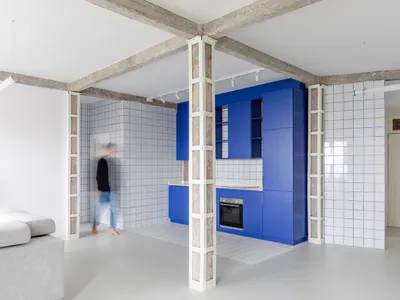
Contemporary Apartment Renovation in Spain: RV House by BIAN Opens Up to the Sea
A minimalist 1930s apartment in Santander is transformed into a flexible, sea-facing home through contemporary Spanish renovation.
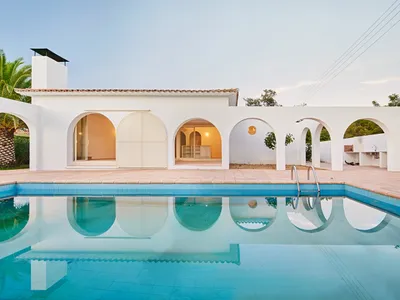
3 Marías House: A Contemporary Mediterranean Courtyard Retreat by Bajet Giramé + Burckhardt
Mediterranean courtyard home blending traditional architecture with modern design, terracotta flooring, flexible interiors, sustainable climate strategies, and garden integration.
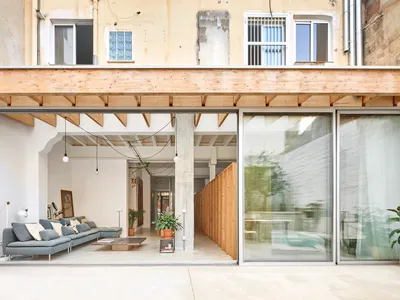
NZ10 Apartment by auba studio: Adaptive Reuse in Palma de Mallorca
Adaptive reuse apartment transforms bakery into light-filled home with patios, privacy layers, and wood interiors enhancing urban living experience.

Explore Cultural Architecture Competitions
Discover active competitions in this discipline


Challenge to reimagine the Iron Throne

Photograph architecture without architects

Illustrate the lost glory of Angkor Wat - Render Challenge

Bring back Drive In's
Comments (0)
Please login or sign up to add comments
No comments yet. Be the first to comment!