
116 Rokeby Building, Collingwood
Sustainable Collingwood office building featuring double-skin façade, natural ventilation, rooftop amenities, and carbon-neutral design focused on wellbeing and longevity.


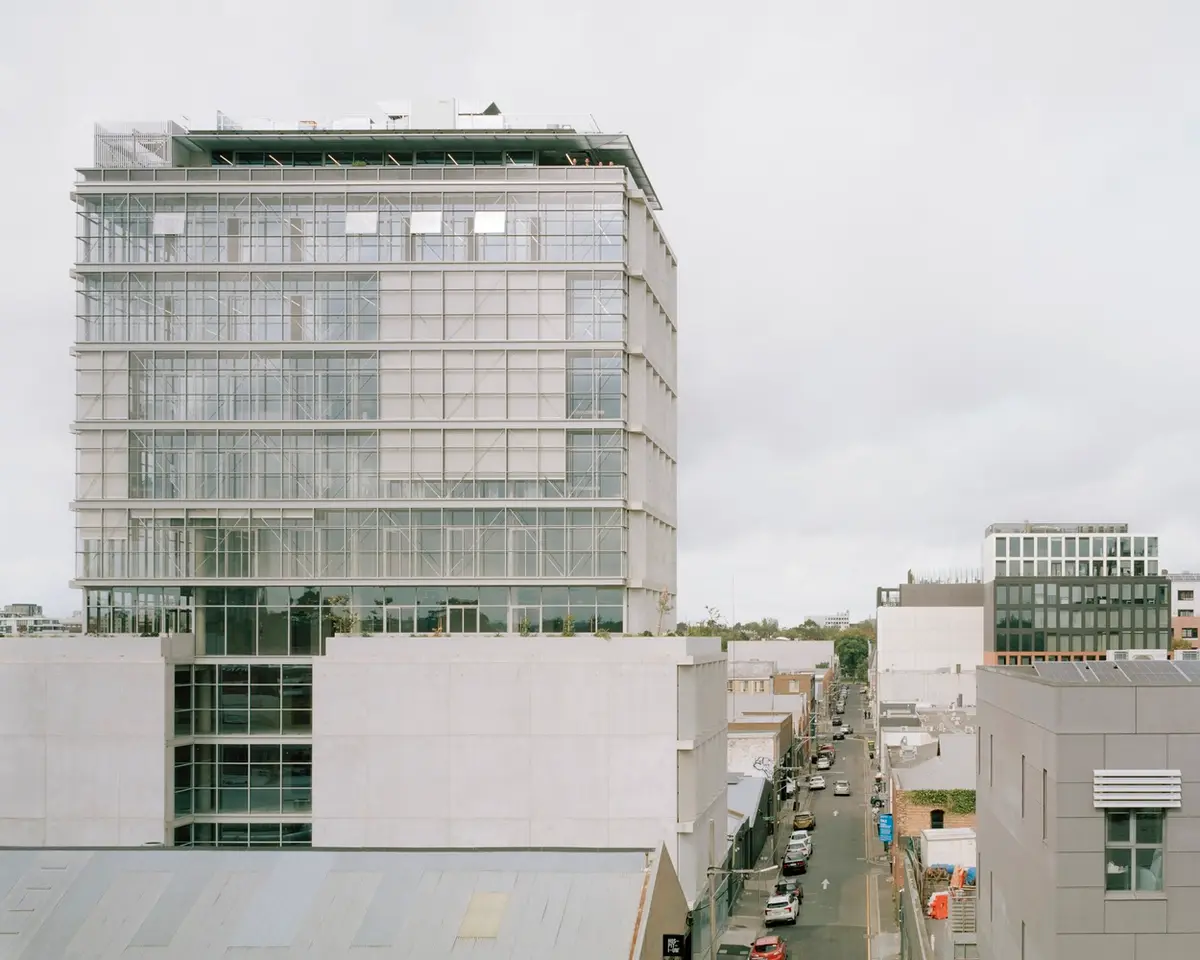
Located in the evolving industrial fabric of Collingwood, the 116 Rokeby Building represents a forward-looking model for sustainable commercial architecture in Australia. Designed by Carr and completed in 2024, the project reimagines the contemporary workplace as a breathing space: an environment defined by adaptability, environmental performance, and human wellbeing.
Working closely with a progressive client and builder, Figurehead, Carr approached the project as an opportunity to redefine how office buildings respond to climate, context, and long-term use. The result is a robust yet refined architectural expression that draws directly from Collingwood’s fragmented industrial heritage while advancing a holistic, inside-out sustainability strategy.
Industrial Context and Architectural Expression
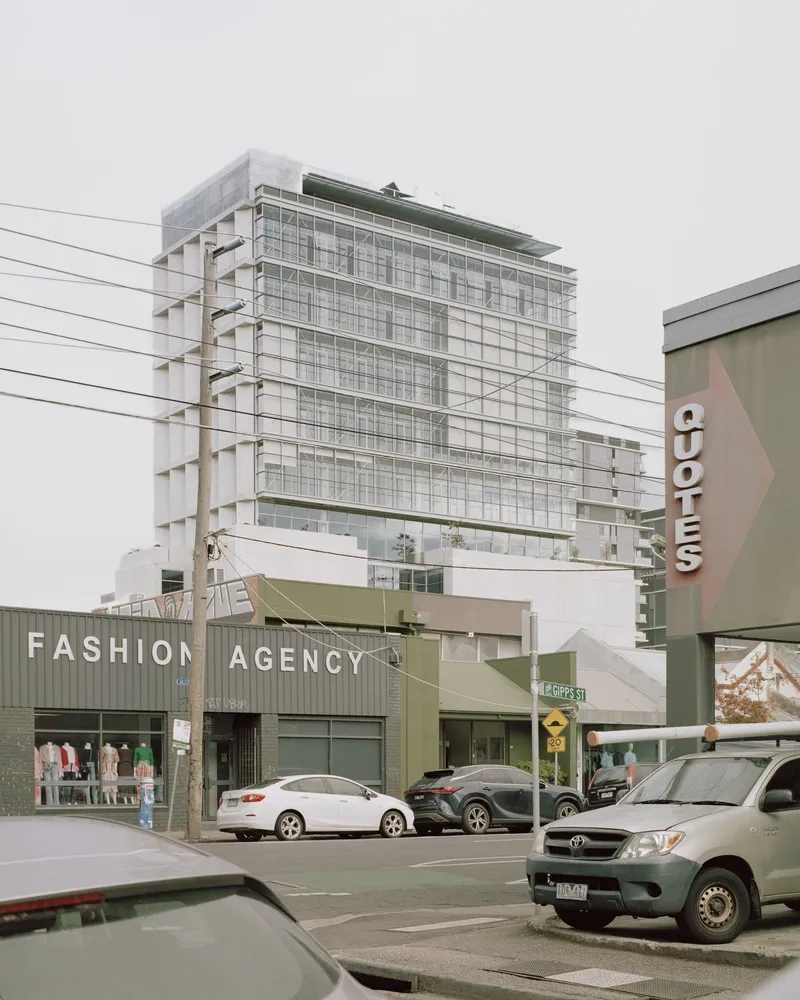
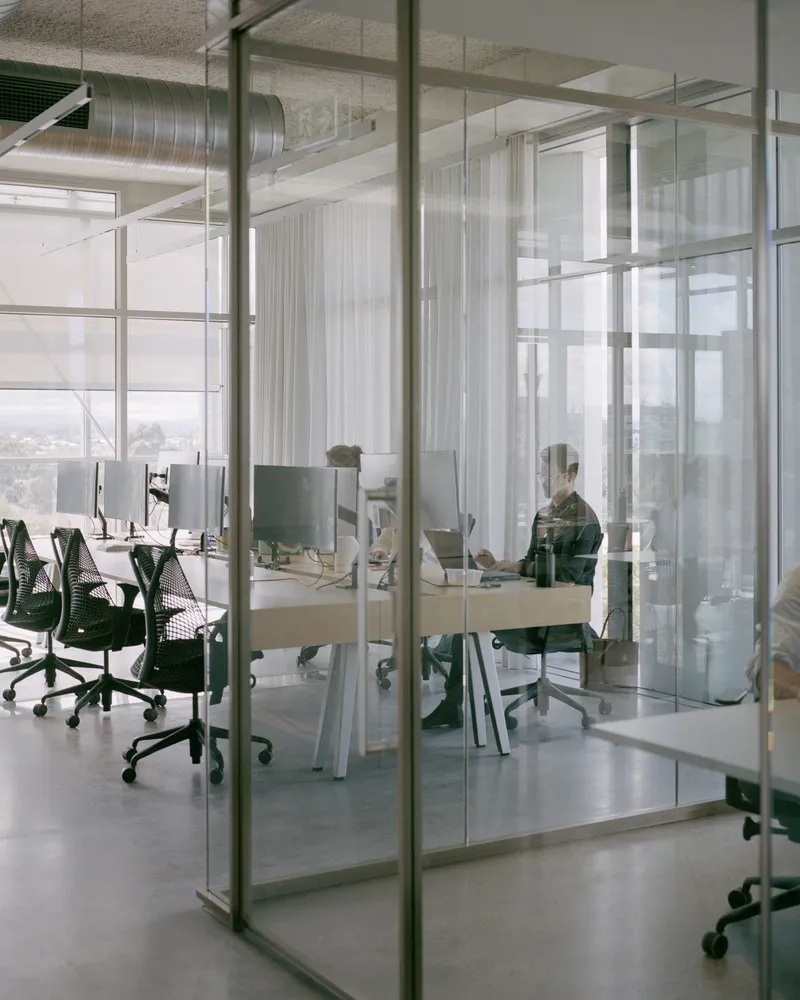
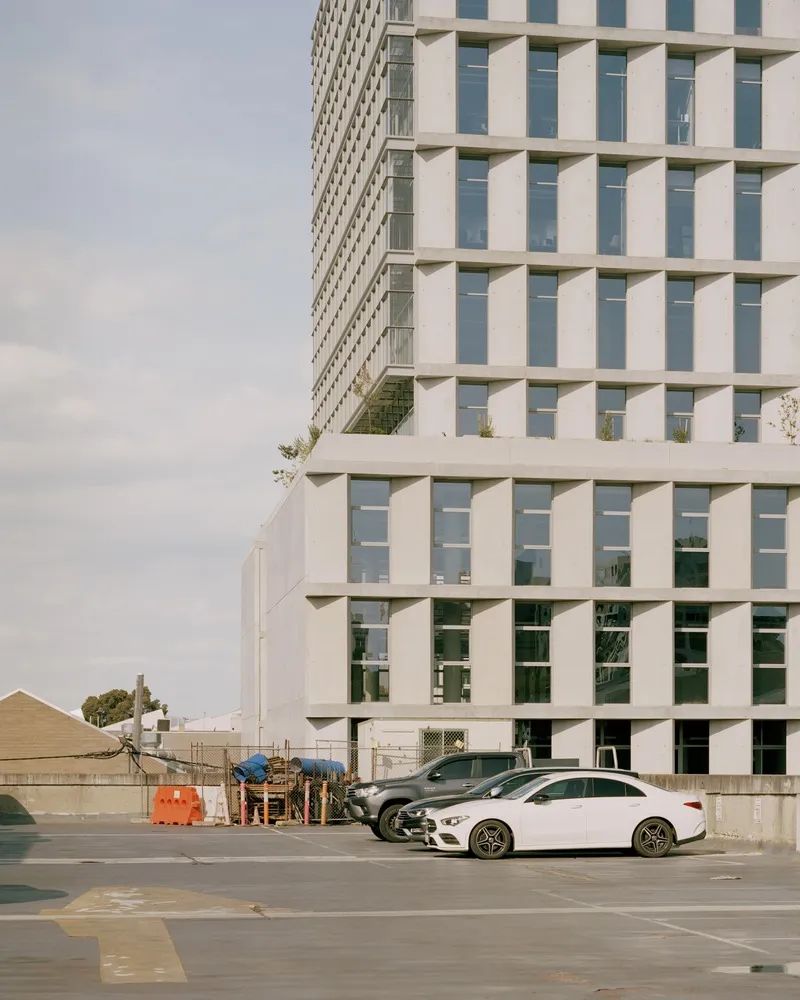
The architectural language of 116 Rokeby is shaped by repetition, rhythm, and tactile materiality. The tower and podium forms respond precisely to site orientation and climatic conditions, with western and eastern facades articulated to mitigate heat gain while preserving views and daylight. These elevations reference the industrial character of the surrounding precinct through strong massing and a restrained material palette.
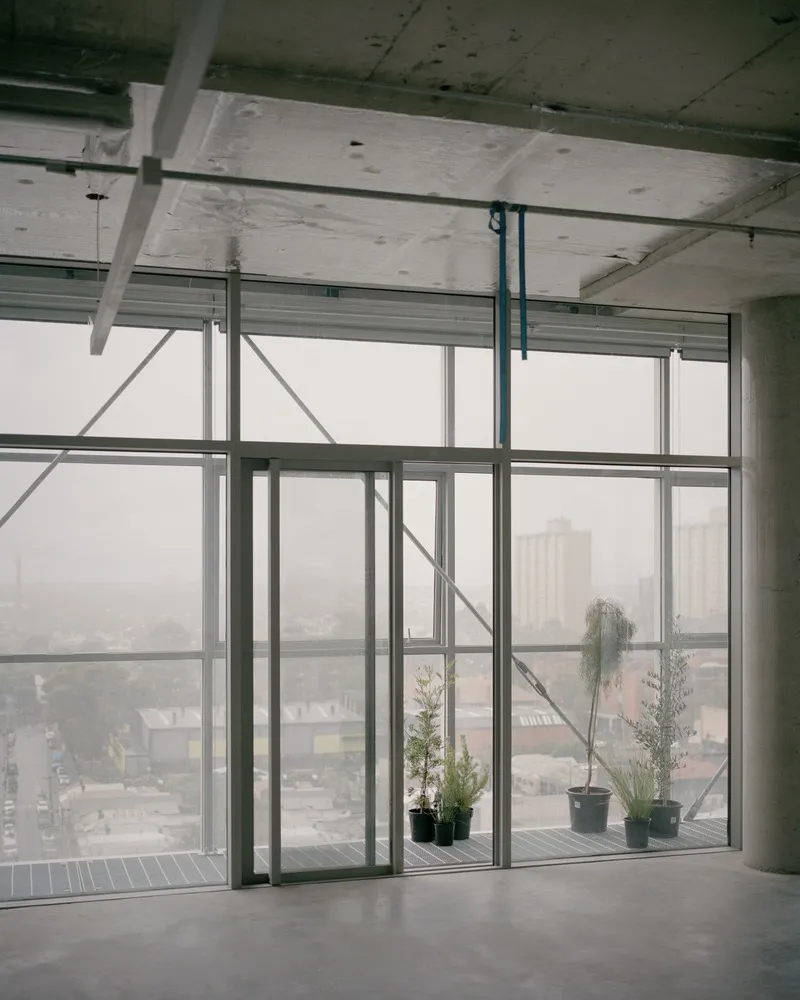
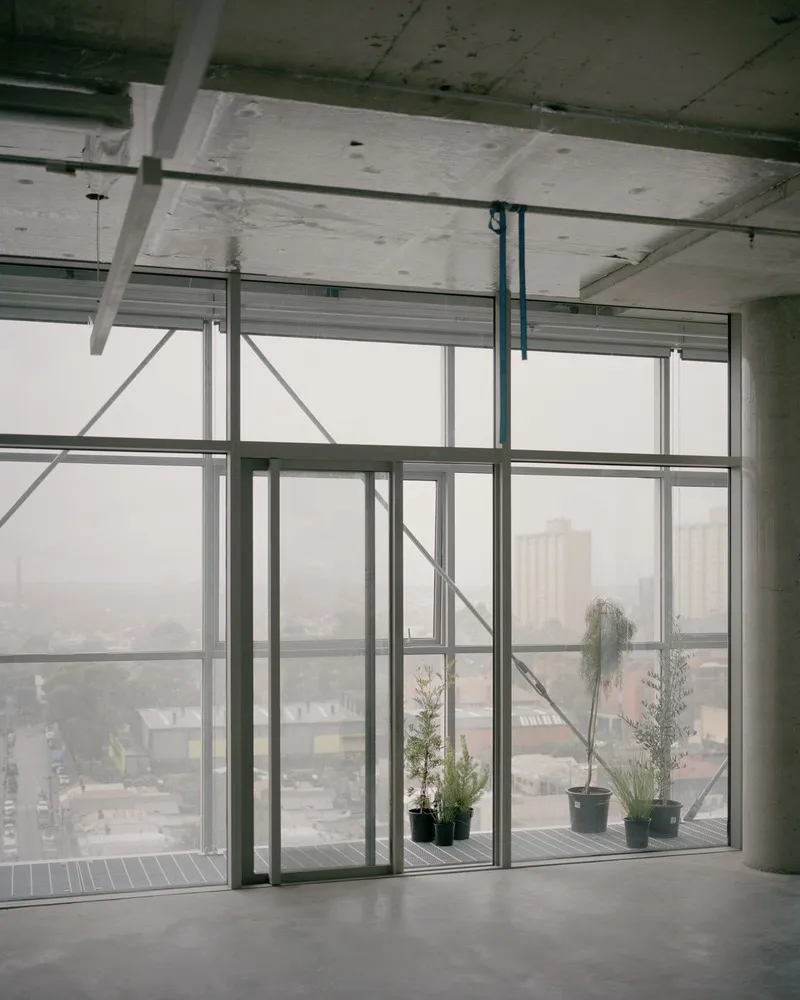
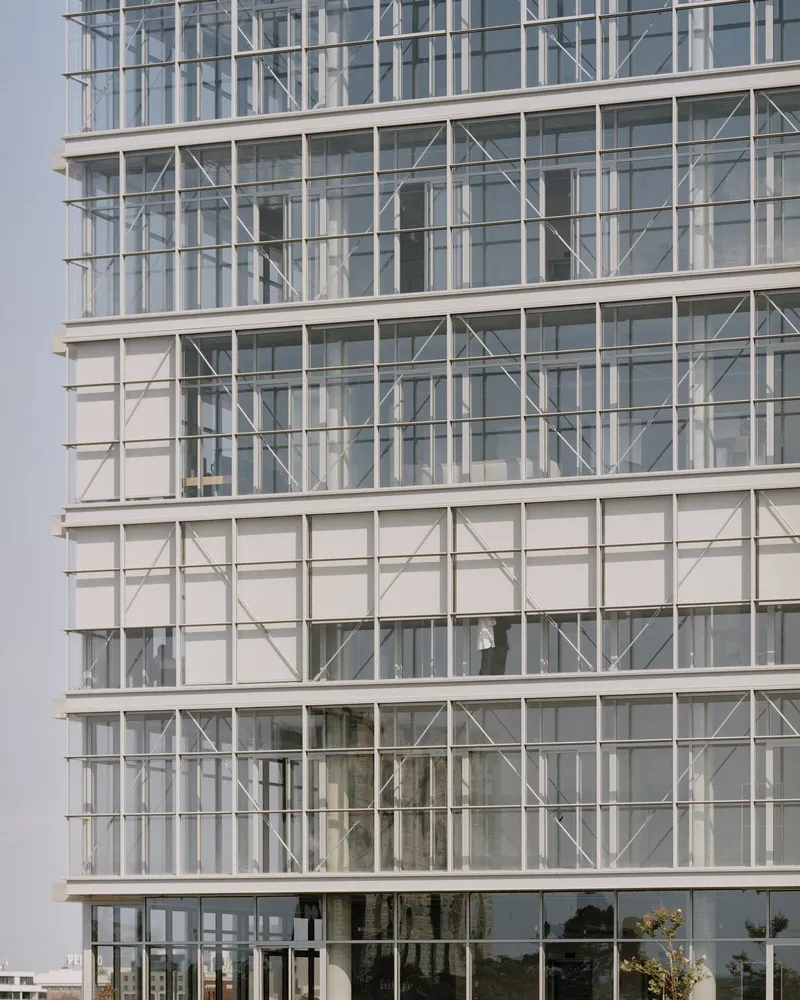
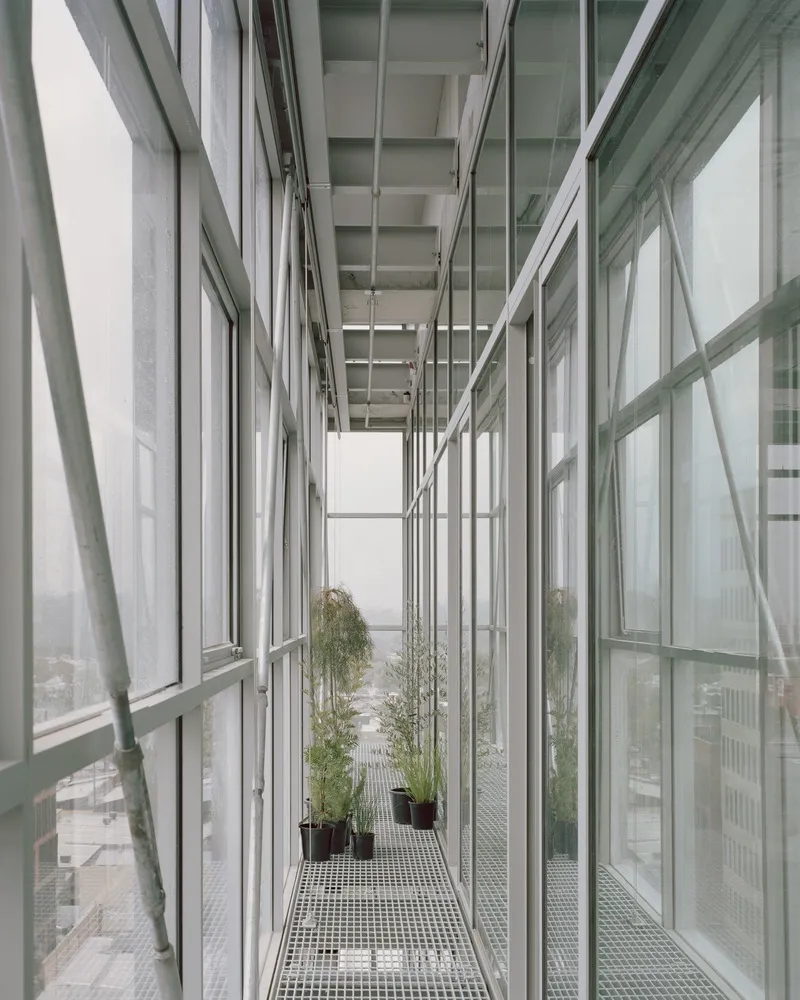
To the north, the building introduces a diaphanous operable double-skin façade that acts as both an environmental and architectural device. This system moderates solar heat gain, controls glare, enhances air quality, and enables natural ventilation across the floor plates, significantly reducing reliance on mechanical systems. The southern façade becomes a cultural canvas, featuring a commissioned First Nations artwork that respectfully acknowledges the Traditional Owners of the land, the Wurundjeri Woi Wurrung people.
A ‘Breathing Space’ for the Future Workplace
At the core of the design is the concept of the breathing space: a workplace environment prioritising fresh air, abundant natural light, spatial flexibility, and occupant comfort. Passive design principles guide the building’s massing, articulation, and façade systems, ensuring environmental performance is embedded rather than applied.
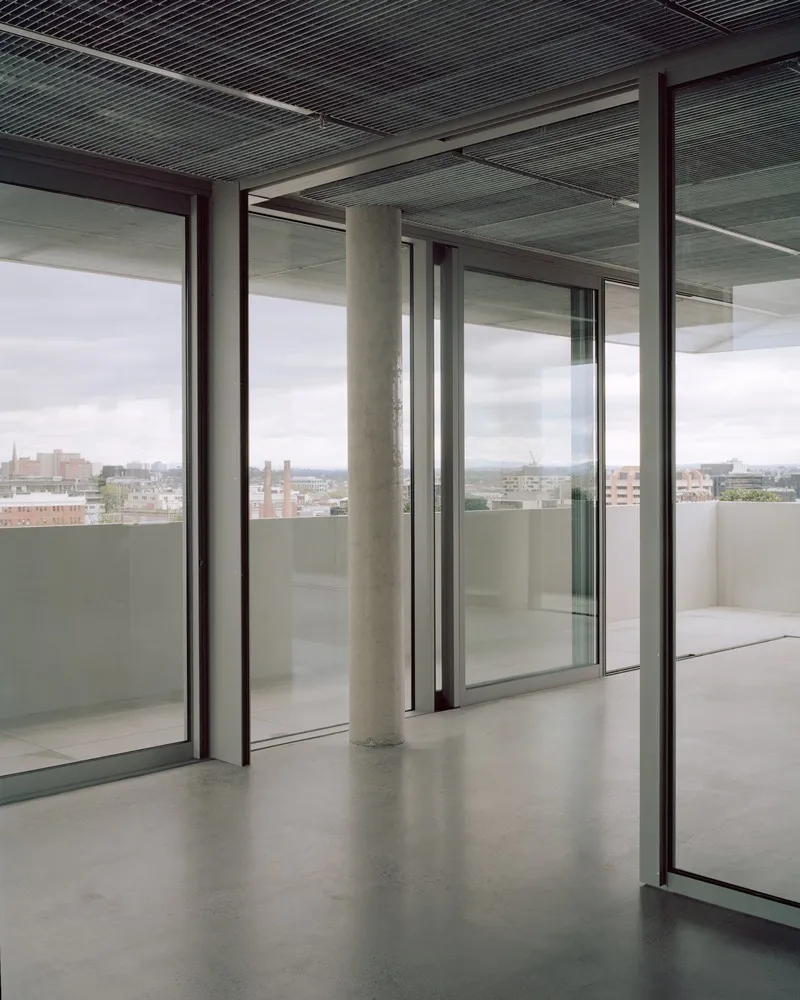
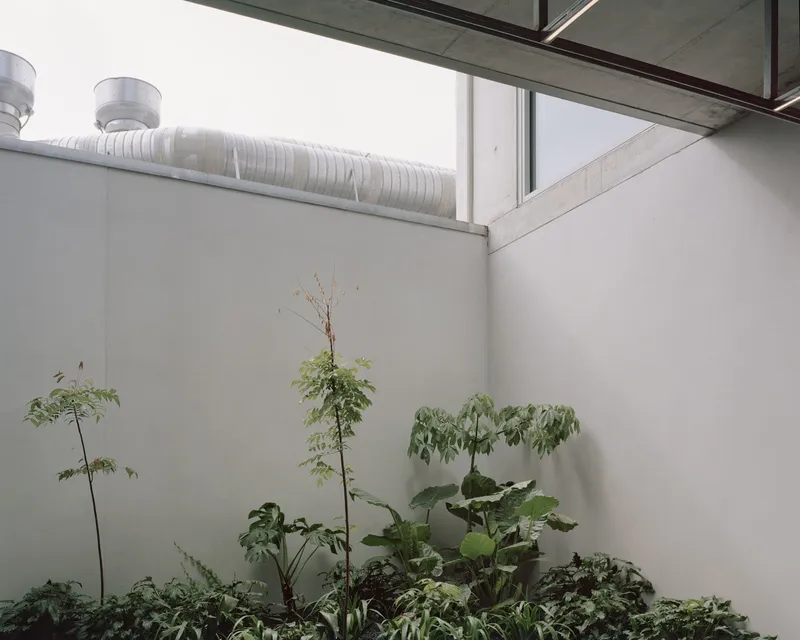
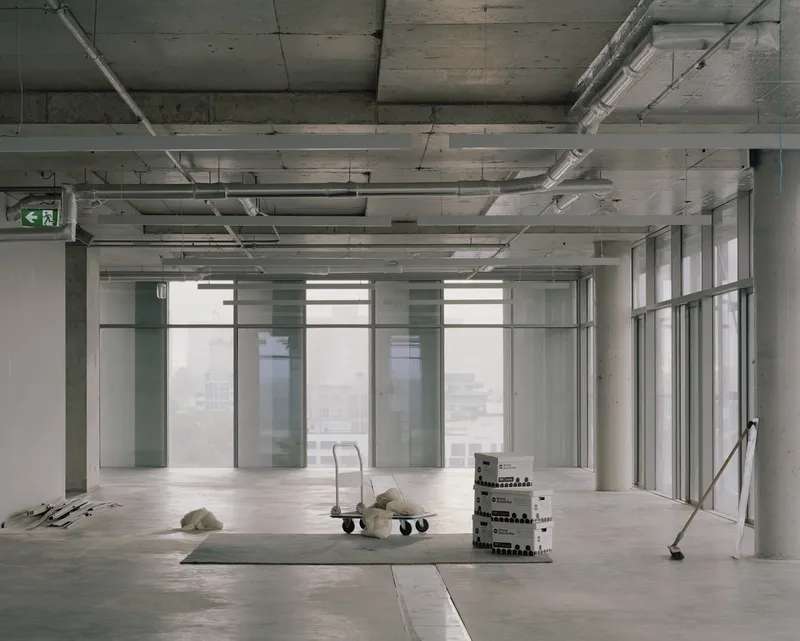
The interior planning supports adaptability across changing tenant needs, with efficient floorplates, generous ceiling heights, and clear circulation. Light wells puncture the podium slabs, drawing daylight deep into the building and activating ground-floor spaces. Vertical circulation is strategically placed to encourage movement, visibility, and interaction throughout the workplace.
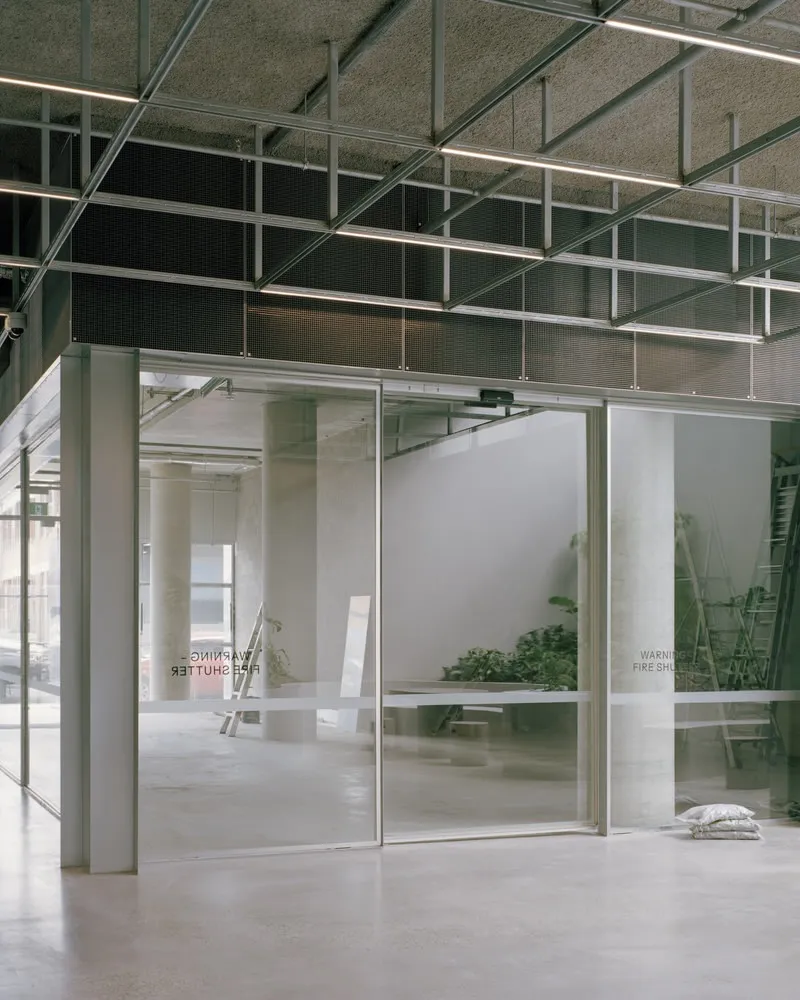
Certified Sustainability and All-Electric Performance
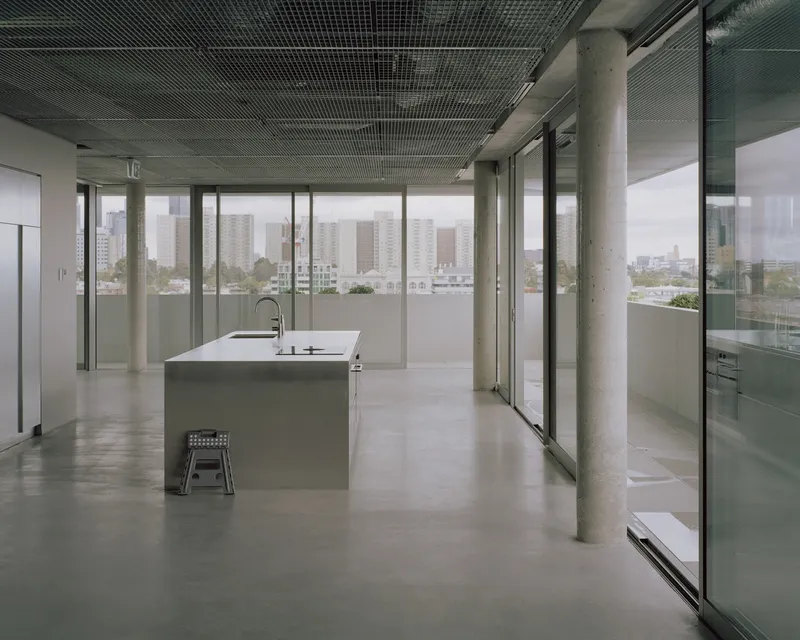
116 Rokeby sets a benchmark for sustainable commercial buildings, achieving Climate Active Carbon Neutral certification, Platinum WELL Certification, and a 5.5 NABERS Energy Rating. These credentials are supported by an all-electric building approach, high-performance glazing, smart building controls, energy-efficient lighting, integrated photovoltaics, and a highly responsive double-skin façade system.
Beyond energy performance, the project places equal emphasis on occupant wellbeing. Thermal comfort, indoor air quality, daylight access, and acoustic control are carefully balanced to create healthy, productive work environments that positively impact end users.
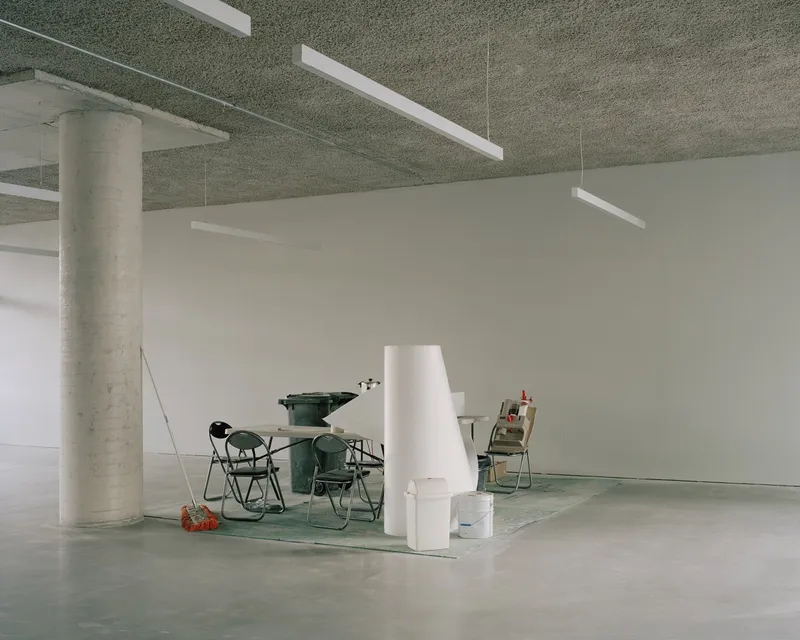
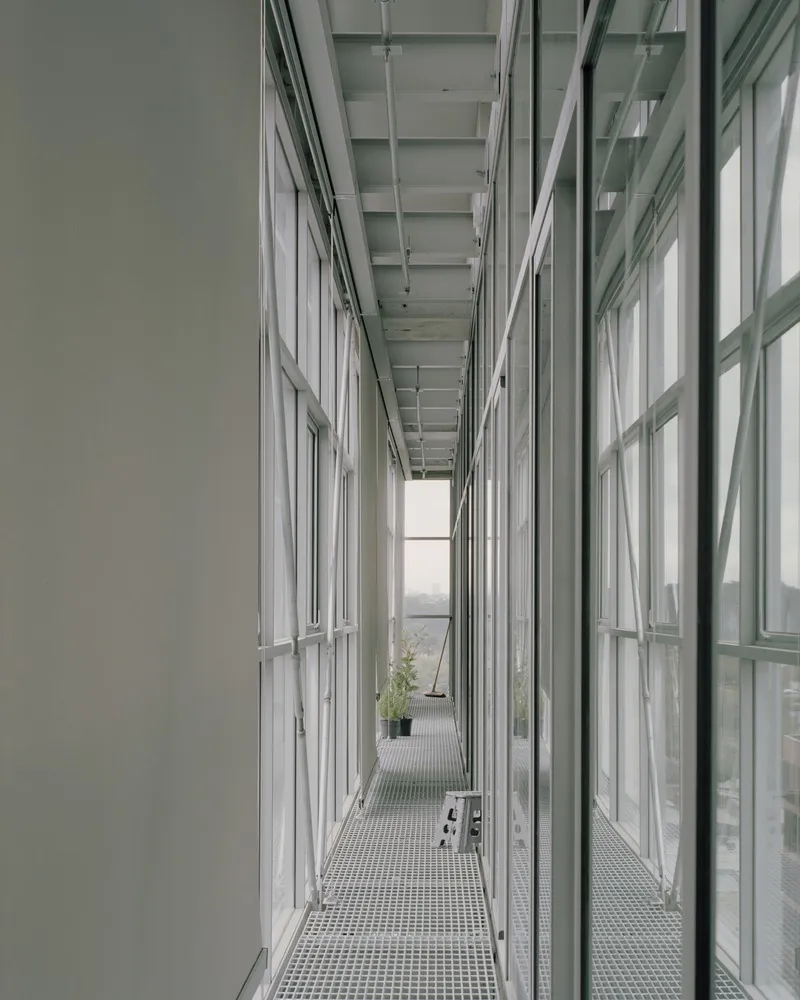
Integrated Landscape and Shared Amenities
Despite tight site constraints and limited opportunities for deep soil planting, landscape design plays a crucial role in shaping the building’s identity. Developed in collaboration with Eckersley Garden Architecture, the strategy introduces layered planting across the ground floor, podium, and rooftop through raised concrete planters, integrated seating, and diverse planting mixes.
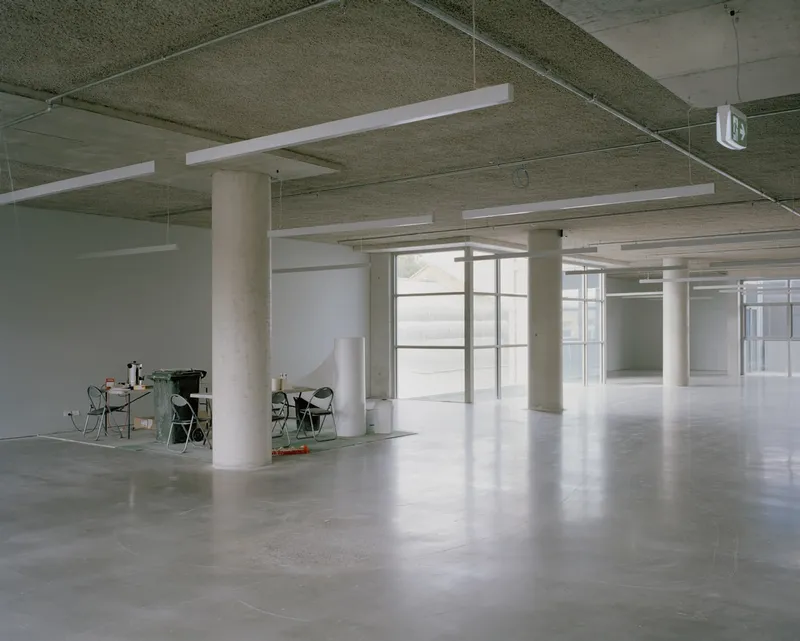
Amenities are distributed throughout the building to support flexibility and community. A rooftop terrace offers outdoor meeting areas, a communal kitchen, and bookable flexible spaces for tenants. The porous ground plane activates Rokeby Street with a highly adaptable retail tenancy designed to shift from day to night use. End-of-trip facilities: including showers, change rooms, bicycle storage, and parcel facilities, support active transport and contemporary workplace lifestyles.
Holistic Design for Longevity and Wellbeing
With a philosophy grounded in health, sustainability, and longevity, 116 Rokeby exemplifies Carr’s expertise in commercial workplace and public-realm design. Every element, from façade articulation and material selection to landscape integration and amenity planning, works cohesively to deliver a future-focused office building rooted in place and performance.
The project demonstrates how thoughtful architecture, paired with an engaged client and rigorous sustainability agenda, can create commercial spaces that are resilient, adaptable, and deeply human-centred.
All photographs are works of
Rory Gardiner with Colby Vexler


Popular Articles
Popular articles from the community

Faces of the Soviet Avant-Garde: Turning Moscow's Street Names into an Open-Air Museum
A network of sculptural installations across a Moscow residential district transforms forgotten architect names into spatial encounters with cultural memor

The Amber Palace Opera: A Geological Fiction Surfaces on Tallinn's Baltic Waterfront
Pierre Brillard reimagines a Baltic legend as a public landscape, opera house, and waterfront promenade rooted in Tallinn's coastal identity.

Singing Woman: An Opera House That Performs Before the Curtain Rises
Ovidiu Cristian Pavel's conceptual opera house translates Estonia's choral identity into a sculpted waterfront landmark facing the Baltic Sea.

Cloaked Colonization: A Mobile Underwater Habitat That Moves Like a Fish
Micah Abaya's shortlisted EHC Pacific entry reimagines ocean settlement as a dispersed network of self-sustaining architectural organisms.

Similar Reads
You might also enjoy these articles

Bamboo Housing Challenge 2026: Design Affordable, Sustainable Homes Using Bamboo
An international design competition by Bamboo U and IBUKU inviting architects and designers to reimagine affordable housing using bamboo — with the winning design built full-scale in Bali.
Computational Design & Education: Beegraphy Design Awards Introduces 7th Category (Featuring Jiyun's Innovative Approach)
Dive into Beegraphy’s 7th Design Awards category, where computational design meets education to create immersive, interactive learning tools, inspired by Jiyun’s work.
From Parametric Lighting to Urban Furniture: Join the 2nd Workshop in Beegraphy’s Computational Design Series
Dive into Cutting-Edge Design Techniques and Practical Applications with Industry Experts

Last Call: Unleash Your Architectural Genius in SHAK's Kindergarten Design Competition
Urgent call for architects to join SHAK's kindergarten design competition before the looming deadline

Explore Commercial Buildings Competitions
Discover active competitions in this discipline

Challenge to reimagine the Iron Throne

Photograph architecture without architects

Illustrate the lost glory of Angkor Wat - Render Challenge

Design challenge to reuse E-waste
Comments (0)
Please login or sign up to add comments
No comments yet. Be the first to comment!