
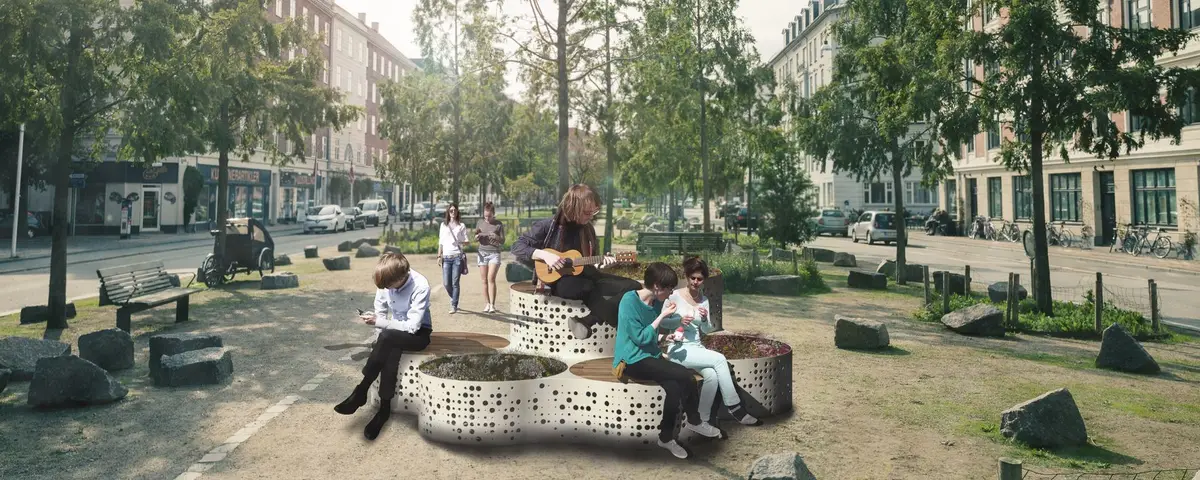
20 Most Popular Furniture Design Projects of 2025
Modular street systems, parametric benches, and insect hotels: the furniture design projects that captivated architects on uni.xyz in 2025.


Furniture design occupies a unique scale in architecture. Too large to be a product, too small to be a building, and exactly the right size to change how a city feels. The 20 most popular furniture design projects on uni.xyz in 2025 reveal a discipline that has stopped treating street furniture as decoration and started treating it as civic infrastructure.
Every project on this list is a conceptual proposal, and almost all are designed for public space. That pattern reveals something the discipline is still learning: the objects between buildings matter as much as the buildings themselves. A bench, a planter, a transit shelter, an insect hotel. These are not afterthoughts. They are the architecture of daily public life.
We have ranked these projects by reader engagement on uni.xyz: visits, saves, and conversation from our community of 260,000+ architects and designers. The list spans urban furniture for Bucharest's boulevards, Mumbai's congested streets, New York's subway thresholds, and Lijiang's heritage quarter. Five thematic sections capture how this year's most compelling work is organized.
Modular Public Furniture Systems
The most-engaged projects of the year share a single design strategy: modularity. From a single 1x1 meter module on a Copenhagen waterfront to an infinite bench loop, these projects treat urban furniture as a kit of parts, not a fixed object.
1. Life Line of a City: Reviving Urban Design in Bucharest
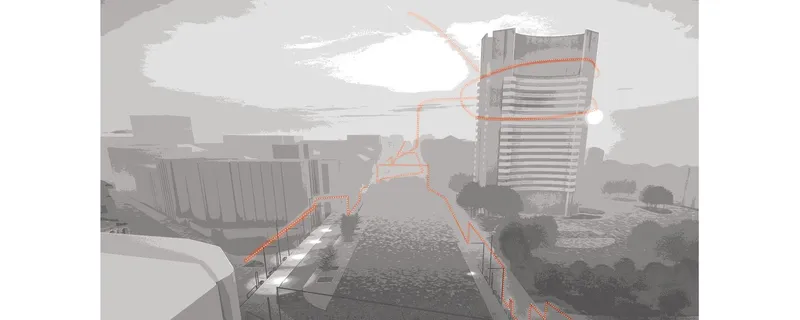
The most-read furniture design project on uni.xyz in 2025. Life Line of a City proposes a continuous urban furniture intervention along Bucharest's Magheru Boulevard, treating the street not as a corridor between destinations but as a destination itself. Razvan threads seating, planters, lighting, and gathering points into a single linear armature that gives the boulevard a coherent civic identity.
What makes the project resonate is its scale of ambition. The proposal does not redesign a single bench or a single plaza. It rewrites the relationship between citizens and their primary public artery. Furniture becomes infrastructure, and the city begins to feel like it was designed for the people who walk through it.
Designer: Razvan
2. 1x1 Industrial Urban Furniture, Copenhagen
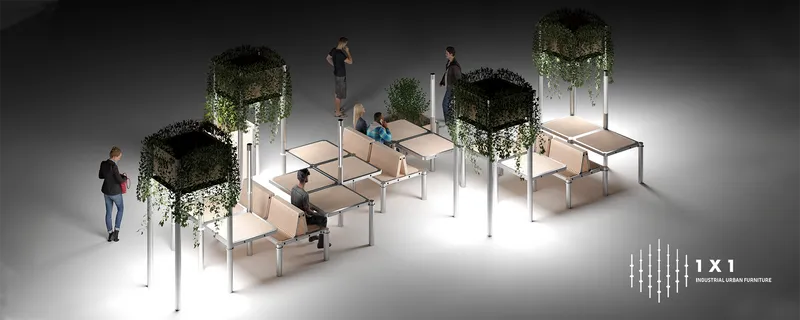
A modular system built on the simplest possible logic: one square meter at a time. The proposal takes Copenhagen's post-industrial Refshaleøen waterfront and overlays it with a 1x1 meter grid that can become seating, planting, shade, or play space depending on local need. The grid is the same everywhere; the program adapts.
Mykolas and Antonio understood something essential about adaptive reuse: the lighter the touch, the more honest the result. A heavy-handed redesign would erase the site's industrial memory. Their grid lets the cranes, rails, and concrete platforms remain visible while making the space inhabitable in ways the shipyard never was.
3. Hume World: Modular Urban Architecture
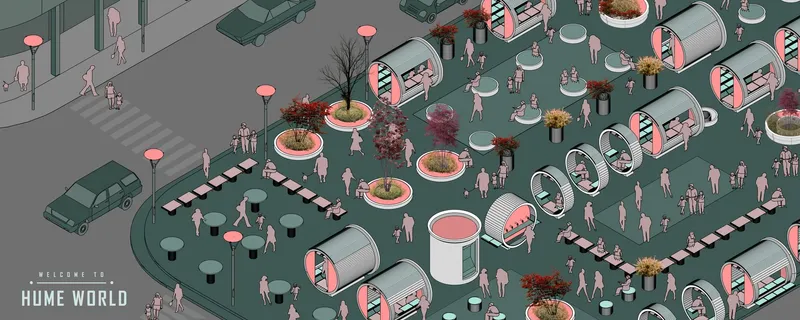
Hume World scales its modular logic across an entire city. Aangi and Nikishah propose a kit of parts that can become a bench, a kiosk, a gazebo, or an entire pavilion depending on how many units you assemble. The same vocabulary works at every scale, which is rare in urban furniture design.
The argument is one of governance as much as design. A modular system gives municipalities a coherent public infrastructure language they can deploy in phases. You do not need to commission a custom design for every park. You commission once and let neighborhoods decide what they need.
4. Infinity Bench: Modular Adaptive Furniture
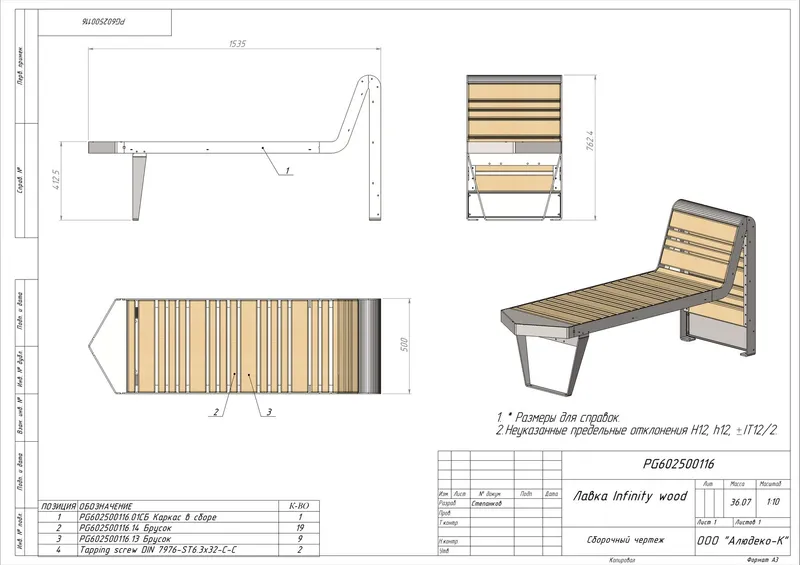
A bench with no beginning and no end. Bordukova designed Infinity Bench as a continuous loop of seating that bends, branches, and reconnects across a public space. The curves are not decorative. They are the design's way of refusing the social hierarchy that linear benches impose.
On a straight bench, you face the street. On Infinity Bench, you can face whoever you want. The geometry alone changes the social possibilities of the space. It is a quiet but radical proposition: that the form of public seating shapes the kind of public encounter it permits.
Designer: Bordukova
5. Tetris: Modular Park Architecture
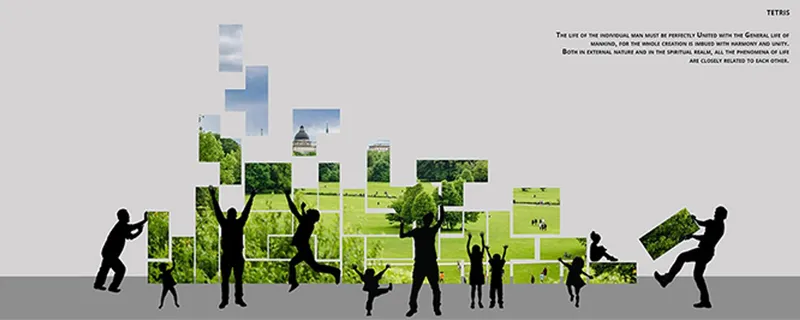
Park infrastructure as a configurable modular system. Sofa and Yulia took the logic of Tetris (interlocking, repeatable, infinite combinations) and applied it to the elements of a public park: seating, shade, planting, paths, and play. The result is a park that can rearrange itself.
The proposal reads as both playful and practical. Cities rarely have the budget to redesign parks every five years, but they often have the budget to swap modules. Tetris turns landscape architecture into a service that can evolve with its community rather than freeze in place.
Ecological and Biophilic Furniture
Three projects in this year's top 20 redefine furniture as ecological infrastructure. They blur the line between bench and biotope, between planter and public art, between maintenance and meaning.
6. Grobund: Insect Hotels and Urban Biotopes
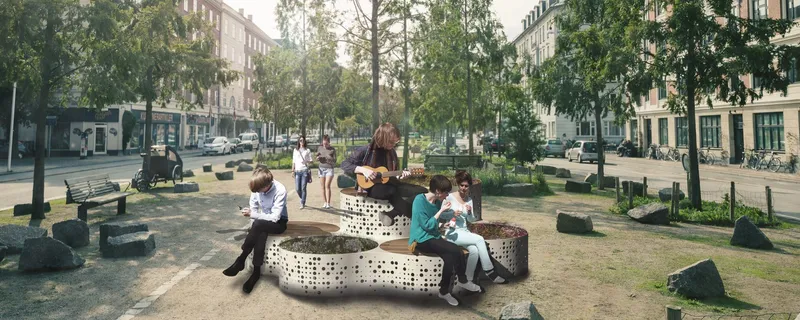
Furniture for species that are not human. Grobund designs urban biotopes and insect hotels as architectural objects, treating biodiversity as a program that deserves the same design attention as a park bench. Si and Marius scaled the work to genuinely architectural ambition: these are not garden trinkets but civic structures.
The project also functions as a reframing of who gets to use public space. By designing for pollinators alongside pedestrians, Grobund insists that urban infrastructure should support the ecosystems cities depend on, not just the humans who navigate them. It is one of the most quietly radical entries on this list.
7. Cantero: Urban Gardening Architecture
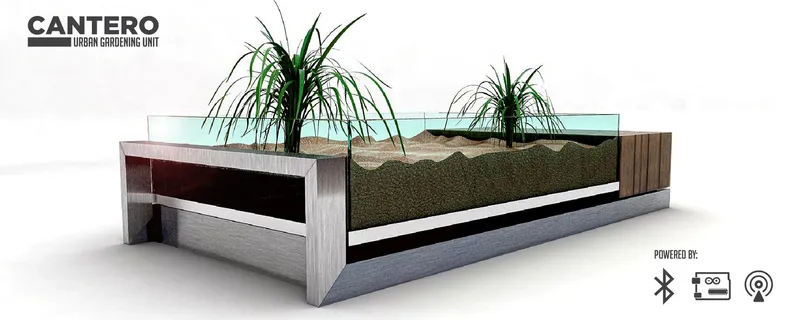
Urban gardening reimagined as social architecture. Cantero proposes a public planter system designed for community participation: anyone can tend a plot, harvest from it, or simply enjoy the green it brings to the street. Santiago, Nicolas, and the team treat the planter not as decoration but as social infrastructure.
What sets Cantero apart is its commitment to community ownership. The design includes hardware for shared maintenance, water, and storage that lets neighbors take over without architectural supervision. Furniture as a platform for civic agency, not a finished gesture.
Designers: Santiago, Nicolas, Caranddesign
8. Urban Oasis: Sustainable Urban Furniture
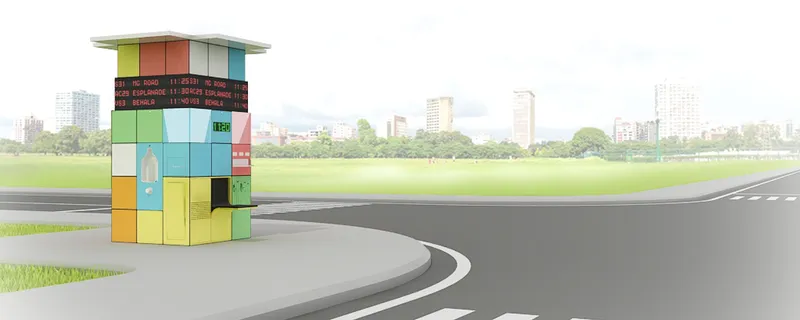
Urban Oasis treats the street furniture problem as an ecological one. Arnab, Namrata, and Sudipa proposed a modular system that integrates planting, water collection, and shade into seating units, creating microclimates wherever it lands. The design works equally well in a Mumbai monsoon and a Delhi summer.
The project takes a position that more urban furniture should take but rarely does: that public objects should improve the environment around them, not just provide a place to sit. Urban Oasis cools, plants, and gathers water as a side effect of being a bench.
Designers: Arnab, Namrata, Sudiparoy
Furniture for Indian Urbanism
India's streets are unlike any other context in the world: dense, multi-functional, vendor-occupied, and climatically demanding. These three projects refuse to import a foreign design vocabulary. They start from how Indian cities actually work.
9. Kudaaram: Urban Design for Congested Indian Streets
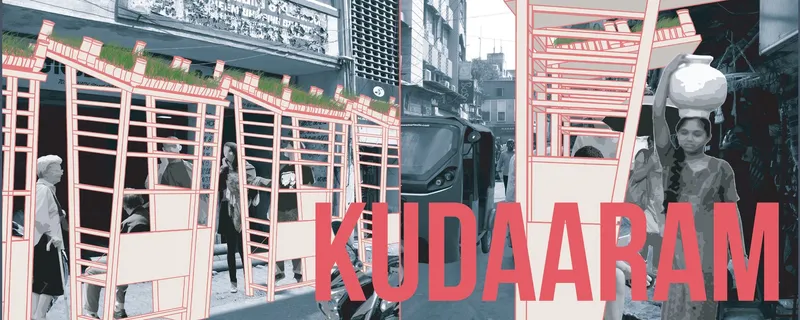
Stany and Pritika confront a problem most urban furniture proposals avoid: India's busiest streets do not need polished modernist objects. They need infrastructure that survives high foot traffic, vendor activity, scooter chaos, and a climate that punishes every material choice. Kudaaram answers with rugged, contextual design.
The project's intelligence lies in respecting how Indian streets actually work. Vendors, pedestrians, cyclists, and vehicles share space in ways that a foreign vocabulary of zones and lanes cannot describe. Kudaaram designs for this overlap rather than against it, becoming furniture that the street can absorb.
10. Place Making at Sambhaji Garden, Pune
Ashish proposes a placemaking strategy for Pune's Shivajinagar that uses furniture interventions to transform an underused heritage garden into an active community plaza. The work is modest in physical footprint but ambitious in its understanding of what placemaking actually requires.
The proposal is honest about the limits of design. Sambhaji Garden does not need a master plan; it needs catalysts. Pavilions, seating clusters, lighting, and shade structures arranged to attract activity. The architecture is restrained because the goal is to bring people, not impose form.
Designer: Ashish
11. Health and The City: Furniture for Public Wellbeing
Parin, Sanya, and Tania propose urban furniture that integrates exercise stations, hydration points, and rest seating into the everyday street. The argument is that public health is a design problem, and that the absence of these objects in Indian cities is itself a health policy failure.
The work is most compelling where it stops being polite. Health and The City does not propose a separate fitness park. It embeds movement, water, and rest along the routes people already walk. Public health becomes accidental, which is the only way it scales.
Designers: Parin, Sanya, Tania
Transit, Retail, and Density
Five projects in this section ask what furniture can do in zones that most urban design overlooks: bus stops, vending corners, sensor-driven plazas, and modular housing infrastructure. Each proposal expands the brief of what furniture is responsible for.
12. Vendor: Furniture for Street Vending
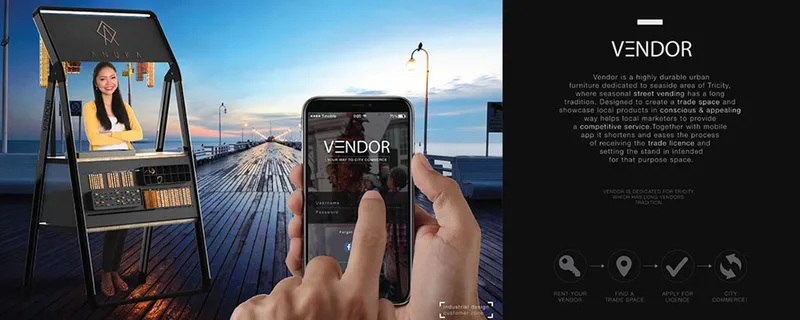
Furniture designed for the people most visible on city streets and most invisible in urban policy. Ewelina's Vendor proposes a modular cart and stall system that gives informal commerce a permanent, dignified infrastructure without displacing the people who animate the city.
The project understands a hard truth: most urban design treats street vendors as a problem to be cleared, not a constituency to be served. Vendor inverts that. It assumes the vendors stay, asks what they need, and designs the city's furniture around them. It is one of the most socially specific entries on this list.
Designer: Ewelina
13. interACT: Transit Design Through Social Architecture
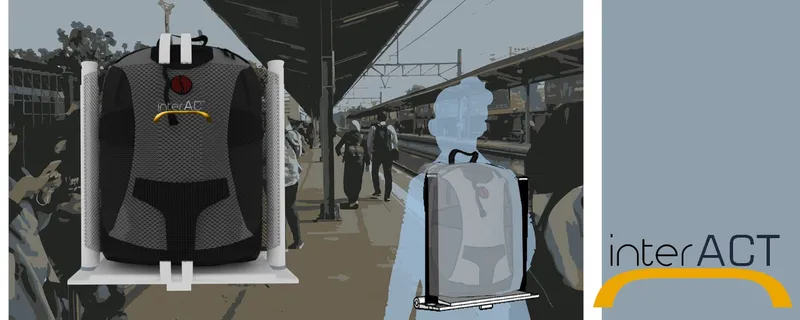
interACT redesigns the bus stop as social infrastructure. Chairunnnisa, Danti, and Ruth treat waiting for transit not as a passive period but as a daily encounter between strangers, and propose furniture that supports conversation, comfort, and shelter equally.
The proposal pushes against a global trend toward sterile, hostile transit furniture: armrests that prevent sleeping, surfaces that resist lingering, designs that say leave. interACT says the opposite. Public transit infrastructure should welcome the time you spend with it. The bus stop becomes a living room of the street.
Designers: Chairunnnisa, Danti, Ruth
14. Smart Grid: Adaptive Street Furniture, San Francisco
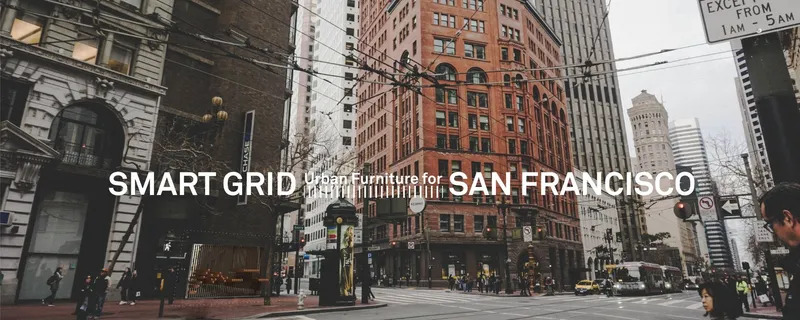
Eduardo proposes a networked system of smart street furniture for San Francisco that adapts to usage patterns, weather, and event calendars. The grid is sensor-equipped and reconfigurable, learning over time which corners need more seating, which plazas need more shade, and which streets are starving for shelter.
Where most smart-city proposals fall into surveillance traps, Smart Grid treats data as a planning tool, not a policing one. The system aggregates usage so cities can deploy resources where they actually matter. Furniture as a feedback loop rather than a fixed object.
Designer: Eduardo
15. Plug-In Forest: Modular Urban Housing
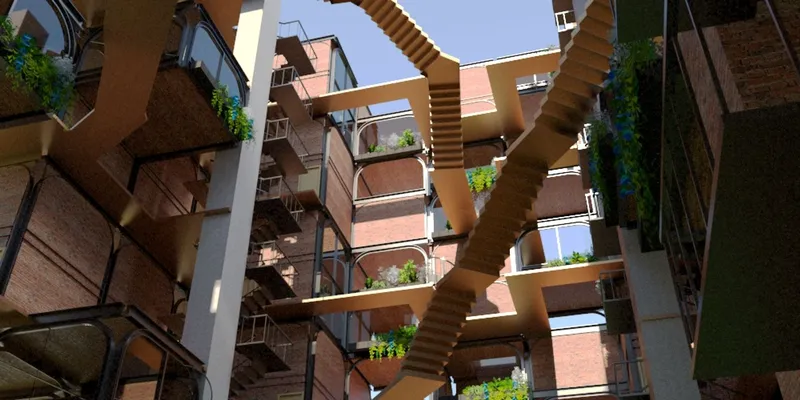
Andres and Andrea push the furniture-design conversation to the scale of housing. Plug-In Forest proposes that modular furniture logic, scaled up, can become the infrastructure for affordable housing in Bogotá. Each unit is a piece of furniture you can plug into a structural framework.
The project is more than a housing concept. It is a thesis that the boundary between furniture and architecture is artificial, and that resolving urban scarcity requires designers who can move freely across that boundary. The result is housing that looks like it was assembled, because it was.
New York, Vertical Cities, and Thresholds
The final five projects treat furniture as a tool for confronting the hardest urban contexts: New York subway thresholds, vertical residential density, UNESCO heritage cities, and the public art-meets-utility moment.
16. The Metro Bowl: Soft Infrastructure for New York

Xirui, Ziqing, and Xiang propose sponge-based urban furniture for New York's most stressful zones, from Times Square to subway platforms. The Metro Bowl turns the city's hardest surfaces into momentary refuges, using soft and absorbent material to make the architecture of public stress slightly more bearable.
The proposal is psychologically attentive in a way most urban furniture is not. It does not promise to fix the city. It offers a small, soft place to wait inside it. That modest ambition is exactly what makes it powerful.
Designers: Xirui, Ziqing, Xiang
17. Urban Bubble: Inflatable Micro-Infrastructure for NYC

Sysy reimagines New York's most neglected zones, the thresholds around subway entries, as opportunities for civic generosity. Urban Bubble proposes pneumatic shelters, letterform volumes, and water pods that turn these dead spaces into commons.
The project's brilliance is in its lightness. Inflatable architecture does not threaten the existing infrastructure. It can appear and disappear as the city allows. That ephemerality is not a weakness but a strategy: the proposal works precisely because it does not demand permanence.
Designer: Sysy
18. Hanging Spaces: Vertical Urban Living
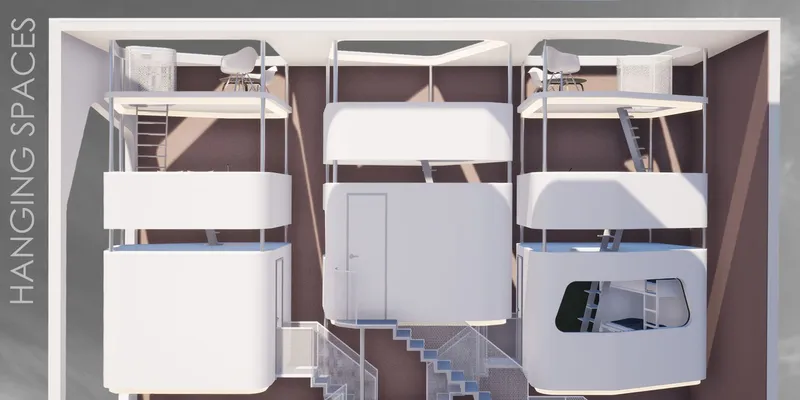
Isabella proposes a vertical living system where modular units appear to float within a structural frame. Hanging Spaces treats density not as a stack of compromise but as an opportunity for choreography: each unit catches light, frames a view, and connects to neighbors above and below.
The proposal is most successful where it questions what density should feel like. The cities of the next decade will be denser. Whether that density crushes residents or liberates them depends on proposals like this one.
Designer: Isabella
19. Public Space Design in Lijiang Ancient City
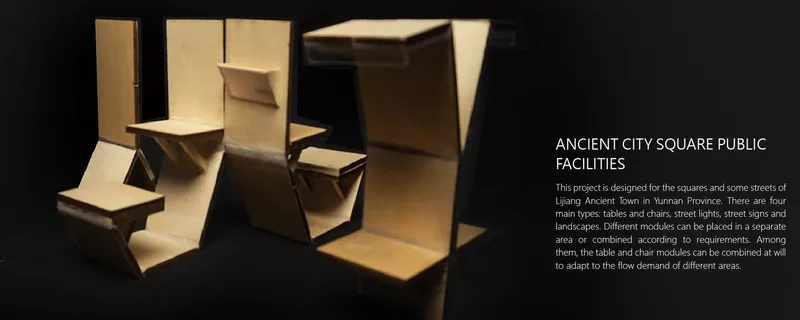
Working in a UNESCO heritage city is one of the hardest design problems in urbanism. Summer, Yuru, and Zidan answer with restraint. Their modular furniture system for Lijiang's ancient quarter respects the existing material vocabulary while introducing the seating, shade, and gathering points the contemporary city needs.
The project succeeds by refusing the modernist temptation to disrupt. It is the rare proposal that treats heritage as a working brief rather than an obstacle, designing for residents and visitors without flattening either.
View the full project: Public Space Design in Lijiang Ancient City
Furniture design on uni.xyz
uni.xyzDesigners: Summer, Yuru, Zidan
20. Wing Sculpture: Parametric Public Art
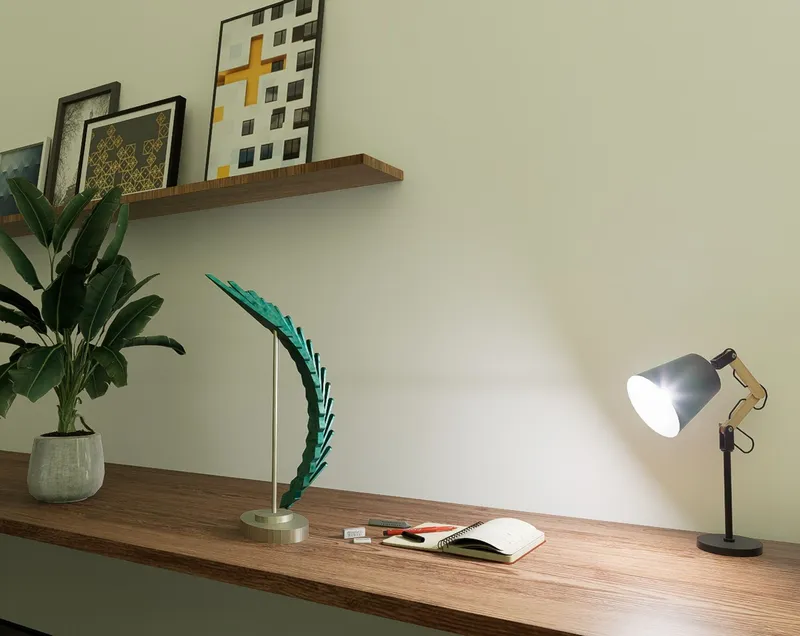
Pranav's Wing Sculpture explores the moment furniture turns into public art. The parametric form, inspired by a bird's wing in motion, doubles as a seating surface, a shade structure, and a sculptural gesture in public space.
The proposal is a useful provocation about what urban furniture can be. Most cities limit public objects to utilitarian roles. Wing Sculpture argues that beauty and function should not be exclusive, and that a single object can do both jobs without diminishing either.
Designer: Pranav
What Furniture Design Told Us in 2025
Looking across these 20 projects, one signal dominates: modularity. Fifteen of the twenty proposals are kits of parts that can be assembled, reconfigured, and adapted to different sites and programs. Furniture design in 2025 was less about designing a bench and more about designing a language that cities can speak.
The second signal is socially specific design. The most resonant projects are not those that propose a universal vocabulary, but those that respond to a specific urban condition: India's congested streets, New York's subway thresholds, Bucharest's boulevards, Lijiang's heritage quarter. The discipline is moving away from the object designed for nowhere in particular.
All 20 projects are published in full on uni.xyz, with detailed drawings, models, and design narratives. Explore them, save the ones that inspire you, and consider how the smallest scale of architecture might shape the largest questions about public life.
This article features projects published on uni.xyz in 2025, ranked by reader engagement. Last updated: April 2026.


Popular Articles
Popular articles from the community


David Ortega Stacks a Two-Story Mexico City Penthouse Around a Steel Stair and a Pergola-Shaded Roof Terrace
In Colonia Roma, a 300 m² penthouse uses oak joinery, a planted steel stair and a slatted roof pergola to make a new-build apartment feel like a house.


Opera on the Sea: Driftwood Logic Shapes a Timber Opera House on Estonia's Coast
Trevor Orgill's opera house translates the entangled drift of floating timber into a civic building where wood, water, and music converge.

The Amber Palace Opera: A Geological Fiction Surfaces on Tallinn's Baltic Waterfront
Pierre Brillard reimagines a Baltic legend as a public landscape, opera house, and waterfront promenade rooted in Tallinn's coastal identity.

FCC Arquitectura Expands a Portuguese Granite House with a Board-Marked Concrete Wing
In Portugal, JV House pairs a cleaned-up whitewashed and granite dwelling with a timber-shuttered concrete extension, courtyards and a garden pool.

Similar Reads
You might also enjoy these articles

Cube Design Draws an Ecological Corridor Between Two Shenzhen Hills with the Nankai Building
Beside Shenzhen's container docks, the Nankai Building pairs stacked balconies with a climbing green screen to connect two hillsides across its height.

Praksis A and Studio Sted Bend a Red Timber Cabin Across the Granite of Norway's Southern Coast
On the southern Norwegian coast, a 105 m² cabin follows the rock on slender posts, pairing red cladding outside with pine, brick and plywood within.
David Ortega Stacks a Two-Story Mexico City Penthouse Around a Steel Stair and a Pergola-Shaded Roof Terrace
In Colonia Roma, a 300 m² penthouse uses oak joinery, a planted steel stair and a slatted roof pergola to make a new-build apartment feel like a house.

PARALELA and LB2 Thread a Public Walkway Through the Base of a Las Condes Residential Tower
In Las Condes, Santiago, the Hamlet Building gives its fenceless ground floor to a 70-metre wooded passage linking two streets and the metro.

Explore Urban Furniture Competitions
Discover active competitions in this discipline

Challenge to design locus for the upliftment of human rights

Challenge to reimagine the Iron Throne

Photograph architecture without architects

Illustrate the lost glory of Angkor Wat - Render Challenge
Comments (0)
Please login or sign up to add comments
No comments yet. Be the first to comment!