
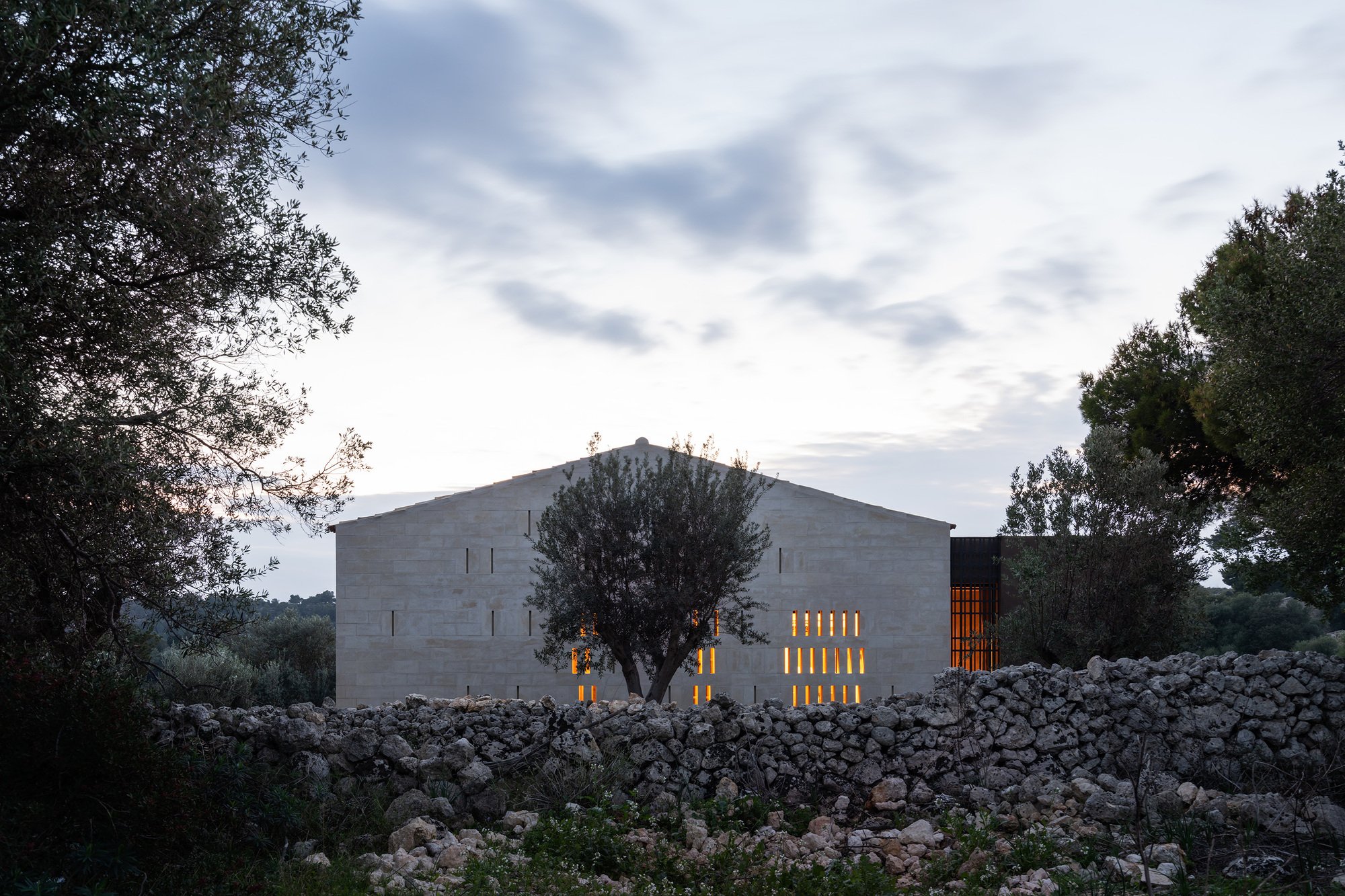
depaolidefranceschibaldan Revives Abandoned Sicilian Stables into a Stone and Cocciopesto Villa in Noto
Villa Modda occupies the exact footprint of former agricultural ruins in the UNESCO-listed Val di Noto, built entirely from local stone and lime.

There is a particular kind of restraint required when building on land that already carries meaning. The Val di Noto, in southeastern Sicily, is UNESCO-listed for good reason: its Baroque towns, its terraced agricultural landscape, and its centuries-old groves of olive and carob form a territory where architecture has always been a byproduct of labor rather than spectacle. depaolidefranceschibaldan architetti understood this when they took on Villa Modda, a 300 square meter residence that sits precisely on the footprint of a cluster of abandoned stables, tool shelters, and storage buildings. No new land was consumed. The villa is, in the most literal sense, a replacement rather than an addition.
What makes the project genuinely interesting is not the act of reuse itself but the material intelligence with which it is executed. The original Noto stone structure, with its saw-finished blocks, is enveloped by a new extension clad in brown cocciopesto, a lime-based mortar mixed with crushed brick that has been used across the Mediterranean since Roman times. The name "Modda" comes from a spontaneous native plant found on the site, and that grounding in the specific, the local, the already-present runs through every decision here. This is not a villa that quotes rural tradition. It is one that continues it, using contemporary spatial logic to organize ancient materials.
A Footprint Inherited, Not Imposed
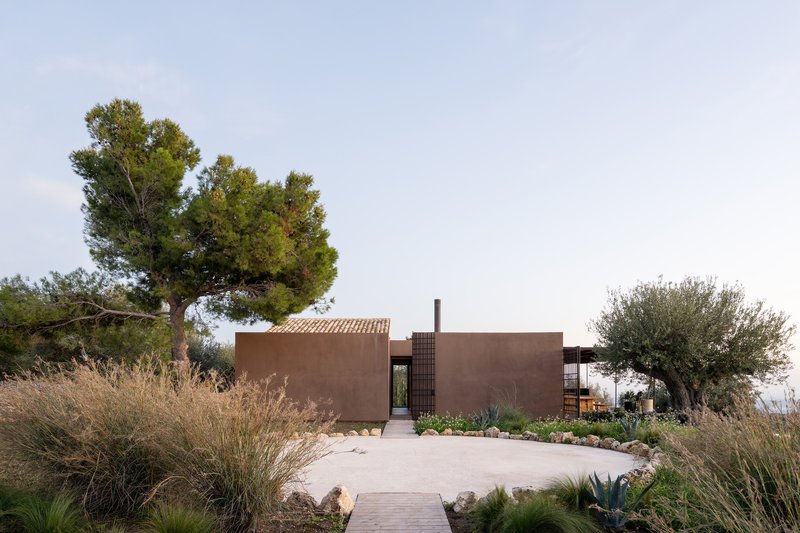
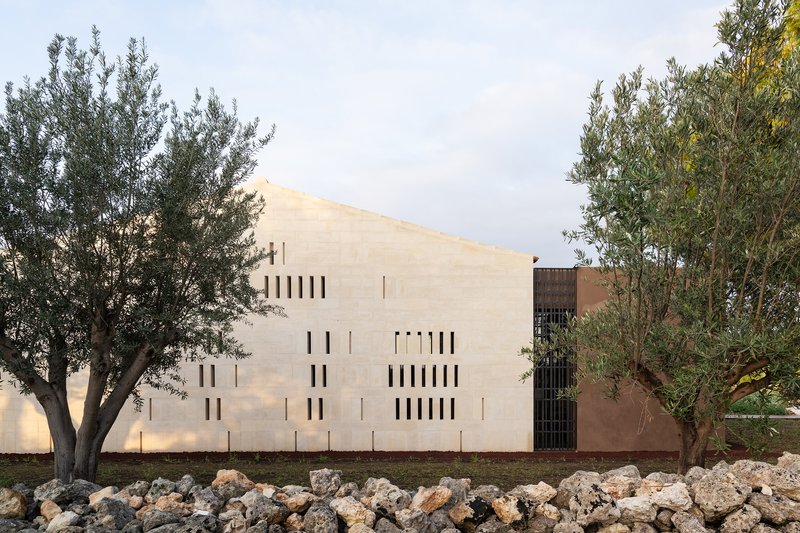
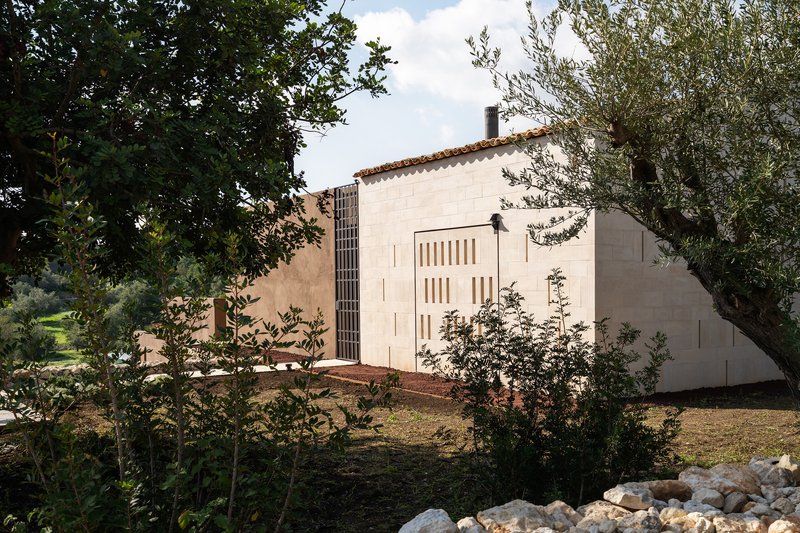
The decision to build exclusively on the existing footprint is the project's most consequential move. It means the villa inherits the orientation, proportions, and relationship to topography of structures that evolved over generations of agricultural use. The result is a building that feels settled rather than placed, its longitudinal plan running with the natural contours of the gently sloping, terraced site. From the entrance facade, the villa reads as a series of modest volumes, their scale calibrated to the surrounding olive groves rather than to any ambition of domestic grandeur.
The double-pitched roof, clad in traditional clay tiles, reproduces the classic silhouette of Mediterranean farm buildings. It is an honest profile, one that avoids the flat-roof fetishism common in contemporary holiday homes across southern Europe. The Noto stone walls, pale and rough, absorb and release heat in a cycle that has been keeping Sicilian buildings comfortable for centuries.
Cocciopesto and Stone: A Material Dialogue
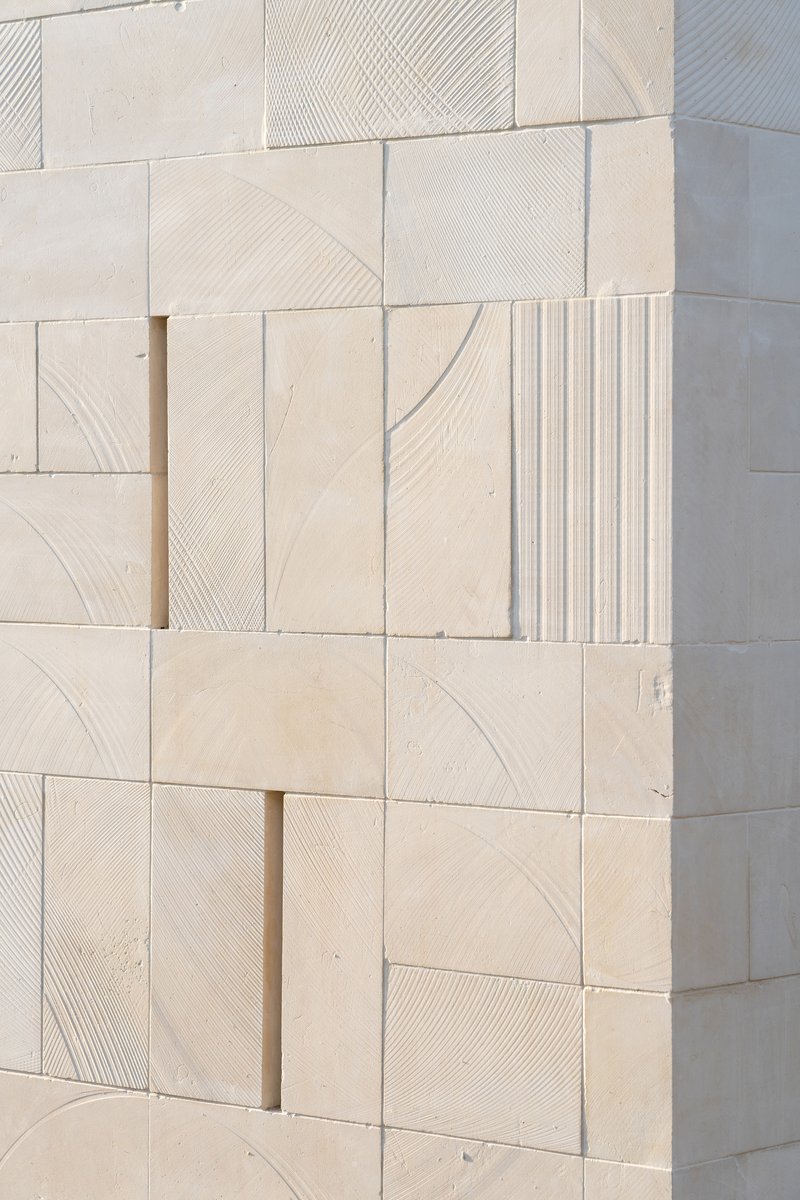
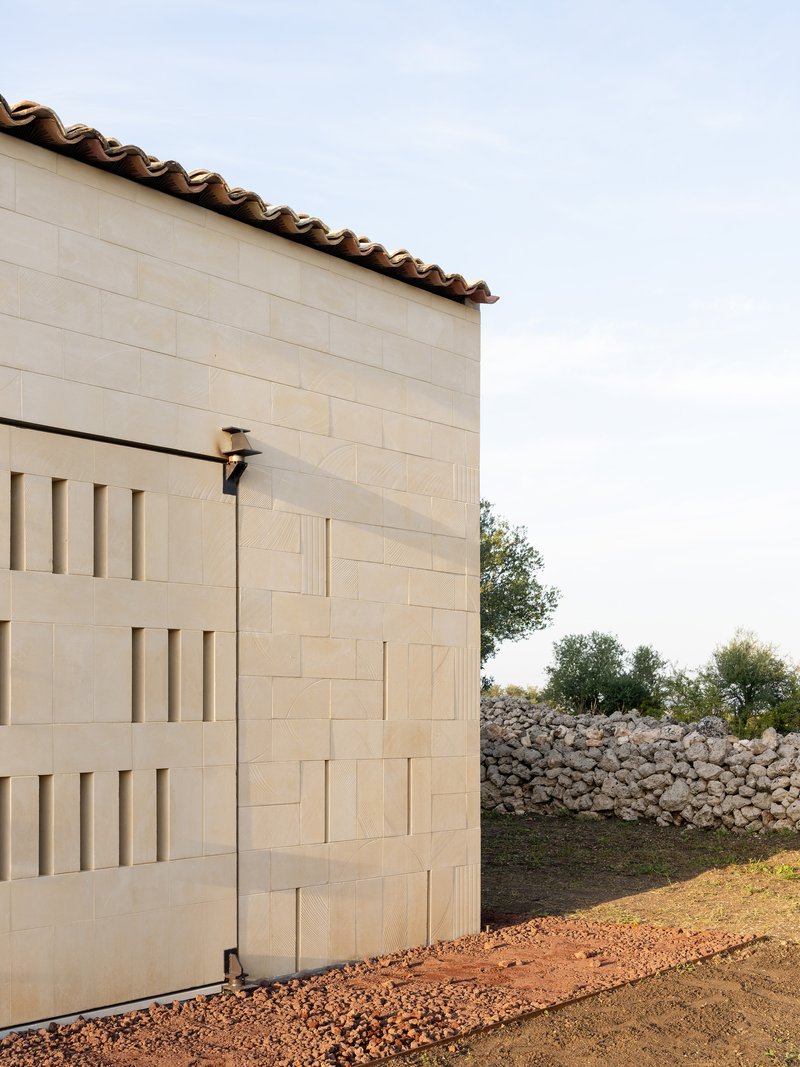
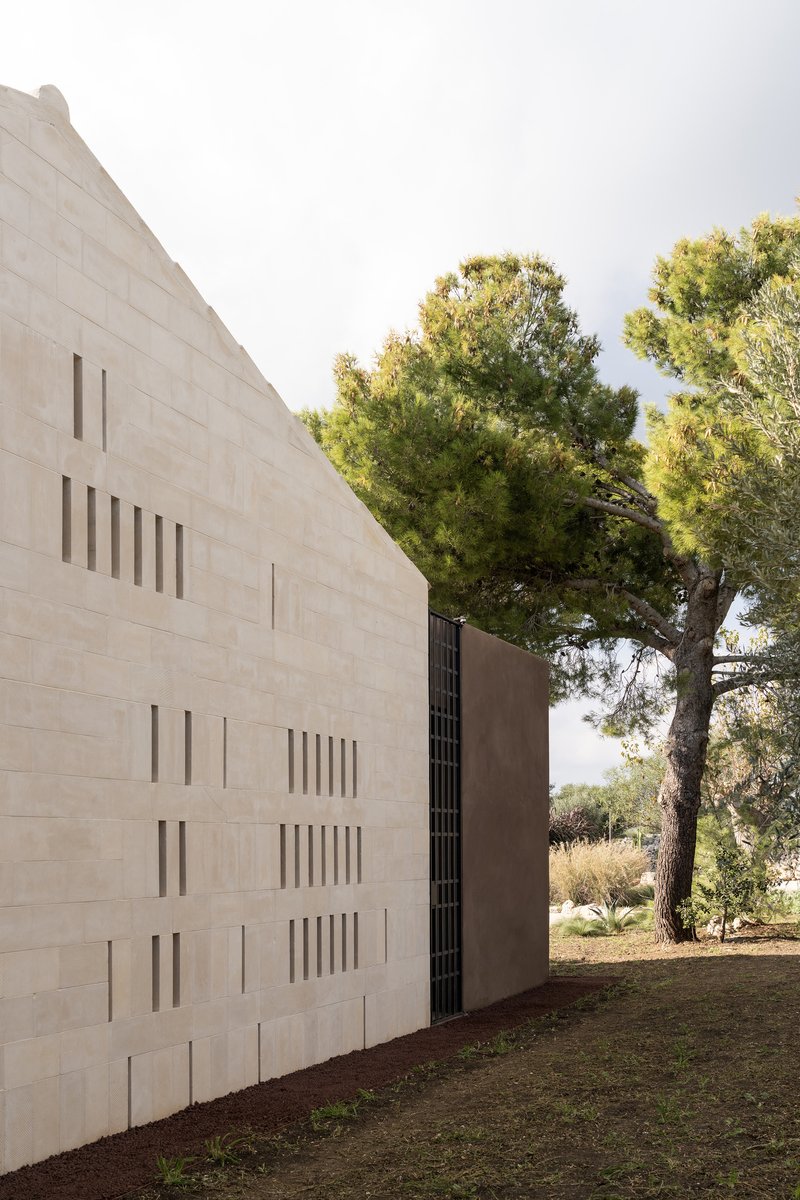
The material palette deserves close attention because it does real work. The existing stone volume, with its varied textures of smooth, striated, and fluted limestone, is distinguished from the new extension through the use of brown cocciopesto enriched with natural pigments. The color references the earth and carob fruits of the surrounding countryside, a specificity that prevents it from becoming a generic terracotta gesture. Up close, the cocciopesto surfaces have a depth and irregularity that concrete or rendered plaster simply cannot replicate.
Intentional discontinuities in the stonework create a rhythmic interplay between light and shadow. These are not decorative slots but functional openings that regulate sunlight, airflow, and cross-ventilation. The repeated vertical window slits visible across the facades act as a breathable filter, a wall that is also a screen. Iron grilles fitted into these openings allow further control of light and ventilation, layering passive climate strategies without resorting to mechanical systems.
The Yellow Core
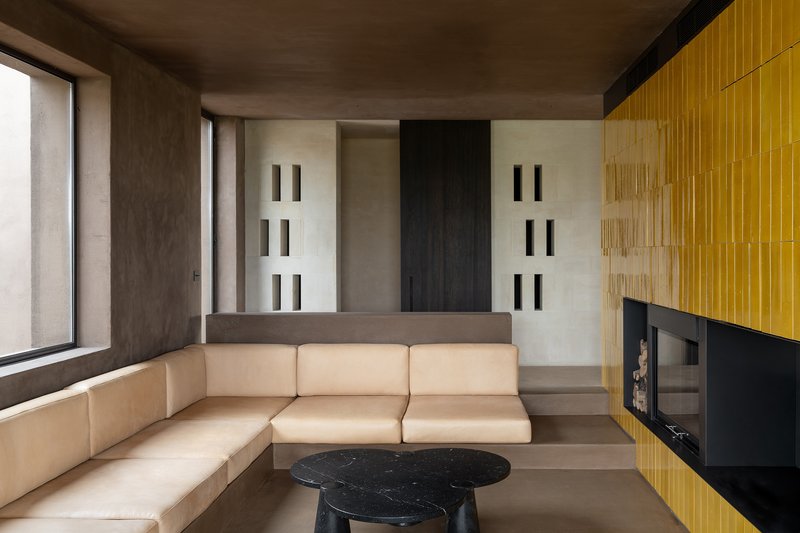
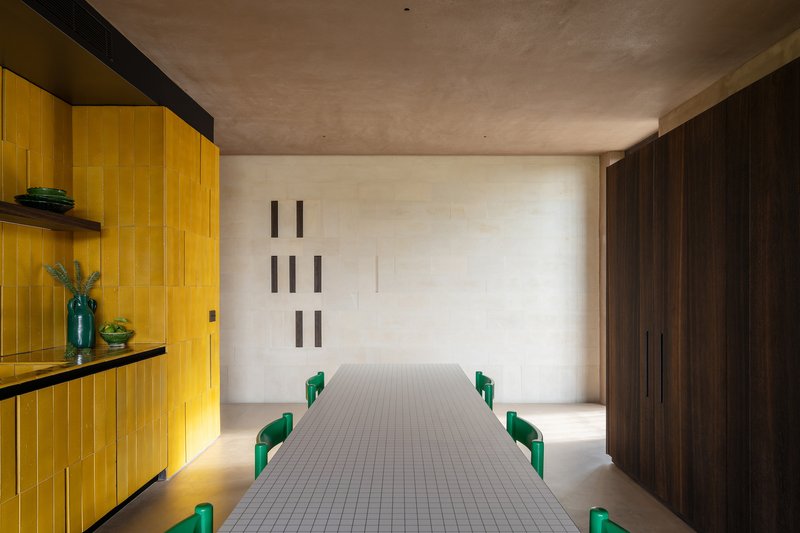
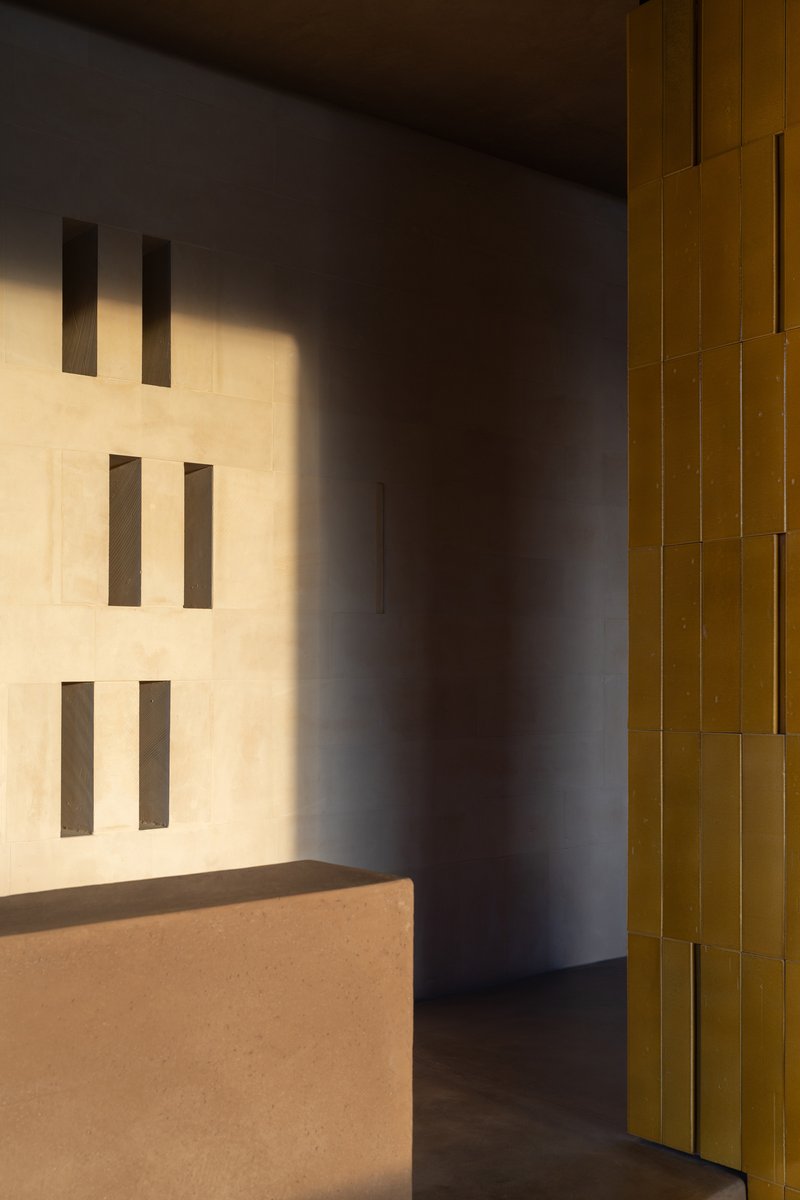
At the center of the rectangular plan sits a sculptural volume clad in yellow glazed terracotta tiles. It is the villa's service spine, integrating climate-control systems, storage, kitchen cabinetry, a fireplace, and a sunken island for rest into a single compact element. The yellow is assertive but not jarring, reading as warm and slightly domestic against the cooler limestone and brown cocciopesto that surround it.
This central volume does the organizational work of a corridor wall while also functioning as furniture, infrastructure, and spatial divider. A pedestrian axis originating from the circular drying kiln outside traverses the entire villa, passing alongside this yellow core and separating the living spaces from the bedrooms and service rooms. It is a clear, legible plan that avoids the open-plan indeterminacy that plagues so many residential projects of this scale.
Interior Light and Texture
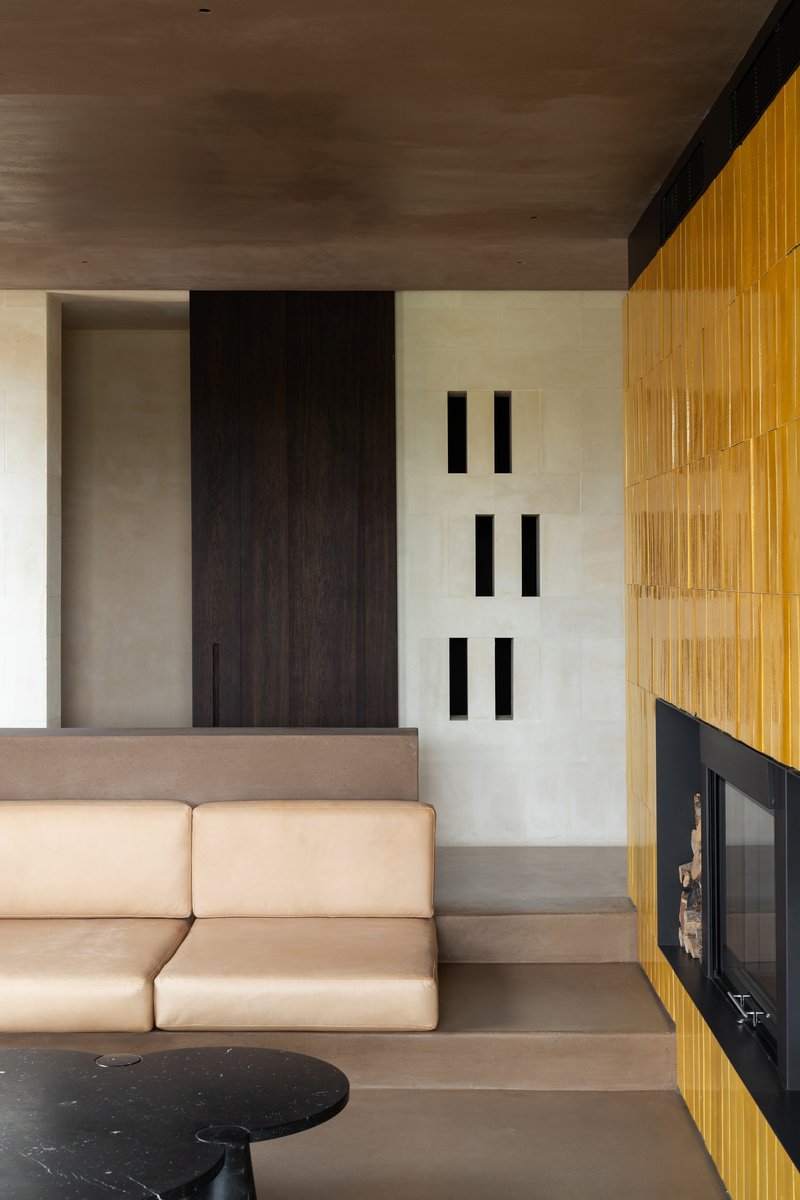
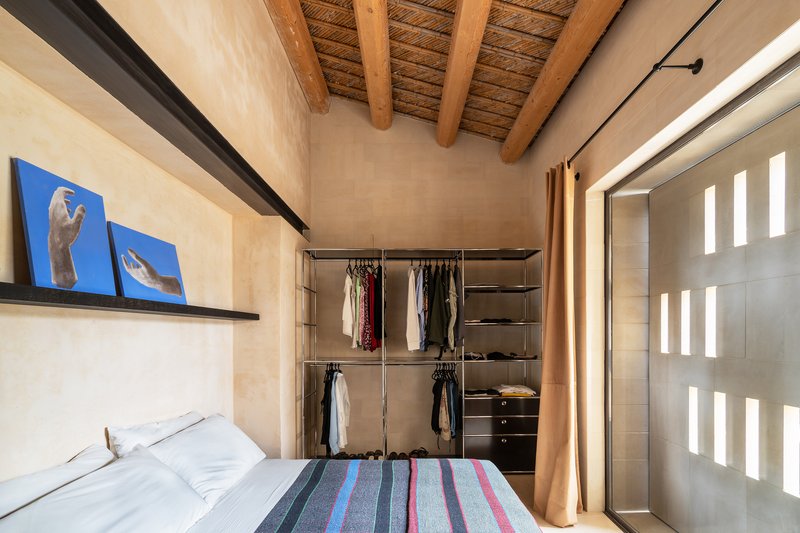
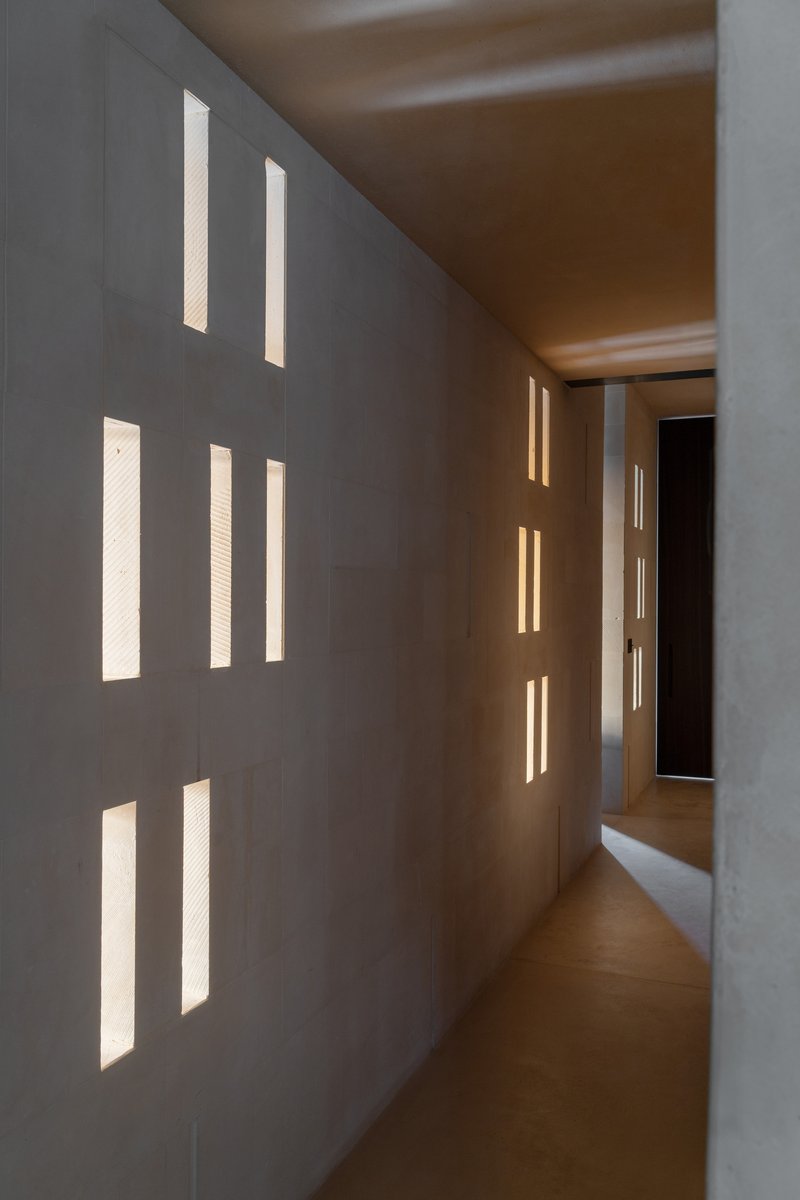
Inside, the vertical slot windows transform the thick walls into instruments of light. Narrow beams of sun track across the earthen surfaces throughout the day, creating shifting patterns that make the interiors feel alive without the need for large glazed openings. The bedroom retains exposed timber ceiling beams, a structural honesty that reinforces the agricultural lineage of the building. A corridor with white mosaic tile flooring and warm concealed lighting demonstrates how minimal means can produce atmospheric richness.
The timber fireplace surround and built-in seating niches beside the slot openings suggest a deliberate strategy of integrating furniture into architecture. Walls do not merely enclose; they hold books, frame views, accommodate the body. The deep window reveals, a consequence of the thick stone construction, double as shelves and perches. It is the kind of spatial generosity that thin-wall construction simply cannot offer.
Terraced Ground, Woven Canopy
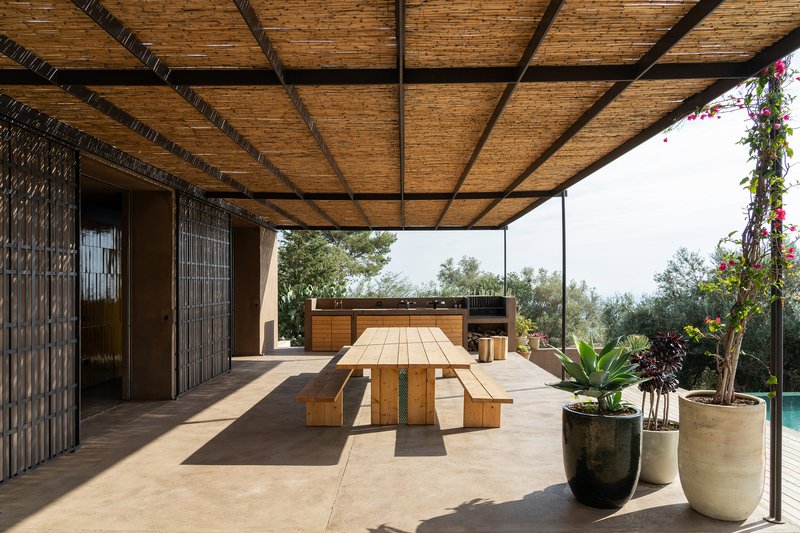
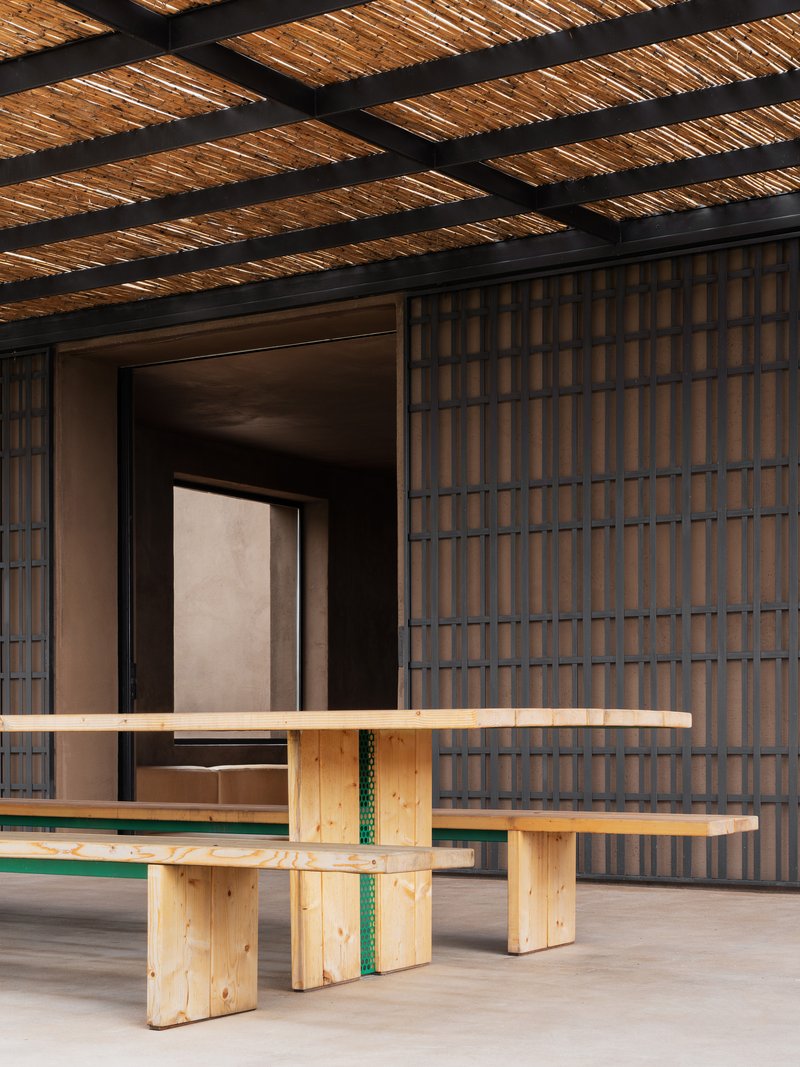
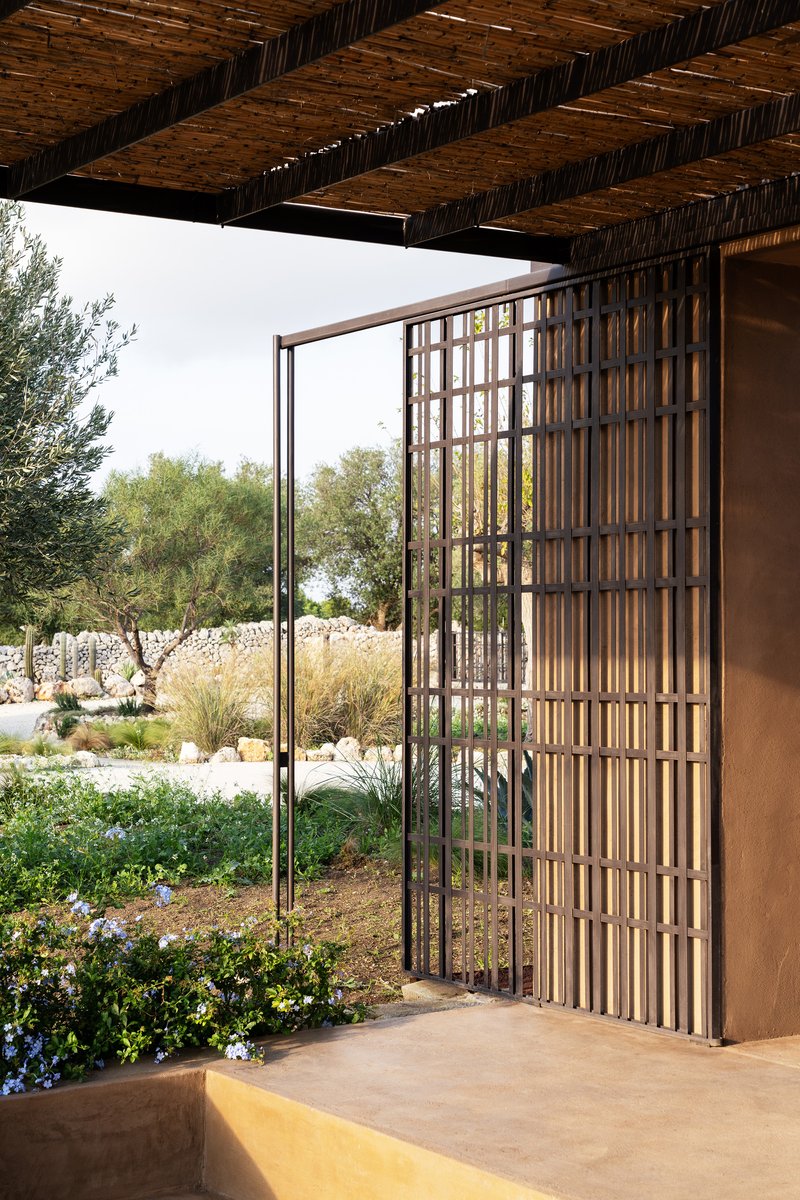
The outdoor spaces are organized as a sequence of terraces that follow the natural topography, stepping down the hillside with the same logic as the agricultural terracing that has shaped this landscape for centuries. A covered terrace with a woven cane ceiling and timber dining table opens directly onto the olive grove, collapsing the distinction between garden and countryside. Beneath a mature carob tree, an open-air living space extends the domestic program into the landscape.
Reed pergolas, timber lattice screens, and gridded brick walls filter light and frame views without creating hard boundaries. The dappled shadows they cast on the paving are as much a part of the material palette as the stone and cocciopesto. These are outdoor rooms in the truest sense, defined by shade and breeze rather than by walls.
The Emerald Pool and Evening Light
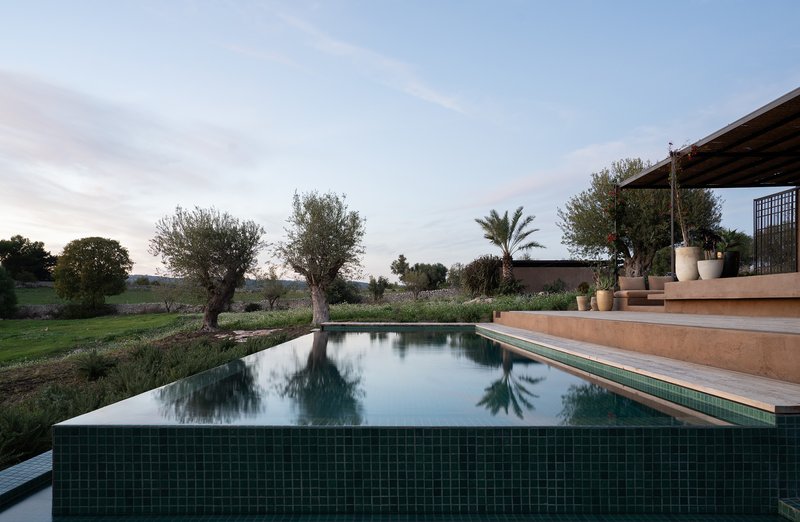
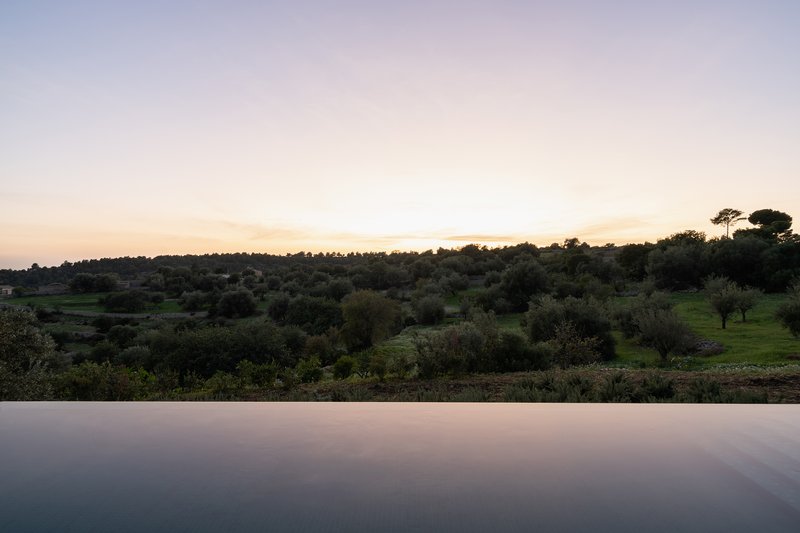
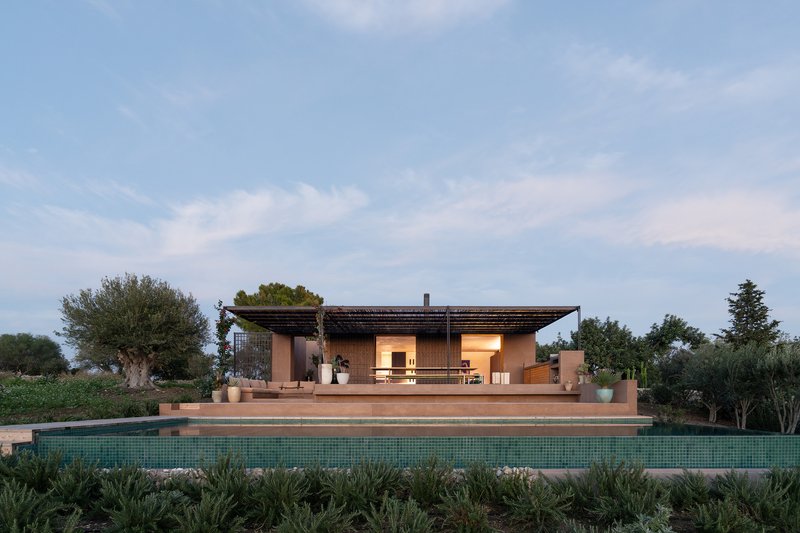
The infinity pool, lined in emerald green ceramic mosaic, sits on a sandblasted cocciopesto deck that extends the earthy material language to the very edge of the hillside. At dusk, the pool's surface reflects the olive trees and palms in deep greens and golds, merging the architecture with its landscape in a way that feels earned rather than theatrical. The overhanging flat roof supported by slender steel columns provides shade without bulk, its thinness a deliberate counterpoint to the massive stone walls of the main volume.
The circular concrete platform, repurposed from the former drying kiln, anchors the arrival sequence and serves as the starting point of the pedestrian axis that threads through the entire villa. It is a small but telling gesture: the functional infrastructure of agriculture becomes the organizing geometry of domestic life.
Night Readings
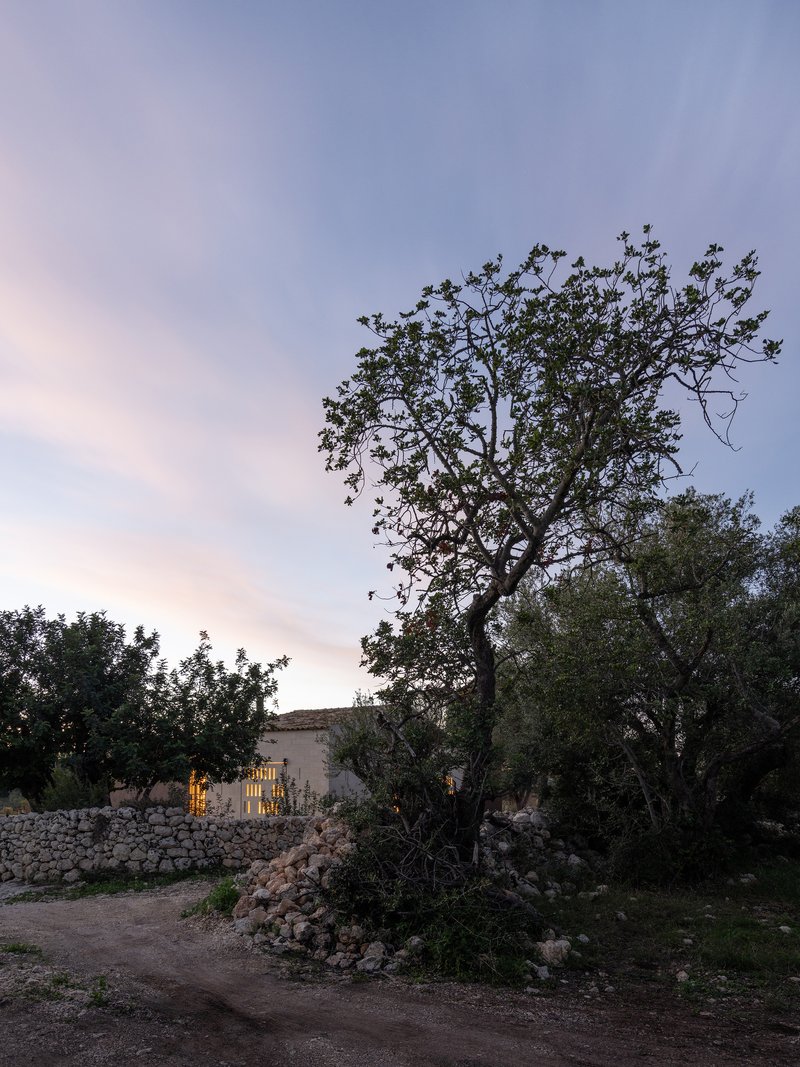
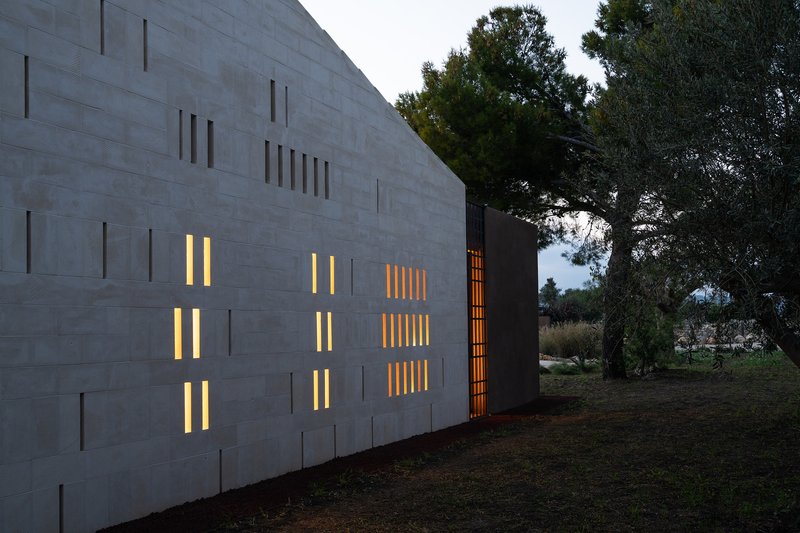
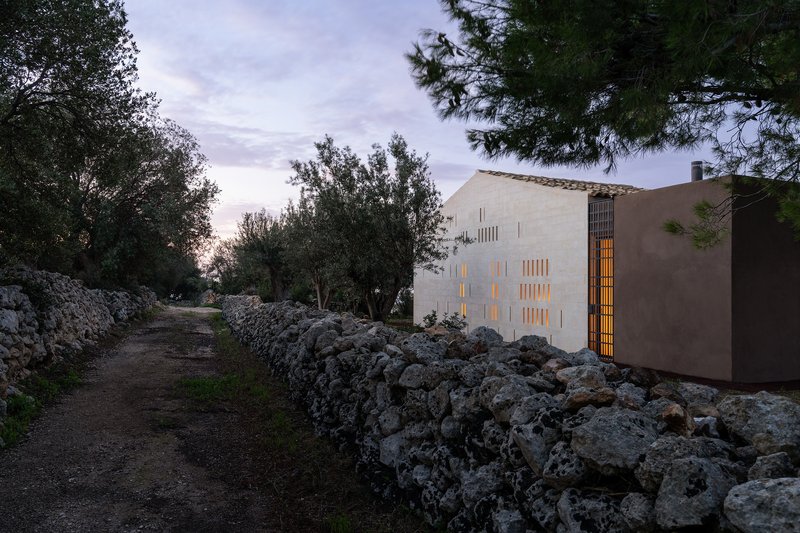
At twilight, the villa reveals a second identity. The vertical slot windows glow from within, turning the facades into lanterns that mark the building's presence among the olive trees without overwhelming them. Seen through the gnarled branches at night, Villa Modda looks less like a new building and more like something that has always been here, recently relit. The rhythmic pattern of illuminated slits across the concrete block and stone surfaces gives the building a graphic clarity that its daytime earth tones deliberately avoid.
Plans and Drawings
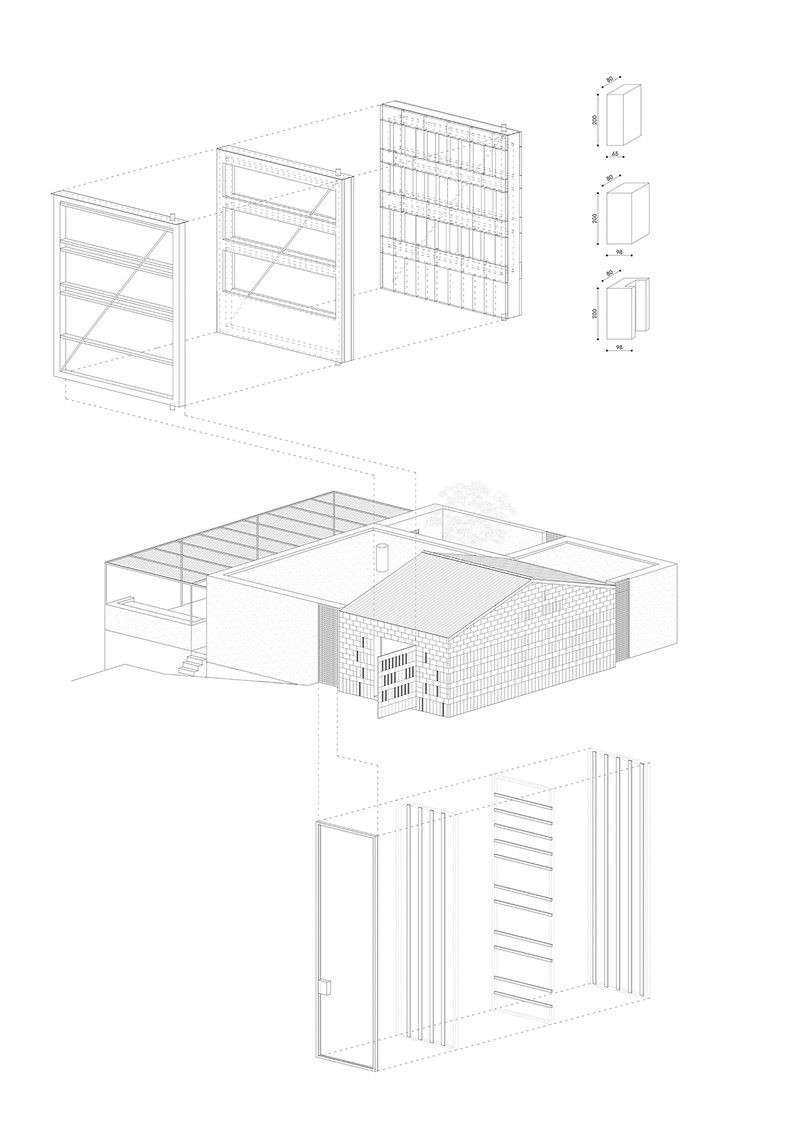
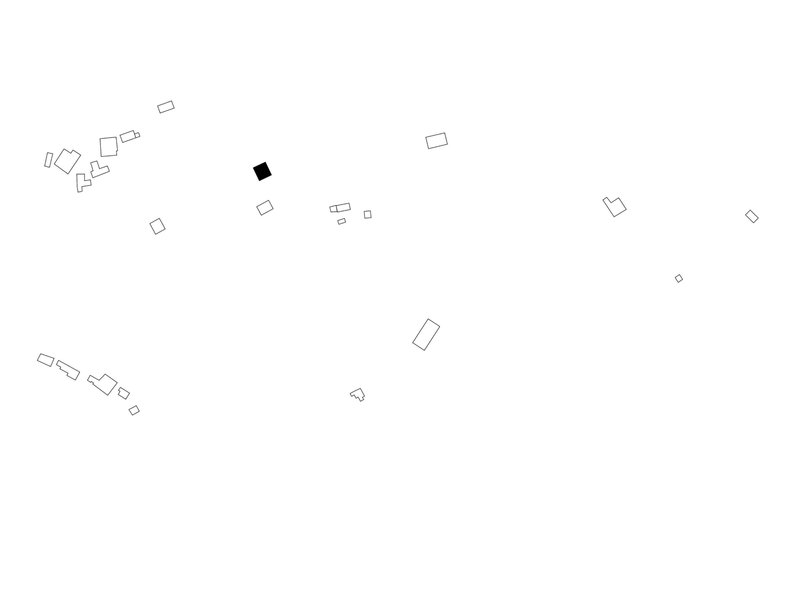
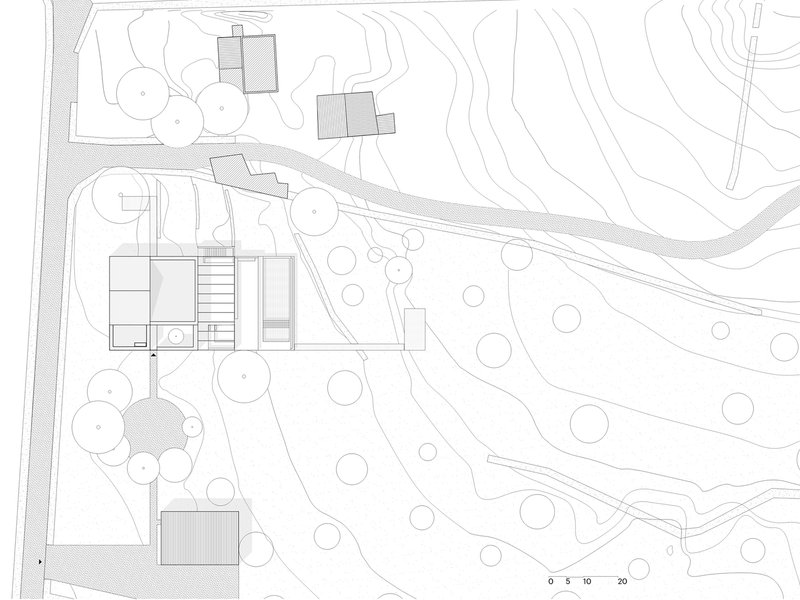
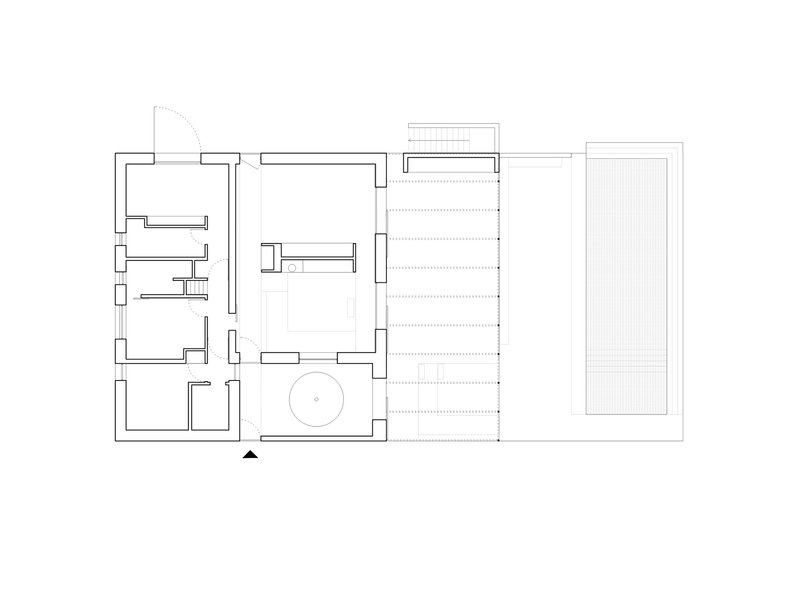
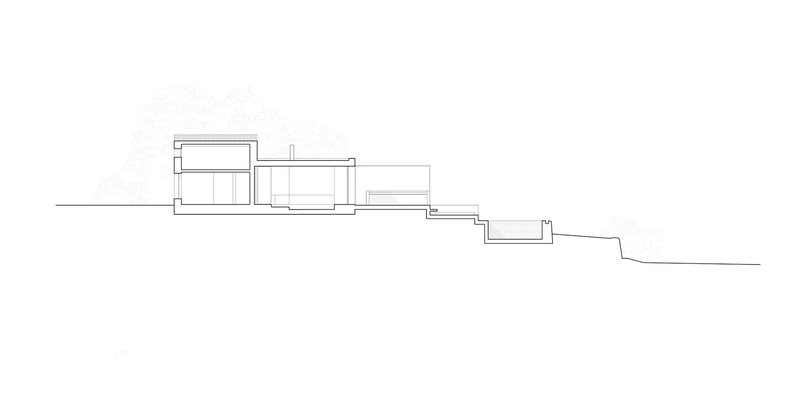
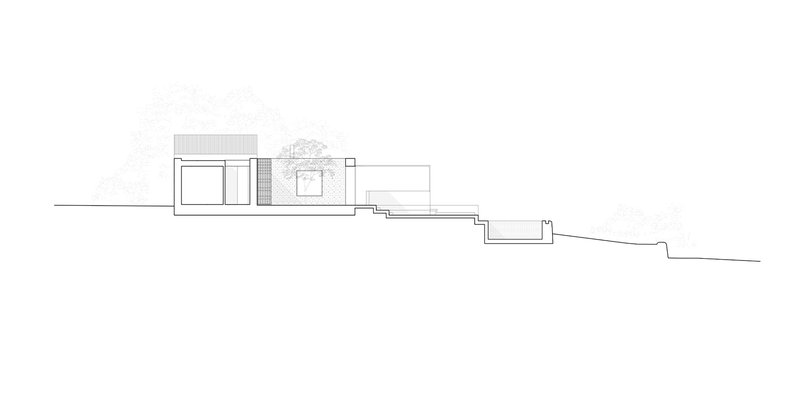
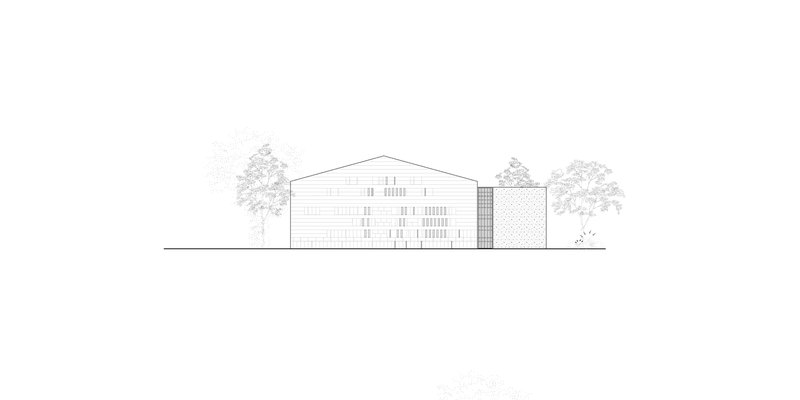
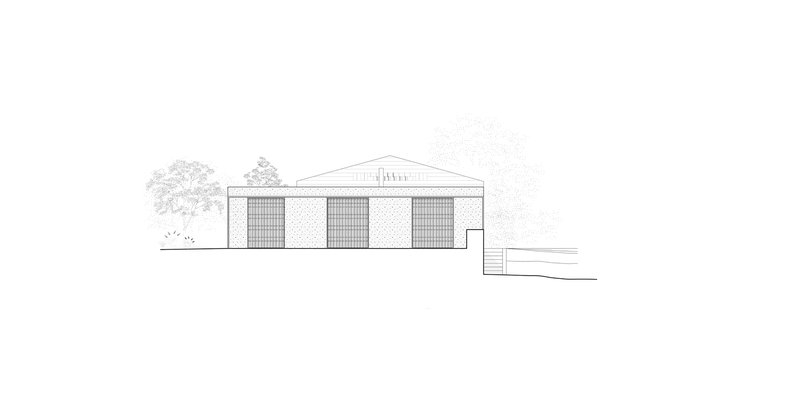
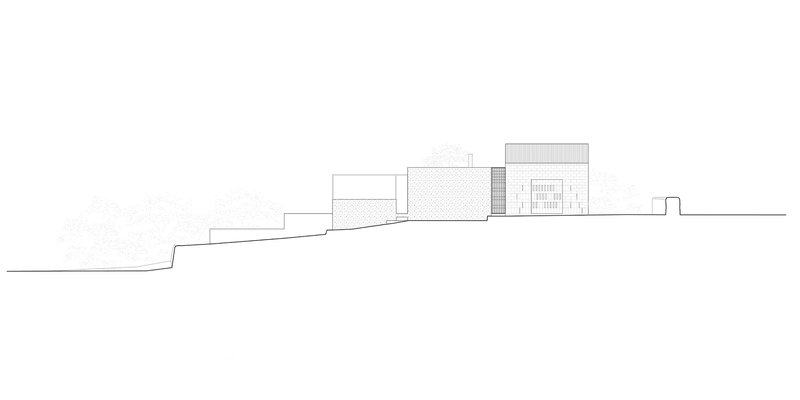
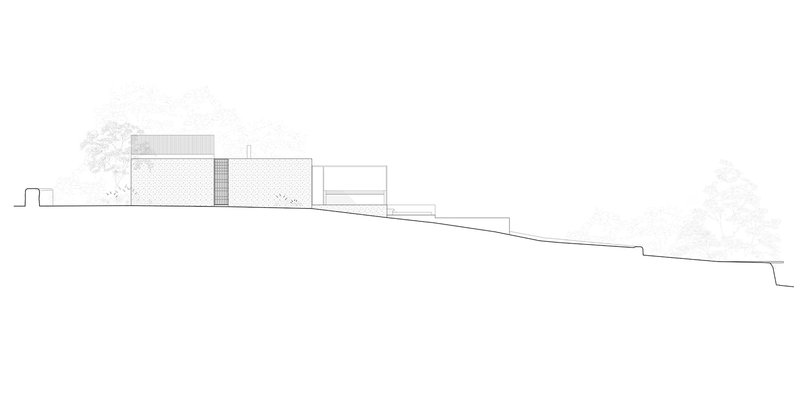
The axonometric drawing reveals the facade assembly logic most clearly: louvered panels, stone blocks, and cocciopesto surfaces are layered to create a building envelope that breathes. The site plans show the villa's volumes scattered across the terrain in a pattern that mirrors the original agricultural cluster, avoiding any suggestion of a singular, monolithic object. The sections are particularly instructive, illustrating how the stepped volumes descend along the hillside slope, each shift in level corresponding to a change in program and character. The floor plan confirms the longitudinal band organization, with the pool and timber deck extending the domestic footprint into the landscape.
Why This Project Matters
Villa Modda matters because it demonstrates that building in a sensitive landscape does not require either pastiche or provocation. By occupying the exact footprint of what came before, using materials drawn from the immediate territory, and deploying passive climate strategies rooted in centuries of local knowledge, depaolidefranceschibaldan have produced a house that is contemporary in its spatial thinking and ancient in its material instincts. The cocciopesto, the Noto stone, the iron grilles, the clay tiles: none of these are nostalgic choices. They are practical ones, tested by time and suited to this specific climate and terrain.
In an era when "sustainable" often means bolting photovoltaic panels onto an otherwise conventional building, Villa Modda offers a more fundamental proposition. Sustainability here is not a system to be added but a condition embedded in the materials, the orientation, the thickness of walls, and the decision not to build where nothing has been built before. It is a quiet project, and it is better for it.
Villa Modda by depaolidefranceschibaldan architetti, Noto, Italy. 300 m², completed 2026. Photography by Marco Cappelletti.
About the Studio
Share Your Own Work on uni.xyz
If projects like this are the kind of work you want to make, uni.xyz is a place to publish your own, find collaborators, and enter design competitions.




Popular Articles
Popular articles from the community

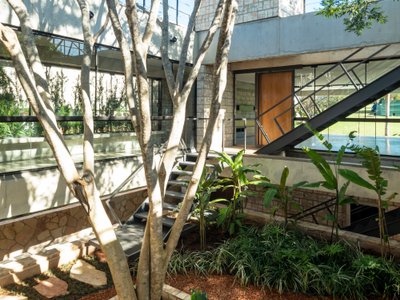
OMCM arquitectos Builds a Summer House in Paraguay from Quarry Waste Blocks and Three Sacred Trees
In the young hillside neighborhood of Altos, a 696-square-meter concrete volume hovers on six pillars around three preserved native Yvyraju trees.
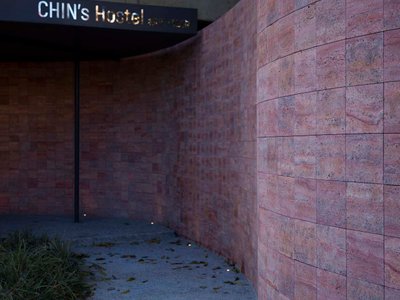
VEIVE Architects Builds a Mountain Hostel That Disappears into a Hangzhou Hillside
On the Huihang Ancient Trail in Xiangjian Village, a shelter of wood, steel, and rammed earth roots itself in the rural landscape.
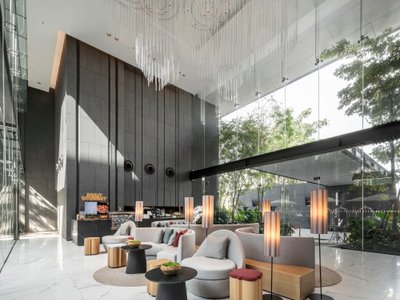
IDIN Architects Wraps a Hua Hin Hotel Around a Private Courtyard to Escape the City
Dusit D2 Hua Hin turns an urban infill site in Thailand's family vacation heartland into a self-contained resort through courtyard planning.
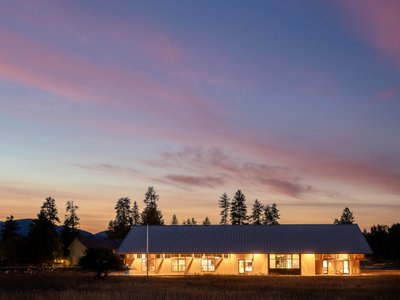
Johnston Architects Reimagines the Methow Valley Hay Barn as a Small-Town Library in Winthrop
A 7,300-square-foot timber library channels the region's agrarian vernacular to serve a rural Washington community of 400 year-round residents.

Similar Reads
You might also enjoy these articles

127af Flips a Tiny Bagnolet Rowhouse Upside Down with a Handcrafted Roof Extension
A 55-square-meter terraced house on the edge of Paris gains a luminous upper living floor through lightweight timber and steel.
1.61 Design Workshop Wraps a 600-Square-Meter Café in Vietnam in Sculptural Burgundy Drama
Reden Café & Bistro pairs a helical staircase, mosaic floors, and deep red interiors to rethink Vietnamese hospitality space.

The Unbound Brain: A School Shaped by Cognitive Architecture
Cylindrical learning pods radiate like neurons from a central cortex, turning the floor plan into a spatial model of human thought.
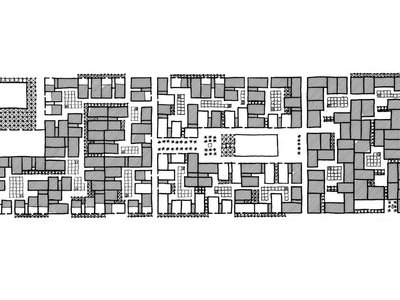
Revival Vernacular Architecture: Rammed Earth Settlements for the Sahara
A modular desert community in Mauritania that fuses passive cooling techniques with earthen construction and local craftsmanship.


Explore Residential Building Competitions
Discover active competitions in this discipline




The Global Benchmark for Architecture Dissertation Awards


Challenge to design mud housing for contemporary communities
Comments (0)
Please login or sign up to add comments
No comments yet. Be the first to comment!