

Big and Barcode Architects Unveil Amsterdam's Latest Iconic Landmark
The 'Amstel Tower' Boasts Unique Design and Cutting-Edge Features to Enhance City Skyline

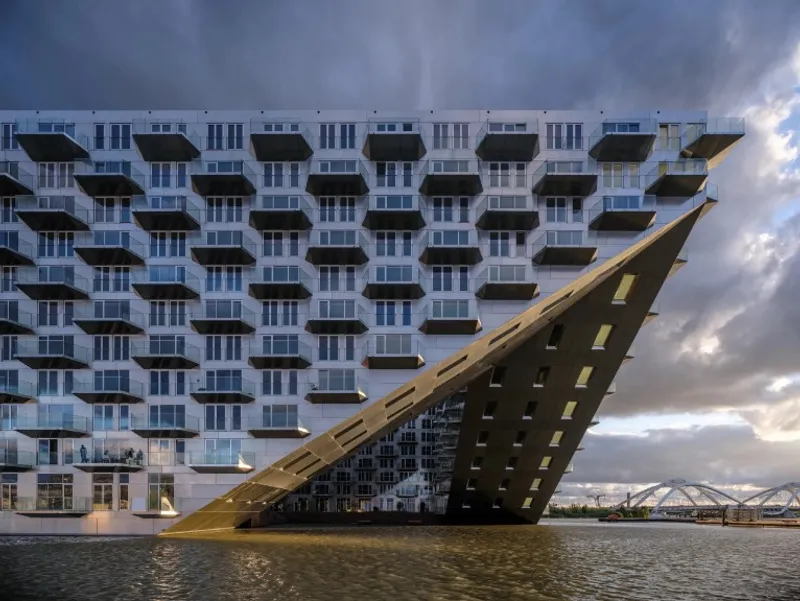
Sluishuis, a new mixed-use floating housing in Amsterdam, has been completed by BIG - Bjarke Ingels Group and Barcode Architects. The building's design references the bow of a ship and it is accessible from both land and water. It is situated between the city and the surrounding landscape and incorporates elements of both large infrastructure and small-scale urban settlements. The building has been shaped by its complex surroundings and revitalises the classical courtyard building by embracing the concept of living on the water. It appears different from every angle, with a large opening that brings water from the IJ Lake into the courtyard.
 h. © Ossip Van Duivenbode
The building also features landscaped terraces that cascade towards a neighbouring urban district, creating a natural transition between cityscape and smaller-scale, natural surroundings. A promenade with public programs winds around the building and continues into the water, forming an archipelago of islands with houseboats, a sailing school, and floating gardens. The public passage climbs the cascading terraces of the building, serving as a small rooftop street that eventually loops onto the very top of the building to create a viewing platform over the IJ Lake. The passage will not only create a destination for visitors and neighbours but will connect the residential units to each other and create a unique three-dimensional community between the residents of the building.
“Having spent my formative years as an architect in Holland at the end of the 20th century, it feels like a homecoming to now get to contribute to the architecture of the city that I have loved and admired for so long. Our Sluishuis is conceived as a city block of downtown Amsterdam floating in the IJ Lake, complete with all aspects of city life," said Bjarke Ingels, Founding Partner of BIG.
 Ph. © Ossip Van Duivenbode
The building rises from the river, opening a gigantic gate for ships to enter and dock in the port/yard. A promenade with public programs winds around the building and continues into the water, forming an archipelago of islands with houseboats, a sailing school, and floating gardens. The building also features landscaped terraces that cascade towards a neighbouring urban district, creating a natural transition between cityscape and smaller-scale, natural surroundings.
 Ph. © Ossip Van Duivenbode
“The world-famous urban environment of Amsterdam was created by the fusion of water and city. The new Sluishuis is born of the same DNA, merging water and perimeter block and expanding the possibilities for urban lifeforms around the IJ,” said Andreas Klok Pedersen, Partner at BIG.
 Ph. © Ossip Van Duivenbode
The silhouette of Sluishuis will change as one moves around the building. At one vantage point, it appears as the bow of a ship that reflects the water below; at another a vertical green community that invites visitors to engage directly with it; and finally as a true urban block with street access and city liveliness that to be enjoyed by residents, neighbours, and the rest of Amsterdam. The building's design represents a new phase in floating architecture and is a step towards developing sustainable housing solutions in the Netherlands, where the growing population has led to a shortage of available housing.
Courtesy of BIG and Barcode Architects

Popular Articles
Popular articles from the community


Extended Shell: Retrofitting Kolkata's Balconies as Living Urban Thresholds
A modular retrofit system recovers the social and environmental intelligence of Kolkata's historic verandas for contemporary Park Street residents.

Cloaked Colonization: A Mobile Underwater Habitat That Moves Like a Fish
Micah Abaya's shortlisted EHC Pacific entry reimagines ocean settlement as a dispersed network of self-sustaining architectural organisms.

Tsunami Convergenics: Turning Catastrophic Ocean Forces into Underwater Housing Infrastructure
A speculative underwater settlement off the coast of Onagawa, Japan, treats tsunamis and typhoons as energy sources rather than threats.

Singing Woman: An Opera House That Performs Before the Curtain Rises
Ovidiu Cristian Pavel's conceptual opera house translates Estonia's choral identity into a sculpted waterfront landmark facing the Baltic Sea.

Similar Reads
You might also enjoy these articles
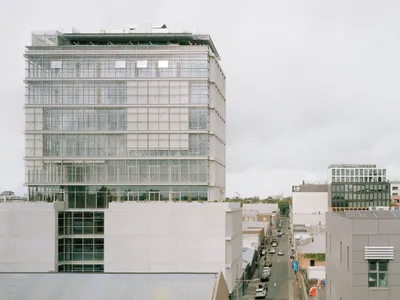
116 Rokeby Building, Collingwood
Sustainable Collingwood office building featuring double-skin façade, natural ventilation, rooftop amenities, and carbon-neutral design focused on wellbeing and longevity.
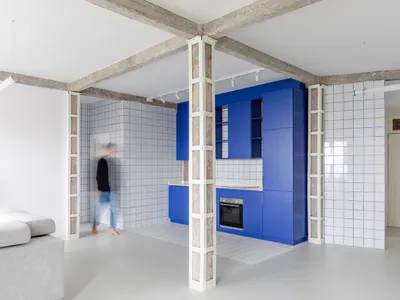
Contemporary Apartment Renovation in Spain: RV House by BIAN Opens Up to the Sea
A minimalist 1930s apartment in Santander is transformed into a flexible, sea-facing home through contemporary Spanish renovation.
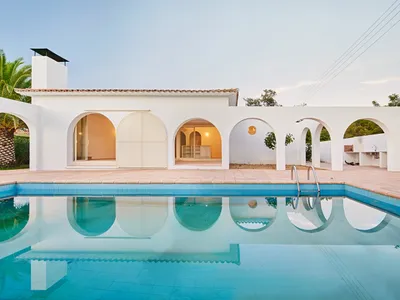
3 Marías House: A Contemporary Mediterranean Courtyard Retreat by Bajet Giramé + Burckhardt
Mediterranean courtyard home blending traditional architecture with modern design, terracotta flooring, flexible interiors, sustainable climate strategies, and garden integration.
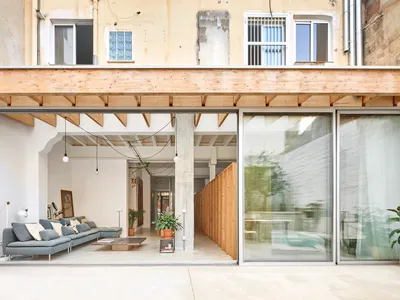
NZ10 Apartment by auba studio: Adaptive Reuse in Palma de Mallorca
Adaptive reuse apartment transforms bakery into light-filled home with patios, privacy layers, and wood interiors enhancing urban living experience.

Explore Iconic Building Competitions
Discover active competitions in this discipline


Challenge to reimagine the Iron Throne

Photograph architecture without architects

Illustrate the lost glory of Angkor Wat - Render Challenge

Design challenge to reuse E-waste
Comments (0)
Please login or sign up to add comments
No comments yet. Be the first to comment!