

Charting New Territories
Proposing new habitats in ‘extreme’ areas


“We are producing urban places which are disjointed and disconnected and not worthy of our civilization” — Israeli architect Moshe Safdie, at the World Architecture Festival.
Context
Our lives today are dictated by our fast-spun surroundings. Thousands of people throng urban metropolitan cities, hoping to get in on the promise of a better lifestyle in all spheres of life. The other side of this coin, however, is overpopulation in small concentrated areas which is leading to the destruction of land and resources. The current state of the natural sphere is well-documented, and it is clear that the way forward has to be different from the path we are on right now.
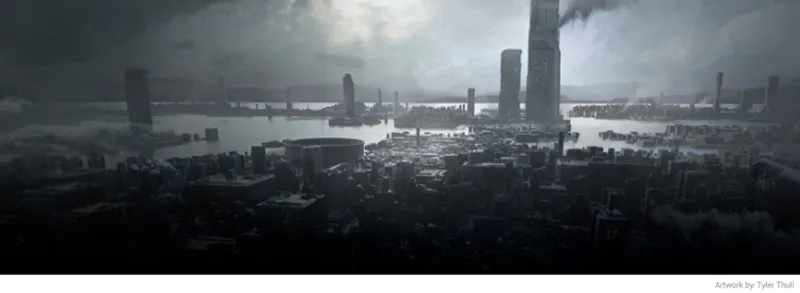
History of Civilization
The quest for complete modernization has been underway since the first permanent civilization was set up. Our ancestors used materials available to them, using nature to fashion tools for surviving. The better part of historic civilizations is that they lived alongside nature, instead of overpowering it. Today’s scenario is pretty much the opposite of it. Now when we talk about sustainable living, we reference the way our ancestors lived. But today, we have at our disposal, great advancements in technology that have revolutionized the way we live. The future promises more inventions in terms of mobility, communication, and infrastructure. Cities are closer than they have ever been, and instead of looking at the cons of today’s society, we can find a complete solution in learning from the past, observing the present, and charting the future. The way forward has to be a combination of advanced technologies and natural techniques and traditions, to be incorporated seamlessly into our habitats.
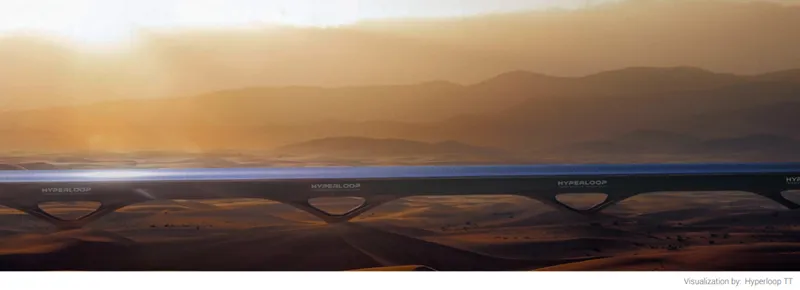
The present scenario of the civilization
The increasingly fast development of infrastructure and mobility is causing urbanization to expand to areas earlier unexplored and untouched by modern technologies; areas that still have their historic culture and heritage preserved. What if we considered a clean slate — an area devoid of rich history, yet with great potential for future settlements? Keeping in mind the blend of nature and technology in our day-to-day lives, we can completely revolutionize the way cities are planned and grow. The colony will belong to the future, considering the technology of today and built for the specific environment. The ideas are limitless—there is no end to revolutionizing a new habitat, being designed from scratch. Transport innovations, like the HyperLoop (the fastest mode of land-bound transit), can make the idea of new cities belonging to otherwise barren lands a physical reality, in that the transport and communication network stays alive throughout the world.

Conclusion:
The Extreme Habitat Challenge focuses on awareness in design, incorporating the past, present, and future wisdom, while not compensating on the Live-Work-Play dialect of the modern human civilization. The challenge aims to think out of the box — to accommodate growing populations in the space available to us, without stamping deep footprints on nature.
It is time to use our knowledge and technologies to chart a new structure for future development.
It is time to become citizens of the world.
To apply, visit Extreme Habitat Challenge


Popular Articles
Popular articles from the community


AL-JANNAH: Sustainable Architecture and Permaculture for Afghan Widows
AL-JANNAH uses sustainable architecture and permaculture to create resilient oasis of housing, learning, work and renewal for Afghan widows.

Co-life: Sustainable Architecture for Age-Friendly Community Living
Co-life reimagines sustainable architecture for seniors through courtyards, rammed earth, shared gardens, and spaces designed for belonging.
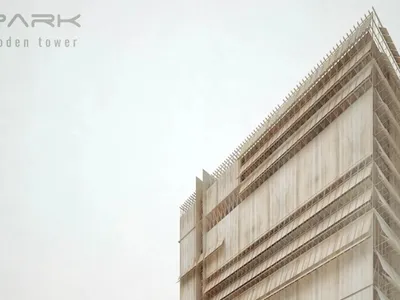
EW PARK: Sustainable Architecture Reimagines the Future of Urban Parking
EW PARK reimagines city parking as a modular wooden tower combining automation, solar energy, electric mobility, and adaptable urban design.

Co-Life: Senior Housing Design That Reconnects Older Adults With the City
Co-Life reimagines senior housing design through healing gardens, shared streets, workshops, and a sustainable community across generations.

Similar Reads
You might also enjoy these articles
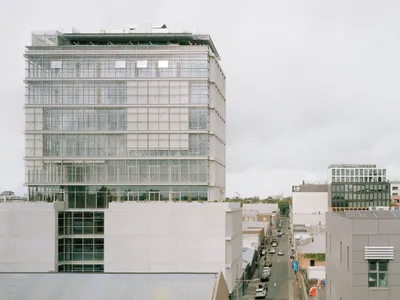
116 Rokeby Building, Collingwood
Sustainable Collingwood office building featuring double-skin façade, natural ventilation, rooftop amenities, and carbon-neutral design focused on wellbeing and longevity.
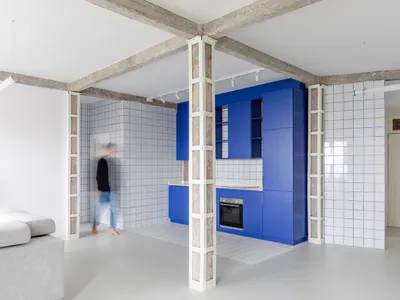
Contemporary Apartment Renovation in Spain: RV House by BIAN Opens Up to the Sea
A minimalist 1930s apartment in Santander is transformed into a flexible, sea-facing home through contemporary Spanish renovation.
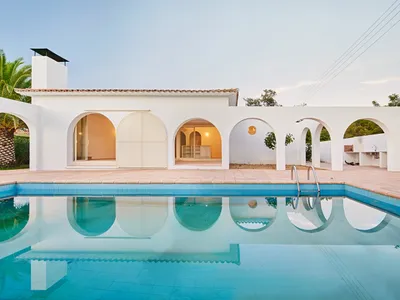
3 Marías House: A Contemporary Mediterranean Courtyard Retreat by Bajet Giramé + Burckhardt
Mediterranean courtyard home blending traditional architecture with modern design, terracotta flooring, flexible interiors, sustainable climate strategies, and garden integration.
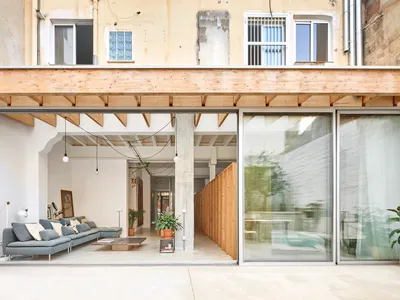
NZ10 Apartment by auba studio: Adaptive Reuse in Palma de Mallorca
Adaptive reuse apartment transforms bakery into light-filled home with patios, privacy layers, and wood interiors enhancing urban living experience.


Comments (0)
Please login or sign up to add comments
No comments yet. Be the first to comment!