

Cliffside House Design: CAPO Residence by Atelier Carle in Quebec
An architectural exploration of cliffside house design through CAPO Residence by Atelier Carle, blending movement, landscape, and sustainable construction in Quebec.


Cliffside house design has always been one of the most fascinating approaches in contemporary residential architecture. The CAPO Residence by Atelier Carle, located near Baie-Saint-Paul in Quebec’s Charlevoix region, exemplifies how architecture can engage with a perilous natural site while creating a dwelling that is both sustainable and deeply connected to the landscape. This house is not just a residence—it is a study of movement, perception, and cultural anchoring within a challenging cliffside environment.

A Residence Built on the Edge
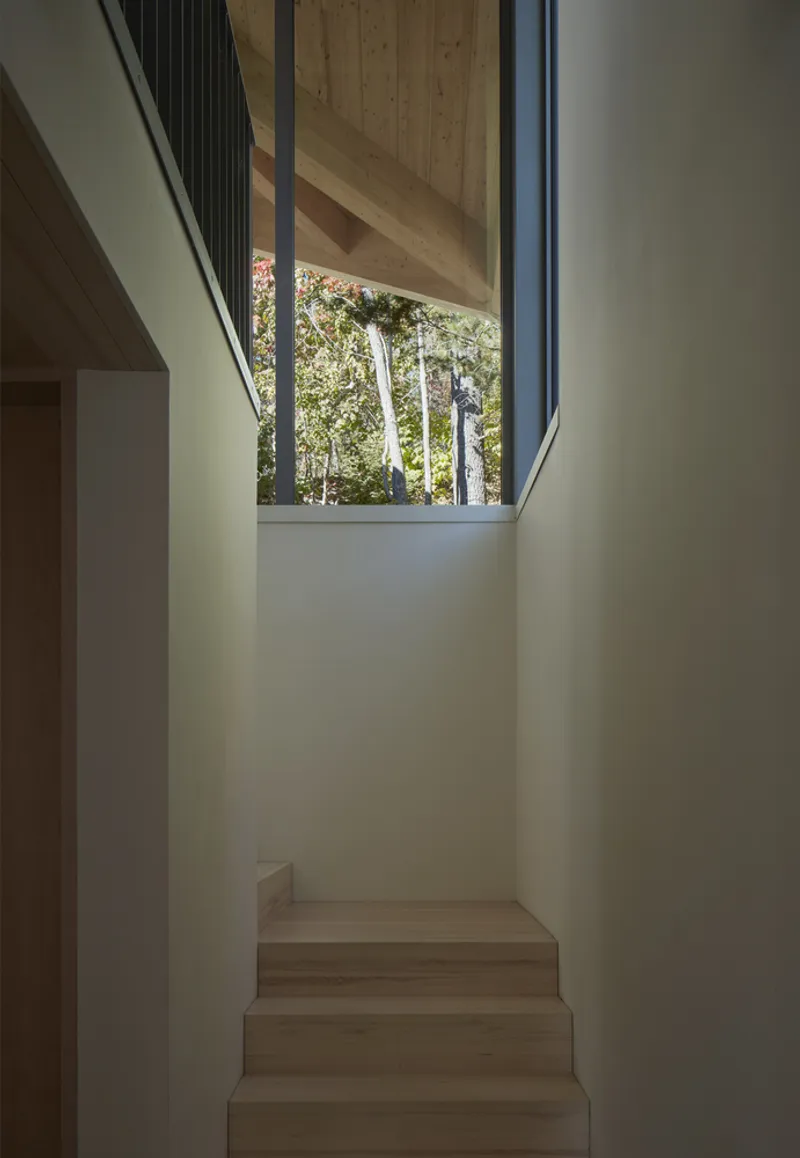
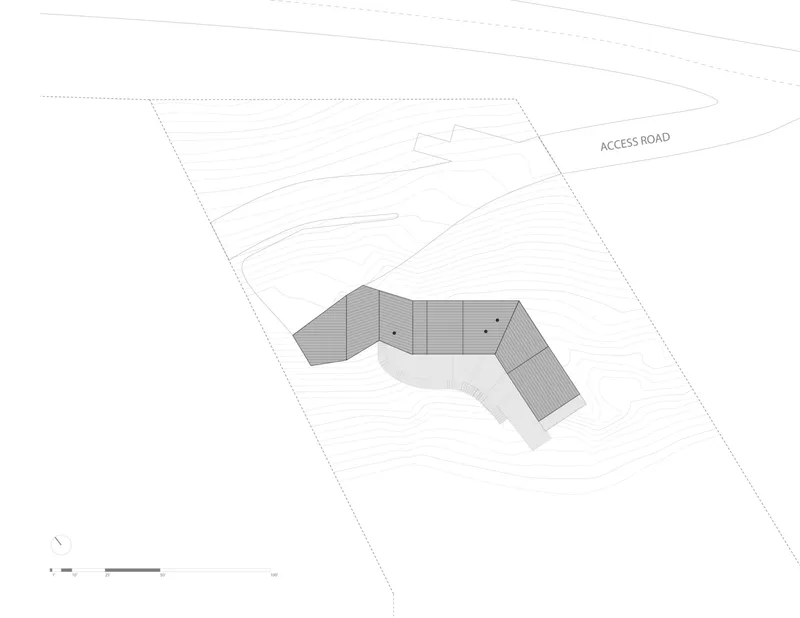
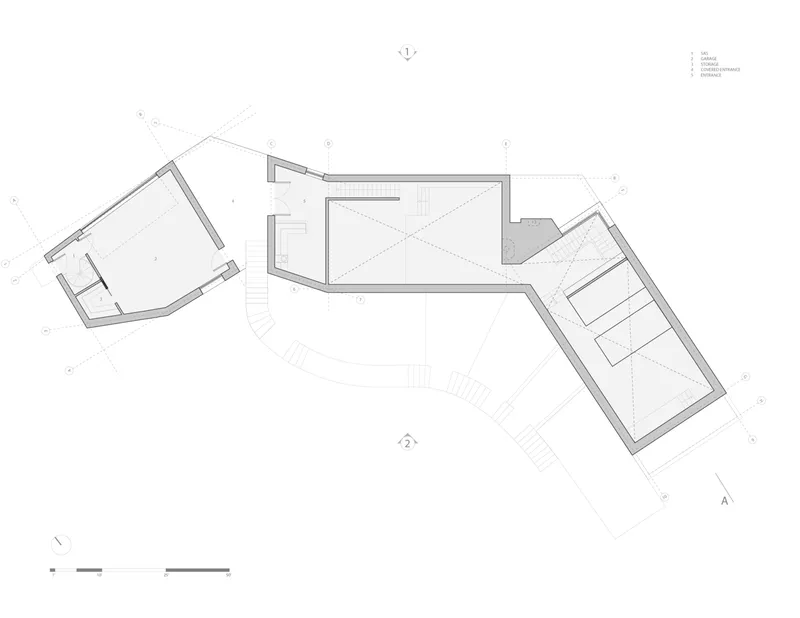
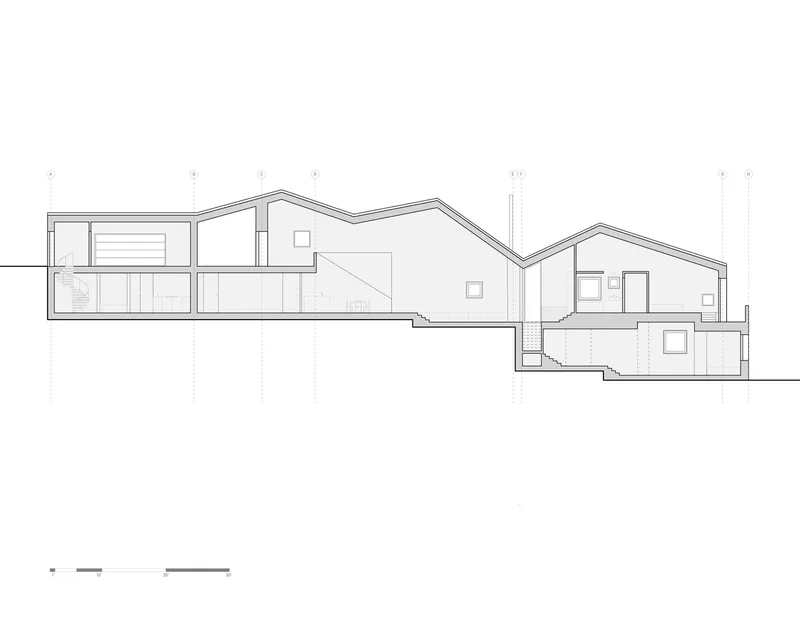
The CAPO Residence sits on a dramatic rocky cliff that is steep, unstable, and seemingly unsuitable for habitation. Rather than avoiding these natural constraints, Atelier Carle embraced them, turning the site’s oblique slope into the guiding principle of the design. The house is not a static arrangement of rooms but rather a sequence of pathways and stairs that guide occupants through a spatial journey. This approach echoes the ideas of Claude Parent’s “Condition Oblique,” where architecture emerges from the body’s movement through space.

Movement and Perception as Design Principles
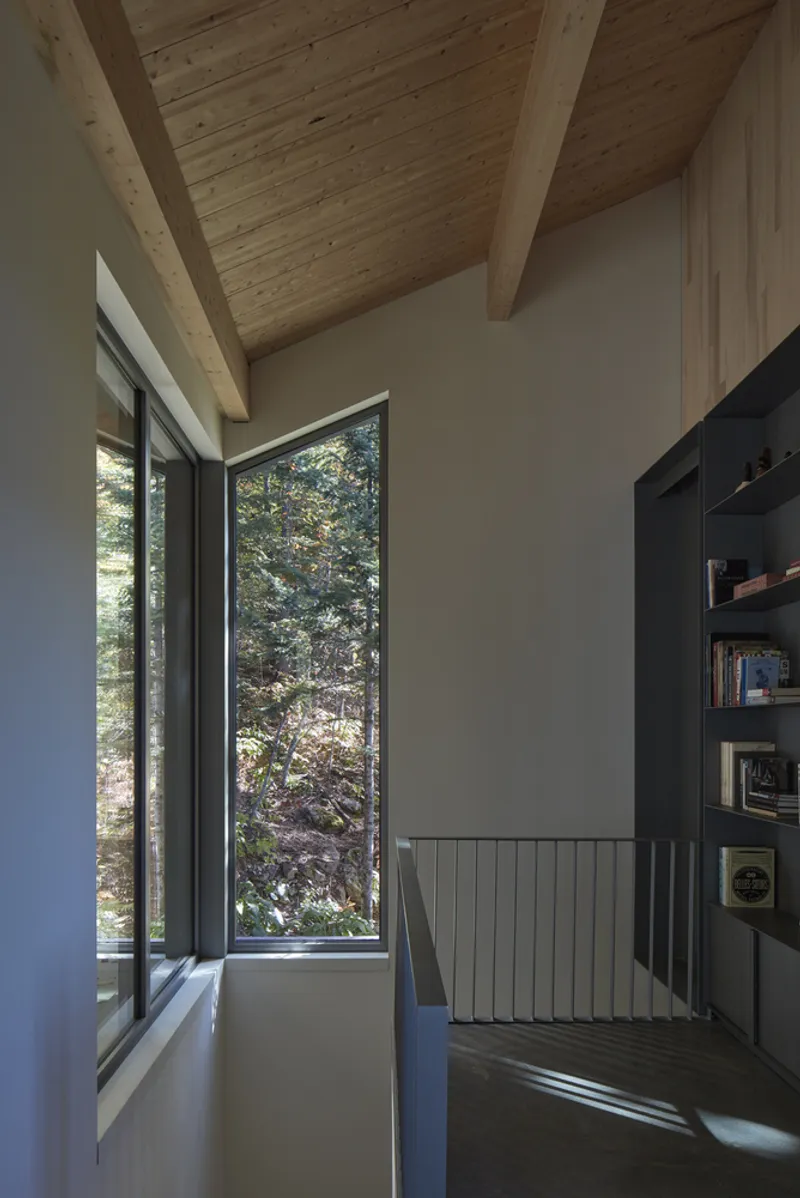
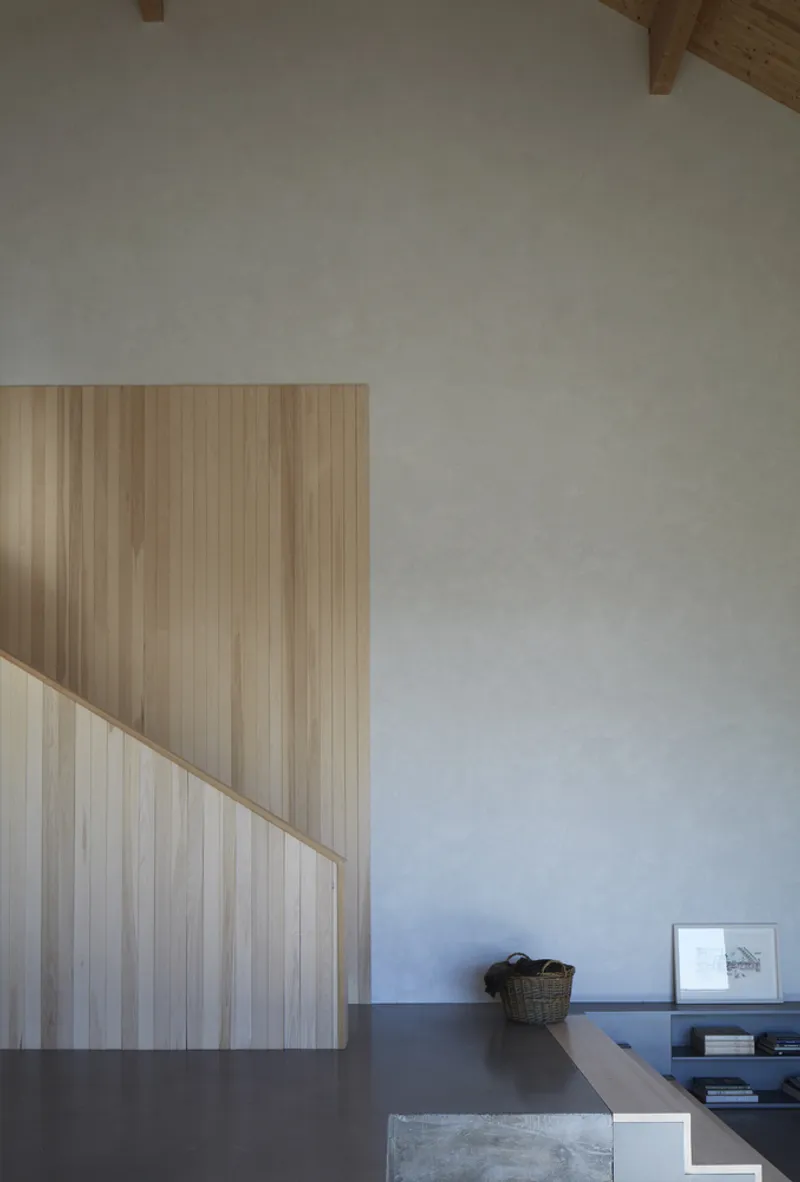
Unlike traditional residential planning that prioritizes programmatic layouts, this cliffside house design prioritizes circulation and movement. Staircases of varying amplitude connect interior and exterior spaces, offering shifting perspectives of the surrounding cliffs, the St. Lawrence River, and the century-old pines. The constant transition between levels makes the house a living extension of the landscape, emphasizing the sensorial relationship between occupants and environment.
Integration with the Natural Landscape
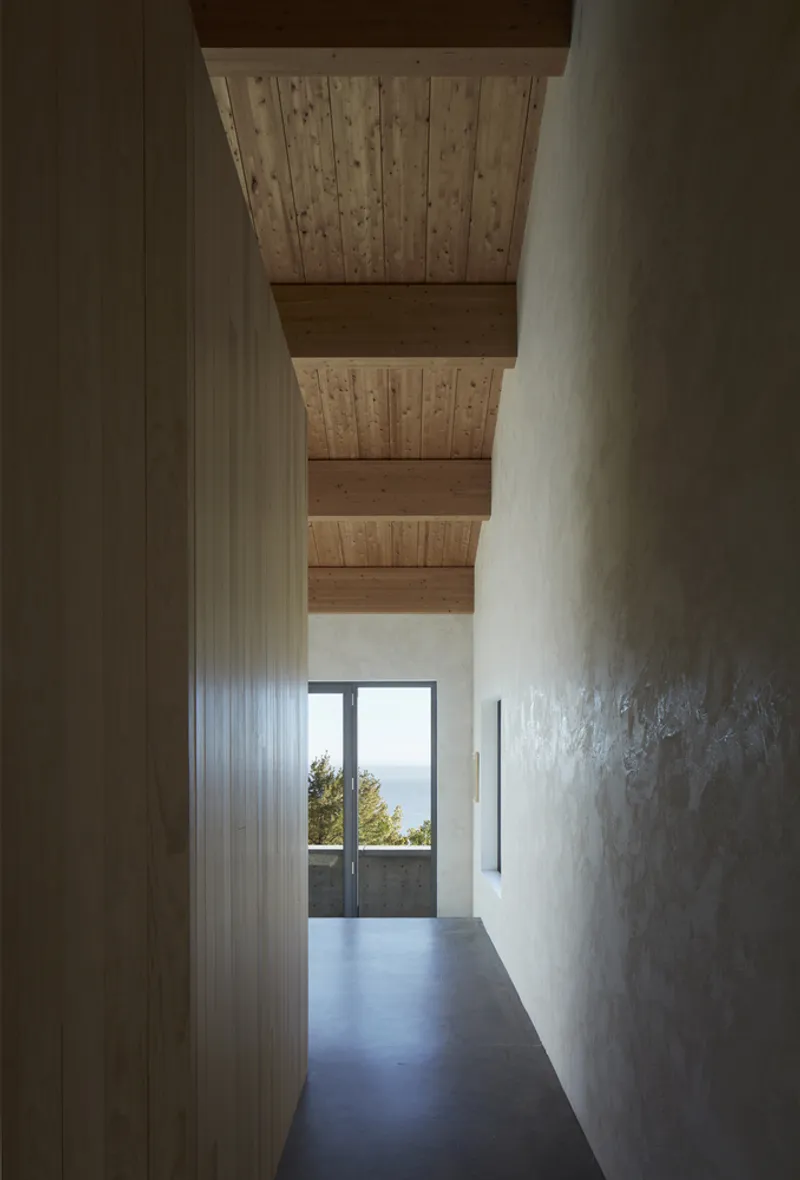
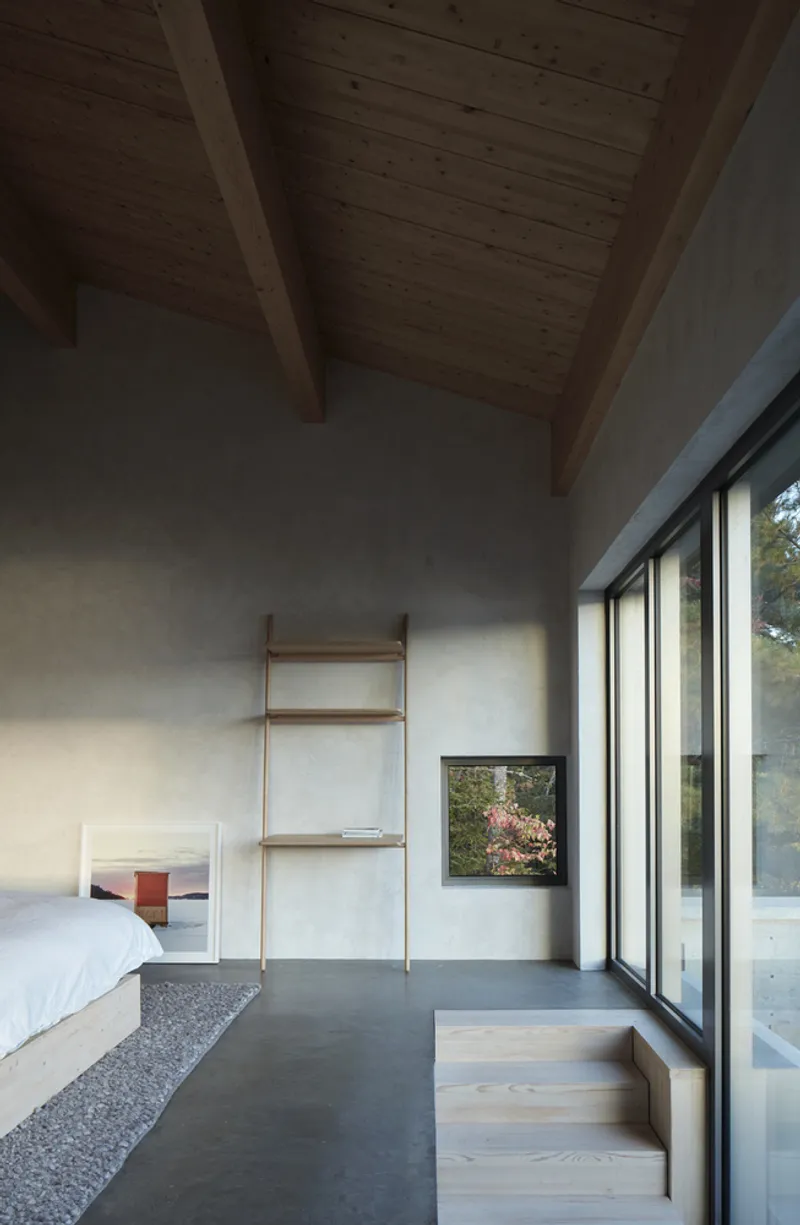
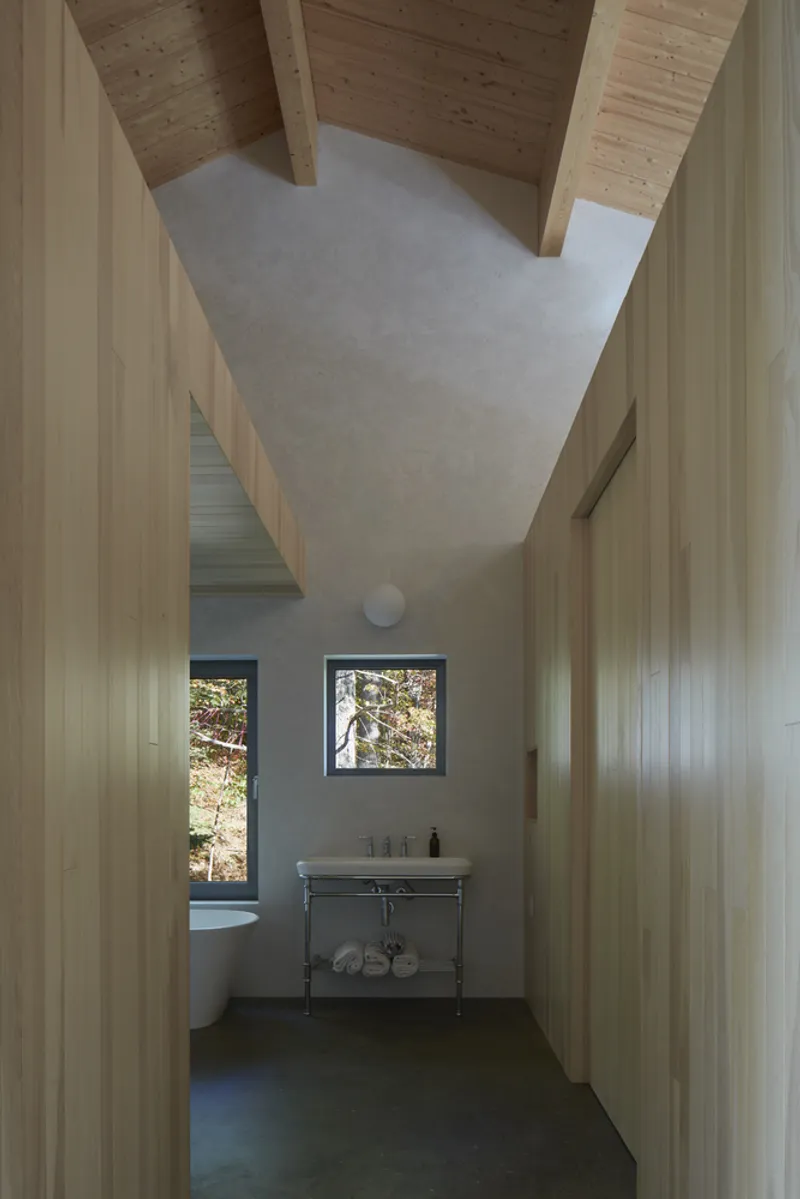
One of the most remarkable aspects of the CAPO Residence is how it respects and amplifies its site. No trees were cut to accommodate the building, and the construction method relied on insulating formworks and successive pours that minimized disruption. Stone masonry was chosen to root the house into the rocky terrain, creating an architectural expression that feels both rustic and timeless. From panoramic terraces overlooking the river to intimate outdoor landings nestled in the cliff, the design maintains an active dialogue with its surroundings.

Sustainable and Sensitive Construction
Sustainability in this project does not come from flashy technologies but from sensitivity to place. The residence was self-built slowly by its owners, allowing flexibility in design and integration with lifestyle. By emphasizing the natural qualities of the site and preserving its rugged beauty, Atelier Carle ensured that the house contributes to sustainable development through cultural and environmental awareness.
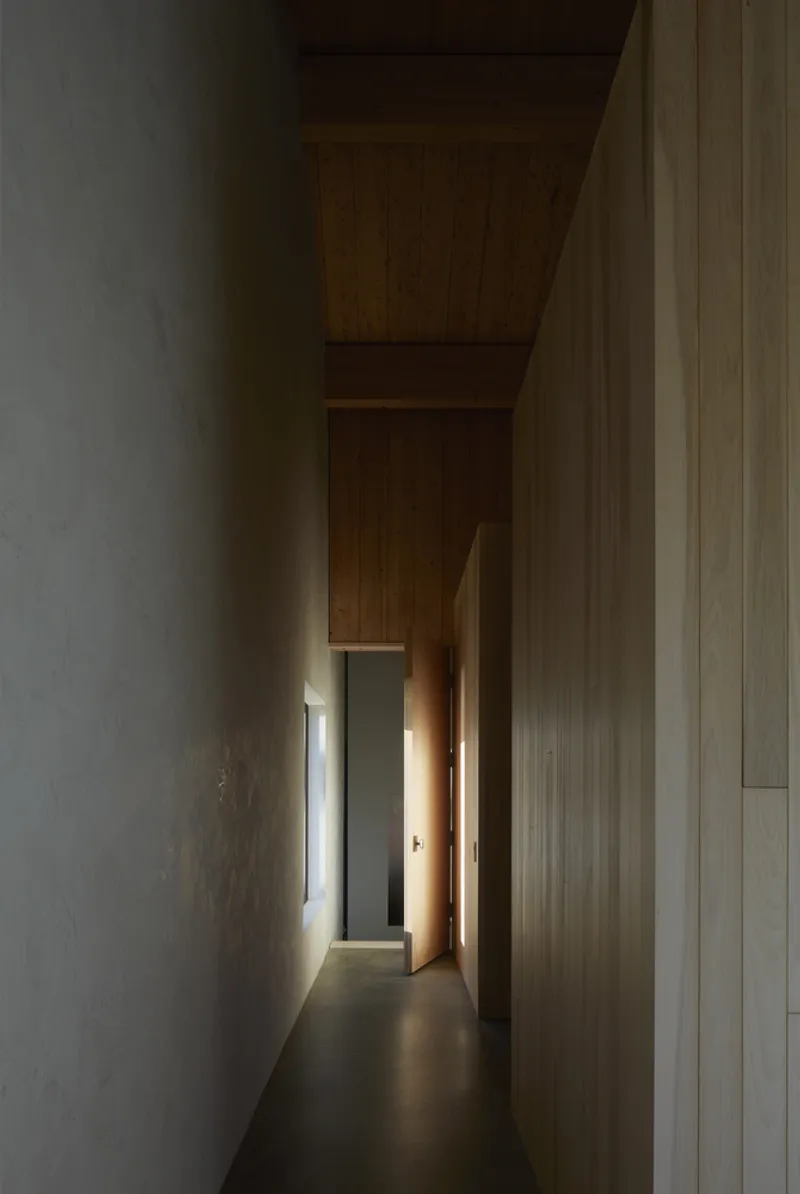
A Contemporary Cliffside House for Modern Living
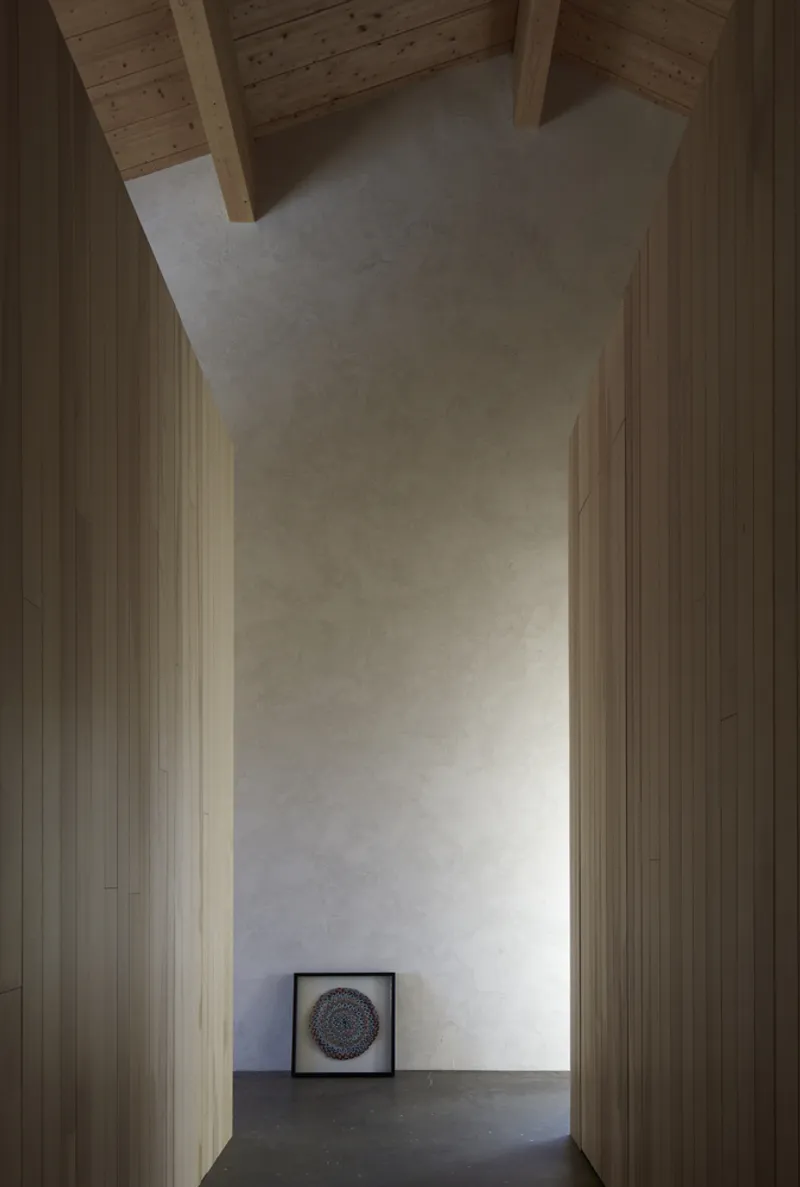
Ultimately, the CAPO Residence challenges conventional ideas of domestic architecture. It transforms the difficult terrain of a cliff into an architectural asset, creating a home that privileges movement, perception, and cultural anchoring. This cliffside house design is not just about panoramic views; it is about living within the landscape, moving through it, and engaging with its complexity in a meaningful and poetic way.


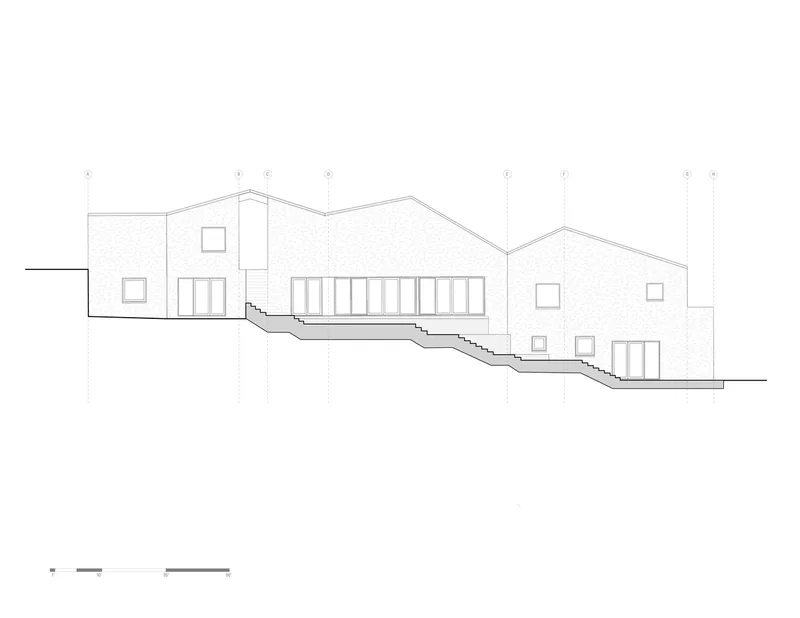

All Photographs are works of James Brittain




Popular Articles
Popular articles from the community


Co-life: Sustainable Architecture for Age-Friendly Community Living
Co-life reimagines sustainable architecture for seniors through courtyards, rammed earth, shared gardens, and spaces designed for belonging.

EW PARK: Sustainable Architecture Reimagines the Future of Urban Parking
EW PARK reimagines city parking as a modular wooden tower combining automation, solar energy, electric mobility, and adaptable urban design.

Riyadh For All: Intergenerational Urban Design for Active Aging in Rabat
Riyadh For All reimagines urban design in Rabat with intergenerational co-living, adaptive courtyards, and Moroccan cultural exchange today.

The Ocean Hive: Sustainable Architecture for a Self-Sufficient Civilization at Sea
The Ocean Hive imagines sustainable architecture at sea, where modular habitats, algae, wave power and ocean waste sustain a growing colony.


Similar Reads
You might also enjoy these articles

FAMM Arquitectura Organizes Ten Villas Around Courtyards and Jungle in Nosara, Costa Rica
El Molino pairs two elongated volumes with deep overhangs and timber louvers to build a compact coastal community five minutes from the beach.
Oscar Niemeyer's Ibirapuera Park Pavilions Define São Paulo's Cultural Identity in Concrete and Curve
A constellation of modernist volumes set within São Paulo's most important urban park, conceived for the city's 400th anniversary in 1954.
How Henri Picq's 1889 Paris Pavilion Traveled 11,000 Kilometers to Become Santiago's Artequín Museum
A prefabricated iron and glass pavilion built for the Paris Universal Exposition found a second life as a children's art museum in Chile.
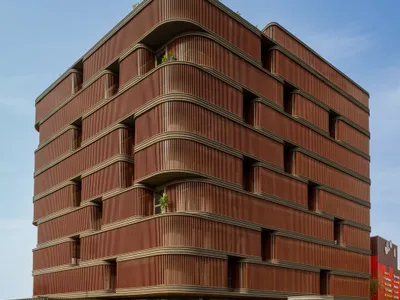
Sanjay Puri Architects Wraps a Jaipur Office Tower in Capsule-Shaped Green Buffers
A nine-level climate-responsive workplace near Jaipur Airport uses stacked planter terraces and aluminium screens to fight 40°C heat.

Explore Architecture Competitions
Discover active competitions in this discipline



Challenge to reimagine the Iron Throne


Photograph architecture without architects


Illustrate the lost glory of Angkor Wat - Render Challenge


Design challenge to reuse E-waste
Comments (0)
Please login or sign up to add comments
No comments yet. Be the first to comment!