

Contemporary Home Design in Isfahan: A Closer Look at House No.10 by USE Studio
Explore House No.10 in Isfahan: a beacon of contemporary home design blending modernity with traditional elements in a historic setting.


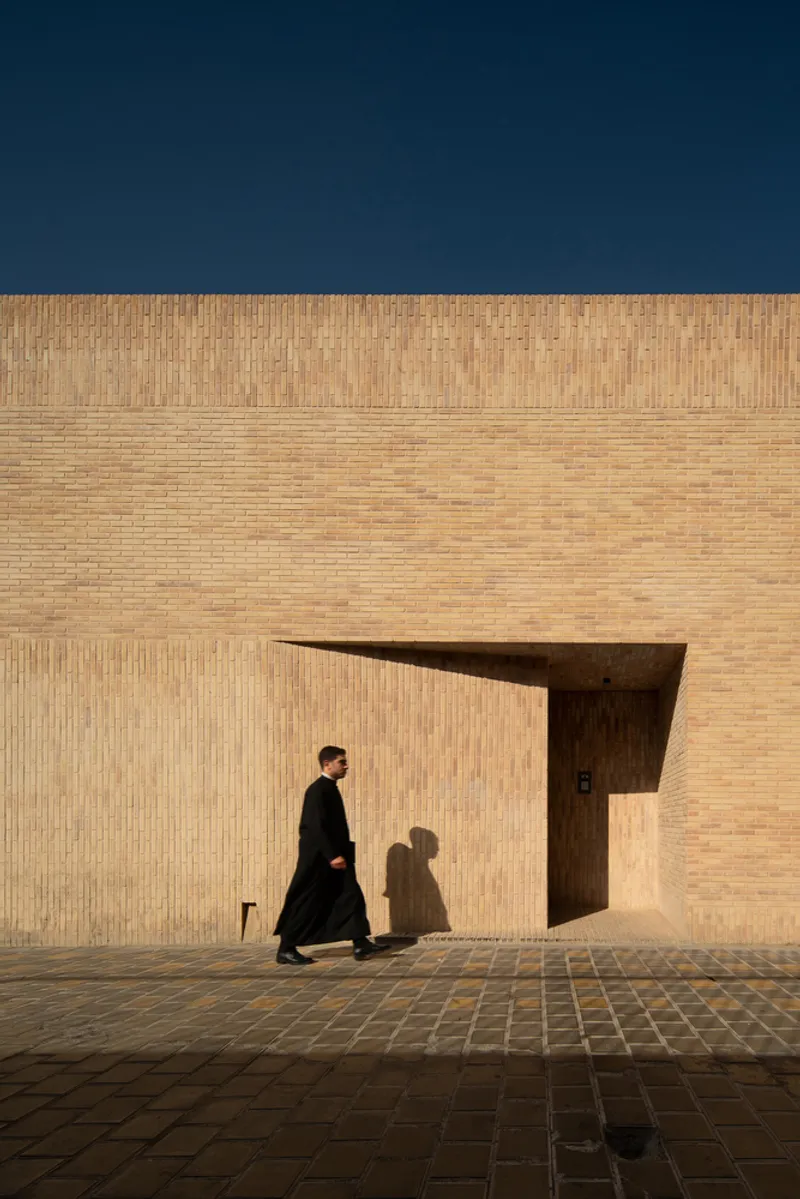
Isfahan, a city renowned for its rich history and stunning architecture, is now witnessing an intriguing evolution in residential design. "House No.10", a project by USE Studio, perfectly exemplifies this shift towards contemporary home design in Isfahan. Nestled in the historic Jolfa neighborhood, this home not only serves as a residence but also as a statement of cultural and architectural progress.
The Evolution of Home Design in Isfahan
Historical Context
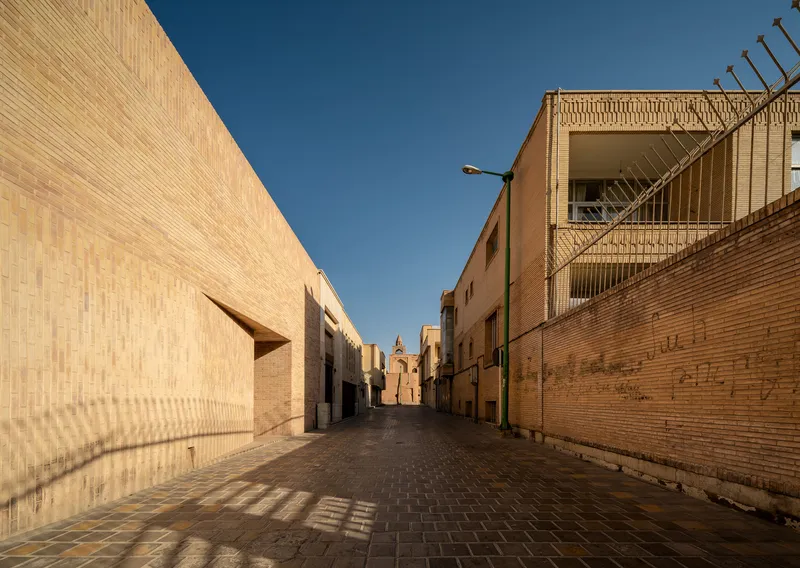
Isfahan has been a canvas for architectural innovation for centuries. The city’s urban fabric has seen significant transformations, particularly in the residential sector. The shift from traditional to contemporary home designs began in the 1950s, spurred by increasing urban populations and shifts in economic policies. The Jolfa neighborhood, historically significant for its Armenian heritage and proximity to landmarks like Vank Cathedral, provides a unique backdrop for exploring these changes.
Modern Influences
In recent decades, the concept of "home" has evolved from a mere physical space to a multifaceted entity encompassing identity, culture, and interaction with the environment. "House No.10" addresses these contemporary issues by offering a design that is both modern and responsive to the needs of its residents.
Architectural Features of House No.10
Design Philosophy
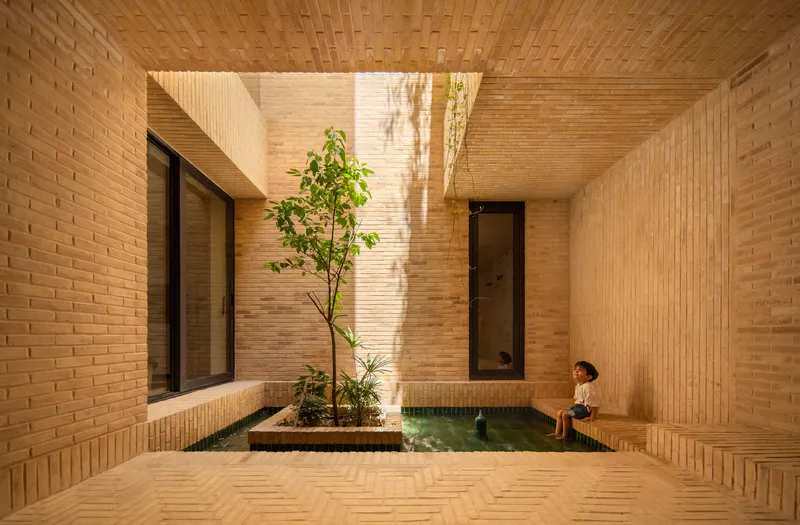
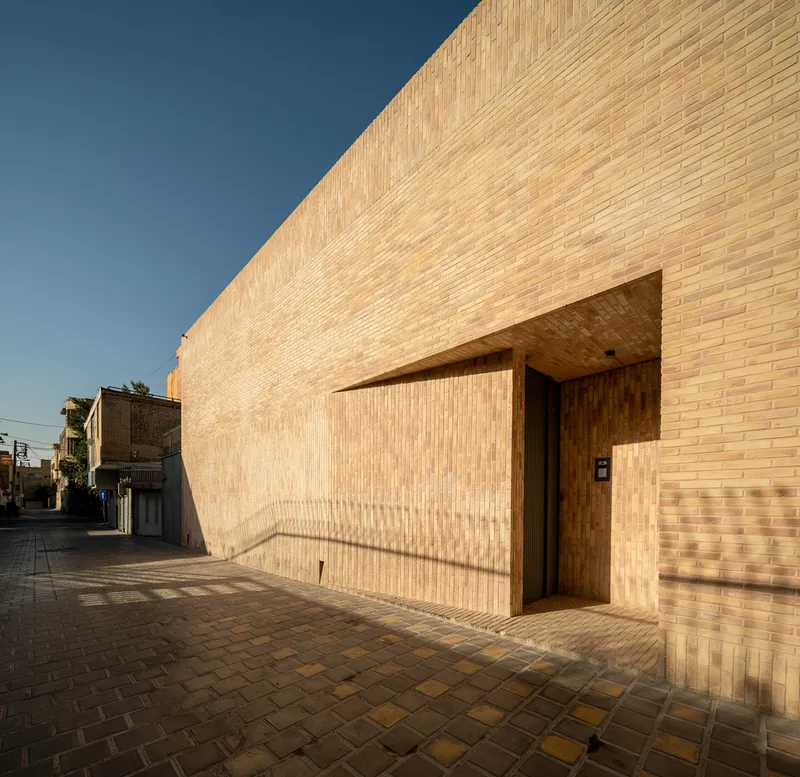
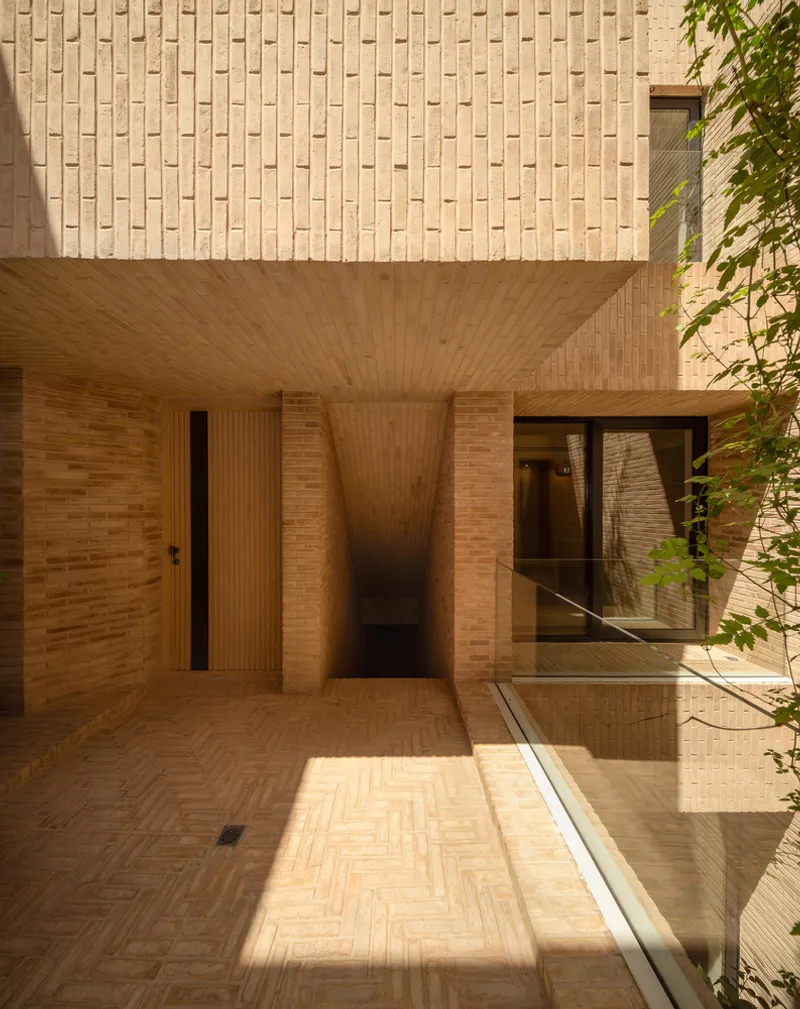
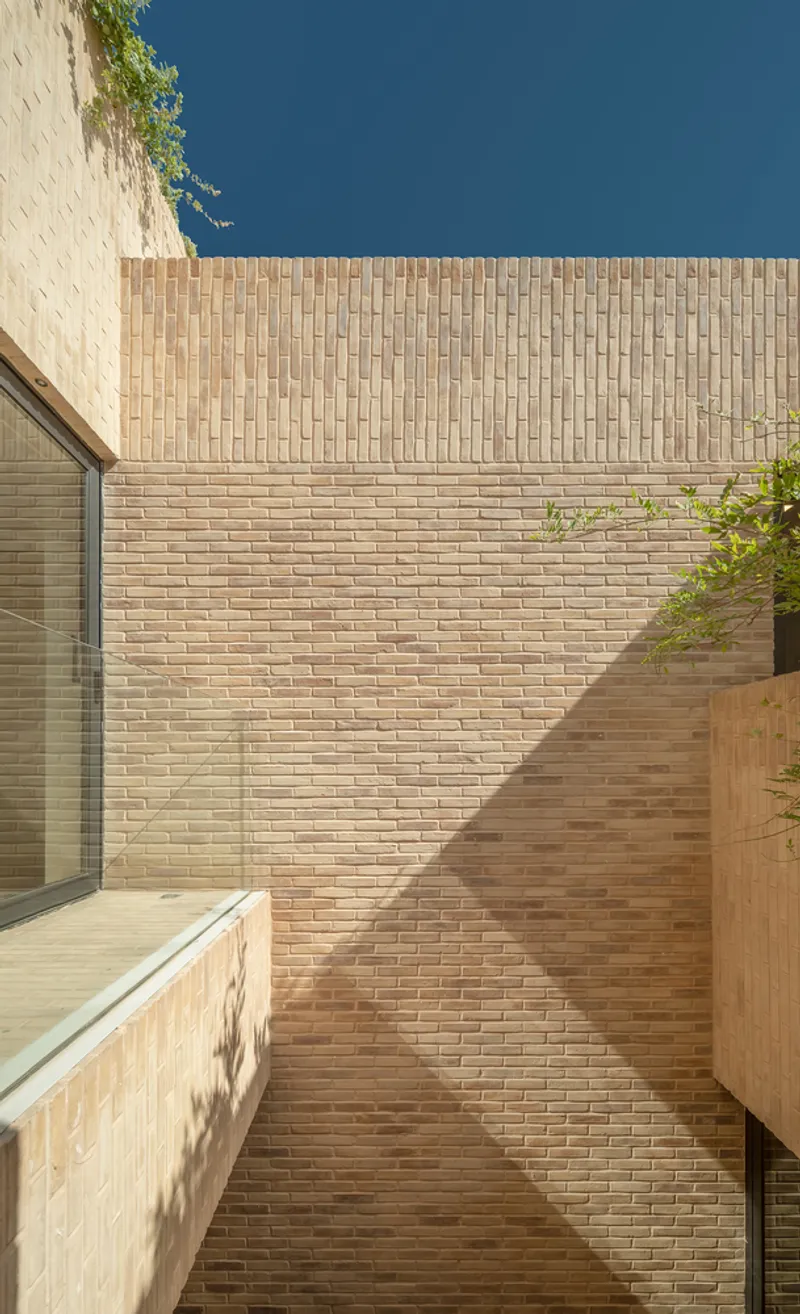
The architecture of "House No.10" by USE Studio is a testament to modern design principles intertwined with traditional Isfahani elements. The use of local brickwork and modern construction techniques creates a facade that is both innovative and respectful of its historical context.

Interior Design
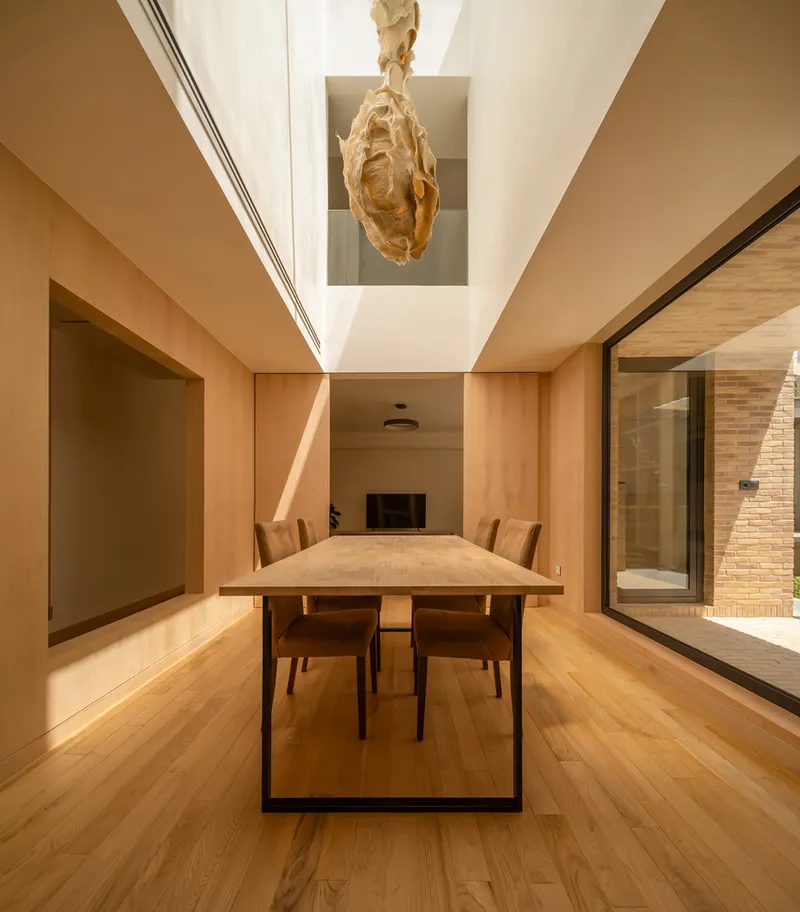
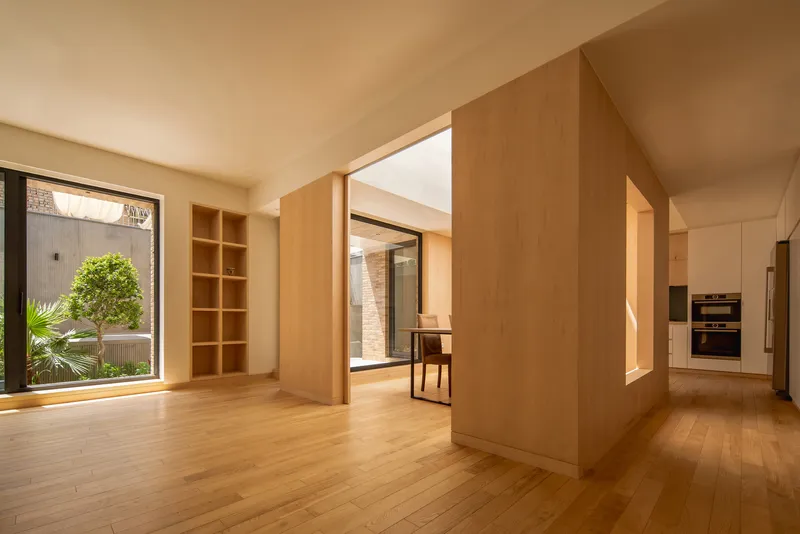
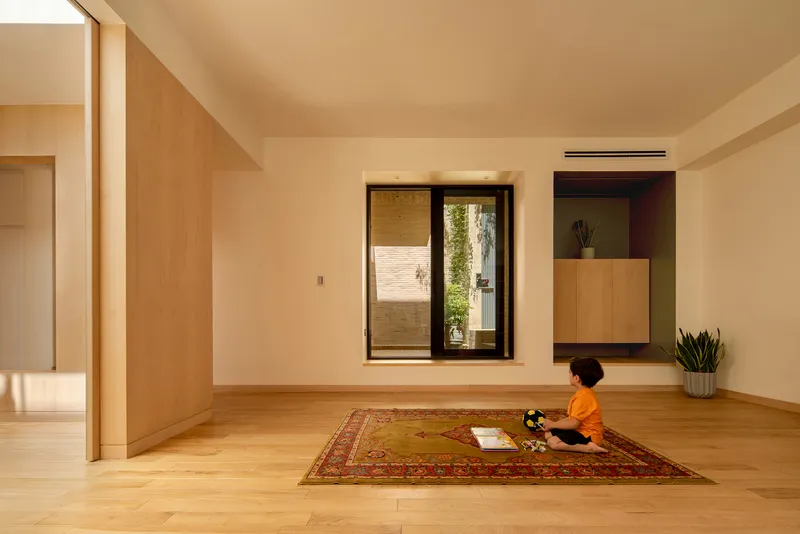
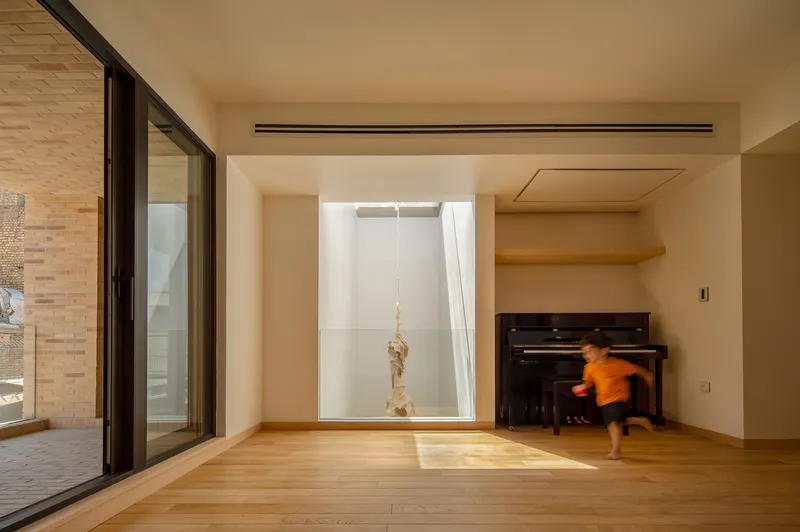
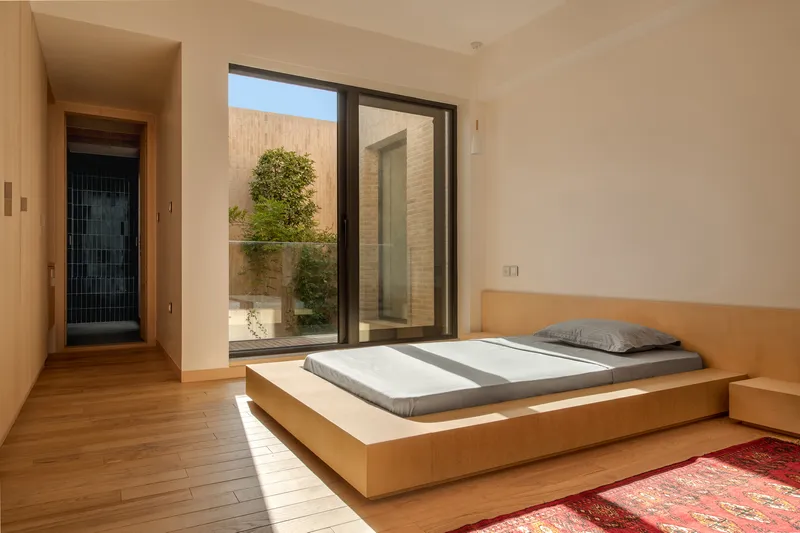
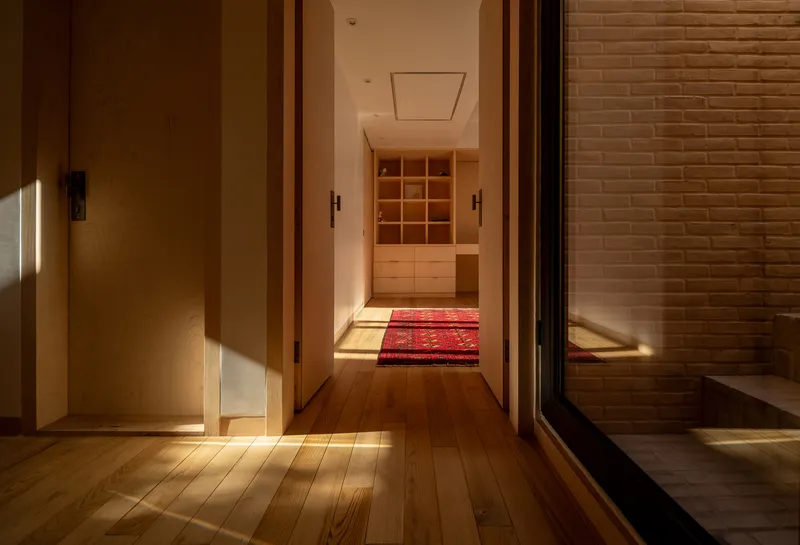
The interiors of "House No.10" reflect a blend of minimalism and functionality. The use of natural light, open spaces, and minimalist decor focuses on creating a tranquil environment for the inhabitants. This design philosophy extends to the furniture and layout, which prioritize comfort without sacrificing style.
Social and Cultural Impact
Transformation of Jolfa Neighborhood
The contemporary design of "House No.10" also plays a role in the broader social and cultural shifts in the Jolfa neighborhood. Originally a dense residential area, Jolfa is gradually transforming into a vibrant hub for tourists and locals alike, with cafes and restaurants peppering its streets. This shift, while beneficial for the economy, poses questions about the preservation of the area’s social fabric.
The Future of Residential Spaces
"House No.10" is at the forefront of discussions about the future role of residential design in urban settings. It challenges the traditional notions of a home and explores how architecture can contribute to societal well-being and cultural integrity.
"House No.10" by USE Studio is not just a home; it's a reflection of the ongoing evolution of contemporary home design in Isfahan. As Isfahan continues to grow and adapt, projects like this will be crucial in shaping the city's architectural and cultural landscape. House No.10 stands as a beacon of how thoughtful design can harmonize history, culture, and modernity, providing a blueprint for future developments in this historic city.
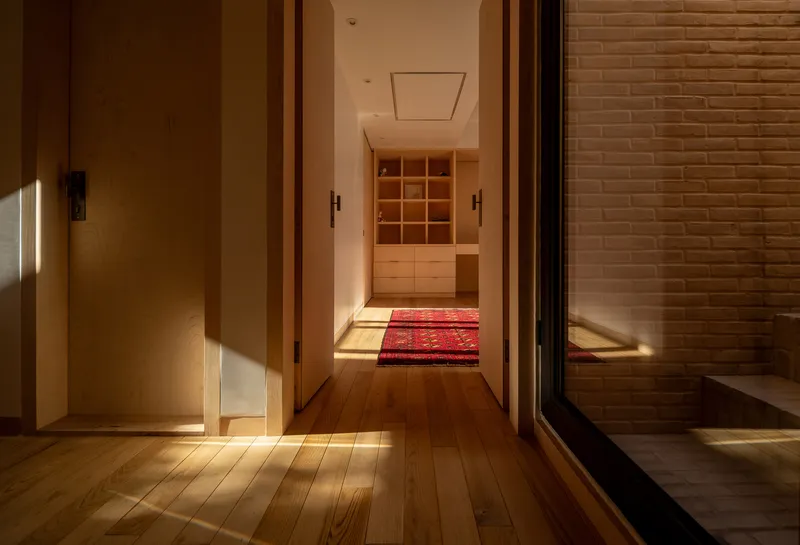
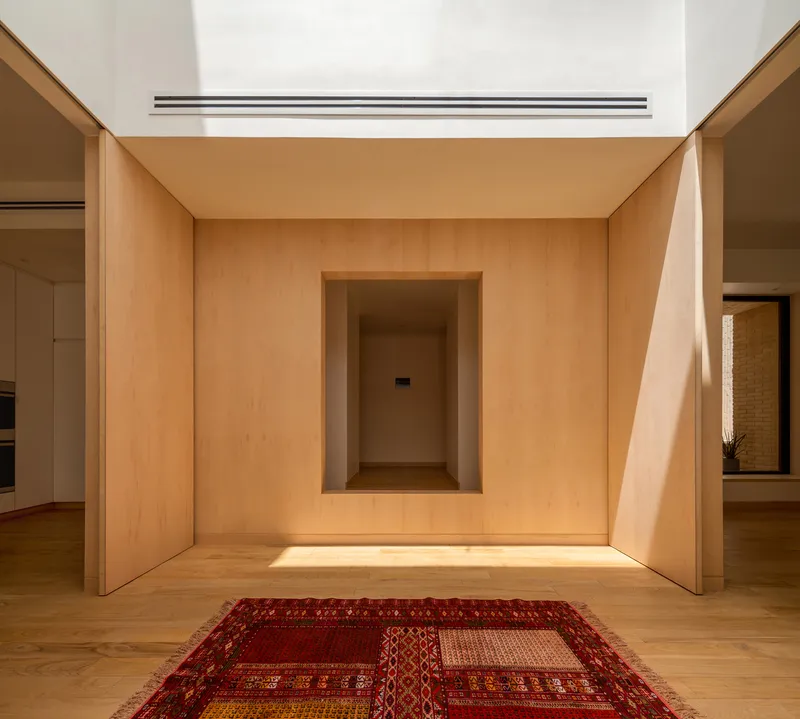
All photographs are work of Mohammad Soroosh Jooshesh


Popular Articles
Popular articles from the community

Cloaked Colonization: A Mobile Underwater Habitat That Moves Like a Fish
Micah Abaya's shortlisted EHC Pacific entry reimagines ocean settlement as a dispersed network of self-sustaining architectural organisms.
The Amber Palace Opera: A Geological Fiction Surfaces on Tallinn's Baltic Waterfront
Pierre Brillard reimagines a Baltic legend as a public landscape, opera house, and waterfront promenade rooted in Tallinn's coastal identity.
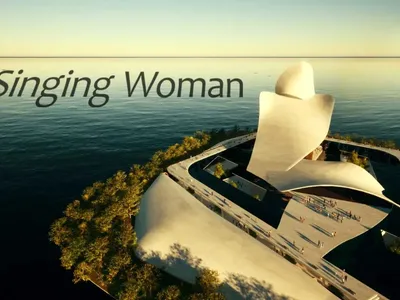
Singing Woman: Contemporary Architecture Inspired by Estonia’s Voice and the Sea
Singing Woman turns Estonia’s song culture into flowing opera house architecture, blending public life, landscape, sea, and national memory.
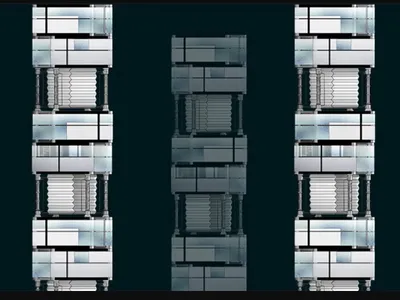
Tsunami Convergenics: Turning Catastrophic Ocean Forces into Underwater Housing Infrastructure
A speculative underwater settlement off the coast of Onagawa, Japan, treats tsunamis and typhoons as energy sources rather than threats.

Similar Reads
You might also enjoy these articles

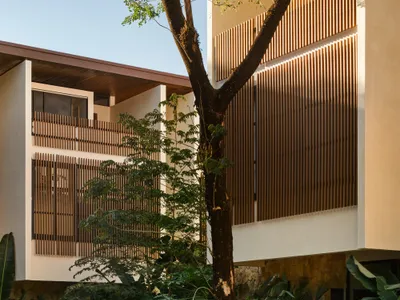
FAMM Arquitectura Organizes Ten Villas Around Courtyards and Jungle in Nosara, Costa Rica
El Molino pairs two elongated volumes with deep overhangs and timber louvers to build a compact coastal community five minutes from the beach.
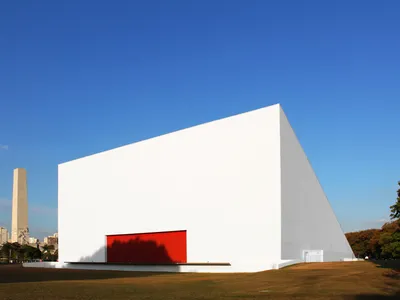
Oscar Niemeyer's Ibirapuera Park Pavilions Define São Paulo's Cultural Identity in Concrete and Curve
A constellation of modernist volumes set within São Paulo's most important urban park, conceived for the city's 400th anniversary in 1954.
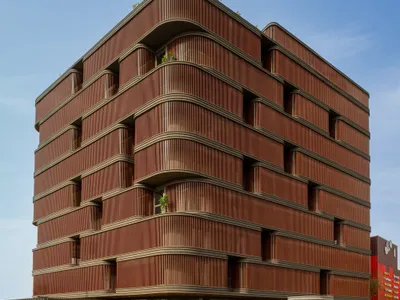
Sanjay Puri Architects Wraps a Jaipur Office Tower in Capsule-Shaped Green Buffers
A nine-level climate-responsive workplace near Jaipur Airport uses stacked planter terraces and aluminium screens to fight 40°C heat.
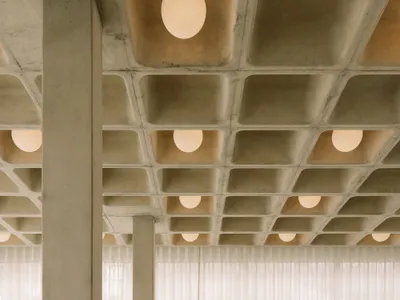
RHO Converts a Berlin Spree-Side Industrial Courtyard into Enkime's 1,000 m² Agency Headquarters
A social media agency's new home in Charlottenburg trades glossy branding for concrete waffle ceilings, glazed tile, and sheer curtains.

Explore Architecture Competitions
Discover active competitions in this discipline

Challenge to reimagine the Iron Throne

Photograph architecture without architects

Illustrate the lost glory of Angkor Wat - Render Challenge

Design challenge to reuse E-waste
Comments (0)
Please login or sign up to add comments
No comments yet. Be the first to comment!