Diana Kellogg Architects Unveils The Gyaan Center: Empowering Girls at Rajkumari Ratnavati School with Innovative Design
Can Architecture Inspire a Revolution in Girls' Education? Diana Kellogg Architects Introduces The Gyaan Center at Rajkumari Ratnavati Girls School.


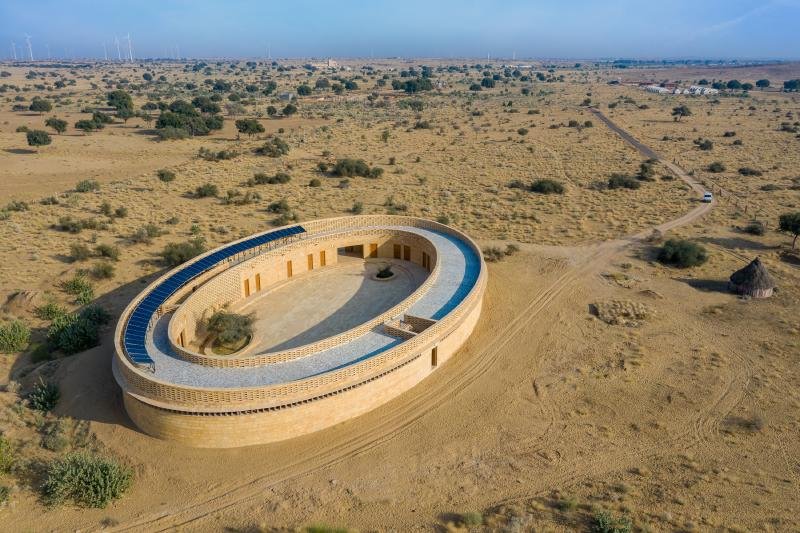
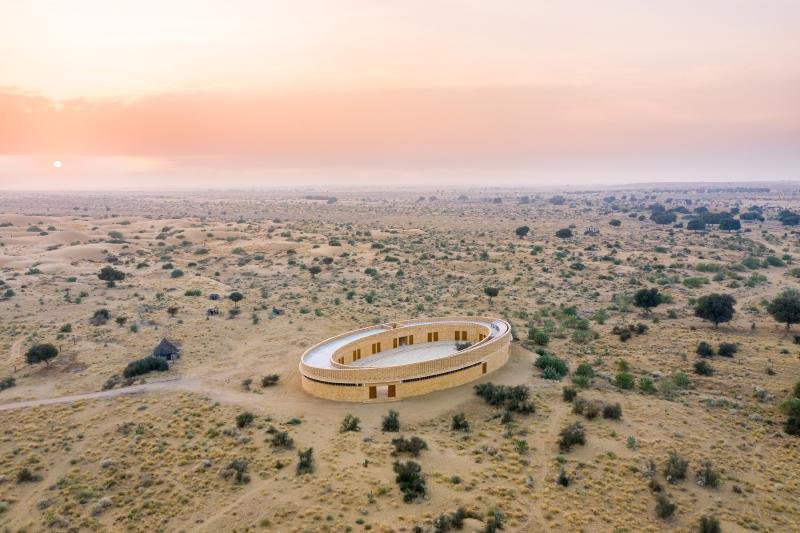
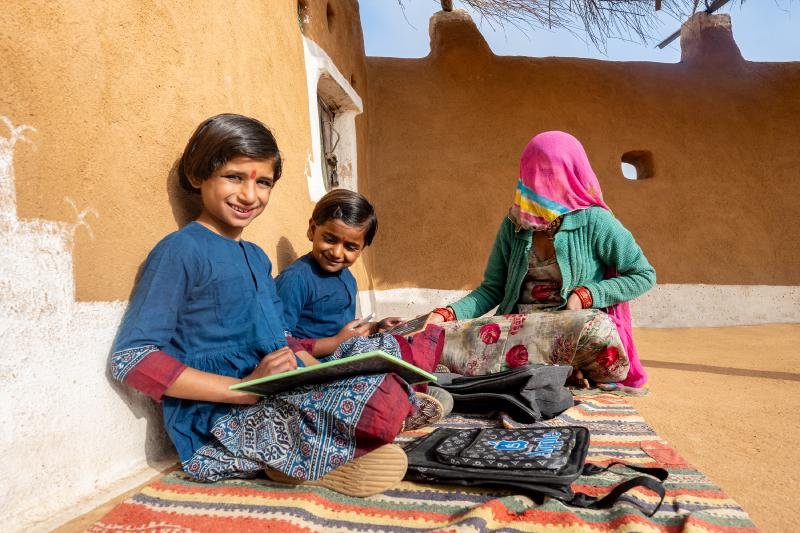
The GYAAN Center, commissioned by CITTA, a non-profit organization, is an architectural marvel located in the Thar Desert region of Jaisalmer, Rajasthan. It is designed by Diana Kellogg of Diana Kellogg Architects and will consist of three buildings: the Rajkumari Ratnavati Girl’s School, The Medha - a performance and art exhibition space with a library and museum, and The Women’s Cooperative. The school, opening in July 2021, will serve more than 400 girls from below the poverty line, where female literacy barely touches 36%. The GYAAN Center will empower and educate these women, helping them to establish economic independence for themselves, their families, and their communities. The Women’s Cooperative will teach mothers and other women weaving and embroidery techniques from the region. The GYAAN Center will also invite renowned female artists and design education advocates to create artwork, host events, and present installations. These exhibitions will embody the importance of women’s empowerment while drawing people to the centre.
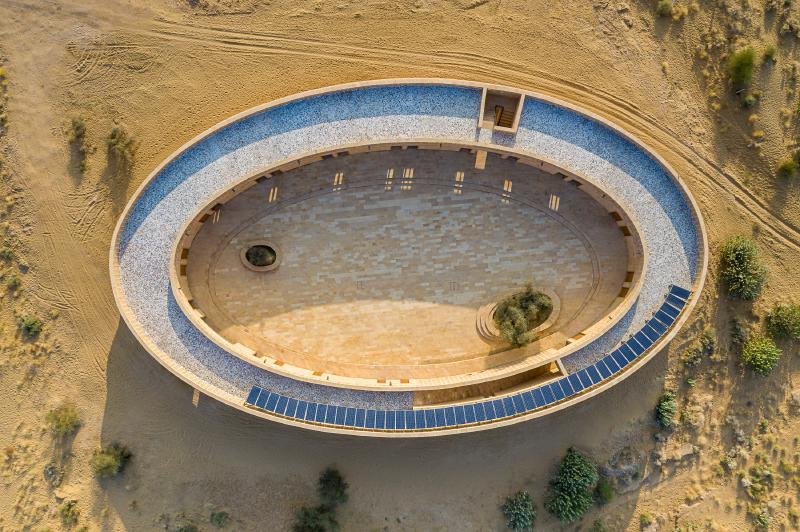
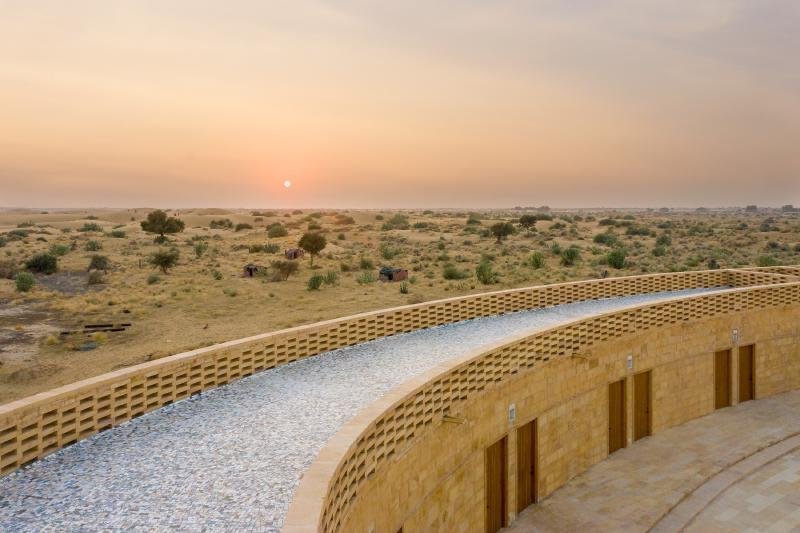
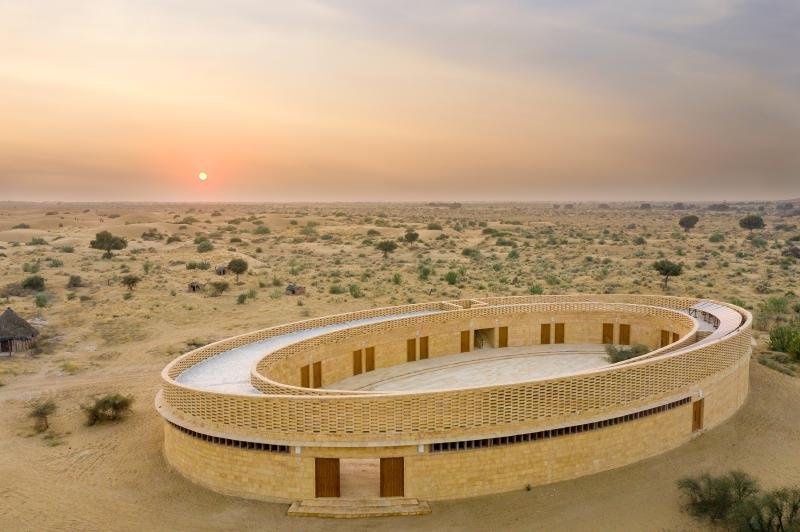
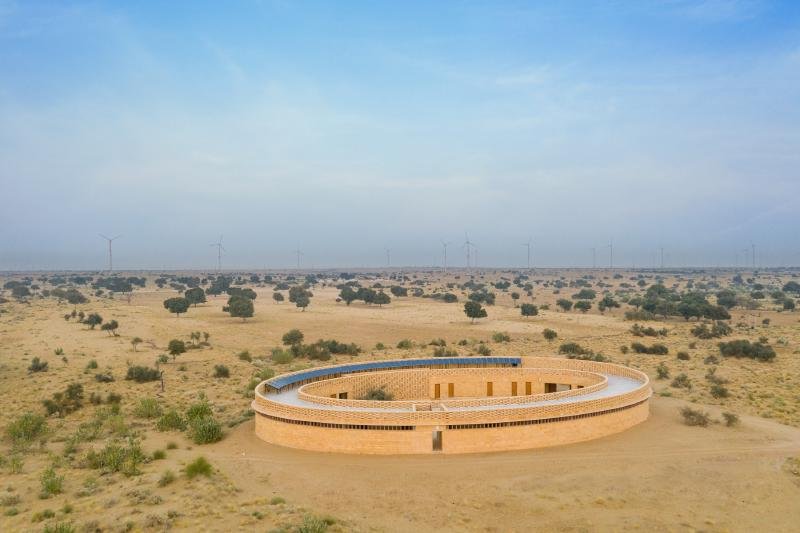
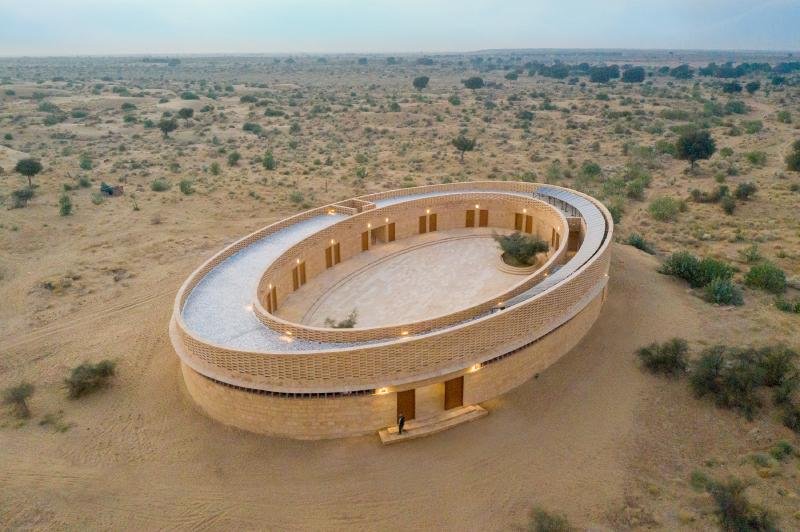
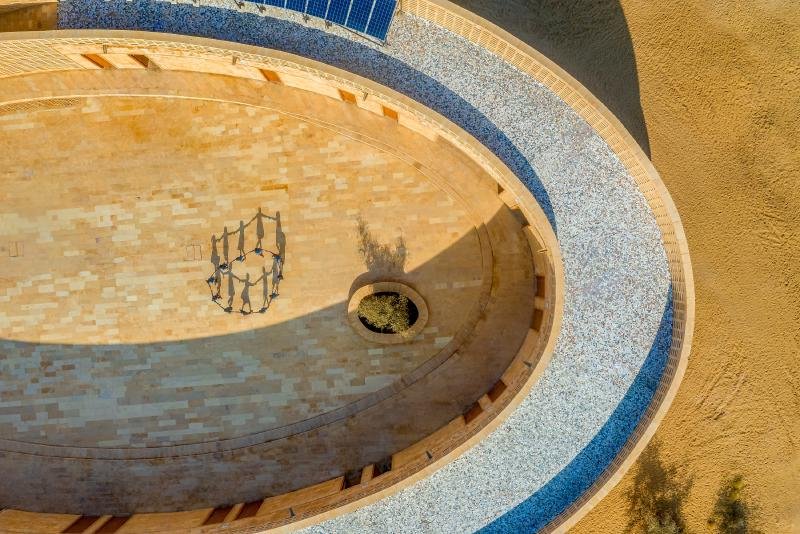
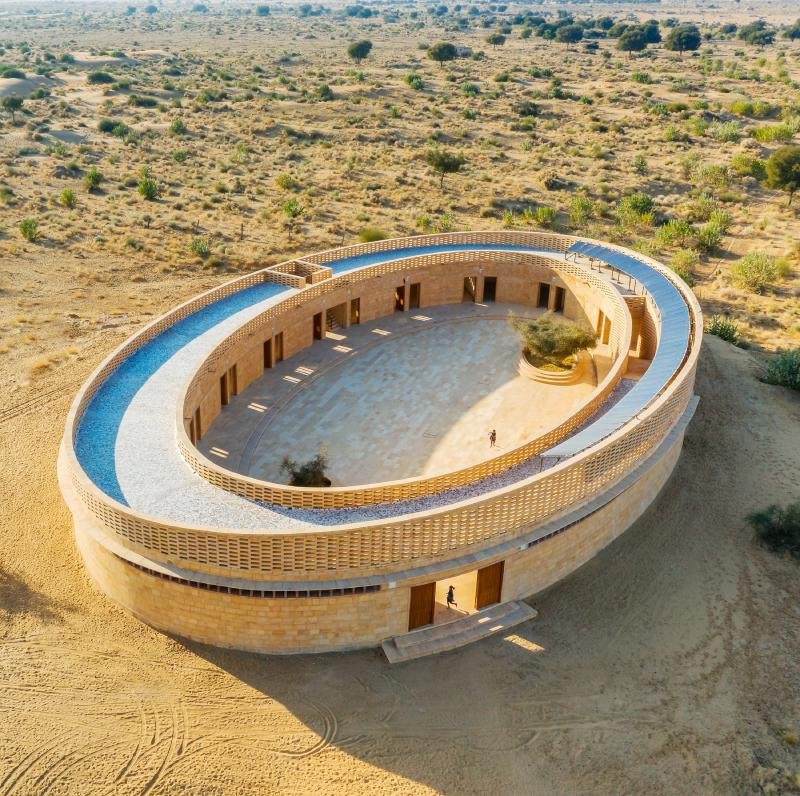
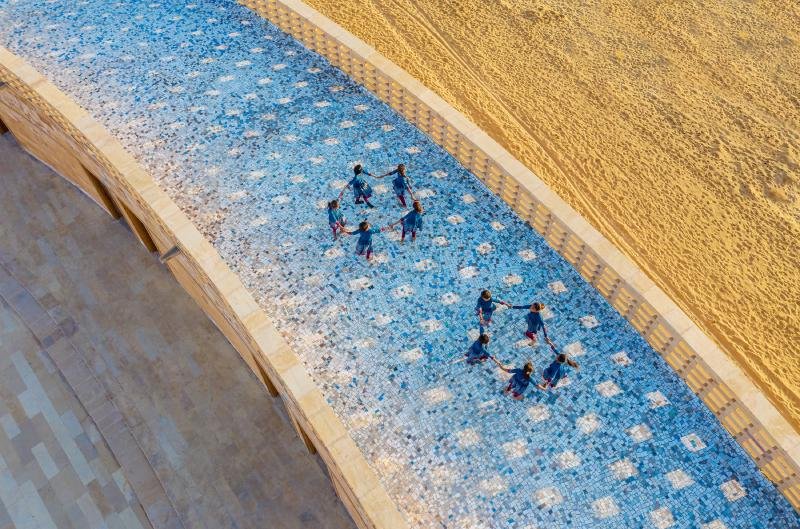
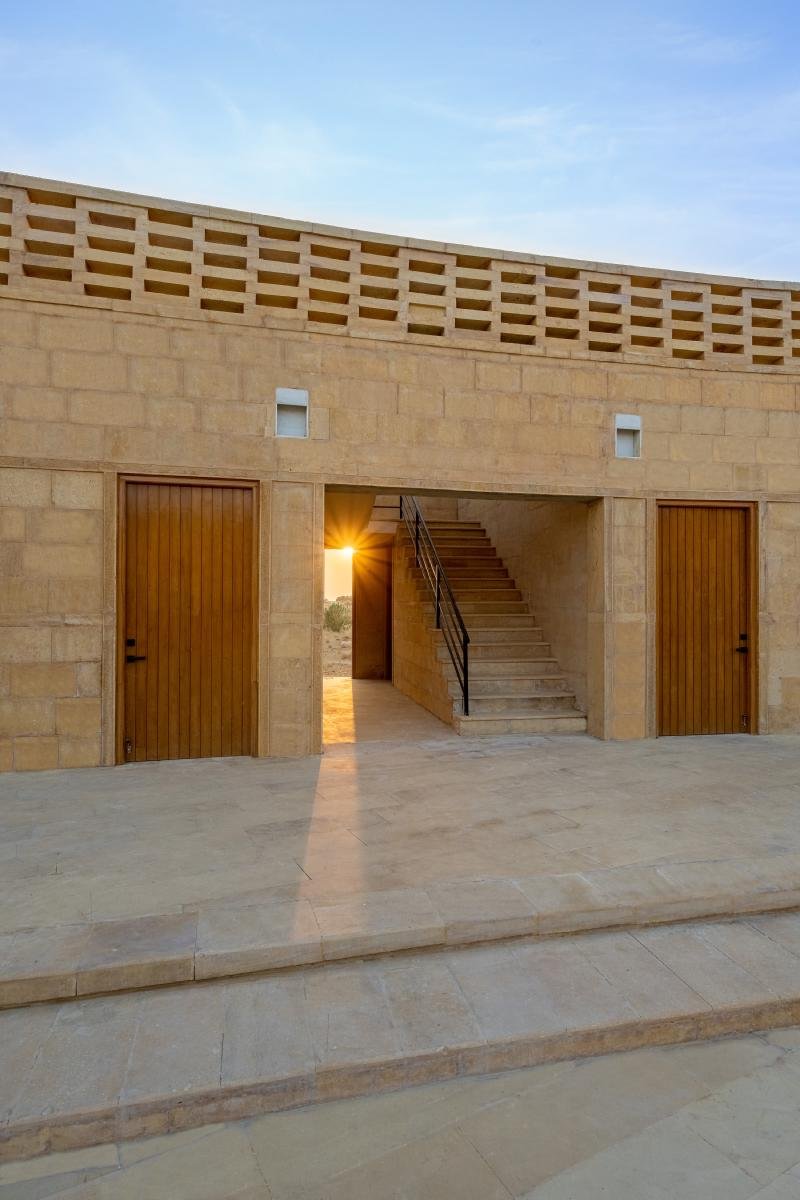
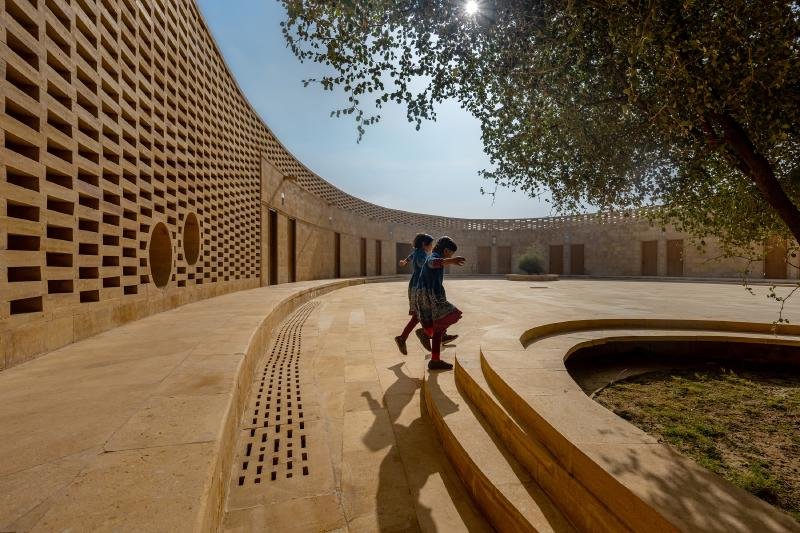
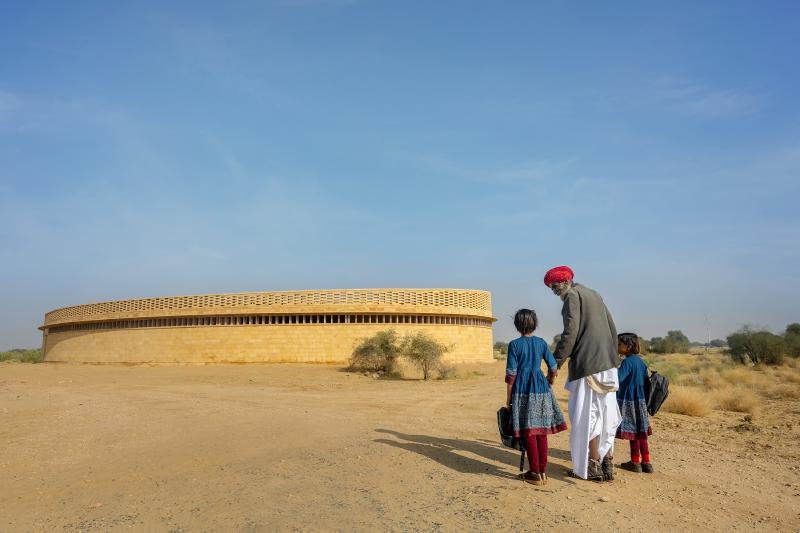
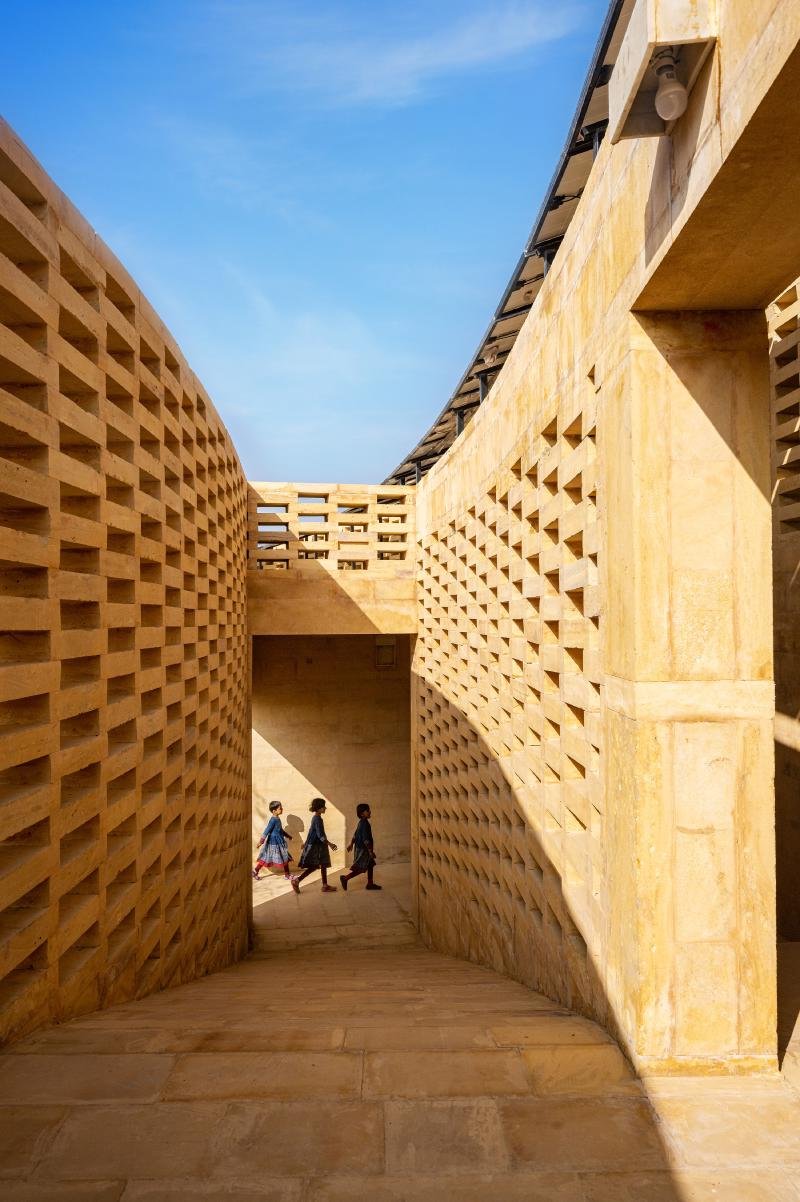
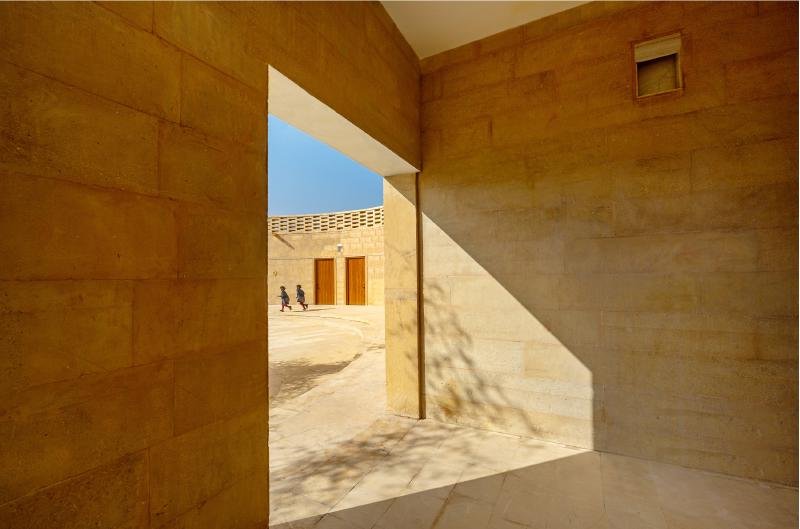
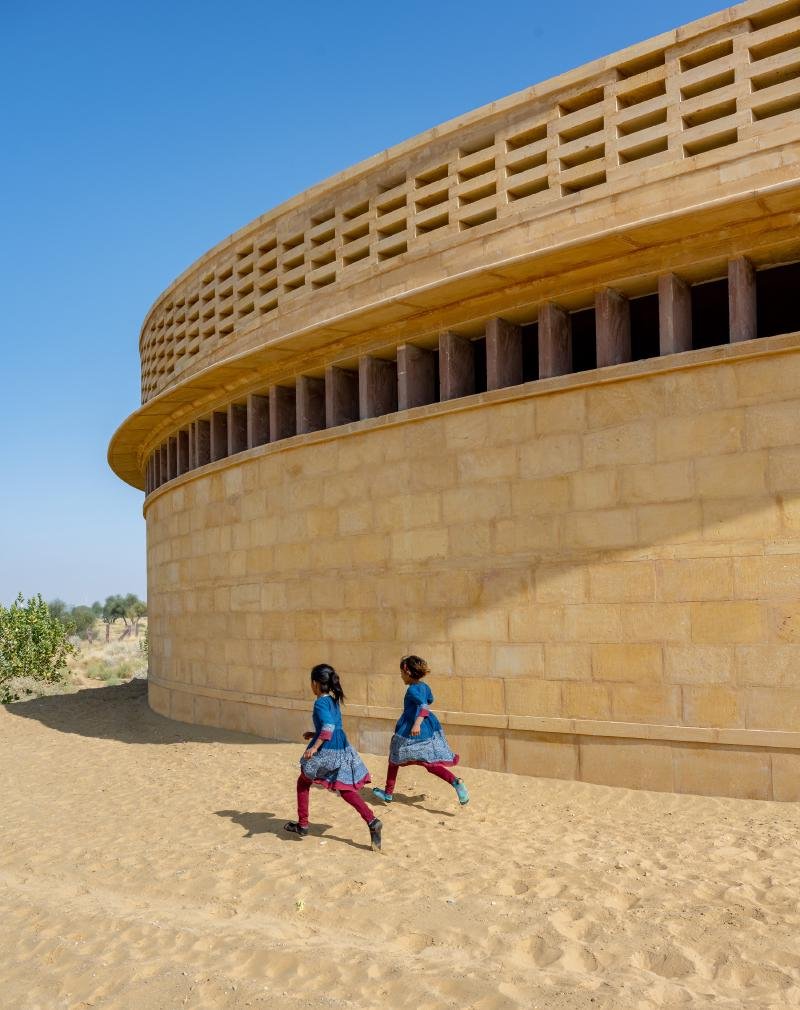
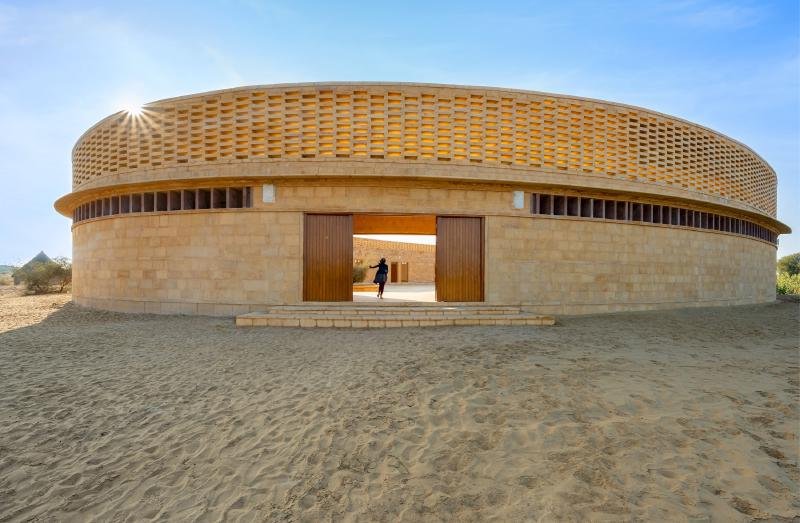
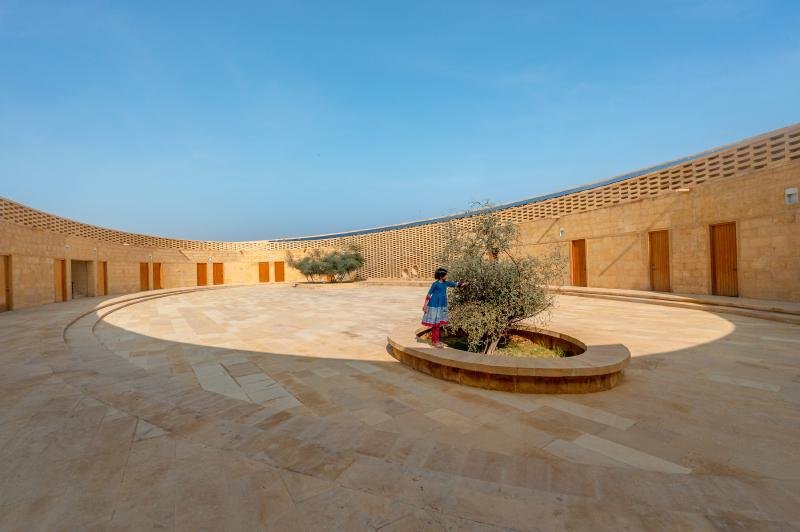
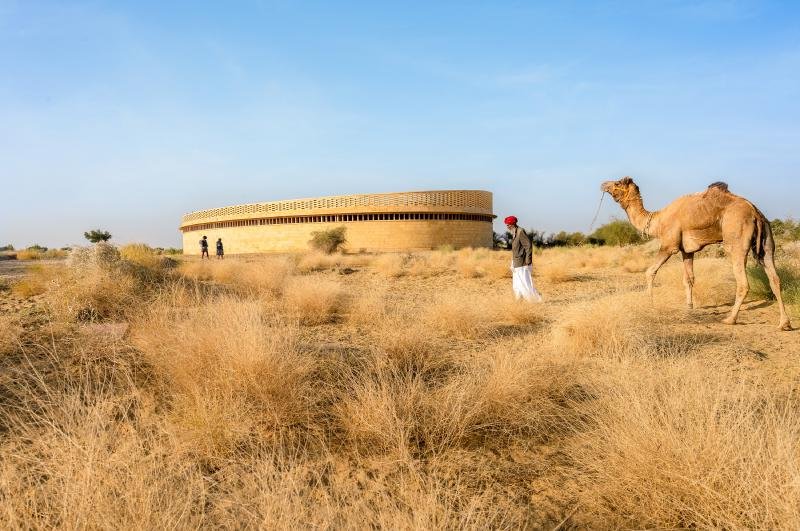
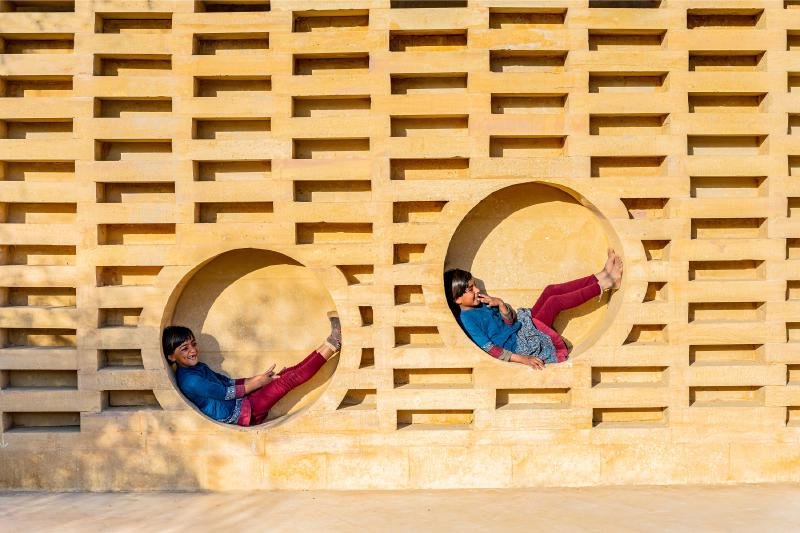
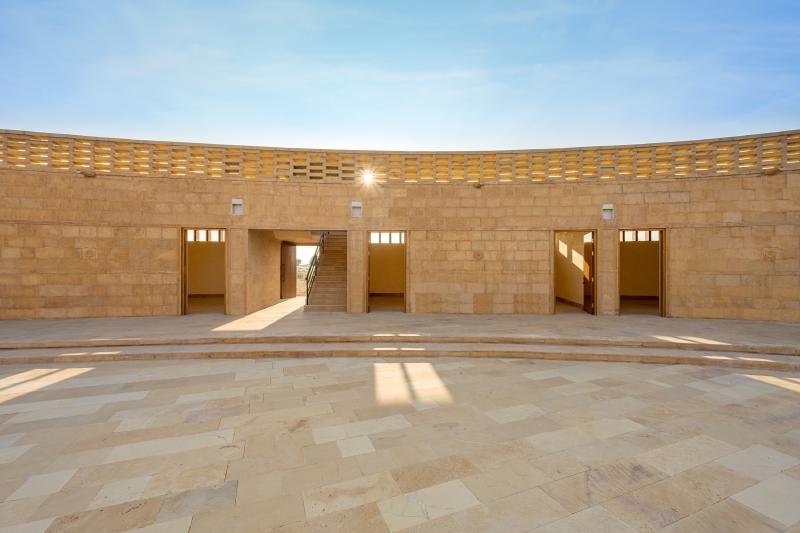
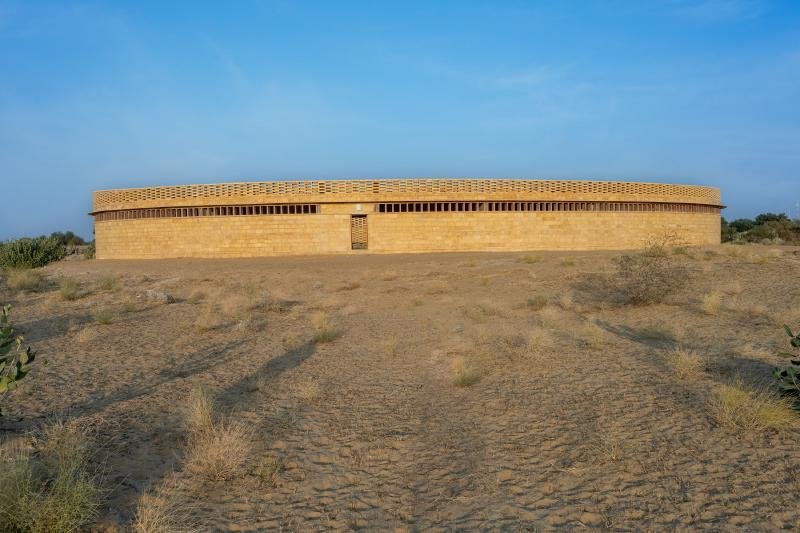
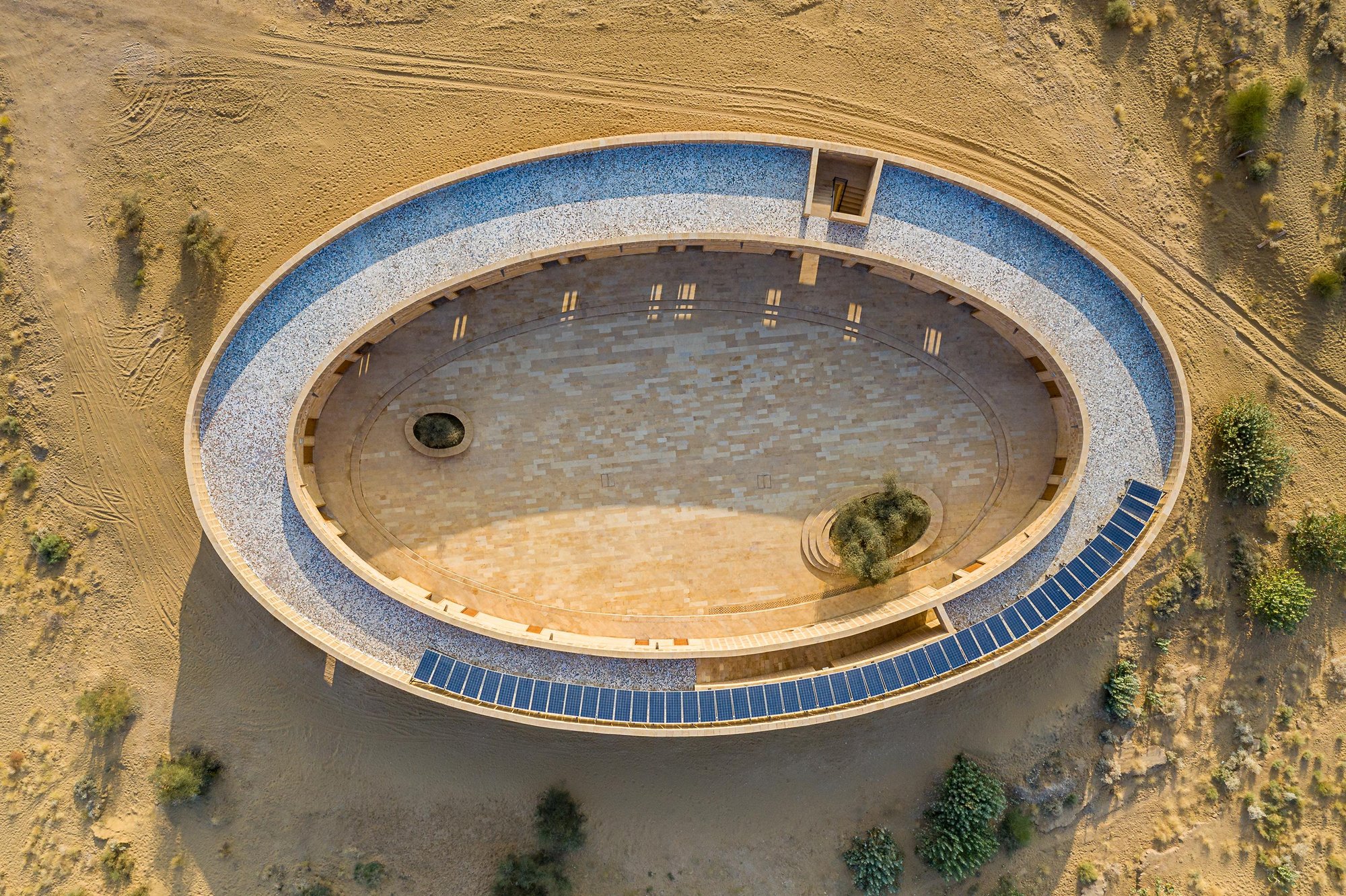
The GYAAN Centre is designed by Diana Kellogg of Diana Kellogg Architects to provide educational opportunities for girls in the rural Thar Desert city of Jaisalmer. The structure is composed of three ovals to represent the power of femininity and infinity, as well as replicate the planes of the sand dunes in the region. Local stone craftsmen and traditional architectural details and building techniques were combined with indigenous heritage details to create an authentic structure for the community. The exterior is made of Dabri veneer stone and Jodphur stone, with stone features such as basins, rain and sun canopies, flower medallions, recessed light fixtures and water downspouts carved on site. Additionally, the Centre will periodically act as a marketplace to share the women’s creations with tourists. The education, independence, and empowerment women gain at the GYAAN Centre will incentivize families to educate their daughters, bringing the benefit of the centre full circle.
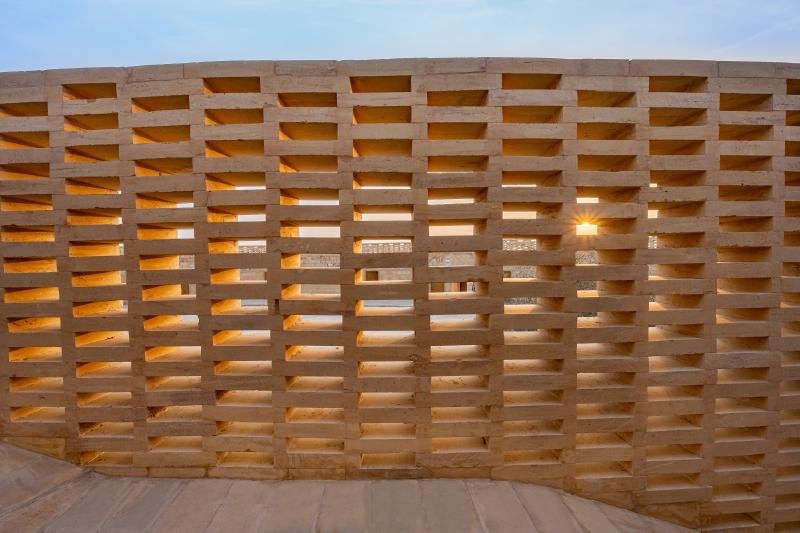
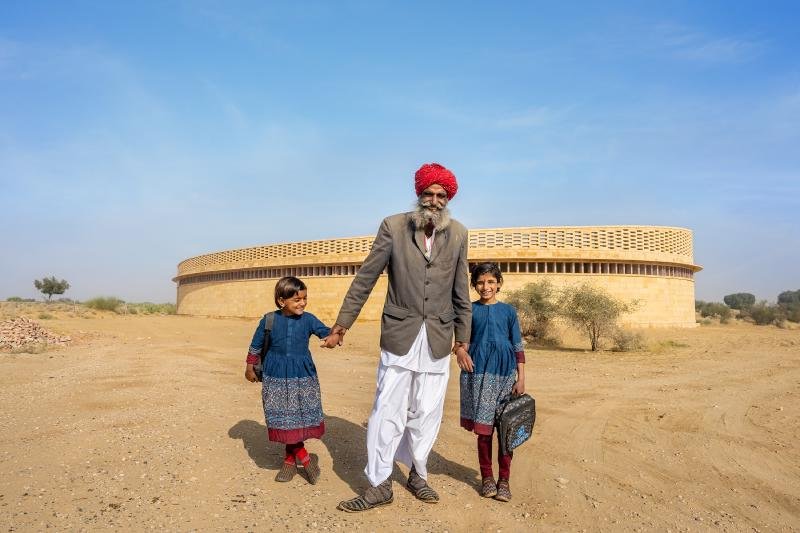
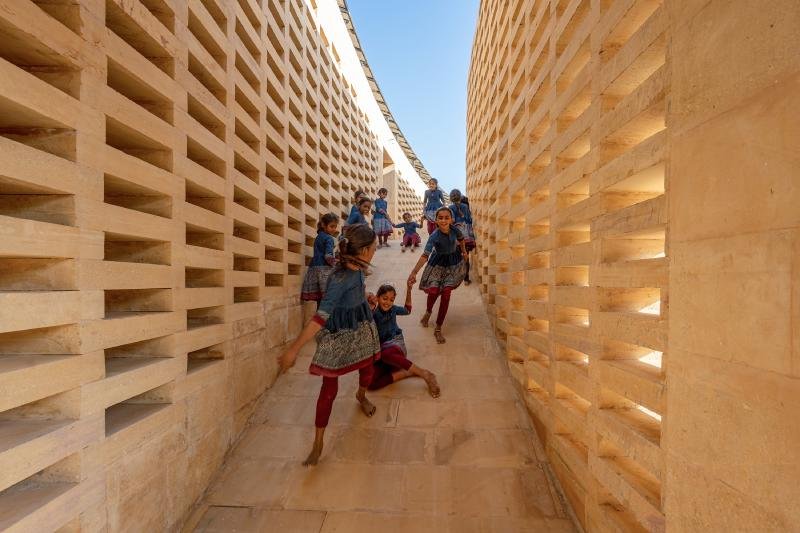
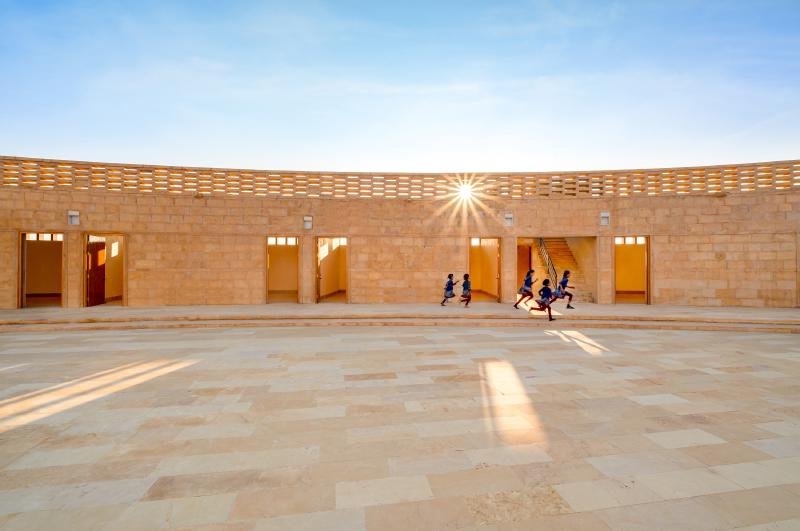
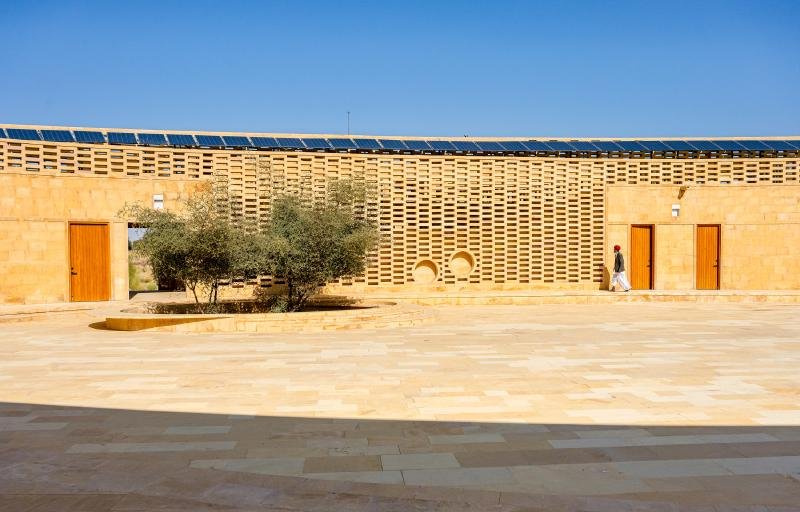
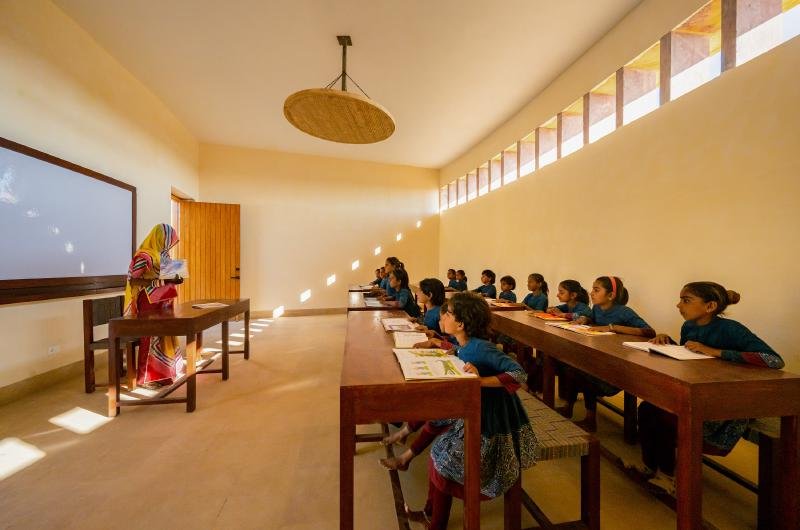
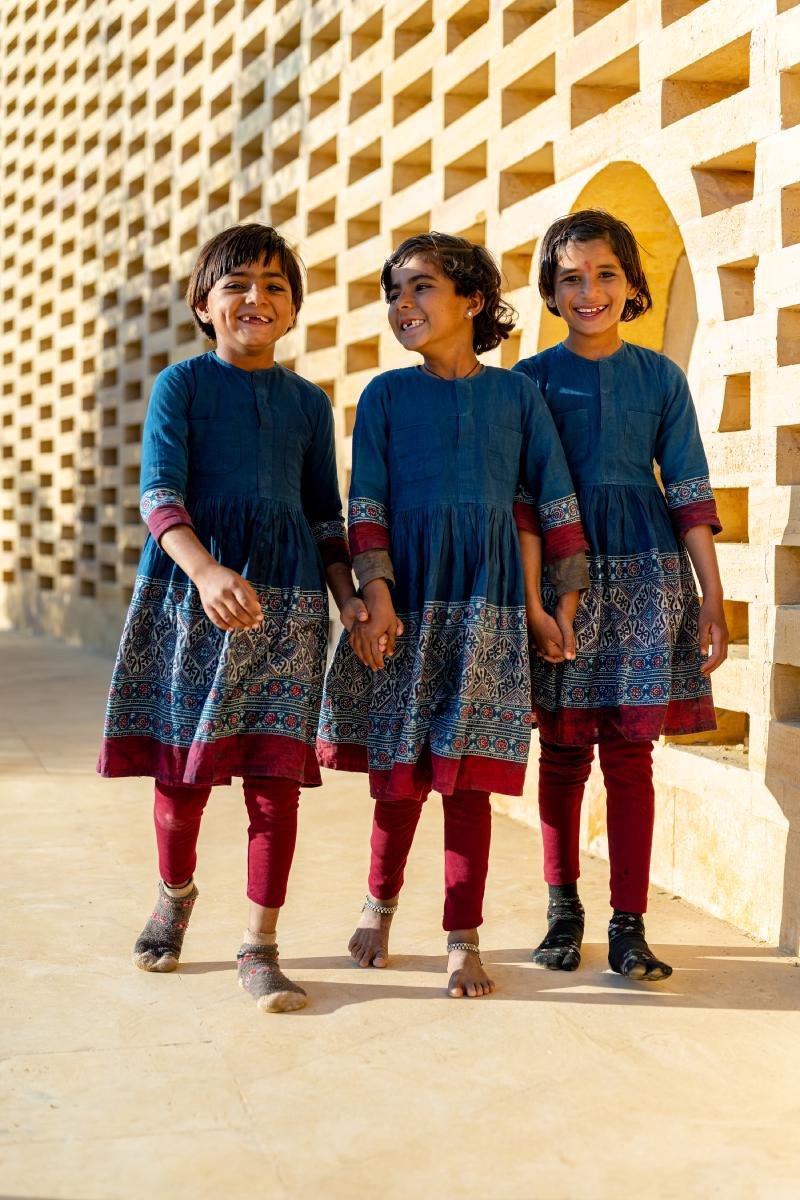
Stone niches, typically used for candles, decorate the entry of the Rajkumari Ratnavati Girls School. All of the furniture was made locally out of rosewood with the classic Charpai woven seating. Sustainability was of utmost importance to the designers and contractors, who worked entirely with local craftsmen. The building was sustainably designed with recycled ceramic tile for the roof, lime plaster for the classroom interiors, and 95% local materials. The design team followed local ancient water harvesting techniques to maximize rainwater and recycle brown water in the school. The building was oriented to maximize the prevailing wind and keep maximum sunlight out, and solar panels were used for lighting and fans. The canopy and jallis keep the heat out, and the elliptical shape of the structure creates a cooling panel of airflow. The school plans to provide education to nearly 400 students from kindergarten to grade ten, and enrollment is only for families living below the poverty line in the Thar Desert region. Facilities include classrooms, a library, a computer centre, and a bus facility. Students will learn to read, write, and develop traditional artisan skills unique to the region. The school also provides a midday meal program to ensure proper nutrition for the students. The uniforms were designed by famed Indian fashion designer Sabyasachi Mukherjee and were made with Ajrak, a traditional textile from the region that is block-printed with natural dyes. The uniforms were designed to reflect the region’s craft heritage, highlight the beauty and power inherent to the crafts, and provide a better sense of community, connection, and pride for their home.
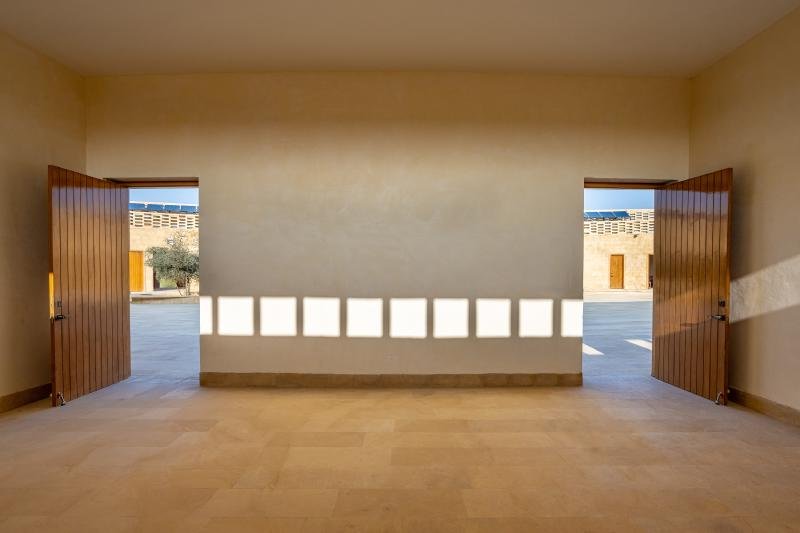
The Women's Cooperative at the GYAAN Center aims to promote gender parity in the region by teaching weaving and embroidery techniques from the Jaisalmer Thar Desert. These traditional techniques, combined with contemporary designs, will create international-quality items for the global marketplace, diversifying and strengthening the local economy. The Central Hall of the GYAAN Center will bring together the Girl's School and the Women's Cooperative and will include a library, regional textile museum, art exhibition and performance space, and an AV lecture hall.