
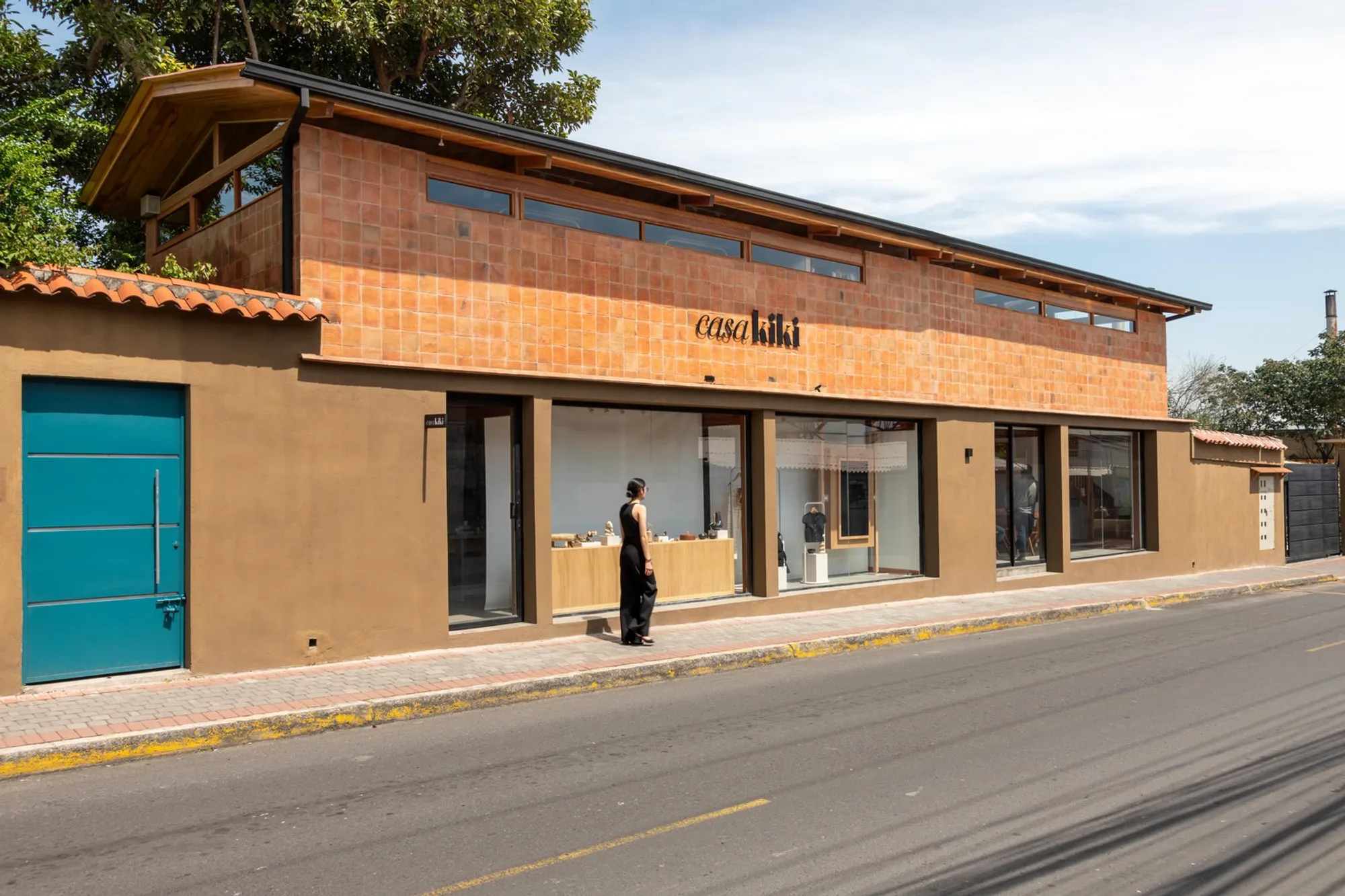
East Block by El Sindicato Arquitectura: A Sustainable Commercial Architecture in Quito
East Block by El Sindicato Arquitectura redefines sustainable commercial architecture in Quito, integrating natural landscapes with functional design and urban vitality.


Commercial buildings today are increasingly designed not only as functional spaces but also as architectural statements that connect with nature and community. The East Block (Bloque Este) by El Sindicato Arquitectura in Quito, Ecuador, exemplifies this shift. Completed as a 180 m² versatile space, the project redefines how commercial architecture can engage its surroundings while prioritizing ecological sensitivity, urban integration, and user experience.
Context: A Versatile Space in Cumbayá
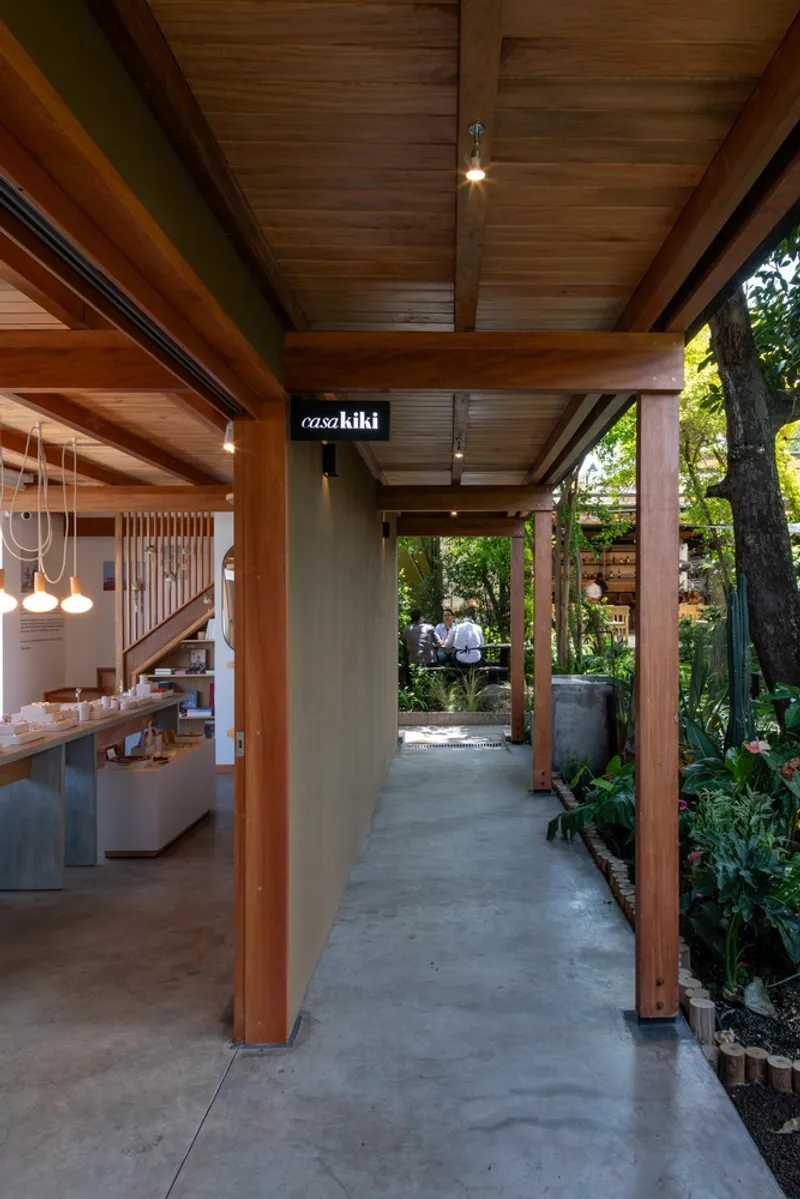
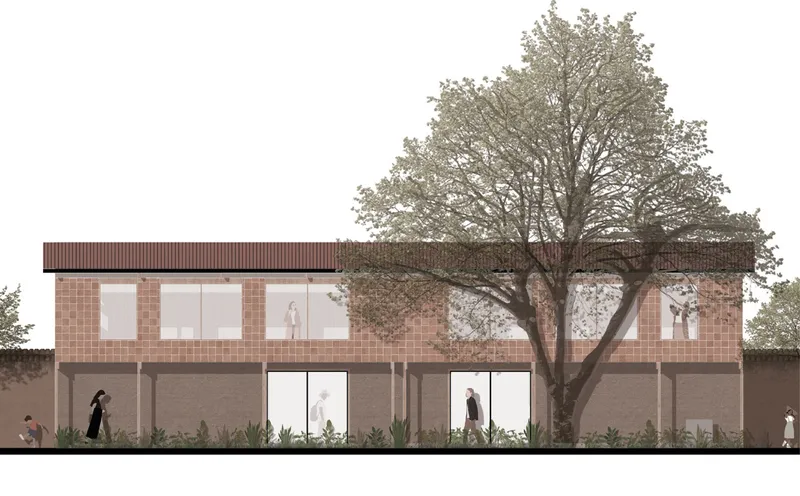
Located in the heart of Cumbayá, the East Block is strategically placed between an old boundary wall and a historic garden of Espacio Versátil. Rather than dominating its setting, the project integrates harmoniously with the existing environment. Its design acknowledges the presence of a large avocado tree and surrounding gardens, ensuring that nature remains the focal point of the site. This integration highlights a critical aspect of sustainable commercial architecture—architecture that adapts to, rather than overpowers, its natural context.
Design Concept: Transforming Boundaries into Connections
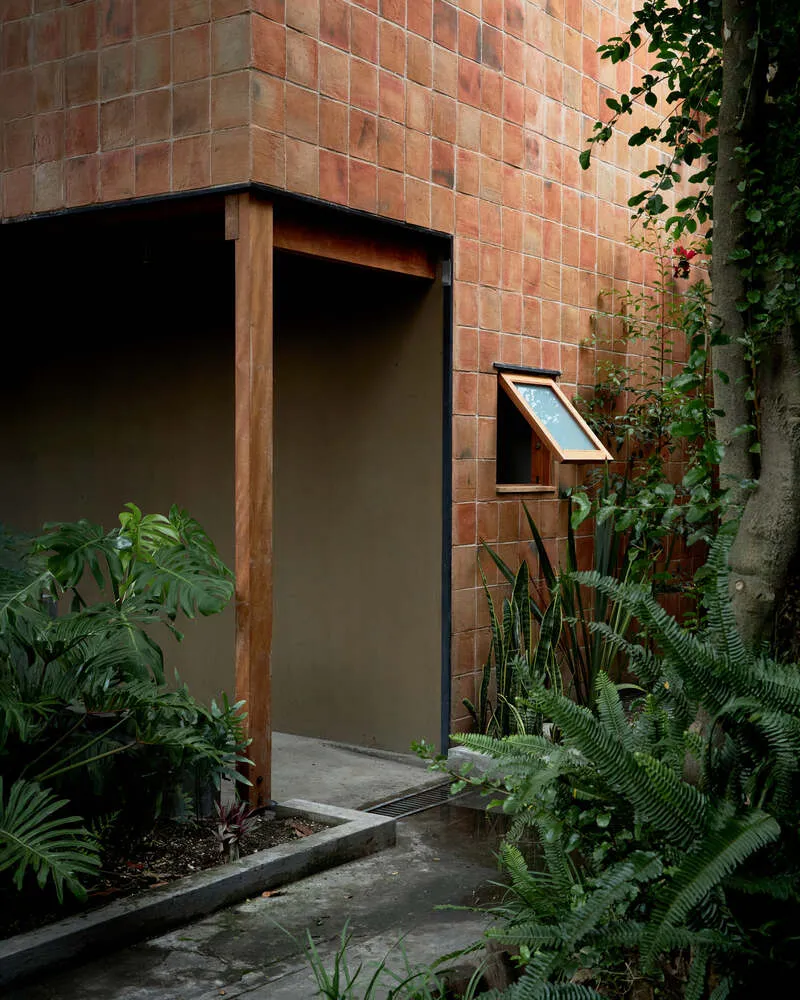
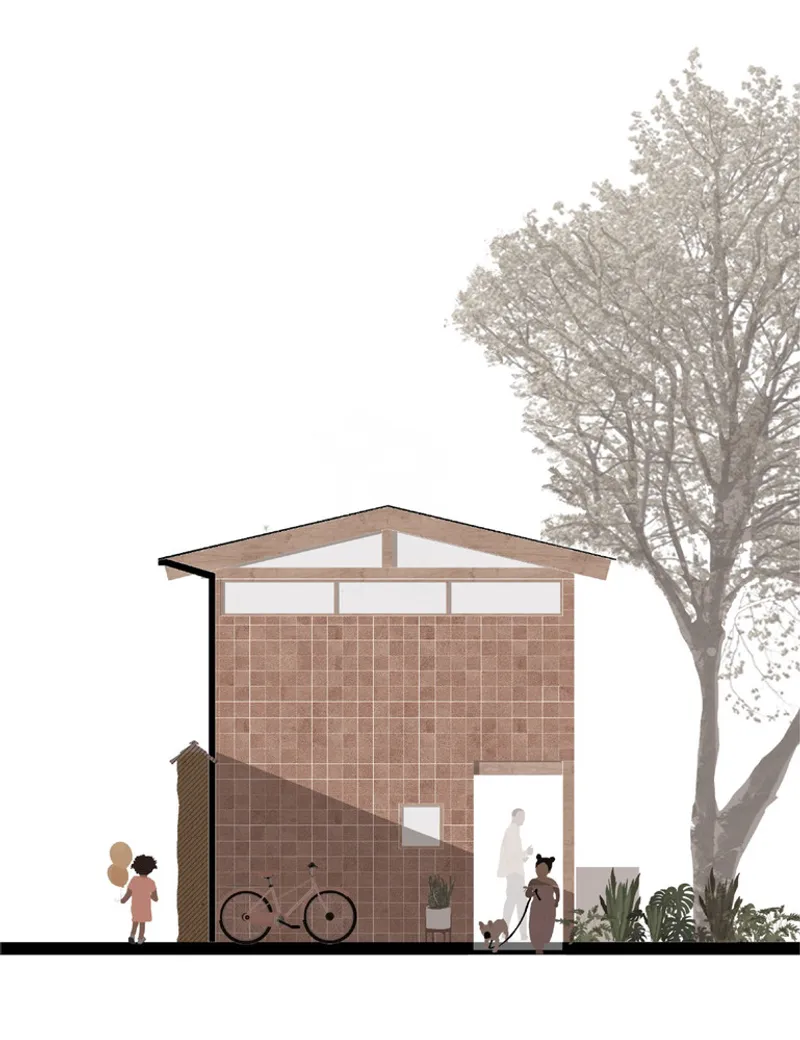
The East Block challenges the monotonous urban character of blank façades and hard street surfaces. Through its design, the project transforms a once-inactive boundary wall into an active façade, introducing transparency and interaction. The almost open ground floor visually connects the street with the garden, inviting pedestrians to engage with nature. Perforations in the wall provide exhibition spaces and access points, while internal partitions align toward the garden, maintaining continuous visual and spatial dialogue.
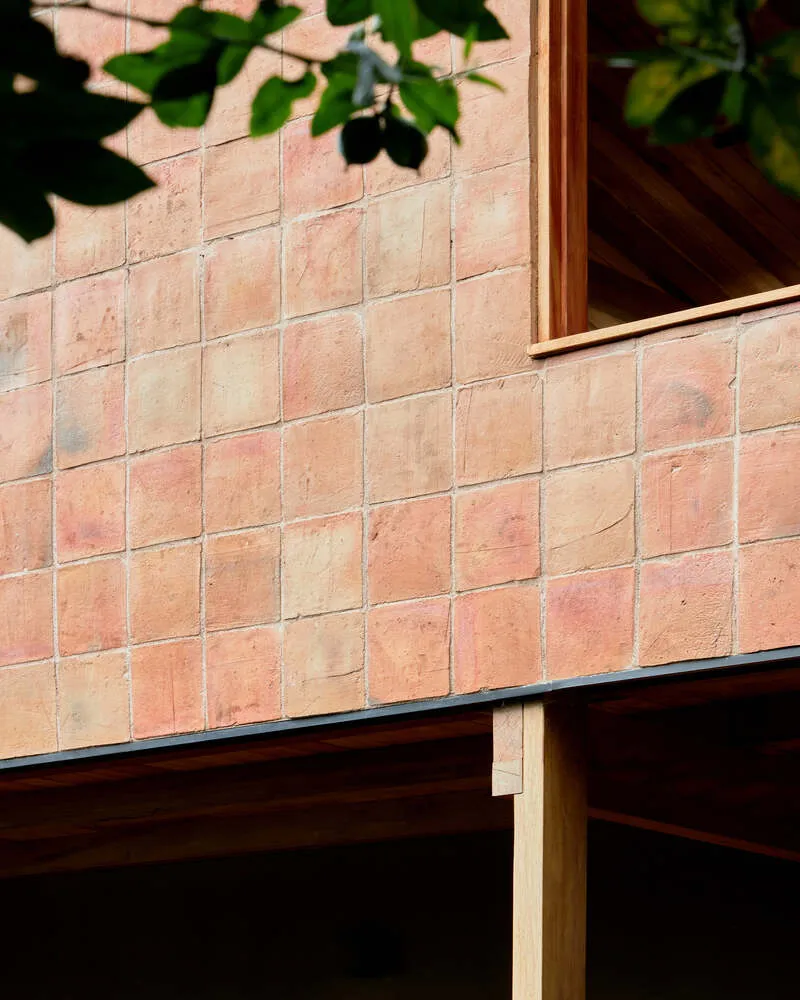
Architectural Strategy: Simple, Sustainable, and Functional
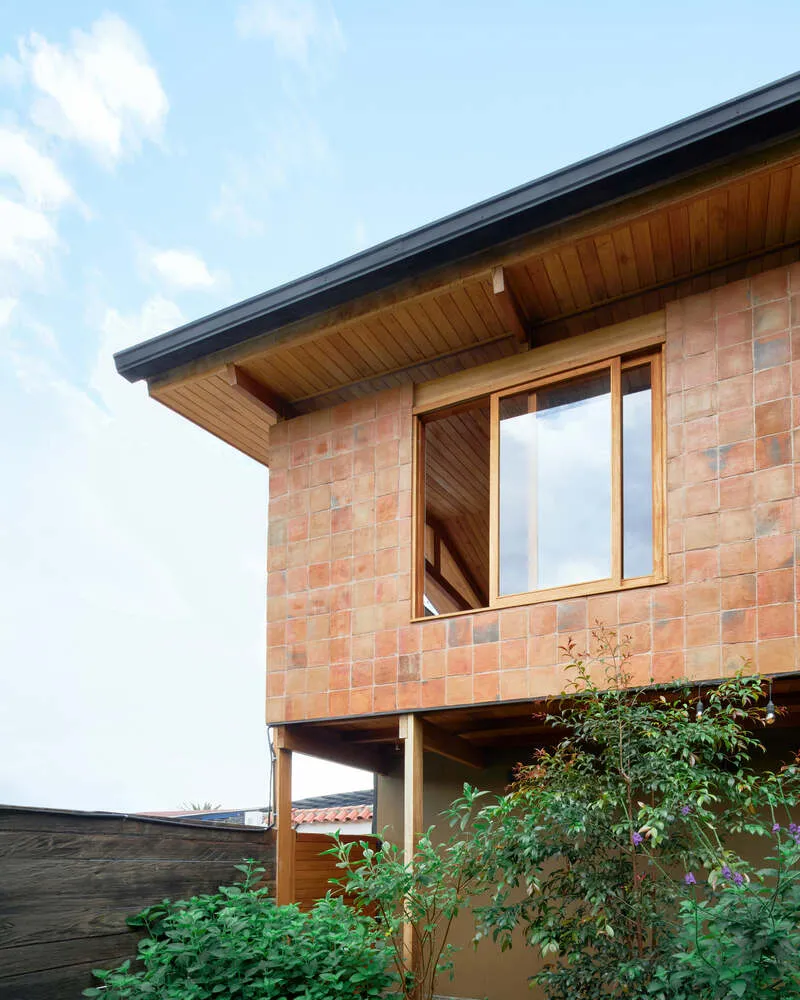
The building is constructed with a foundation slab and a framing system that combines wood with dry masonry. Its exterior is clad in fired clay tiles, a material choice that emphasizes both simplicity and sustainability. By subtracting sections of the boundary wall and opening up connections, the architecture adopts a discreet presence that lets nature dominate the experience. This careful balance of modesty and function reflects a key principle of commercial architecture in Ecuador—embracing vernacular materials while serving modern needs.
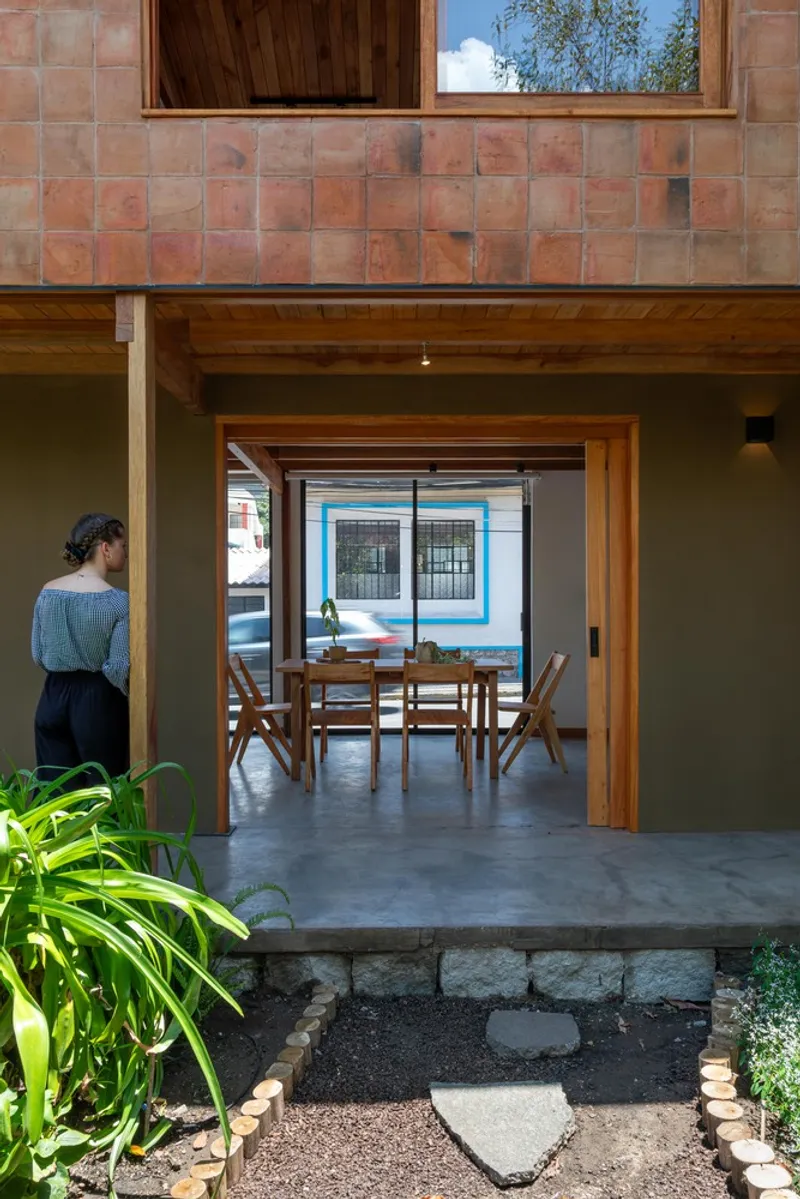


Urban Impact: Enriching the Streetscape
Before the project, pedestrians encountered only asphalt and closed walls along the street. With the completion of East Block, the streetscape has been revitalized. Passersby can now see into lush gardens, experiencing a softened urban edge that enhances both ecological and visual quality. The project contributes to Cumbayá’s urban landscape by establishing stronger ties between architecture, public space, and natural elements.
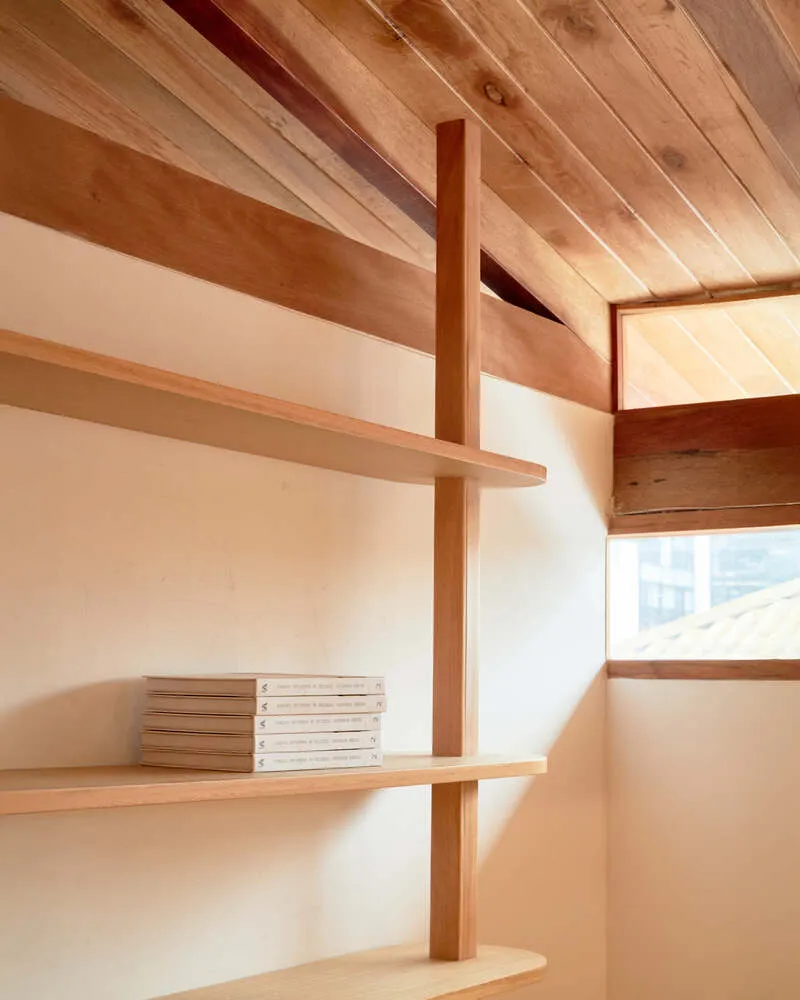
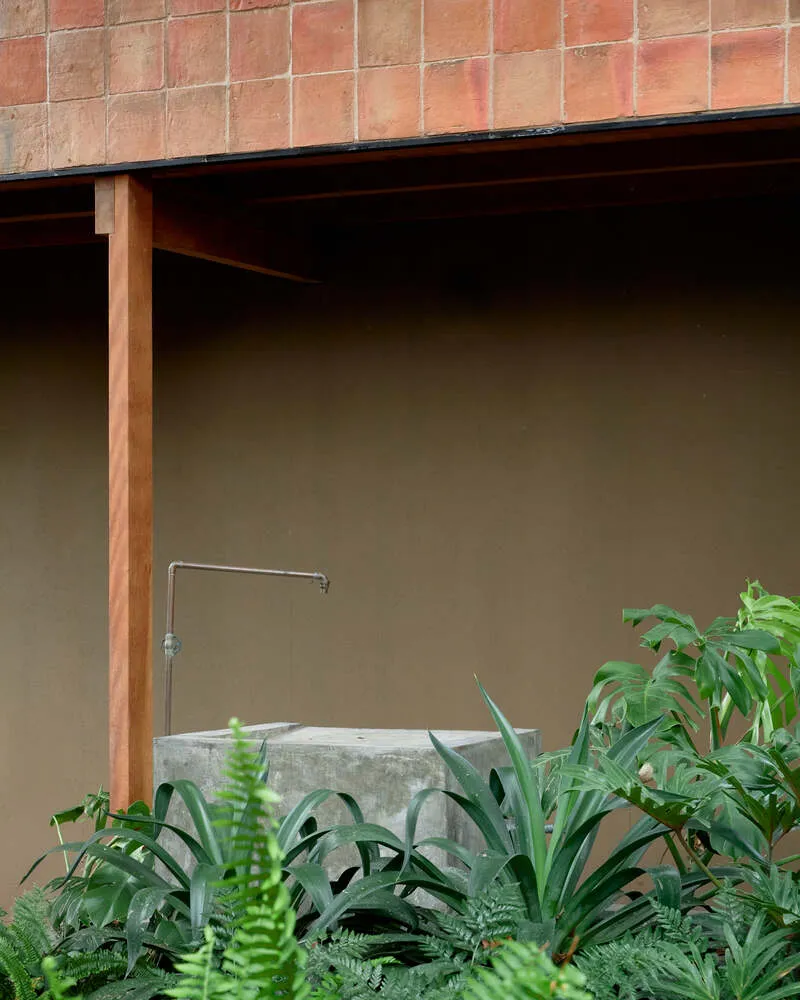
A Model for Sustainable Commercial Architecture
The East Block by El Sindicato Arquitectura illustrates how commercial architecture can enrich both its immediate environment and the urban experience. By prioritizing transparency, natural integration, and modest design strategies, the project stands as a thoughtful alternative to conventional commercial buildings. It transforms architecture from a barrier into a bridge—linking built form, landscape, and community into a cohesive whole.



All Photographs are works of Andrés Villota, Eduardo Espinosa




Popular Articles
Popular articles from the community


The Earth Pod: 3D Printed Homes for Resilient Refugee Communities
The Earth Pod reimagines refugee housing through 3D printed homes made from clay, combining resilience, self-sufficiency, and rapid shelter.

Conexión: Biophilic Design Reimagines High-Rise Living in Hong Kong
Conexión reimagines high-rise living in Hong Kong through biophilic design, green facades, shared spaces, daylight, water and nature within.
EW PARK: Sustainable Architecture Reimagines the Future of Urban Parking
EW PARK reimagines city parking as a modular wooden tower combining automation, solar energy, electric mobility, and adaptable urban design.

Co-life: Sustainable Architecture for Age-Friendly Community Living
Co-life reimagines sustainable architecture for seniors through courtyards, rammed earth, shared gardens, and spaces designed for belonging.

Similar Reads
You might also enjoy these articles


FAMM Arquitectura Organizes Ten Villas Around Courtyards and Jungle in Nosara, Costa Rica
El Molino pairs two elongated volumes with deep overhangs and timber louvers to build a compact coastal community five minutes from the beach.

Oscar Niemeyer's Ibirapuera Park Pavilions Define São Paulo's Cultural Identity in Concrete and Curve
A constellation of modernist volumes set within São Paulo's most important urban park, conceived for the city's 400th anniversary in 1954.
How Henri Picq's 1889 Paris Pavilion Traveled 11,000 Kilometers to Become Santiago's Artequín Museum
A prefabricated iron and glass pavilion built for the Paris Universal Exposition found a second life as a children's art museum in Chile.

Sanjay Puri Architects Wraps a Jaipur Office Tower in Capsule-Shaped Green Buffers
A nine-level climate-responsive workplace near Jaipur Airport uses stacked planter terraces and aluminium screens to fight 40°C heat.


Explore M Square Architectural Design Competitions
Discover active competitions in this discipline



Challenge to reimagine the Iron Throne


Photograph architecture without architects


Illustrate the lost glory of Angkor Wat - Render Challenge


Design challenge to reuse E-waste
Comments (0)
Please login or sign up to add comments
No comments yet. Be the first to comment!