
Hetedik Műterem: Where Creativity Meets Community
Is Hetedik Műterem the Perfect Hub for Artists and Collaborators?

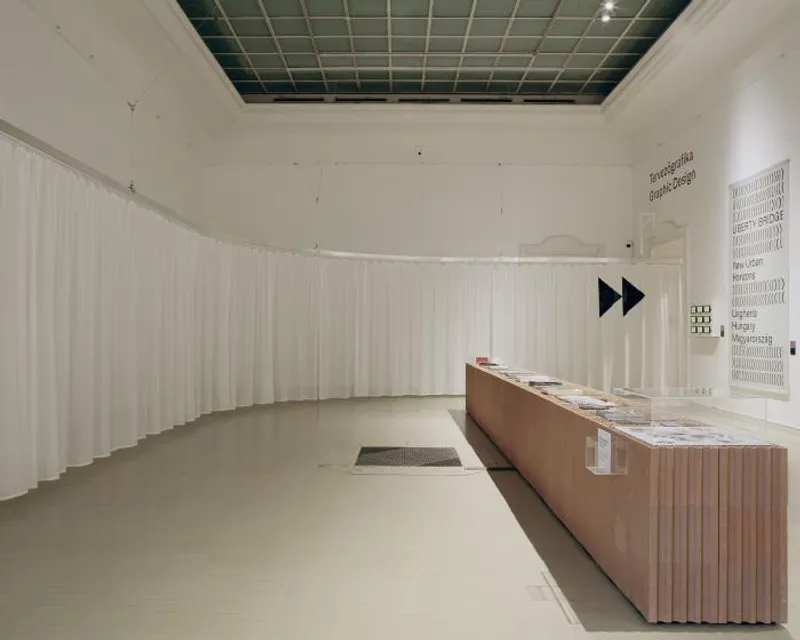
In the world of art exhibitions, the installation plays a crucial role in shaping the visitor's experience and highlighting the showcased artworks. At Műcsarnok, the prestigious art institution, a five-yearly exhibition captivates audiences with its consistent and thought-provoking installation elements. The primary objective is to provide a uniform setting for the wide range of exhibited objects, while also creating captivating spatial dynamics.
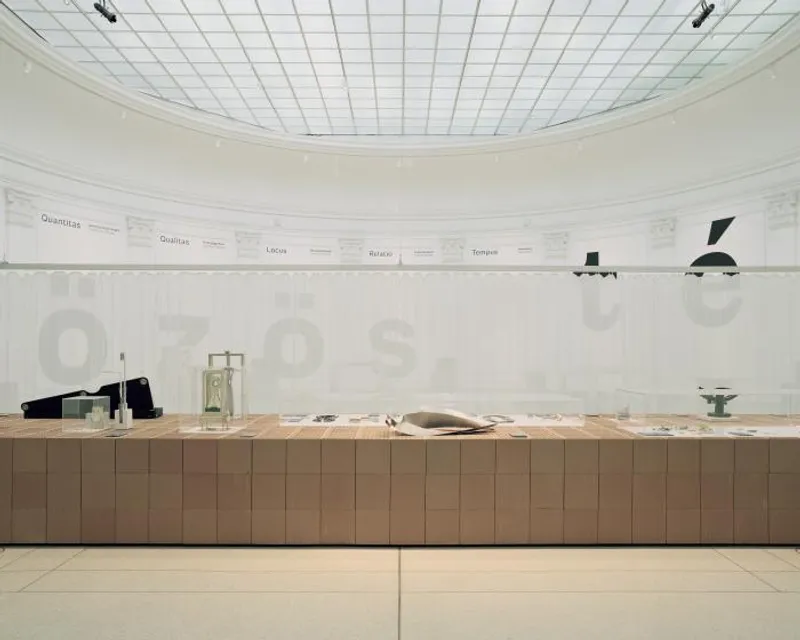
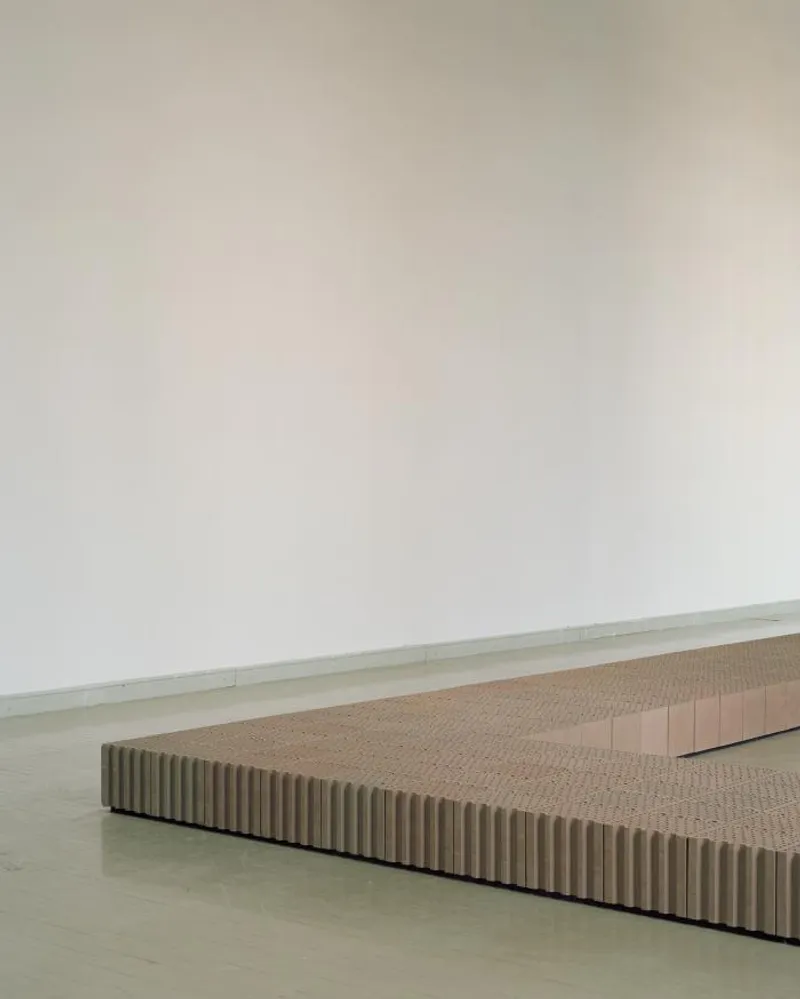
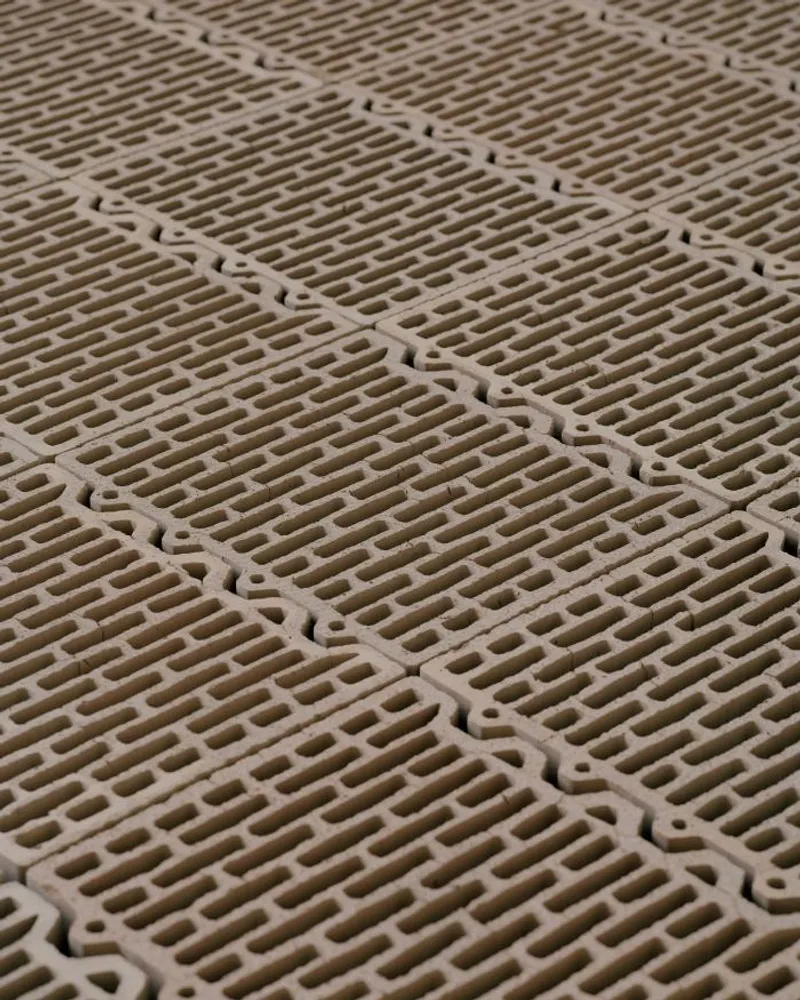
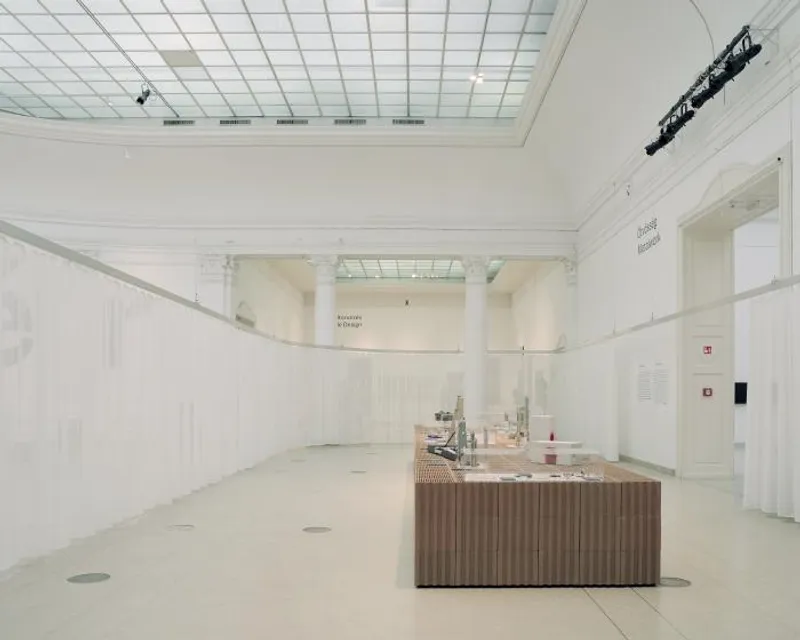
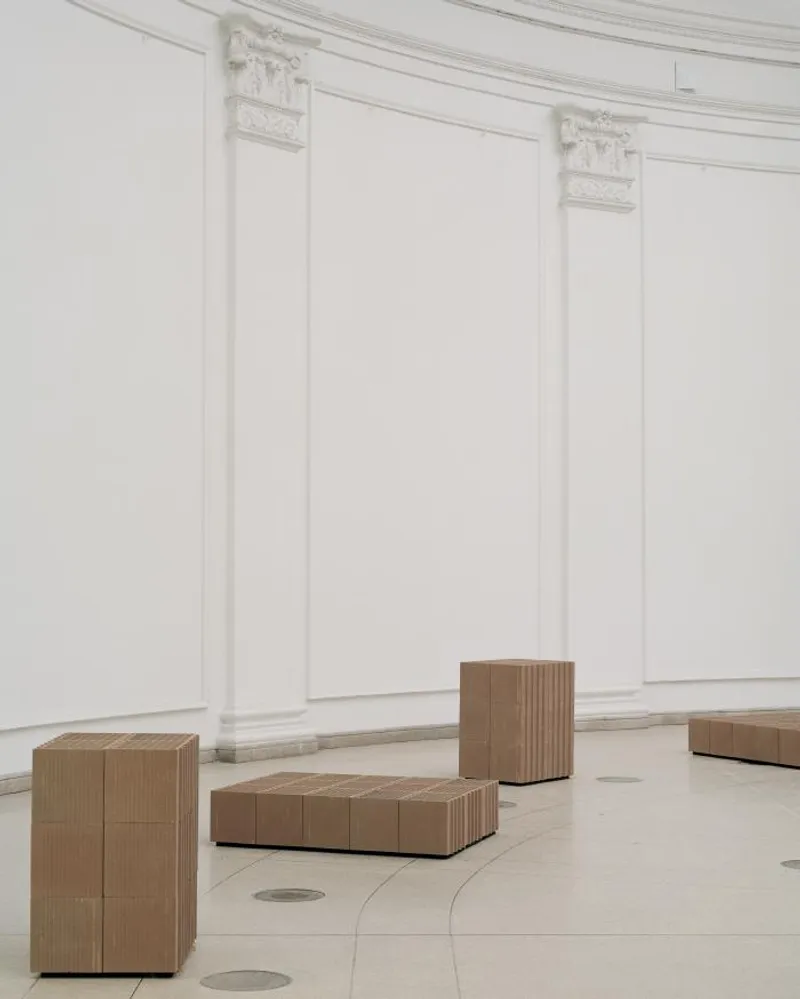
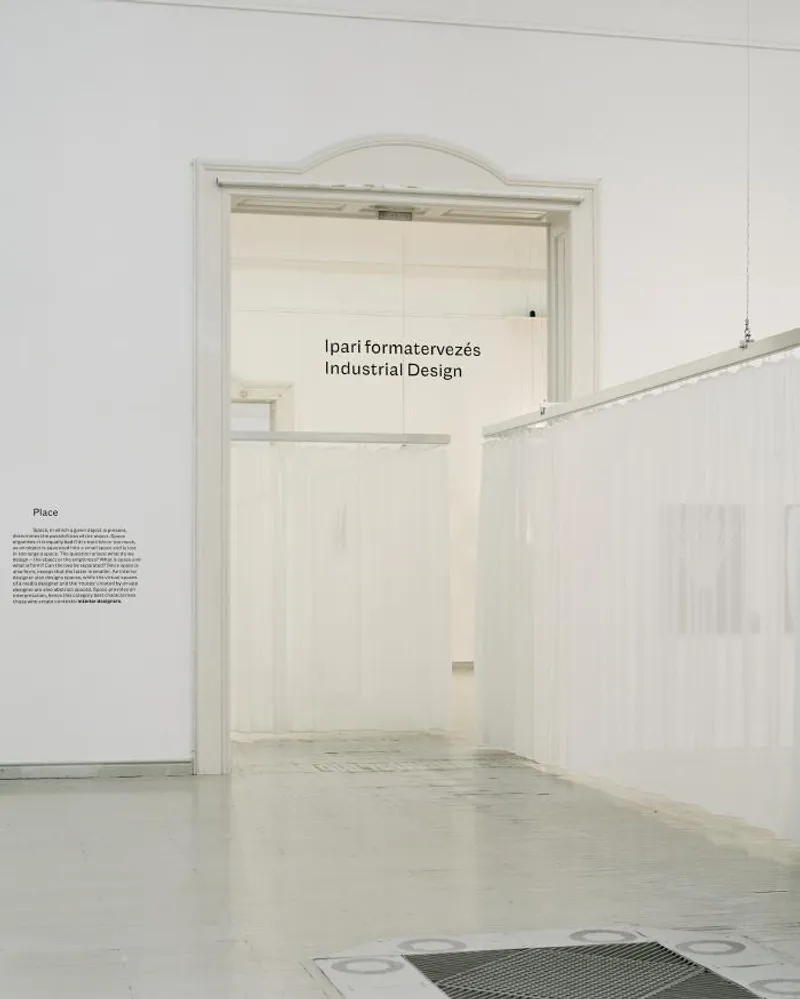
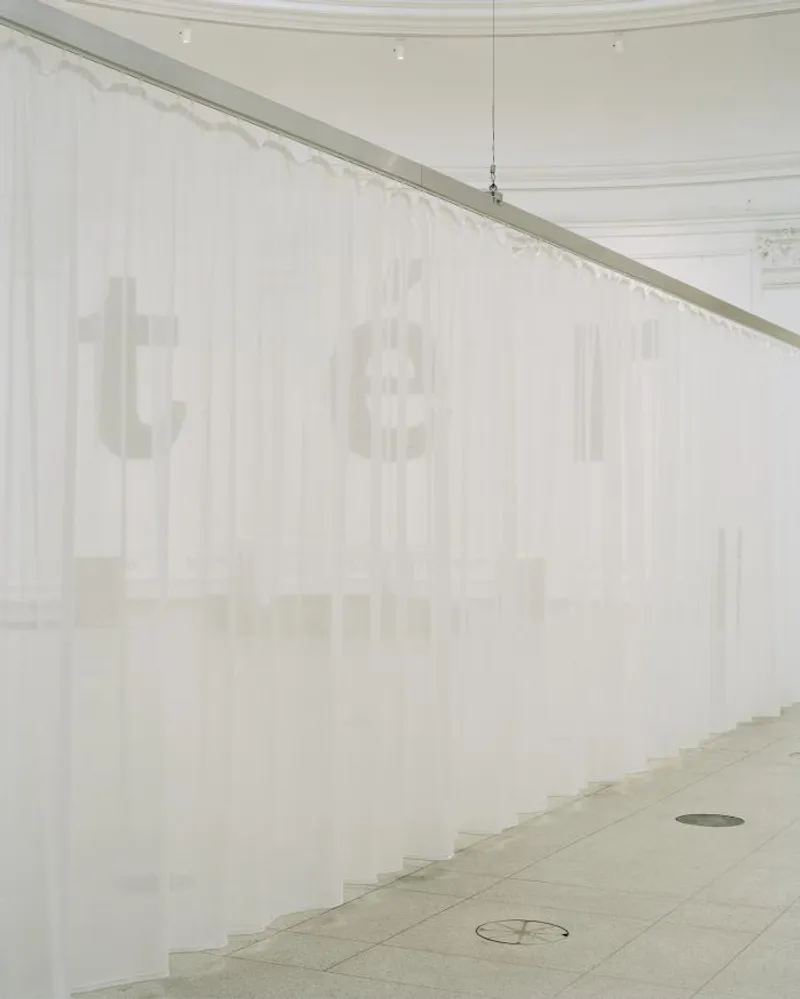
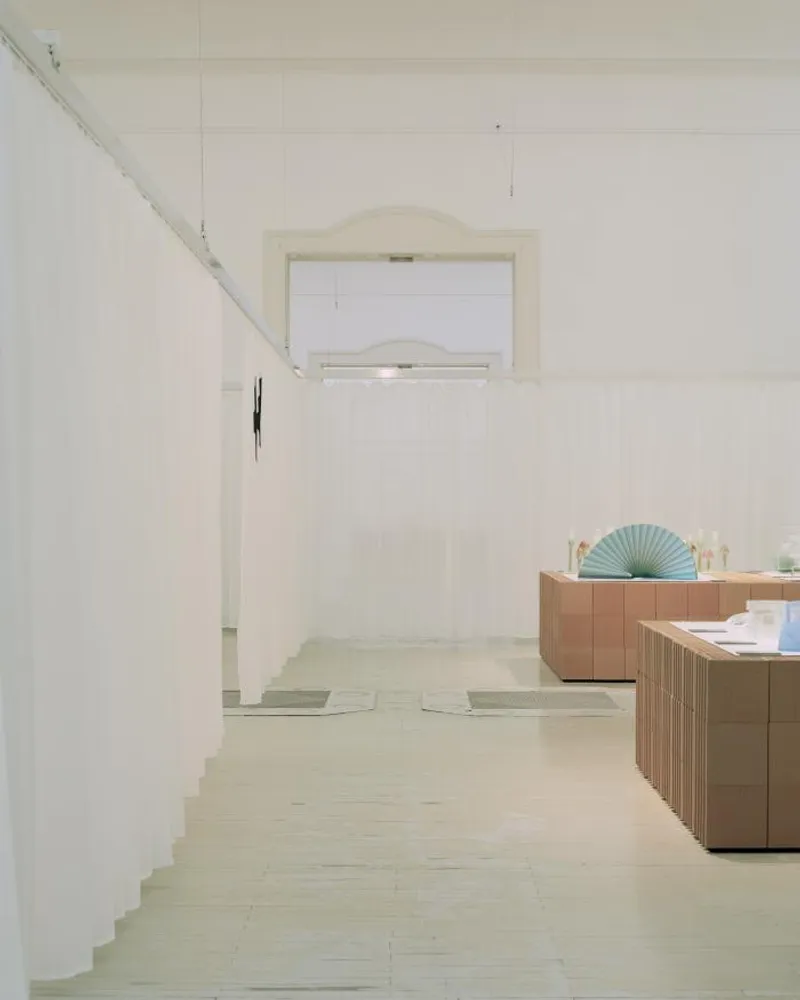
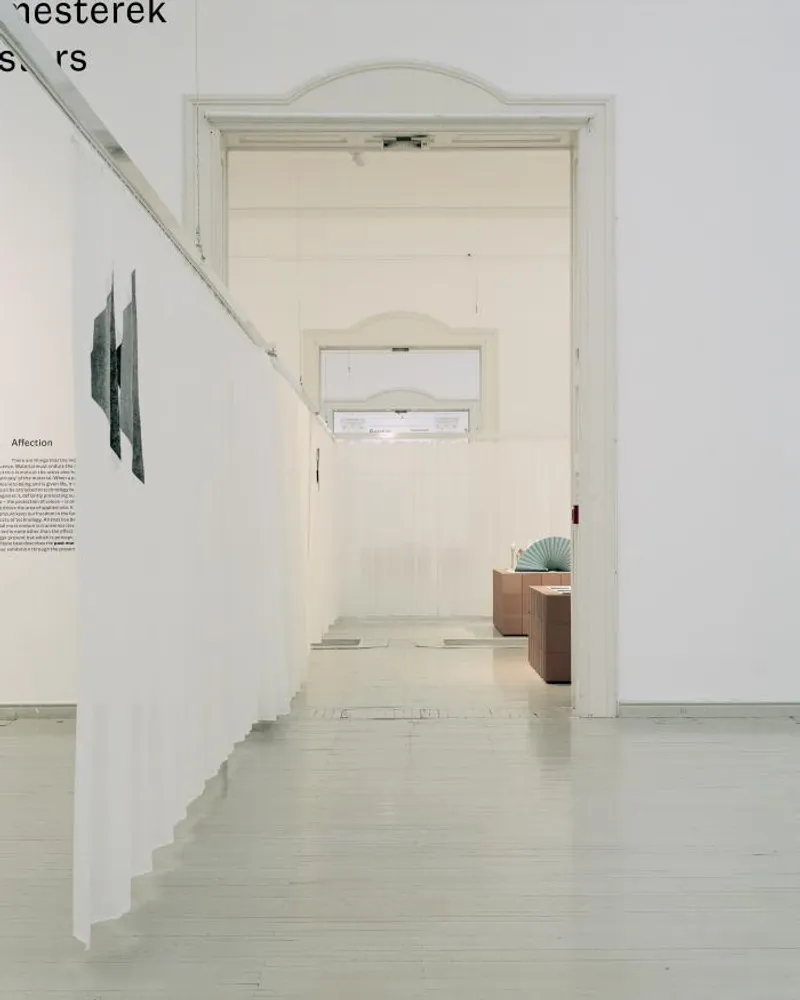
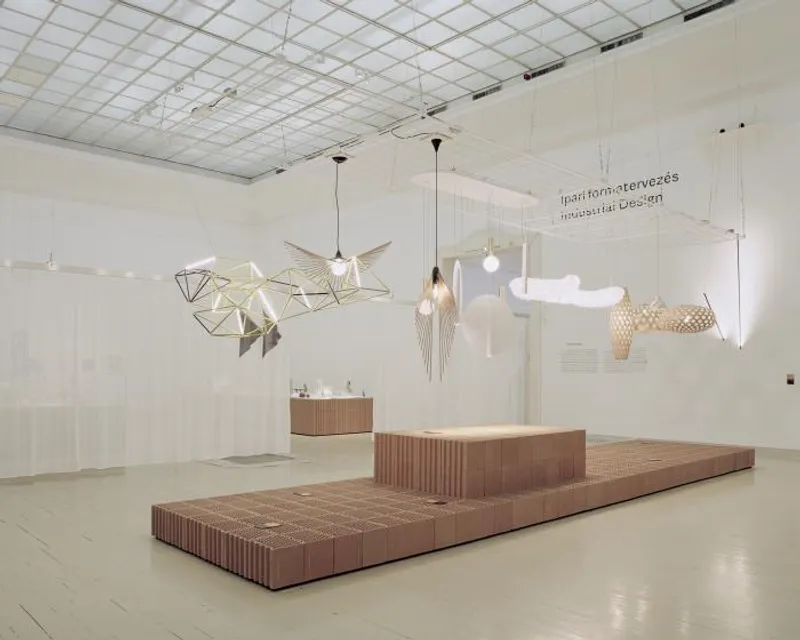
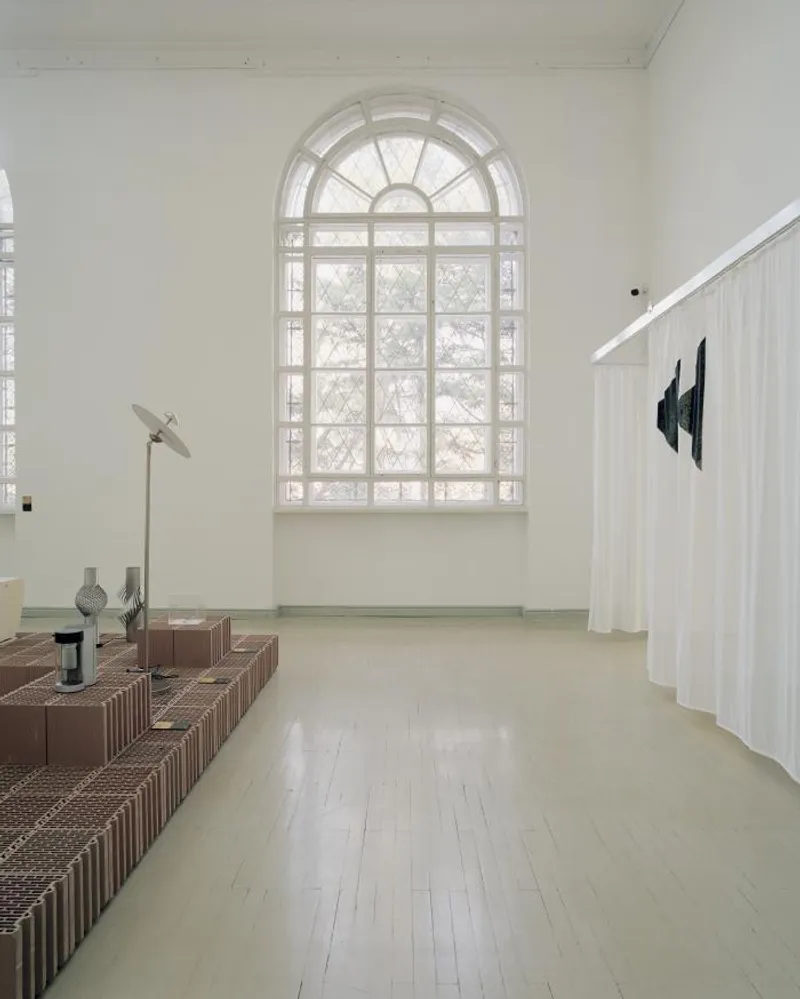
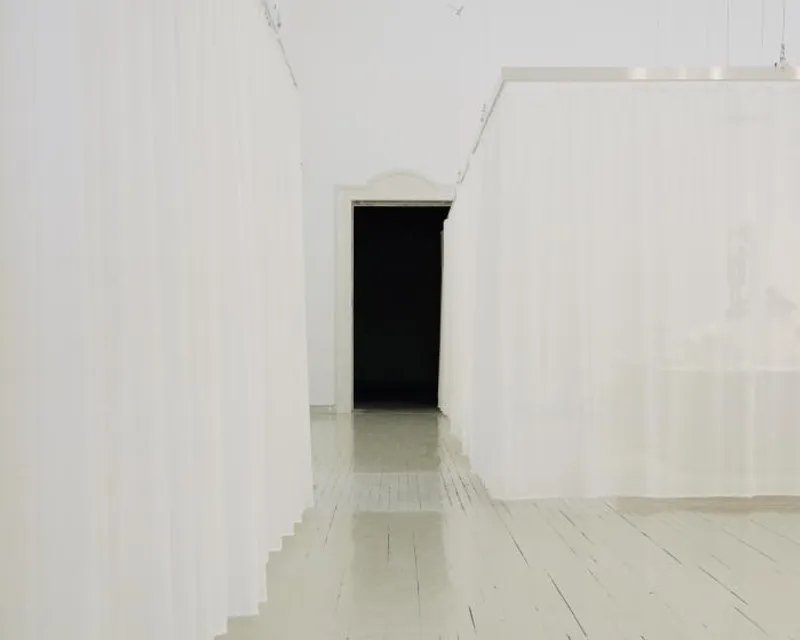
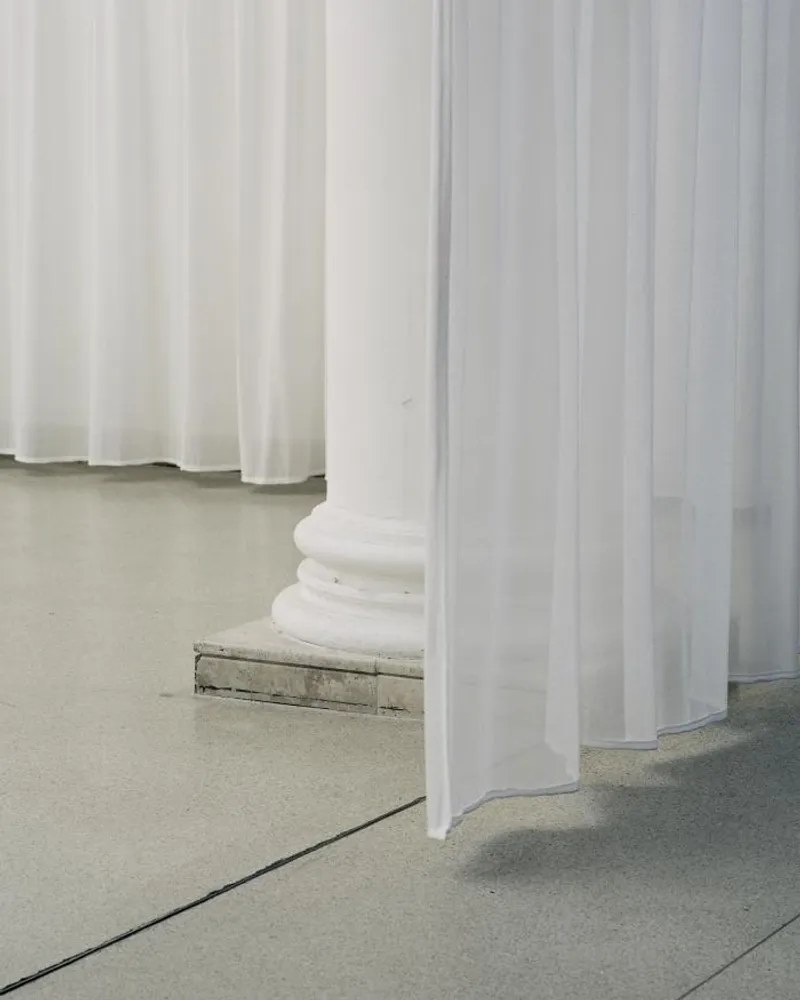
The installation incorporates a fascinating interplay of materials, featuring sagging curtains and raw brick pedestals. This deliberate duality serves two purposes. Firstly, it allows for experimentation with the contrasting nature of materials, exploring their beneficial tension. Secondly, it establishes a series of interconnected spaces both inside and outside the curtain rings, effectively reshaping the interior structure during the exhibition period.
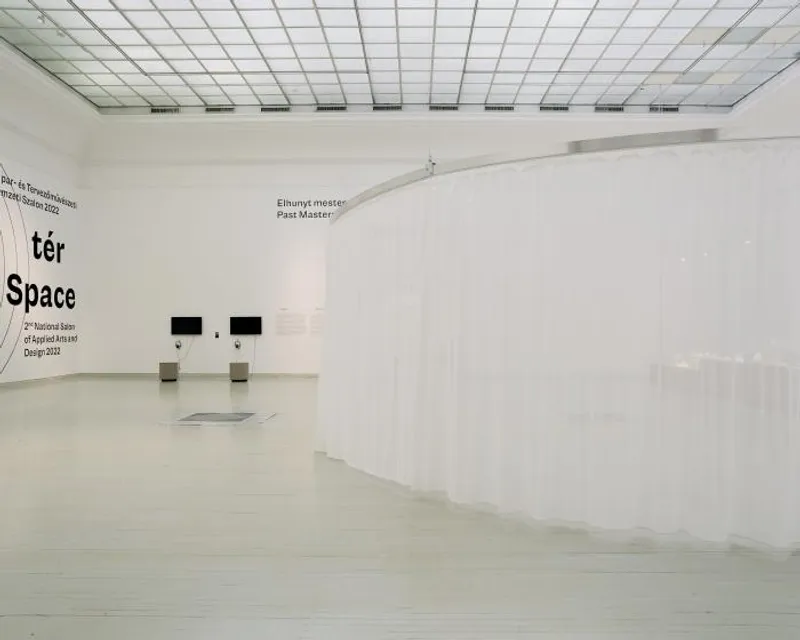
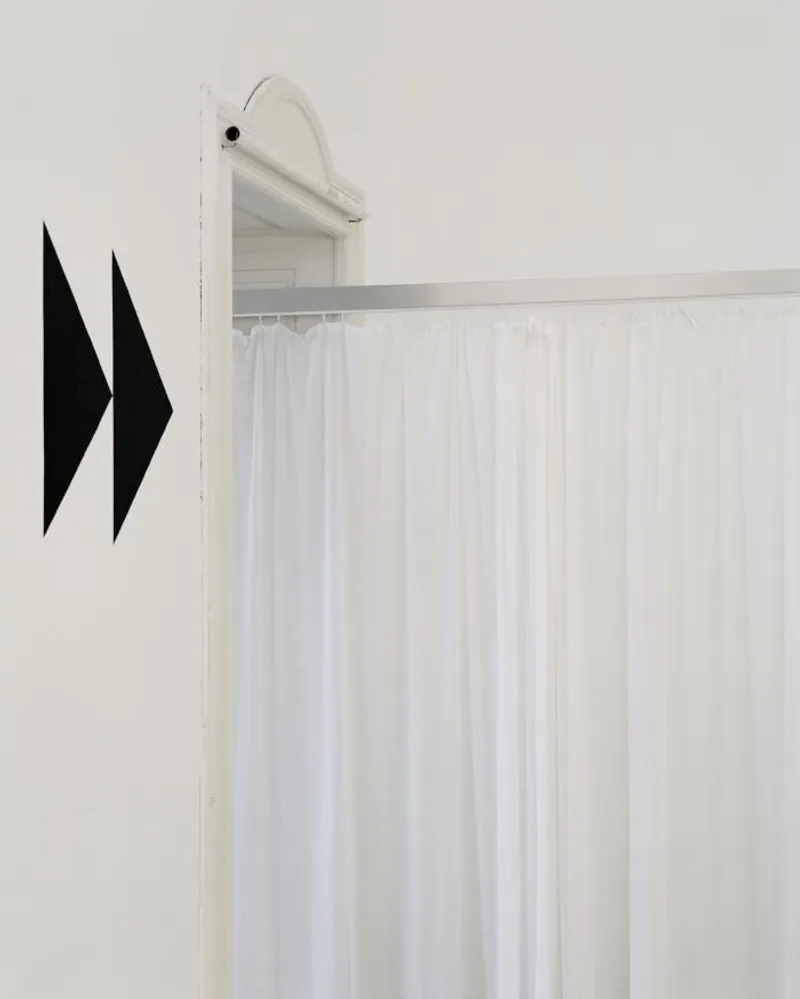
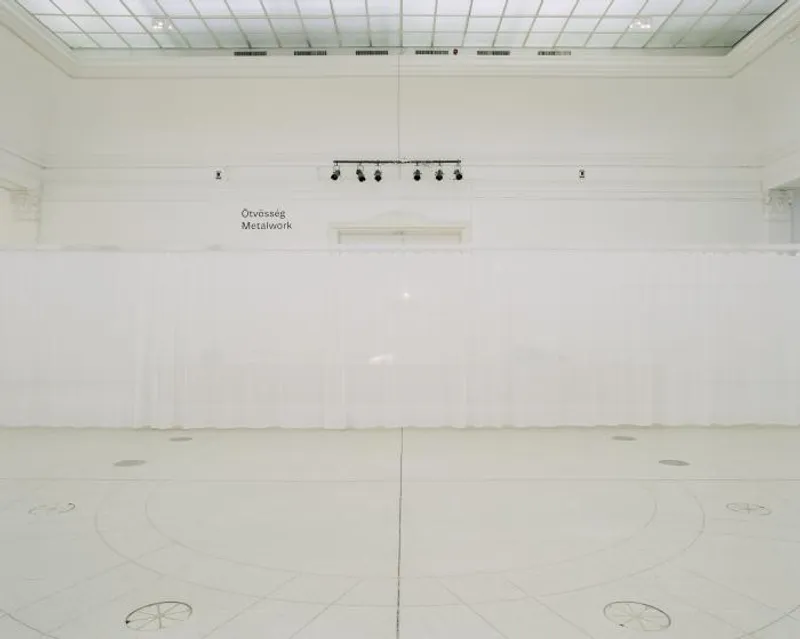
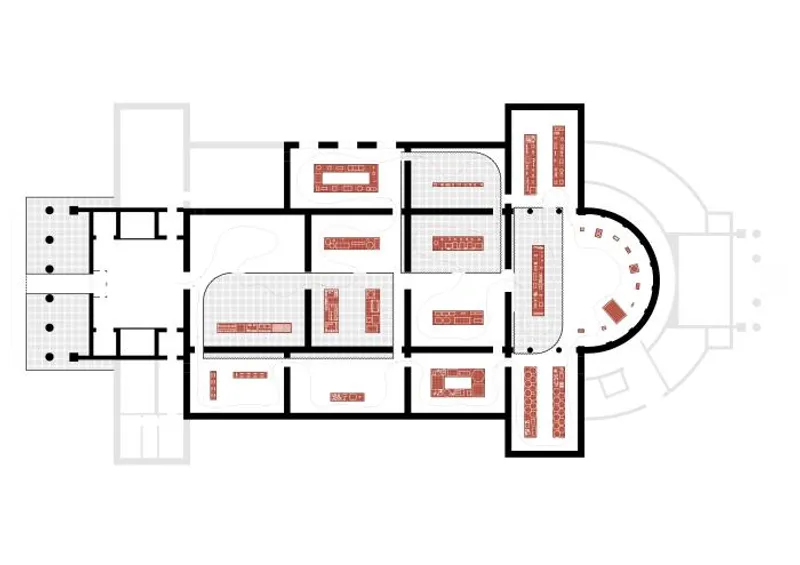
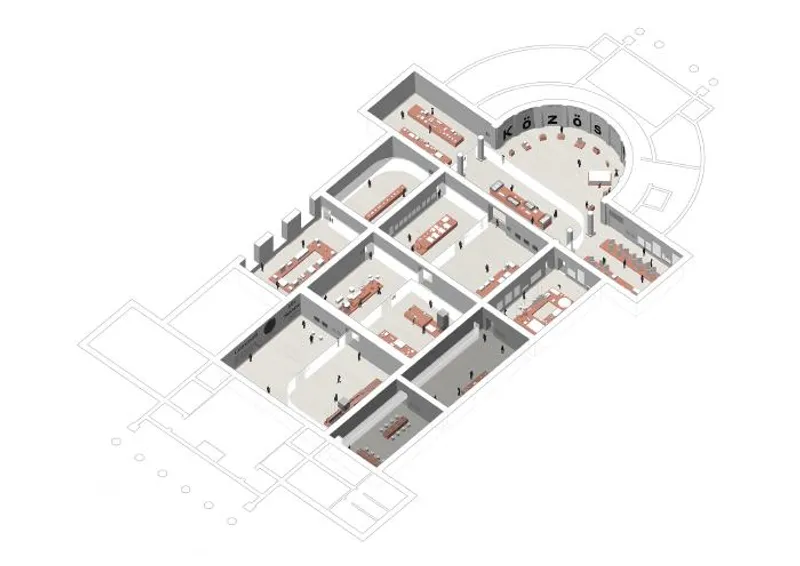
Central to the exhibition are three curtain constructions that redefine the space within Műcsarnok. These curtains serve as connectors, at times uniting symmetrical spaces and at others creating distinct zones. As visitors navigate through the exhibition, they transition between spaces embraced by the curtains and the areas beyond, creating a dynamic and linear spatial structure that guides them through thematic rooms.
The curator's concept further enhances the visitor experience by categorizing the exhibited pieces according to Aristotle's ten categories, each corresponding to a specific sector of applied arts. Upon entering the exhibition, visitors are welcomed by a spacious and empty area, providing an opportunity for gathering information and attuning to the artistic atmosphere. As their journey progresses, they reach the apse—a pivotal space where the curator's concept is expounded upon, showcasing key pieces that elucidate the underlying ideas. These spaces encourage contemplation, group activities, and even guided tours or presentations.
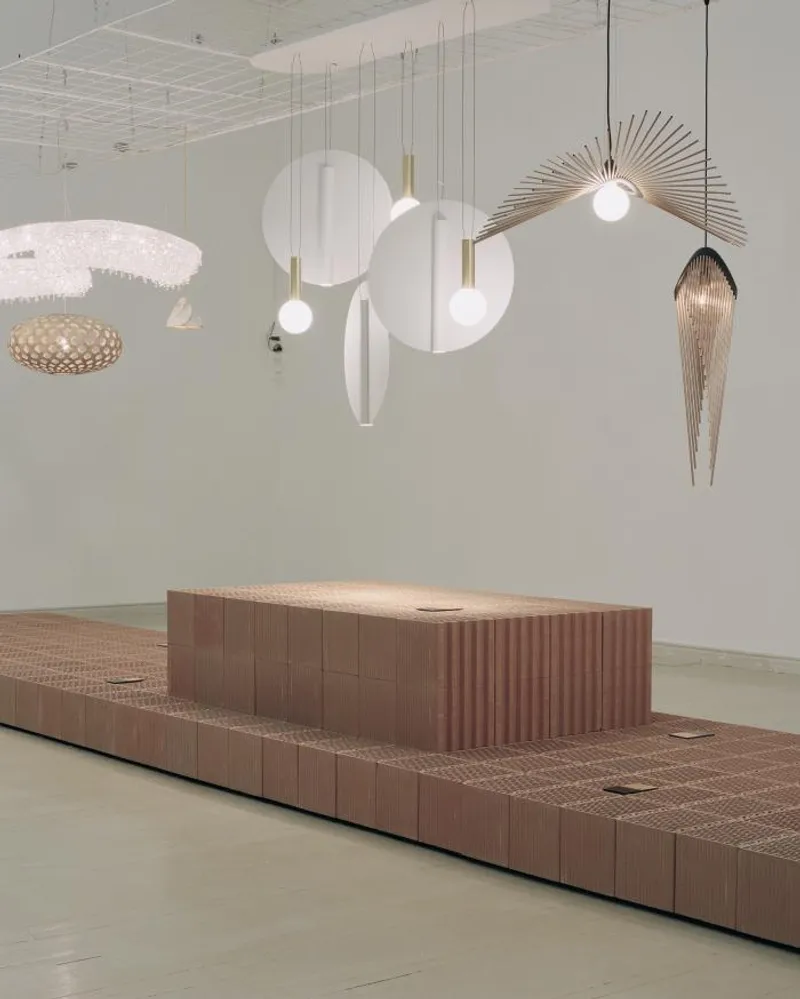
A pivotal aspect of the installation concept revolves around the design of neutral pedestals capable of accommodating the diverse range of exhibited artworks. Clay building blocks were chosen as the ideal material due to their versatility, modularity, and ability to adapt to various sizes and forms. This innovative approach ensures that each artwork finds a suitable platform for display, harmonizing with the overall exhibition aesthetic.
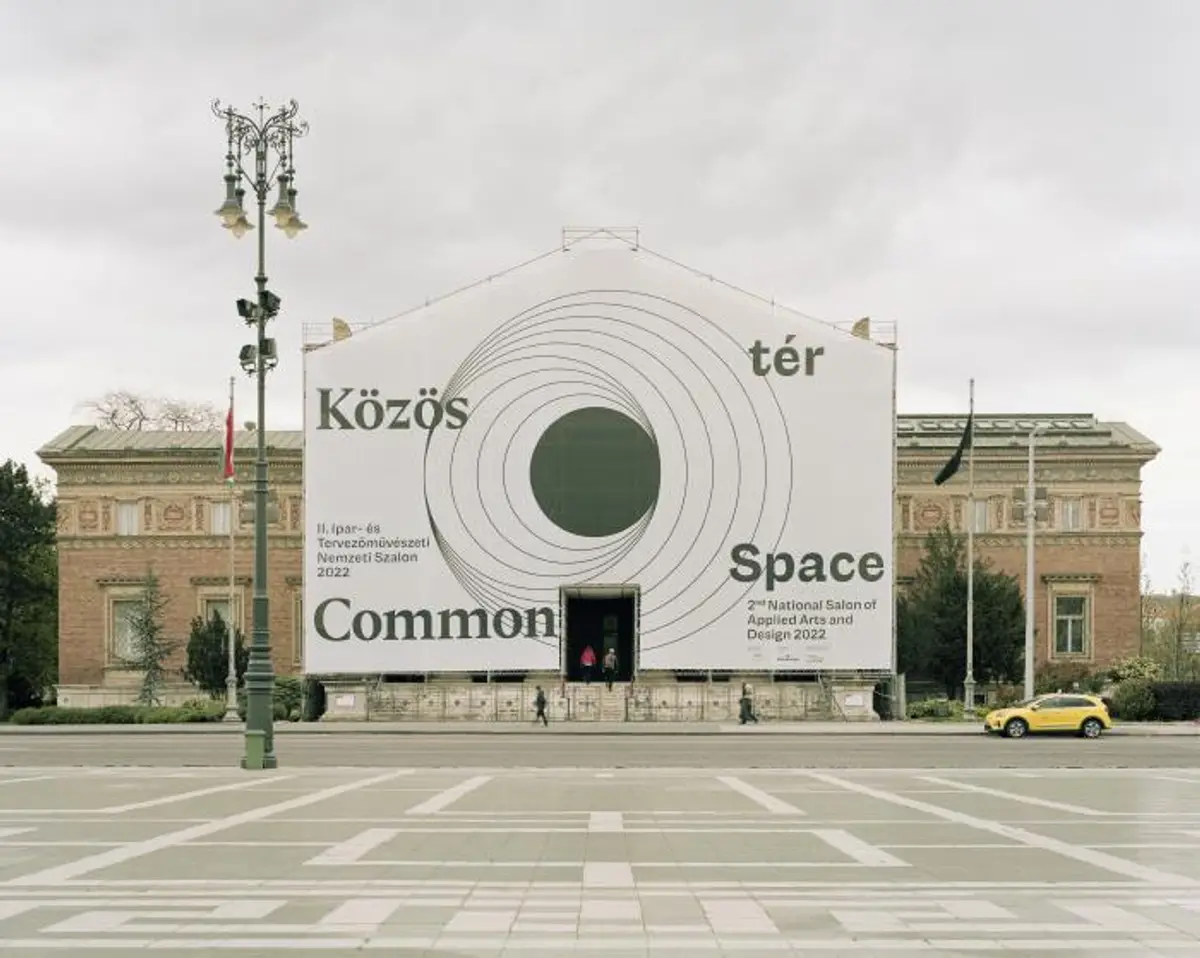
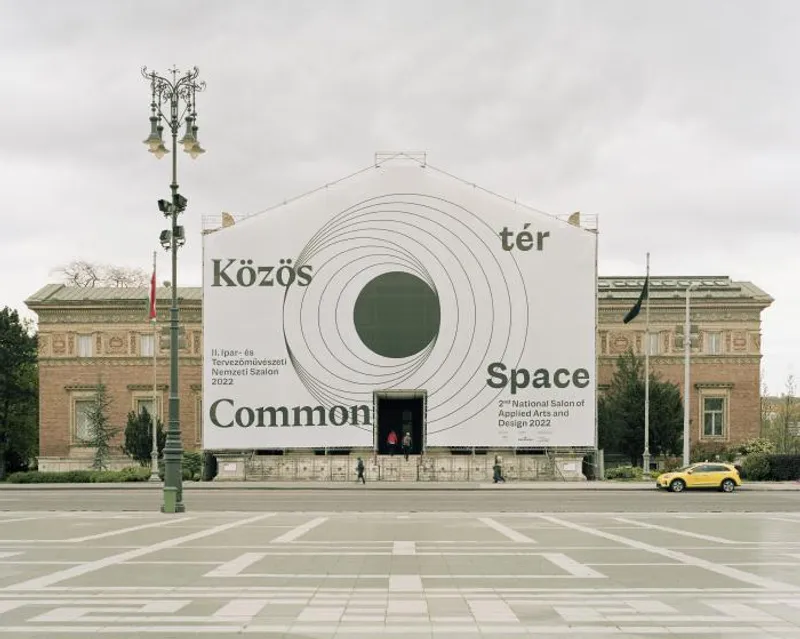
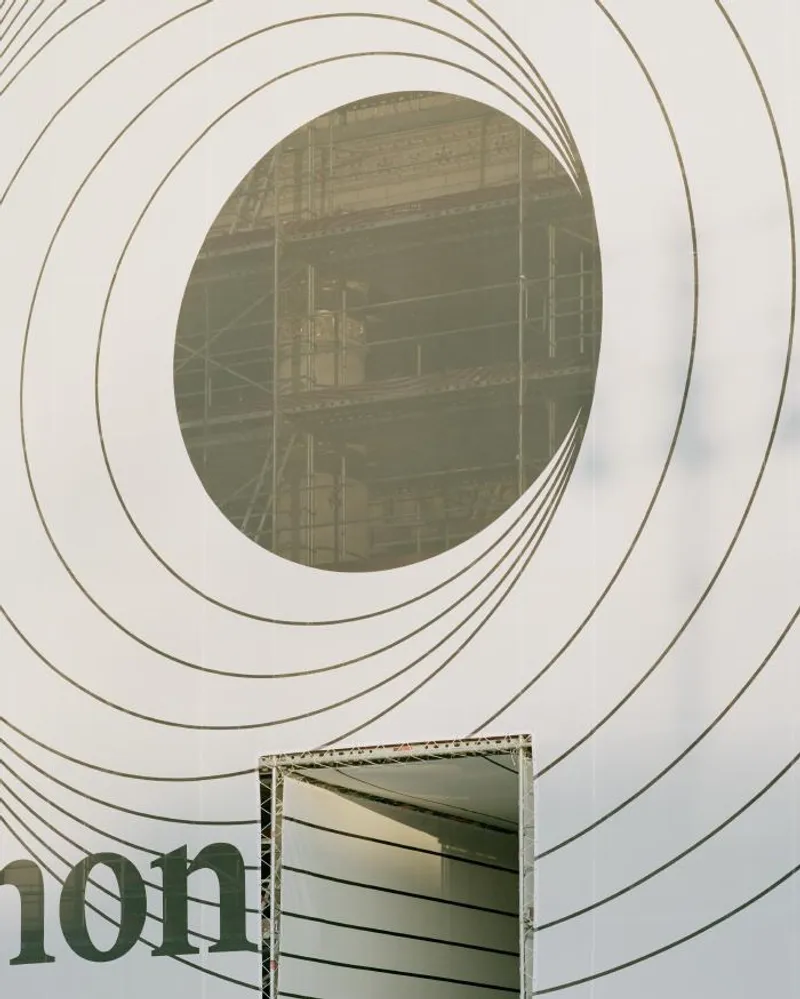
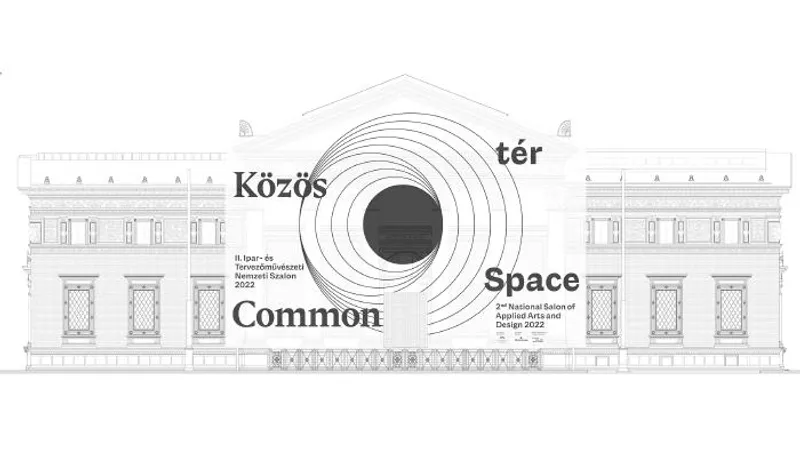
Additionally, the graphical visuals on the scaffolding, which were erected during the refurbishment of the porticos, create a visual connection to the interior exhibition. This strategic design element establishes a sense of anticipation and continuity, seamlessly integrating the urban scale with the immersive art experience within Műcsarnok.
The exhibition installation at Műcsarnok exemplifies the transformative power of spatial design in the realm of art. By reimagining the traditional exhibition framework through curtain constructions, adaptable pedestals, and curated thematic spaces, visitors are immersed in an engaging and thought-provoking journey. The combination of architectural ingenuity, artistic curation, and attention to detail ensures that the exhibition installation stands as a remarkable achievement in the world of contemporary art and design.

Popular Articles
Popular articles from the community


Faces of the Soviet Avant-Garde: Turning Moscow's Street Names into an Open-Air Museum
A network of sculptural installations across a Moscow residential district transforms forgotten architect names into spatial encounters with cultural memor

Manzana Morphosis: Stretching Barcelona's Grid into a Living Landscape for 2050
A radical reworking of the Eixample manzana turns density into a tool for generous public space, vertical ecology, and environmental performance.

Extended Shell: Retrofitting Kolkata's Balconies as Living Urban Thresholds
A modular retrofit system recovers the social and environmental intelligence of Kolkata's historic verandas for contemporary Park Street residents.

The Amber Palace Opera: A Geological Fiction Surfaces on Tallinn's Baltic Waterfront
Pierre Brillard reimagines a Baltic legend as a public landscape, opera house, and waterfront promenade rooted in Tallinn's coastal identity.

Similar Reads
You might also enjoy these articles
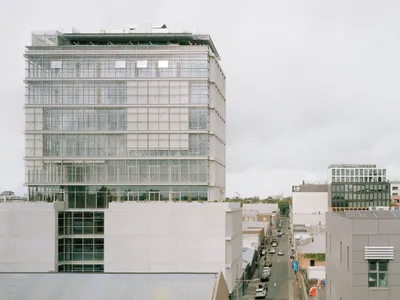
116 Rokeby Building, Collingwood
Sustainable Collingwood office building featuring double-skin façade, natural ventilation, rooftop amenities, and carbon-neutral design focused on wellbeing and longevity.
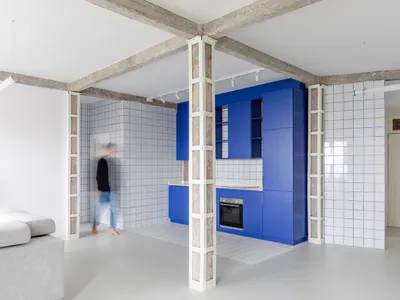
Contemporary Apartment Renovation in Spain: RV House by BIAN Opens Up to the Sea
A minimalist 1930s apartment in Santander is transformed into a flexible, sea-facing home through contemporary Spanish renovation.
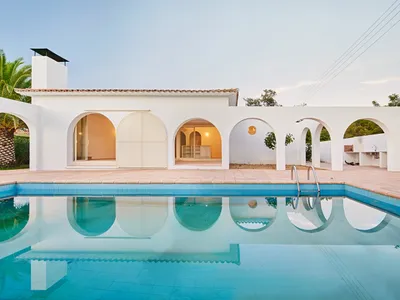
3 Marías House: A Contemporary Mediterranean Courtyard Retreat by Bajet Giramé + Burckhardt
Mediterranean courtyard home blending traditional architecture with modern design, terracotta flooring, flexible interiors, sustainable climate strategies, and garden integration.
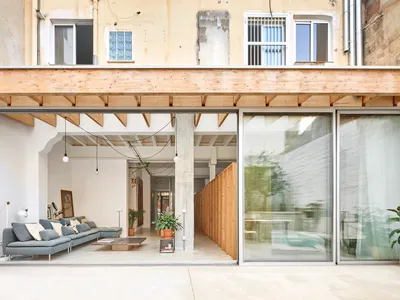
NZ10 Apartment by auba studio: Adaptive Reuse in Palma de Mallorca
Adaptive reuse apartment transforms bakery into light-filled home with patios, privacy layers, and wood interiors enhancing urban living experience.

Explore Exhibition Space Competitions
Discover active competitions in this discipline


Challenge to design a portable theatre

Challenge to design a portable music platform

Challenge to design an open learning module for the elderly

Challenge to reimagine the Iron Throne
Comments (0)
Please login or sign up to add comments
No comments yet. Be the first to comment!