

How are the concepts of Urban Design developed?
Whether you are a budding architect or want to get a quote for your new home, this blog is here to help you learn about the concepts of the Urban Design Competition.
Scientific ideas are drawn from principles and assumptions to develop architectural theories. Whereas the concepts for Urban Design Competition are created with proper planning by keeping the political contexts and environmental concerns in mind. Through urbanized architectural designs, we can obtain:
- Proper definition and adequate use of land
- Transportation facilities and connections will be enhanced
- Also, the water bodies in the area will be well developed
Taking inspiration from the designs and ideas of successful and highly professional architects is one of the best strategies to develop quality content for a bidding competition. However, let's delve into the details of how the experts in the field have conquered the concept of coming up with urban architecture concepts.
What are the different types of Urban Architecture Designing, and how are they developed?
Urban planners are known for developing towns and cities' designs to accommodate the modern lifestyle well. Here are some of the different types of design concepts used for urban architecture:
Strategy Planning
The idea behind developing strategic urban design and ideas is to determine the areas that need growth and set forth high target levels to develop a metropolitan area. When a strategic plan is being designed, the agenda is to create a living space that offers:
- Easy commuting throughout the city
- Building communities for the welfare of the society
- Focusing on developing a region that promotes a quality lifestyle
- Alluring people to shift into these cities
When bidding for an Urban Design Competition, remember that the highest amount of planning and thought is put in for developing strategic planning ideas.
Master Design Plan
Undeveloped land or Greenfield development areas use the master design concept to develop ideas. Every architect should, once in their lifetime, have the experience of developing a location right from scratch without the presence of any old building or structure.
While developing a master design plan for an urban location, you must work coherently with the government agencies and the area's landowners. But master designing is quite similar to strategic planning, but the only exception here is –everything is done from scratch.
Land-use Designing
When you plan on bidding on a land-use design plan, remember these concepts generally focus on legislation and policies to obtain the planning instruments regulated by the government. On a large scale, the instruments used to design the structure of a location include:
- The type of area for which the design is being prepared
- Quantity of land allotted for conducting the activities of the cities
- They are also further classified into reserve zones or lands for specified purposes
The zones classified in land-use design include:
- A commercial section contains an office building, retail shops, and malls for commercial use by the public.
- Residential areas will only contain family residences, apartments, bungalows, and condominiums.
- The municipal sector will have the courthouse, police station, fire safety office, and other such public welfare buildings
- The industrial section will consist of warehouses and manufacturing plants
Revitalization of Urban Spaces
As an architect, be prepared to face the different demands and needs of different people. While Master designing is one facet of architectural planning, revitalization is another. Urban Revitalization makes use of the concepts to focus on developing or working on areas that are declining.
Therefore, whenever you bid for a concept for architecture design competition, you must keep the demand of the work in mind. Only then will you be able to deliver the desired results.
Generally, revitalization work includes dealing with some of the root causes that are leading the property to ruins or declining the value of the area. Therefore, the revitalization design work may include:
- Development of infrastructure from obsolete style to the modern-utilitarian way
- Repairing the structure of the roads to ease transportation
- Taking care of the parts causing pollution
- Adding spaces for public use such as parks, hangout spaces, walking paths, and more
Adding spaces for economic purposes
An architect must be prepared to develop an N-number of designs to meet the client's needs. The only way to win in an Urban Design Competition is to develop concepts that are unique and suit the purpose for which they have been planned.
For instance, suppose your client needs to tweak up a region's economic sector, and they want you to bid for a design; you must keep in mind the purpose here! While creating an economic-specific space, you need to remember that the space should be added with:
- More retail shops
- Commercial buildings for office use
- Restaurants
- Gas stations
- Local hardware and grocery stores are very important
You cannot just go on focusing on the aesthetics while leaving behind the amenities that the client needs. In fact, in economic development design, the design should be neat and should be able to accommodate all the essential buildings.
Conclusion
Good planning requires you to have a proper idea of what your customer demands. Whenever you apply for an Urban Design Competition, always know that while aesthetics play a crucial role in determining the style of the infrastructure, the building must be equally habitable and easy to use for the purpose it has been designed.
Therefore, you need to know about all the different design concepts used in the development of architectural planning.
Call to Action
UNI.XYZ is a unique platform and one-stop solution to all architectural problems and requirements. We aim to bring the budding architects looking for new projects and bidders who want specific infrastructures and buildings to be of specific design on the same platform.
We provide a space for architects to showcase their talent by launching various Urban Design Competitions and allow you to choose the designs that best cater to your needs. Please browse through our website to gather more details and share your email address to allow us to contact you.

Popular Articles
Popular articles from the community


Temporary Home for Dogs: A Reversed Zoo Rethinks Animal Shelter Architecture
In Bucharest, a sinuous corridor and freed landscape flip the logic of containment, designing a shelter that works to make itself unnecessary.

Singing Woman: Contemporary Architecture Inspired by Estonia’s Voice and the Sea
Singing Woman turns Estonia’s song culture into flowing opera house architecture, blending public life, landscape, sea, and national memory.
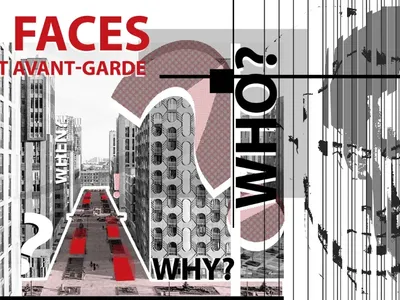
Faces of the Soviet Avant-Garde: Turning Moscow's Street Names into an Open-Air Museum
A network of sculptural installations across a Moscow residential district transforms forgotten architect names into spatial encounters with cultural memor

Cloaked Colonization: A Mobile Underwater Habitat That Moves Like a Fish
Micah Abaya's shortlisted EHC Pacific entry reimagines ocean settlement as a dispersed network of self-sustaining architectural organisms.

Similar Reads
You might also enjoy these articles

Bao Huynh Watercolor Atelier: A Serene Art Retreat in Hội An
Bao Huynh Watercolor Atelier in Hội An blends multifunctional art spaces, sustainable design, local materials, and family-friendly living in a serene environment.

Atelier Macri Concept Store Interior Design by CASE-REAL
Atelier Macri store features a "ko" counter, walnut wood details, cork displays, blending retail, gallery, and seamless customer experiences.

Manuel Vargas Izquierdo Stadium and High-Performance Sports Center: Architectural Excellence in Jalpa de Méndez
The Manuel Vargas Izquierdo Stadium blends sustainable design, inclusive sports facilities, and cultural-inspired architecture, revitalizing Jalpa de Méndez’s public spaces.

KAKR Buluh Awar Hall: Revitalizing Community and Ecology Through Bamboo Architecture
Community built bamboo hall revitalizes Buluh Awar village, empowering youth, restoring ecology, celebrating vernacular craftsmanship through sustainable architecture and culture.

Comments (0)
Please login or sign up to add comments
No comments yet. Be the first to comment!