

Simulated Urban Design
Digital and computational approaches to designing, modeling, and reimagining urban environments and public spaces.
Simulated urban design uses digital tools, parametric modeling, and computational methods to explore how cities function and evolve. Designers use these techniques to test ideas, generate alternatives, and understand complex urban systems before physical implementation.
The community examines modular city frameworks, algorithmic urban planning, and data-driven design solutions. Members also document projects that apply simulated design thinking to real-world urban challenges, from adaptive street furniture to reclaimed public infrastructure.


Popular projects
View all 55 projects


Latest journals
View all 51 journals
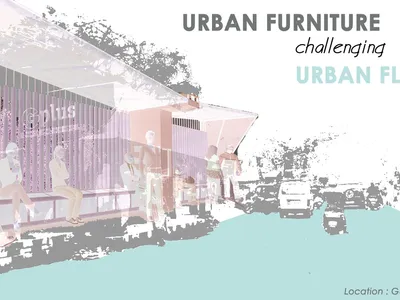
URBANSCAPE: Symbiosis Turns Guwahati's Street Furniture into Flood Infrastructure
Bamboo bus stops, parklets, and modular benches work as ecological micro-systems to absorb monsoon runoff along Rajgarh Road, Guwahati.

Kudaaram: A Modular Timber Pavilion Reclaiming Chennai's Congested Streets
A collapsible street shelter with green roofs and community seating transforms Mannady Street into a pedestrian-first corridor.
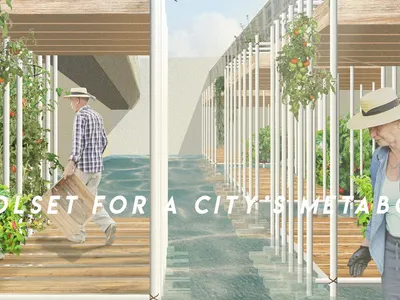
Toolset for a City's Metabolism: Scaffolding Systems as Urban Farming Infrastructure
A modular scaffolding framework transforms neglected voids in London's Nine Elms into cyclical landscapes of food production and community exchange.