
Initiative Rising Star School Buildings for Hopley by Ingenieure ohne Grenzen
Handcrafted Rising Star School in Hopley blends sustainable design, community engagement, natural ventilation, and expressive arches, inspiring Zimbabwean education.


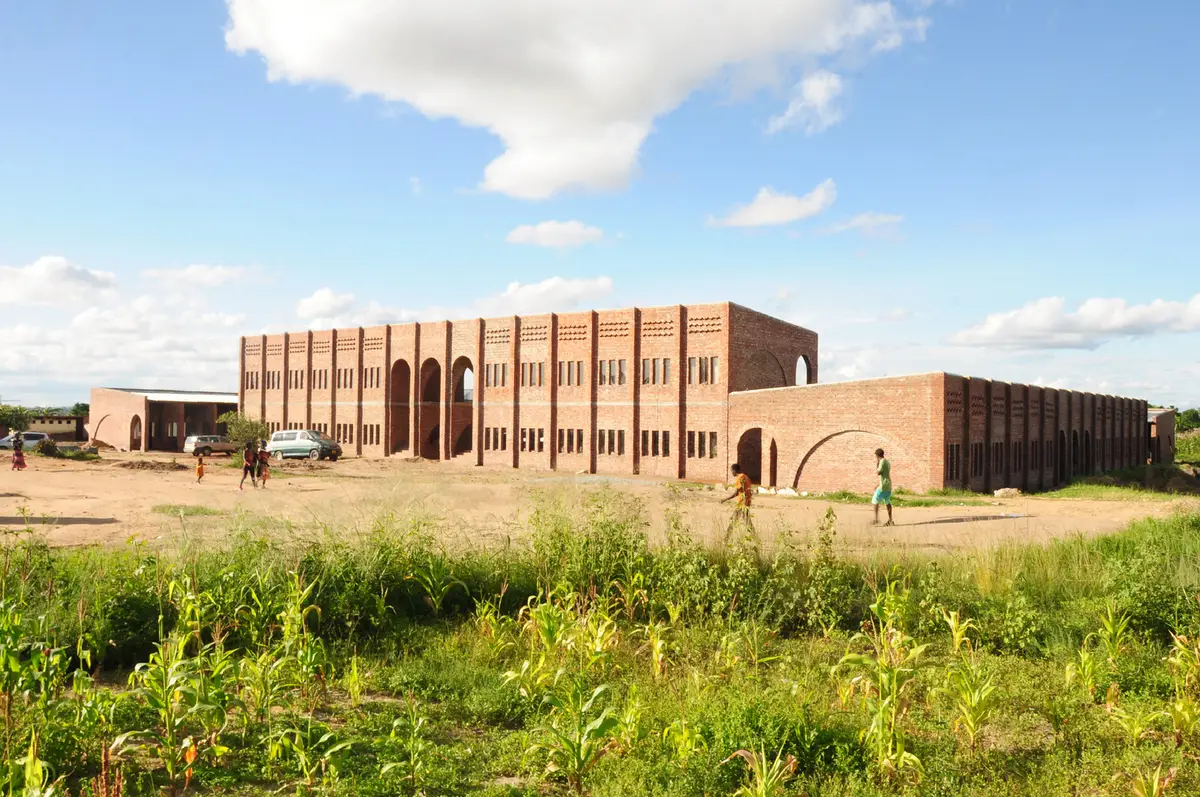
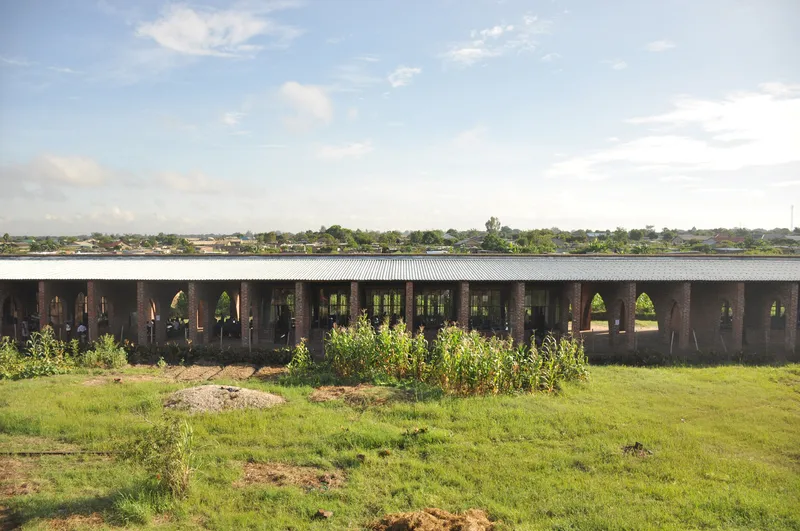
The Rising Star School in Hopley, Harare, Zimbabwe, designed by Ingenieure ohne Grenzen, represents a landmark educational project that blends community engagement, sustainable architecture, and innovative construction methods. Established in 2010, this primary and middle school has continuously expanded, becoming a pivotal center not only for children but also for the wider community. With a total built area of 2,552 m², the project was completed in 2023, following seven carefully planned construction phases.
Architectural Concept and Design
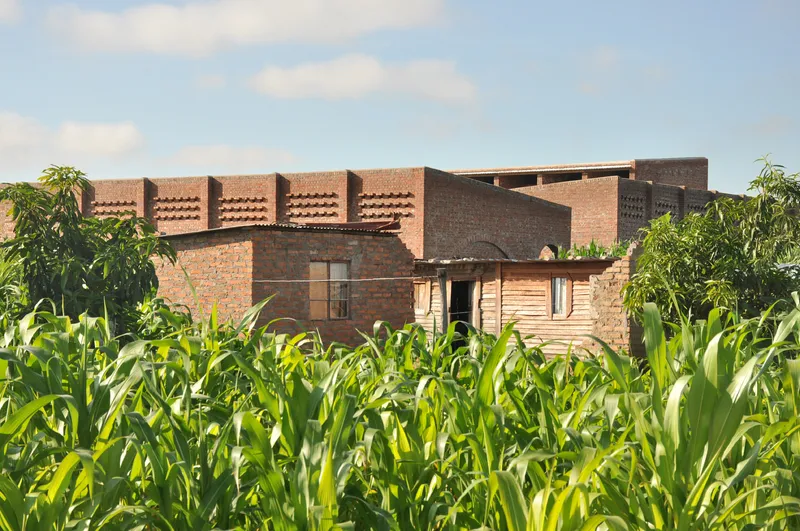
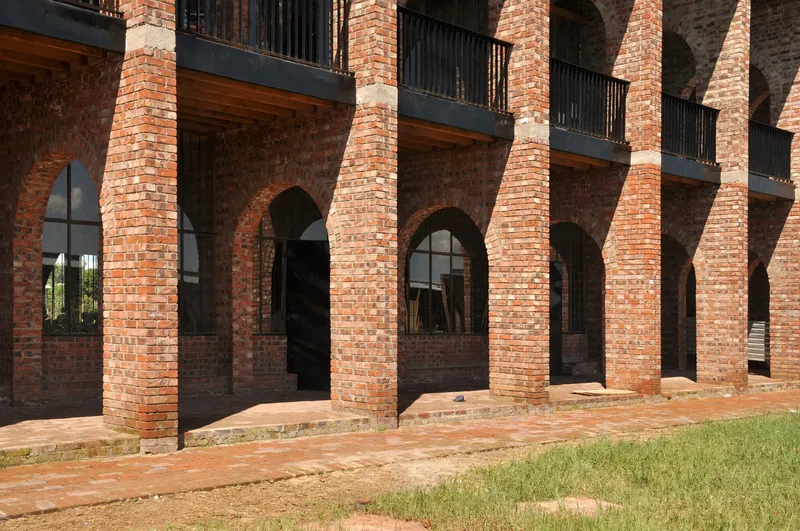
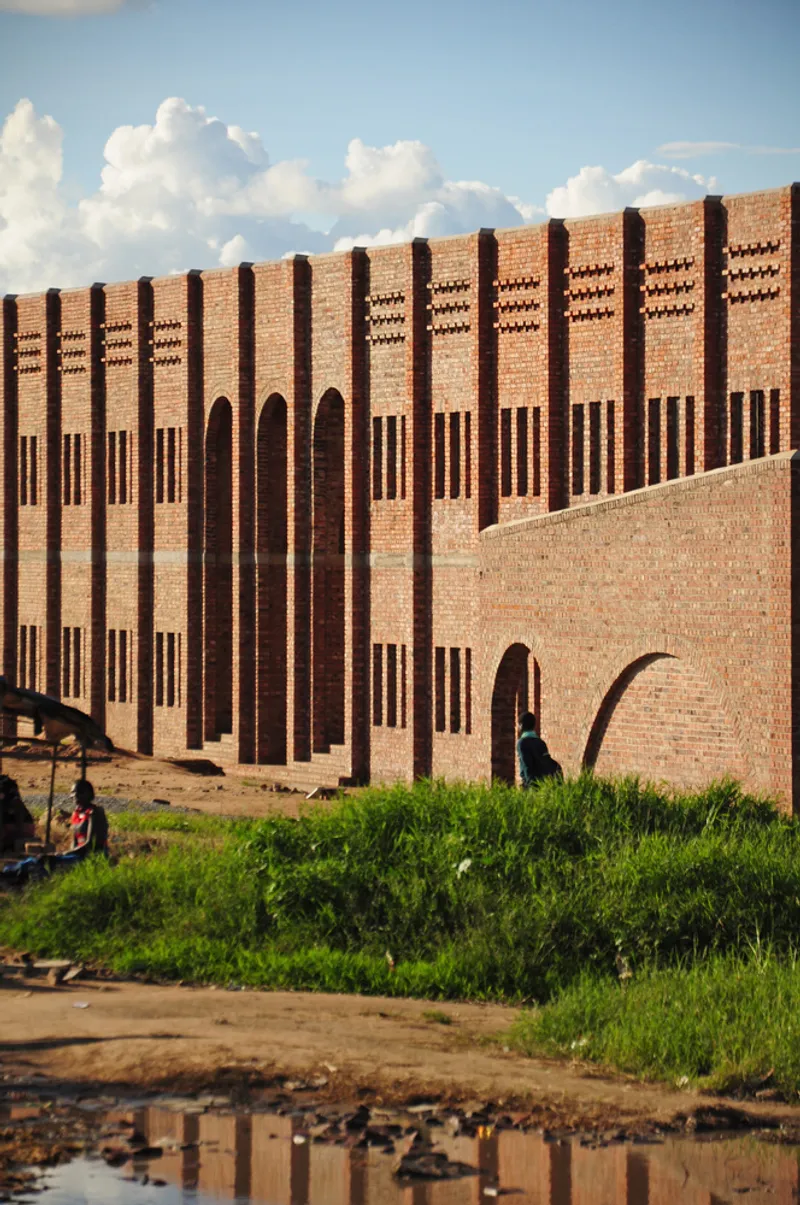
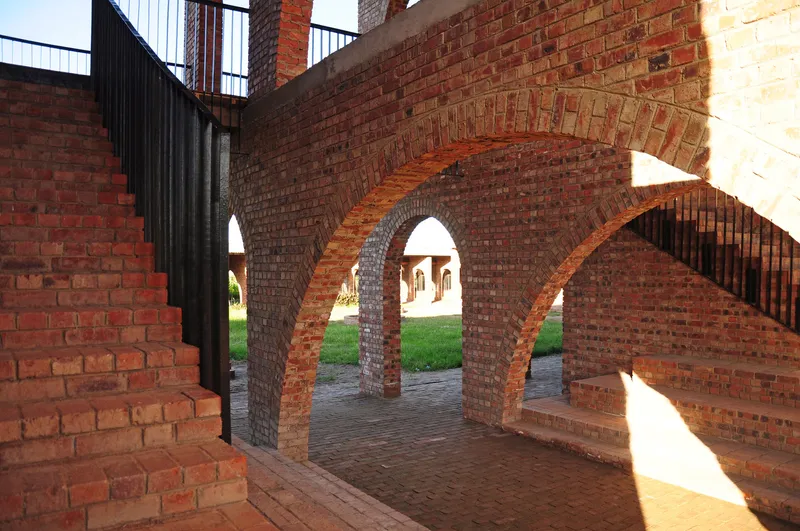
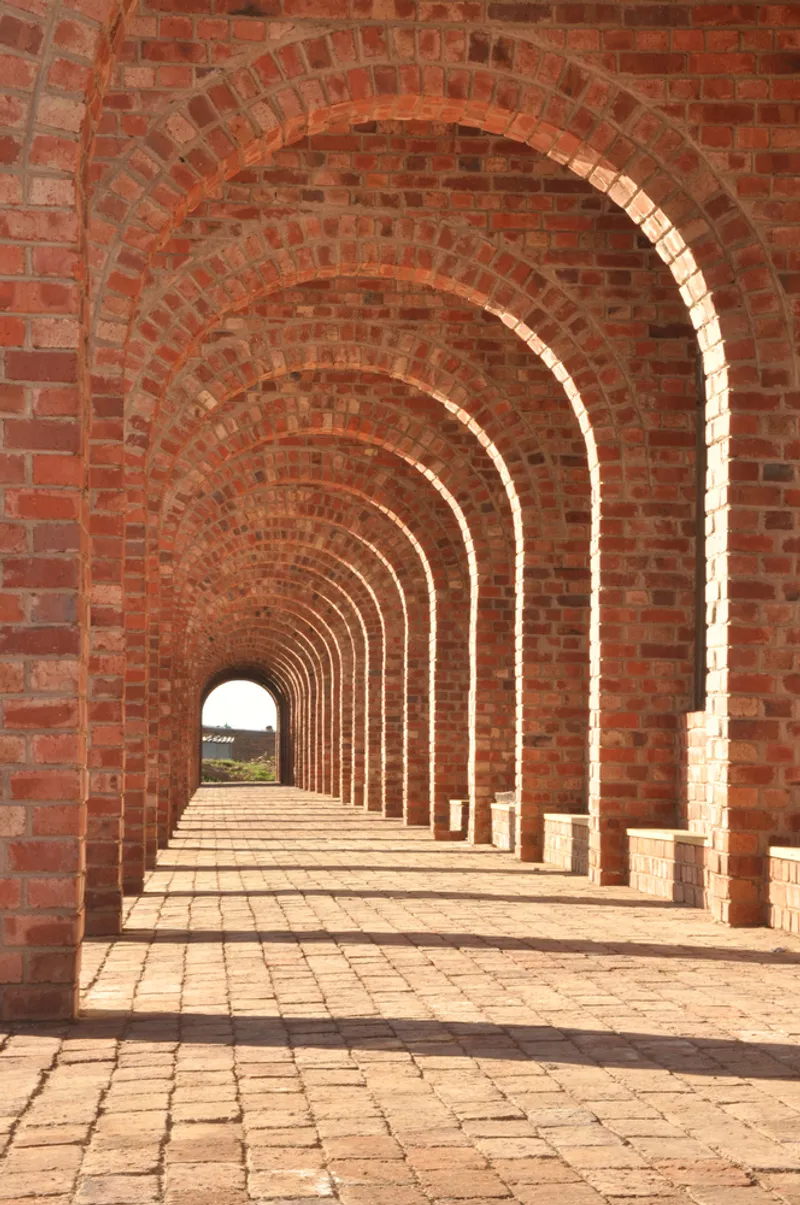
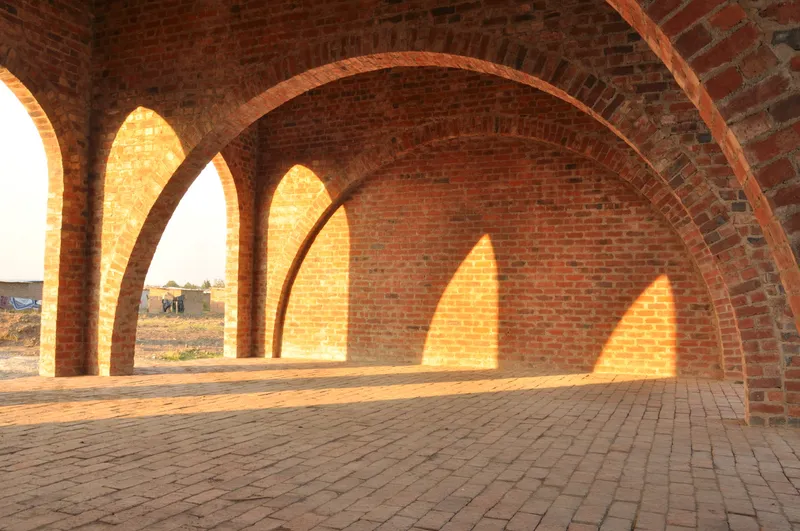
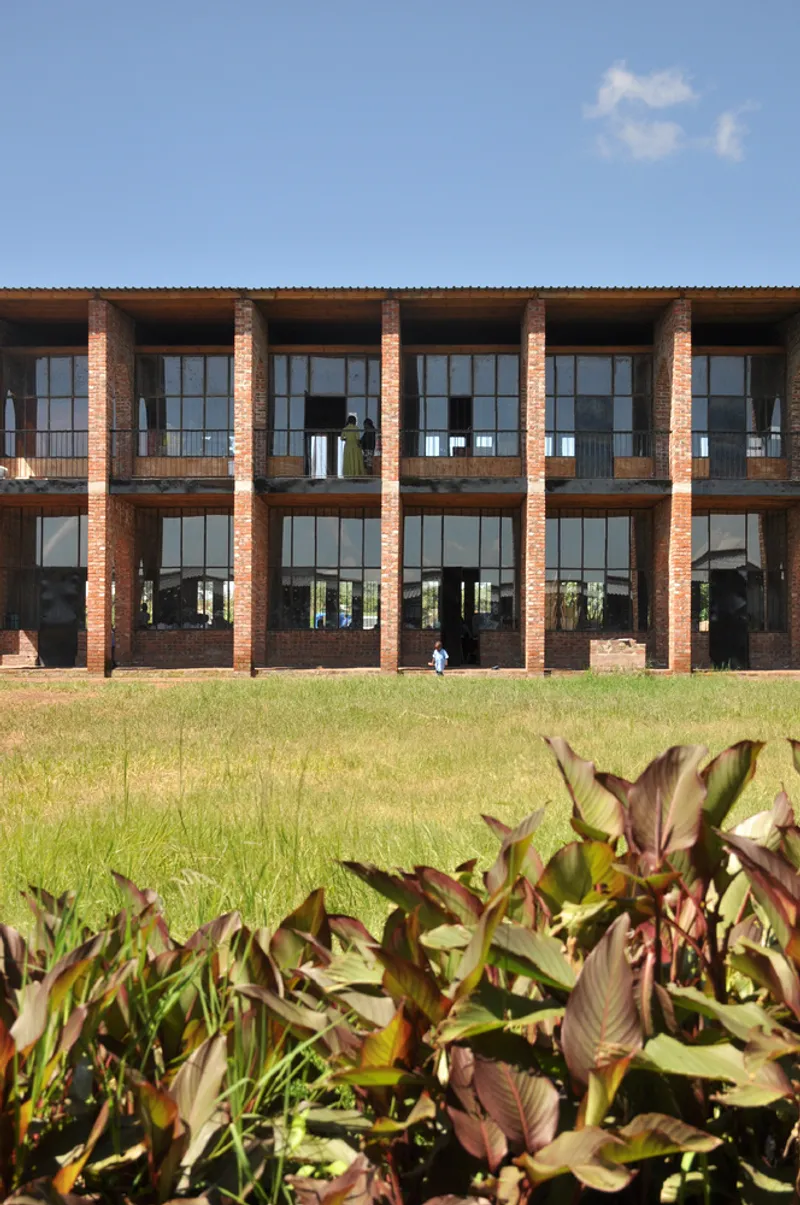
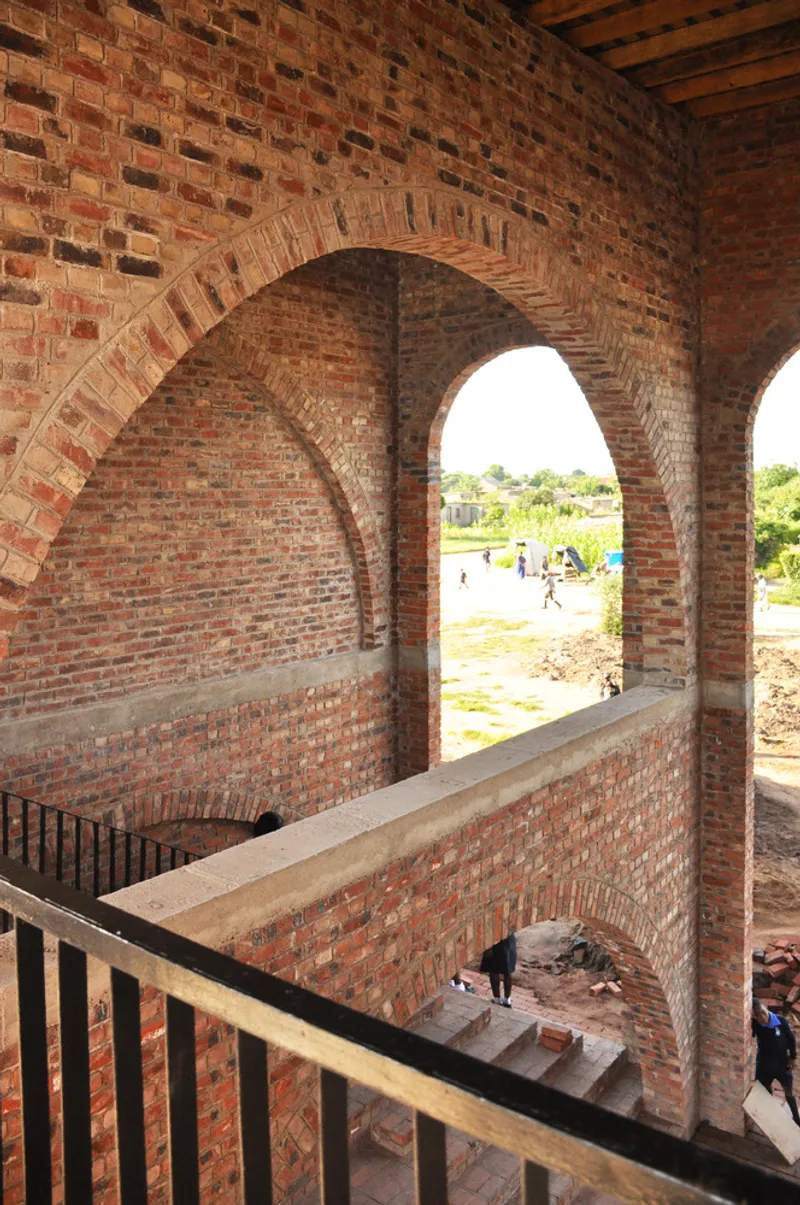
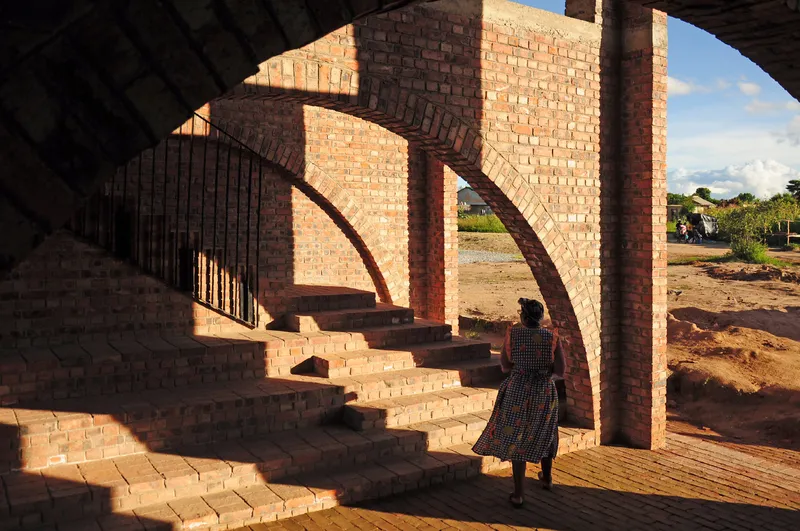
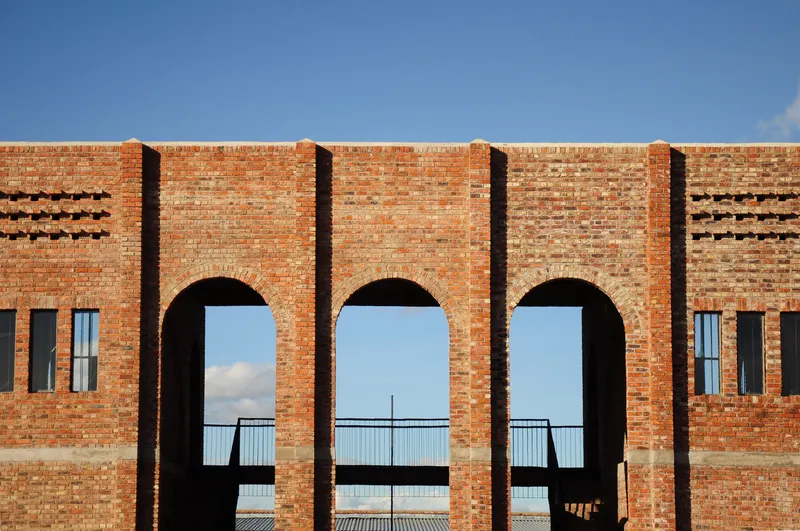
The school’s architectural identity is defined by expressive round arches that create a visually striking yet contextually sensitive structure. These arches frame classrooms and communal spaces, creating dynamic indoor-outdoor transitions that differentiate the school from conventional Zimbabwean educational buildings. The combination of massive structural elements with filigree details lends the school a unique character visible from multiple perspectives, marking it as a local landmark.
Construction Process and Community Engagement
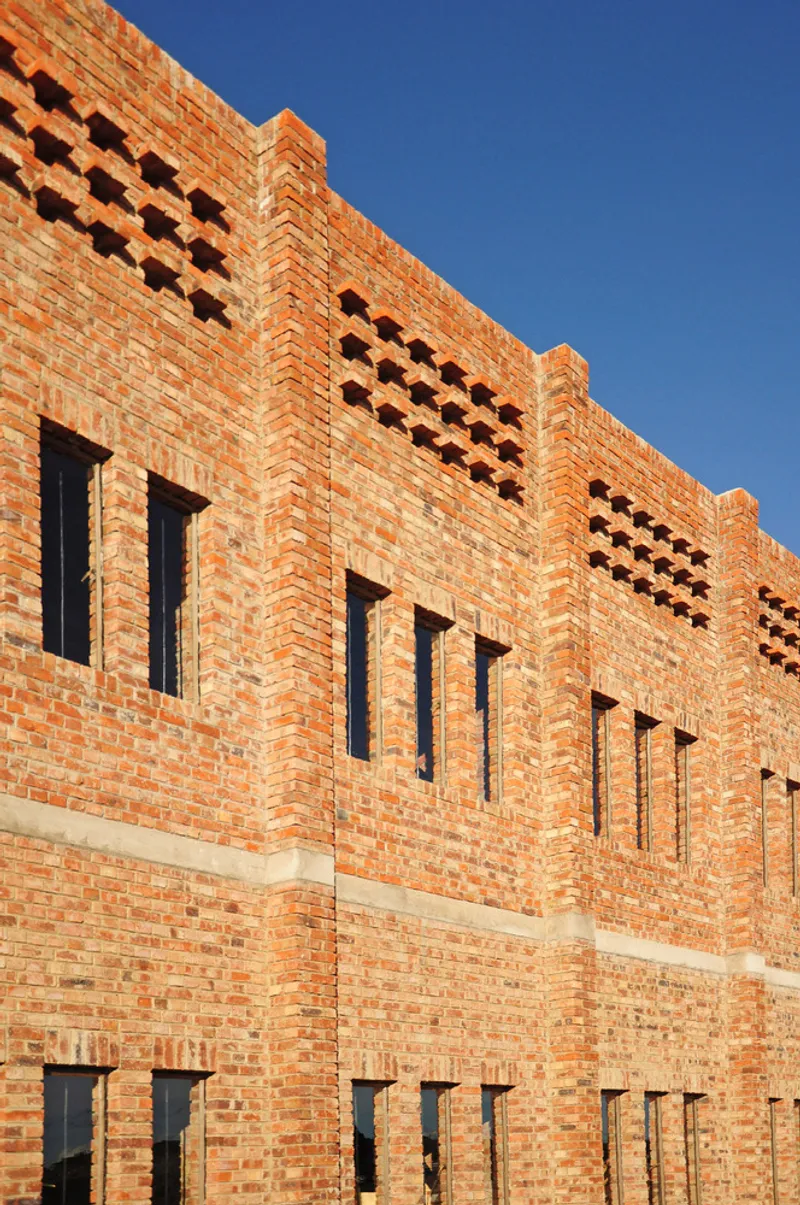
One of the most remarkable aspects of the Rising Star School is its handcrafted construction. Nearly 600,000 bricks were laid manually, demonstrating exceptional craftsmanship and commitment. The building evolved gradually, with children attending classes in completed phases while construction continued nearby. This phased approach fostered a culture of coexistence, mutual respect, and community participation, turning the construction site into an informal learning environment.
Sustainable Systems and Comfort
The school emphasizes natural ventilation and passive climate control. Classrooms benefit from a double-roof system and cross-ventilation facilitated by steel-glass façades and brick walls, ensuring comfortable indoor climates even without reliable electricity or water supply. The ventilation strategy channels solar heat above ceiling levels, preventing direct sunlight from overheating classrooms. Such thoughtful integration of climatic considerations highlights the architects’ commitment to sustainable, human-centered educational design.
Functional Layout
The campus consists of three single-story classroom buildings, a ground-floor kindergarten, and a two-story administrative block. The design supports flexible learning environments while maintaining safety and accessibility. Protected walkways connect classrooms, and structural walls of 35 cm thickness provide stability and insulation. Natural light permeates the classrooms while the solid brick façades offer privacy and protection, ensuring an optimal balance between openness and security.
Legacy and Impact
The Rising Star School embodies innovative, community-driven architecture. Over seven years, meticulous attention to construction details, phased execution, and sustainable strategies have resulted in a landmark school that serves as a hub for learning, interaction, and social cohesion in Hopley.
All photographs are works of
Kristina Egbers


Popular Articles
Popular articles from the community


Hill & Cross Opera: Sculptural Opera House Architecture Shaped by Tallinn’s Landscape and Identity
Hill & Cross Opera reimagines opera house architecture in Tallinn through its sculptural hill, civic plaza, glass wave and a luminous cross.

Little Red Riding Hood: Architectural Design as a Journey Through Fear, Light, and Storytelling
Little Red Riding Hood reimagines the fairy tale through architectural design shaped by fear, light, scale, memory, uncertainty, and choice.

Co-life: Sustainable Architecture for Age-Friendly Community Living
Co-life reimagines sustainable architecture for seniors through courtyards, rammed earth, shared gardens, and spaces designed for belonging.

The Ocean Hive: Sustainable Architecture for a Self-Sufficient Civilization at Sea
The Ocean Hive imagines sustainable architecture at sea, where modular habitats, algae, wave power and ocean waste sustain a growing colony.

Similar Reads
You might also enjoy these articles

FAMM Arquitectura Organizes Ten Villas Around Courtyards and Jungle in Nosara, Costa Rica
El Molino pairs two elongated volumes with deep overhangs and timber louvers to build a compact coastal community five minutes from the beach.
Oscar Niemeyer's Ibirapuera Park Pavilions Define São Paulo's Cultural Identity in Concrete and Curve
A constellation of modernist volumes set within São Paulo's most important urban park, conceived for the city's 400th anniversary in 1954.
Sanjay Puri Architects Wraps a Jaipur Office Tower in Capsule-Shaped Green Buffers
A nine-level climate-responsive workplace near Jaipur Airport uses stacked planter terraces and aluminium screens to fight 40°C heat.
RHO Converts a Berlin Spree-Side Industrial Courtyard into Enkime's 1,000 m² Agency Headquarters
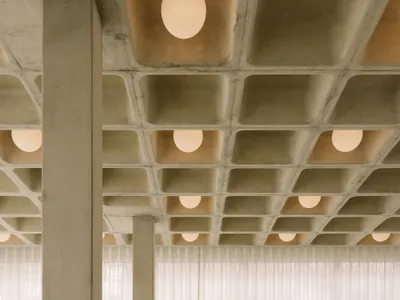
A social media agency's new home in Charlottenburg trades glossy branding for concrete waffle ceilings, glazed tile, and sheer curtains.

Explore Architecture Competitions
Discover active competitions in this discipline

Challenge to design public laboratory

Challenge to reimagine the Iron Throne

Photograph architecture without architects

Illustrate the lost glory of Angkor Wat - Render Challenge
Comments (0)
Please login or sign up to add comments
No comments yet. Be the first to comment!