
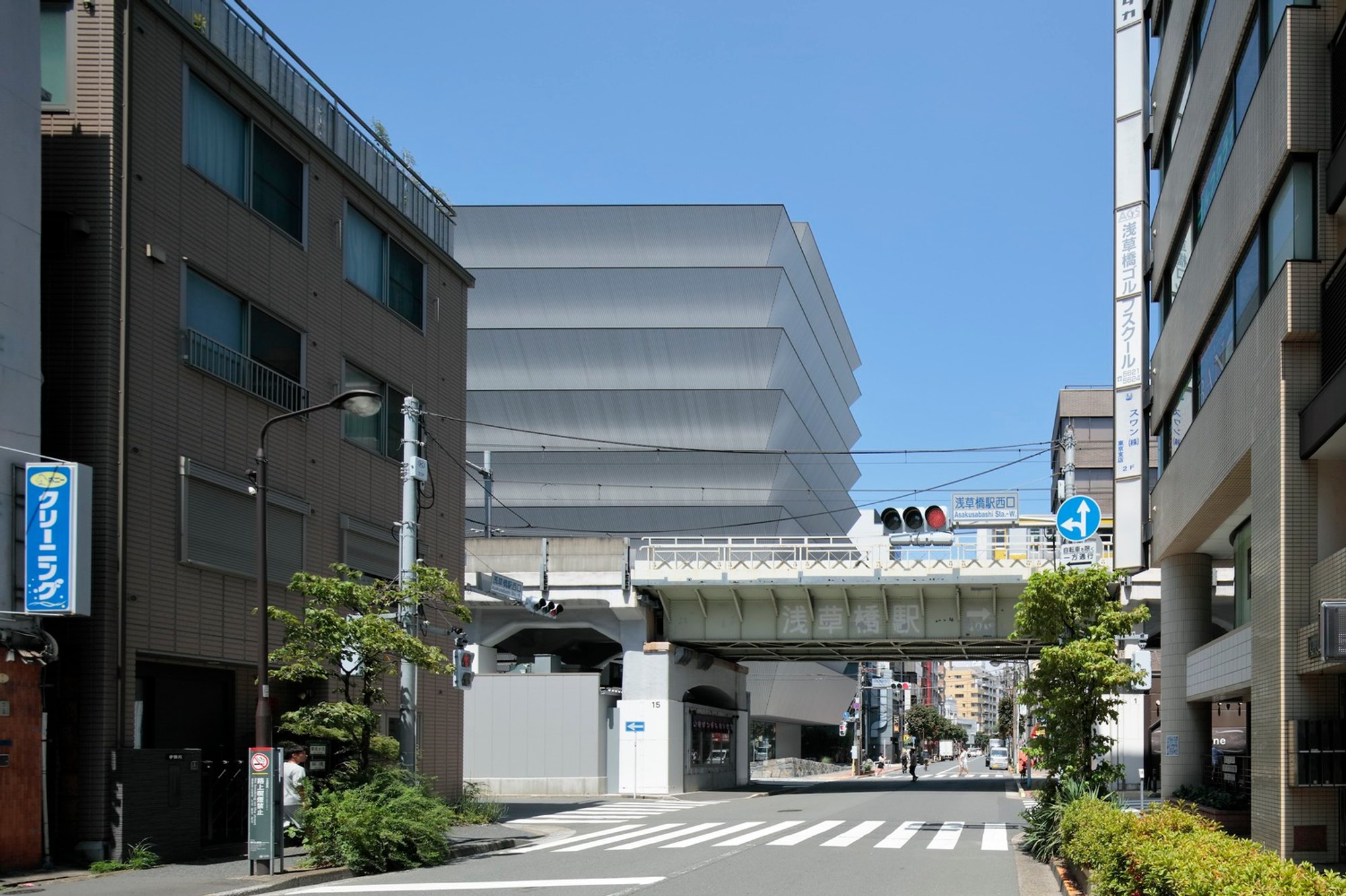
Innovative Office Architecture: Exploring MONOSPINAL Headquarters by Makoto Yamaguchi Design
Explore the MONOSPINAL Headquarters by Makoto Yamaguchi Design, a pinnacle of innovative office architecture blending technology with environmental adaptability.

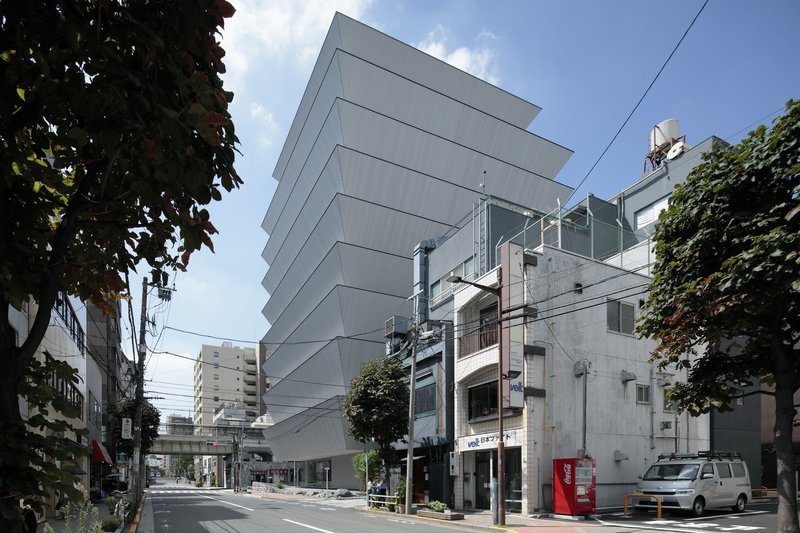
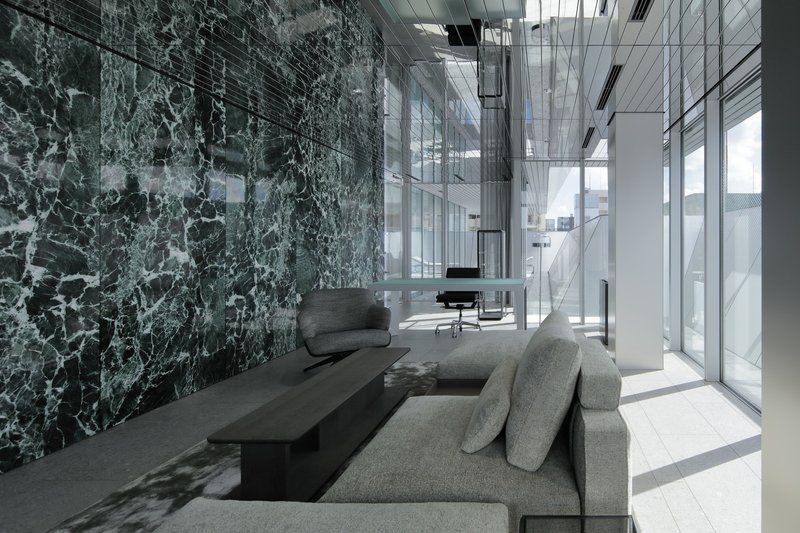
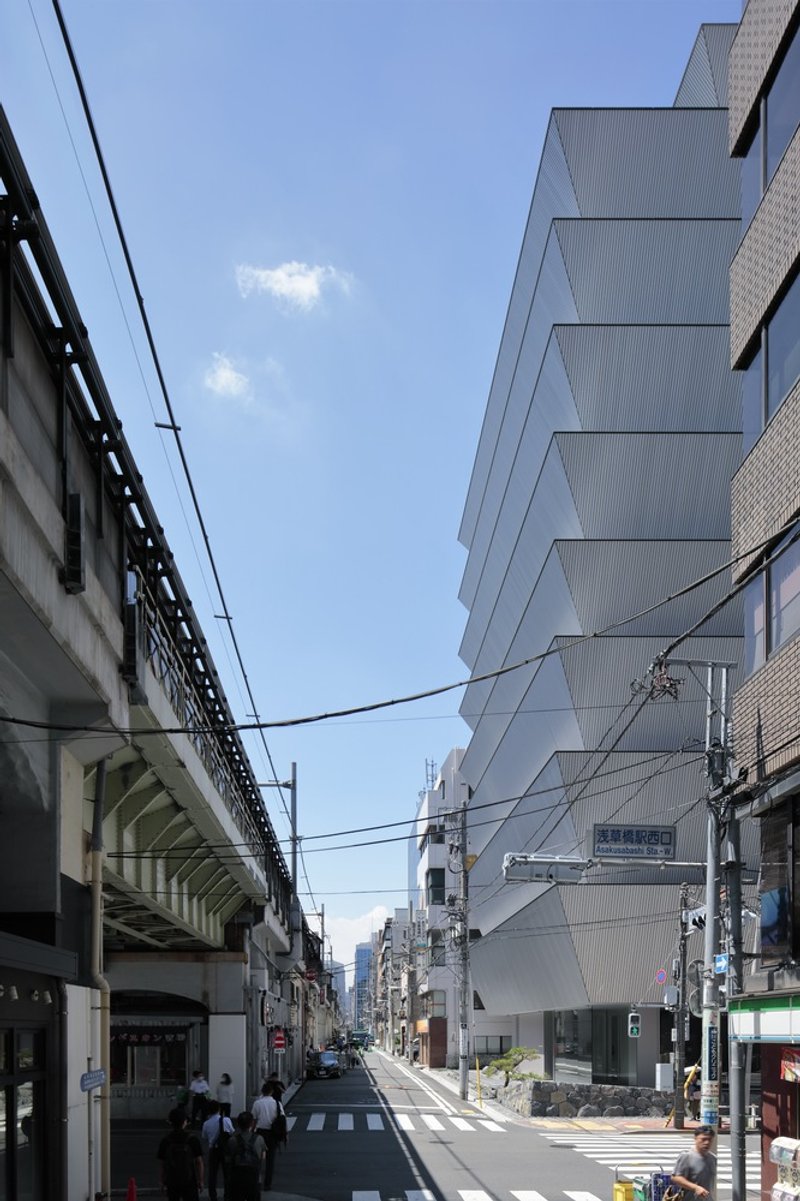
The MONOSPINAL Headquarters Office Building in Taito City, Japan, stands as a paragon of innovative office architecture. Designed by Makoto Yamaguchi Design, this structure redefines workplace environments by merging aesthetic innovation with advanced technological integration.
The Concept of Innovative Office Architecture
Defining Innovative Architecture in Office Buildings
Innovative office architecture goes beyond aesthetic design to incorporate elements that enhance functionality, employee well-being, and environmental sustainability. This approach often includes adaptive designs that cater to dynamic work requirements while promoting creativity and interaction.
Importance in Modern Workspaces
Such designs are crucial in today’s fast-paced business world as they foster an environment conducive to innovation, collaboration, and flexibility. They also help companies attract and retain top talent by offering a workplace that enhances productivity and satisfaction.
Design Analysis of MONOSPINAL Headquarters
Architectural Design and Aesthetics
Unique Structural Features
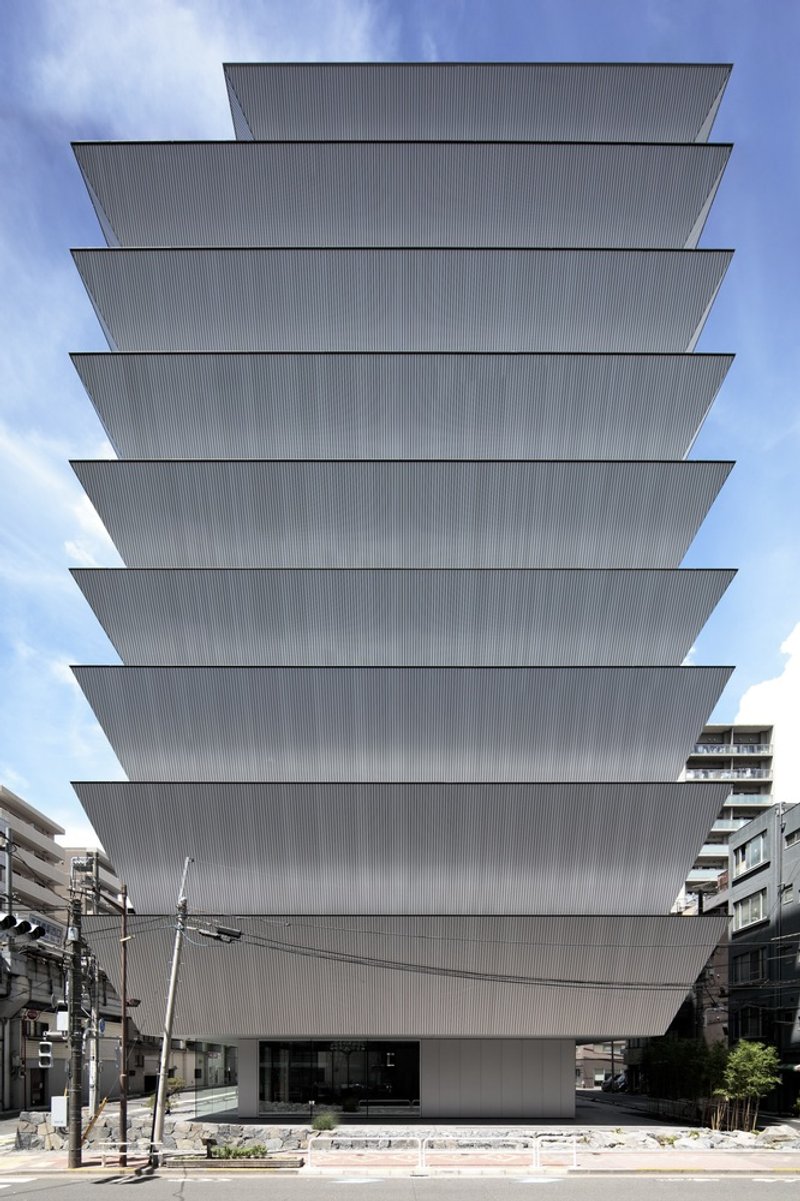
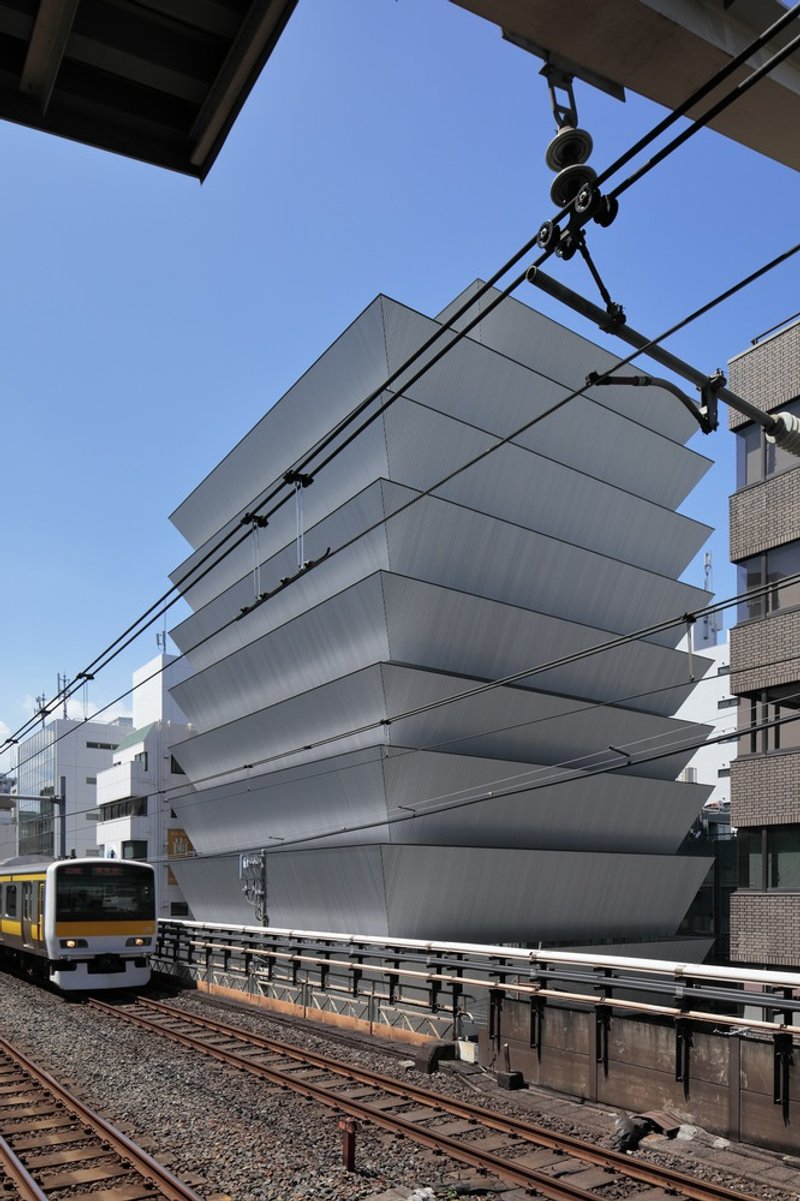
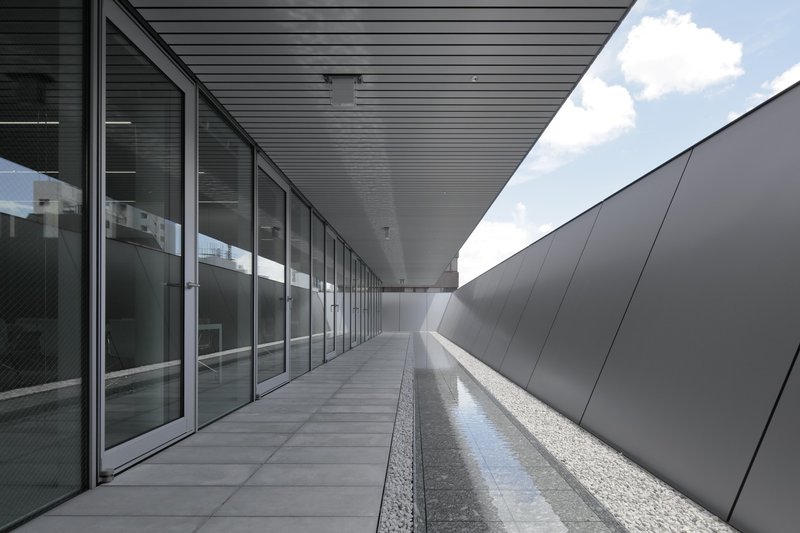
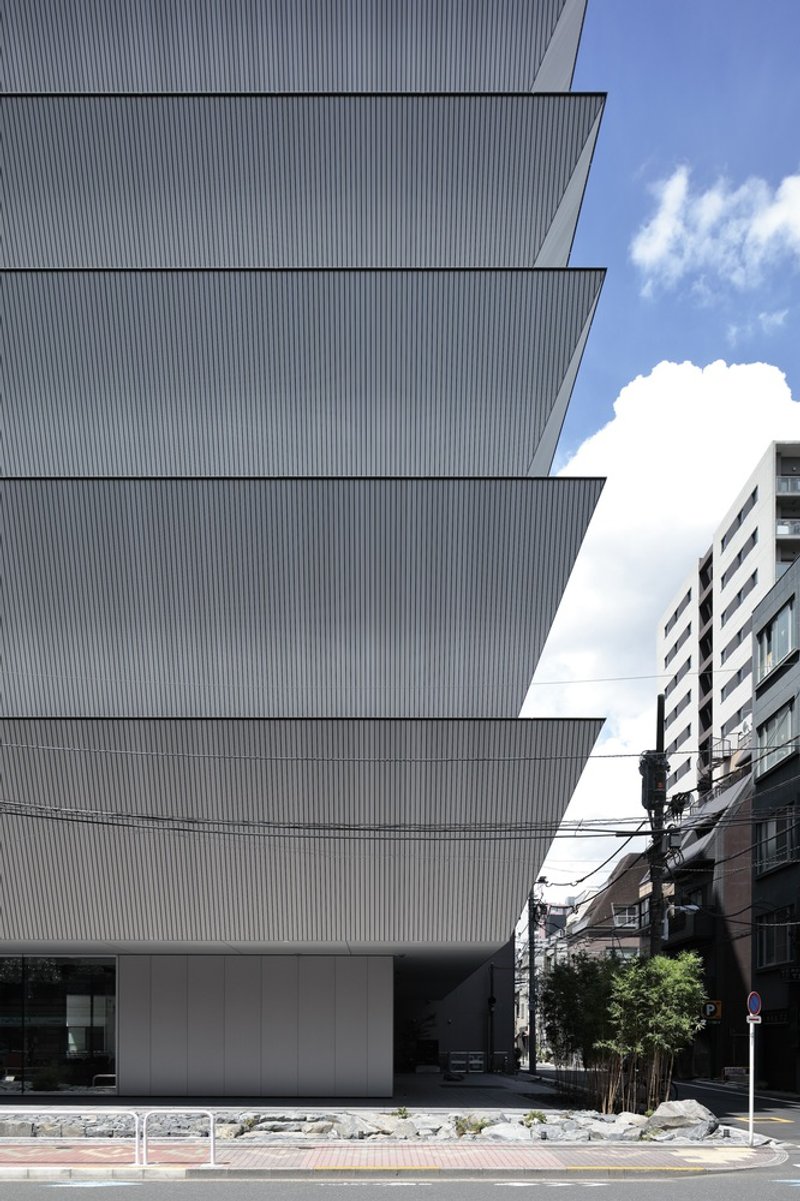
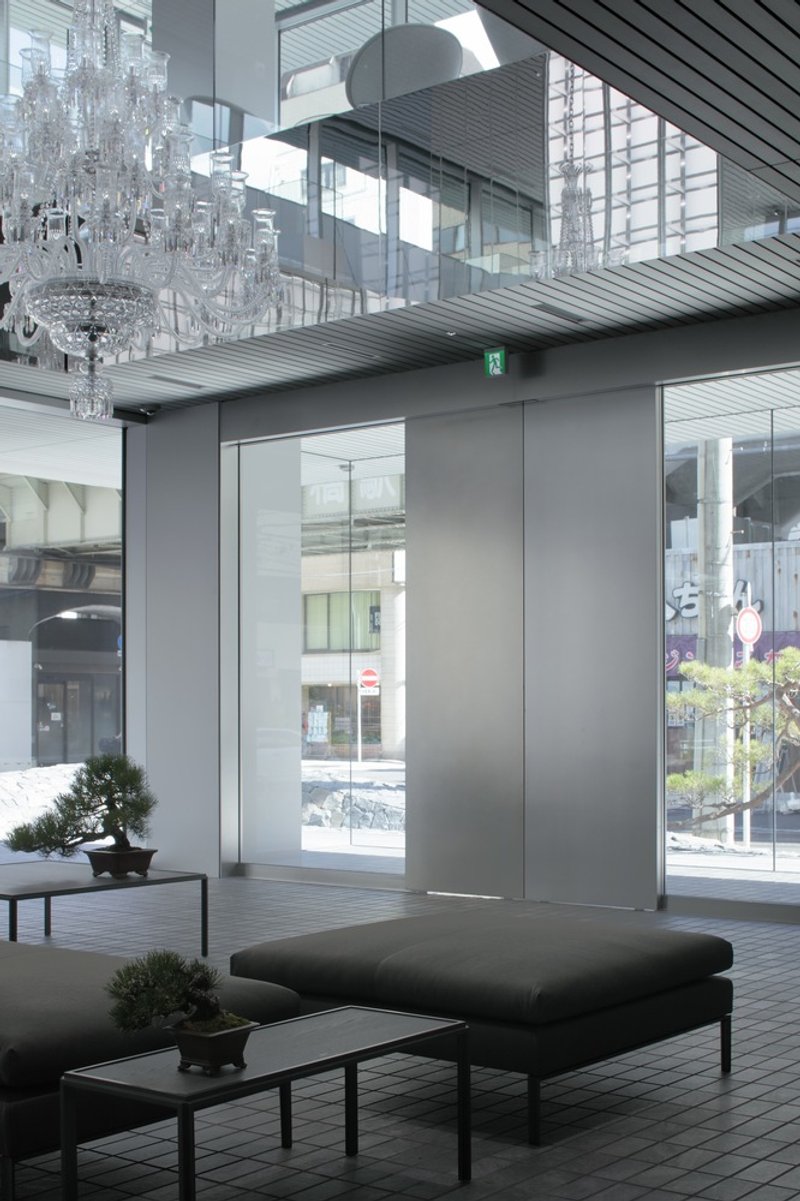
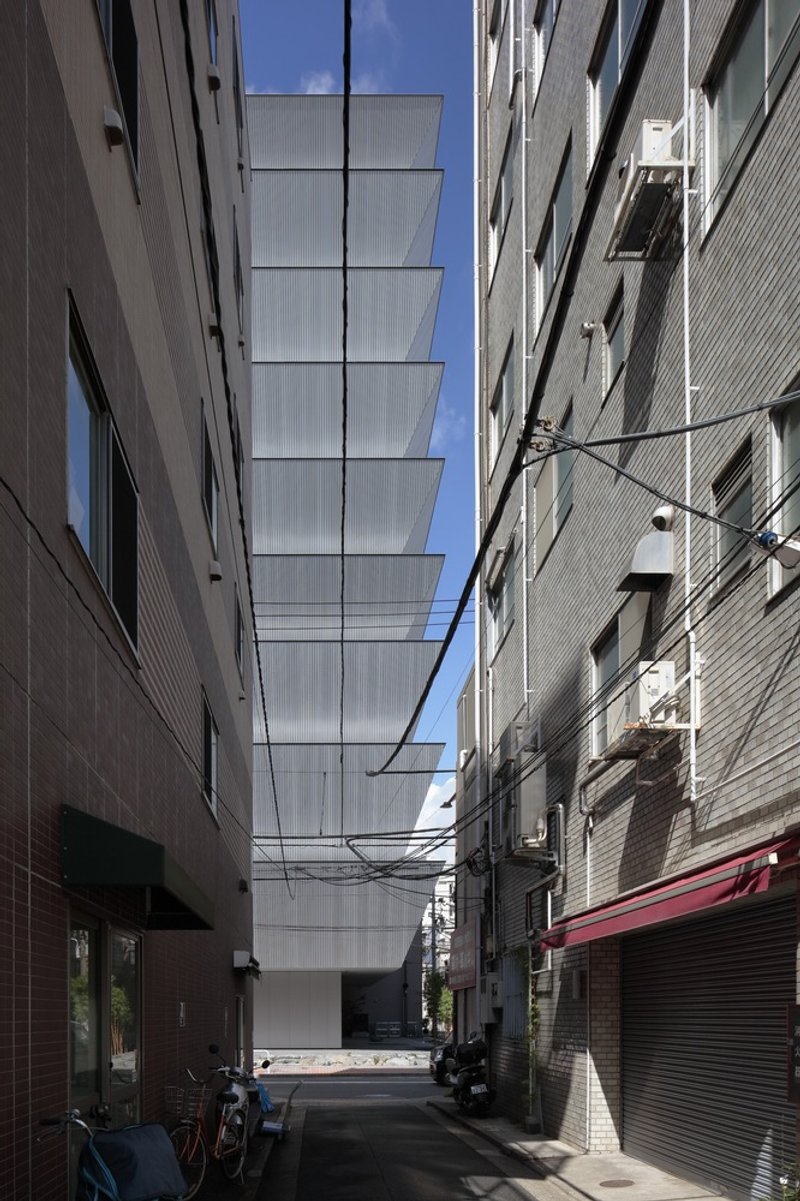
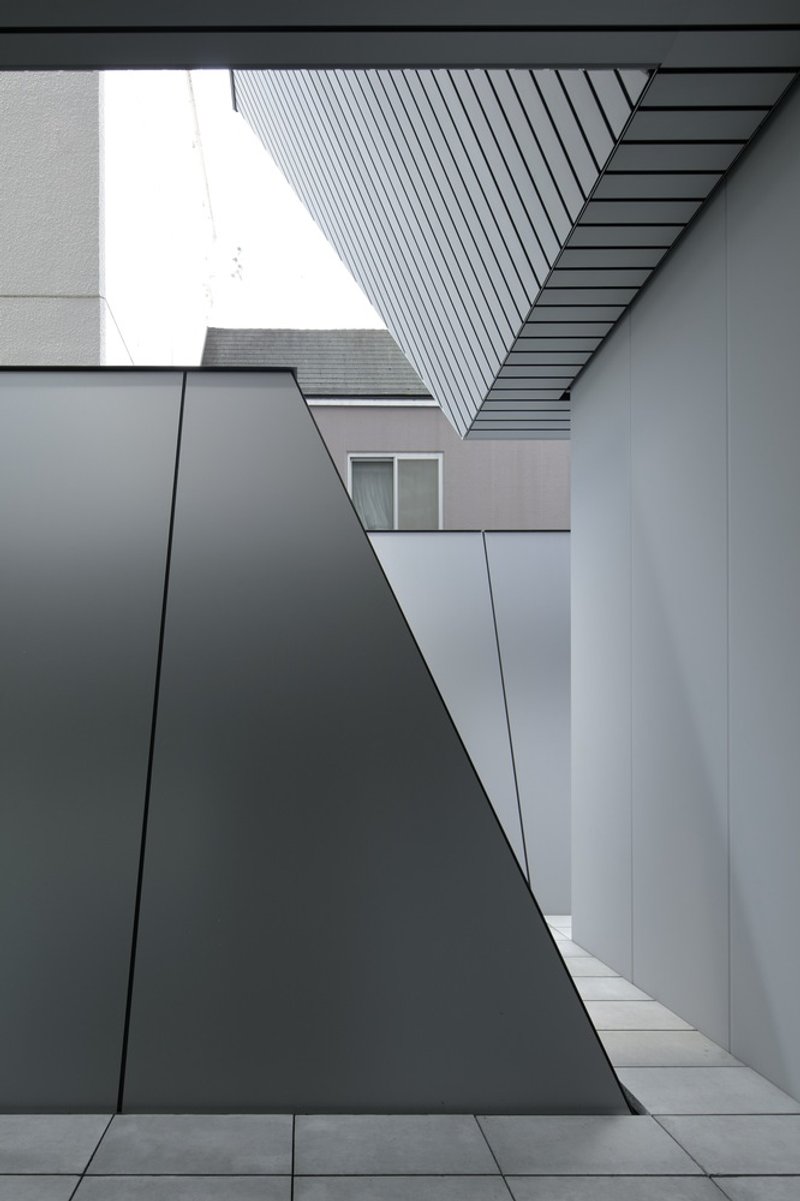
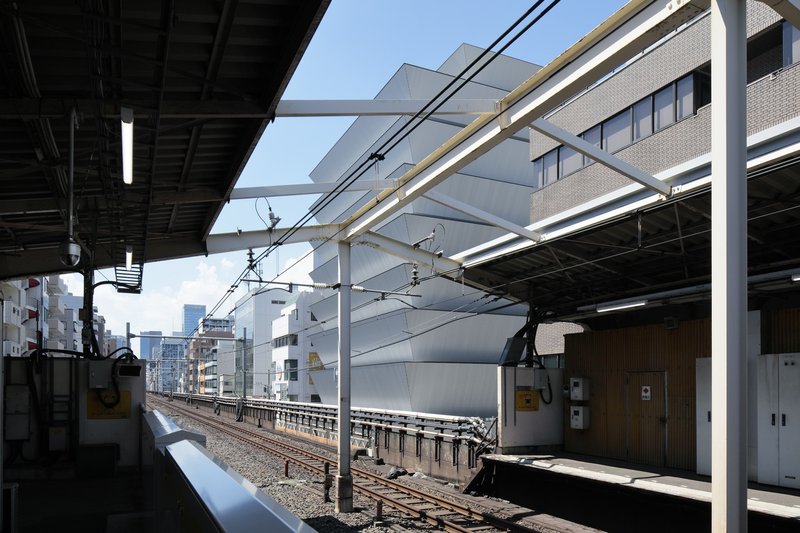
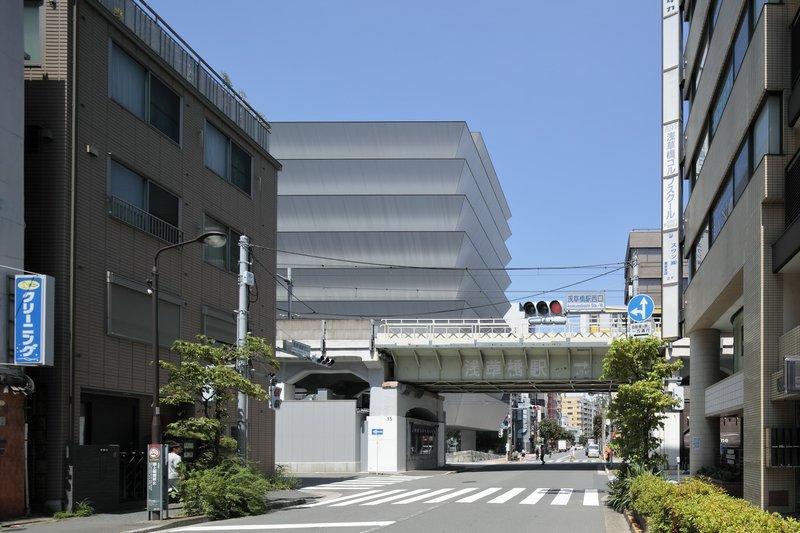
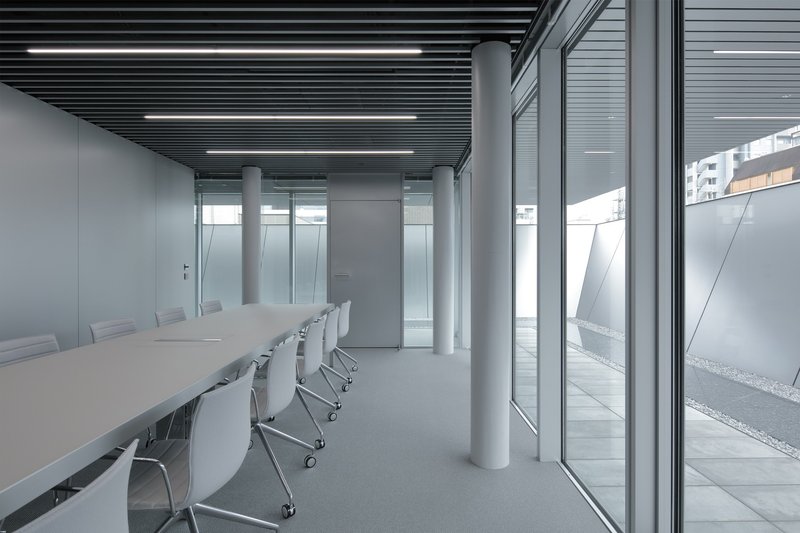
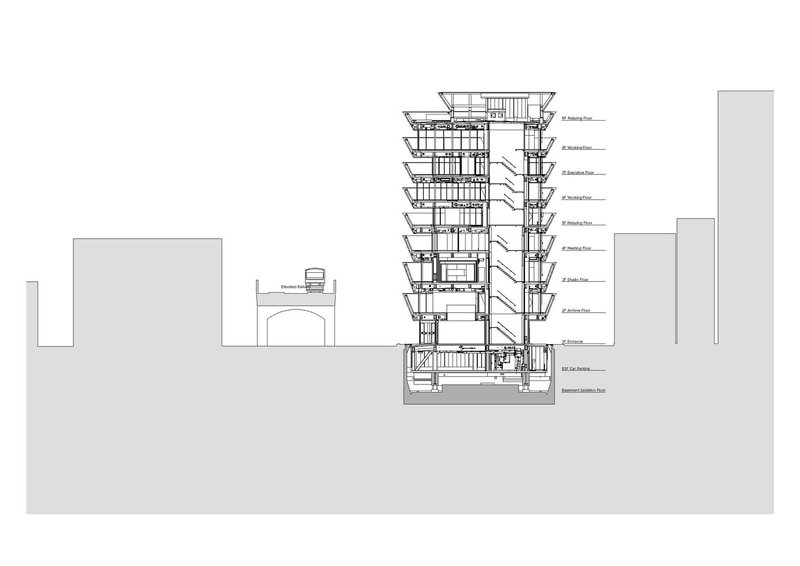
MONOSPINAL Headquarters is characterized by its distinctive slanted walls that not only provide an architectural statement but also enhance the building's environmental adaptability. These walls are designed to optimize light, wind, and sound, supporting a comfortable and energy-efficient workspace.
Spatial Organization
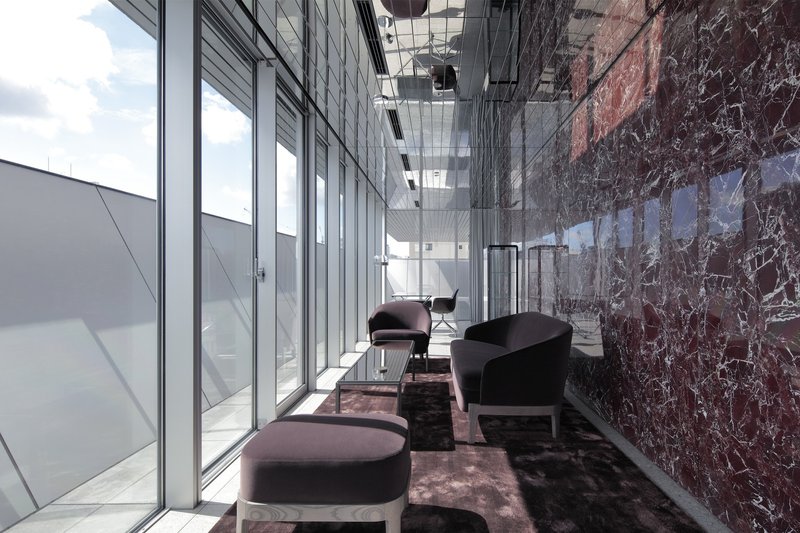
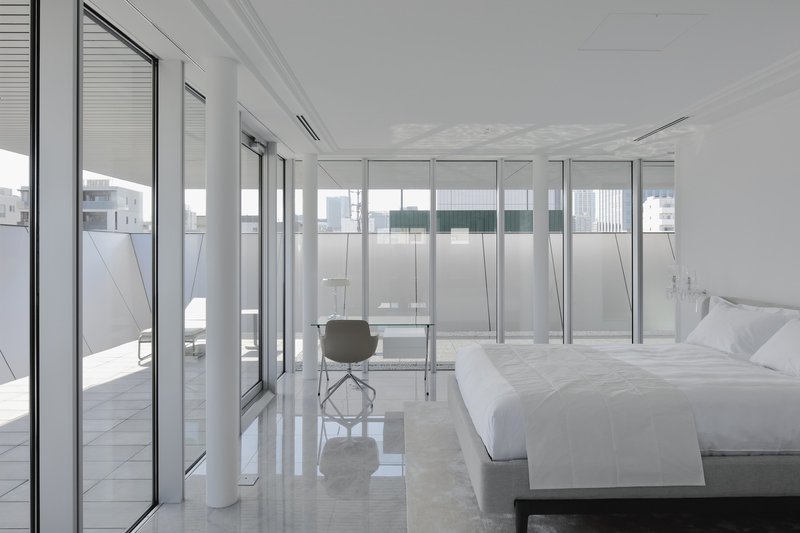
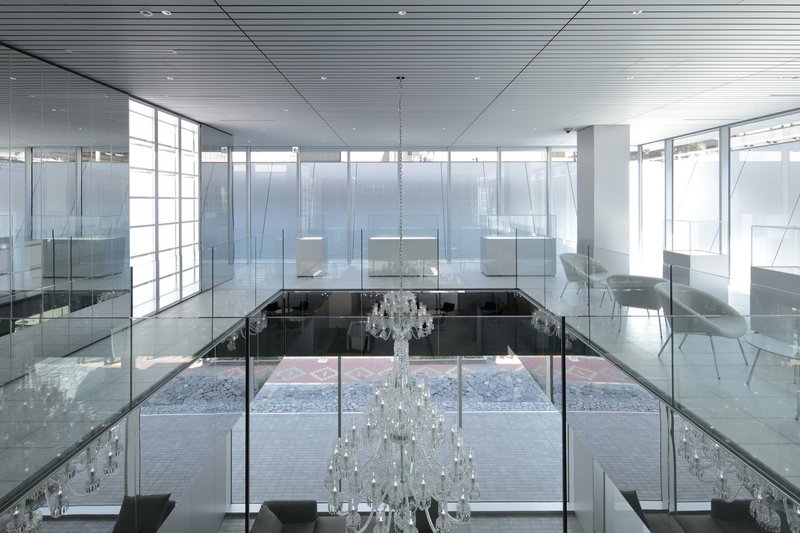
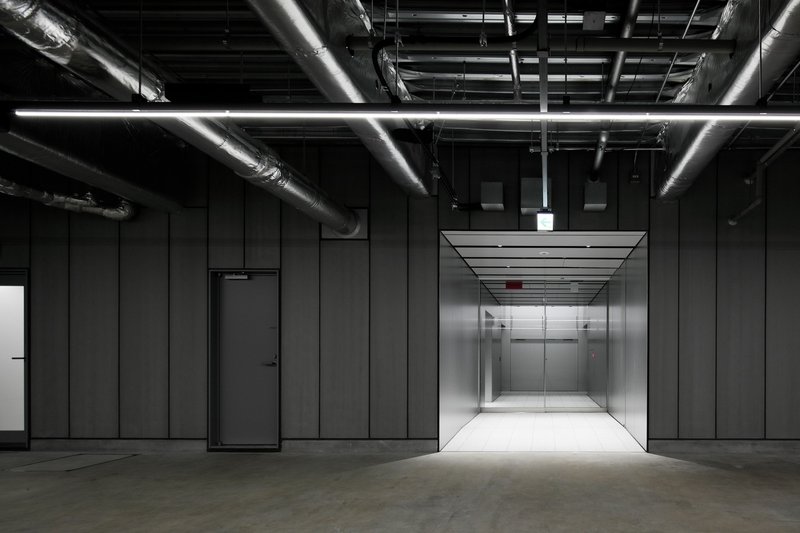
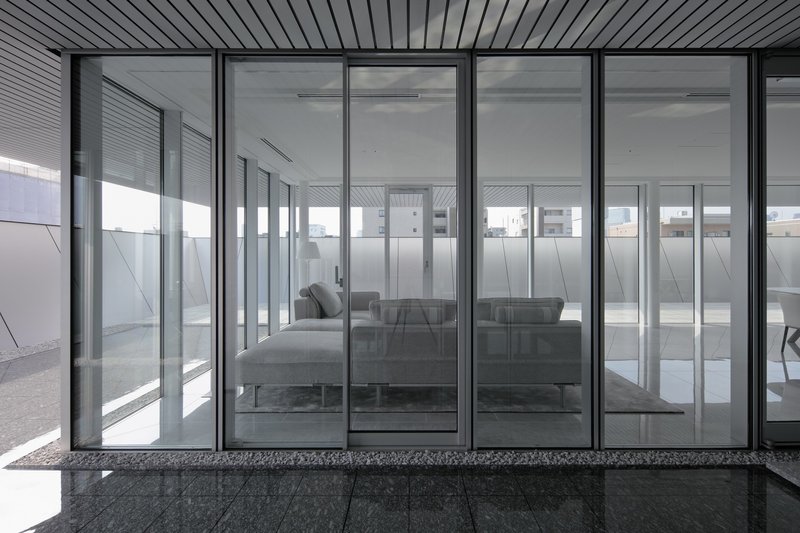
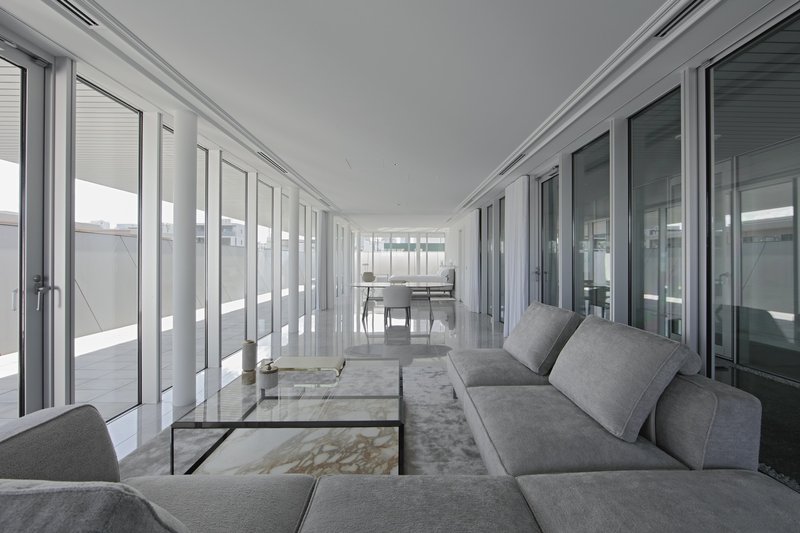
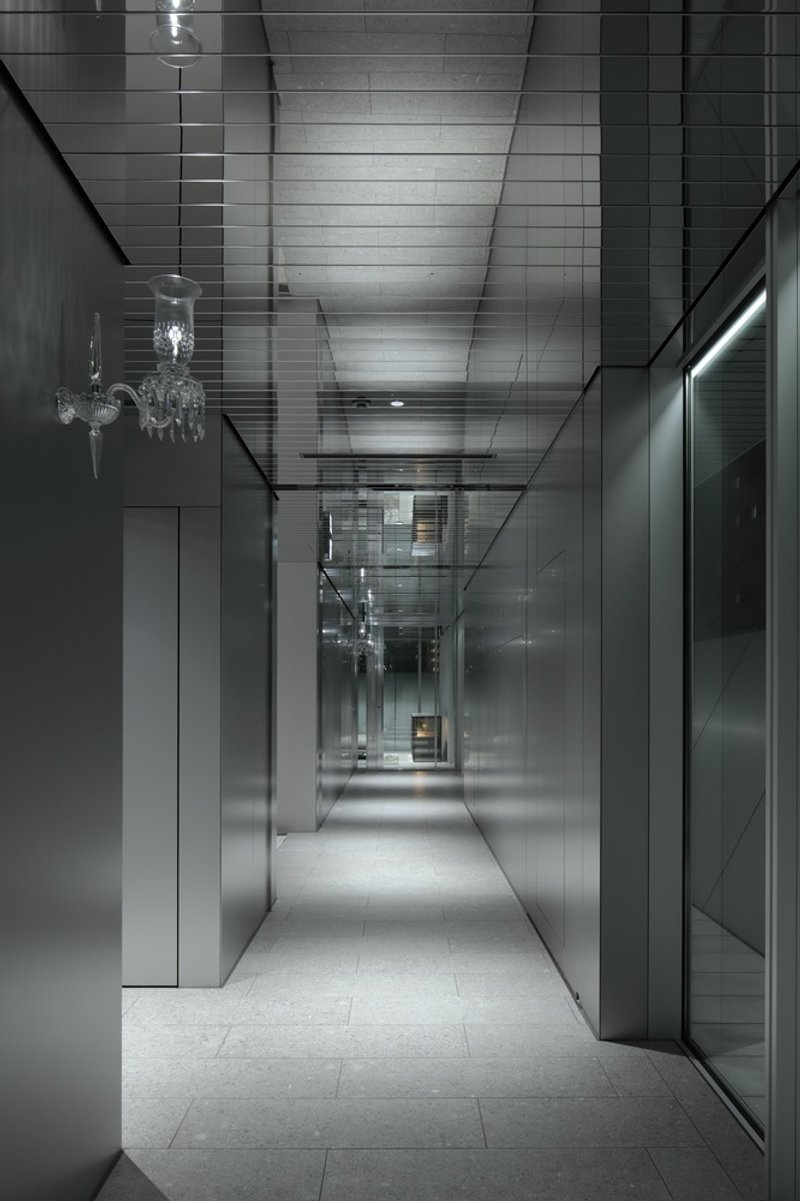
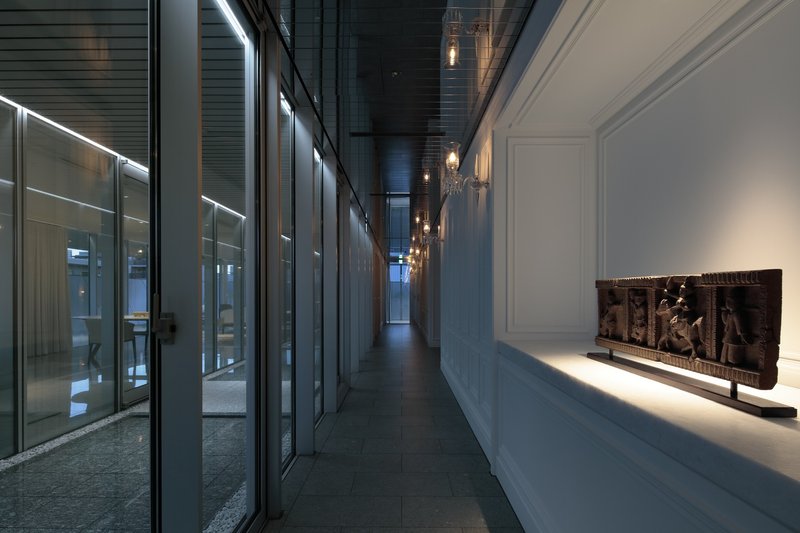
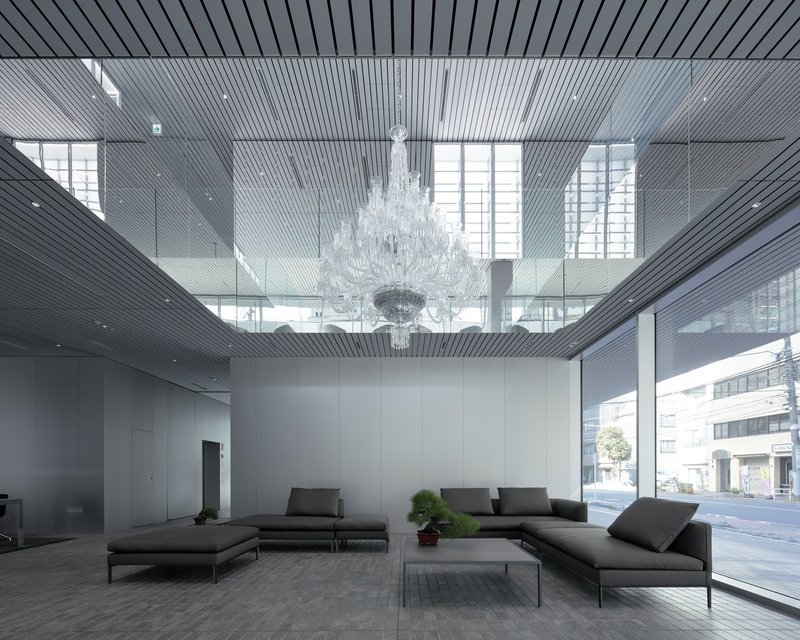
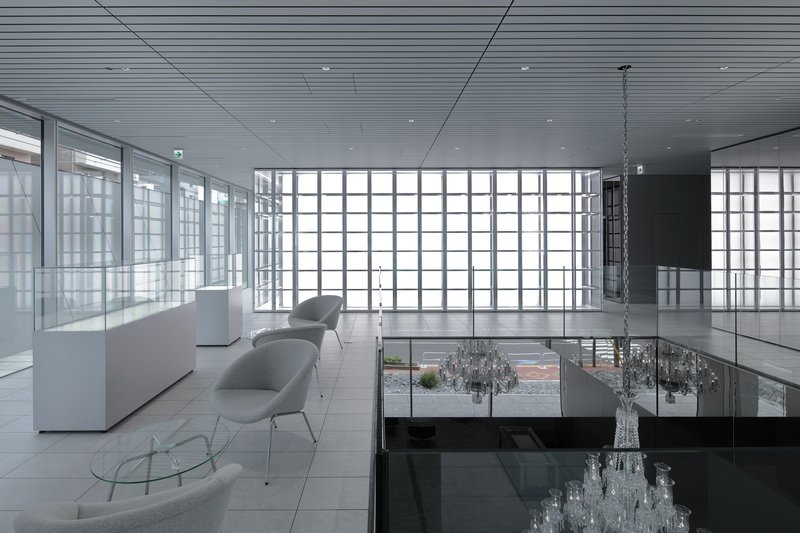
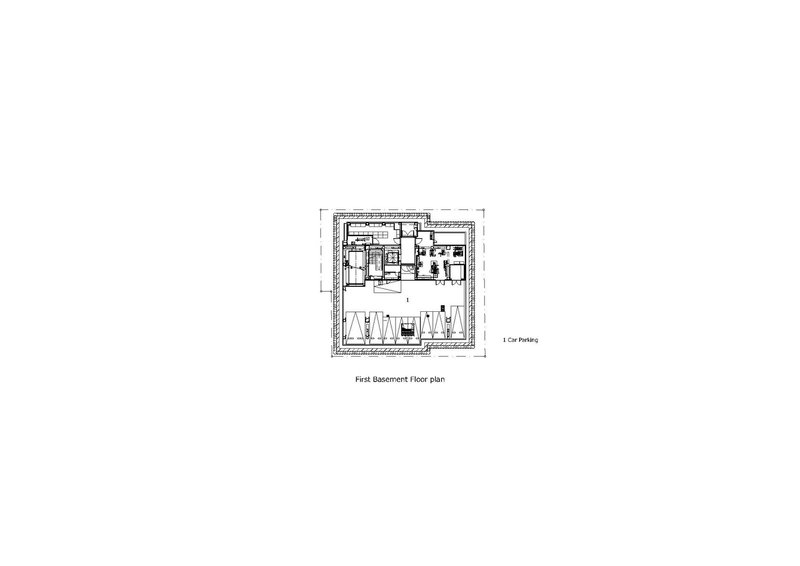
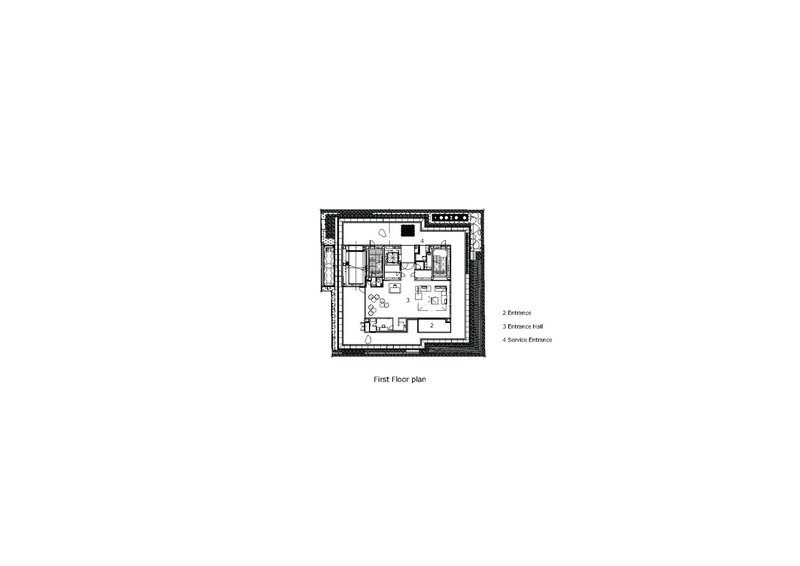
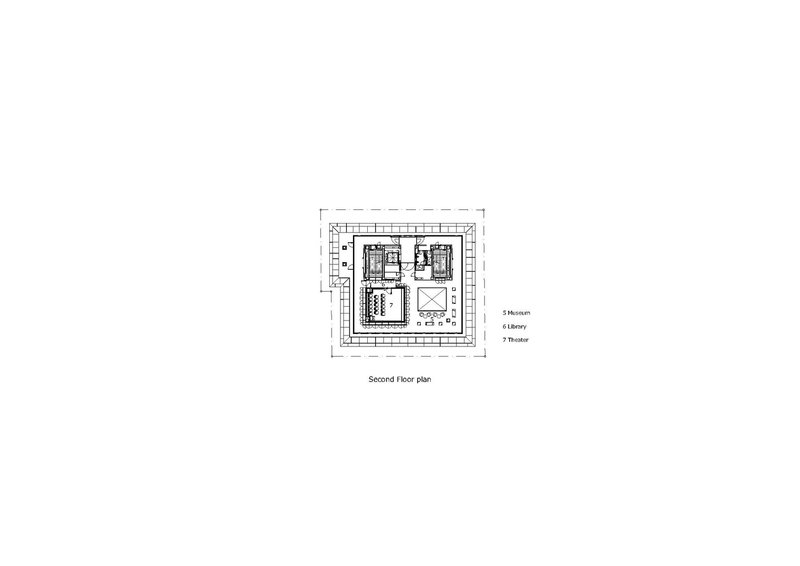
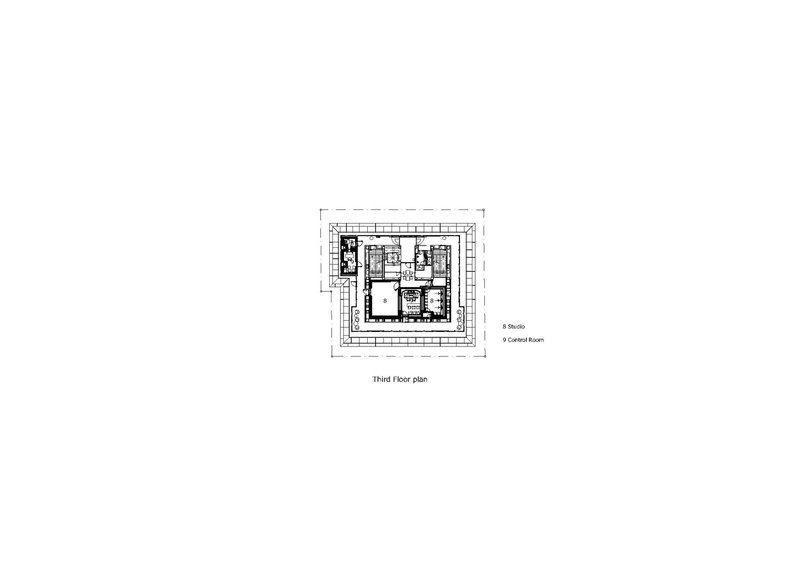
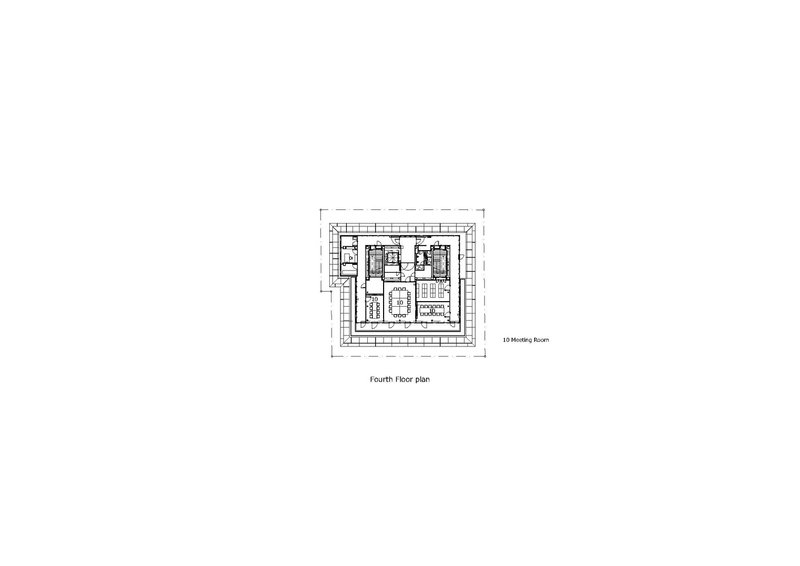
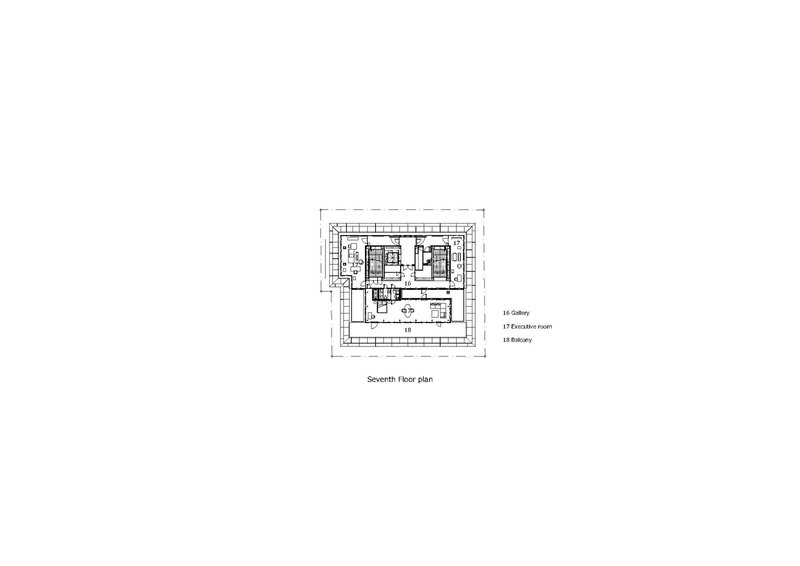
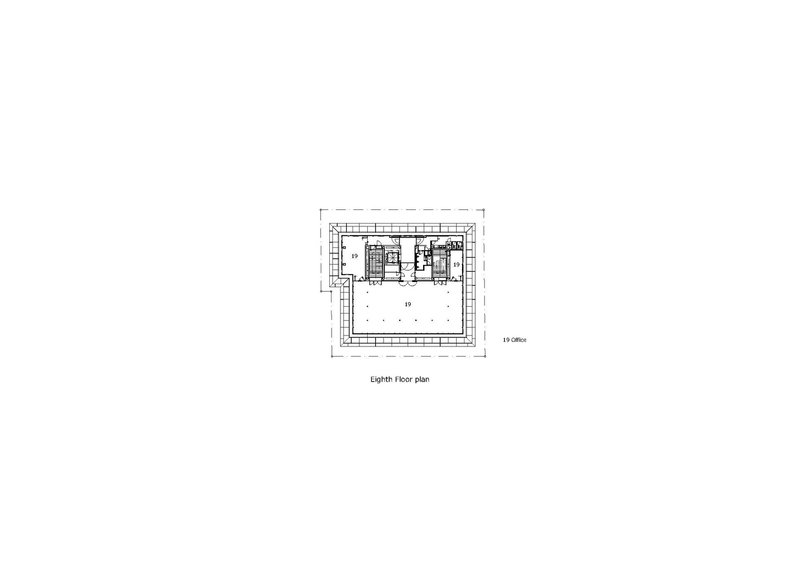
The building’s layout segregates public access areas on the lower floors from more private and confidential spaces above, facilitating both security and functional efficiency. This vertical stratification ensures that operational areas such as studios and executive suites maintain privacy and tranquility.
Integration with Technology
Advanced Control Systems
The headquarters is equipped with a state-of-the-art control system accessible via tablets, allowing for intuitive management of security, lighting, and climate. This system integrates seamlessly with a scheduling platform, improving operational efficiency and energy use.
Environmental Optimization
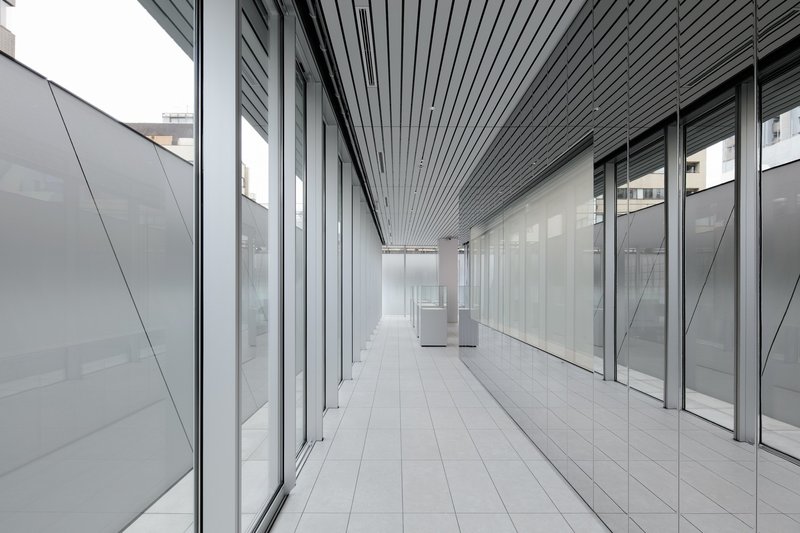
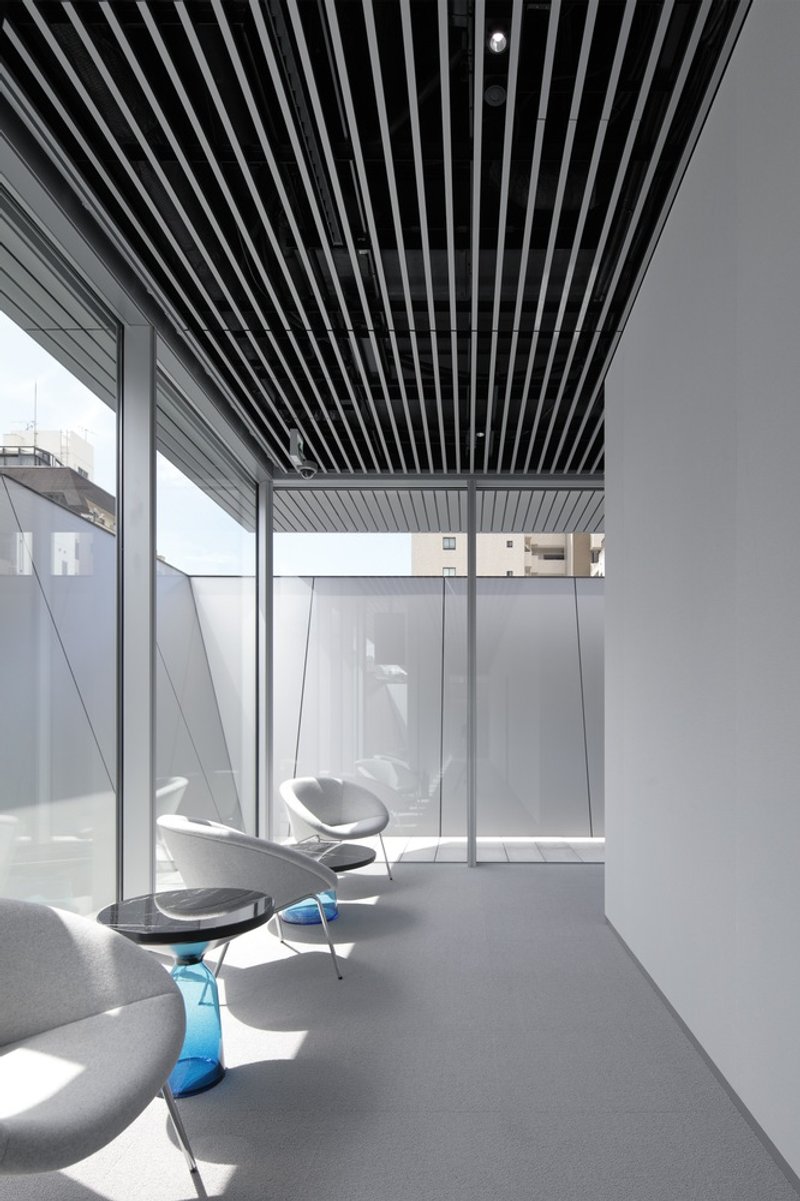
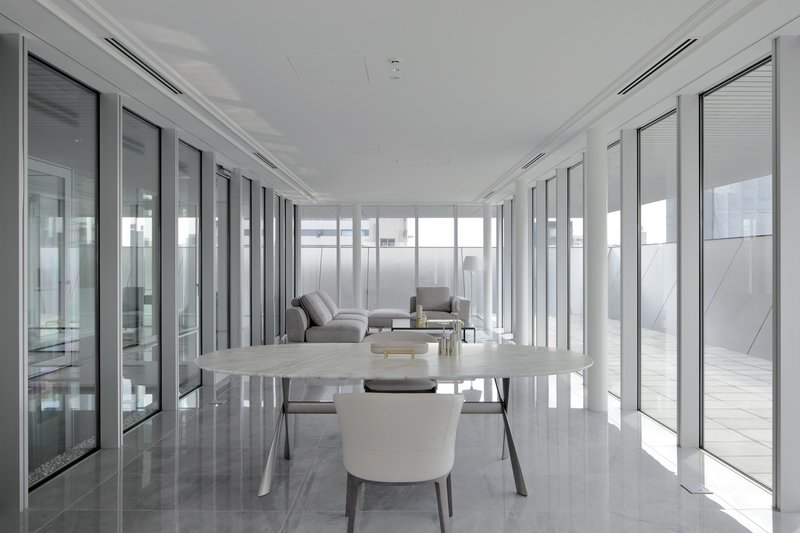
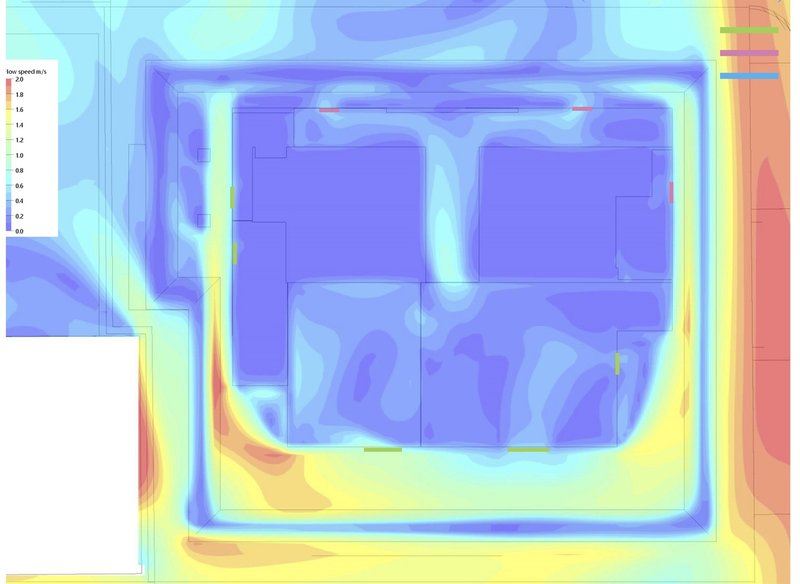
Design elements like the parametrically designed balcony optimize environmental factors—managing light exposure and enhancing acoustics while providing natural ventilation. This thoughtful design reduces the building's reliance on mechanical systems, promoting sustainability.
Impact on Workplace Efficiency and Creativity
Enhancing Employee Experience
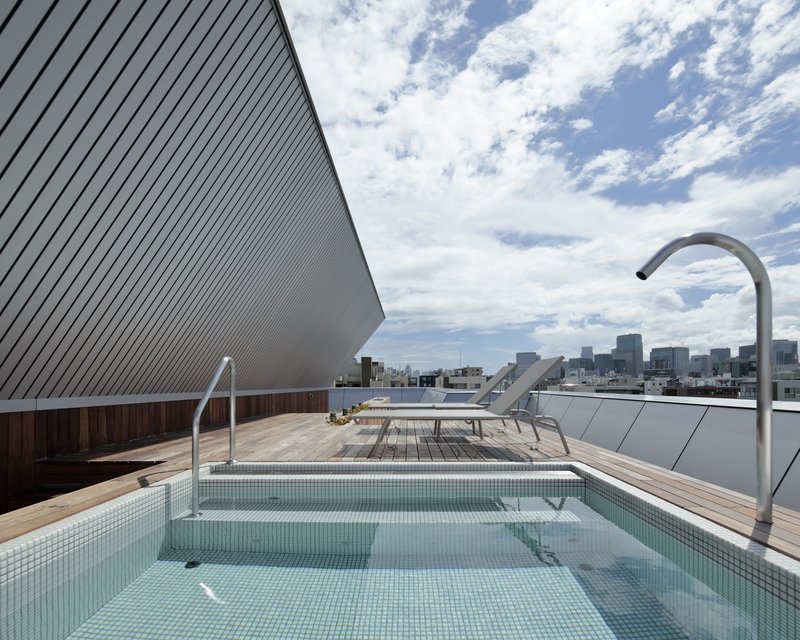
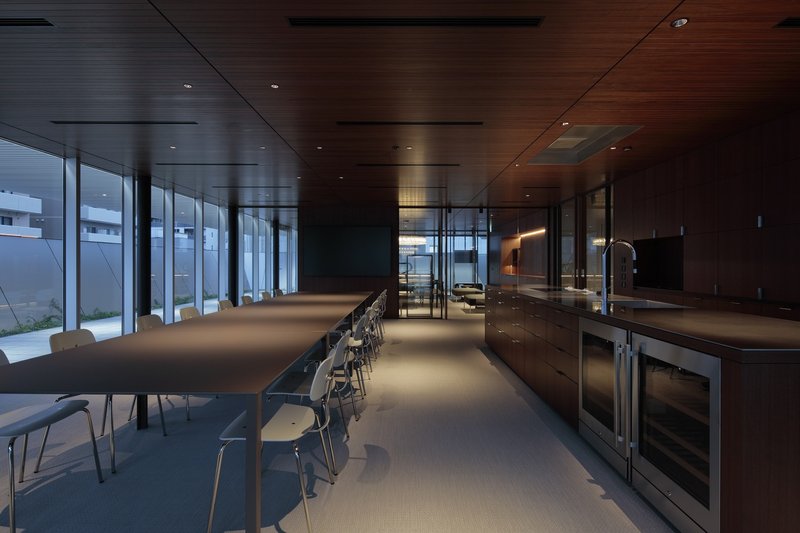
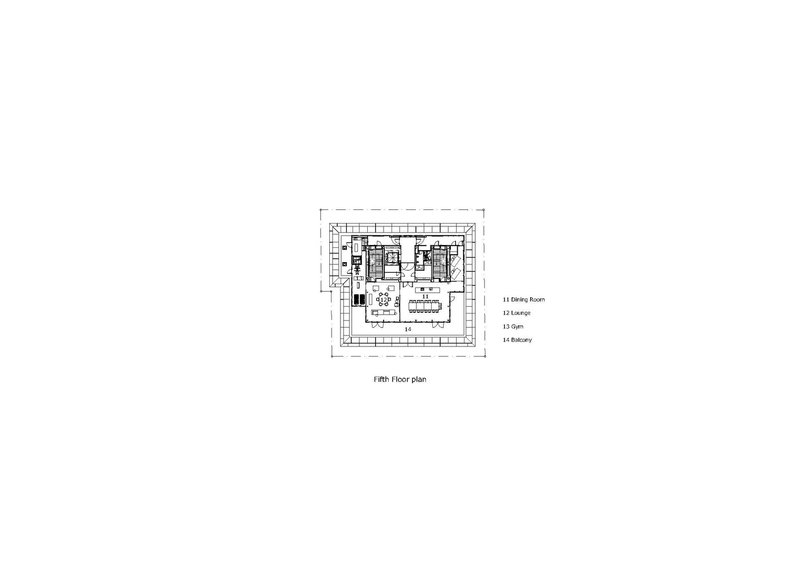
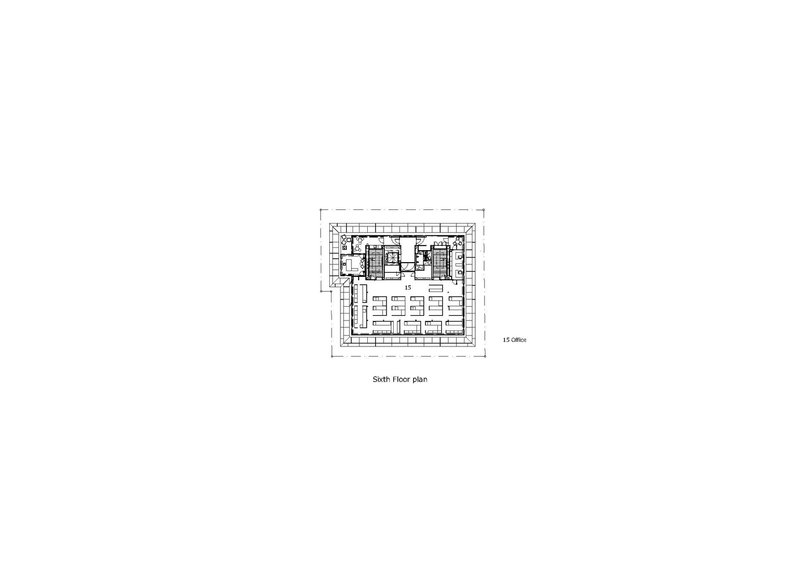
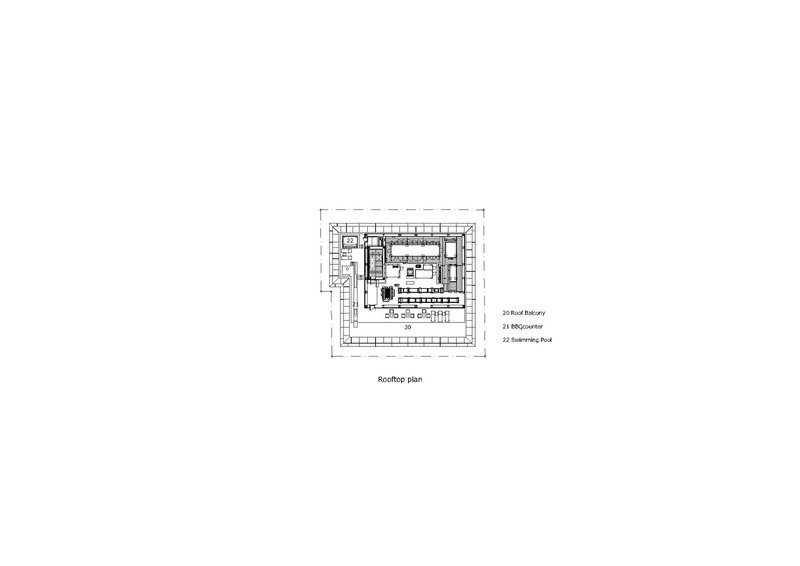
The design of MONOSPINAL Headquarters prioritizes employee comfort and creativity. Features like the communal dining area, gym, and rooftop relaxation spaces encourage workers to recharge and collaborate, fostering a vibrant company culture.
Architectural Influence on Productivity
The strategic use of space and technology in MONOSPINAL Headquarters has a direct impact on productivity. By creating an environment that is both aesthetically pleasing and functionally superior, the design promotes an efficient workflow and stimulates creative thinking.
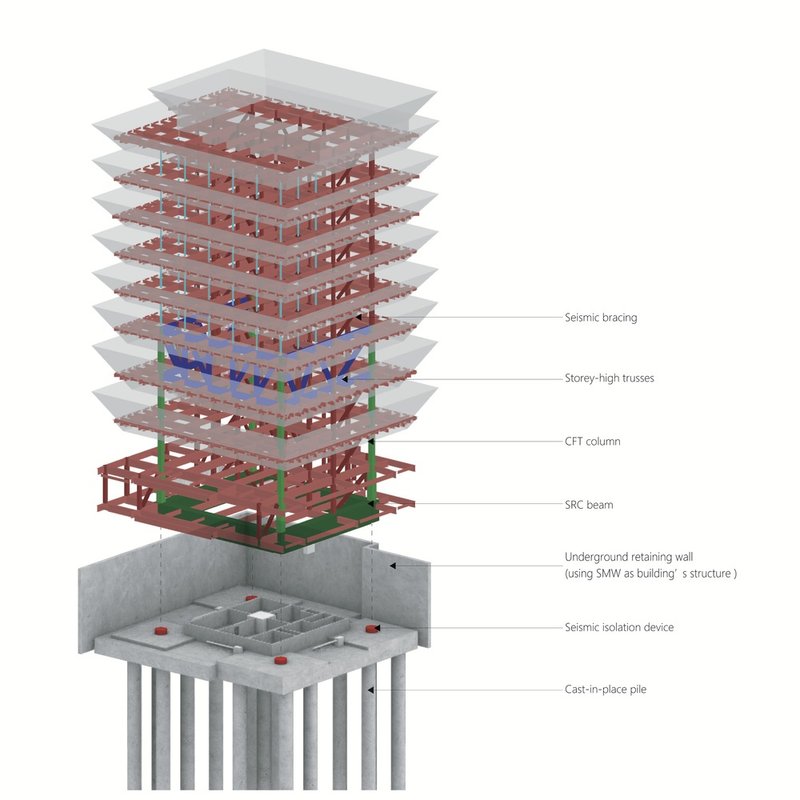
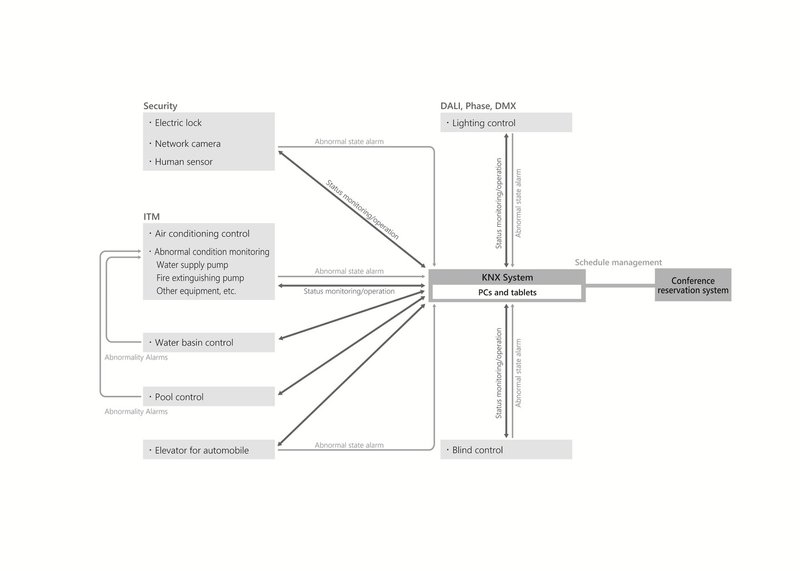
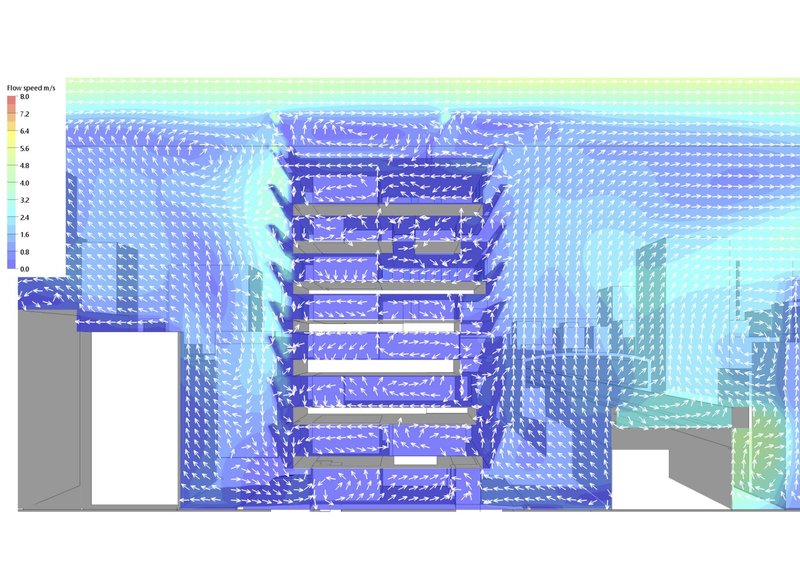
MONOSPINAL Headquarters by Makoto Yamaguchi Design exemplifies innovative office architecture at its finest. With its unique use of form, integration of advanced technologies, and commitment to sustainability, the building sets new standards for workplace design. It not only serves the functional needs of its occupants but also stands as a beacon of architectural innovation in the modern urban landscape. This project demonstrates how thoughtful design can transform a conventional office into a source of inspiration and efficiency.
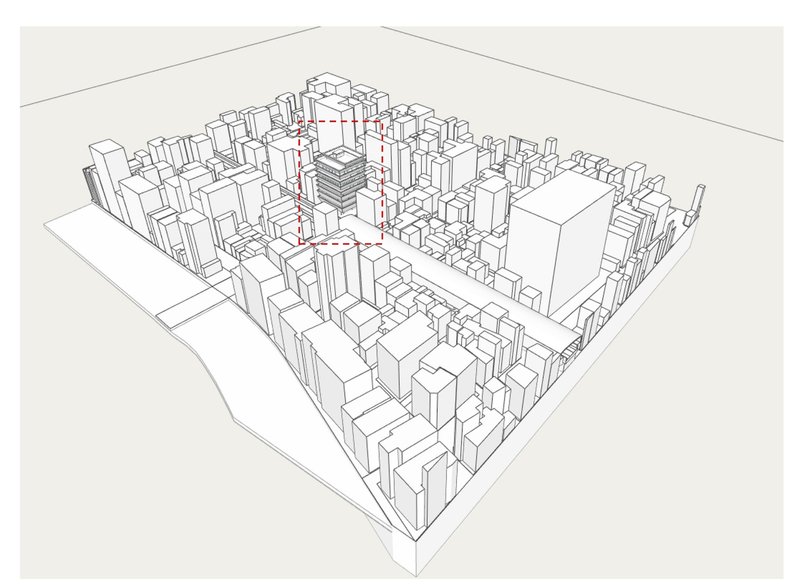
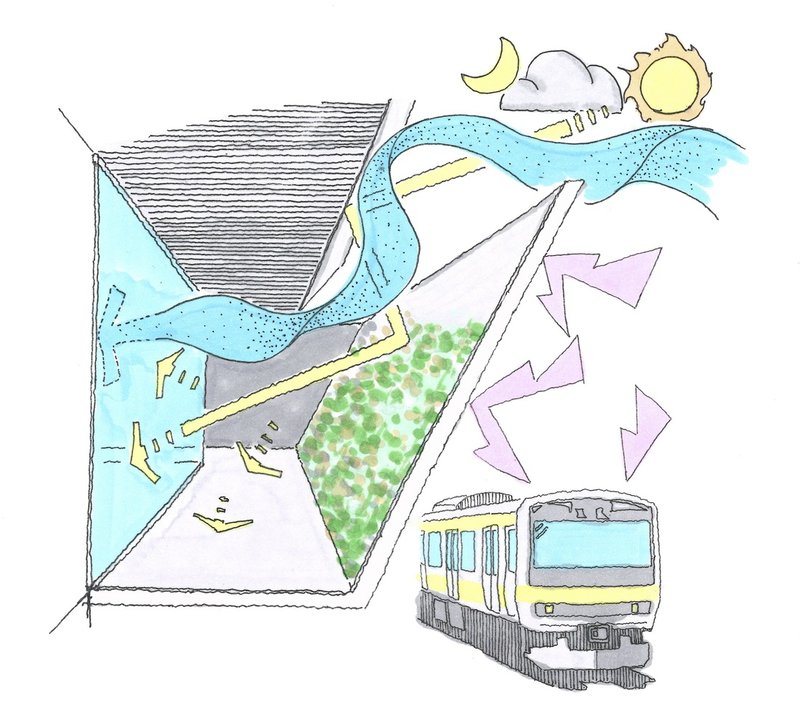
All photographs are work of Koichi Torimura




Popular Articles
Popular articles from the community

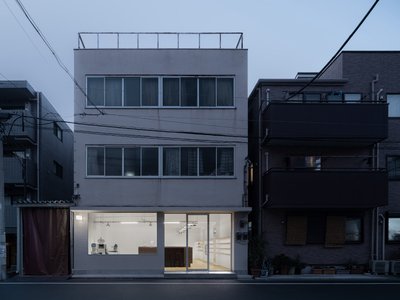
Atelier Macri Concept Store Interior Design by CASE-REAL
Atelier Macri store features a "ko" counter, walnut wood details, cork displays, blending retail, gallery, and seamless customer experiences.
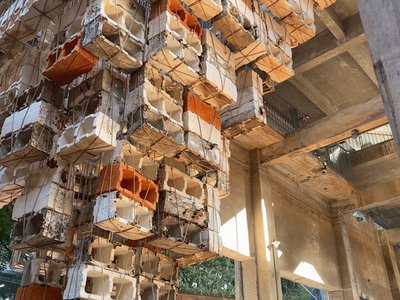
Inverted Architecture Installation by Studio Link-Arc: Exploring the Intersection of Architecture and Living Organisms
Inverted Architecture Installation by Studio Link-Arc blends mycelium, sustainability, inverted design, ecological cycles, and urban adaptive architecture in Shenzhen.

Alton Cliff House: A Harmonious Retreat by f2a Architecture in Lake Country, Canada
Alton Cliff House blends corten steel, prefabrication, and sustainable design, creating a luxurious, energy-efficient retreat perched on Canadian cliffs.


Similar Reads
You might also enjoy these articles


The Ken Roberts Memorial Delineation Competition (Krob)
As the most senior architectural drawing competition currently in operation anywhere in the world, it draws hundreds of entries each year, awarding the very best submissions in a series of medium-based categories.


Waterfront Redevelopment and Urban Revitalization in Mumbai: Forging a New Dawn for Darukhana
A transformative waterfront redevelopment project reimagining Darukhana’s shipbreaking heritage into an inclusive urban future.

OUT-OF-MAP: A Call for Postcards on Feminist Narratives of Public Space
Rhizoma Design and Research Lab invites artists, designers, architects, researchers, and students to reflect on how feminist perspectives can reshape public space. Selected works will be exhibited in Barcelona, October 2026. Submissions open until 15 April 2026.


Documentation Work on Buddhist Wooden Temple
Architectural syncretism and cultural hybridity: A comparative study of the Buddhist temples in Chattogram Hill tracks


Explore Architecture Competitions
Discover active competitions in this discipline




The International Standard for Design Portfolios


The Global Benchmark for Architecture Dissertation Awards


The Global Benchmark for Graduation Excellence


Challenge to reimagine the Iron Throne
Comments (0)
Please login or sign up to add comments
No comments yet. Be the first to comment!