

Innovative School Architecture Design: The Transformation of Fucheng Experimental School
This article explores the architectural innovation of Fucheng Experimental School in Shenzhen, showcasing its space-efficient, community-integrated, and sustainable design.


In the face of urban development challenges, the architecture of educational institutions plays a crucial role in both the functionality and the aesthetics of learning environments. The Fucheng Experimental School in Shenzhen, China, designed by The Institute of Architectural Design & Research at ShenZhen University (Z&Z STUDIO), is a stellar example of how innovative design can address space constraints while enhancing educational experiences.

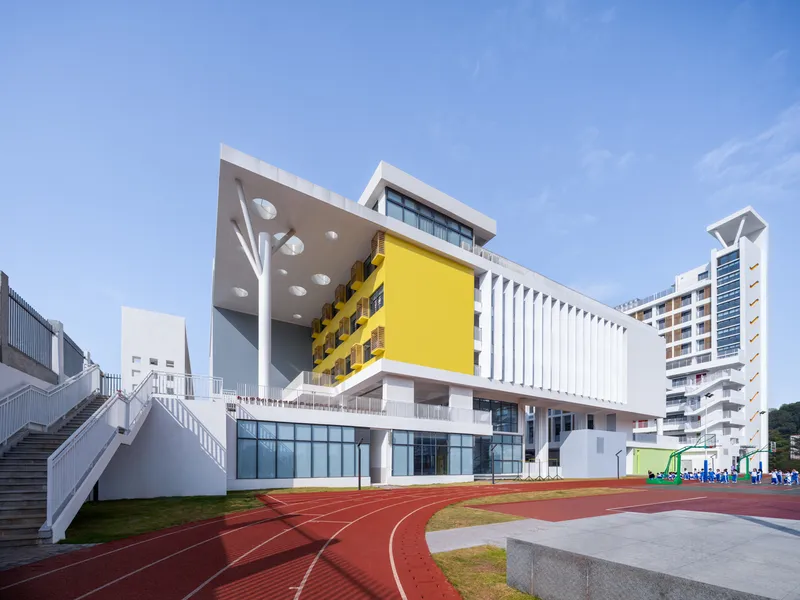
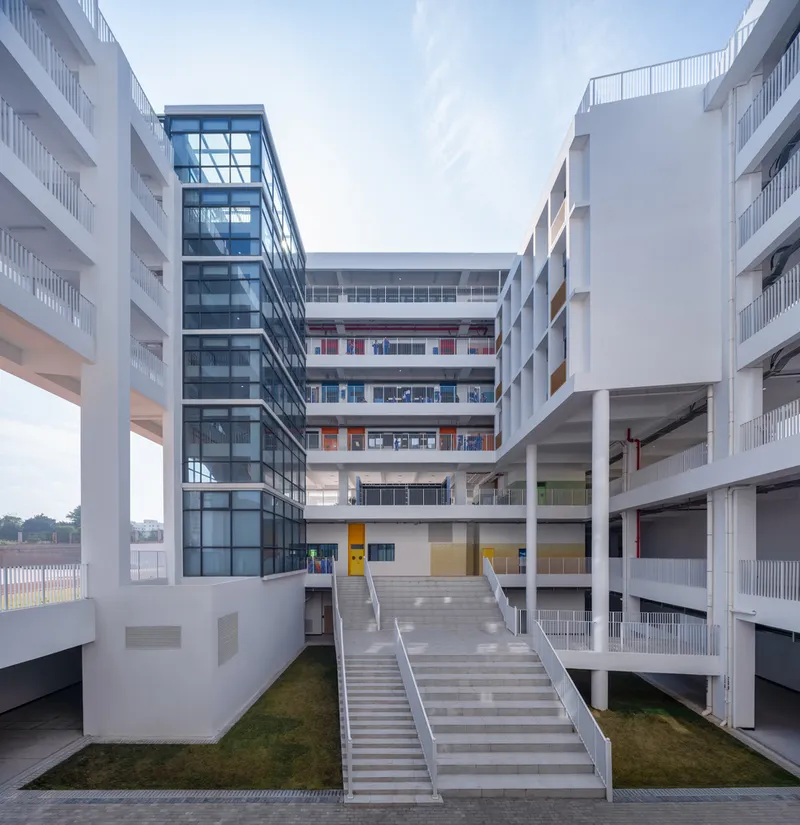

Project Overview: Fucheng Experimental School
Background and Challenges
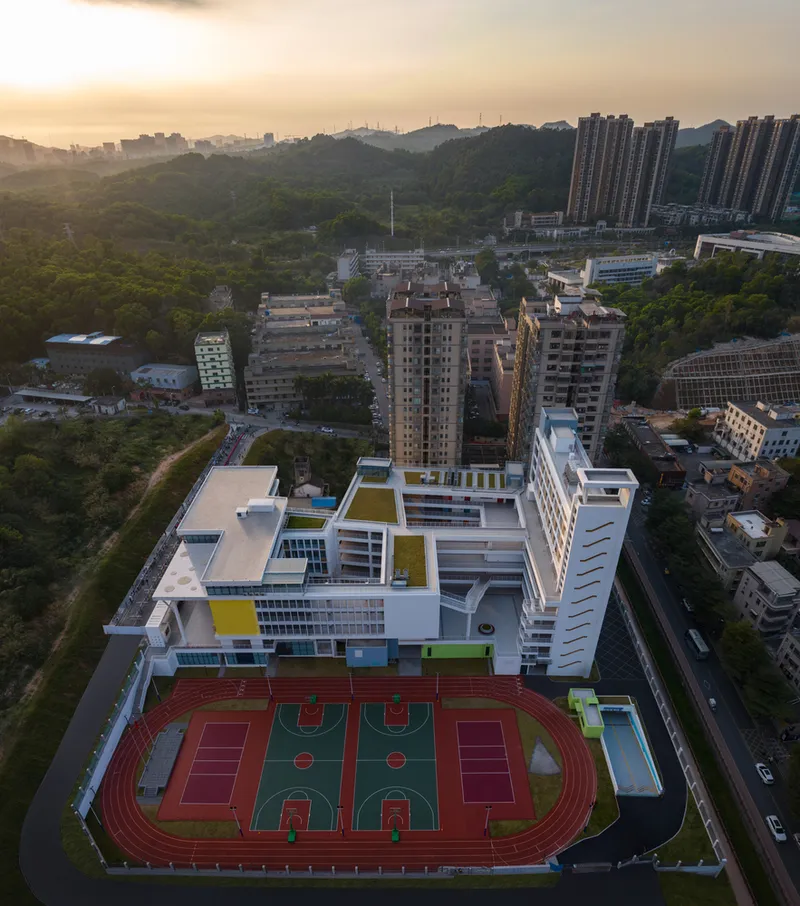
Located in the bustling city of Shenzhen, the Fucheng Experimental School faced the dual challenges of a rapidly increasing population and limited construction land. This project, situated on a compact site in the Longhua District, was envisioned to meet the growing demand for educational spaces through a thoughtful architectural approach.
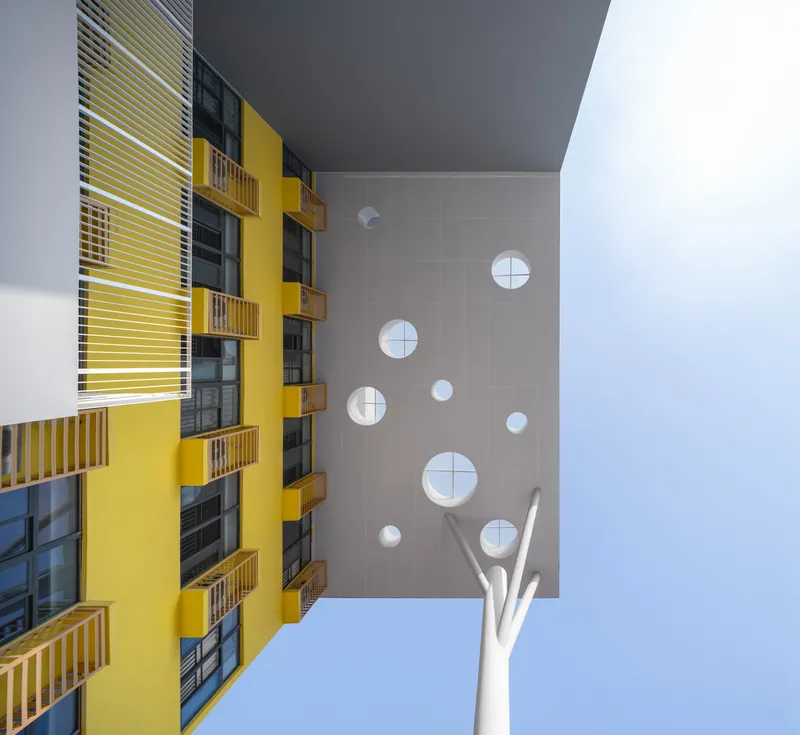

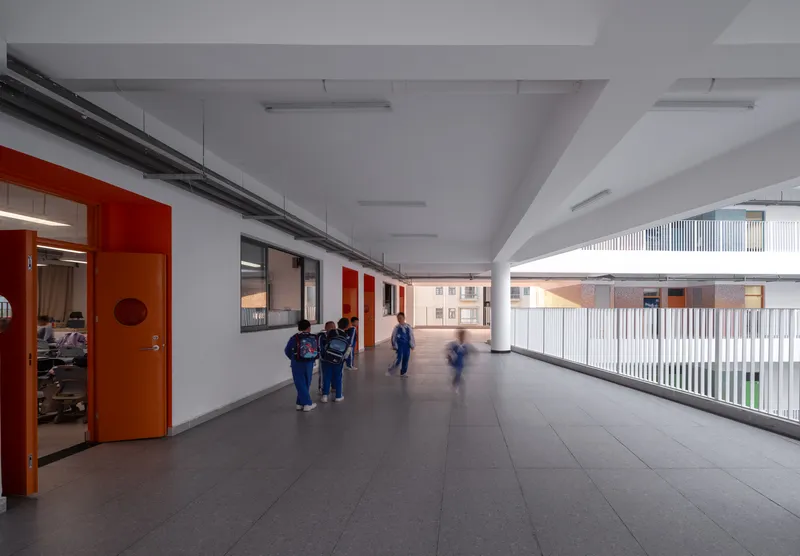
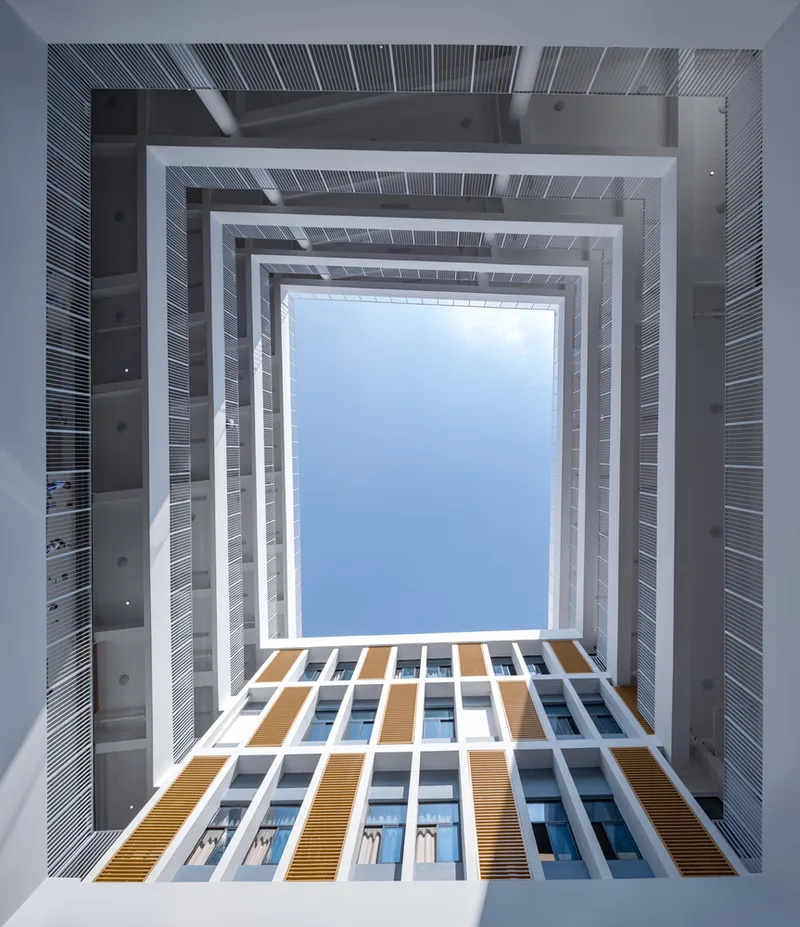
Architectural Vision and Design Goals
The design team aimed to create a multifunctional educational complex that would not only accommodate a significant number of students but also integrate with the community. The goal was to blend traditional educational functions with public accessibility, ensuring that the school served as a community hub.
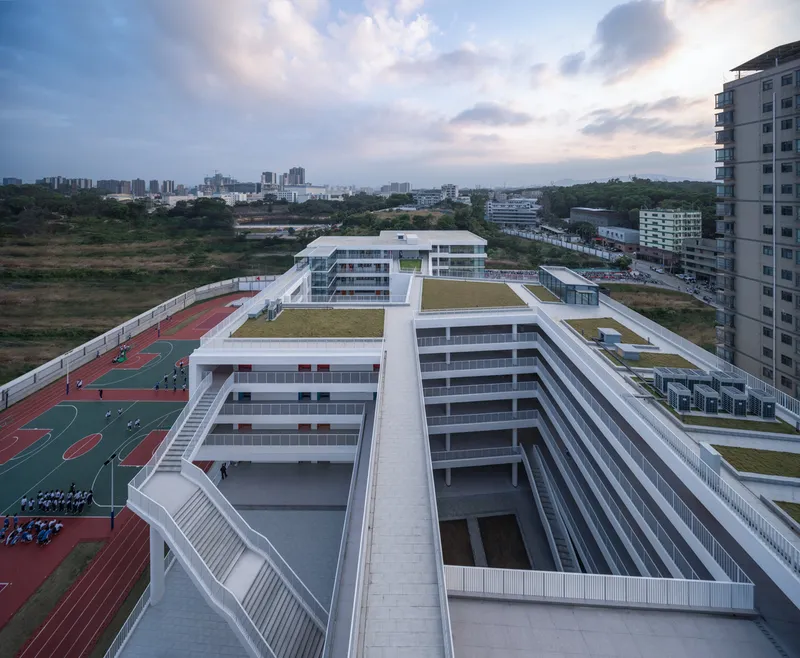
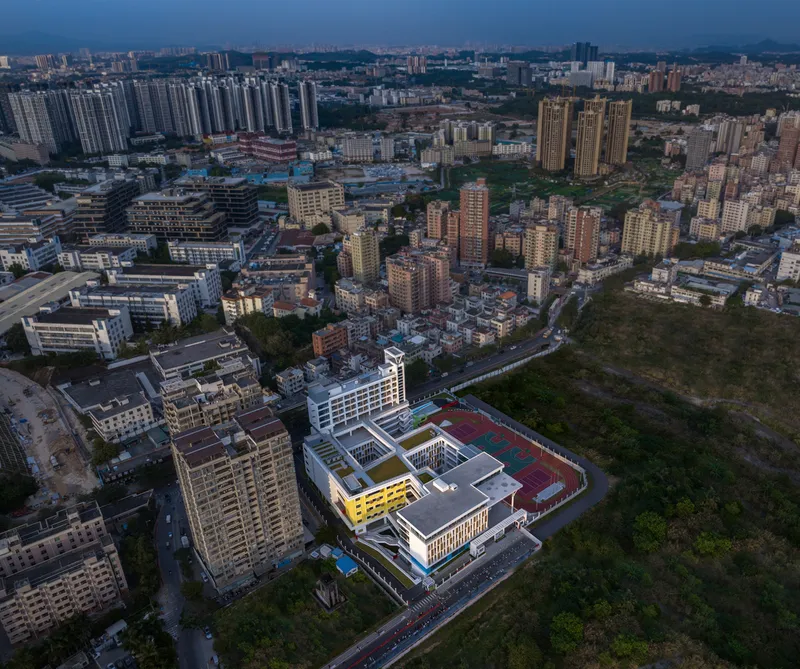

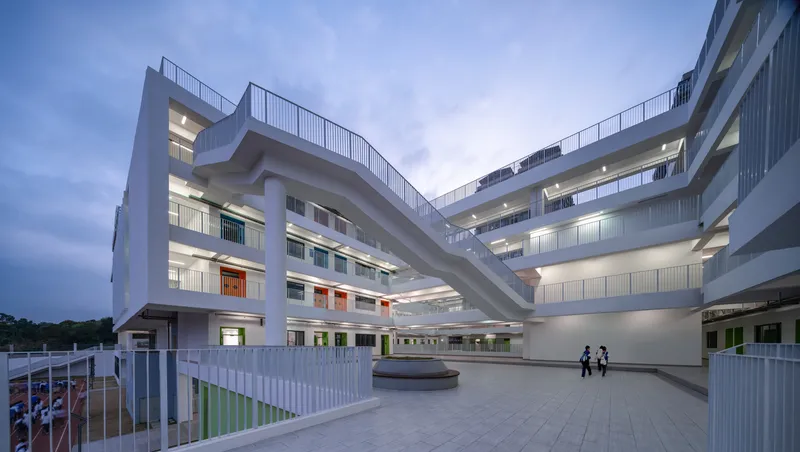
Key Architectural Features of Fucheng Experimental School
Innovative Use of Space
Vertical Campus Design
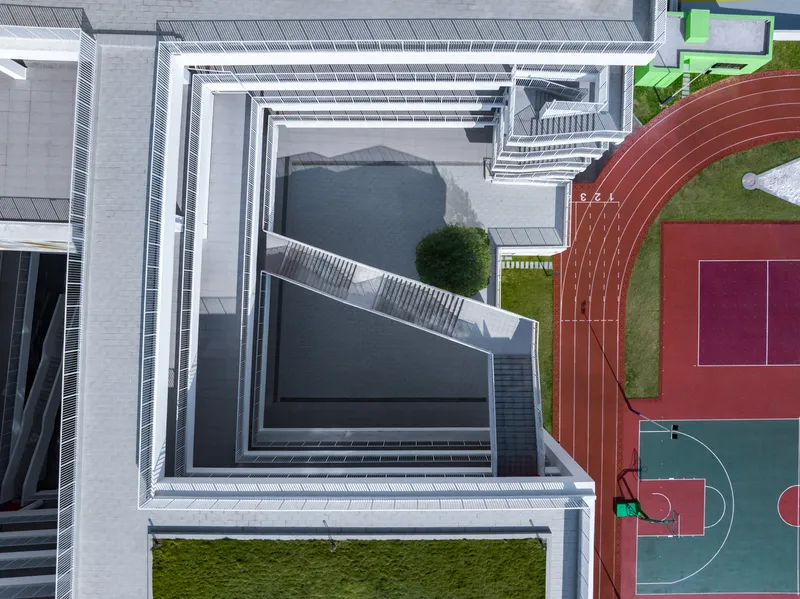
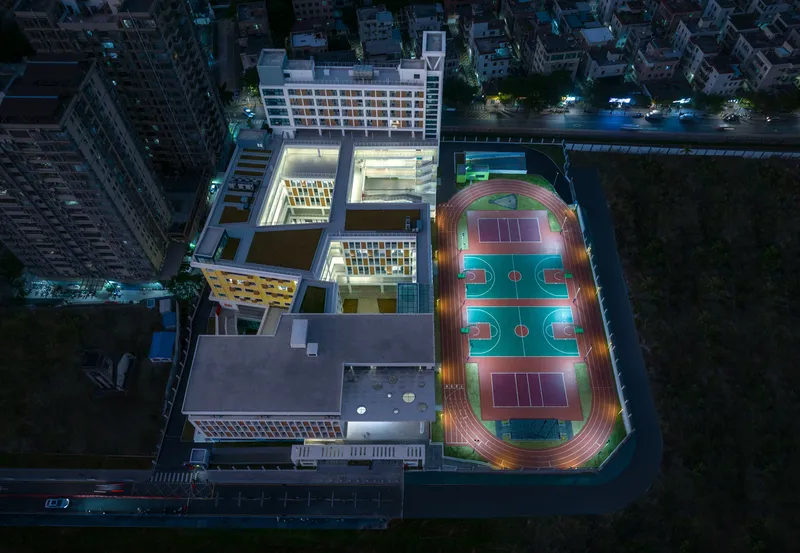
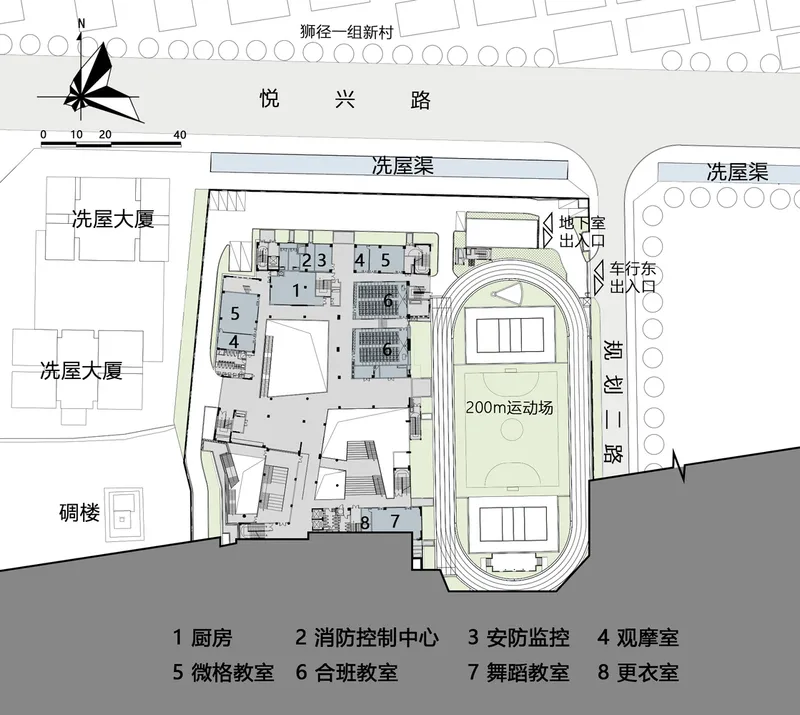
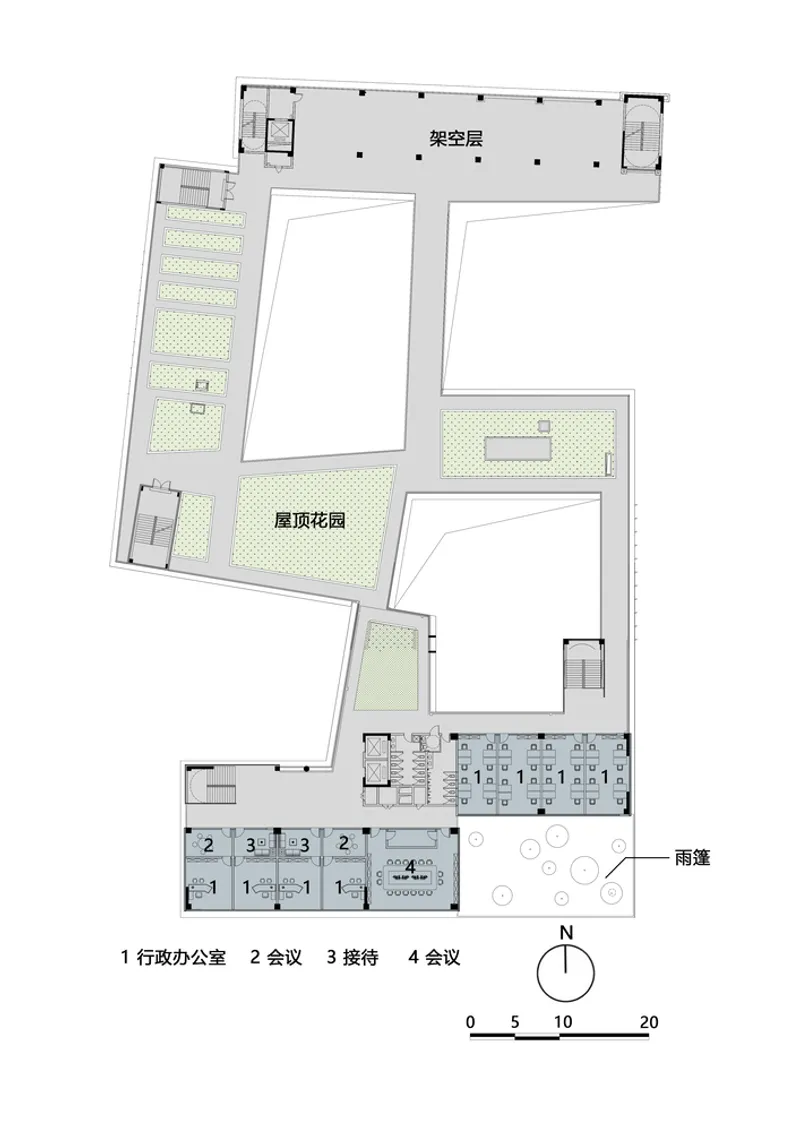
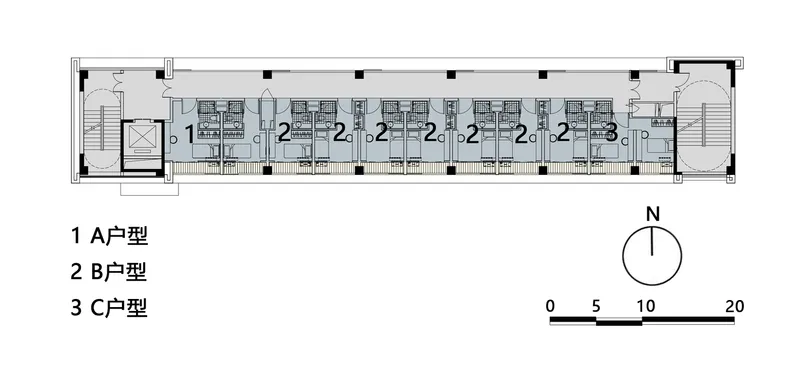
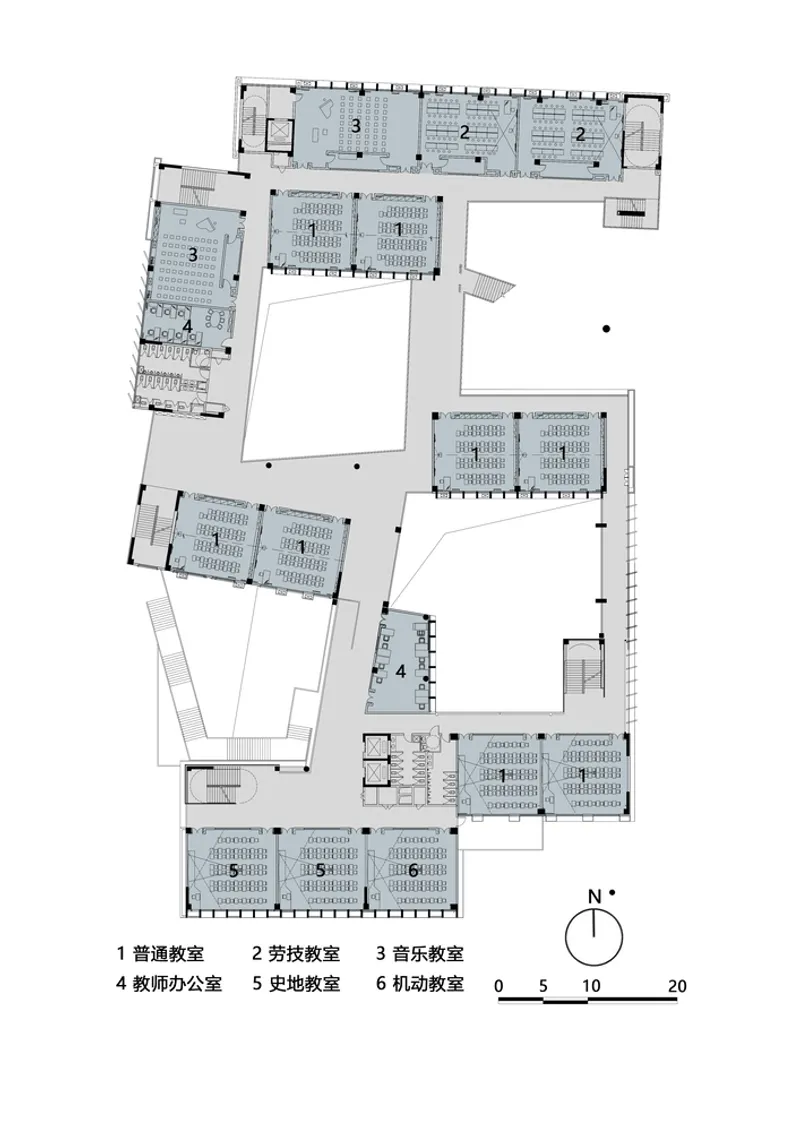
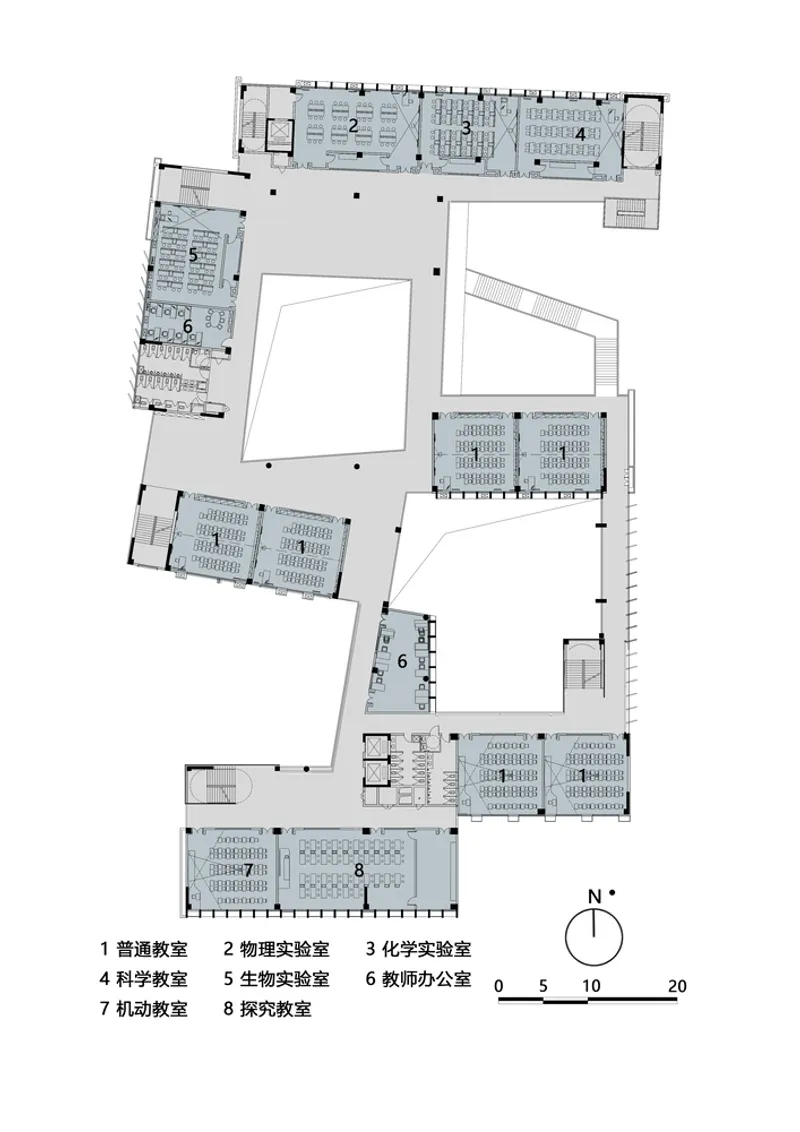
To maximize the limited land area, the architects employed a vertical design strategy, stacking educational and recreational spaces in a compact footprint. This approach not only conserved space but also created dynamic, interconnected environments for students and staff.

Multi-functional Courtyards
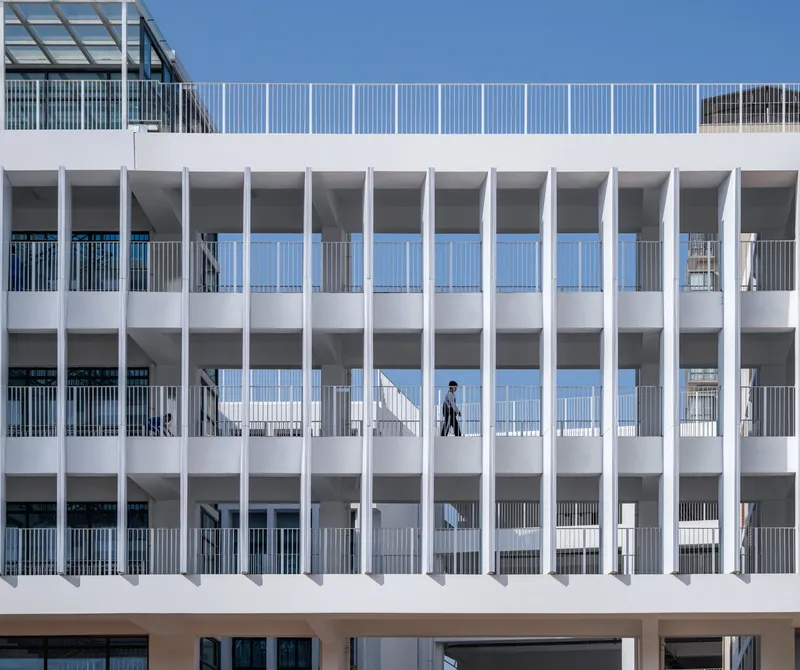
The school design includes multiple courtyards that serve various functions, from recreational areas to environmental buffers. These courtyards are strategically placed to enhance the school's ventilation and natural lighting, contributing to a more sustainable building design.


Integration with the Community
Resource Sharing
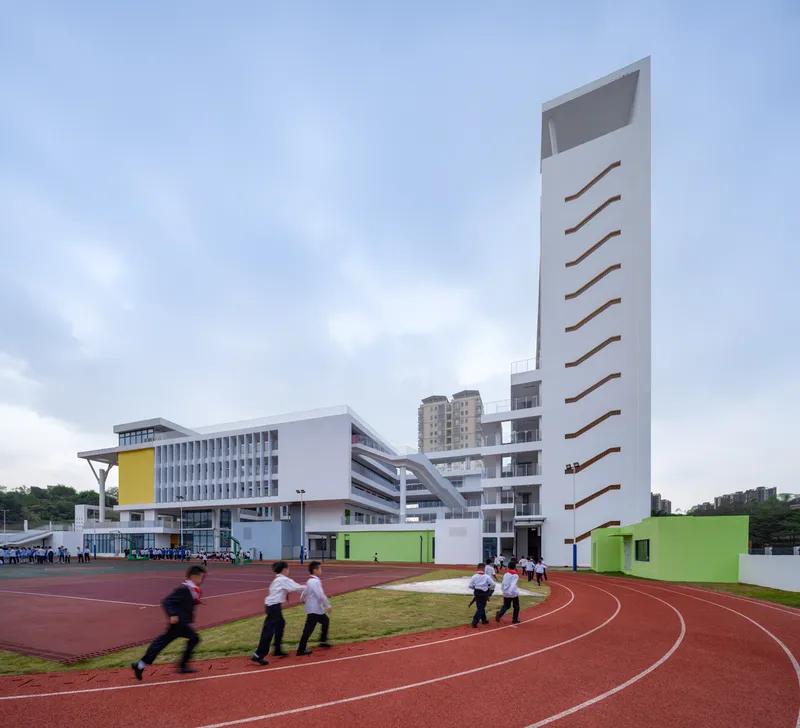
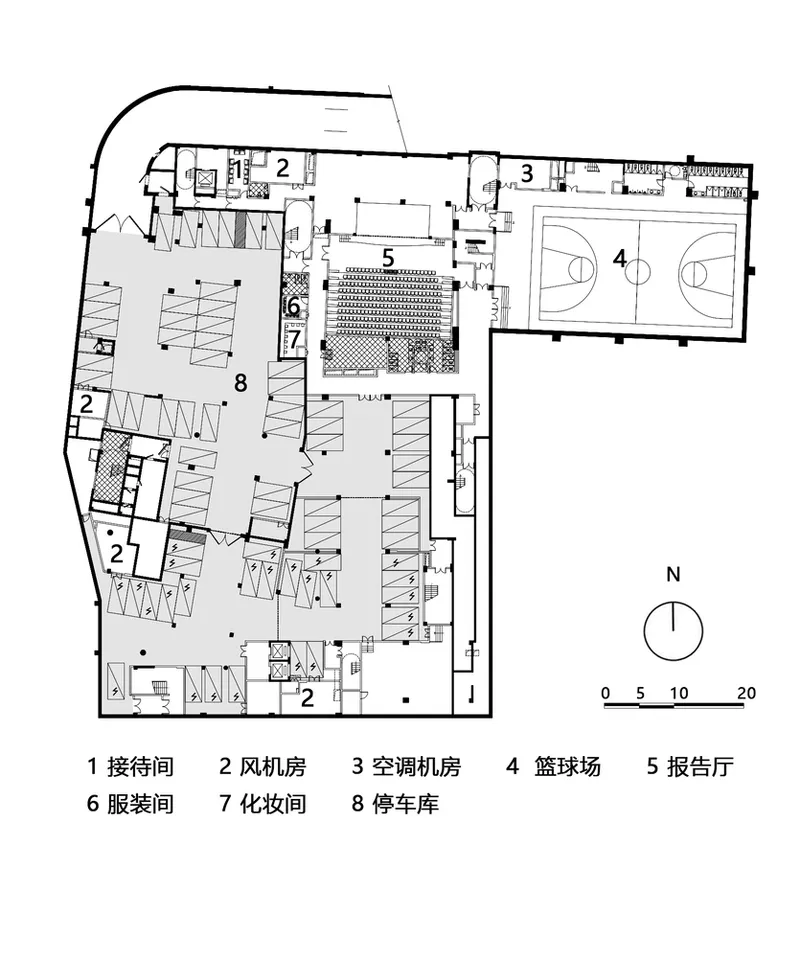
The concept of "resource sharing" is central to the school's design, with spaces like libraries and sports facilities designed to be accessible to the community outside school hours. This integration fosters a stronger connection between the educational institution and its surrounding community.


Cultural and Sports Centers
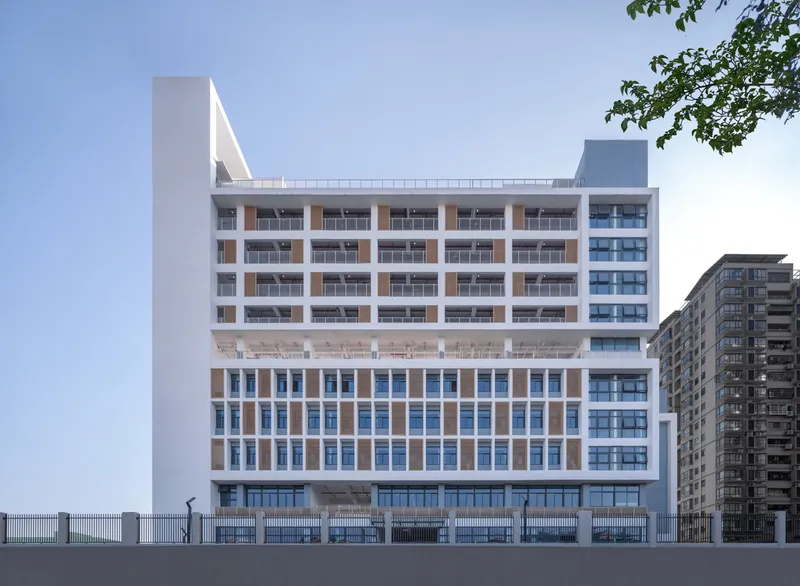
Located in the semi-basement area, these facilities provide spaces for cultural activities and sports, accessible independently from the academic areas, which facilitates community use during non-school hours.
Sustainability and Adaptation to Local Climate
Climate-Responsive Design
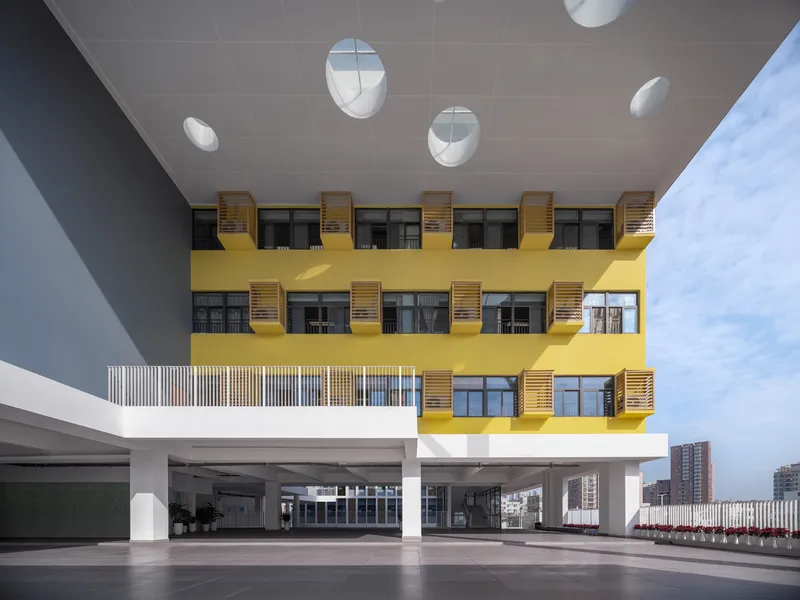
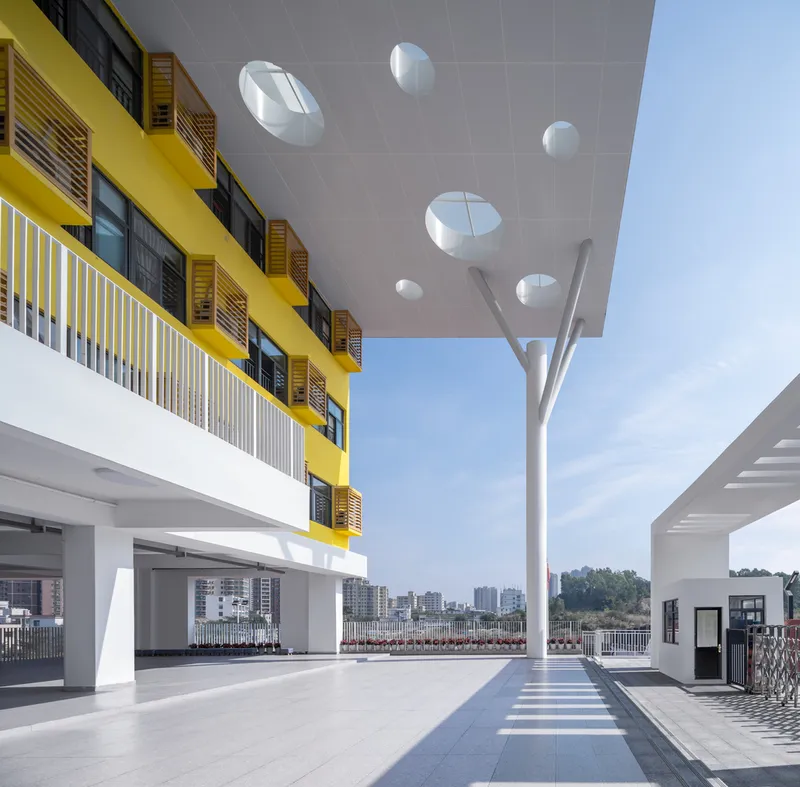
In response to Shenzhen’s humid and rainy climate, the school incorporates features such as large overhanging eaves and elevated ground floors, which are characteristic of Lingnan architectural style. These elements provide effective sun and rain protection, enhancing the comfort of outdoor spaces.


Use of Local Materials
Emphasizing sustainability, the construction utilizes locally sourced materials, reducing the environmental impact associated with transportation and supporting the local economy.

The Impact of Innovative Architectural Solutions
The Fucheng Experimental School stands as a testament to the possibilities of innovative school architecture design in urban settings. By addressing space limitations creatively, incorporating community-focused elements, and responding to local climate conditions, the project sets a benchmark for future educational architecture projects worldwide.


All photographs are work of Inter_mountain image,Zhong Zhong


Popular Articles
Popular articles from the community


Cube Design Draws an Ecological Corridor Between Two Shenzhen Hills with the Nankai Building
Beside Shenzhen's container docks, the Nankai Building pairs stacked balconies with a climbing green screen to connect two hillsides across its height.


Aquadapt: An Underwater Habitat That Rewrites Its Rooms by the Hour
Curved modules ring the seabed while one shell shifts from breakfast room to cinema, farm and football pitch as residents' needs change.

ETEH Reworks the Shared Spaces of São Domingos School in Brazil Around Timber, Color and Hanging Plants
At São Domingos School in Brazil, 436 m² of hall, refectory and library are recast with timber joinery, a yellow and blue code and trailing greenery.

graciastudio Turns a Viewless Tijuana Lot Inward Around a Courtyard of Concrete, Timber and Trees
In Tijuana, Jorge Gracia's GA2 House stacks a timber-clad private floor over exposed concrete and replaces a missing view with a planted interior patio.

Similar Reads
You might also enjoy these articles

Juan García Correa, John González and Claudia Rueda Sink a Circular Amphitheater into a Manizales Engineering Building
On the La Nubia campus in Manizales, Colombia, the S1 Building folds labs and offices into a hillside of ramped lawns that double as a campus route.

Arealis Brasil Wraps a São Paulo Office for Everis's Creative Arm Around a Glowing Curved Counter
In Brooklin Paulista, a 300 m² office for the creative agency Chazz uses timber, metal mesh and ribbed green glass to blur workspace and pub.

LT2A and OPEN Architectes Thread a Brick and Glass High School Through a Wooded Belgian Campus
In Braine-l'Alleud, a 3,000 m² wing for Collège Cardinal Mercier pairs pale brick with a glazed colonnade, deferring to a small chapel and a dense wood.

Atelier Diving Bell Stitches a Hangzhou Food Court Together with a Louvered Steel Canopy
In Hangzhou's Liangzhu Culture Village, a 1,400 m² food court renewal uses canopies, tree benches and props to turn a passage into a place.

Explore Architecture Competitions
Discover active competitions in this discipline

Challenge to reimagine the Iron Throne

Photograph architecture without architects

Illustrate the lost glory of Angkor Wat - Render Challenge

Design challenge to reuse E-waste
Comments (0)
Please login or sign up to add comments
No comments yet. Be the first to comment!