Jimbaran Housing: A Benchmark for Resilient Floating Cities
Jimbaran Housing's innovative, resilient floating city design for flood-prone coastal areas.


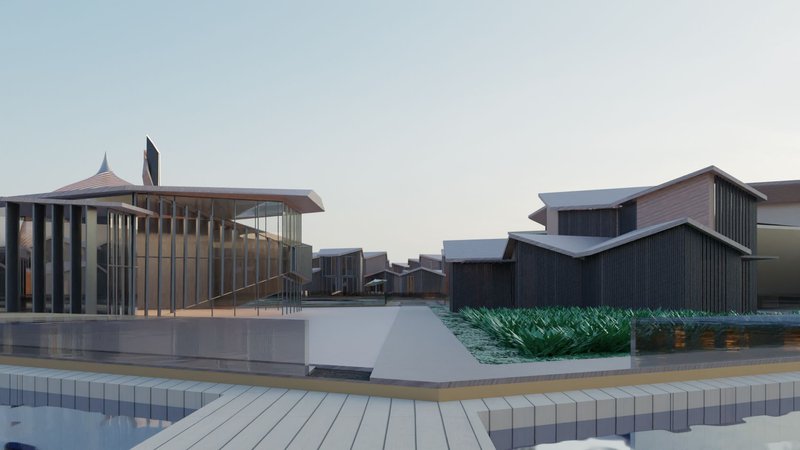
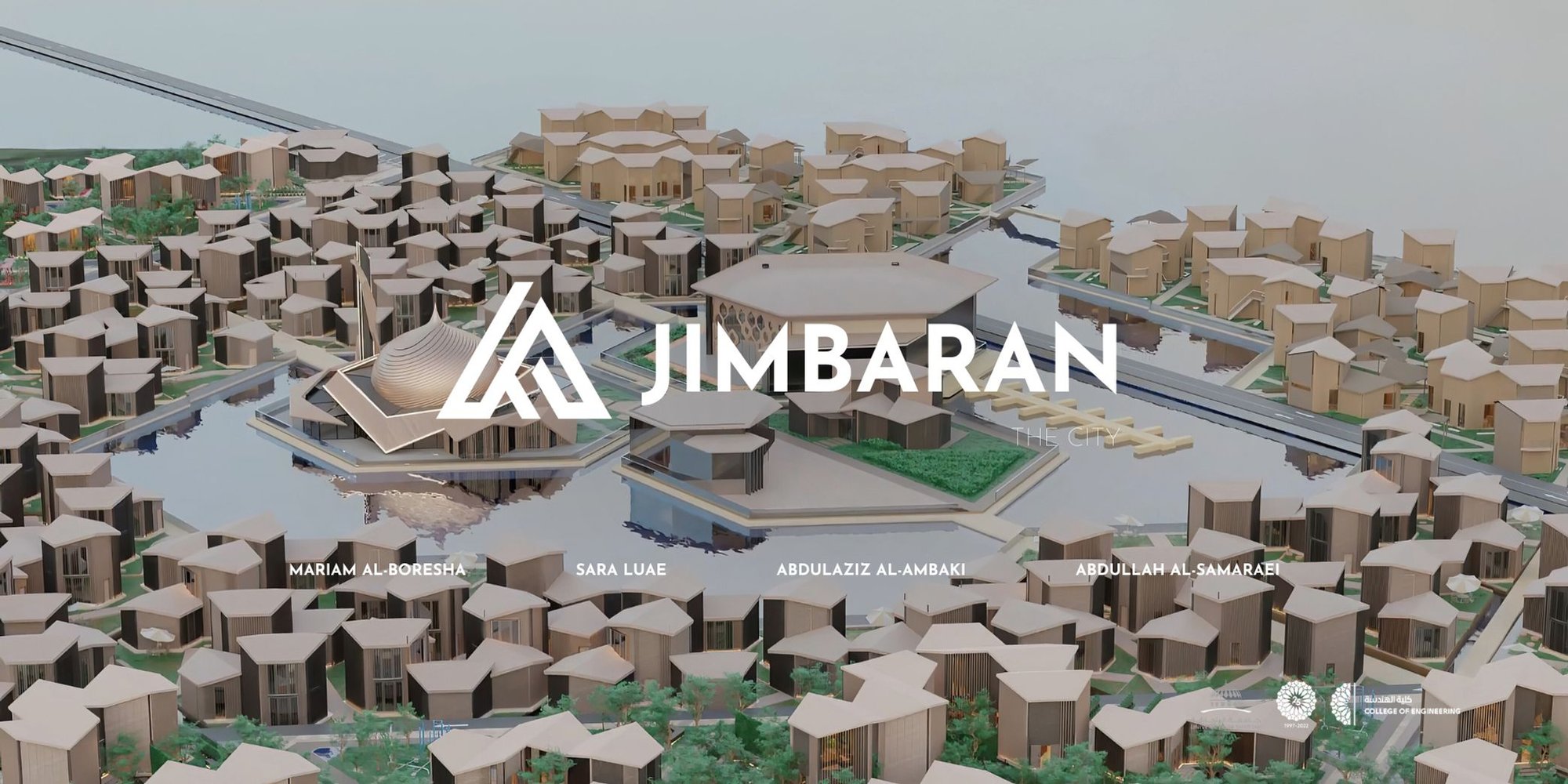
Jimbaran Housing by AbdulAziz AlAmbaki, Mariam Alboresha, sara luae, Alsammrai E is an innovative and resilient solution addressing the pressing issues of flooding and sea level rise in Indonesia. It sets a new standard for resilient floating cities through its modular construction, making it a benchmark for high-risk coastal cities. This project showcases how affordable, adaptable, and environmentally resilient housing can be designed to meet the challenges posed by climate change and urbanization in coastal areas.
Location and Concept
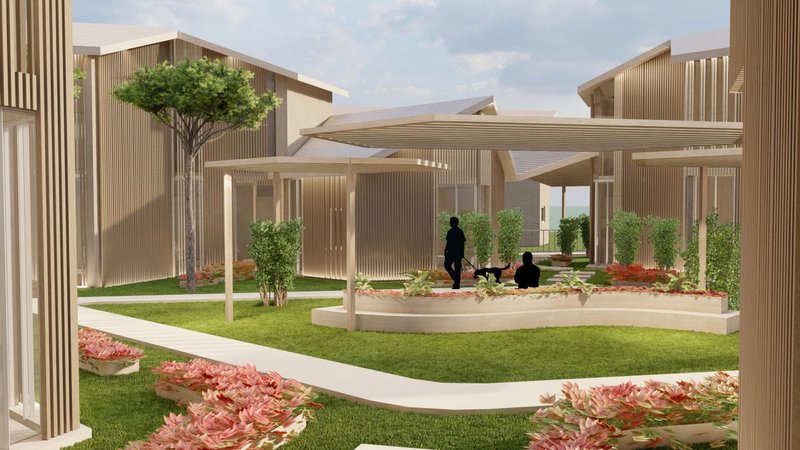
Jimbaran is situated on the coastline of Semarang, Indonesia, one of the regions most vulnerable to flooding and sea-level rise. The project embraces the 15-minute city concept, ensuring that essential amenities are within a short walking or cycling distance from any point in the urban area. This design not only promotes convenience but also fosters a sustainable and inclusive lifestyle.
Site Analysis
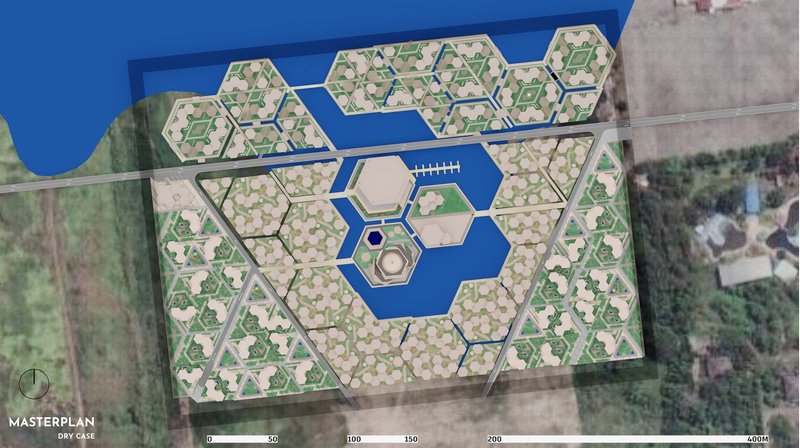
The site analysis for Jimbaran includes detailed weather data, sunlight analysis, and urban layers. The project integrates various income levels, ensuring inclusivity and accessibility across the city. The design is informed by case studies on amphibious housing, bamboo housing, and the grid layout of Masdar City, focusing on better pedestrian pathways and ventilation.
Materials and Construction
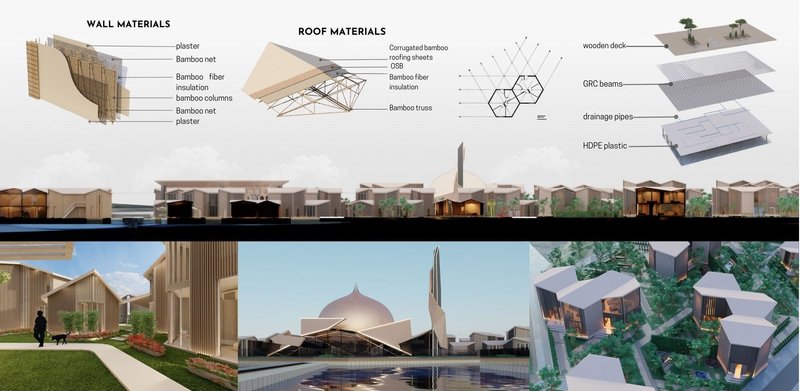
Jimbaran Housing utilizes sustainable materials, with a significant emphasis on bamboo for both wall and roof structures. The wall materials include plaster, bamboo net, bamboo fiber insulation, and bamboo columns. The roof materials comprise corrugated bamboo roofing sheets, OSB (Oriented Strand Board), and bamboo fiber insulation. This choice of materials ensures that the construction is not only eco-friendly but also cost-effective and durable.
Design Details
Housing Levels
Jimbaran Housing consists of three types of housing units designed to cater to different income levels:
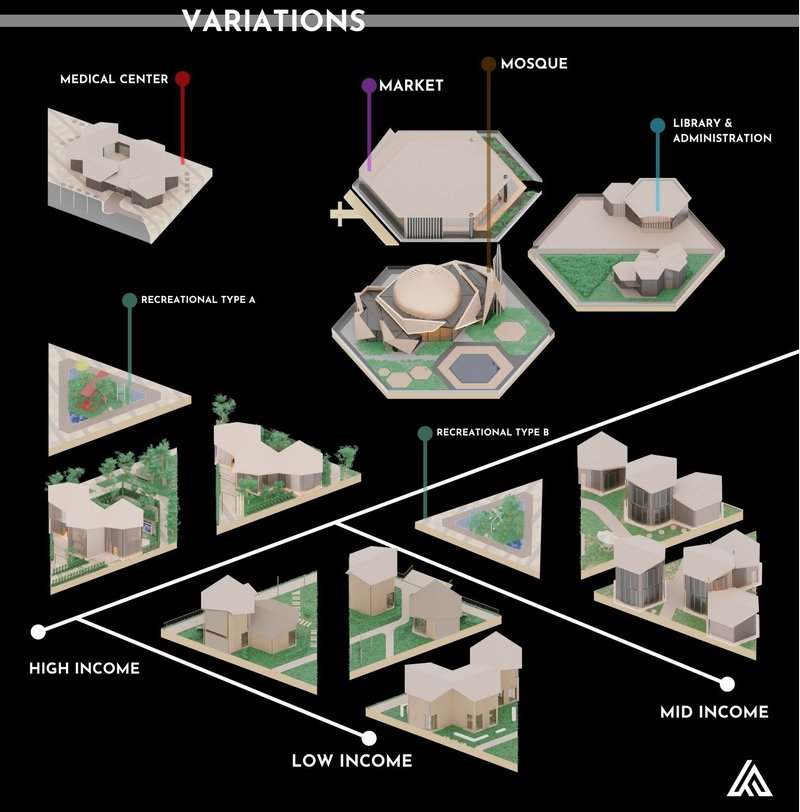
Low-Income Housing: Based on a single hexagonal unit, each house has an indoor area of 31.83 square meters. These houses are clustered together, with 3-6 houses per platform.
Mid-Income Housing: These houses consist of two hexagonal units, offering an indoor area of 63.65 square meters. They are distributed at a lower density and include shared recreational areas, with 2-3 houses per platform.
High-Income Housing: Comprised of three hexagonal units, these houses have an indoor area of 95.48 square meters and feature private outdoor areas and shared recreational spaces, with 1-2 houses per platform.
Platform Levels
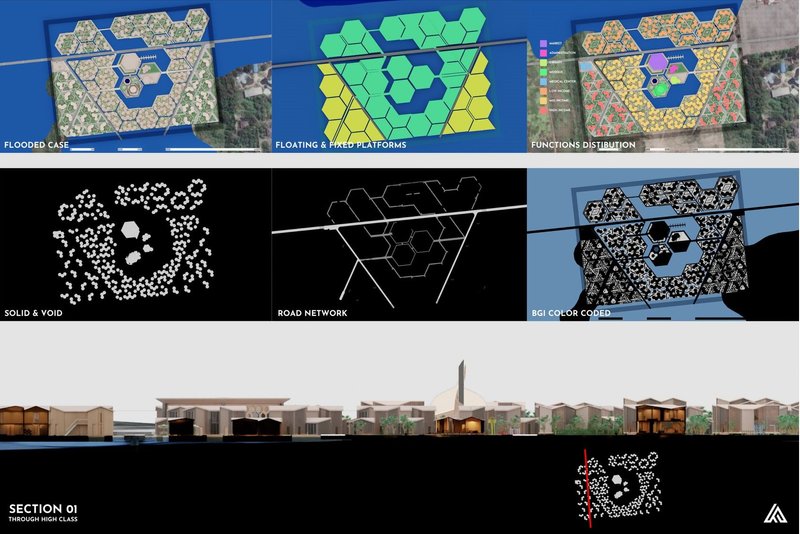
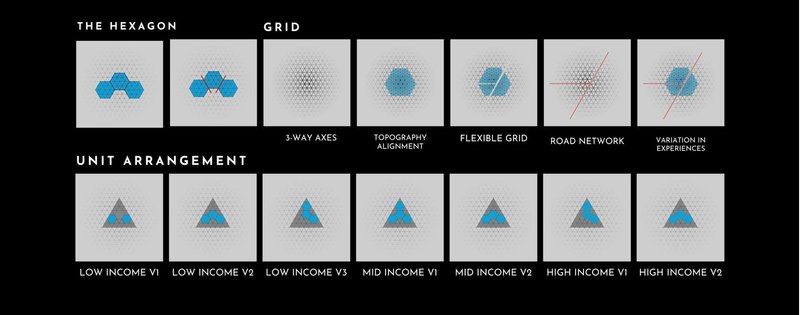
The dynamic nature of the site necessitated the use of triangular platforms to adapt to both dry and flooded conditions. Jimbaran has two types of platforms: fixed platforms for safe zones and floating platforms for flooded zones. Each platform supports the hexagonal housing units, creating a modular and flexible urban environment.
Urban Levels
The urban layout is based on hexagonal clusters, each comprising six neighboring platforms. This design ensures efficient water flow during flooding times and provides well-connected walking paths. Public services, such as a central mosque, market, administration unit, library, and medical center, are strategically placed for optimal accessibility.
Modular Floating Platforms
The foundation of Jimbaran’s design is its innovative modular floating platforms. These platforms feature a flowing, shallow foundation box with strategically placed columns for vertical support. The dynamic system allows the platform to respond to environmental conditions and user preferences, ensuring stability and adaptability.
Structural Considerations
The structural design of Jimbaran Housing utilizes a diagonal grid and a simply supported structure system. Bamboo, a rapidly renewable resource, is the primary material used. Its flexibility and strength make it ideal for the modular construction of housing units, reducing environmental impact and showcasing its aesthetic appeal.
Expansion and Compatibility
Jimbaran's modularity allows for future expansion. The design enables additional units to be placed on existing platforms, accommodating higher-density arrangements. The flexibility of the platform scale allows for the redistribution of the site grid to include more platforms and urban features.
Jimbaran Housing stands as a benchmark for resilient floating cities, addressing the challenges of flooding and sea-level rise in Indonesia. By integrating modular construction, sustainable materials, and innovative urban planning, it sets a new standard for high-risk coastal cities worldwide. The project exemplifies how affordable, adaptable, and environmentally resilient housing solutions can be designed to meet the needs of vulnerable communities, ensuring a sustainable future for urban living.