
Judicial Morgue Architecture: Redefining Design for Sensitivity and Functionality in Santa Fe
An architectural exploration of the Judicial Morgue in Vera, Santa Fe, showcasing a sensitive, sustainable, and functional design for a challenging program.

Introduction to the Judicial Morgue of Vera
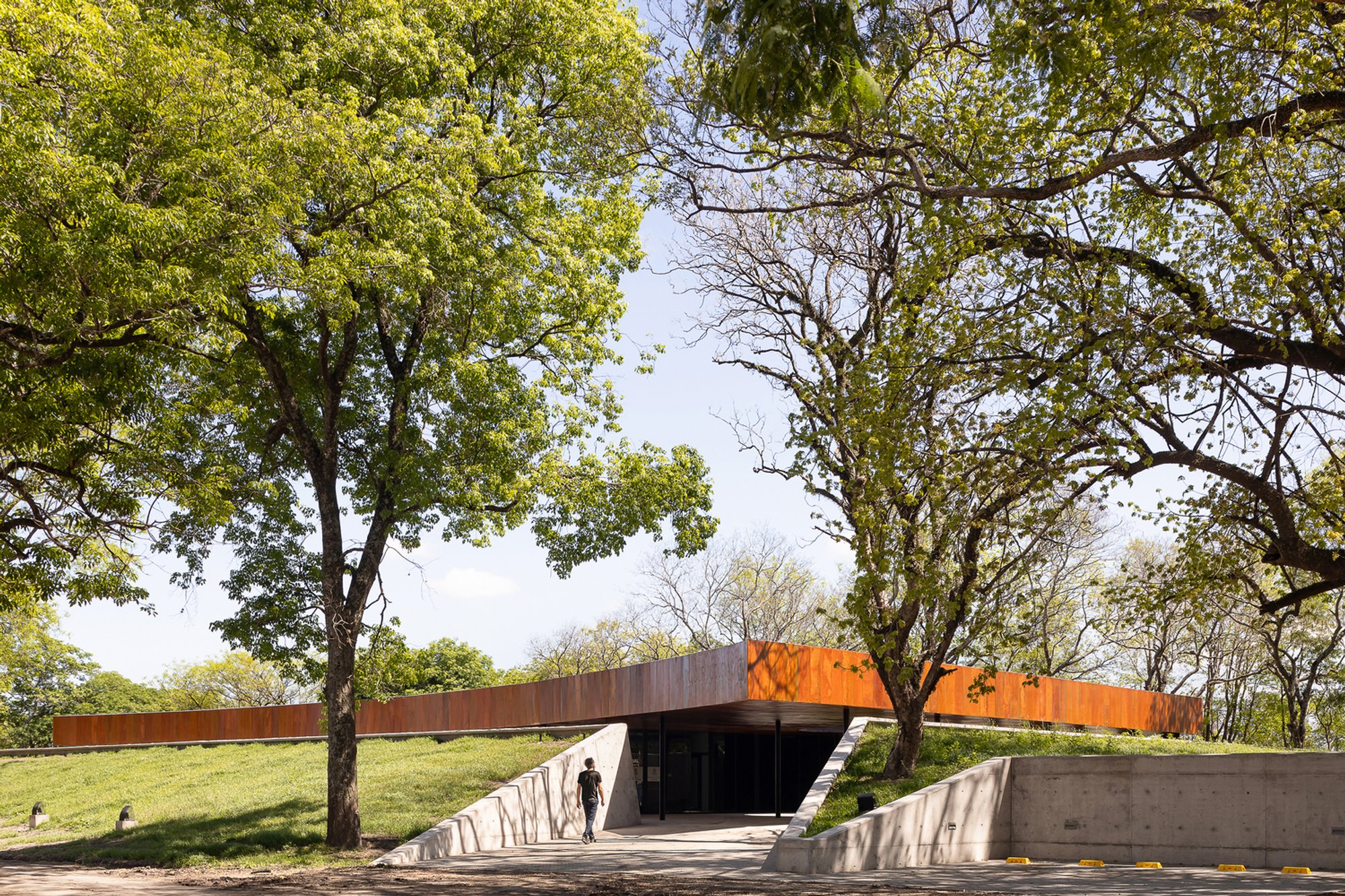
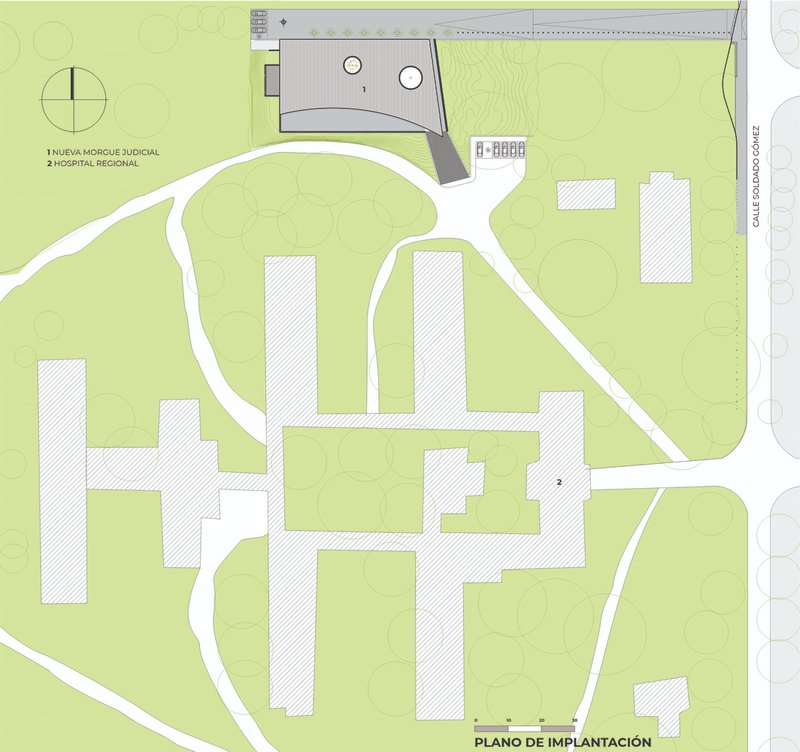
The Judicial Morgue Architecture project in the city of Vera, Argentina, designed by the Oficina de Arquitectura del Poder Judicial Santa Fe, challenges conventional perceptions of morgue facilities. Completed in 2024 and spanning 1,382 m², the building is situated on the grounds of the Regional Hospital under a commodatum agreement with the provincial government. Its design combines architectural sensitivity, environmental integration, and technical precision to create a dignified, approachable space for an often-overlooked program.
Concept and Cultural Approach
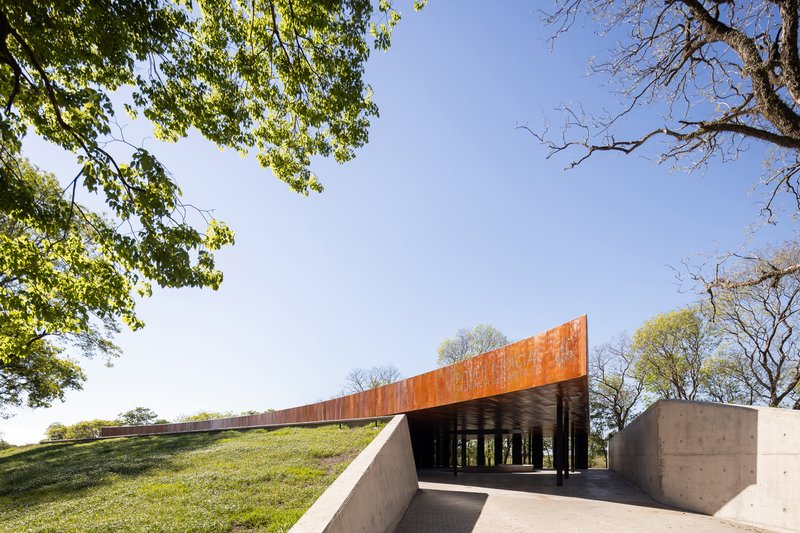
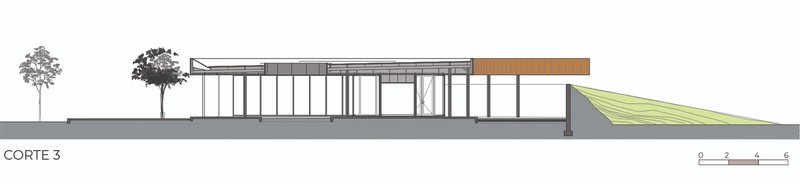
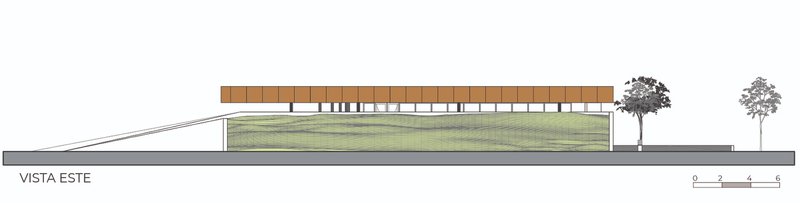
The central design philosophy behind this Judicial Morgue Architecture was to create a building that encourages approach rather than avoidance. Recognizing the cultural sensitivity surrounding morgues, the architects employed design strategies to visually soften the facility. It is partially hidden behind earth embankments planted with native vegetation, revealing only a horizontal line aligned with its expansive flat roof. This deliberate concealment blends the building into its surroundings, minimizing visual impact and creating a respectful, contemplative presence.
Site Integration and Environmental Response
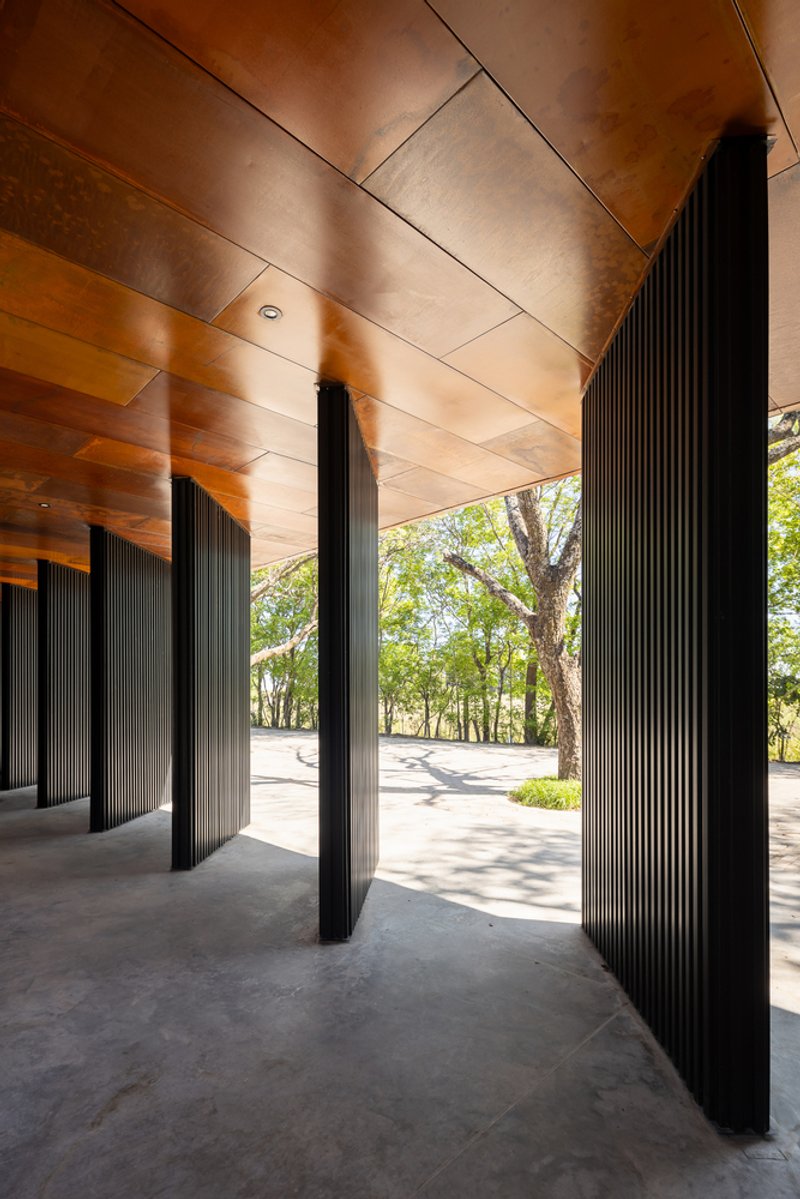
The lot’s generous dimensions allowed the morgue to be positioned for visibility while still maintaining privacy. Pathways meander through preserved native forest, and views from inside are carefully framed toward green landscapes or the vegetated embankments. Environmental considerations—such as wind, sun, shade, and rainfall—were deeply integrated into the design. Galleries act as transitional buffers, controlling sunlight and improving thermal comfort. A Venturi tube system at the entrance promotes natural air circulation and cooling, reducing reliance on mechanical systems.
Functional Zoning and Program Layout
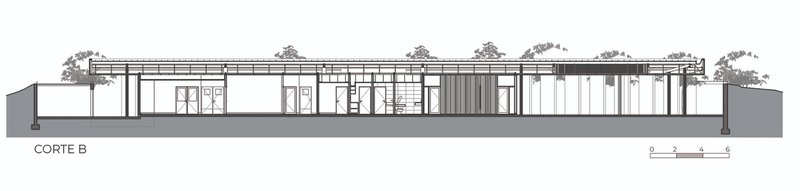
Internally, the morgue accommodates a variety of specialized spaces: a reception hall, administrative offices, meeting room, identification area, cold storage, X-ray interpretation facilities, autopsy room, inclusive locker rooms, and waste management areas. Support functions—including air conditioning condensers, chillers, hydropneumatic tanks, and generators—are positioned outside the main roof and enclosed by exposed reinforced concrete. This zoning ensures operational efficiency while maintaining a clear distinction between public and technical areas.
Architectural Form and Spatial Experience
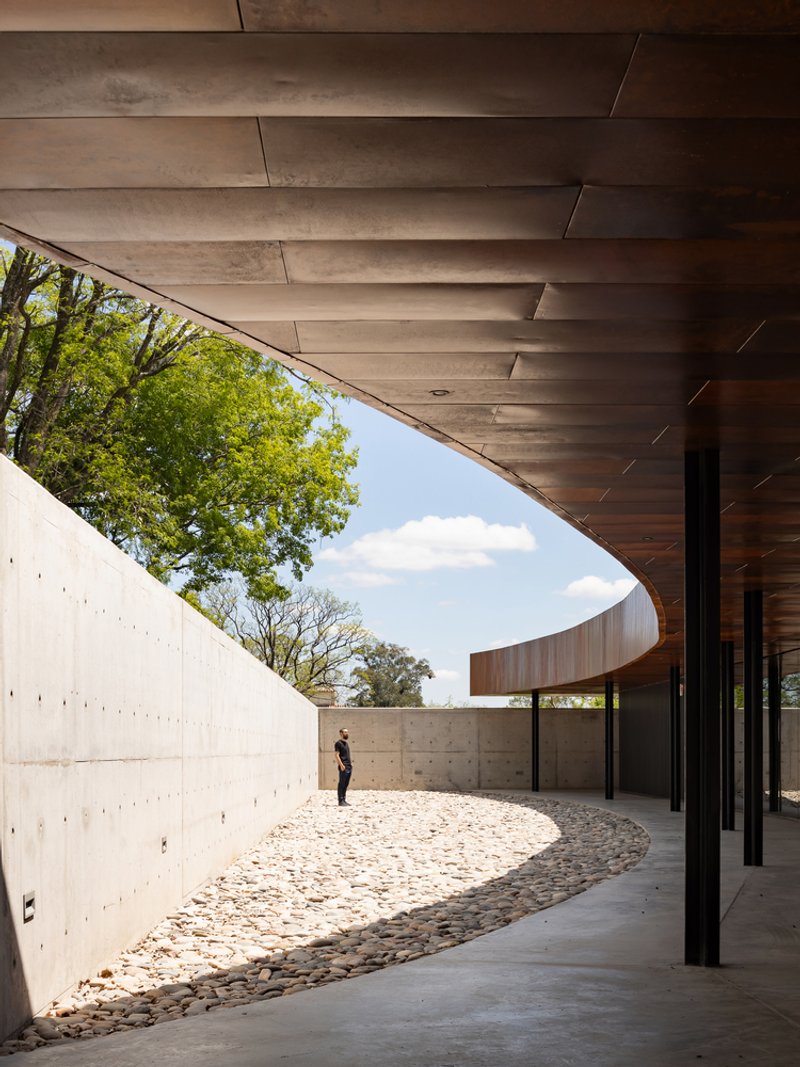
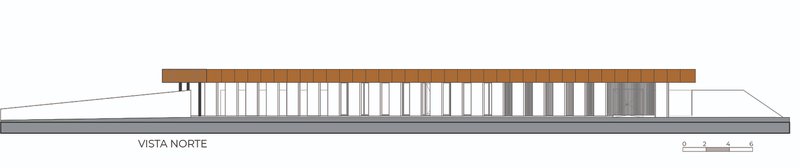
Semi-covered perimeter galleries, open courtyards, and circular skylights soften the austere function of the building. These spaces welcome natural light, rainwater, and air, creating contemplative areas for visitors and staff. Inside, reinforced concrete surfaces are balanced with filtered light through perforated metal panels, offering a subtle warmth to spaces that might otherwise feel clinical. The north-facing interior courtyard provides a tranquil focal point, while vertical metal screens along the vehicle access route preserve privacy without compromising openness.
Technical and Biosafety Excellence
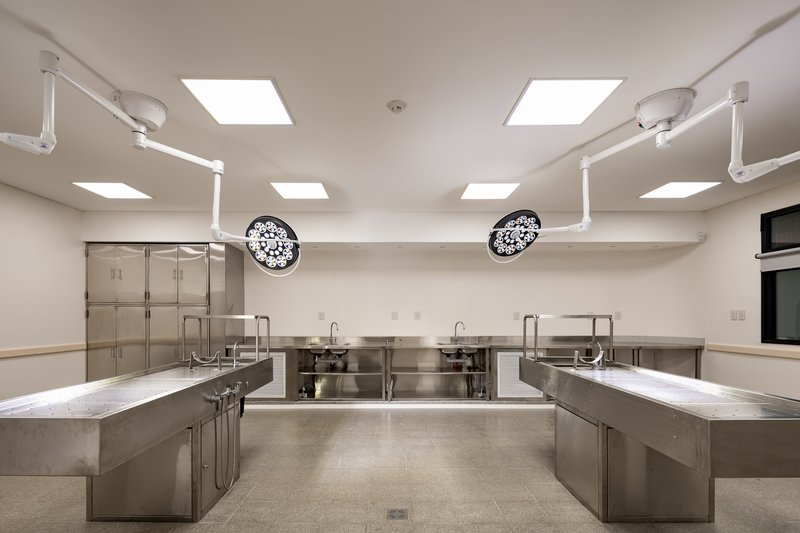
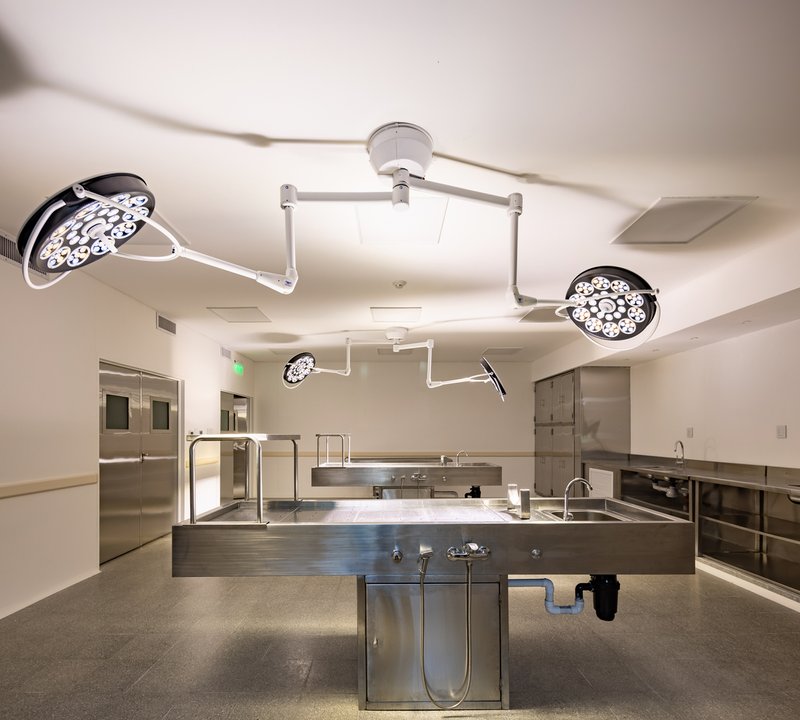
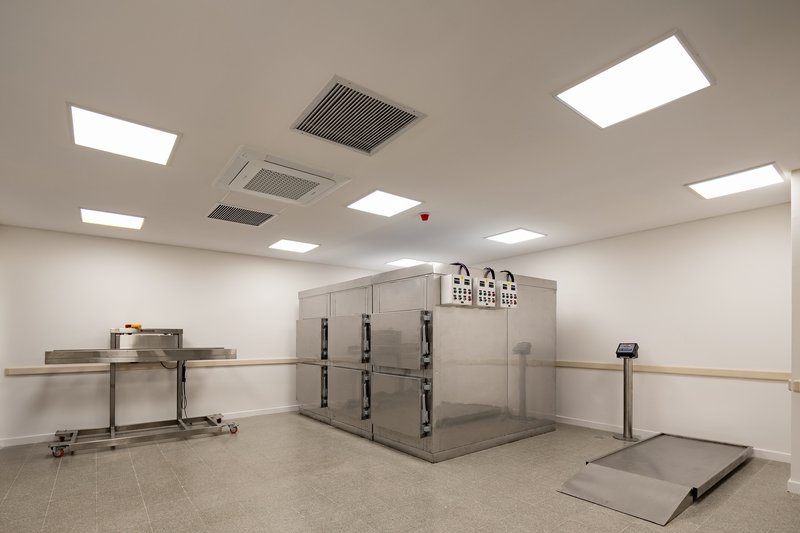
Given the critical function of the autopsy room, biosafety and workflow optimization were central to the Judicial Morgue Architecture. Specialized climate control systems, stainless steel autopsy tables, surgical-grade lighting, and precision storage equipment ensure both safety and efficiency. Air recirculation with advanced filtration protects staff while maintaining sterile conditions. All systems, including solar power, wastewater treatment, fire alarms, and surveillance, have been integrated to achieve autonomous and secure operation.
Materiality and Craftsmanship
The morgue employs a palette of durable, low-maintenance materials. Exposed reinforced concrete forms the structural envelope, paired with oxidized metal sheet ceilings, hermetically sealed double-glazing, and granite mosaic flooring. Bathrooms and kitchens feature custom black Brazilian granite countertops, while local and national suppliers provided much of the fabrication. Articulated paving and precast drainage elements ensure effective stormwater management along the access road.
A Sensitive Approach to a Difficult Program
This Judicial Morgue Architecture project demonstrates how thoughtful design can bring dignity, respect, and beauty to an inherently sensitive building type. By integrating environmental strategies, refined material choices, and an architectural language that balances concealment with openness, the facility transforms public perception of a morgue. It becomes not only a functional space but also one that fosters contemplation, cultural acceptance, and architectural excellence.
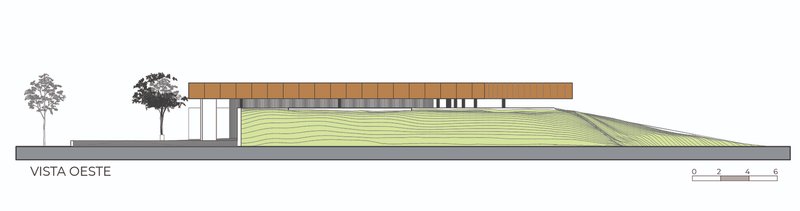
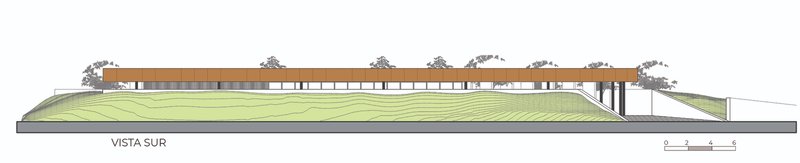
All Photographs are works of Ramiro Sosa



Popular Articles
Popular articles from the community

Free Architecture Competitions You Can Enter Right Now
No entry fees, real prizes. Here are the best free architecture competitions open for submissions in 2026.

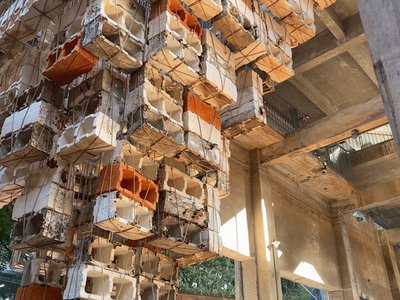
Inverted Architecture Installation by Studio Link-Arc: Exploring the Intersection of Architecture and Living Organisms
Inverted Architecture Installation by Studio Link-Arc blends mycelium, sustainability, inverted design, ecological cycles, and urban adaptive architecture in Shenzhen.
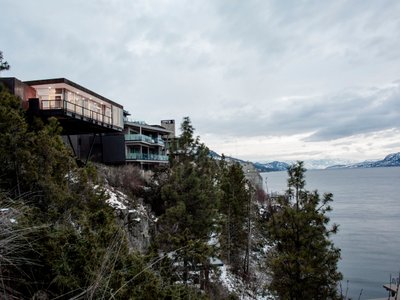
Alton Cliff House: A Harmonious Retreat by f2a Architecture in Lake Country, Canada
Alton Cliff House blends corten steel, prefabrication, and sustainable design, creating a luxurious, energy-efficient retreat perched on Canadian cliffs.


The Ken Roberts Memorial Delineation Competition (Krob)
As the most senior architectural drawing competition currently in operation anywhere in the world, it draws hundreds of entries each year, awarding the very best submissions in a series of medium-based categories.
Similar Reads
You might also enjoy these articles
The Ken Roberts Memorial Delineation Competition (Krob)
As the most senior architectural drawing competition currently in operation anywhere in the world, it draws hundreds of entries each year, awarding the very best submissions in a series of medium-based categories.

Waterfront Redevelopment and Urban Revitalization in Mumbai: Forging a New Dawn for Darukhana
A transformative waterfront redevelopment project reimagining Darukhana’s shipbreaking heritage into an inclusive urban future.

OUT-OF-MAP: A Call for Postcards on Feminist Narratives of Public Space
Rhizoma Design and Research Lab invites artists, designers, architects, researchers, and students to reflect on how feminist perspectives can reshape public space. Selected works will be exhibited in Barcelona, October 2026. Submissions open until 15 April 2026.


Documentation Work on Buddhist Wooden Temple
Architectural syncretism and cultural hybridity: A comparative study of the Buddhist temples in Chattogram Hill tracks


Explore Architecture Competitions
Discover active competitions in this discipline




The International Standard for Design Portfolios


The Global Benchmark for Architecture Dissertation Awards


The Global Benchmark for Graduation Excellence


Challenge to reimagine the Iron Throne
Comments (0)
Please login or sign up to add comments
No comments yet. Be the first to comment!