
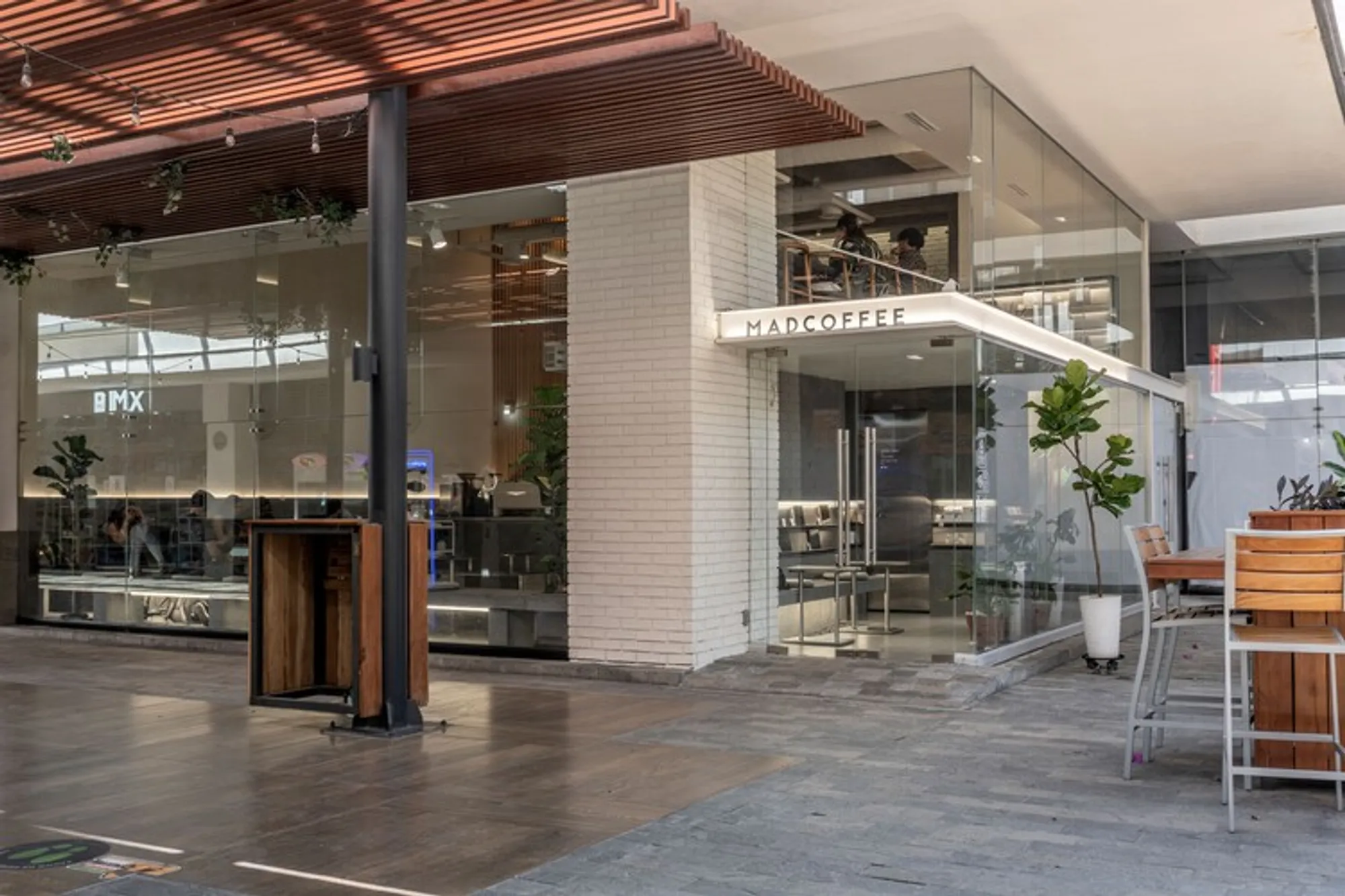
Madcoffee by Madarq Studio, Monterrey, Mexico
A hybrid café and design studio blending workspace and hospitality, creating an open, interactive environment that connects design culture with everyday experience.


Madcoffee in Monterrey, Mexico, designed by Madarq Studio, redefines the boundaries between workspace and hospitality by merging a specialty coffee shop with a design studio. Conceived as a hybrid environment, the 130 m² space challenges the conventional notion of private architectural offices, transforming them into open, interactive platforms that engage directly with the local community.


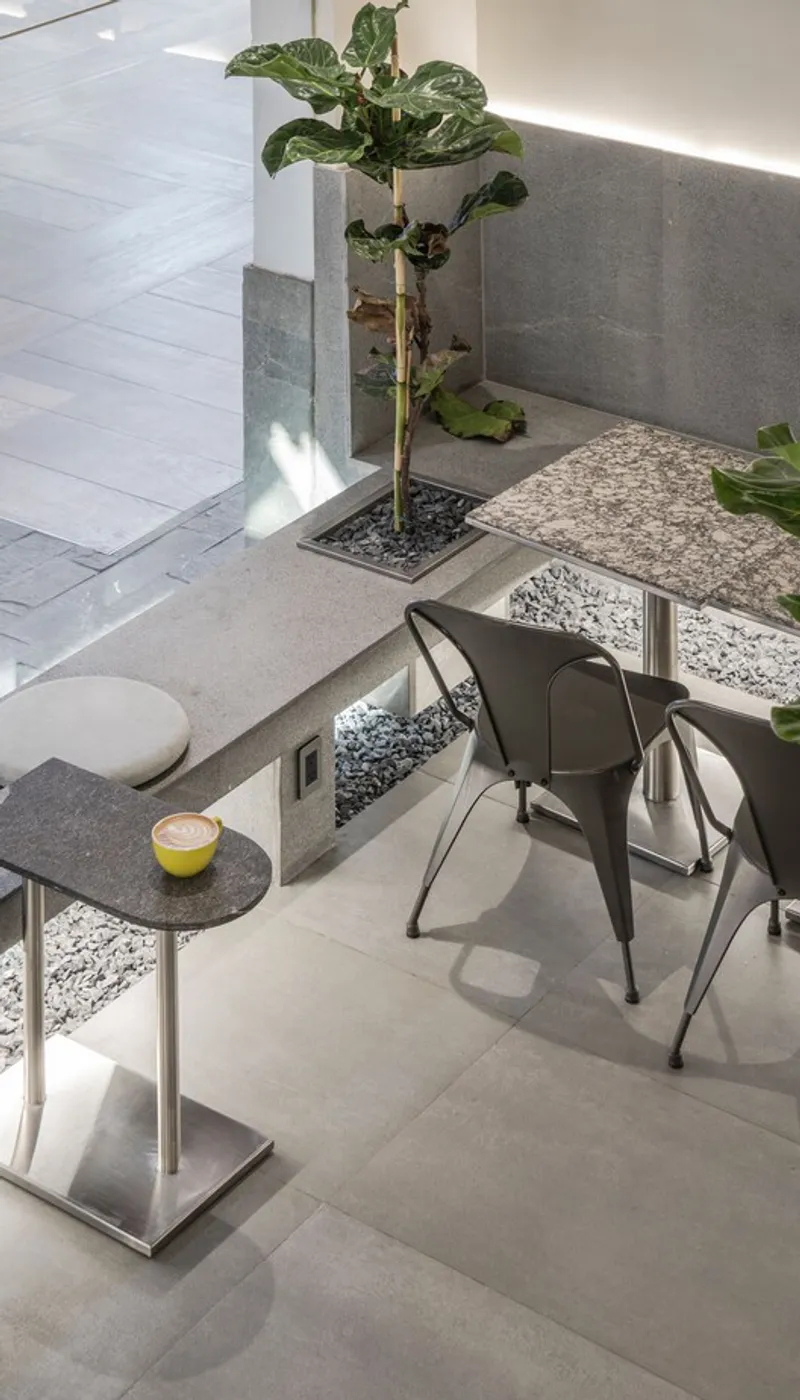
At its core, the project explores how design practice can become more accessible and experiential. Rather than isolating creative work behind closed doors, Madcoffee invites visitors into a dynamic environment where design unfolds in real time. The café acts as both a social catalyst and a spatial narrative, encouraging users to experience architecture while enjoying coffee, bridging professional practice with everyday life.
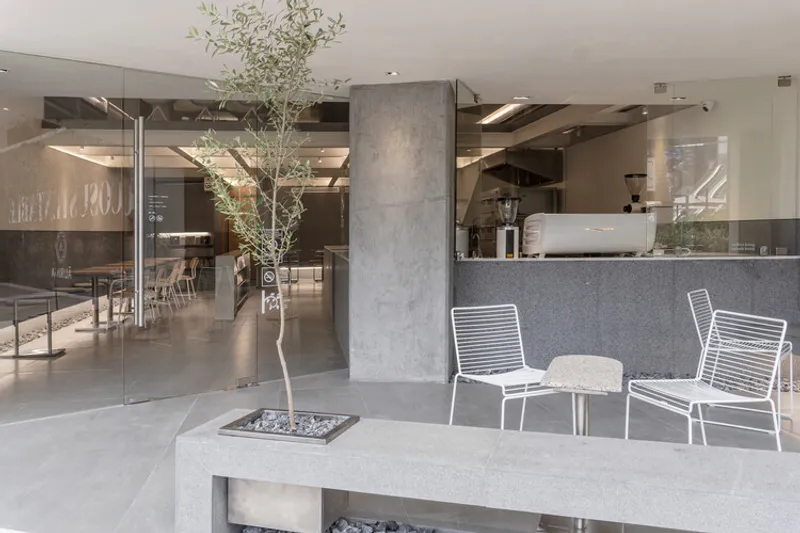
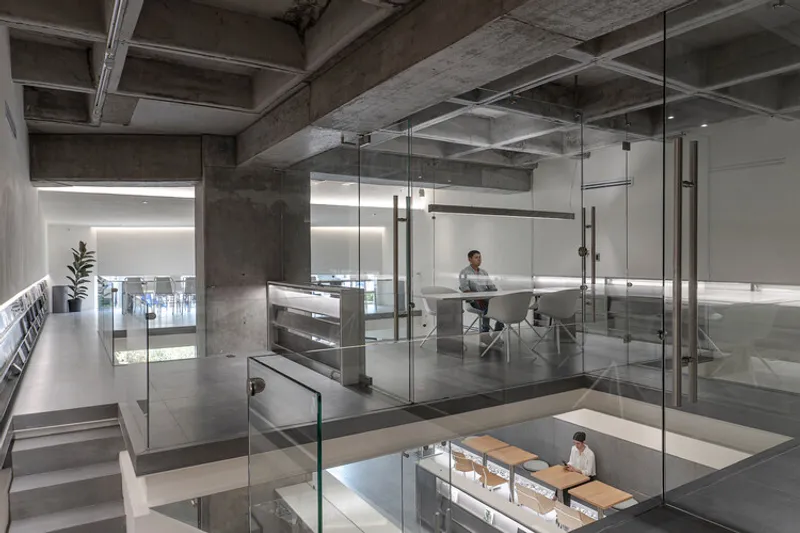

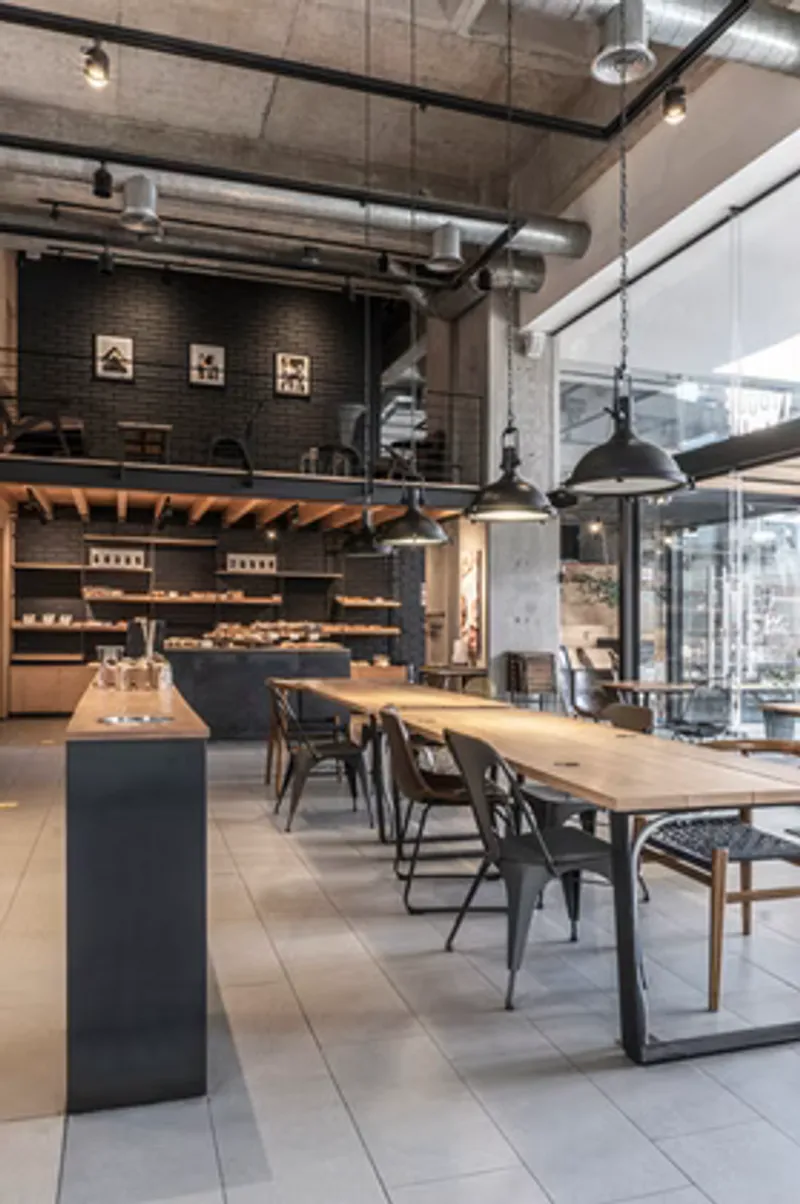
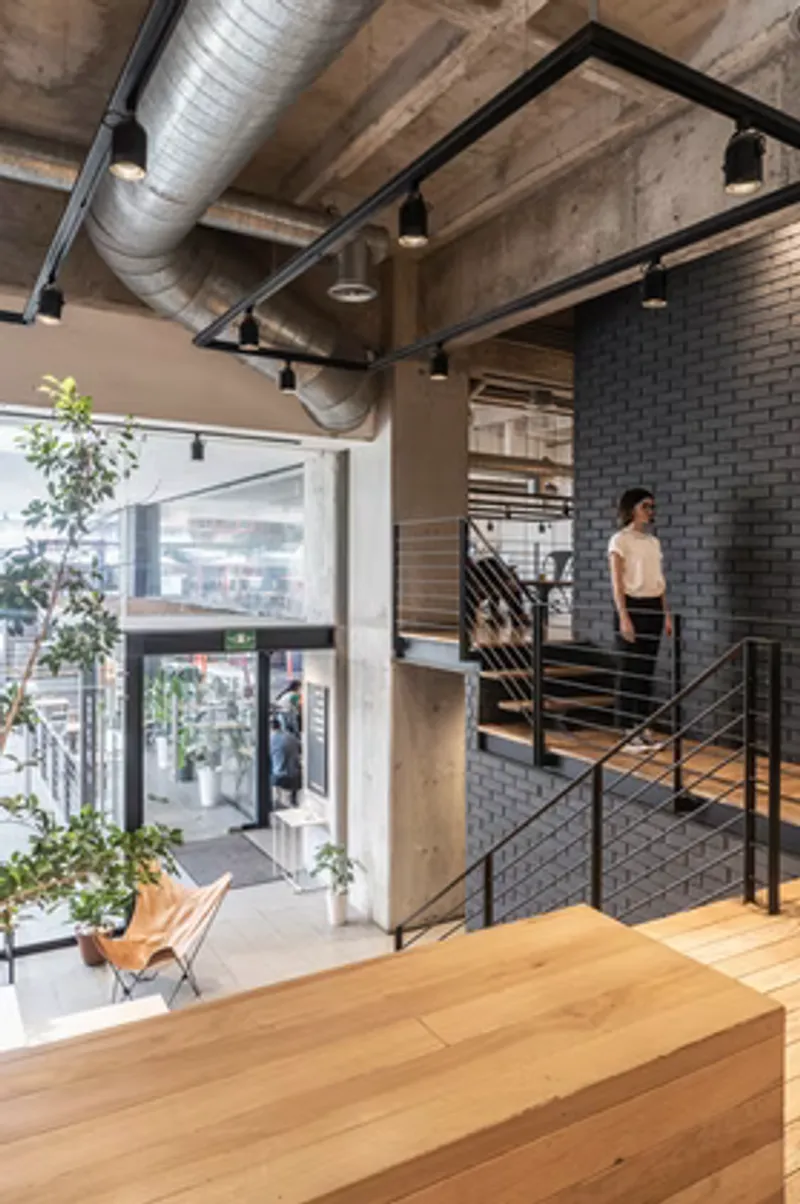
The spatial concept is driven by the idea of a “showroom café,” where architecture itself becomes the primary exhibit. Visitors enter through a carefully orchestrated sequence that begins at the coffee bar, where partial views of the interior create intrigue. As one moves deeper into the space, different functional zones gradually reveal themselves, with subtle shifts in height, volume, and materiality enhancing the sense of discovery.
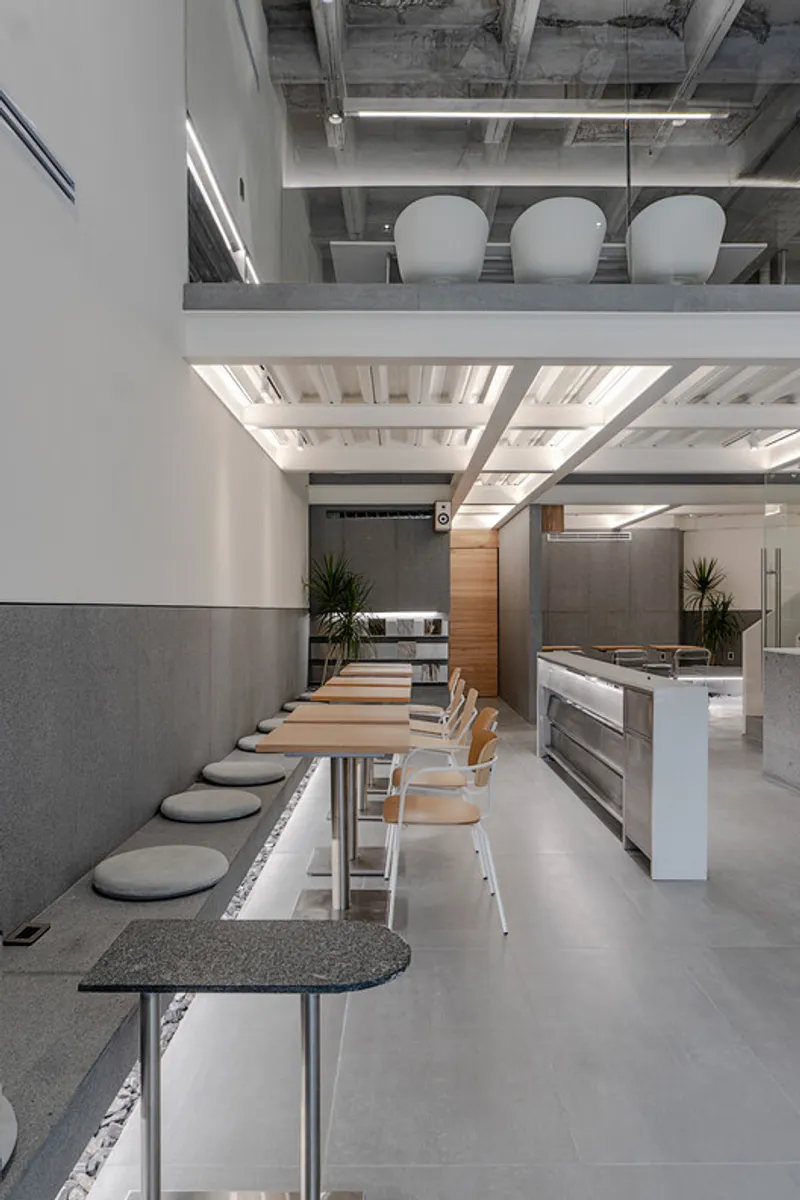
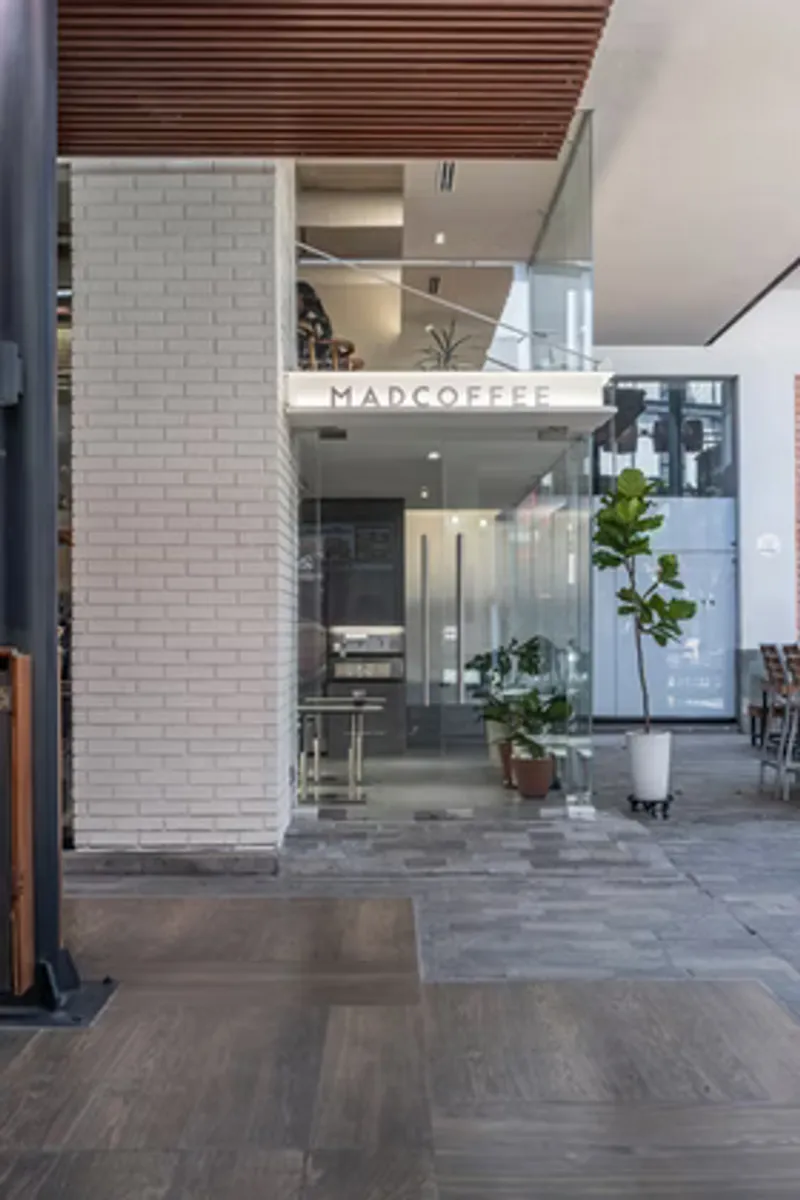
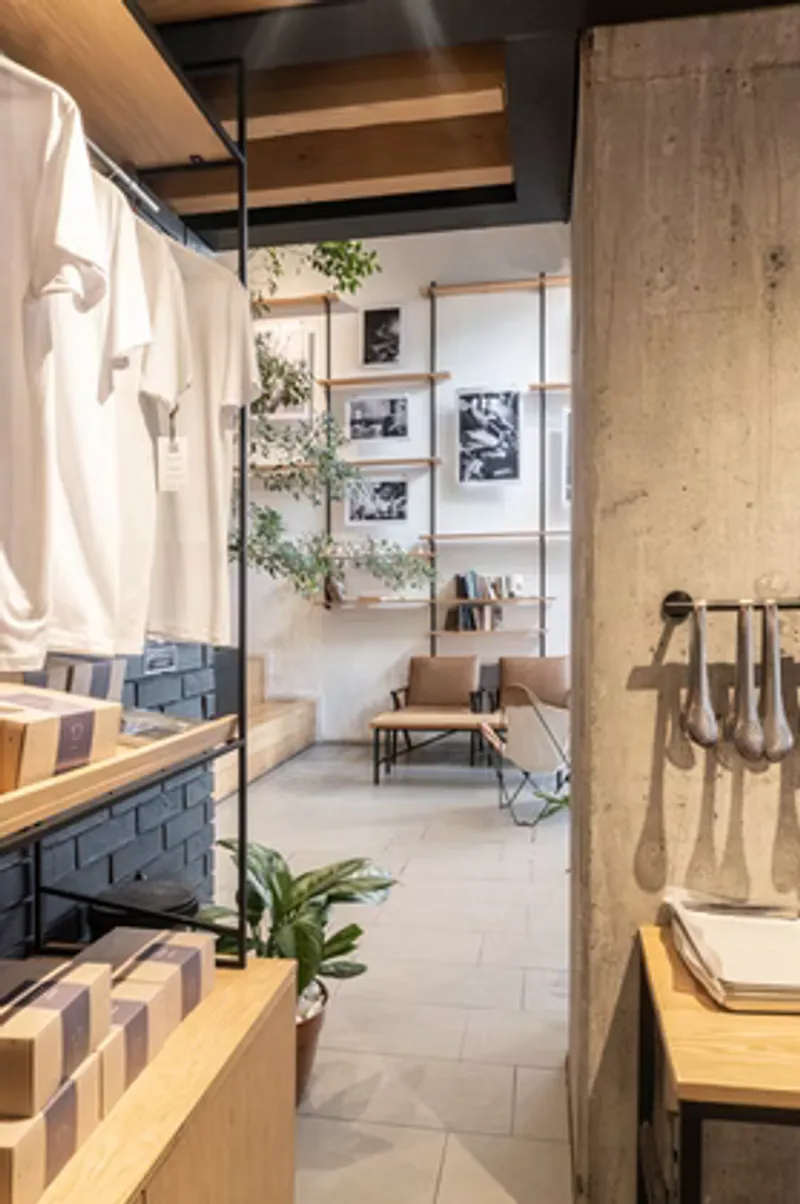
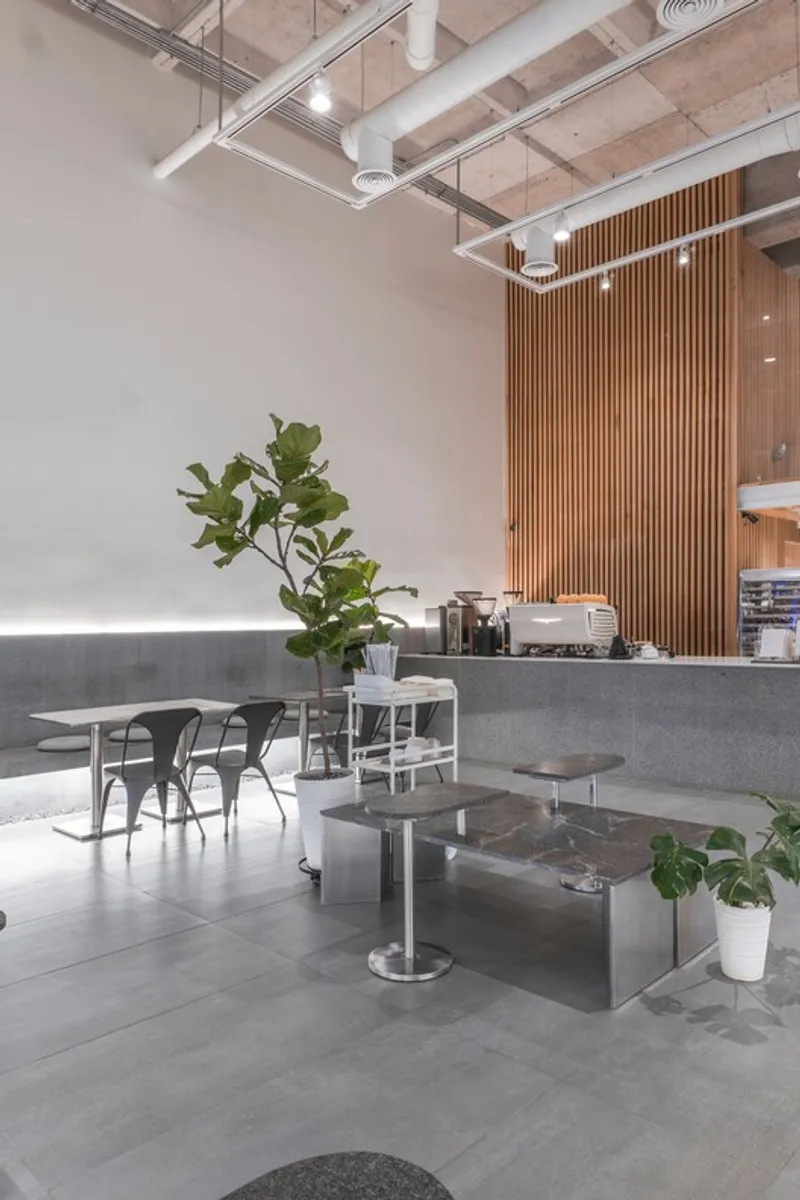
The design makes strategic use of existing structural elements, including three exposed concrete columns and a reticulated slab ceiling. Rather than concealing these features, the architects integrate them into the visual identity of the space, reinforcing a raw yet refined aesthetic. These elements anchor the interior composition, providing both rhythm and structure.
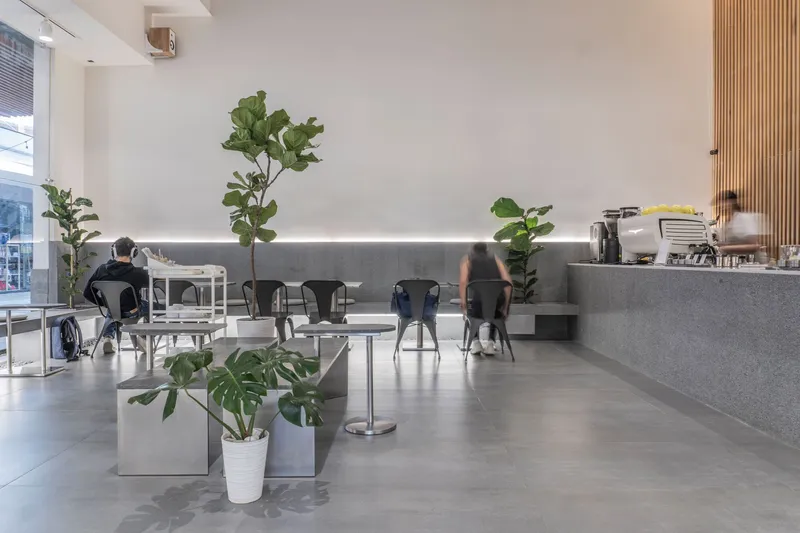
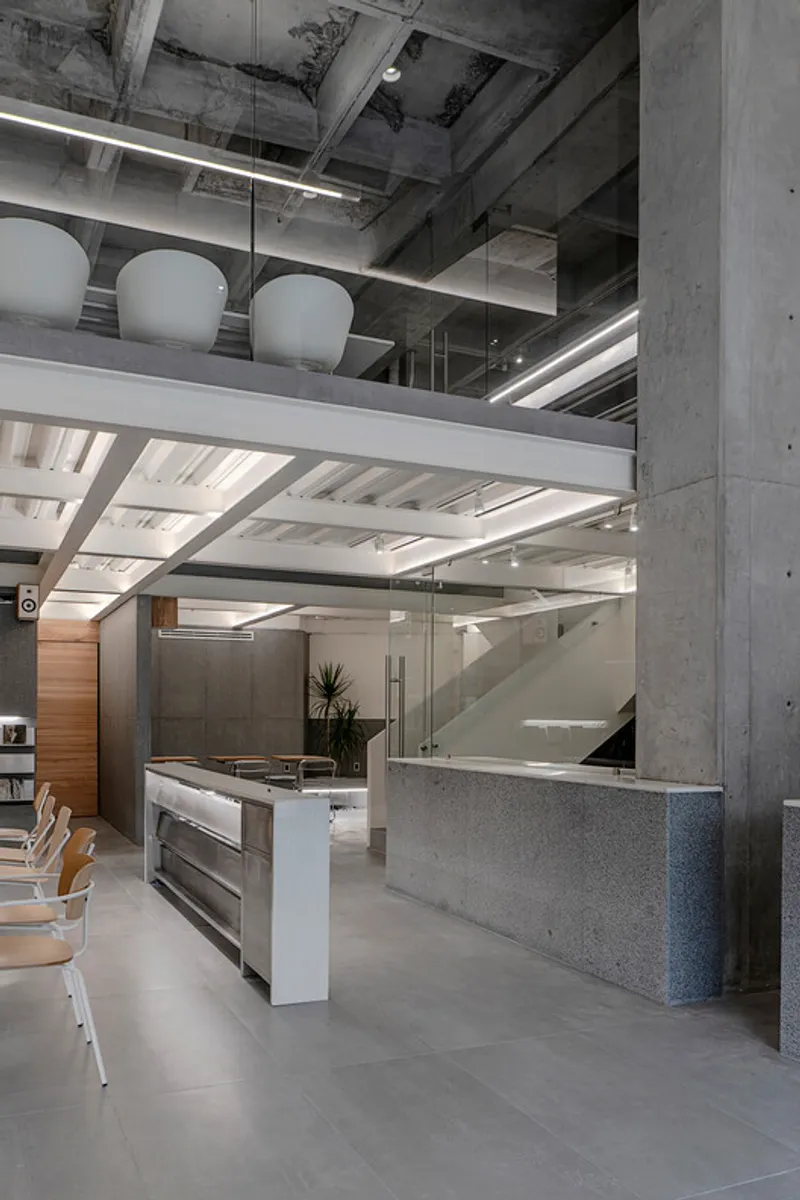
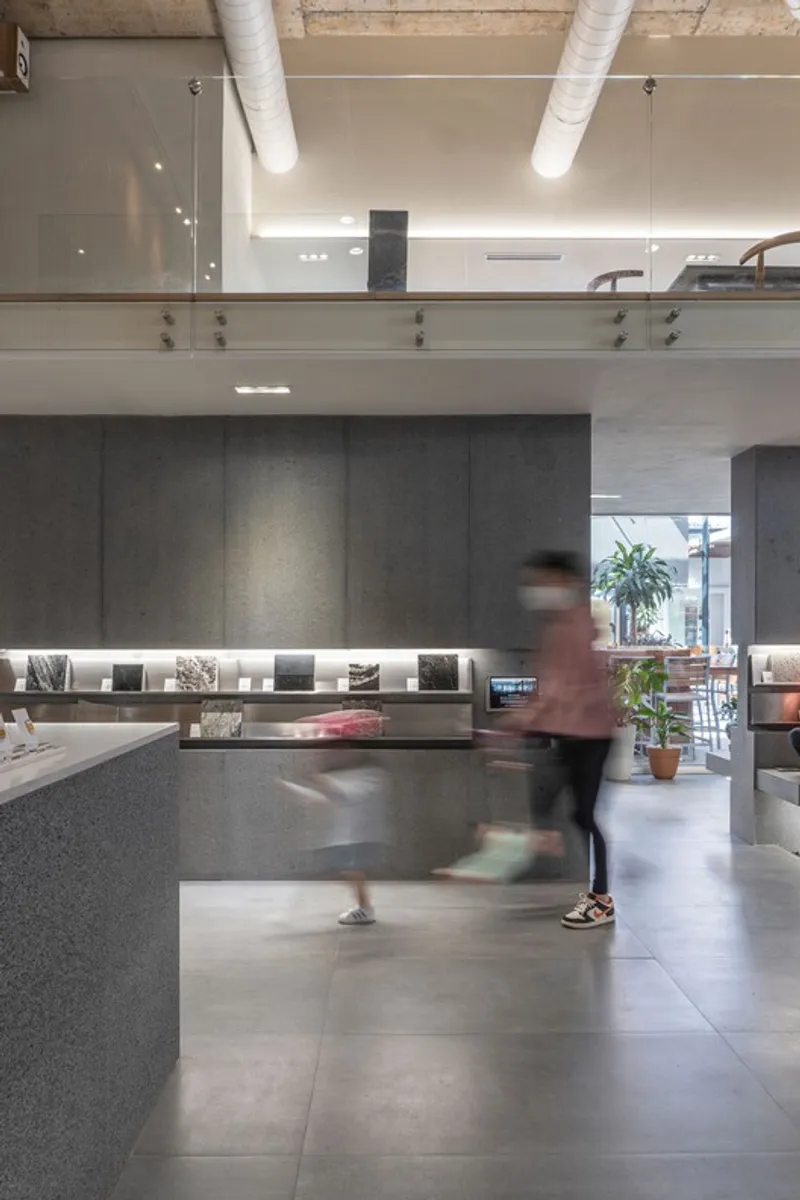
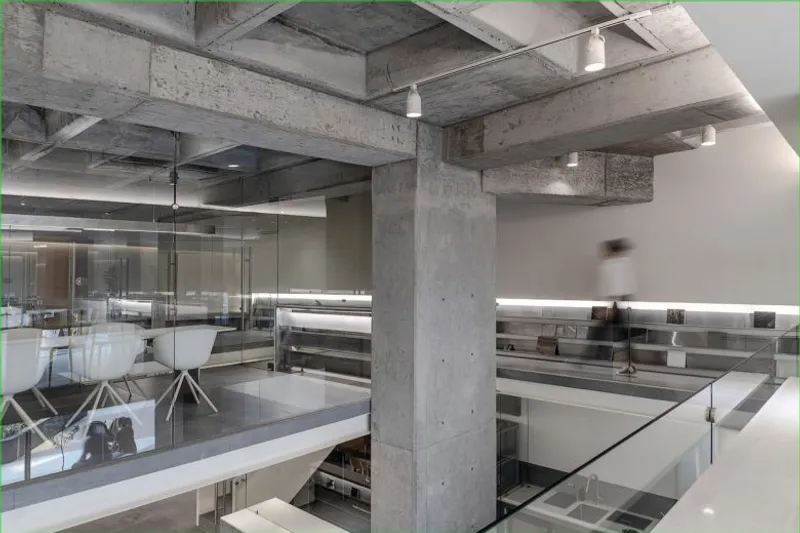
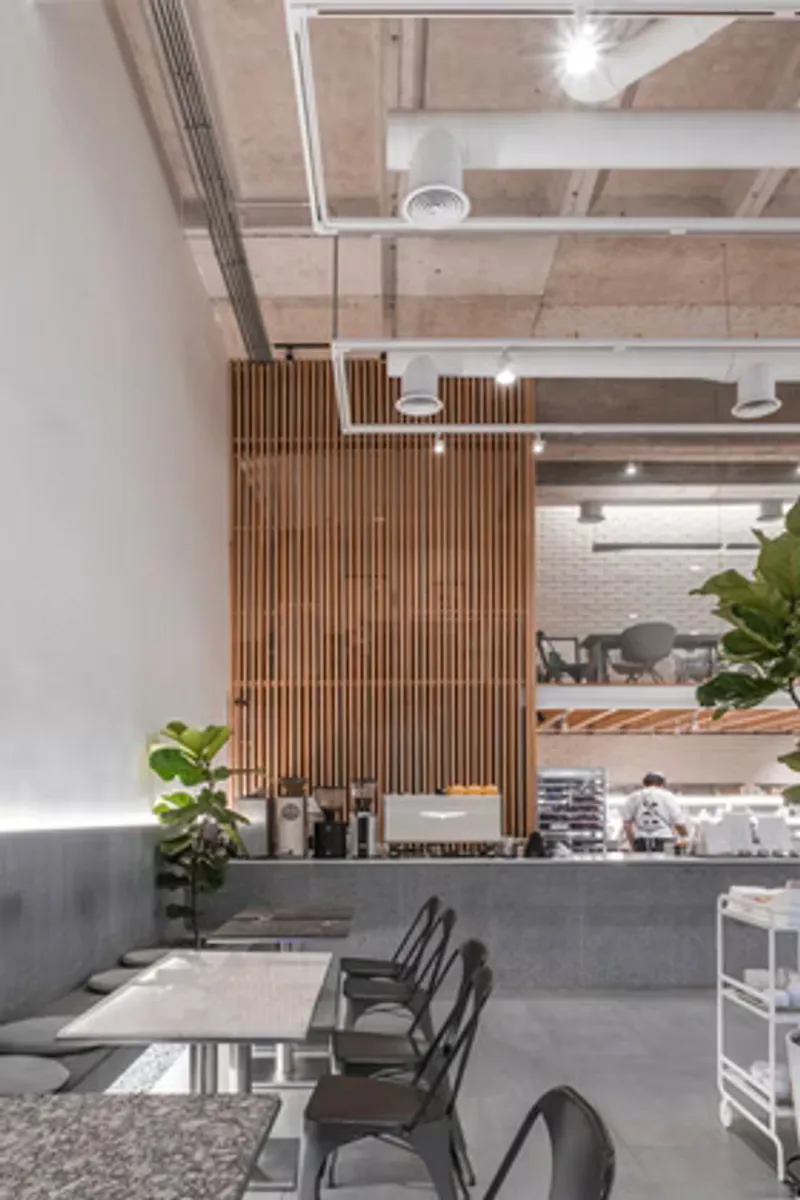
Materiality plays a crucial role in shaping the sensory experience. Crisp white architectural forms establish a clean and contemporary backdrop, while warm, yellowish-brown wood tones reference the rich color of espresso crema, subtly linking the design to the culture of coffee. Locally sourced grey stone adds texture and grounding, while expansive glass surfaces allow natural light to permeate the interior, enhancing openness and transparency.
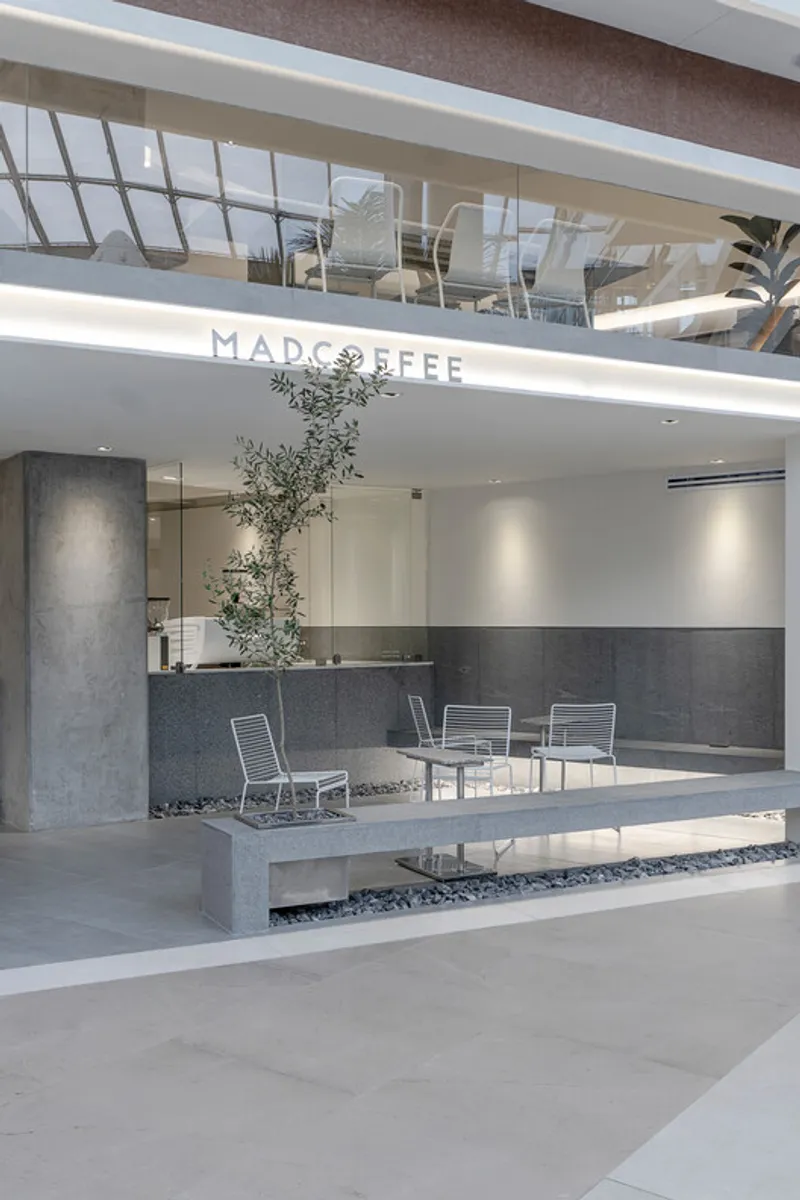
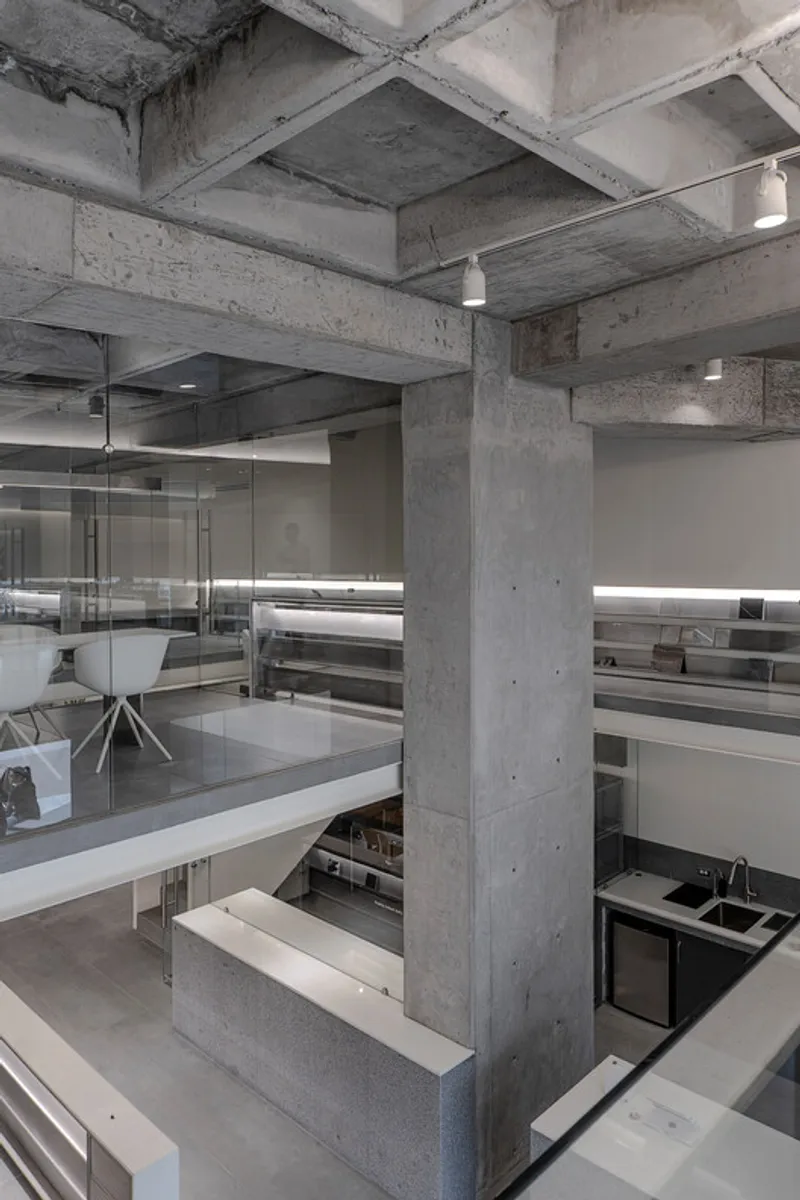
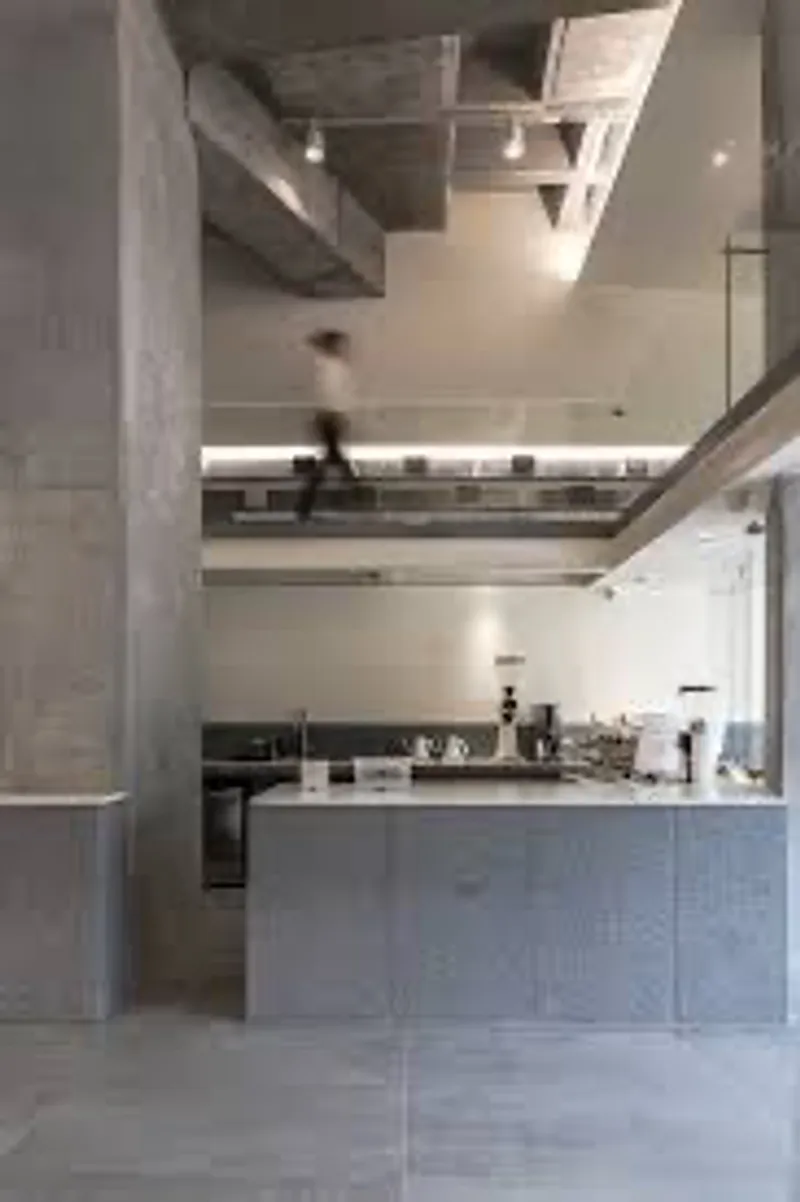
The interplay of materials and light creates a balanced atmosphere, simultaneously minimal and inviting. This duality reflects the project’s broader ambition: to merge the precision of a design studio with the comfort and familiarity of a café.

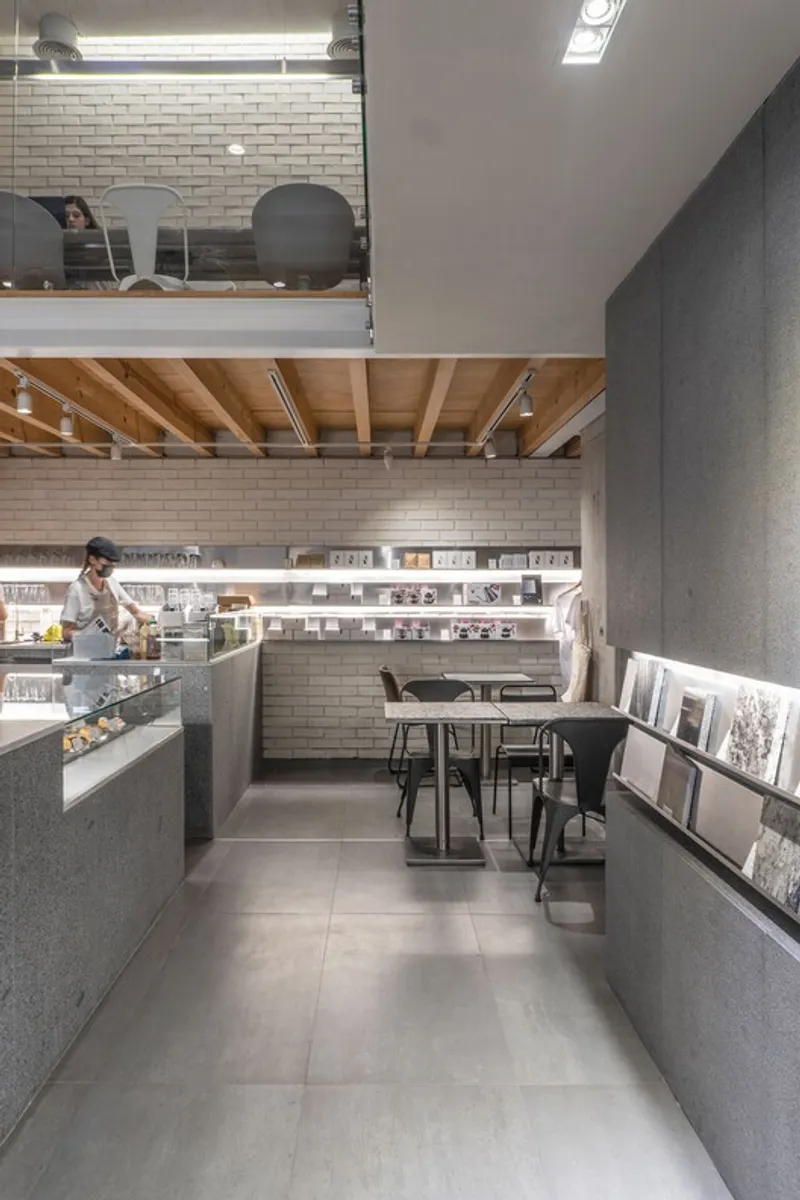
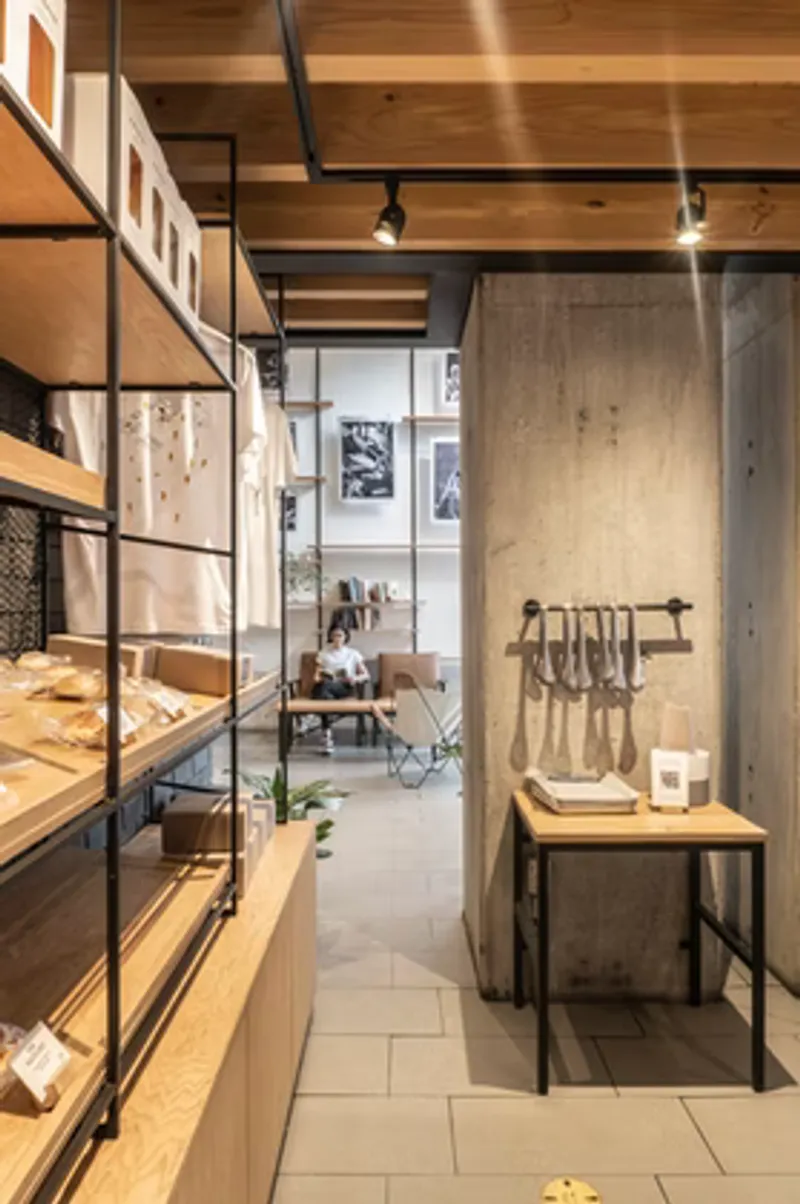
Programmatically, the hybrid nature of the space allows for fluid interactions. Visitors can casually engage with design processes, observe work in progress, or simply enjoy the ambiance. This layered functionality fosters a sense of community, positioning Madcoffee as both a creative hub and a social gathering space within Monterrey.
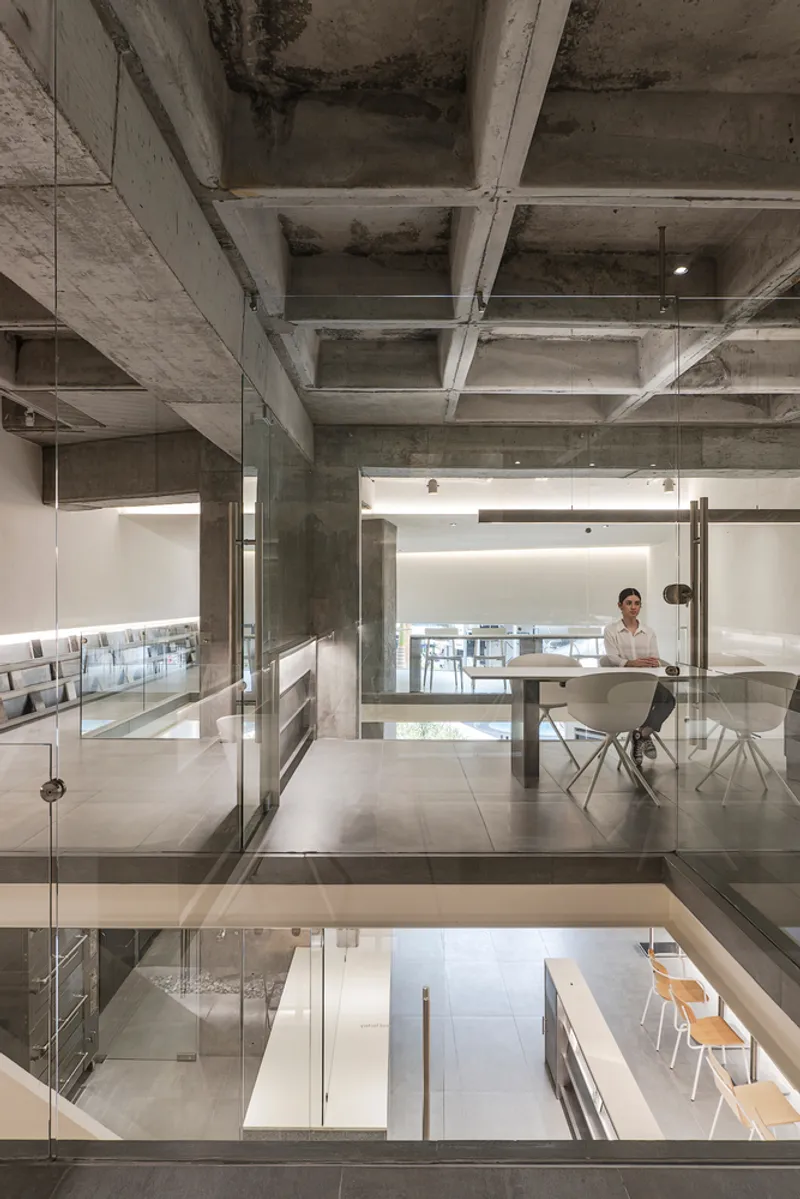
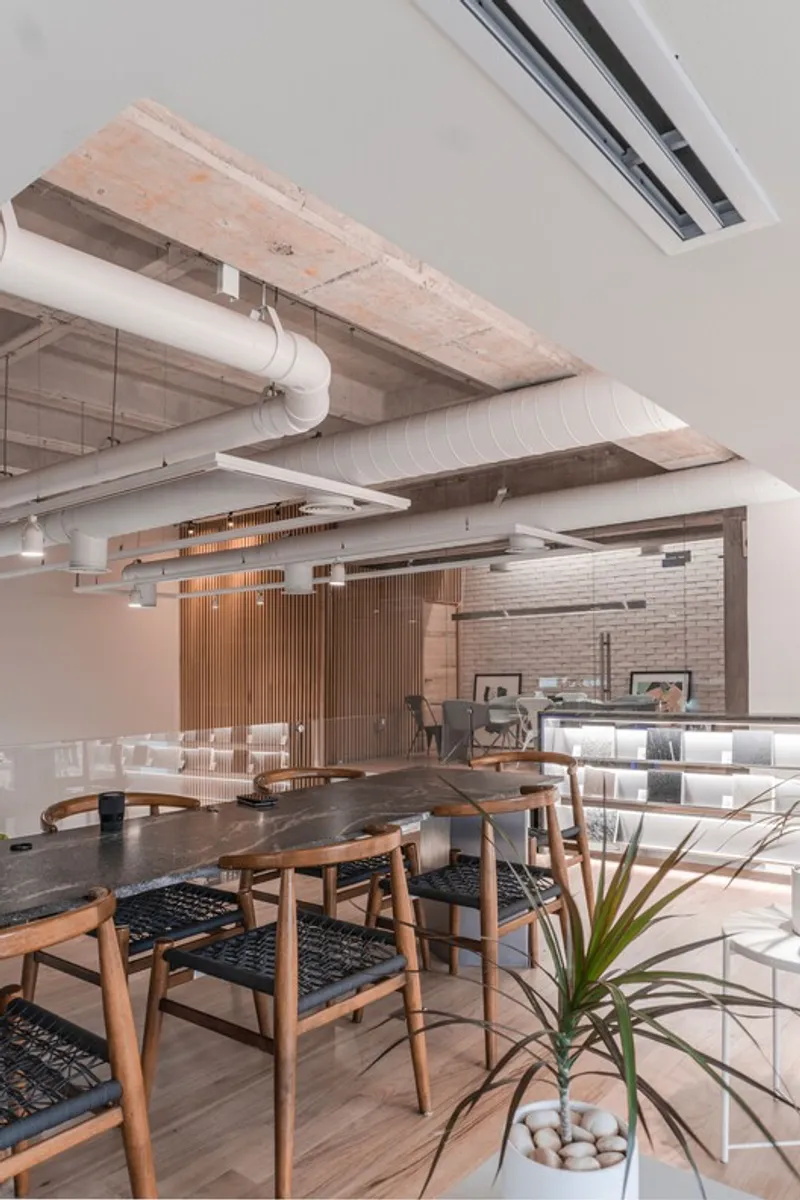
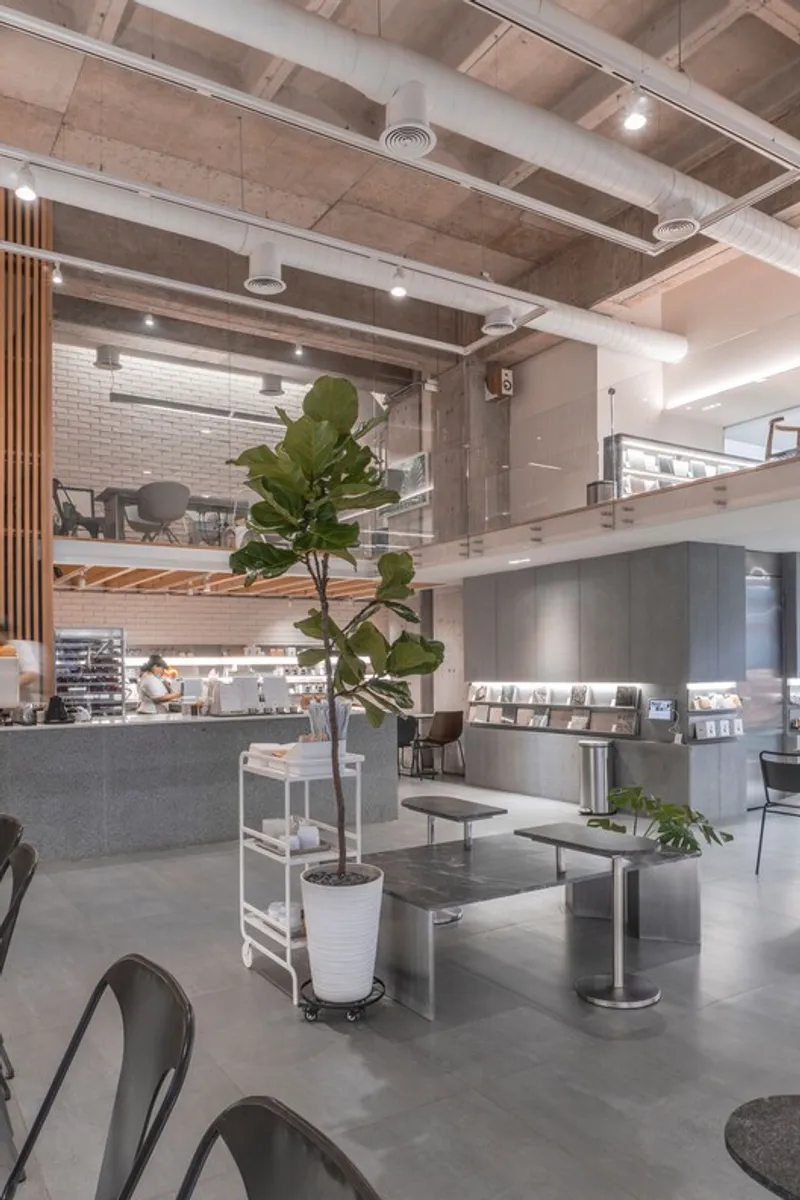
Ultimately, Madcoffee represents a forward-thinking approach to architectural practice. By dissolving the boundaries between public and private, work and leisure, it proposes a new model for design studios: one that is open, inclusive, and deeply connected to its cultural context. Through its thoughtful integration of space, material, and program, the project transforms a simple coffee experience into an immersive journey through contemporary design.

All the Photographs are works of Inu Lee



Popular Articles
Popular articles from the community


Conexión: Biophilic Design Reimagines High-Rise Living in Hong Kong
Conexión reimagines high-rise living in Hong Kong through biophilic design, green facades, shared spaces, daylight, water and nature within.
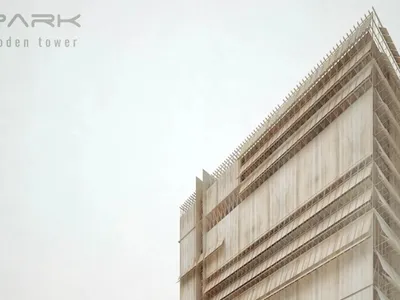
EW PARK: Sustainable Architecture Reimagines the Future of Urban Parking
EW PARK reimagines city parking as a modular wooden tower combining automation, solar energy, electric mobility, and adaptable urban design.

The Ocean Hive: Sustainable Architecture for a Self-Sufficient Civilization at Sea
The Ocean Hive imagines sustainable architecture at sea, where modular habitats, algae, wave power and ocean waste sustain a growing colony.

Hill & Cross Opera: Sculptural Opera House Architecture Shaped by Tallinn’s Landscape and Identity
Hill & Cross Opera reimagines opera house architecture in Tallinn through its sculptural hill, civic plaza, glass wave and a luminous cross.

Similar Reads
You might also enjoy these articles

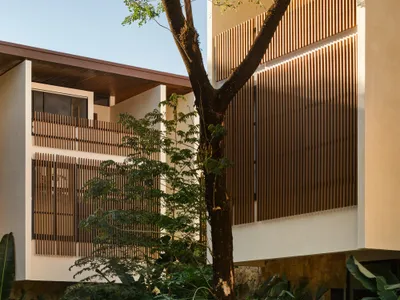
FAMM Arquitectura Organizes Ten Villas Around Courtyards and Jungle in Nosara, Costa Rica
El Molino pairs two elongated volumes with deep overhangs and timber louvers to build a compact coastal community five minutes from the beach.
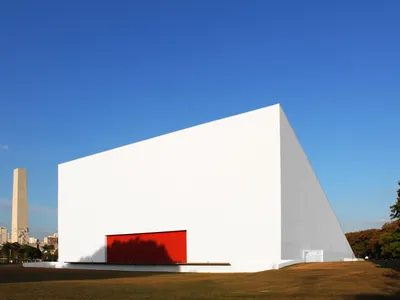
Oscar Niemeyer's Ibirapuera Park Pavilions Define São Paulo's Cultural Identity in Concrete and Curve
A constellation of modernist volumes set within São Paulo's most important urban park, conceived for the city's 400th anniversary in 1954.
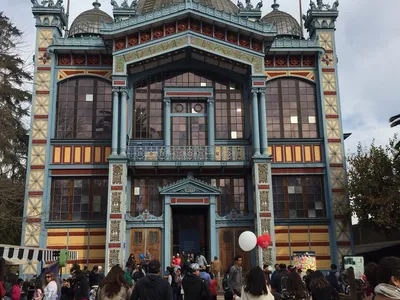
How Henri Picq's 1889 Paris Pavilion Traveled 11,000 Kilometers to Become Santiago's Artequín Museum
A prefabricated iron and glass pavilion built for the Paris Universal Exposition found a second life as a children's art museum in Chile.
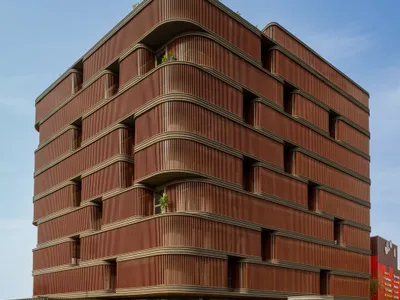
Sanjay Puri Architects Wraps a Jaipur Office Tower in Capsule-Shaped Green Buffers
A nine-level climate-responsive workplace near Jaipur Airport uses stacked planter terraces and aluminium screens to fight 40°C heat.
Explore Blocs Competitions
Discover active competitions in this discipline



Challenge to reimagine the Iron Throne


Photograph architecture without architects


Illustrate the lost glory of Angkor Wat - Render Challenge


Design challenge to reuse E-waste
Comments (0)
Please login or sign up to add comments
No comments yet. Be the first to comment!