

Malvern House: A Garden-Focused Heritage Home Renovation by Lande Architects
Malvern House blends heritage cottage with modern courtyard living, using brick, greenery, and skylights to create light-filled, garden-connected interiors.


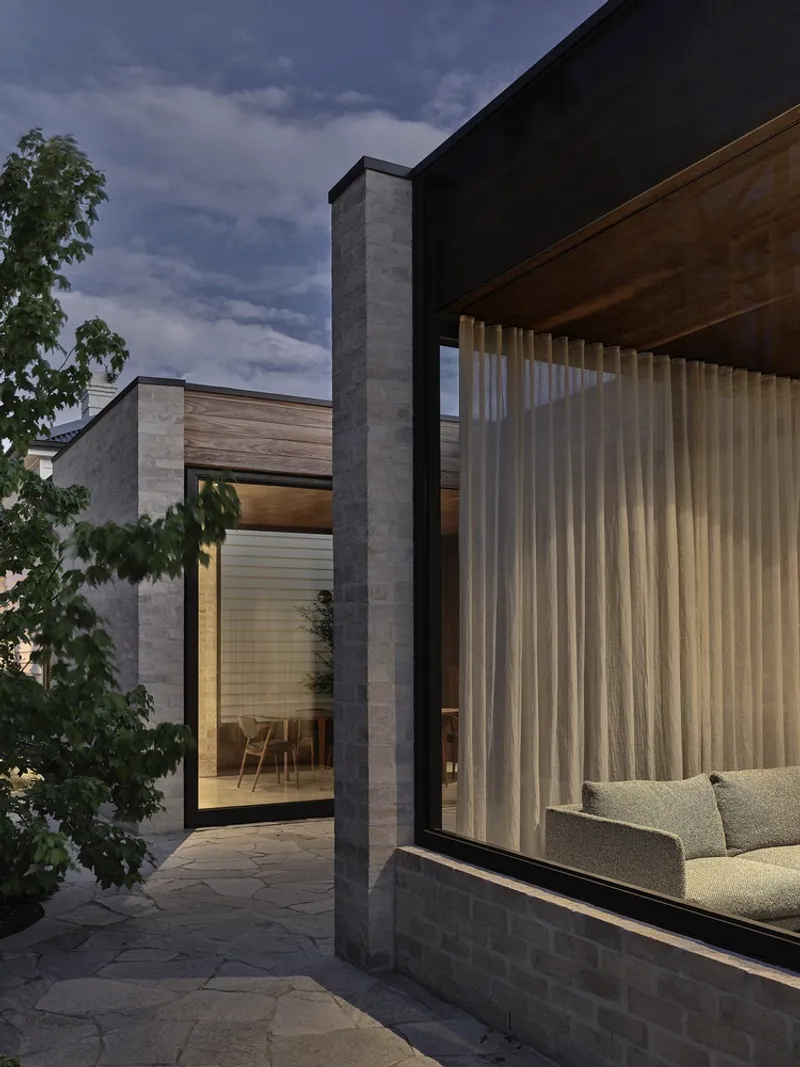
Malvern House, designed by Lande Architects, is a thoughtful residential renovation and extension located in Malvern, Australia. Completed in 2022, the project transforms a modest heritage cottage into a light-filled contemporary home that emphasizes a strong connection between indoor spaces and the surrounding garden. Designed for a couple approaching retirement, the house reflects a lifestyle focused on simplicity, comfort, and a slower pace of living.
Reimagining a Heritage Cottage for Modern Living
The clients spent nearly two years searching for a smaller home suitable for their next stage of life but struggled to find a property that met their needs. When they finally purchased the Malvern property, they recognized its potential but also its limitations. The existing house offered charm and heritage character, yet the interior spaces felt cramped and disconnected from the garden.
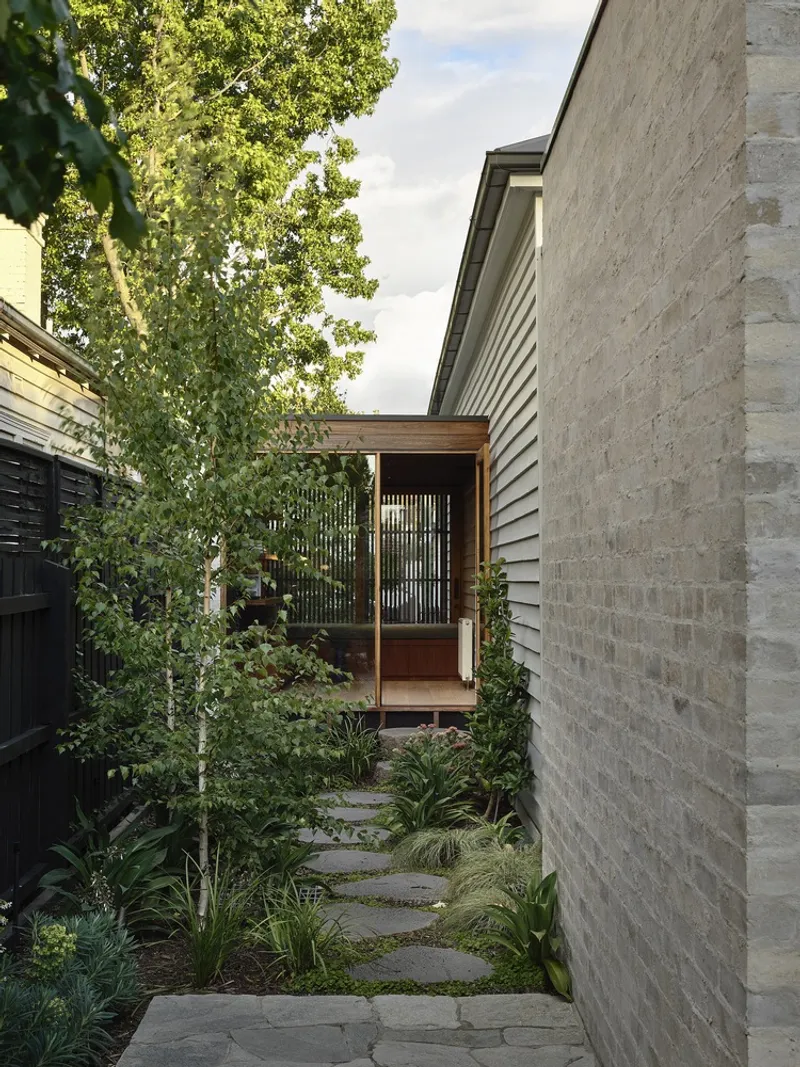
Lande Architects approached the project as a sensitive heritage renovation combined with a contemporary extension. The design respects the original cottage at the front while introducing a modern addition that improves spatial flow, daylight access, and visual connections to outdoor spaces. This strategy allowed the architects to preserve the building’s historic identity while significantly enhancing its livability.
A Courtyard-Centered Design Strategy
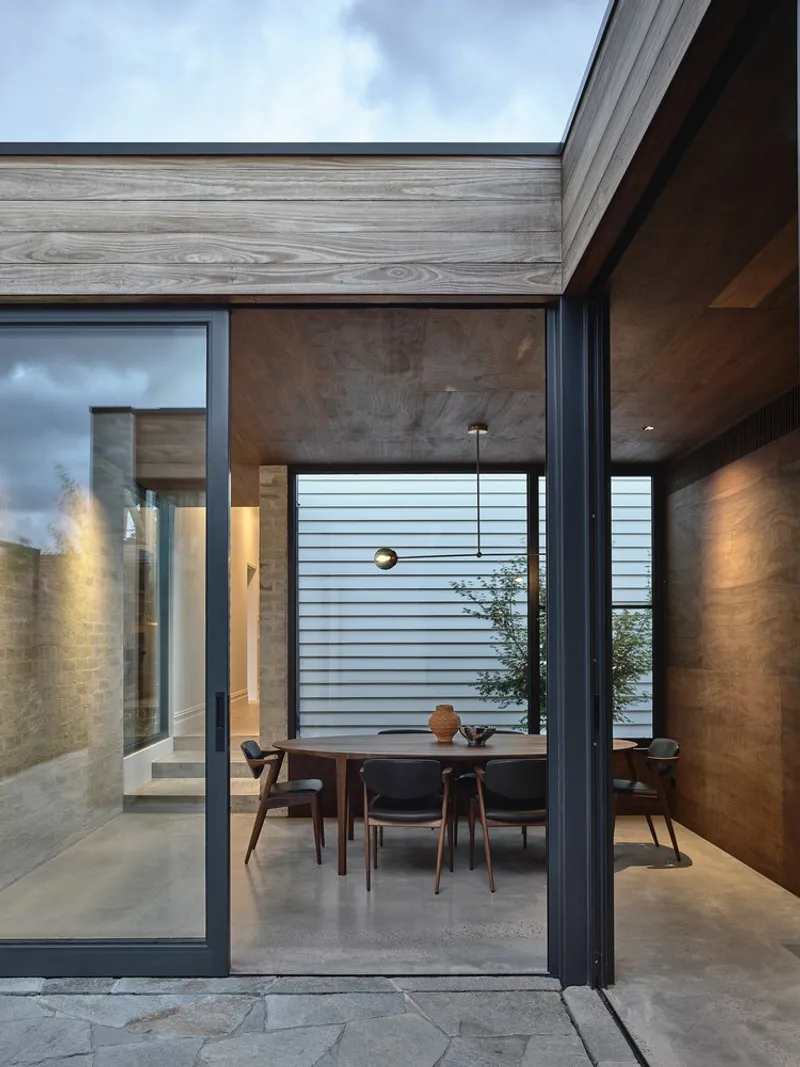
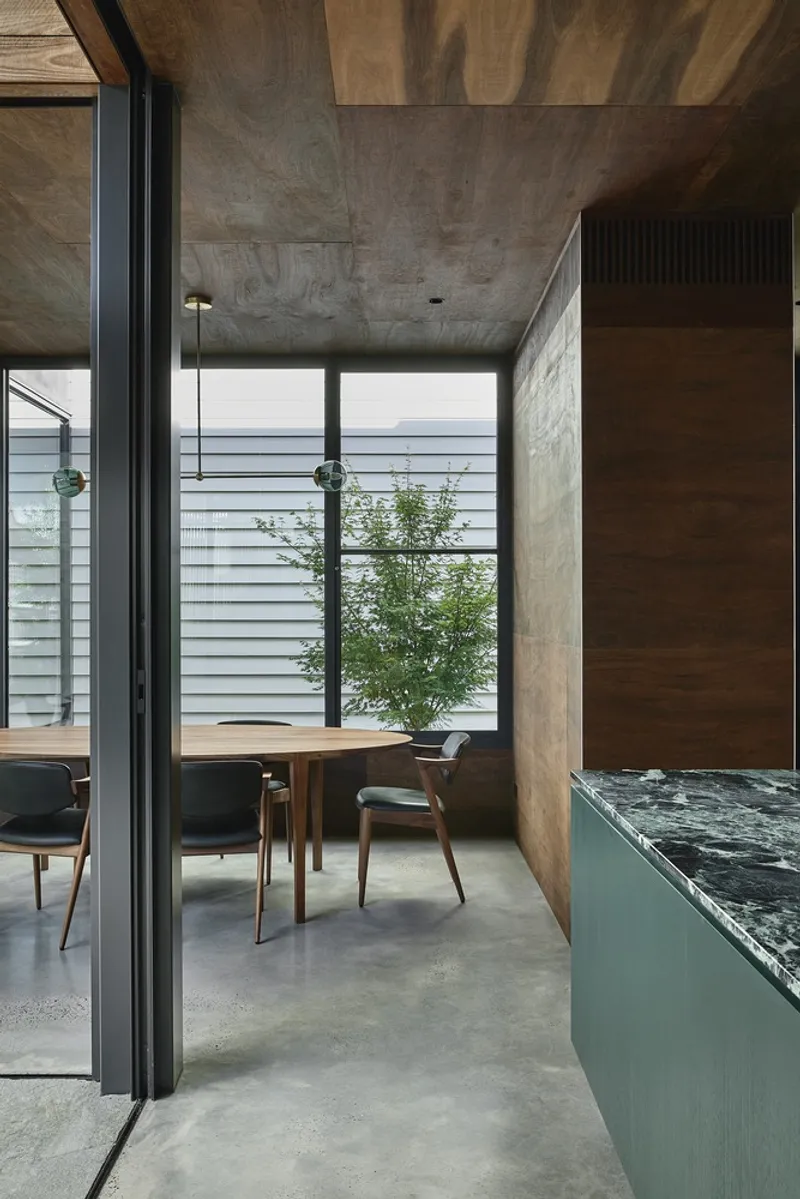
A key design move was the creation of a north-facing courtyard, which becomes the heart of the home. The new extension wraps around this courtyard, allowing natural light to penetrate deep into the interior while providing constant visual access to greenery.
This courtyard-focused approach is a common strategy used by Lande Architects to enhance modest building footprints. By visually borrowing space from the outdoors, the house feels larger and more open than its actual size. The courtyard also acts as a transitional space that blurs the boundary between interior living areas and the garden.
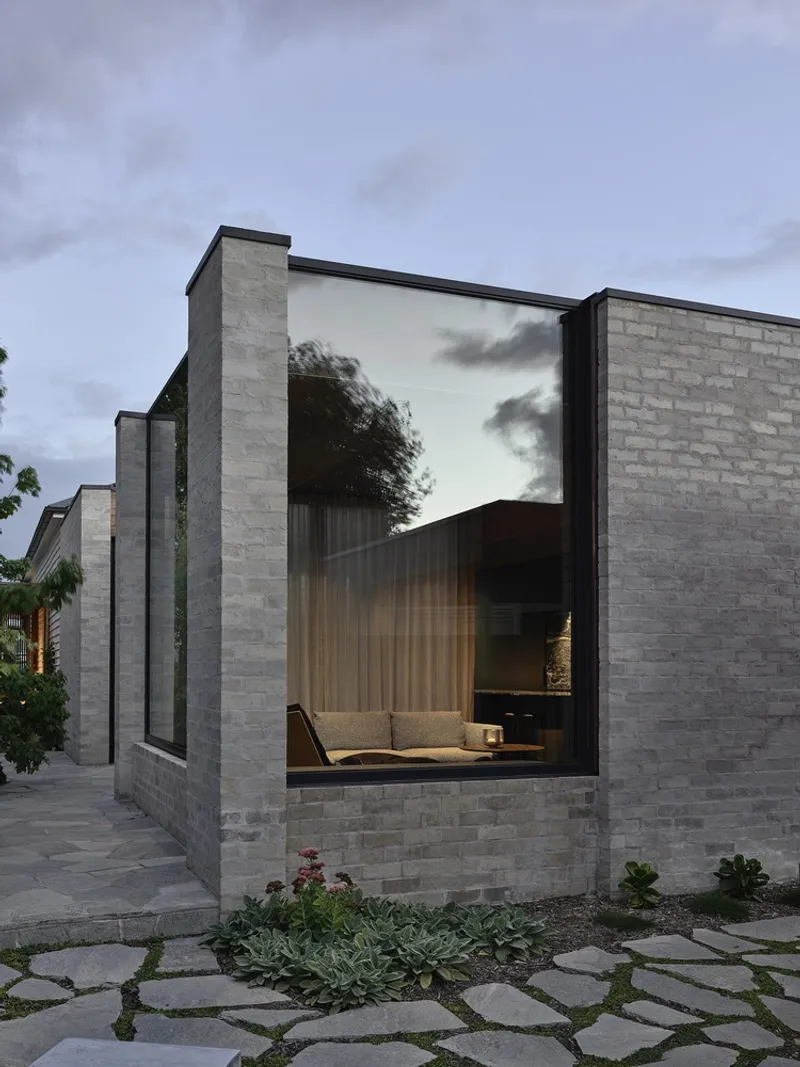
Large windows and carefully placed openings reinforce this relationship, ensuring that every major space enjoys natural light and views of planted landscapes. The result is a home that feels calm, open, and deeply connected to nature.
Bringing the Outdoors Inside
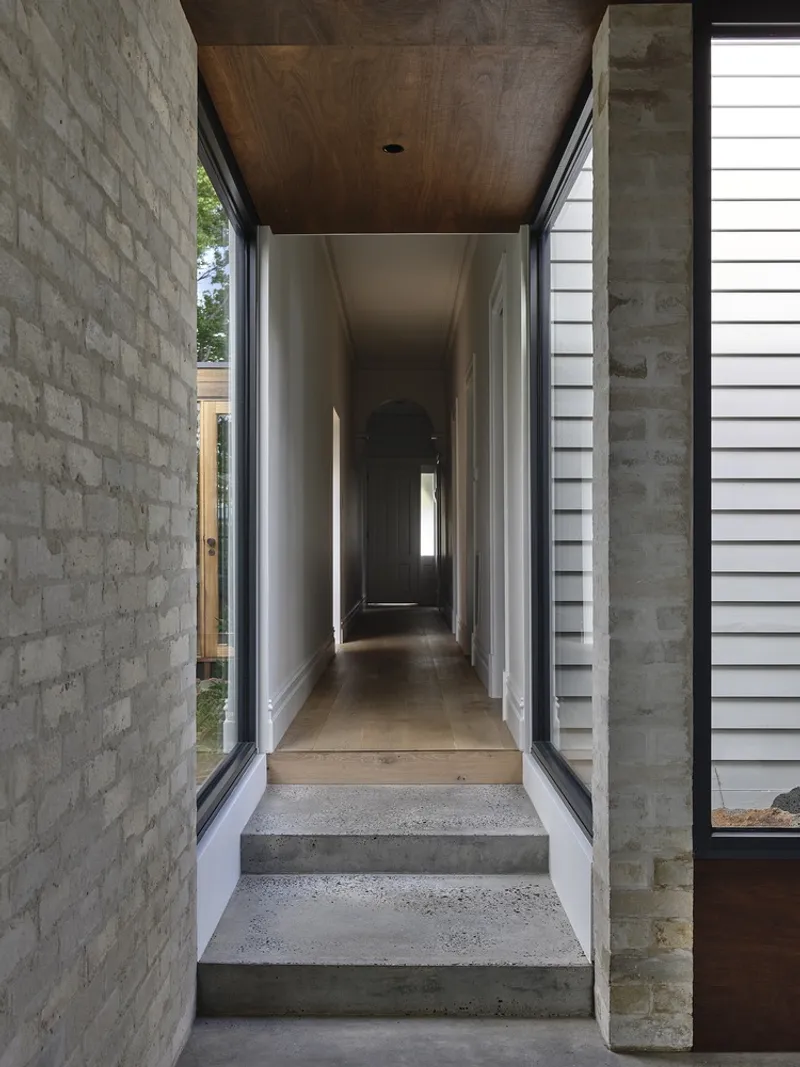
One of the central ambitions of the project was to surround the house with greenery and bring nature into everyday living spaces. The architecture encourages this connection through layered thresholds, generous glazing, and material continuity between inside and outside.
The courtyard garden acts as both a visual centerpiece and a microclimate that improves ventilation and daylight. By orienting the extension toward the north, the design maximizes solar access while maintaining comfortable indoor temperatures.
Landscape designer Ben Scott Garden Design collaborated closely with the architects to create a garden that complements the architectural language. The planting strategy enhances the spatial experience of the house, reinforcing the idea that architecture and landscape function as a unified environment.
A Rich and Atmospheric Interior Palette
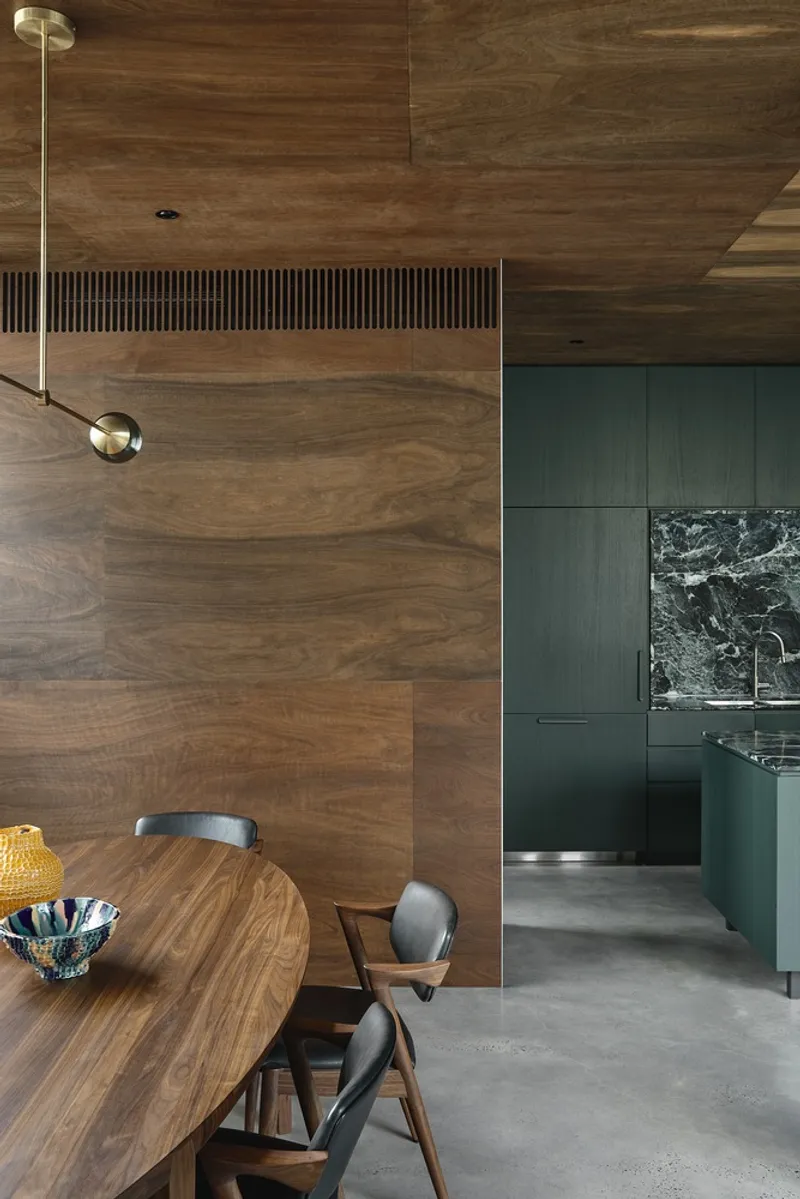
While the exterior architecture remains subtle and respectful of the original cottage, the interior introduces a rich and moody material palette inspired by the clients’ unexpected preference for darker tones.
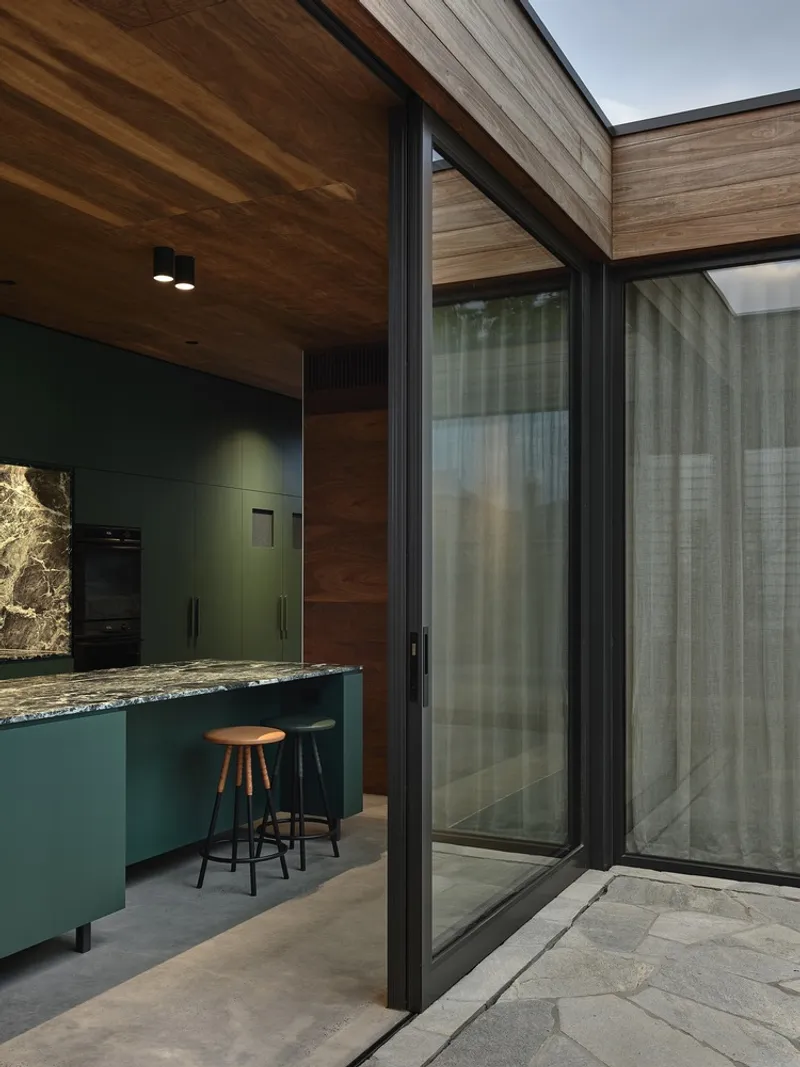
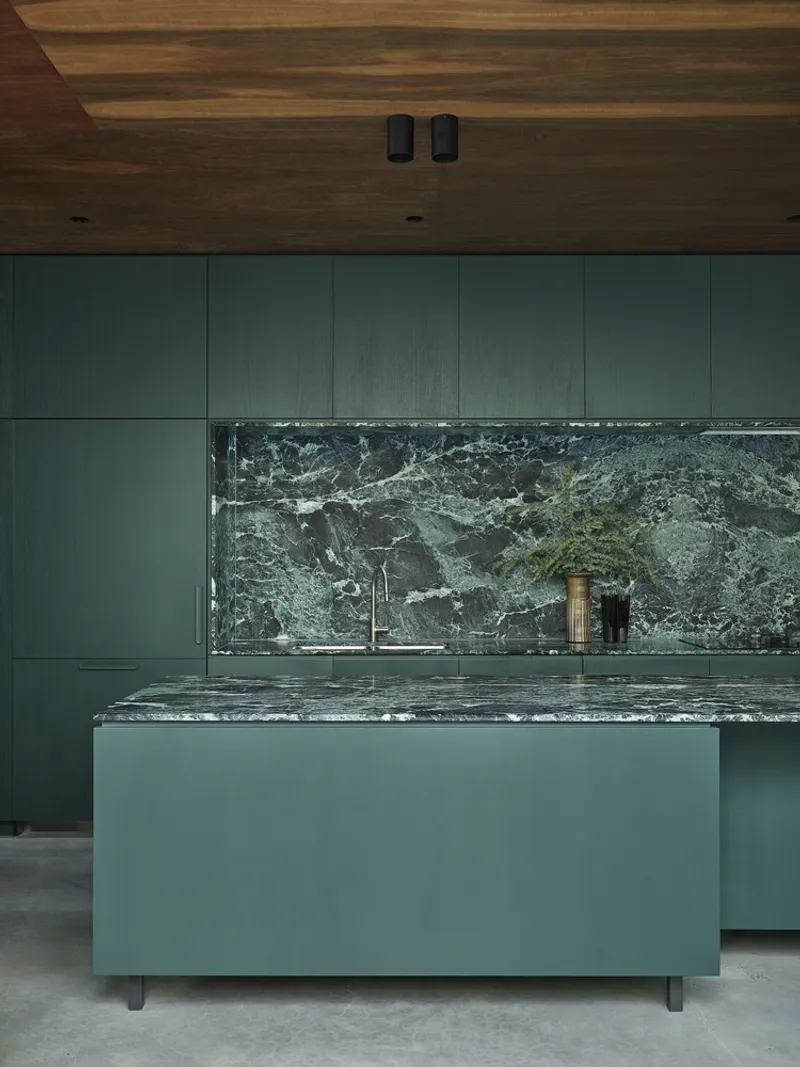
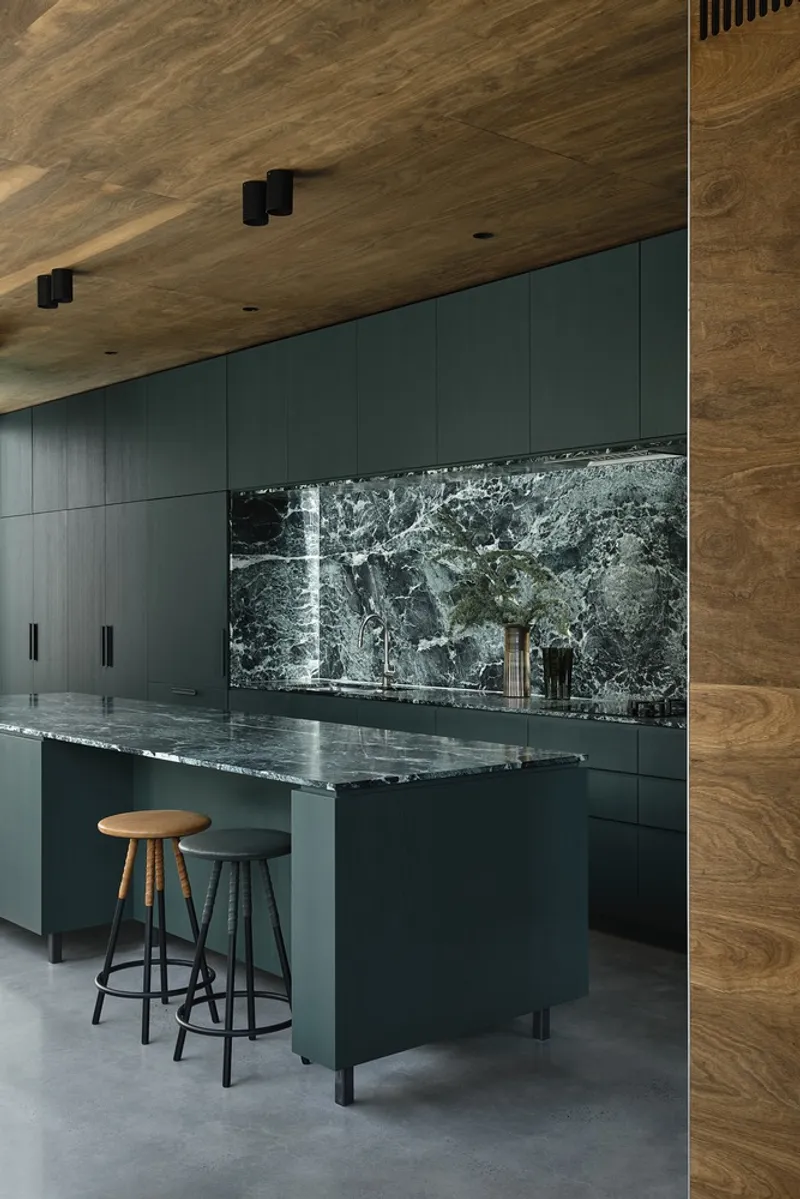
One of the defining elements of the house is the green marble kitchen, which became an early design decision and a key visual anchor for the interior. Even before the final floor plan was determined, the architects selected this stone to guide the material palette.
The green marble backsplash serves as a calm yet expressive focal point within the kitchen. Its color subtly echoes the surrounding garden while linking different green elements throughout the house. The cabinetry tones were carefully chosen to complement the stone, creating a cohesive and understated composition.
A hidden skylight placed behind the overhead cupboards floods the marble backsplash with natural light. This clever design detail highlights the texture and veining of the stone while creating a soft, atmospheric glow in the kitchen.
Material Continuity and Brick Craftsmanship
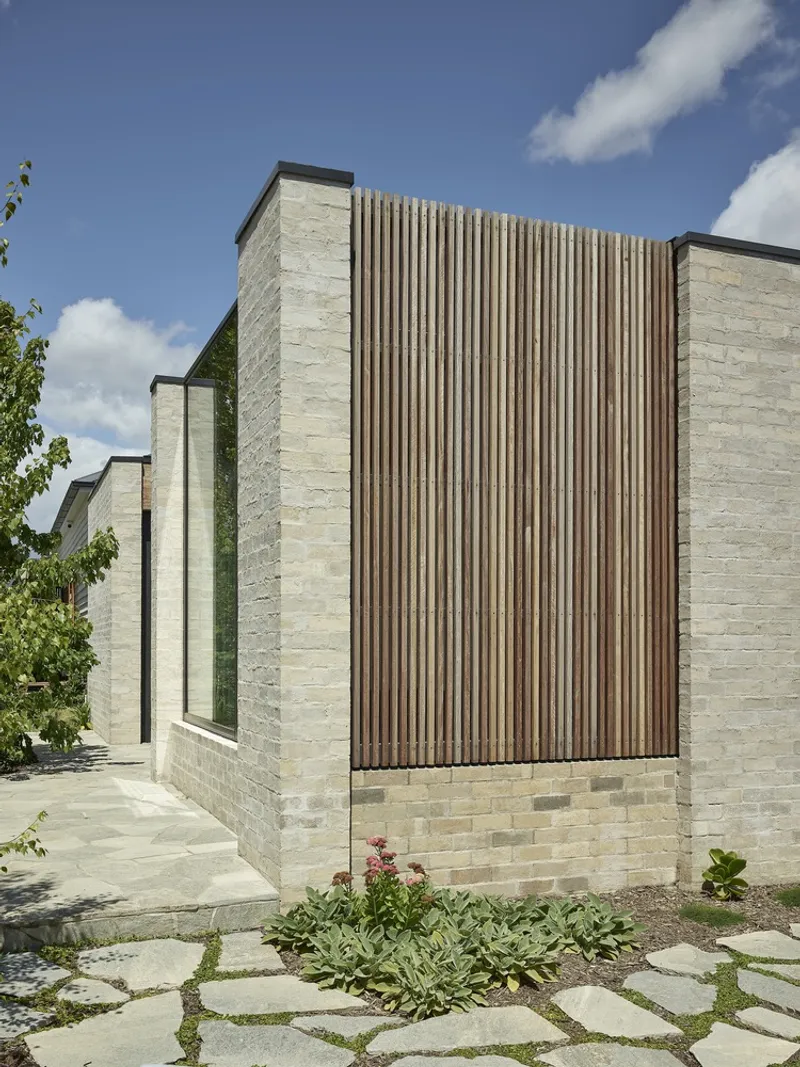
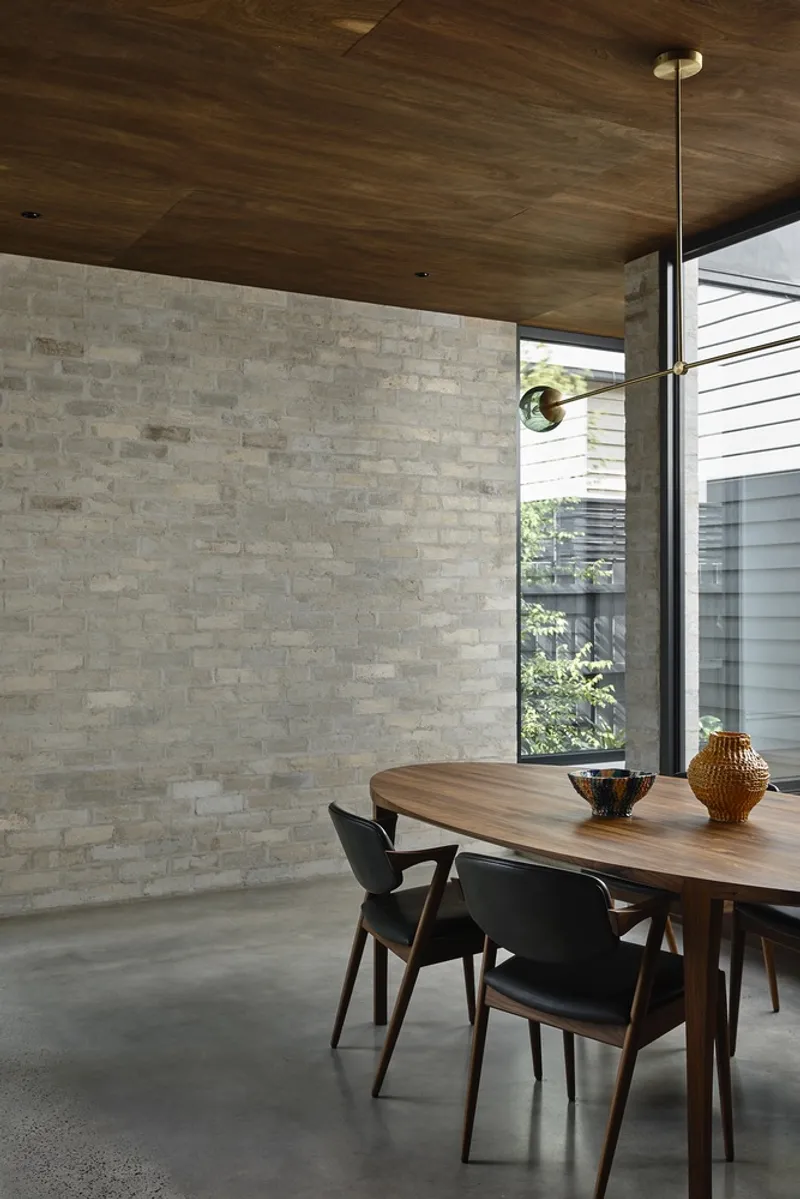
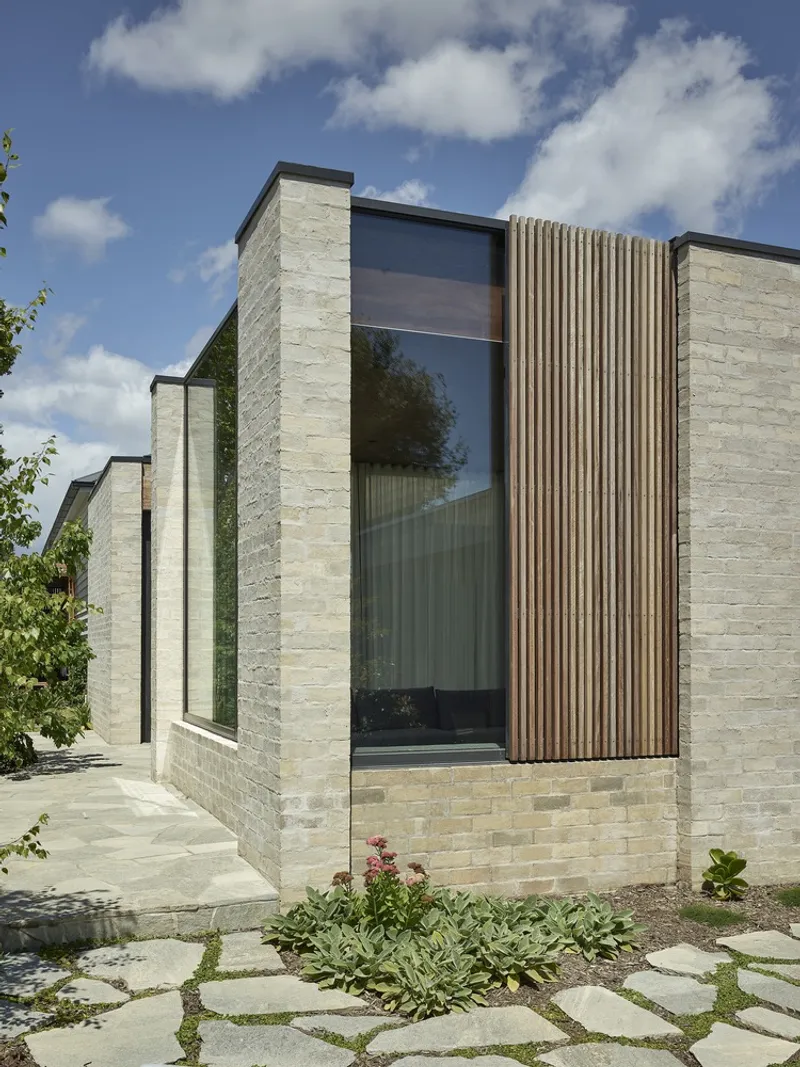
Another distinctive feature of the project is the use of custom Krause bricks, which appear both inside and outside the home. These bricks were specially mixed for the project, giving the building a unique material identity.
By expressing the brickwork internally and externally, the architects created a strong visual continuity between the house and the courtyard spaces. This approach reinforces the concept of indoor, outdoor integration and adds warmth and texture to the interiors.
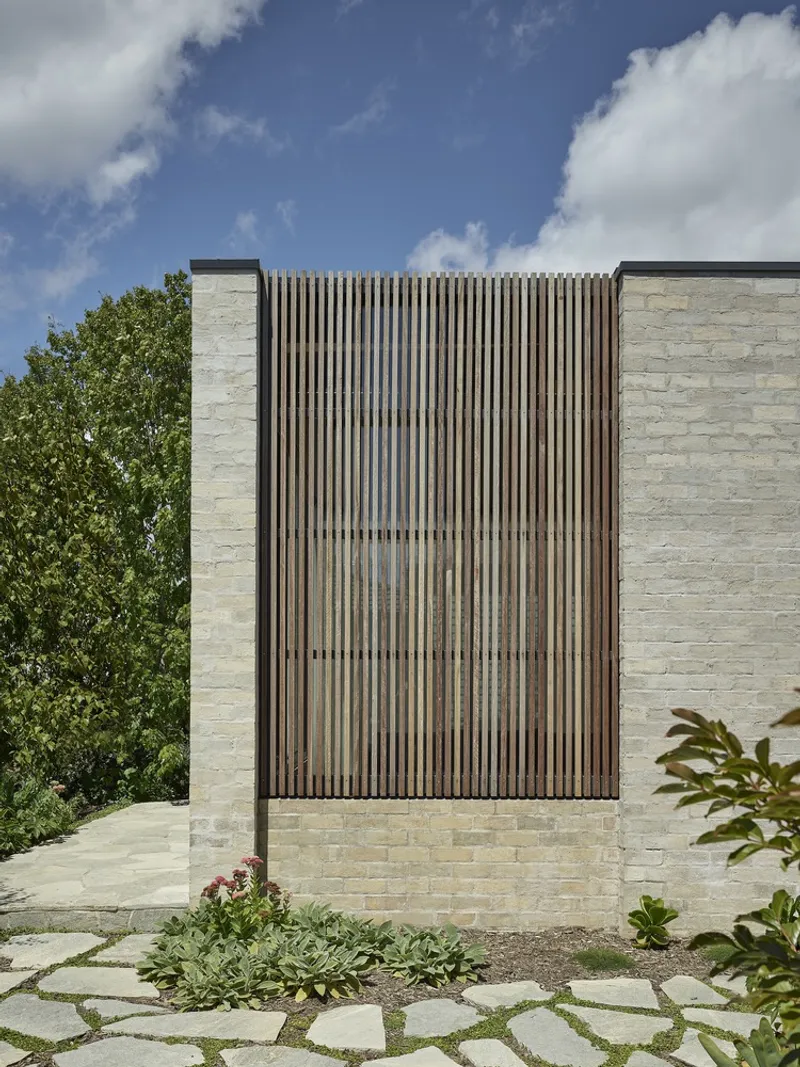
The brickwork also serves a functional role. It conceals a sliding screen designed to filter the intense western sun. When opened, the screen reveals a wide aperture toward the landscaped backyard, framing views of the garden while maintaining privacy and climate control.
Architecture and Landscape in Dialogue
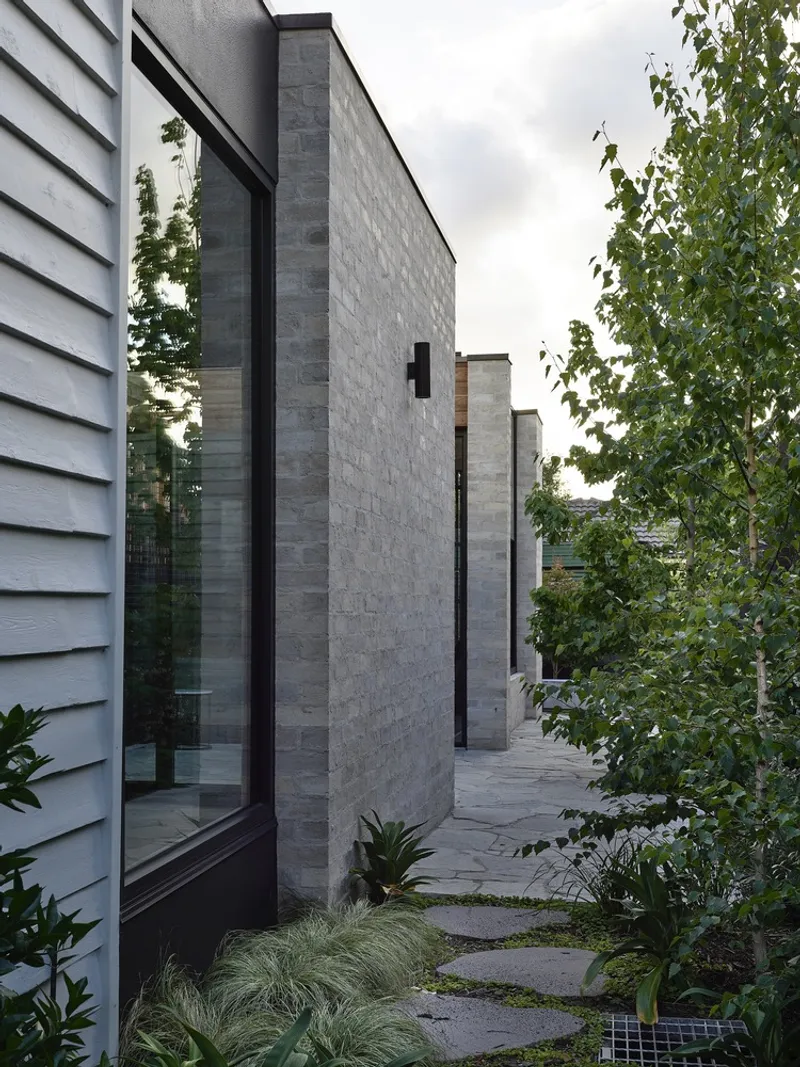
The collaboration between architecture and landscape design plays a crucial role in the success of Malvern House. Ben Scott’s garden design echoes the geometry and rhythm of the architecture while introducing soft, organic elements that enhance the overall experience of the home.
Carefully positioned plantings, pathways, and garden rooms extend the living spaces outward. These outdoor zones provide moments of relaxation and reflection, perfectly suited to the homeowners’ lifestyle as they transition into retirement.
The parallels between architecture and landscape create a sense of harmony, allowing the house to feel embedded within its environment rather than imposed upon it.
A Home Designed for a Slower Pace of Life
Ultimately, Malvern House is a project about learning to live with less while experiencing more. By reducing unnecessary space and focusing on quality, light, and connection to nature, the architects created a home that supports a calm and intentional lifestyle.
The project demonstrates how thoughtful residential design can transform an existing property into a highly functional and emotionally rich living environment. Through careful planning, material sensitivity, and a deep engagement with landscape, Lande Architects have delivered a house that balances heritage character with contemporary comfort.
Malvern House stands as a compelling example of sustainable residential renovation, courtyard architecture, and garden-centered living, a model for how homes can evolve gracefully as the needs of their occupants change.
All photographs are works of
Derek Swalwell


Popular Articles
Popular articles from the community


longwave studio Reorganizes a 112 m² Tainan Apartment Around the Daily Routines of a Family and Two Cats
In Tainan, Taiwan, birch plywood, rust-red furniture and a freestanding plaster wall link arrival, storage, work and family life in one apartment.

LT2A and OPEN Architectes Thread a Brick and Glass High School Through a Wooded Belgian Campus
In Braine-l'Alleud, a 3,000 m² wing for Collège Cardinal Mercier pairs pale brick with a glazed colonnade, deferring to a small chapel and a dense wood.

Cube Design Draws an Ecological Corridor Between Two Shenzhen Hills with the Nankai Building
Beside Shenzhen's container docks, the Nankai Building pairs stacked balconies with a climbing green screen to connect two hillsides across its height.

U.GA Architects Wraps an Oval Rooftop Pool in Curved Board-Formed Concrete on Busan's Jeollidan-gil
In Busan's Jeonpo-dong, a 454 m² mixed-use block stacks a neighborhood facility, guest rooms and an oval rooftop pool inside spiraling concrete walls.

Similar Reads
You might also enjoy these articles

Bamboo Housing Challenge 2026: Design Affordable, Sustainable Homes Using Bamboo
An international design competition by Bamboo U and IBUKU inviting architects and designers to reimagine affordable housing using bamboo — with the winning design built full-scale in Bali.

Computational Design & Education: Beegraphy Design Awards Introduces 7th Category (Featuring Jiyun's Innovative Approach)
Dive into Beegraphy’s 7th Design Awards category, where computational design meets education to create immersive, interactive learning tools, inspired by Jiyun’s work.

From Parametric Lighting to Urban Furniture: Join the 2nd Workshop in Beegraphy’s Computational Design Series
Dive into Cutting-Edge Design Techniques and Practical Applications with Industry Experts

Last Call: Unleash Your Architectural Genius in SHAK's Kindergarten Design Competition
Urgent call for architects to join SHAK's kindergarten design competition before the looming deadline

Explore Residential Building Competitions
Discover active competitions in this discipline

Challenge to design mud housing for contemporary communities

Challenge to reimagine the Iron Throne

Photograph architecture without architects

Illustrate the lost glory of Angkor Wat - Render Challenge
Comments (0)
Please login or sign up to add comments
No comments yet. Be the first to comment!