
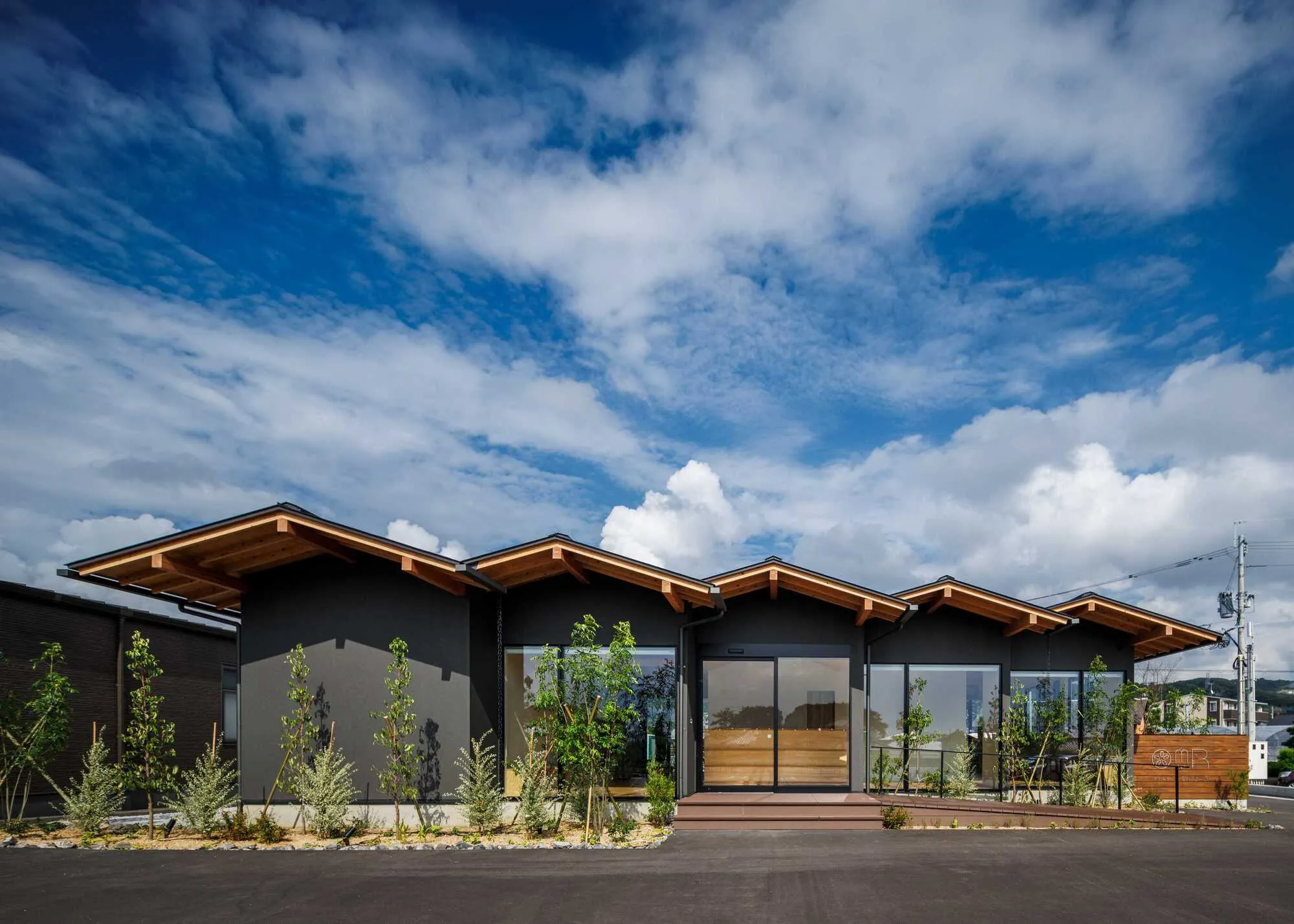
Omura Children's Clinic: Reimagining Pediatric Healthcare Through Residential Design
Japanese children's clinic featuring child-scaled gabled roofs, abundant wood finishes, residential warmth, tree-surrounded setting, and café-like atmosphere reducing medical anxiety.


A Child's Vision of Home and Healing
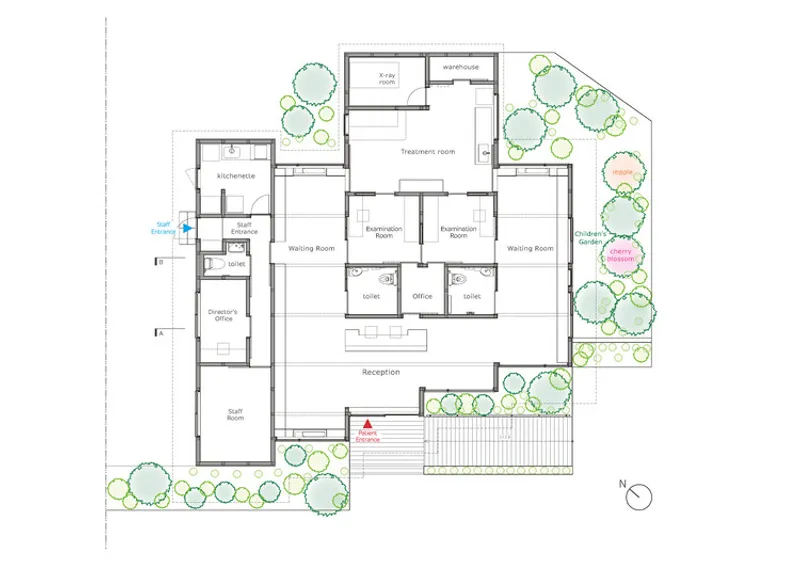
In Nagasaki, Japan, a revolutionary approach to pediatric healthcare design has taken form. Omura Children's Clinic, completed in 2025 by Design Associates Nakamura, challenges the institutional conventions of medical facilities by embracing the warmth, scale, and comfort of residential architecture. Lead architect So Nakamura created a 149-square-meter clinic that fundamentally reconsiders what healthcare spaces for children can and should be.
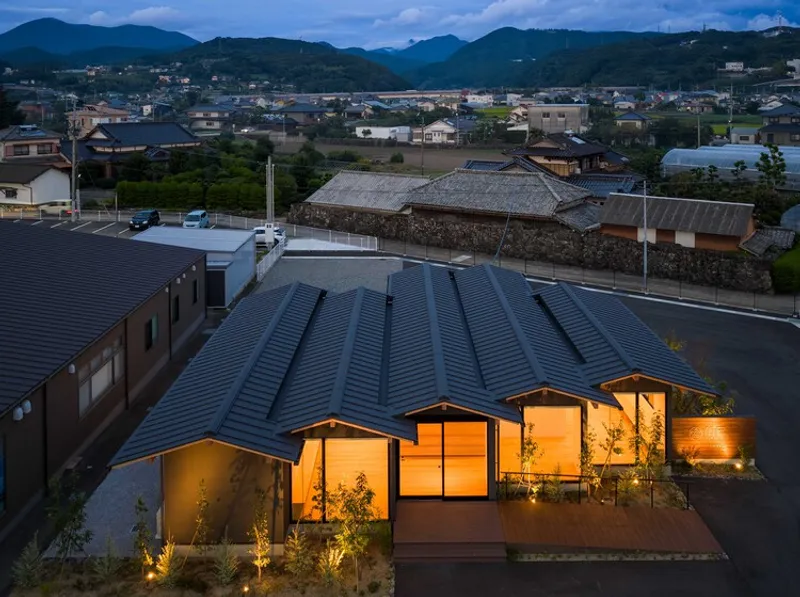
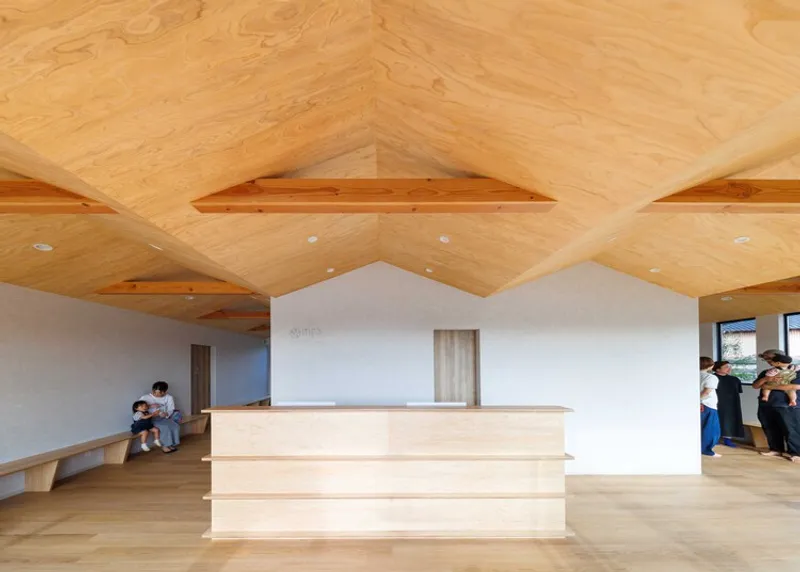
The project's driving philosophy is elegantly simple yet profound: design a clinic that resembles a house rather than a medical institution. This conceptual shift from clinical sterility to domestic familiarity transforms the patient experience, particularly for young children who often approach medical visits with fear and anxiety. By creating an environment that feels like home, the design helps dissolve the psychological barriers that make healthcare experiences traumatic for many children.
Architectural Concept: A Village of Small Houses
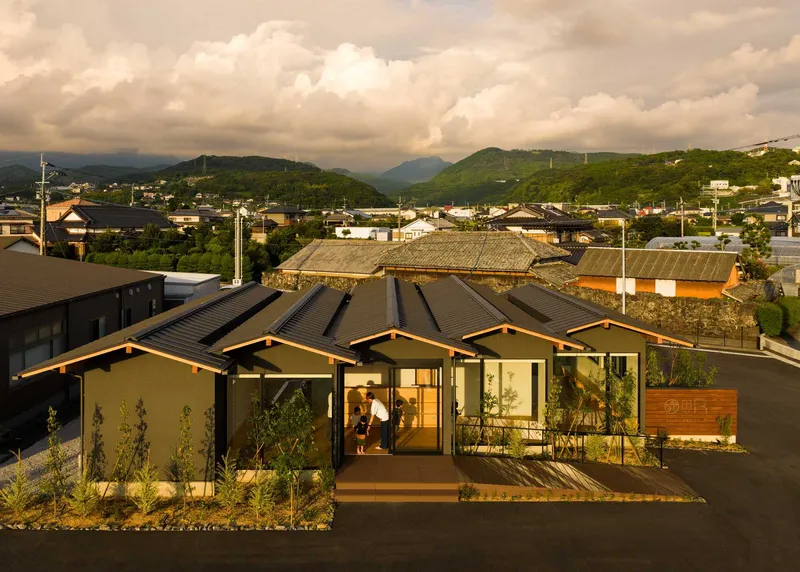
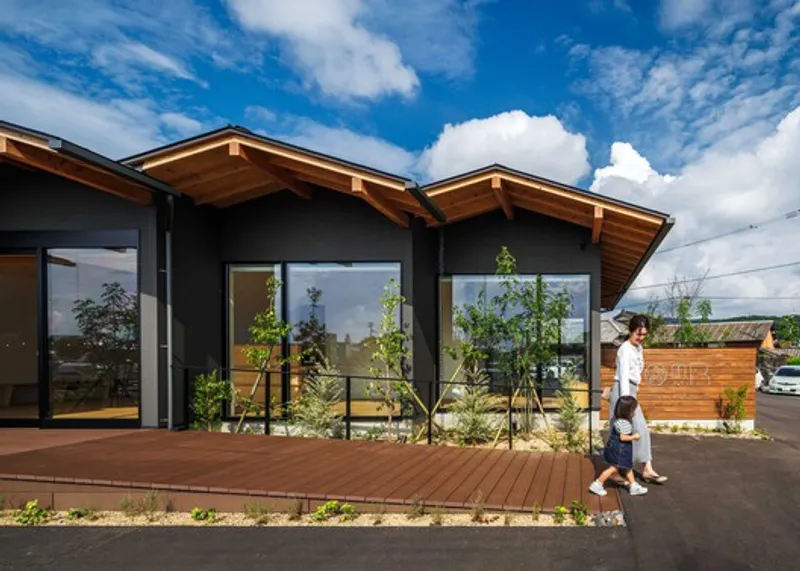
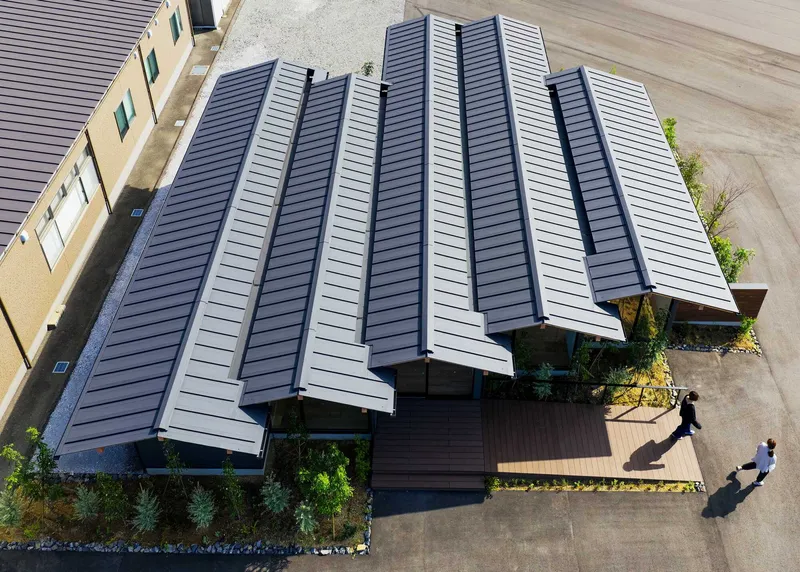
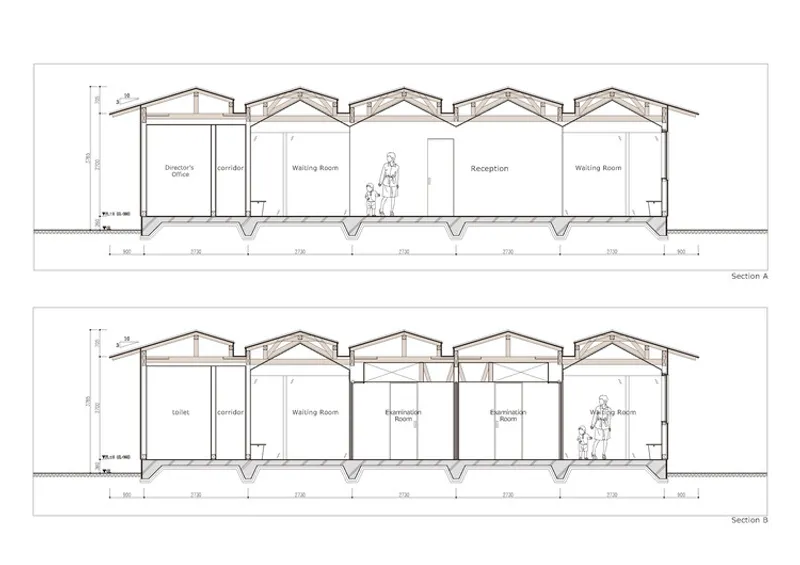
Design Associates Nakamura's solution centers on a series of small gabled roofs that create a village-like composition. This architectural strategy works on multiple levels simultaneously.
Child-Scaled Architecture
The gabled roofs aren't merely decorative elements but carefully proportioned volumes scaled specifically to children's dimensions and perceptions. Traditional medical facilities feature ceiling heights, door proportions, and spatial volumes designed for adult bodies and institutional functions. These oversized spaces can make children feel diminished and vulnerable.
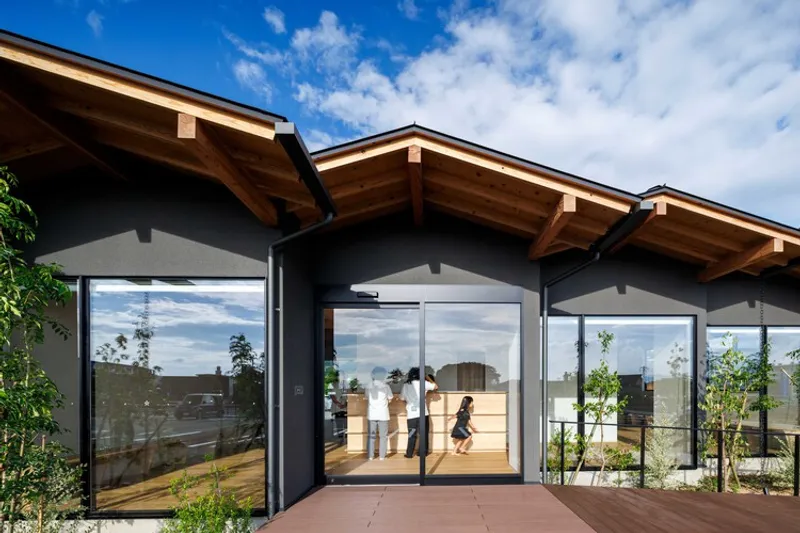
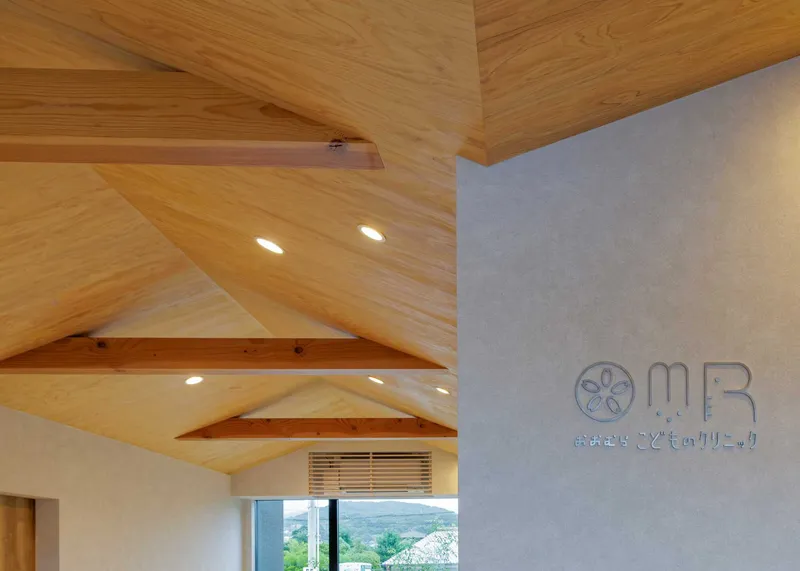
By creating a series of smaller, gabled volumes, the architects established spaces that feel appropriately sized from a child's perspective. The lower ceiling heights within these peaked structures create a sense of shelter and enclosure that feels protective rather than overwhelming. Children walking through the clinic encounter spaces that relate to their own body proportions, fostering a sense of belonging and control.
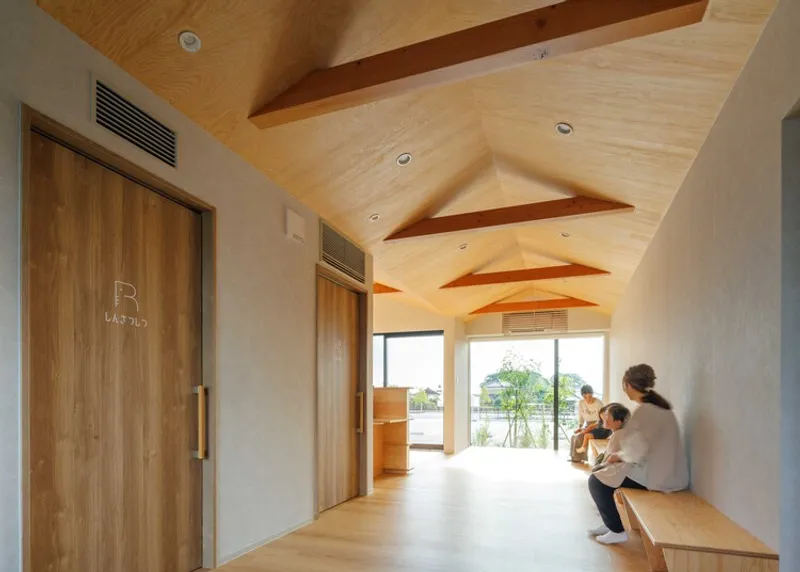
The repetition of gabled forms creates visual rhythm and a sense of order that children can understand and navigate. Rather than confronting a single large, undifferentiated medical building, young patients encounter a collection of small "houses"—a conceptual framework already familiar from their daily lives, toys, and stories.
Residential Typology in Medical Context
The gabled roof represents perhaps the most universal symbol of "house" across cultures and ages. From children's drawings to architectural vernaculars worldwide, the pitched roof signifies home, shelter, and safety. By deploying this archetypal form, the clinic communicates its residential character immediately and intuitively.
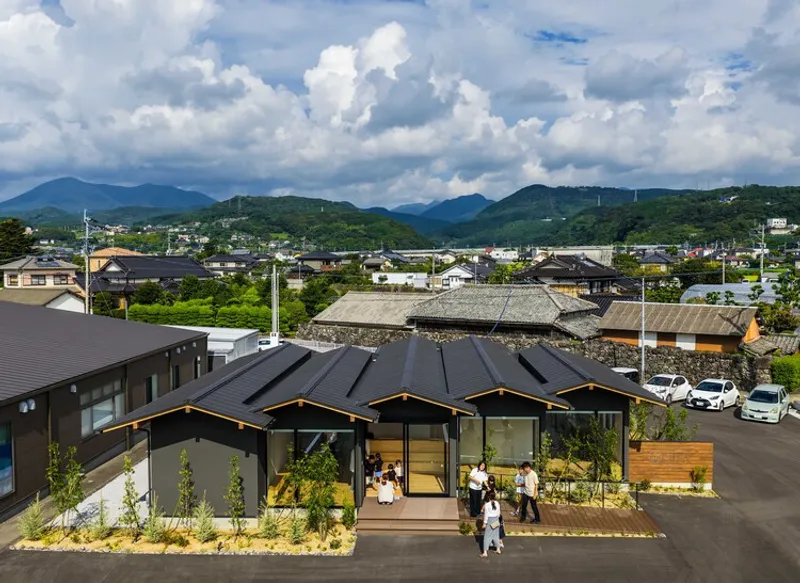
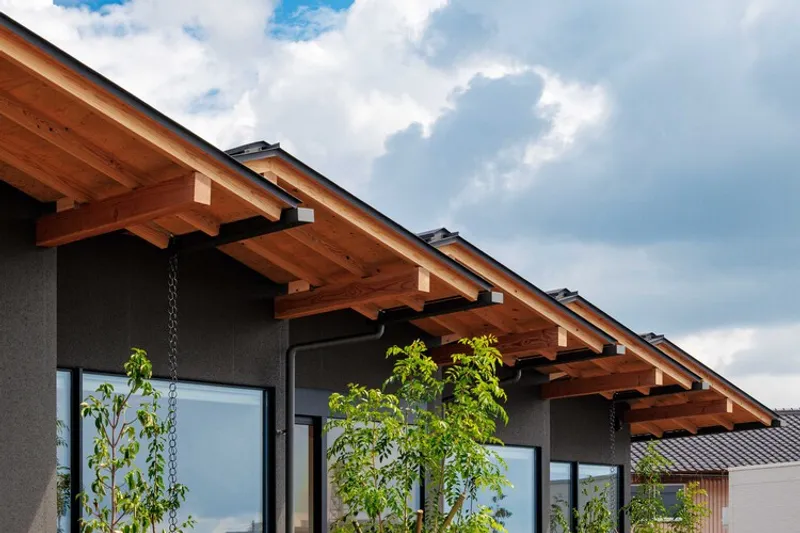
This formal language bridges the gap between the clinic's medical function and its ambition to feel like a home. Parents recognize the residential references and understand the design intention, while children respond to the familiar form at a more intuitive, emotional level.
The village-like composition also fragments the building's program into smaller, more manageable pieces. Rather than entering a large medical facility containing many unknown spaces, visitors encounter a series of smaller, discrete volumes, each with clear identity and purpose. This spatial organization reduces the overwhelming quality often associated with medical buildings.
Creating a Café-Like Atmosphere for Parents
Understanding that parents' comfort directly impacts children's anxiety levels, the design incorporates elements more commonly associated with hospitality design than medical facilities.
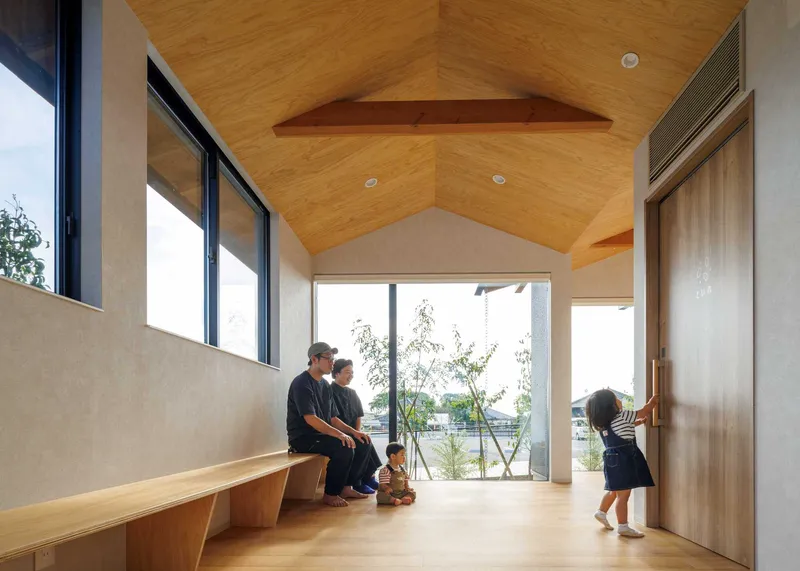
Comfortable Waiting Environment
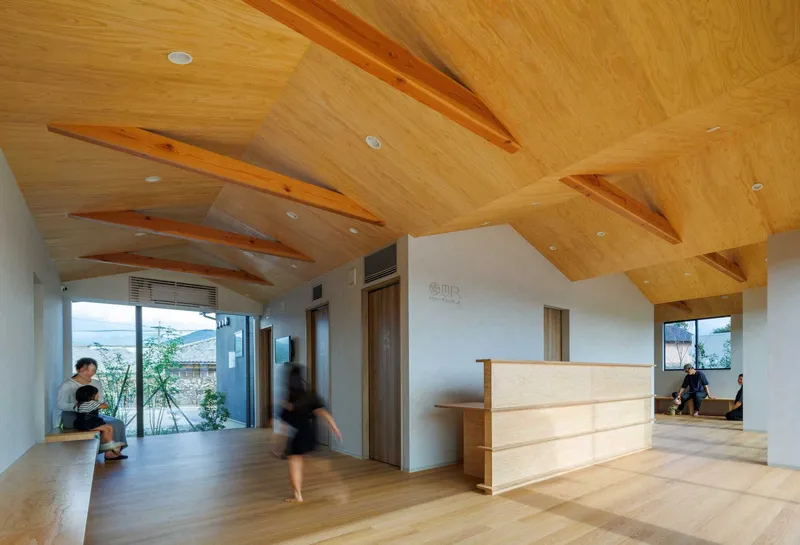
The waiting area eschews the typical medical waiting room aesthetic—hard plastic chairs arranged in rows facing a reception desk. Instead, the space features:
- Residential-style seating that invites relaxation rather than tense anticipation
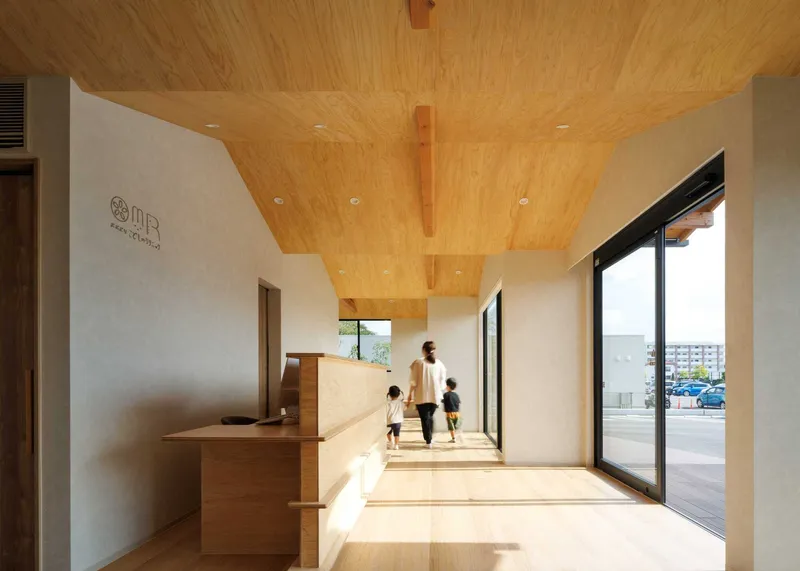
- Natural light from generous windows that maintain connection to the outdoors
- Wood finishes that create warmth and visual interest
- Appropriate scale that feels intimate rather than institutional
- Views to surrounding trees that provide calming natural scenery
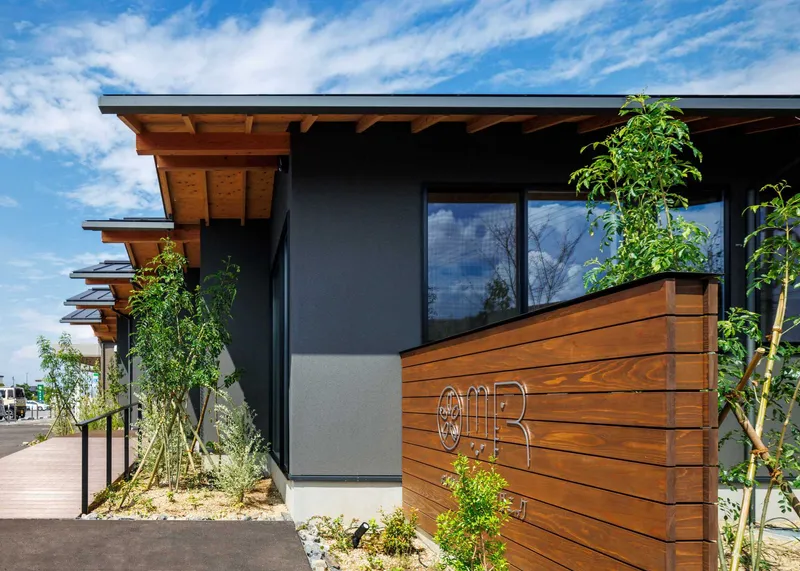
This café-like quality transforms waiting from endurance test to respite. Parents can genuinely relax rather than sitting tensely while their child receives care. This relaxed parental state communicates safety to children, reducing their anxiety through behavioral modeling.
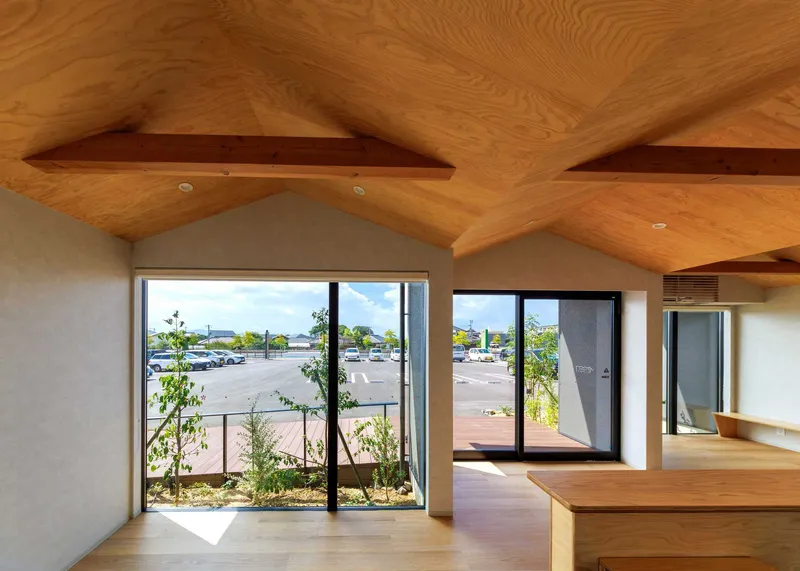
Extended Visit Accommodation
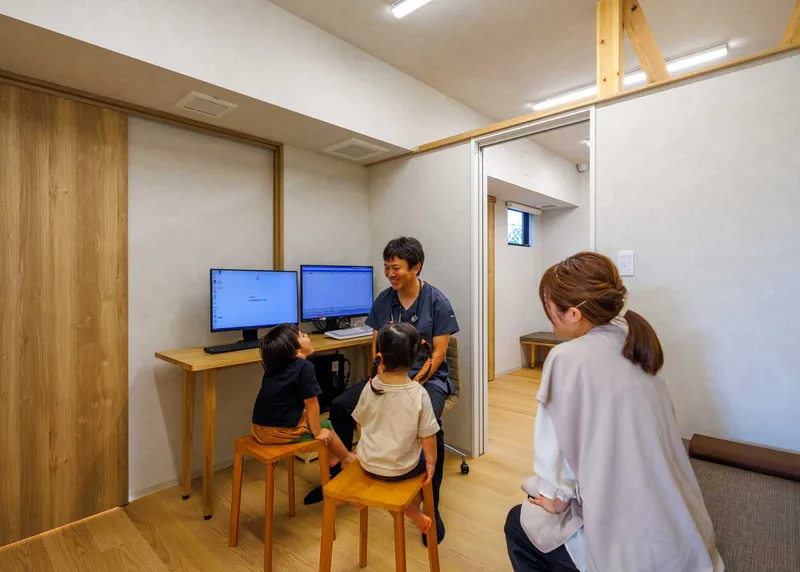
Medical visits with children often take longer than scheduled. Examinations may be complicated by child anxiety, procedures may require additional time for patient cooperation, or follow-up discussions may extend beyond planned durations. The clinic's design acknowledges this reality by creating spaces where extended stays feel comfortable rather than burdensome.
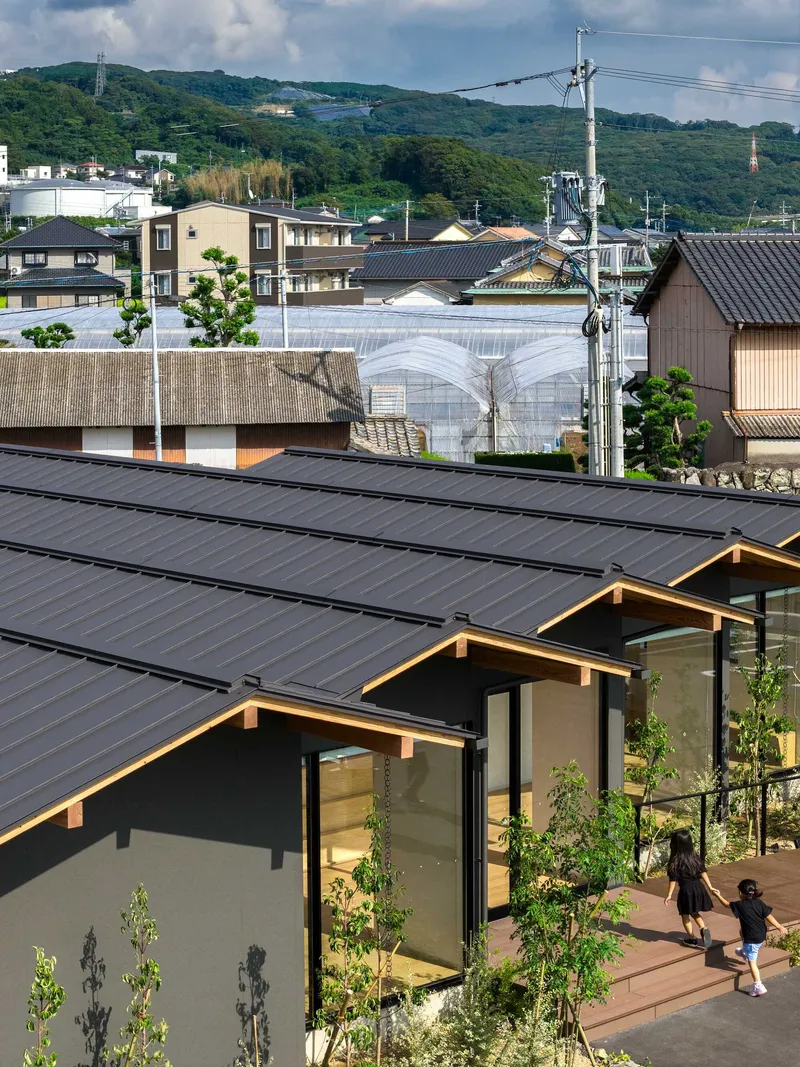
The welcoming atmosphere encourages parents to linger without impatience or frustration. This flexibility reduces the time pressure that can make medical visits stressful for both families and medical staff.
Landscape Integration: Trees as Healing Elements
The clinic's relationship to its natural surroundings represents a crucial dimension of the healing environment. The building is deliberately surrounded by trees, creating an immersive natural context that fundamentally shapes the interior experience.
Visual Connection to Nature
Large windows throughout the clinic maintain constant visual connection to surrounding vegetation. From nearly every interior position, patients and visitors can see trees, sky, and changing natural light—elements that provide:
- Psychological comfort through connection to nature
- Distraction from medical anxiety through engaging, dynamic views
- Temporal awareness through changing light and seasonal variation
- Sense of openness that prevents the enclosed, trapped feeling common in medical facilities
Research consistently demonstrates that views of nature reduce stress, lower blood pressure, and improve pain tolerance—all directly relevant to pediatric medical care. By ensuring abundant natural views, the design leverages these documented healing benefits.
Filtered Natural Light
The surrounding trees also modulate natural light entering the building. Rather than harsh, direct sunlight or flat overcast light, the trees create dappled, shifting patterns of light and shadow that animate interior spaces throughout the day.
This dynamic lighting quality creates a living, breathing environment that changes constantly rather than remaining static and institutional. The moving shadows and varying light quality provide subtle, engaging visual stimulation that can calm anxious children by giving them something beautiful and non-threatening to observe.
Softening the Built Edge
The trees create a transitional zone between the urban context and the clinic building. Rather than the clinic standing as an isolated object in a parking lot or lawn—the typical condition for small medical facilities—the trees embed it within a natural setting that softens its presence and makes approach less intimidating.
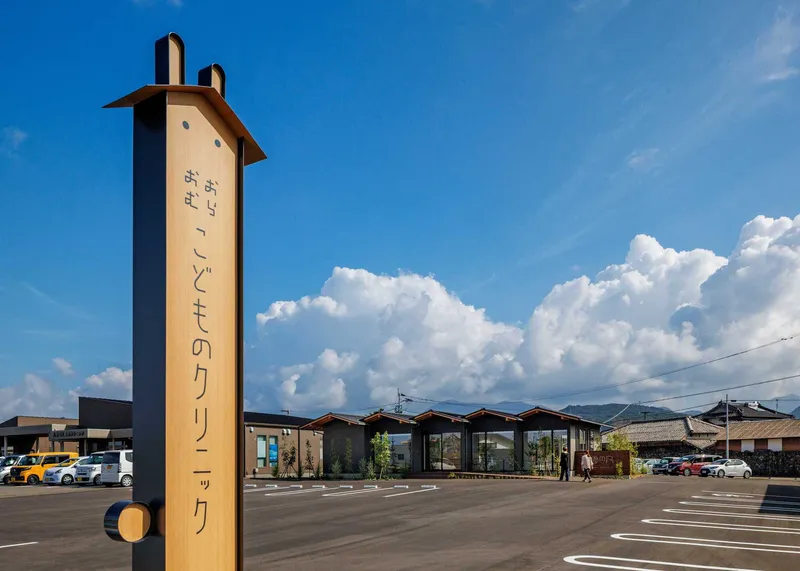
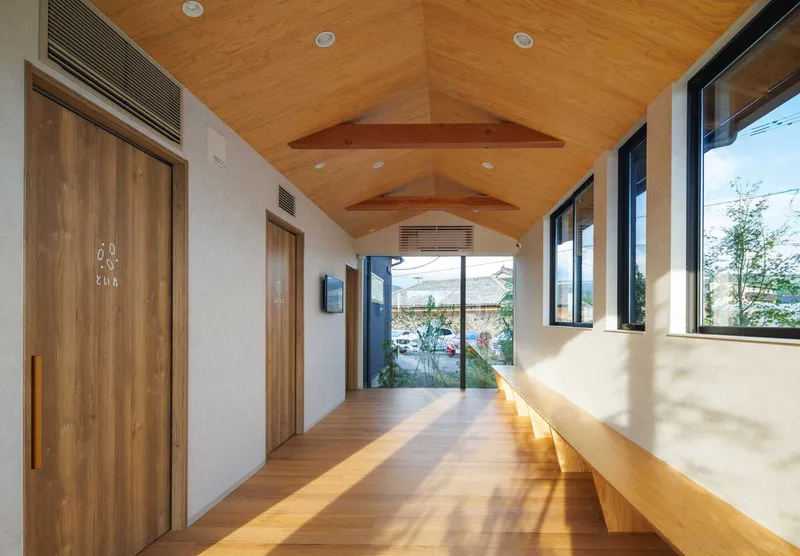
For children arriving for appointments, the journey from car to clinic entrance passes through this natural buffer zone, providing a gradual transition that can help shift from the anxiety of anticipation to the calm of arrival.
Compact Scale, Significant Impact
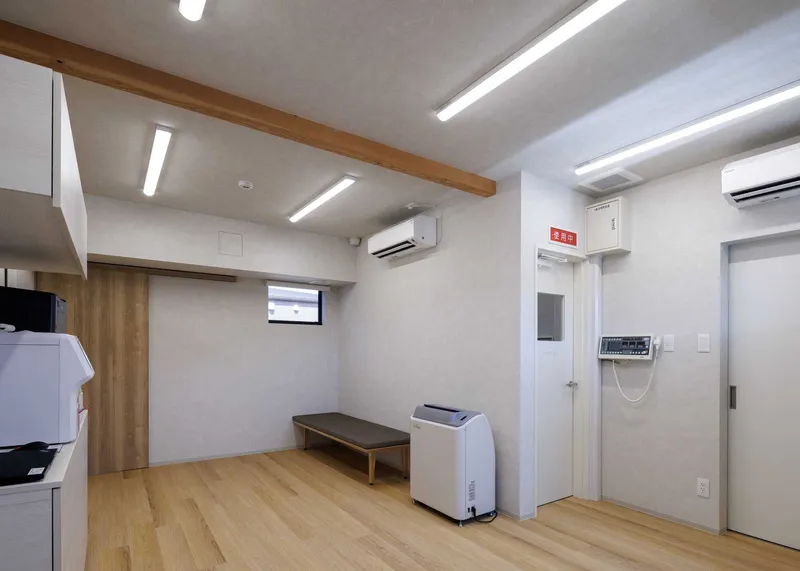
At just 149 square meters, Omura Children's Clinic demonstrates that transformative healthcare design doesn't require massive budgets or extensive floor areas. The project achieves its goals through thoughtful design thinking rather than sheer size or expensive finishes.
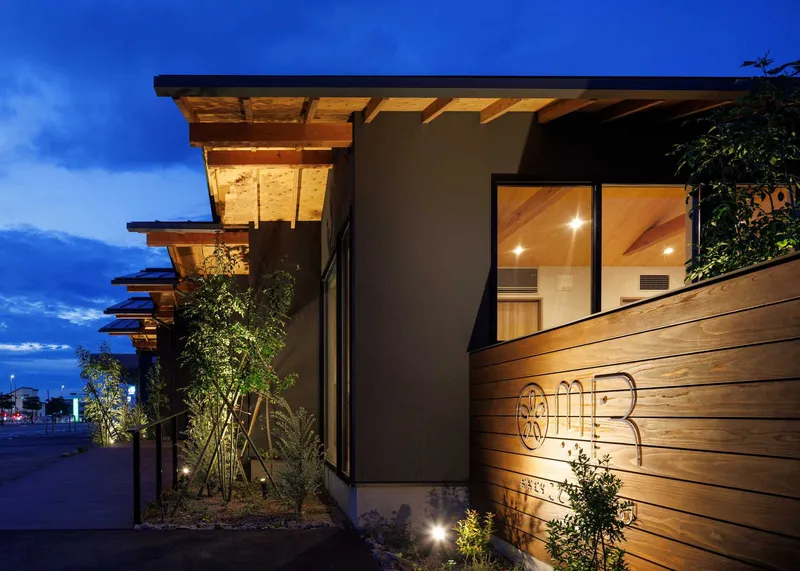
This compact scale actually enhances the intimate, residential character the design seeks. The small footprint prevents institutional vastness while ensuring efficient operation and manageable construction and maintenance costs—important considerations for private practice medical facilities.
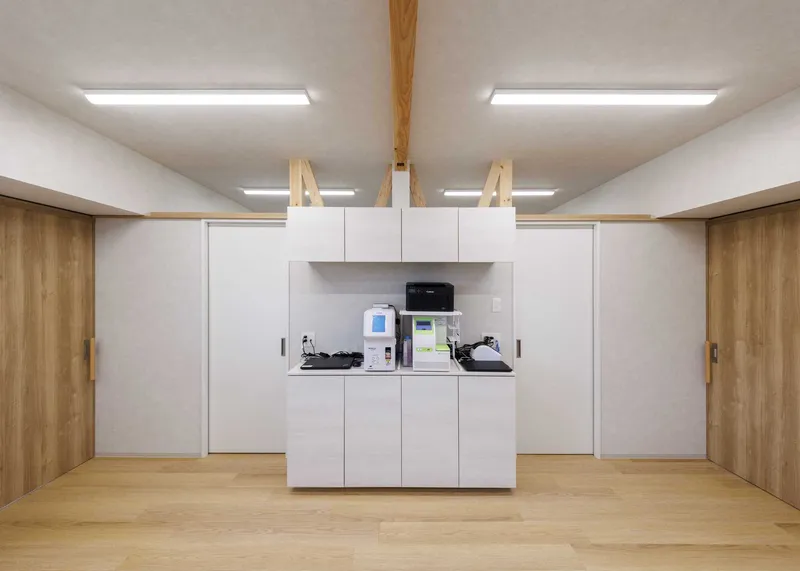
The efficiency of the plan means that resources could be directed toward quality materials (the abundant wood finishes) and thoughtful details rather than expansive square footage. This strategic allocation of budget creates maximum impact on patient experience.
A New Paradigm for Pediatric Care Environments
Design Associates Nakamura's work on Omura Children's Clinic represents more than skillful execution of a single project—it proposes a new paradigm for how we design healthcare environments for children.
The project challenges the assumption that medical facilities must look and feel institutional to function properly. It demonstrates that prioritizing psychological comfort and emotional wellbeing alongside functional requirements produces better environments for both patients and care providers.
By creating a clinic that feels like a home where children can relax and a welcoming café where parents feel comfortable, So Nakamura and his team address the full spectrum of needs present in pediatric healthcare. The resulting environment reduces anxiety, supports healing, and builds positive lifelong associations with medical care.
All the Photographs are works of Masaki Hamada


Popular Articles
Popular articles from the community


The Earth Pod: 3D Printed Homes for Resilient Refugee Communities
The Earth Pod reimagines refugee housing through 3D printed homes made from clay, combining resilience, self-sufficiency, and rapid shelter.

Hill & Cross Opera: Sculptural Opera House Architecture Shaped by Tallinn’s Landscape and Identity
Hill & Cross Opera reimagines opera house architecture in Tallinn through its sculptural hill, civic plaza, glass wave and a luminous cross.

The Ocean Hive: Sustainable Architecture for a Self-Sufficient Civilization at Sea
The Ocean Hive imagines sustainable architecture at sea, where modular habitats, algae, wave power and ocean waste sustain a growing colony.

Play: Fragments of Their World
Familiar architecture becomes modular playground design, creating safe spaces where displaced children can learn, connect, imagine and play.


Similar Reads
You might also enjoy these articles


Hodi-Mandai Geram
Project Function: Preservation and revitalization of the Intangible heritage and socio-spatial identity of the Hodi by Housing, Cultural Memory Center, Sacred Grove, landscape, local tourism economy


Olio Towers: A Mid-Rise for Performers That Fuses Housing, Rehearsal, and Stage
Located blocks from Houston's Theater District, this modular tower stacks living units around a central performance atrium.

Oasis: Modular Green Housing Carved into Dhaka's Urban Fabric
A shortlisted Plugin Housing entry reclaims unauthorized settlements in Dhaka with stepped concrete volumes, green roofs, and ventilation-driven design.

Black Hole: A Floating Megastructure for the Post-Physical Era
Emiliano Mazzarotto envisions a spherical, self-scaling arena where e-sports, digital hotels, and holographic stadiums replace traditional public space.


Explore Hospitality Building Competitions
Discover active competitions in this discipline



Challenge to reimagine the Iron Throne


Photograph architecture without architects


Illustrate the lost glory of Angkor Wat - Render Challenge


Design challenge to reuse E-waste
Comments (0)
Please login or sign up to add comments
No comments yet. Be the first to comment!