
Phoenix Feather Tea Pavilion by Kong Xiangwei Studio: A Masterclass in Pavilion Architecture in Nature
A feather-inspired pavilion in Dali’s forests, merging light structure with deep ecological reverence for birds and nature.

Where Architecture Floats Between Earth and Sky in the Mountains of Dali
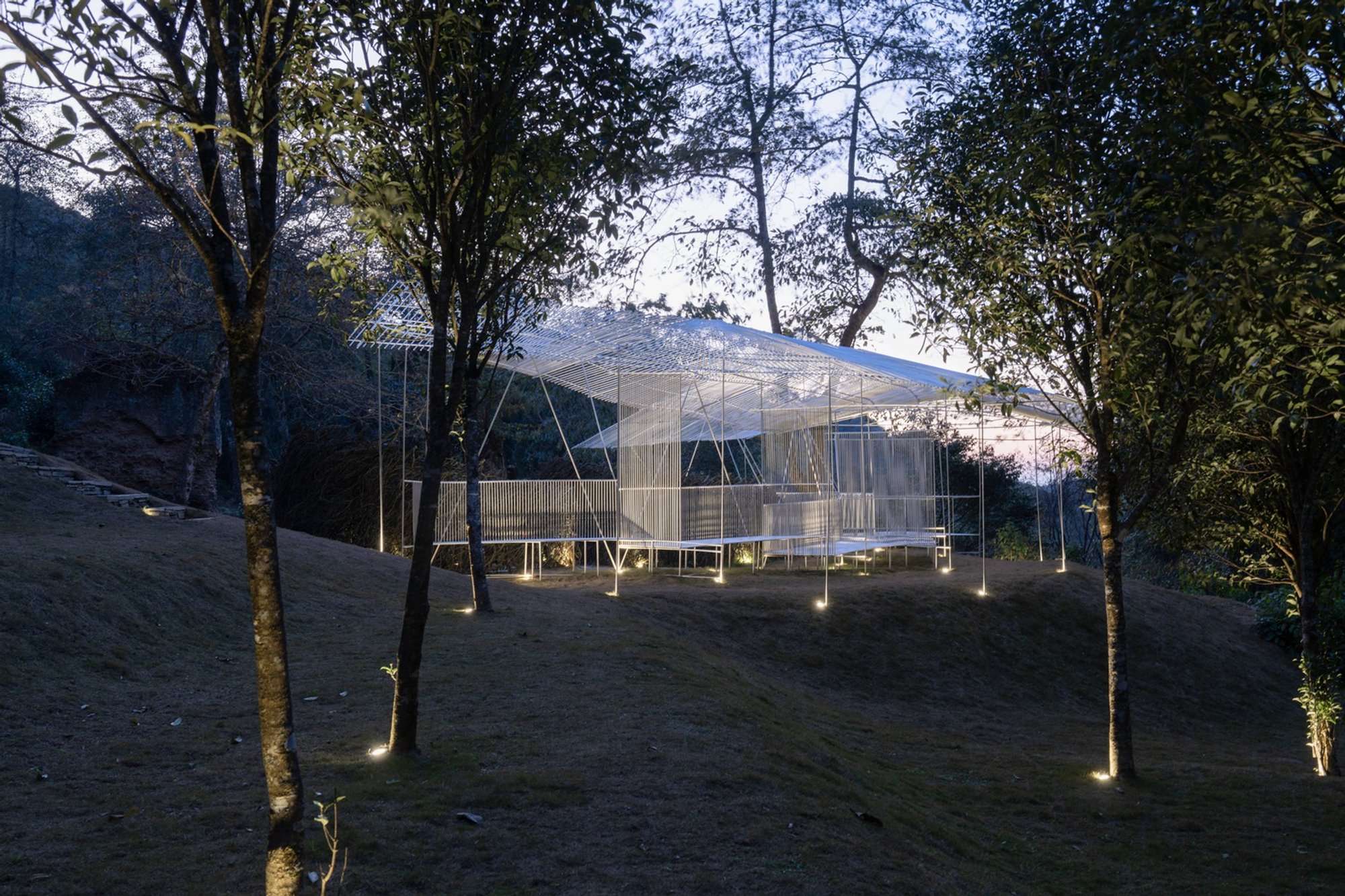
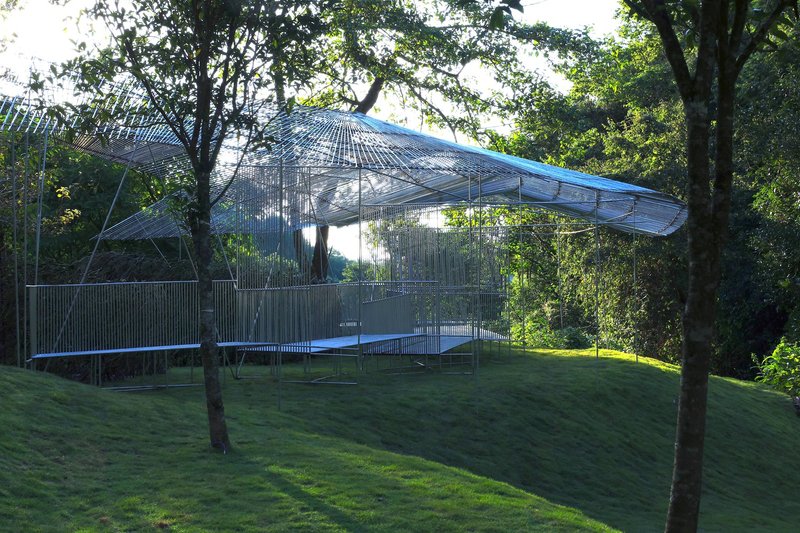
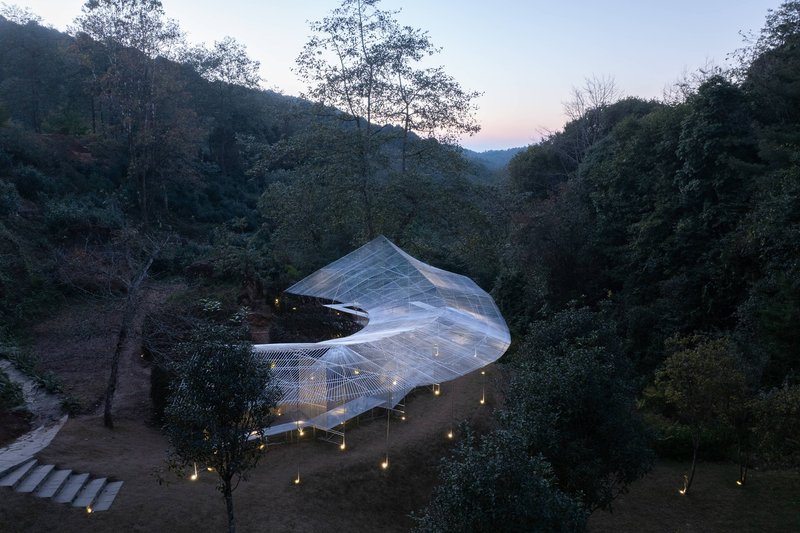
Amidst the cloud-kissed peaks of Phoenix Mountain in Dali, Yunnan, the Phoenix Feather Tea Pavilion by Kong Xiangwei Studio is a poetic expression of pavilion architecture in nature. Set within a 1,300-acre tea tourism sanctuary, the pavilion is nestled in a forgotten forest valley once marked by the ruins of old earthen dwellings. Today, this site is reborn through a design that draws inspiration not from architectural precedent, but from nature’s own sketch—a single drifting feather from a silver pheasant.
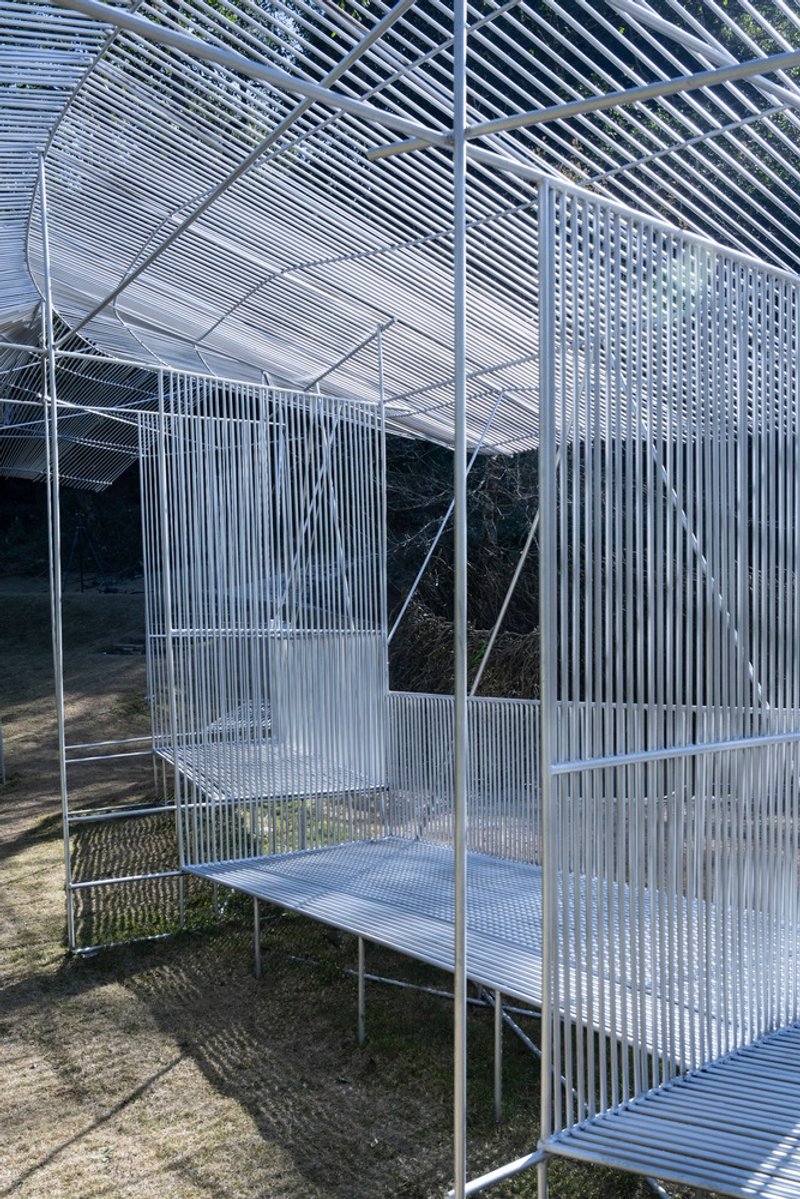
From Feather to Form: A Design Inspired by Flight
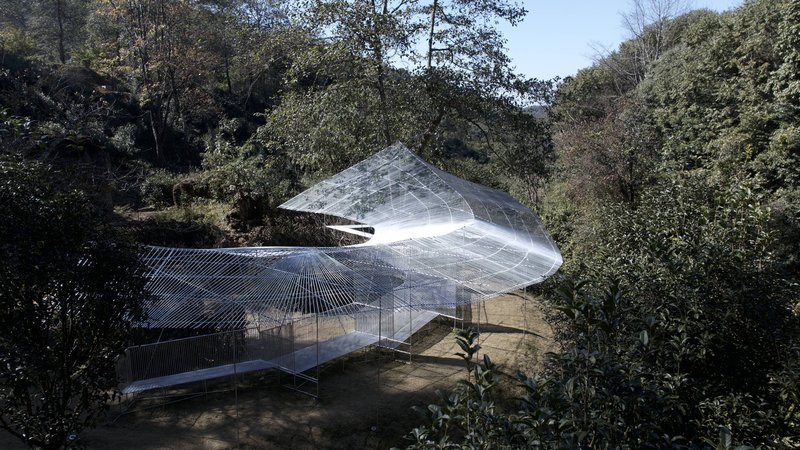
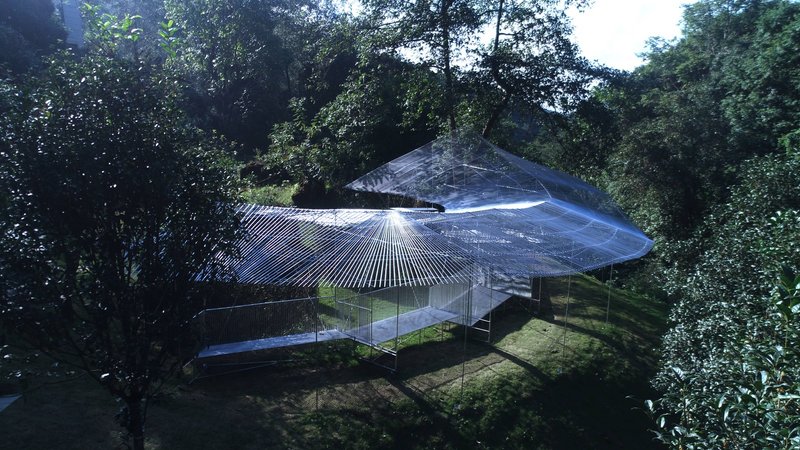
The design was born from a moment of serendipity. A silver-edged, ink-patterned pheasant feather fell softly onto the ruins of the site, sparking a vision for a space that feels just as light, just as grounded in nature’s rhythm. The architects envisioned a structure that would hover, like the feather itself, delicately above the land yet fully engaged with its surroundings.
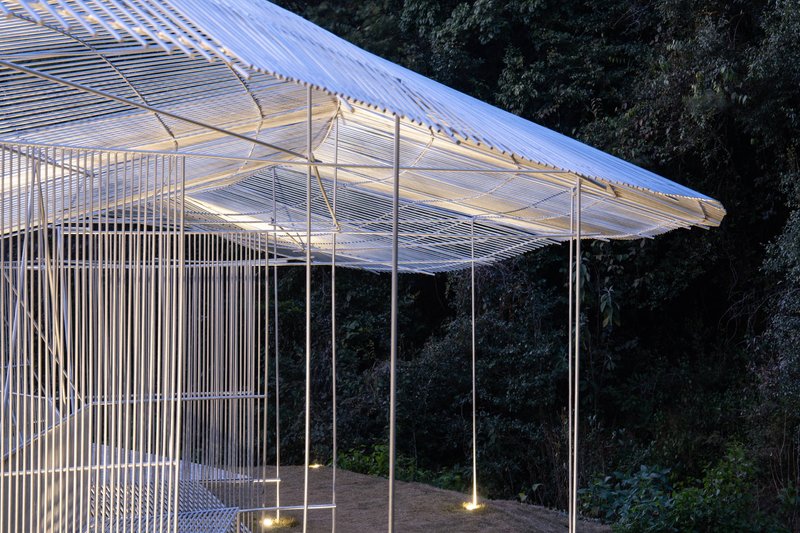
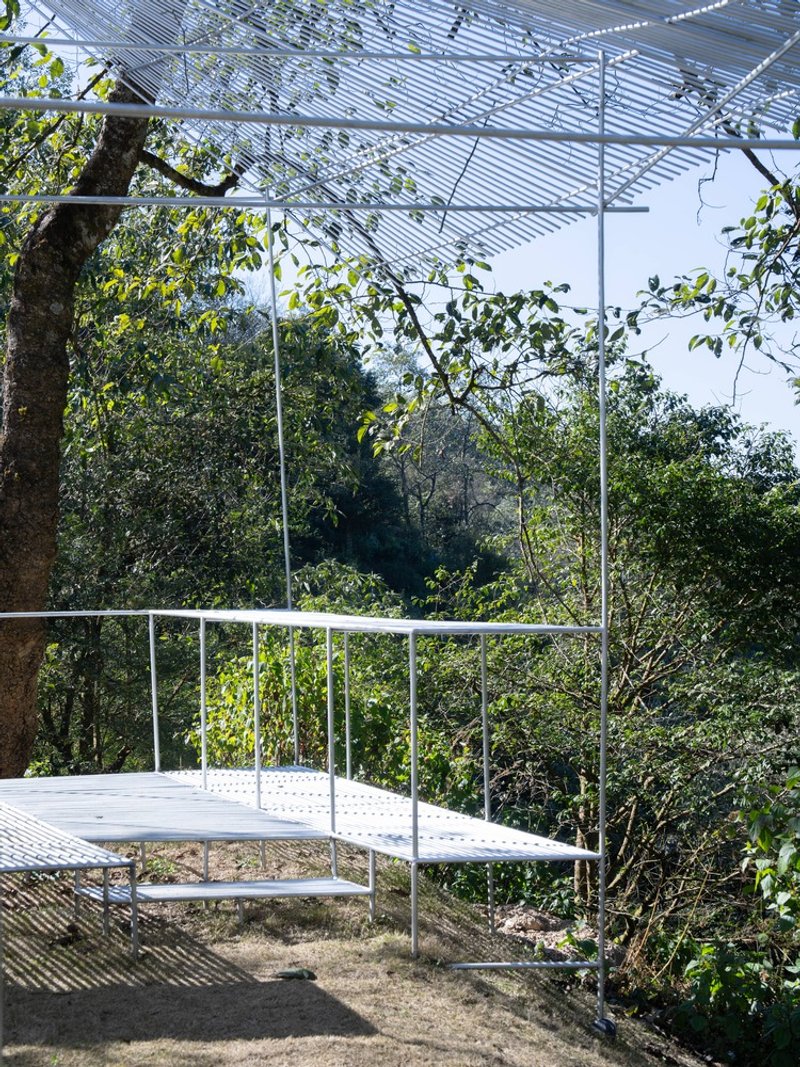
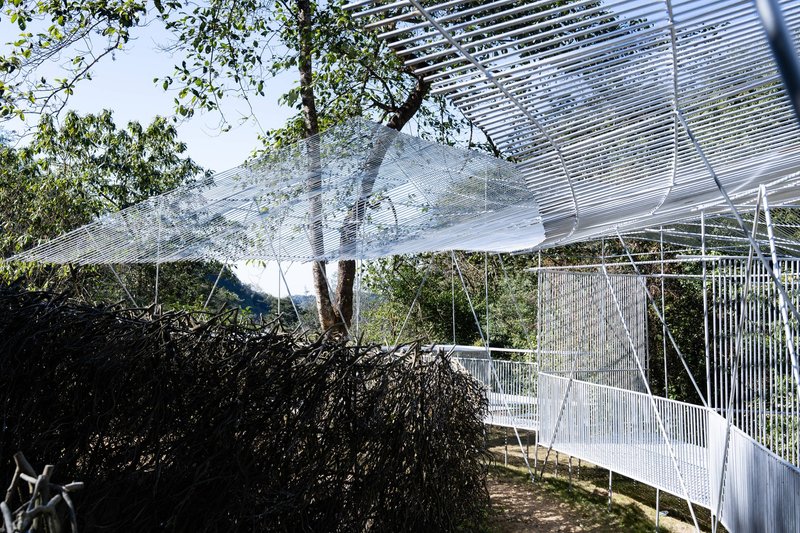
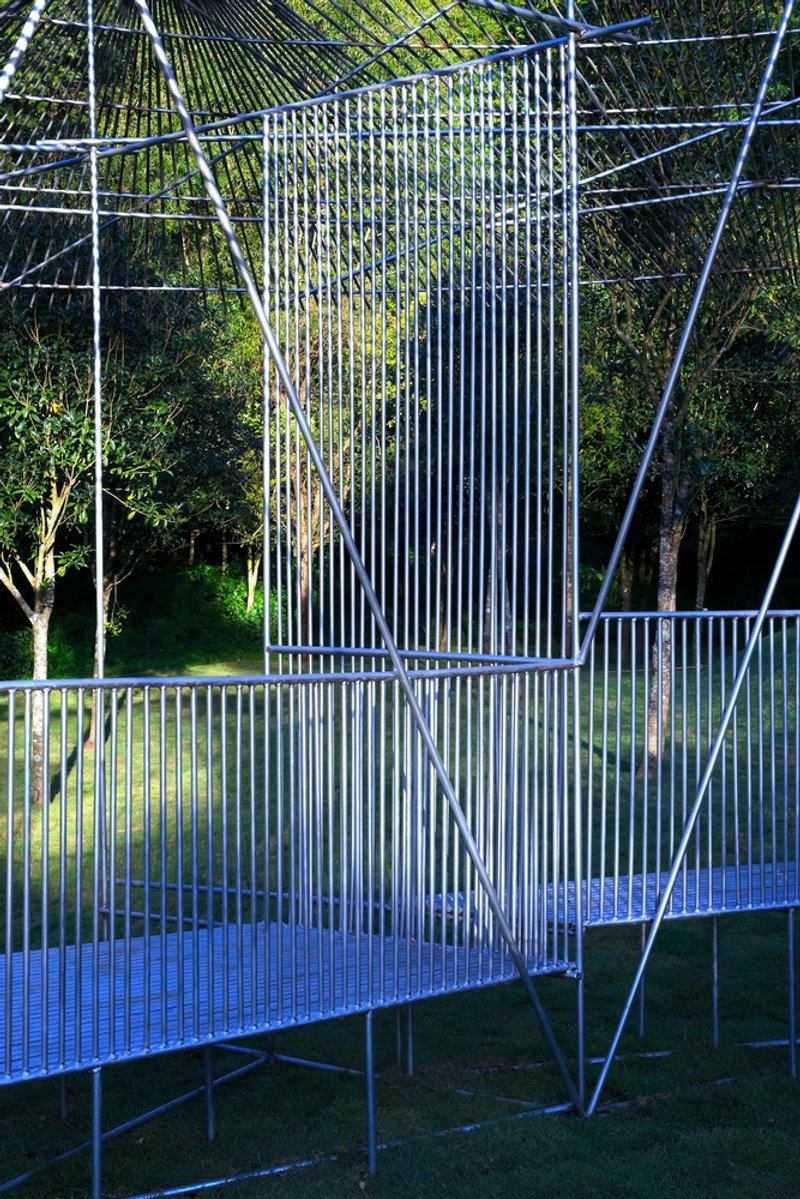
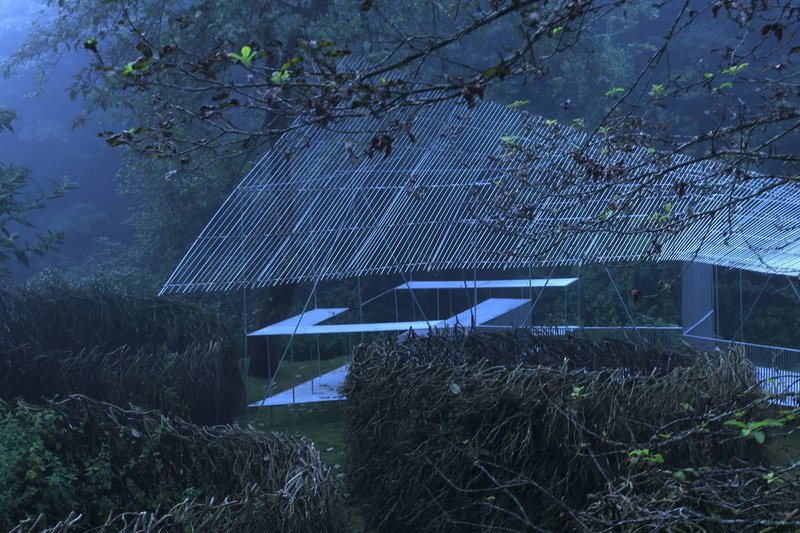
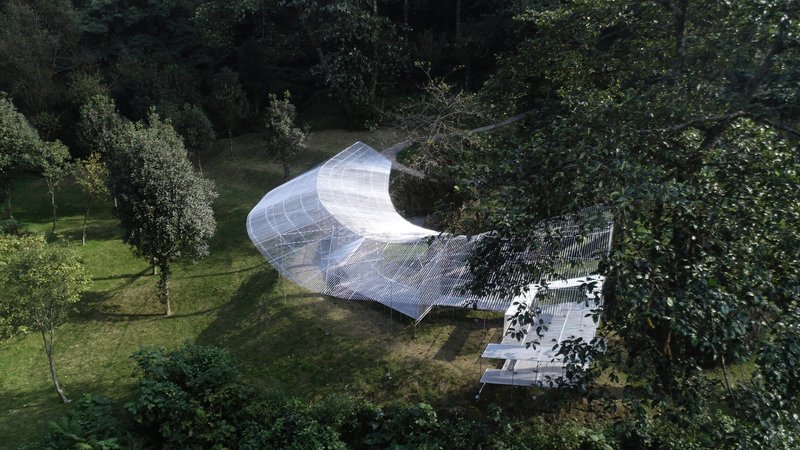
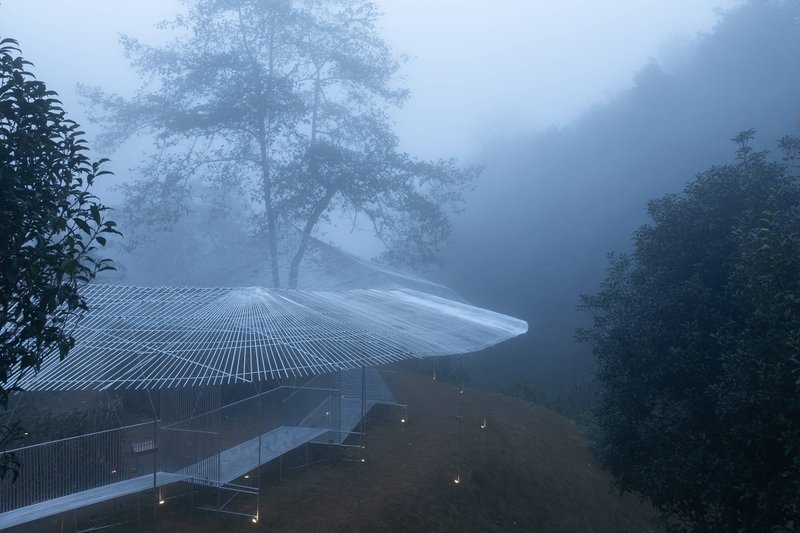
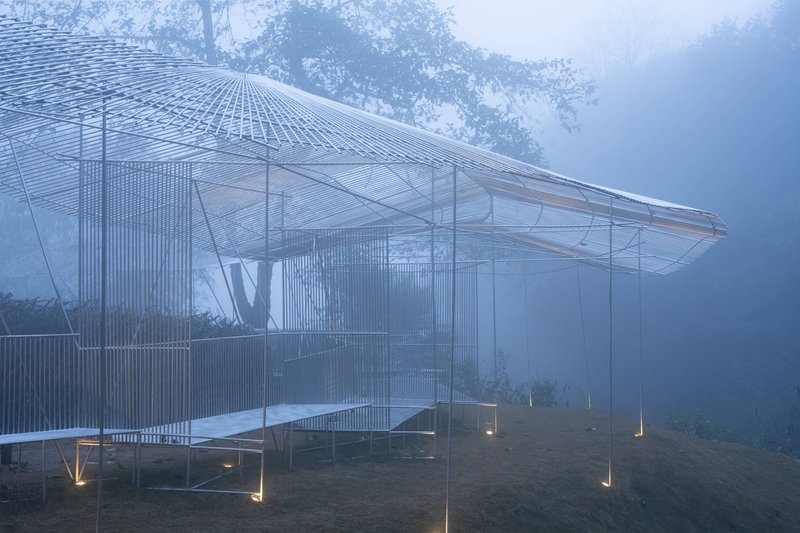
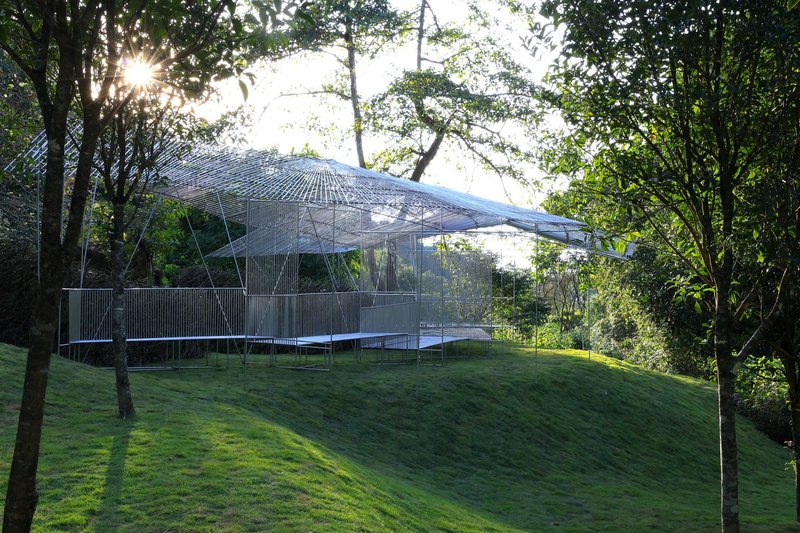
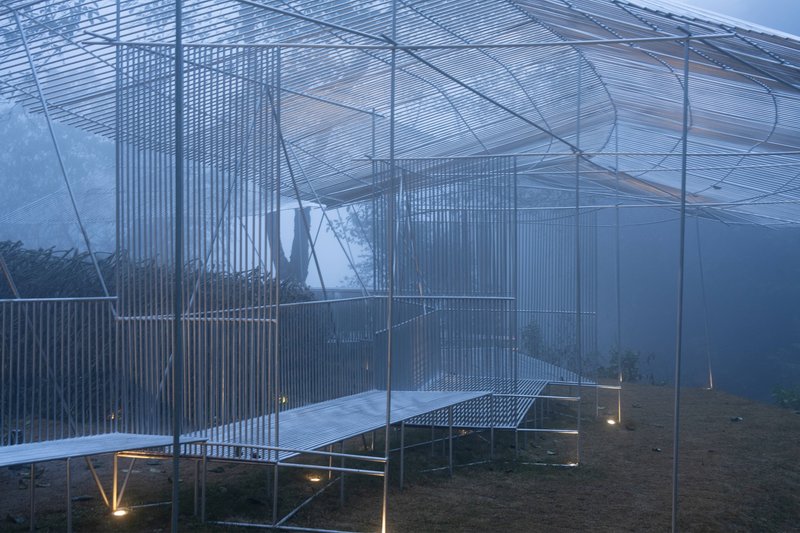
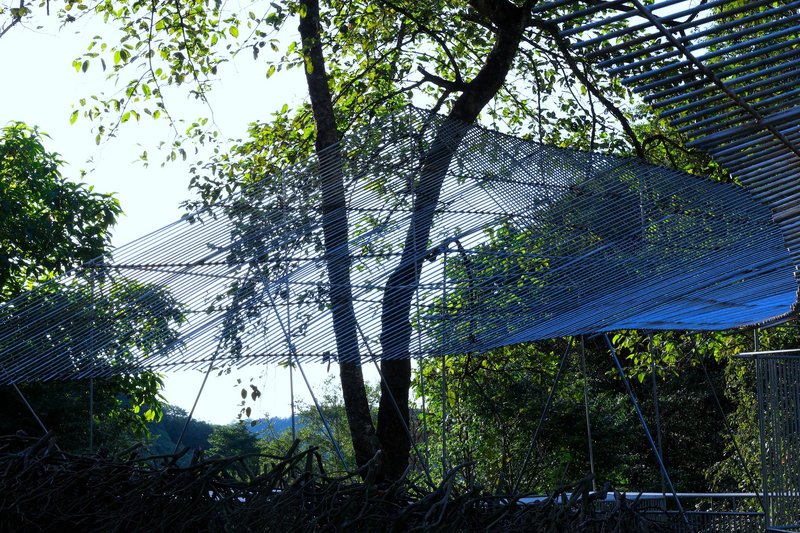
Steel rods, just 14mm in diameter and coated in silver metallic paint, were chosen as the primary structural elements. These rods mimic the slender legs of the silver pheasant, rising lightly from the forest floor and arcing into a hyperbolic curve that captures the essence of the feather’s graceful form. The result is a structure that seems to float—suspended between sky and ground.
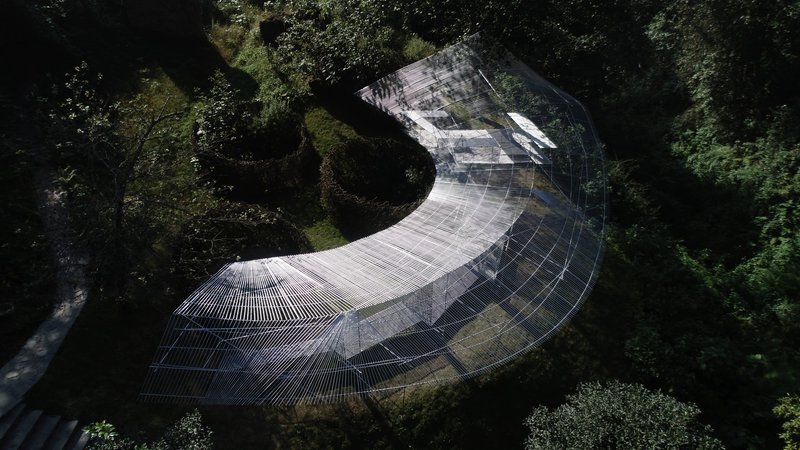
Architectural Lightness and Environmental Sensitivity
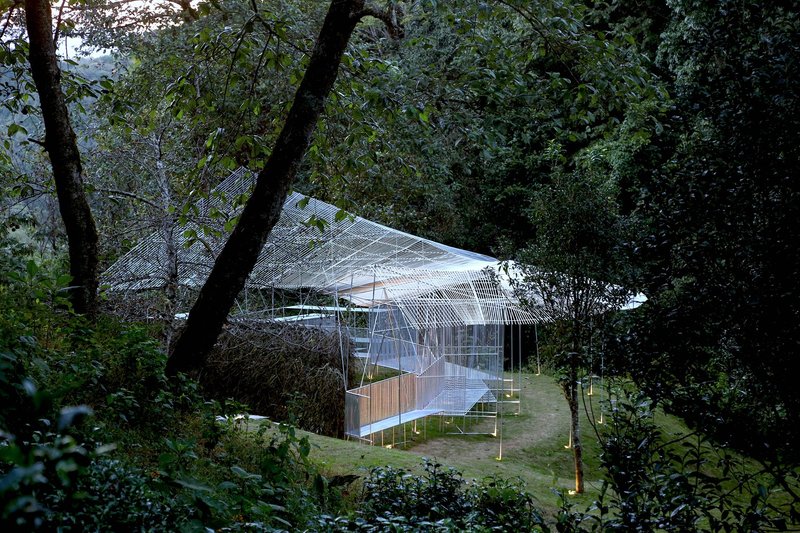
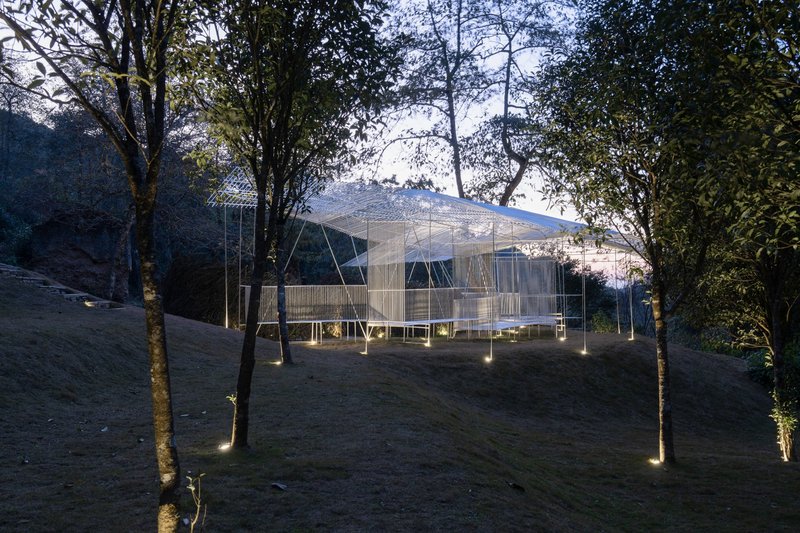
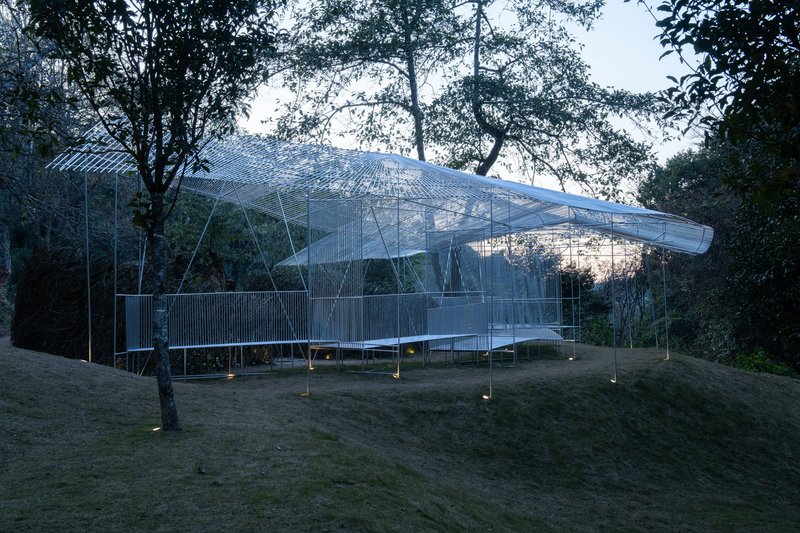
In this example of pavilion architecture in nature, the gesture is not to conquer the land but to caress it. The pavilion’s design carefully avoids interference with ancient trees, allowing the forest to remain the main character in the spatial narrative. The steel rods create a minimal footprint and allow light and air to pass freely. The tea bar and viewing platform on the southern edge act as subtle anchors, while the eastern side rises lightly, adding to the sensation of suspension.
The structure does not dominate; it listens. It listens to the whisper of trees, the shifting of clouds, the rustle of wings. And in turn, it invites its visitors to do the same.
The Pavilion as Performance and Theater
As mist rolls in from the peaks and the light changes from dawn to dusk, the pavilion performs. The galvanized steel reflects shifting colors—cool blues in the fog, warm golds at sunset, and soft yellows under artificial light. The forest becomes a stage, and the pavilion an observatory where sky, birds, leaves, and humans are both observers and performers.
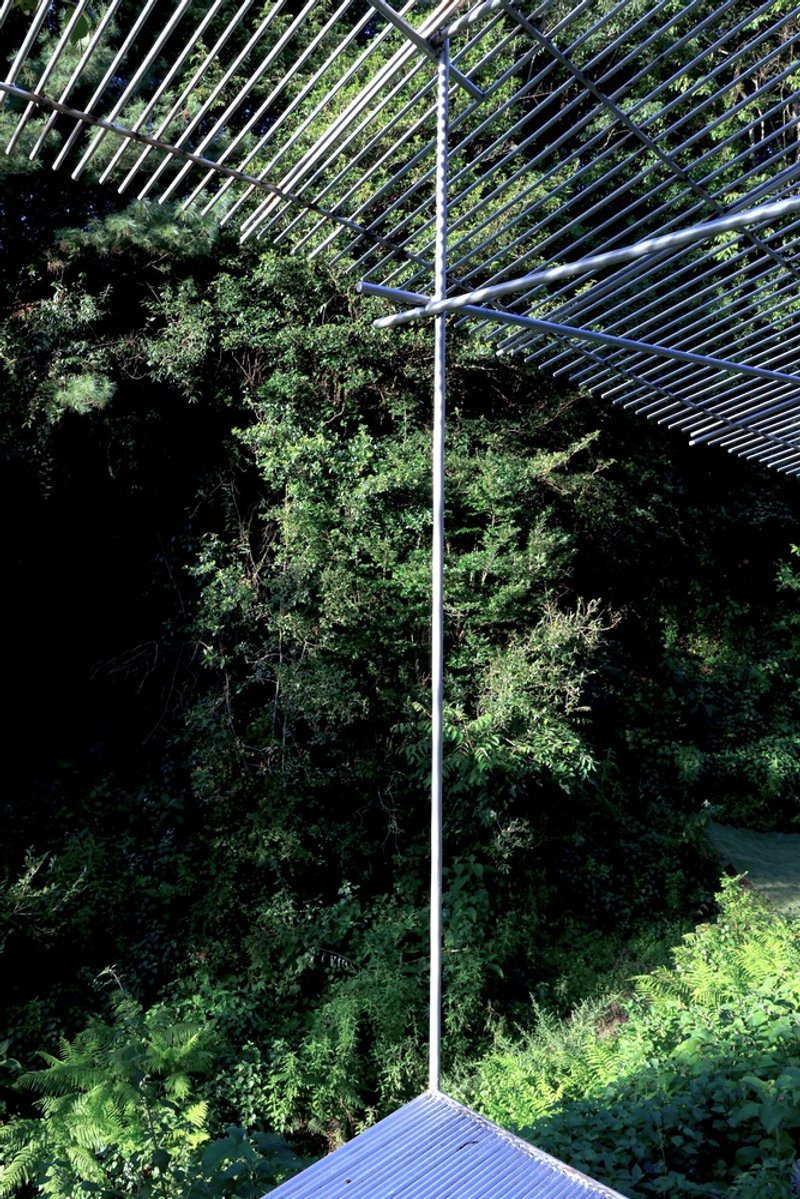
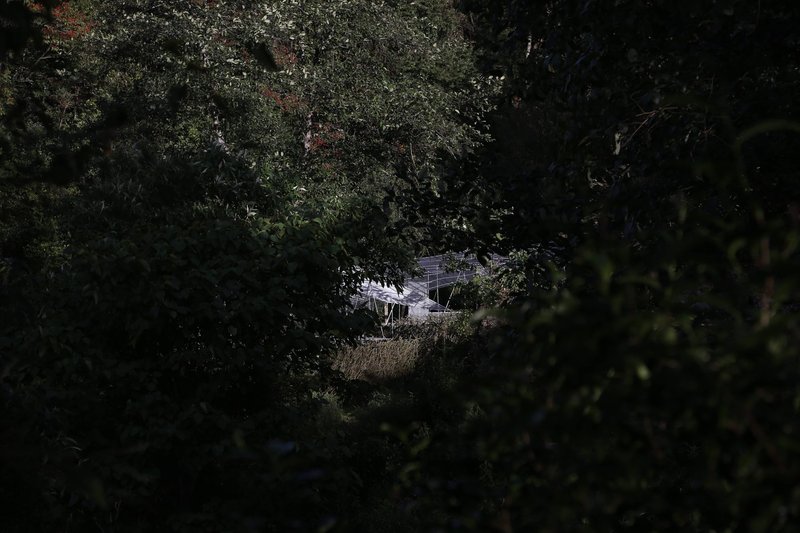
The architectural ceiling grid acts like a cinematic frame, slicing the sky above into slender vignettes and enhancing the meditative act of observation. Birdwatchers sit in silence, absorbing the spectacle of nature. But just as they observe the birds, they themselves become part of a wider, poetic performance—one where nature and architecture co-create a shared ritual of presence.
Translating the Landscape into Structure
What makes this pavilion exceptional is not merely its aesthetic grace but its deep sensitivity to site. Where once stood moss-covered foundations and broken earthen walls, now stands a pavilion that reactivates memory and landscape without erasure. It does not overwrite history; it elevates it. The design team viewed the site not as an empty slate, but as a charged, living archive of ecological and cultural meaning.
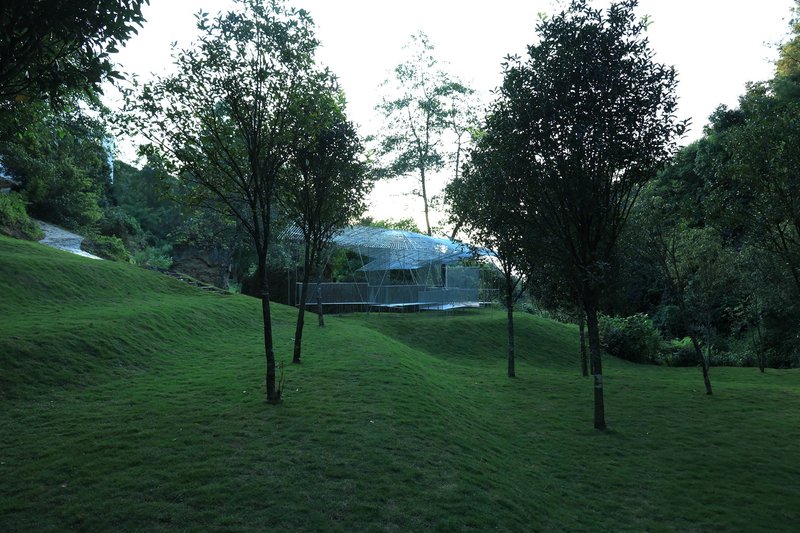
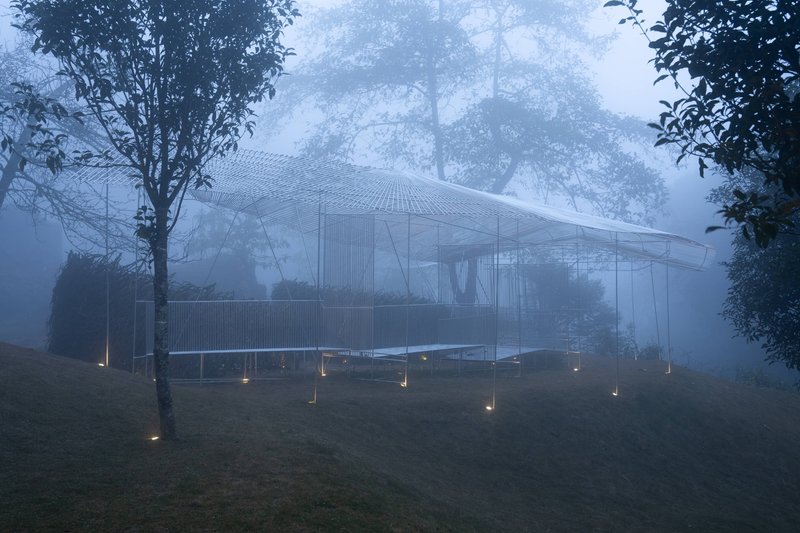
This spatial restraint is an act of respect. Instead of heavy walls and thick materials, the structure uses air, light, and line. It is an architectural drawing come to life, suspended in space and time, honoring the migratory birds that grace this land every year with their ephemeral beauty.
A Feather, a Gift, a Legacy
The Phoenix Feather Tea Pavilion is more than a built object—it is an offering. It is architecture in its most poetic form: an ephemeral gesture that quietly celebrates a thousand-year-old bird sanctuary and the forest that sustains it. Through minimalist materials, reverence for the land, and the elegance of lightness, the pavilion becomes a bridge between past and present, between human and non-human worlds.
This project exemplifies how pavilion architecture in nature can be at once restrained and expressive, functional and emotional, grounded and soaring. It asks nothing more than to be felt—and remembered, like a feather caught in flight.
All photographs are works of Archi-Translator




Popular Articles
Popular articles from the community

Fifth NRE Jazz Club – De Bever Architecten: Eindhoven’s Revitalized Cultural Hub
Historic gas factory transformed into Fifth NRE Jazz Club blending modern sustainability, jazz culture, dining, and heritage architecture seamlessly.
Inverted Architecture Installation by Studio Link-Arc: Exploring the Intersection of Architecture and Living Organisms
Inverted Architecture Installation by Studio Link-Arc blends mycelium, sustainability, inverted design, ecological cycles, and urban adaptive architecture in Shenzhen.


Split House: A Compact Urban Home Blending Privacy, Light, and Flexible Living in Japan
Compact Japanese home featuring DOMA space, flexible café potential, passive lighting, privacy zoning, and sustainable urban living design.


Similar Reads
You might also enjoy these articles

Free Architecture Competitions You Can Enter Right Now
No entry fees, real prizes. Here are the best free architecture competitions open for submissions in 2026.
Top 15 Architecture Competitions to Enter in 2026
From student-friendly idea competitions to prestigious international awards, here are the best architecture competitions open for entries in 2026. Updated regularly.

DIY & Engineering in Computational Design : Enter the BeeGraphy Design Awards
Showcase Your Creativity with Computational Design and Open Source Projects
Innovative Design Solutions: Award-Winning Projects from Recent Architecture Competitions
Exploring award-winning architectural projects shaping the future of design, sustainability, and community.


Explore Architecture Competitions
Discover active competitions in this discipline




The International Standard for Design Portfolios


The Global Benchmark for Architecture Dissertation Awards


The Global Benchmark for Graduation Excellence


Challenge to reimagine the Iron Throne
Comments (0)
Please login or sign up to add comments
No comments yet. Be the first to comment!