

Rdom 2 House: Green Roof House Design by Šercel Švec in Lužianky, Slovakia
Slovakia's Rdom 2 House by Šercel Švec unites green roof, CLT interiors, passive systems, hillside site into sustainable family living.


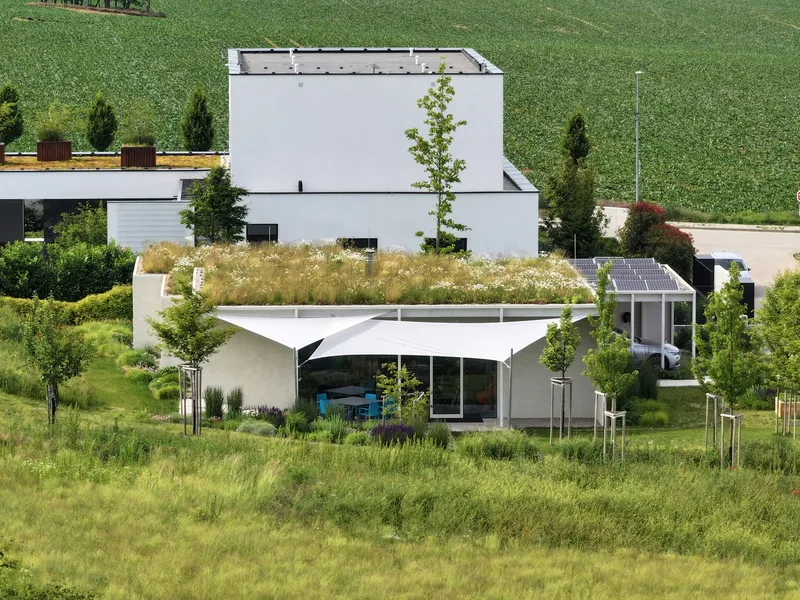
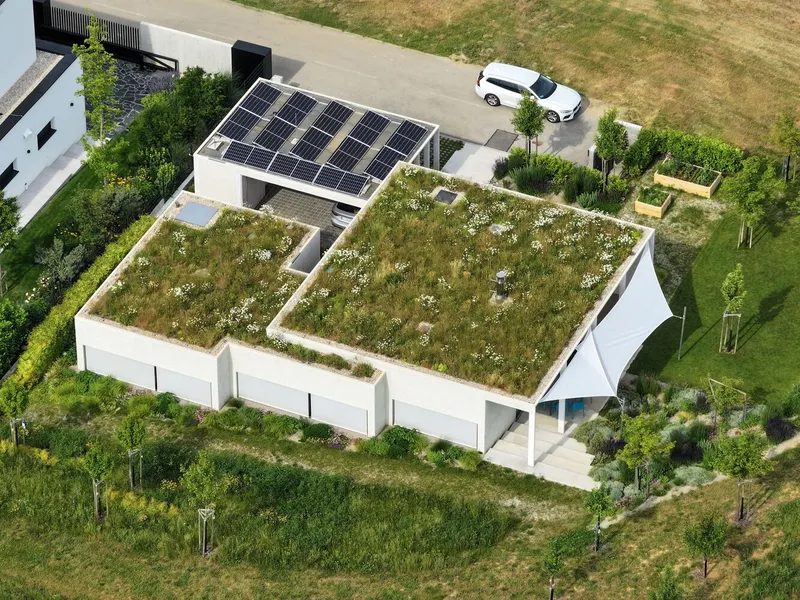
Rdom 2 House by Šercel Švec is a 266 square meter exploration of green roof house design that fuses modern minimalism, passive environmental strategy, and site-responsive planning on a sloped parcel at the edge of Lužianky near Nitra, Slovakia. Commissioned by a client seeking durable, contemporary, and eco-friendly architecture, the home pushes beyond conventional suburban typologies by embedding itself in the land, calibrating massing to orientation, and integrating active and passive systems that support long-term sustainable living.
Site And Conceptual Approach
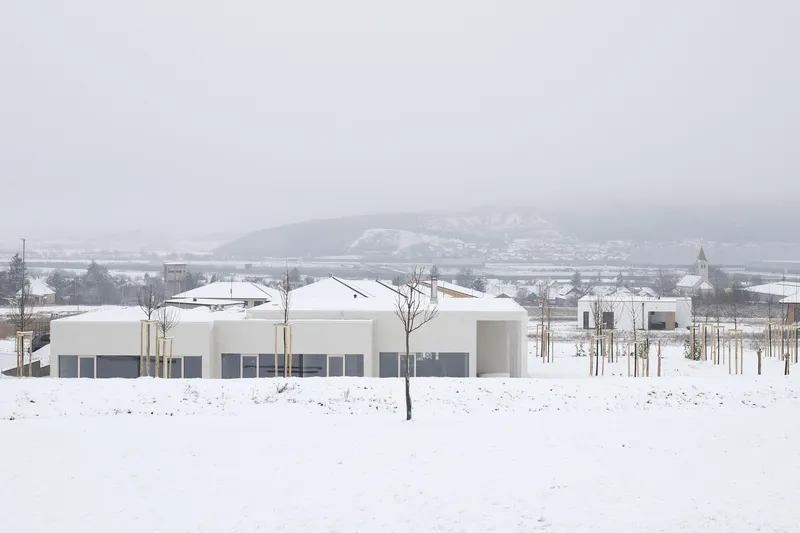
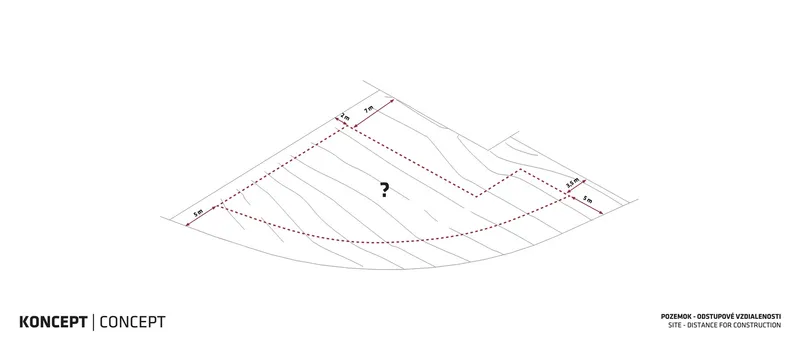
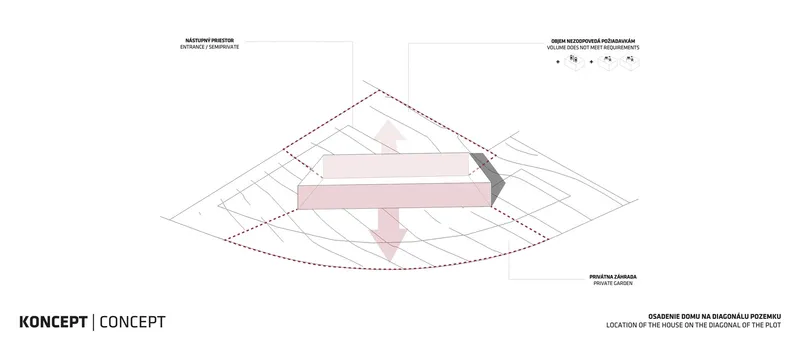
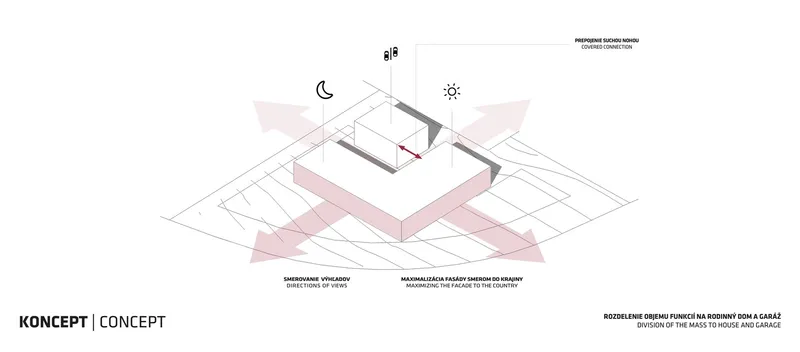
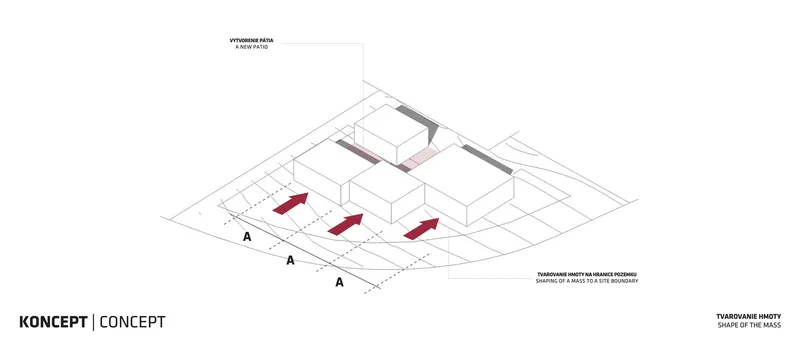
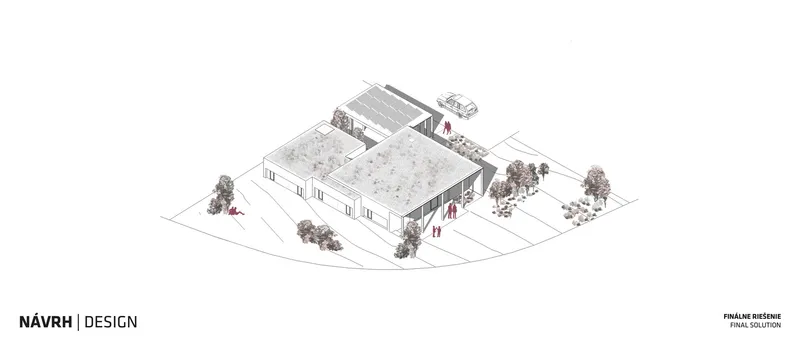
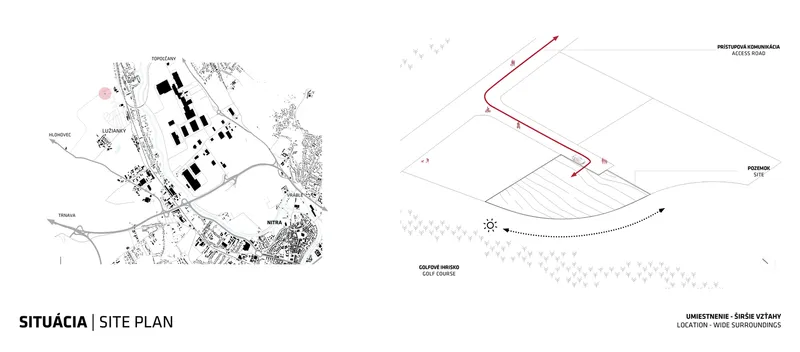
Located at the end of a quiet blind street overlooking a nearby golf course, the gently sloping site invited a low, elongated volume that cuts into grade rather than sitting atop it. The flat-roofed, single-storey mass steps and recesses in response to topography, using the earth’s thermal inertia and landscape screening to moderate exposure. From the North and East the house presents a compact, confident profile; from the South and West the form breaks apart, yielding terraces, recesses, and ground-level glazing that extend daily life outward into the garden.
Threshold Sequence And Weather Mediation
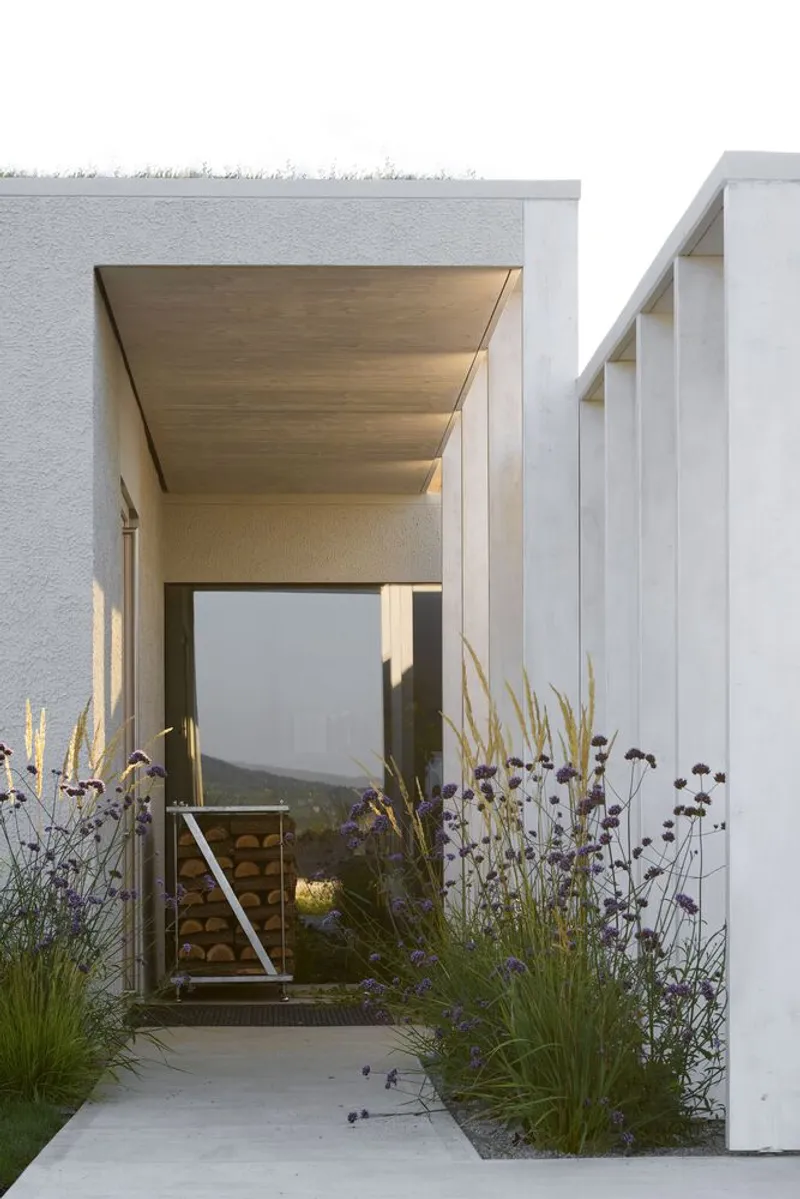
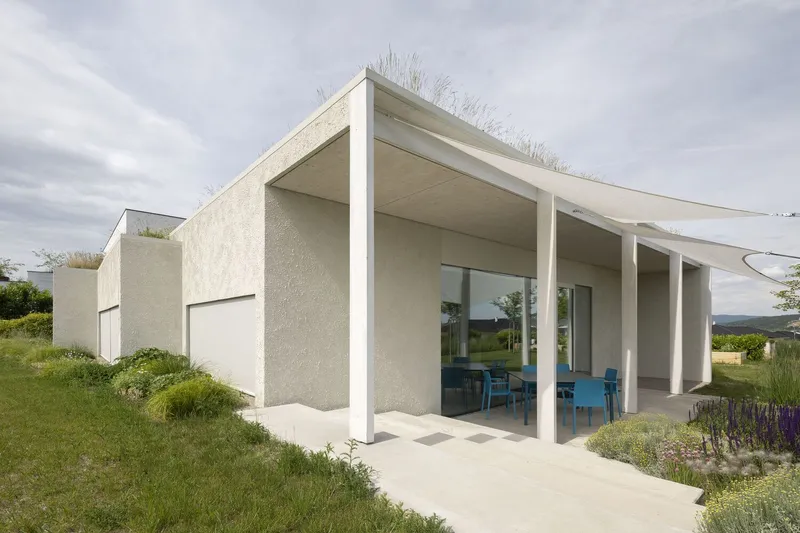
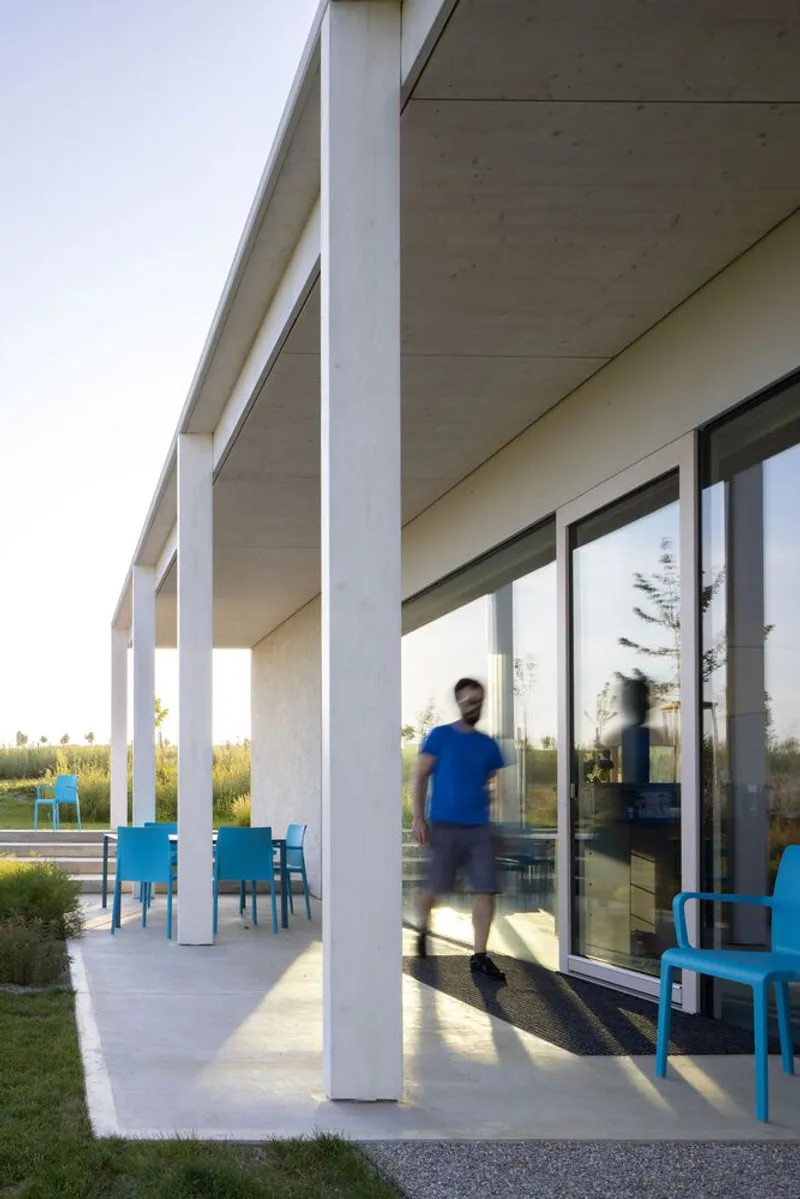
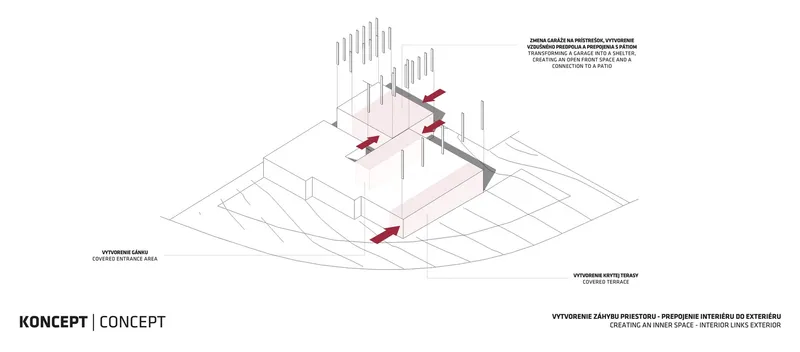
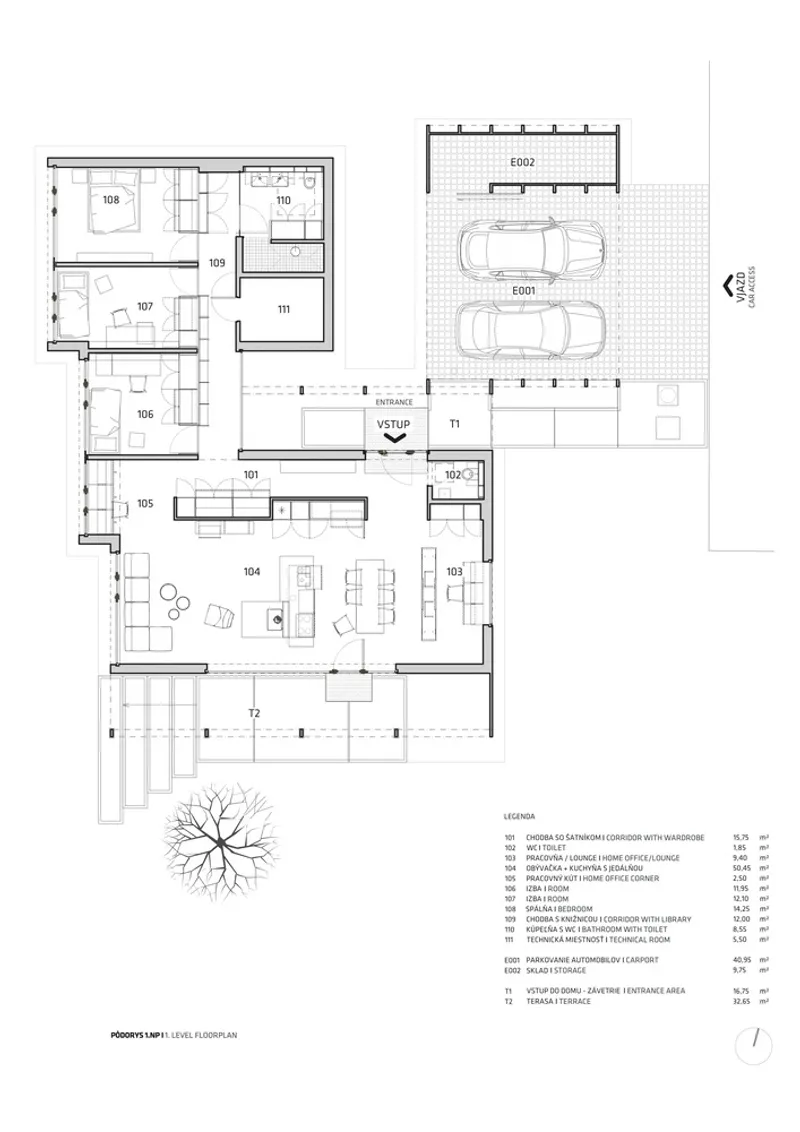
Arrival occurs from the North, where the house shifts to carve a protected entrance court linked to a detached carport and storage volume. A covered terrace binds these elements and acts as a climatic buffer—shielding from northern storms while reducing solar overload from the South through projection and shade. This intermediate outdoor threshold softens the move from street to home and sets up the project’s ongoing theme of transitional zones between interior and landscape.
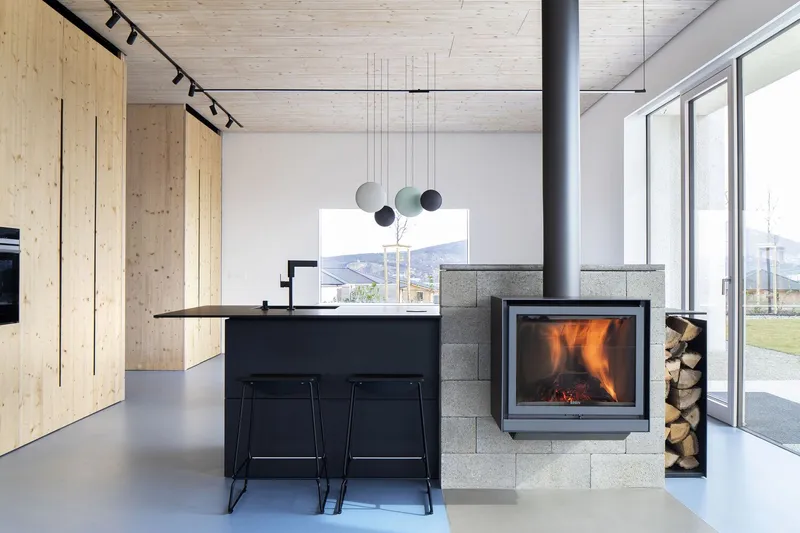
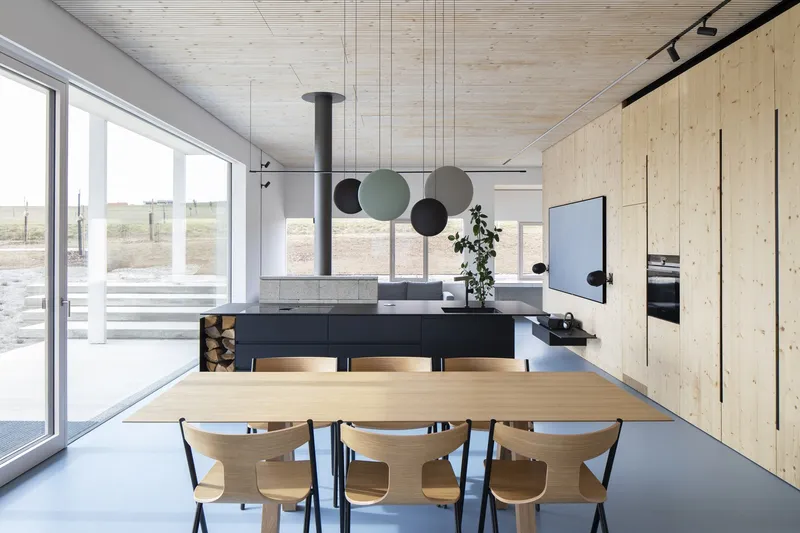
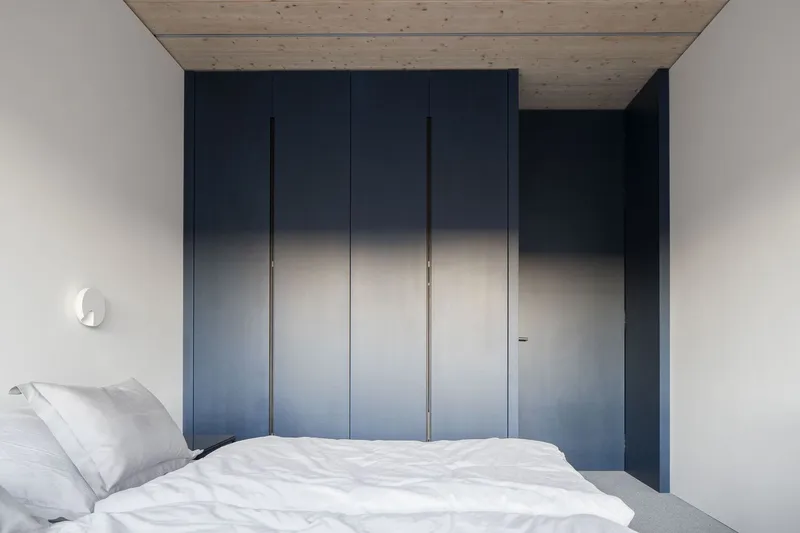
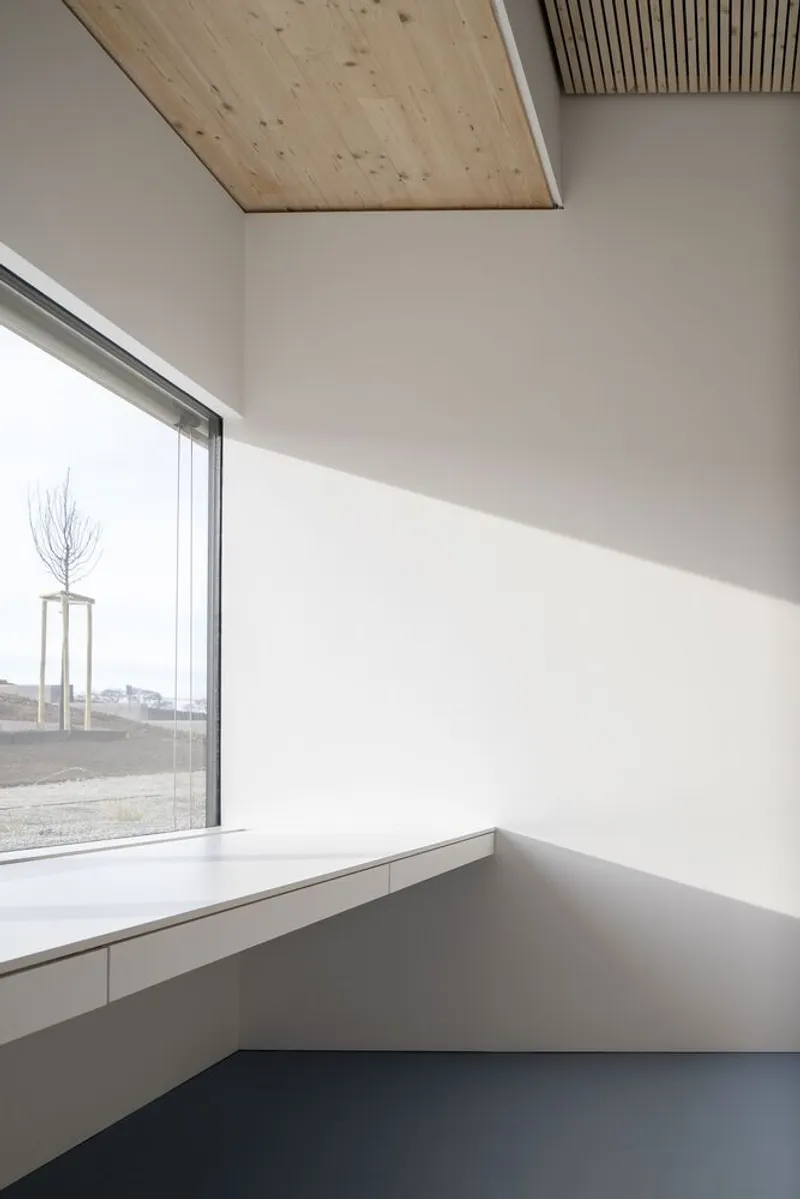
Day And Night Zones In Section And Plan
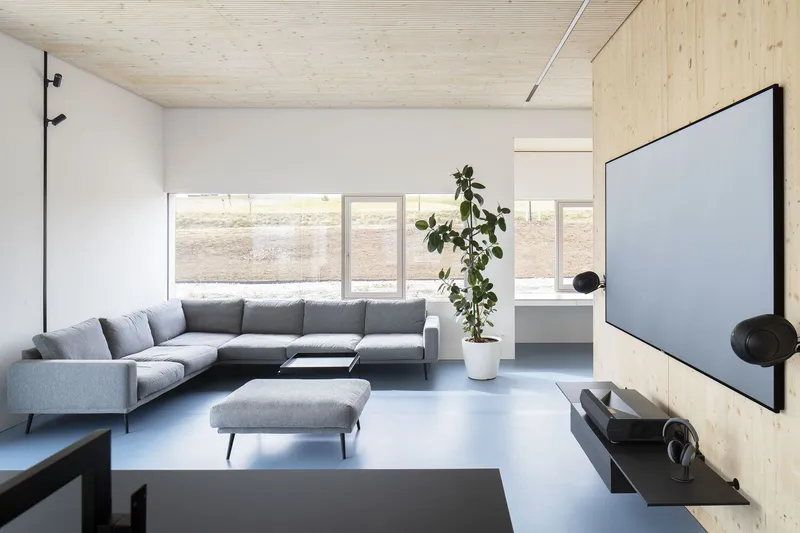
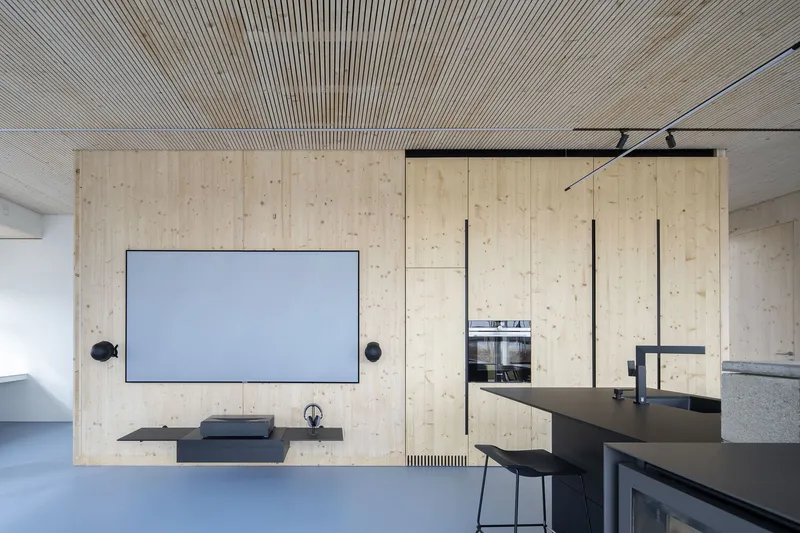
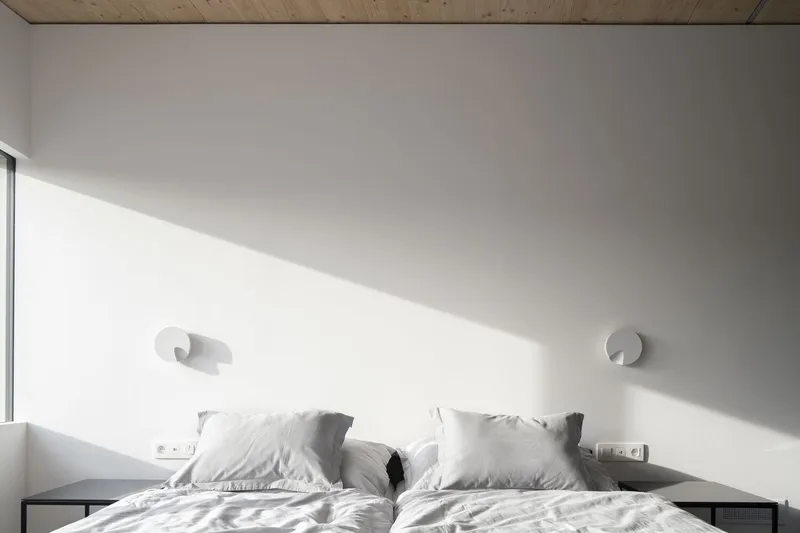
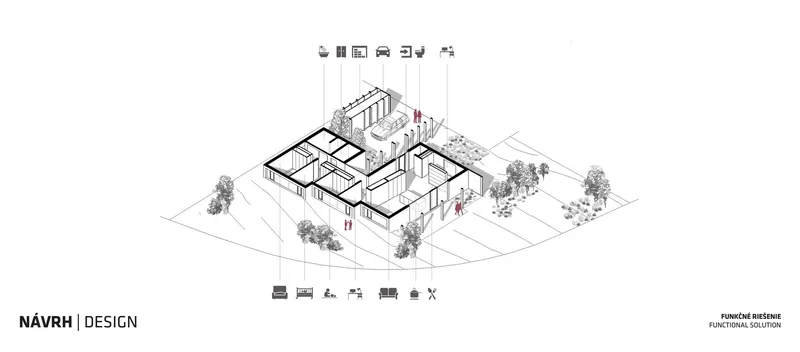
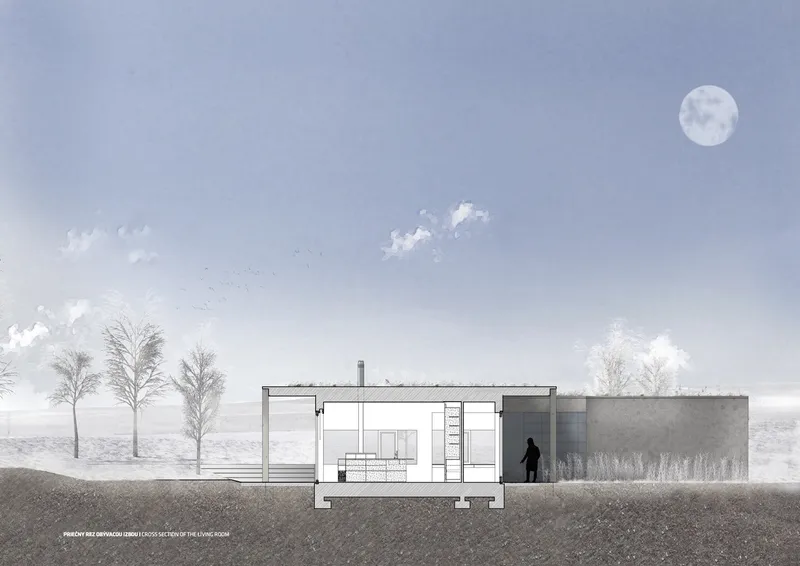
The main open interior combines entry, living, dining, kitchen, and work space in a contiguous social core with direct access to the garden. Ceiling height in this daily-use zone increases slightly relative to the rest of the house, amplifying light and volume without significant energy penalty. Private bedrooms—including the main suite and children’s rooms—orient to the West and nestle deeper into the slope, lowering the façade and using the hillside as thermal mass. A central corridor links day and night wings and also serves the main bathroom, technical room, and a library niche, creating efficient circulation without wasted hallway space.
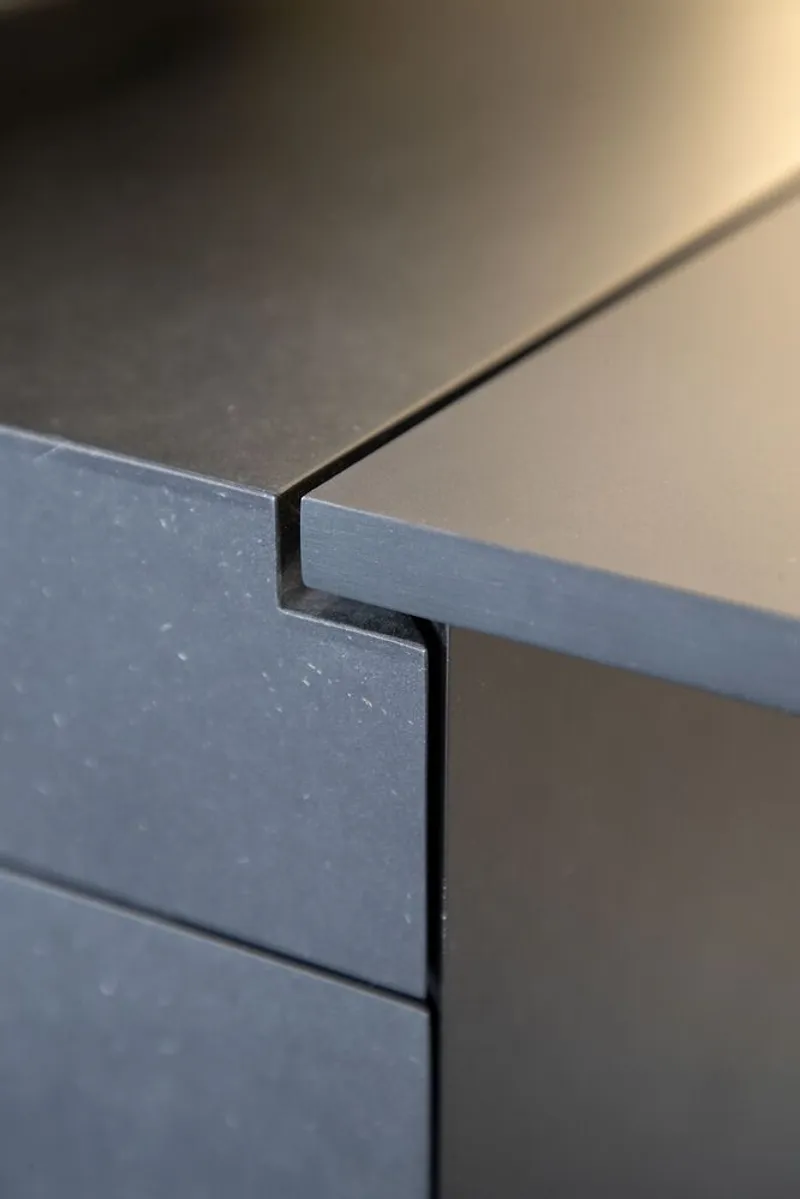
Light Management And Orientation
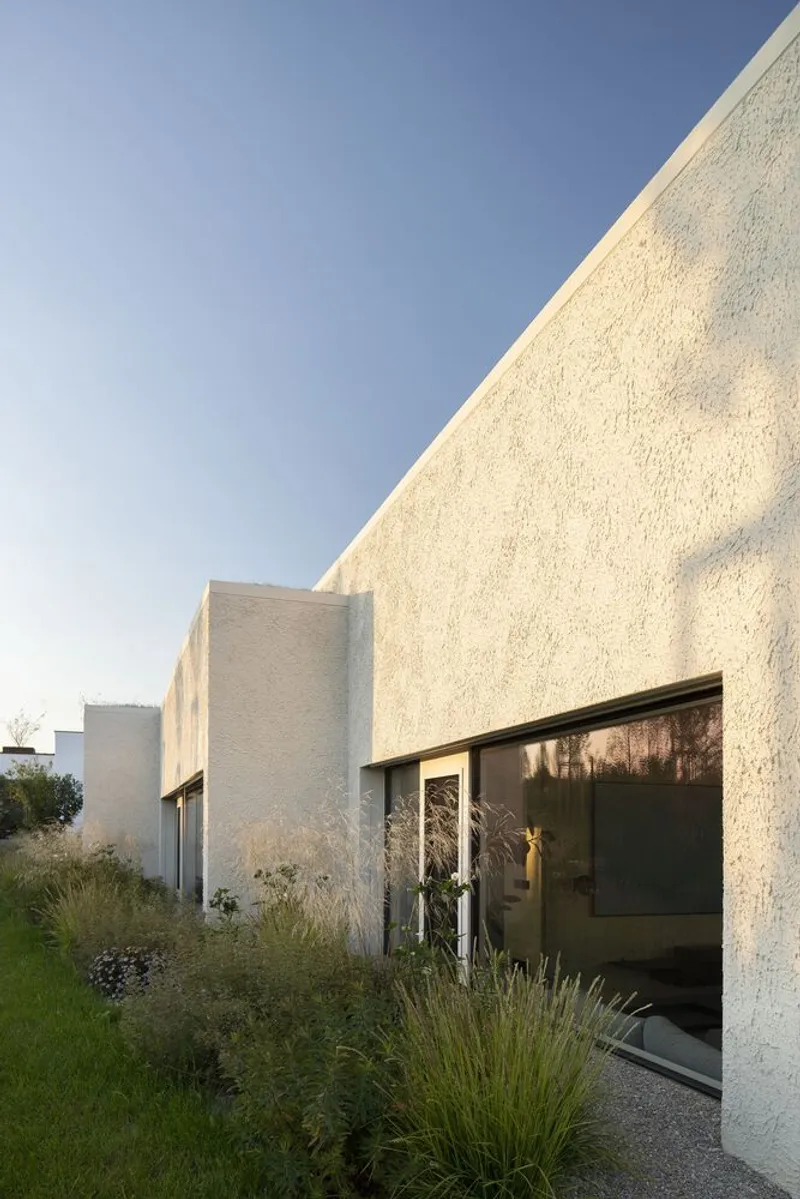
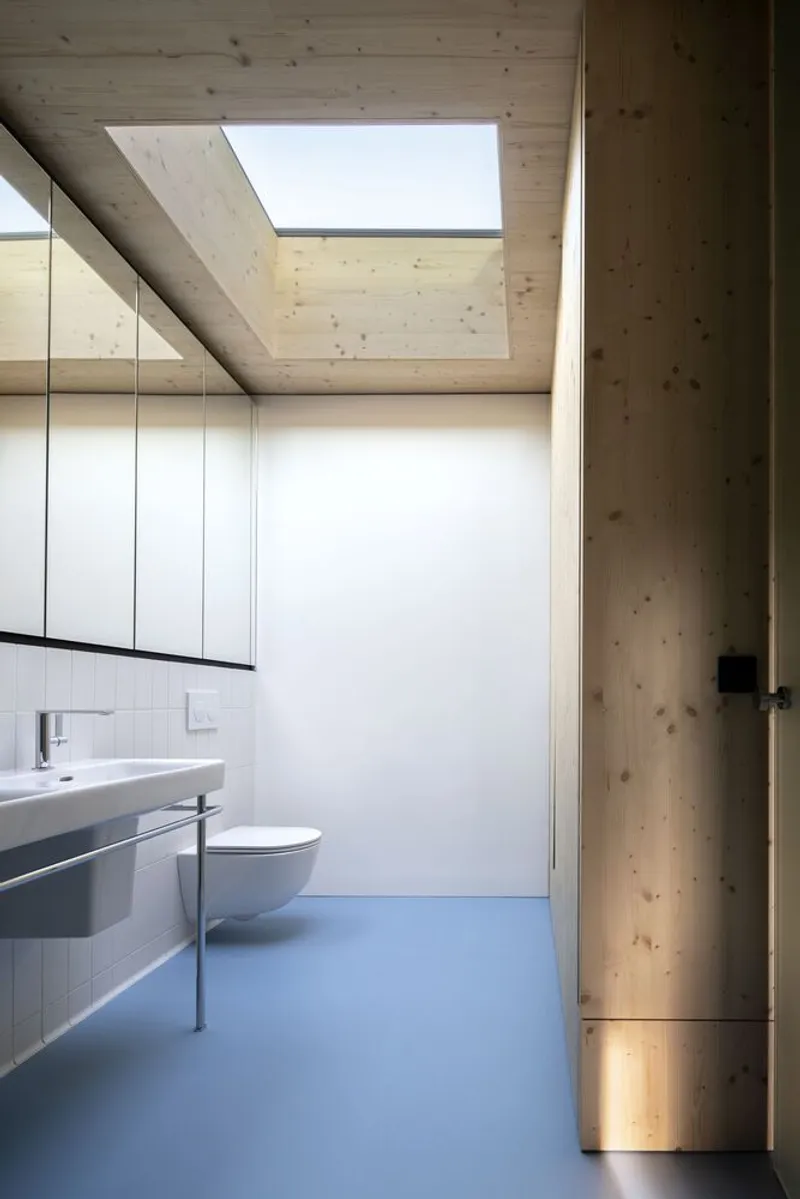
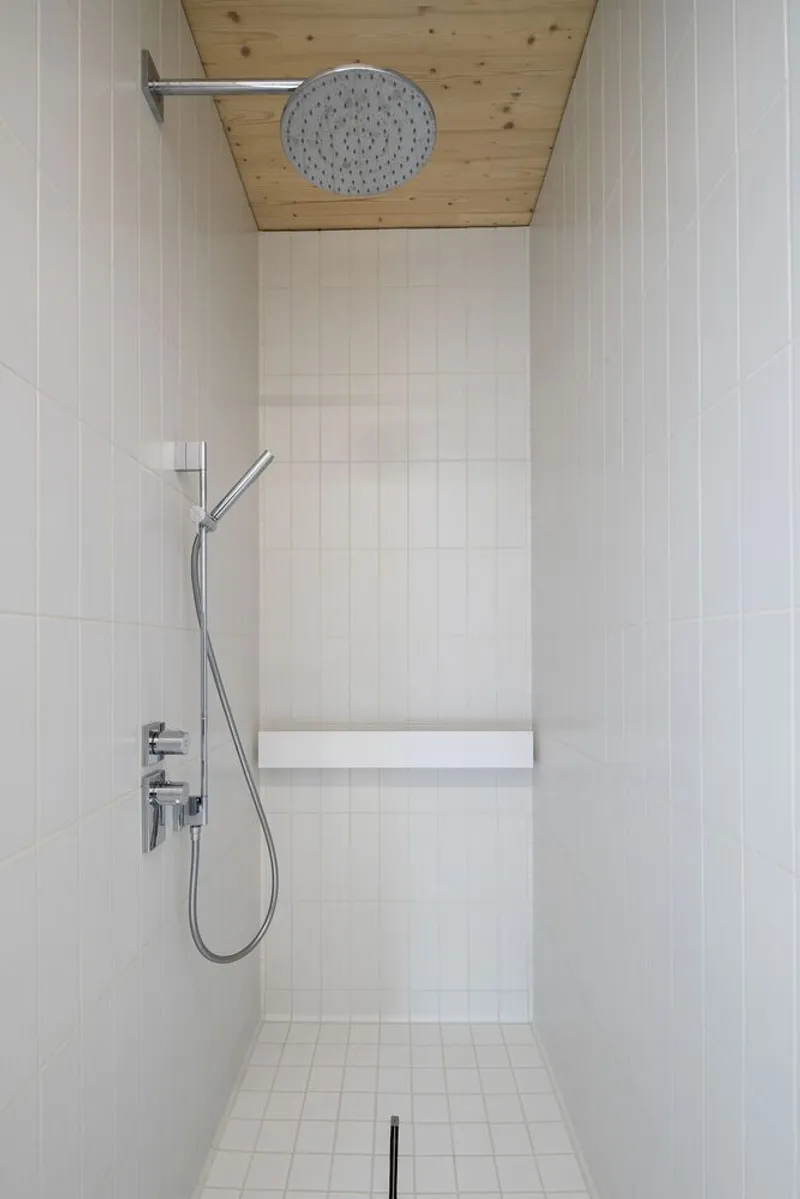
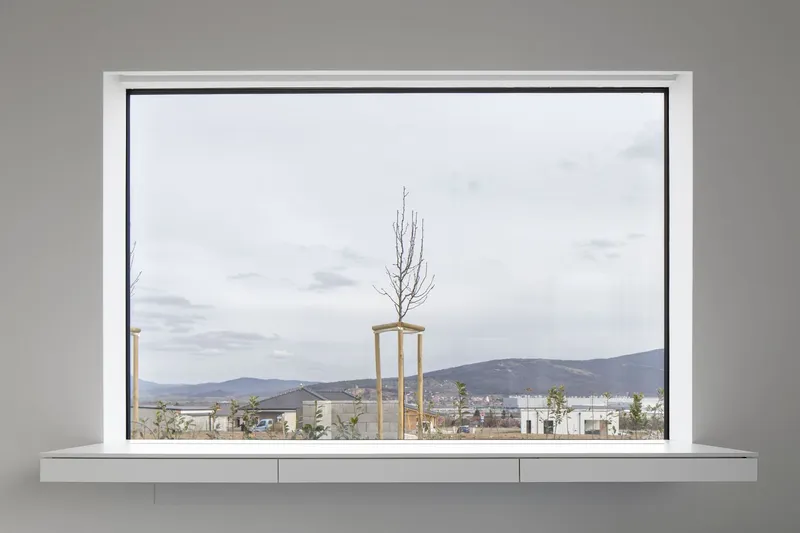
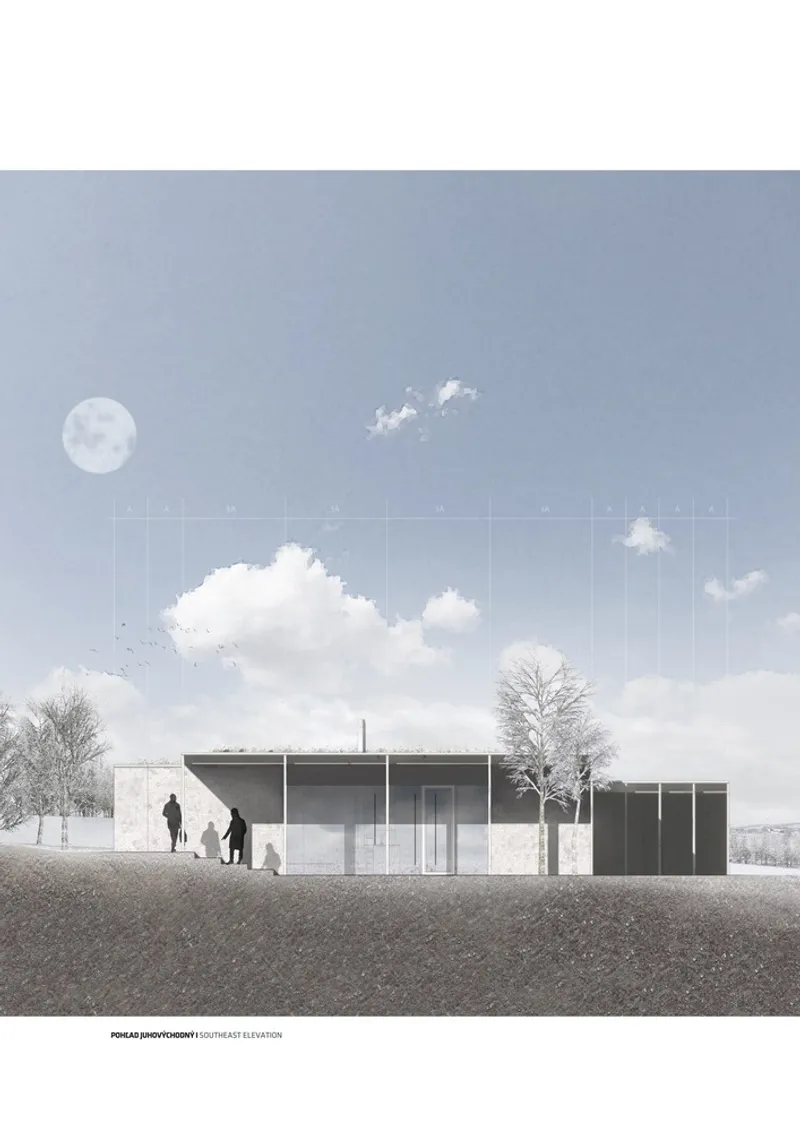
Large ground-level openings along the garden edge dissolve the boundary between interior life and landscape, while the recessed western façade tempers afternoon sun. Northern-facing service areas and bathrooms rely on skylights to secure daylight without heat gain. By modulating façade height, recess, and glazing proportion to orientation, the design reduces cooling loads and enhances visual comfort across seasons.
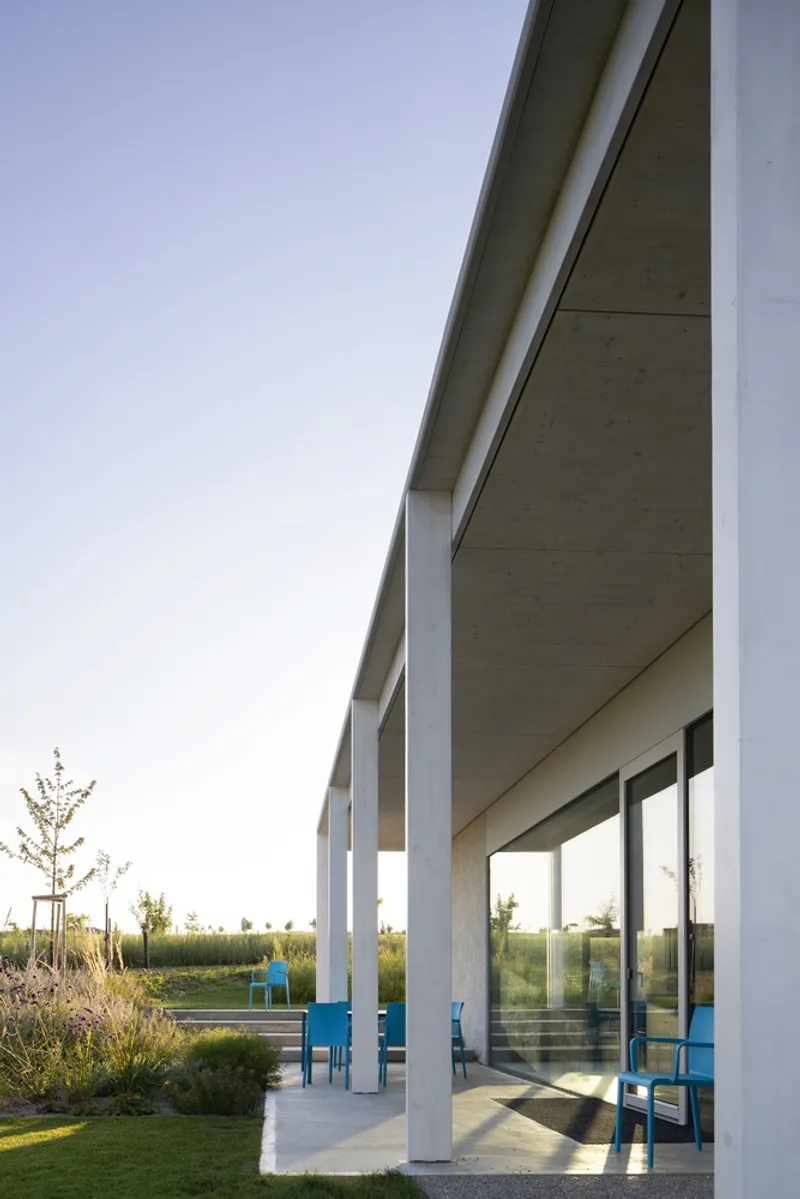
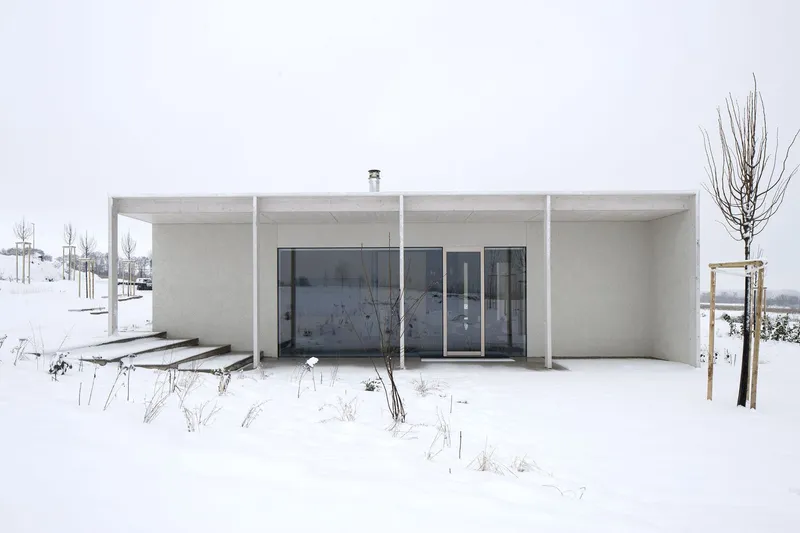
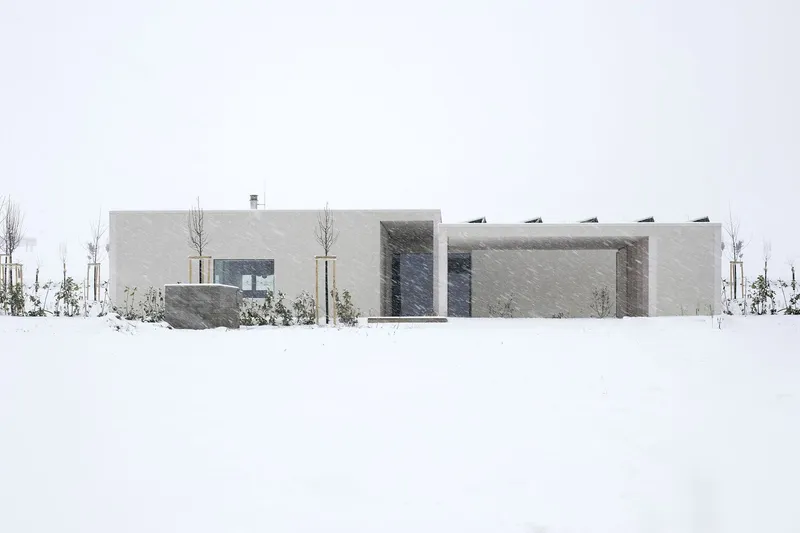
Material Language: Monochrome Outside, Warm CLT Within
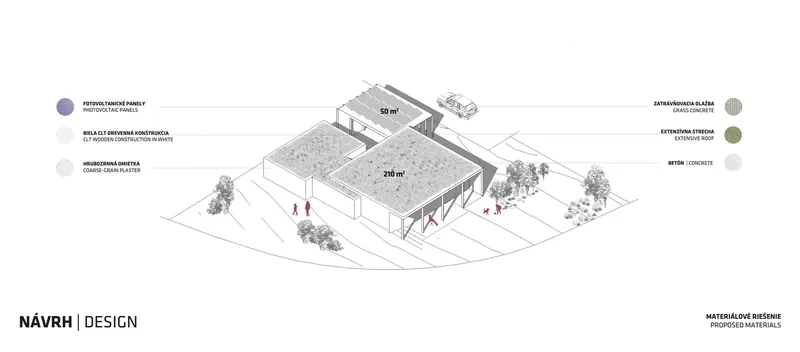
Exterior expression is deliberate and restrained. Wood, coarse plaster, and fine plaster are coordinated in a monochromatic white palette that emphasizes line, rhythm, and the volumetric gradation of the building as it steps with terrain. Surface texture shifts—rough to smooth—register depth and light across planes. Inside, contrast arrives in the warmth of exposed CLT panels, whose grain animates the otherwise disciplined interior shell. The pairing of cool, abstract exterior and tactile interior underscores the project’s dual commitment to modern form and human comfort.
Integrated Passive And Active Sustainability Systems
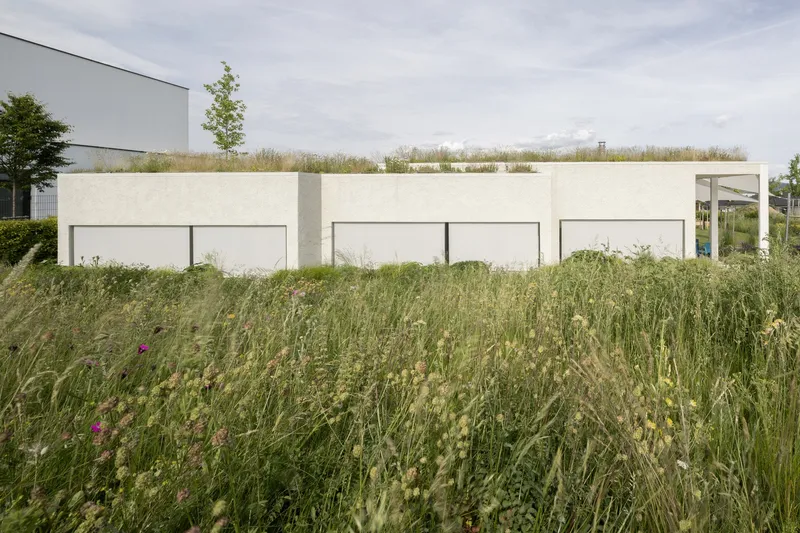
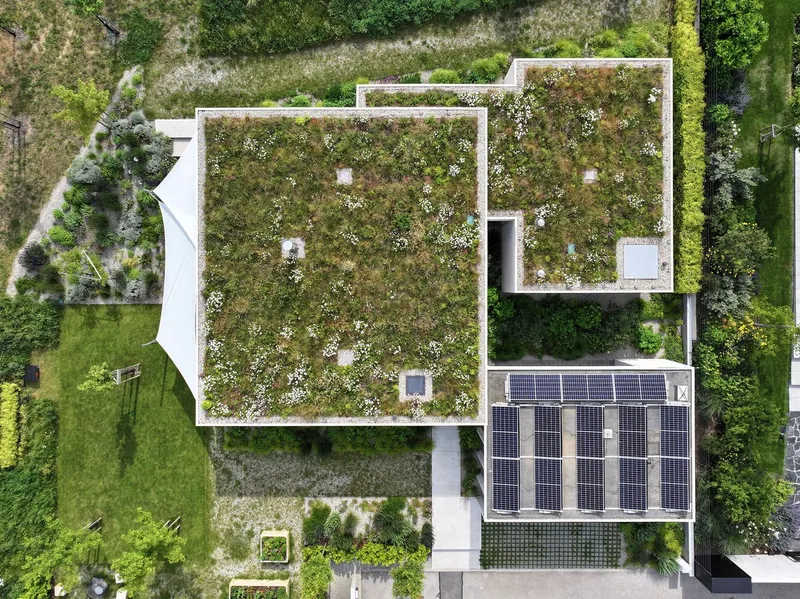
Environmental performance anchors the green roof house design strategy. Photovoltaic panels harvest on-site solar energy. A rainwater retention tank captures roof runoff for non-potable uses and landscape support. The extensive green roof—planted with grasses and perennials—improves thermal stability, especially in hot months when evapotranspiration and shading reduce roof surface temperatures. Beneath, an accumulation base plate stores thermal energy, evening out diurnal swings. Exterior screening systems manage solar gain, while mechanical ventilation with heat recovery (recuperation) draws from a ground exchanger to precondition incoming air, lowering energy demand and improving indoor air quality.

Indoor–Outdoor Continuity And Everyday Use
Direct garden contact from the main living spaces encourages year-round engagement with the landscape and extends usable living area beyond conditioned floor plates. Covered outdoor zones enable al fresco dining in varied weather; low western glazing frames ground-level views for bedrooms partially set into the slope, reinforcing connection without exposure. The result is a residence scaled to family life that lives far larger than its footprint through landscape integration.
Health, Comfort, And Longevity
The client sought not only ecological responsibility but also a healthy domestic environment. Natural materials, daylight access, controlled ventilation, and moderated temperatures contribute to interior comfort. Durable exterior finishes and regionally appropriate construction detailing support longevity with low maintenance, aligning environmental stewardship with long-term value.
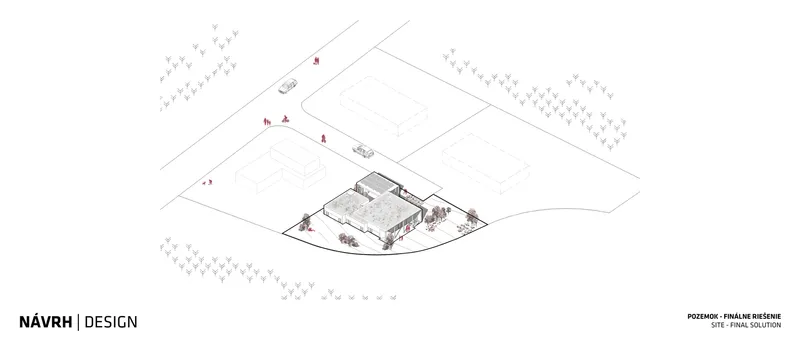
Rdom 2 House demonstrates how green roof house design can be scaled to a modest single-storey family residence without sacrificing architectural clarity or environmental performance. By cutting into the hillside, choreographing protected thresholds, differentiating day and night zones, and layering passive and active systems—from CLT interiors to photovoltaics and rainwater harvesting—Šercel Švec delivers a refined, future-ready home that is as responsive to climate and site as it is to family life.
All the photographs are works of Tomáš Manina



Popular Articles
Popular articles from the community


Lunar Spiral: Space Architecture Shaped by the Mathematics of the Universe
Lunar Spiral reimagines space architecture through Fibonacci geometry, lunar regolith, levitating habitats, and self-sustaining Moon living.

The Musturak Paradise: Senior Living Architecture for a Connected Future in Temara, Morocco
The Musturak Paradise reimagines senior living architecture in Temara via private homes, social spaces, culture, community, and shared care.

The Earth Pod: 3D Printed Homes for Resilient Refugee Communities
The Earth Pod reimagines refugee housing through 3D printed homes made from clay, combining resilience, self-sufficiency, and rapid shelter.

Co-Life: Senior Housing Design That Reconnects Older Adults With the City
Co-Life reimagines senior housing design through healing gardens, shared streets, workshops, and a sustainable community across generations.


Similar Reads
You might also enjoy these articles


FAMM Arquitectura Organizes Ten Villas Around Courtyards and Jungle in Nosara, Costa Rica
El Molino pairs two elongated volumes with deep overhangs and timber louvers to build a compact coastal community five minutes from the beach.

Oscar Niemeyer's Ibirapuera Park Pavilions Define São Paulo's Cultural Identity in Concrete and Curve
A constellation of modernist volumes set within São Paulo's most important urban park, conceived for the city's 400th anniversary in 1954.
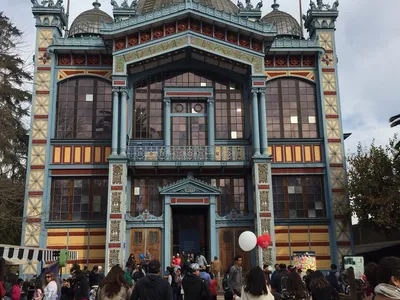
How Henri Picq's 1889 Paris Pavilion Traveled 11,000 Kilometers to Become Santiago's Artequín Museum
A prefabricated iron and glass pavilion built for the Paris Universal Exposition found a second life as a children's art museum in Chile.

Sanjay Puri Architects Wraps a Jaipur Office Tower in Capsule-Shaped Green Buffers
A nine-level climate-responsive workplace near Jaipur Airport uses stacked planter terraces and aluminium screens to fight 40°C heat.


Explore Architecture Competitions
Discover active competitions in this discipline



Challenge to reimagine the Iron Throne


Photograph architecture without architects


Illustrate the lost glory of Angkor Wat - Render Challenge


Design challenge to reuse E-waste
Comments (0)
Please login or sign up to add comments
No comments yet. Be the first to comment!