
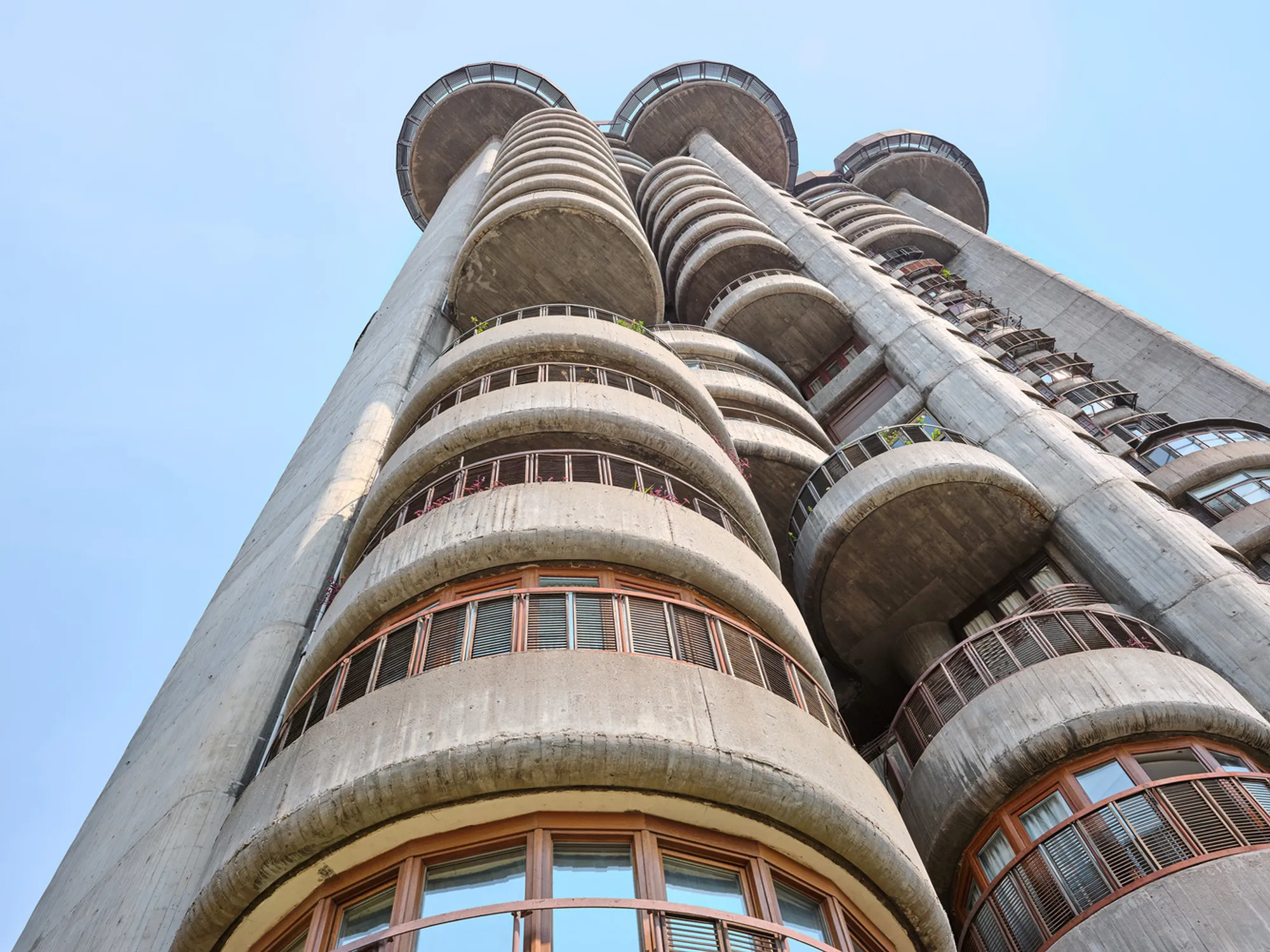
Remodeling and Rethinking White Towers by STUDIO.NOJU
Modern duplex renovation in Torres Blancas restores curves, terraces, and spatial fluidity, blending heritage preservation with contemporary living and adaptive reuse strategies.


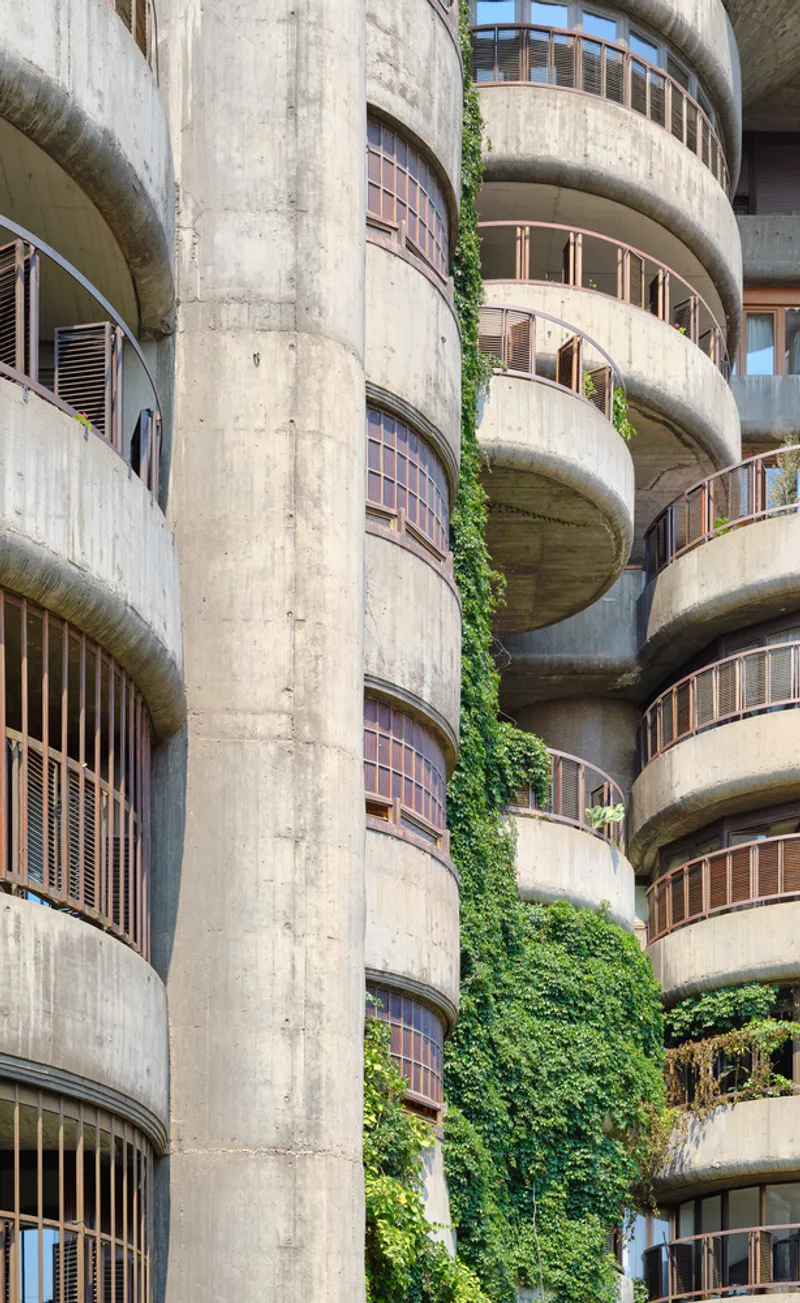
Located in the architectural landmark of Torres Blancas, the project Remodeling and Rethinking White Towers by STUDIO.NOJU redefines the meaning of architectural preservation through a bold and thoughtful renovation strategy. Designed originally by Francisco Javier Sáenz de Oíza, the building is one of Madrid’s most significant examples of organic modernism, characterized by its fluid geometries and visionary spatial concepts.
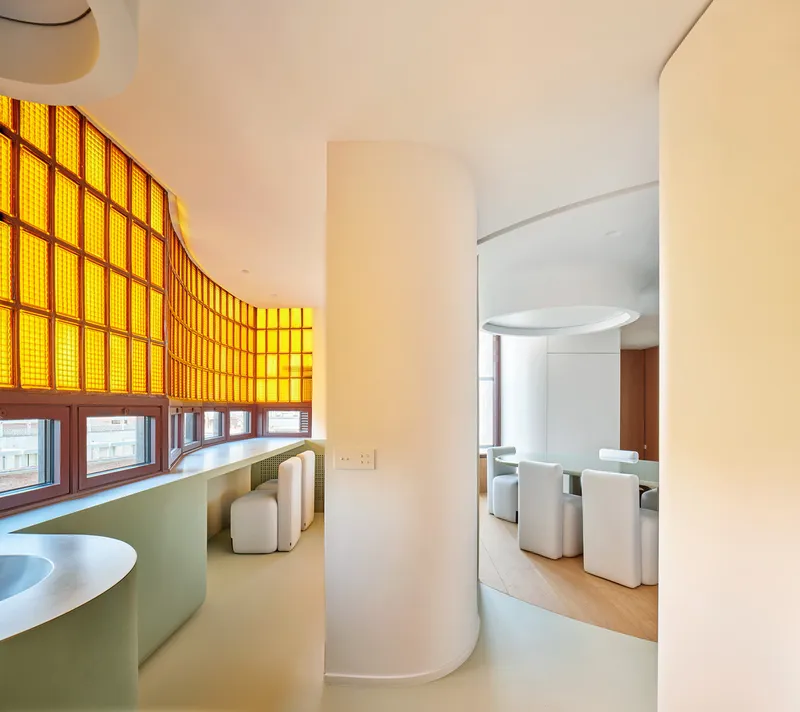

This 400 m² duplex renovation, led by architects Antonio Mora and Eduardo Tazón, explores how heritage architecture can evolve while maintaining its conceptual integrity. Rather than adopting a purely nostalgic restoration, the project embraces a progressive approach to adaptive reuse, aligning historical identity with contemporary living standards.

Reinterpreting Heritage Through Architectural Innovation
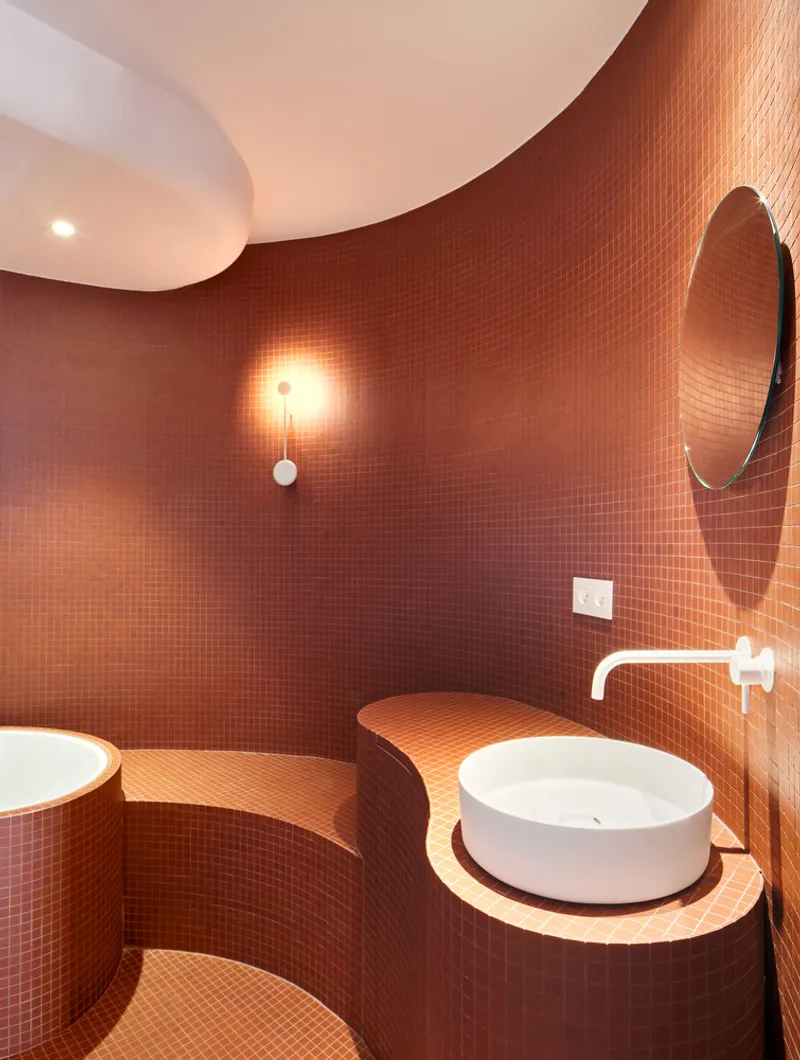
The intervention moves beyond conventional preservation techniques, which often prioritize static conservation over usability. Instead, STUDIO.NOJU focuses on reactivating the original architectural ideas embedded in the building’s DNA. The renovation reintroduces the sinuous curves that define the spatial language of Torres Blancas, forms that had been lost through decades of fragmented alterations.
This strategy reflects a broader architectural discourse: preserving not just physical elements, but the conceptual framework behind them. By doing so, the project bridges past and present, allowing the apartment to function as a contemporary living environment while retaining its historical narrative.
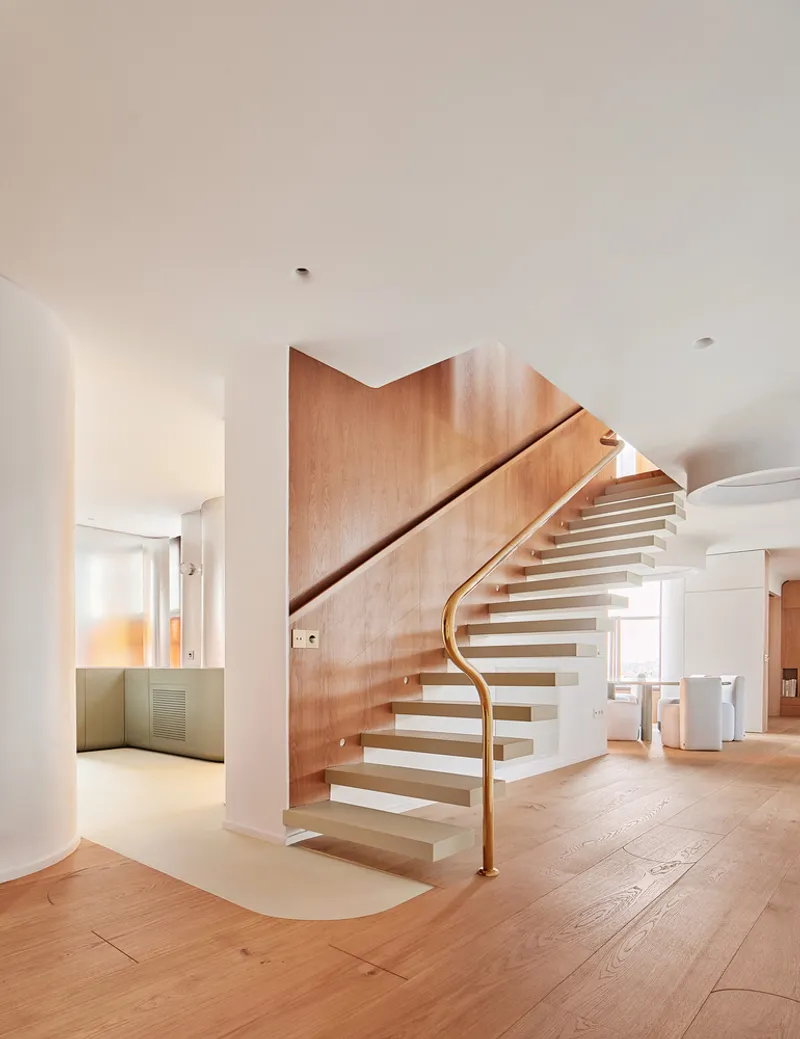
Spatial Recovery and the Return of Organic Living
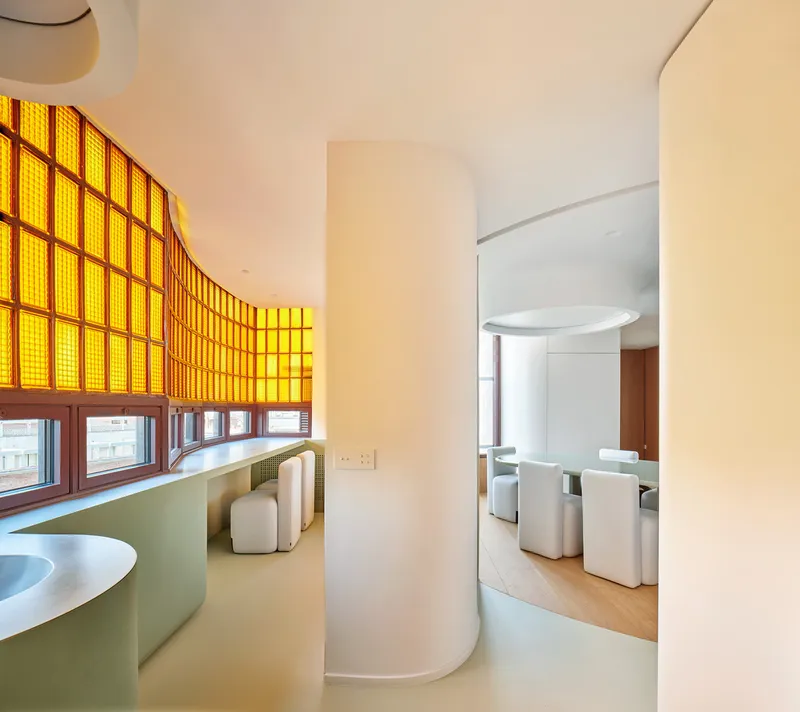
A key aspect of the renovation is the restoration of spatial continuity and fluidity. The original design’s organic circulation patterns are revived, creating interconnected spaces that enhance both functionality and experiential quality. Curved walls, natural light, and layered perspectives define the interior, echoing the building’s original philosophy of human-centered design.
Equally significant is the recovery of the apartment’s exterior spaces. Once marketed as “villas in the sky,” these units originally featured generous terraces that acted as extensions of the interior. Over time, many of these spaces were lost. STUDIO.NOJU reclaims these outdoor areas, transforming them into vibrant, livable environments that reestablish the connection between architecture and nature.
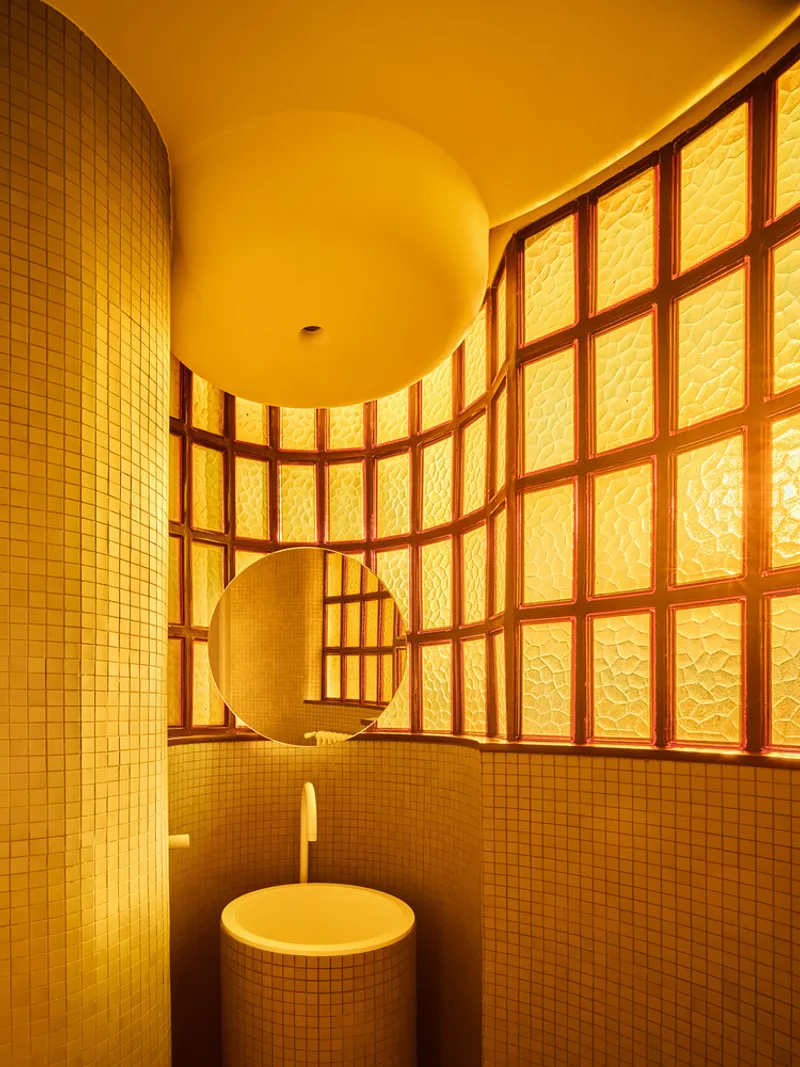

Materiality, Light, and Contemporary Expression
The material palette plays a crucial role in articulating the project’s identity. Drawing inspiration from the original construction, the architects reinterpret traditional materials through a contemporary lens. A striking green glazed mosaic becomes a defining feature in the outdoor areas, adding visual energy while referencing historic craftsmanship.
Natural light is carefully modulated through large openings and curved surfaces, creating dynamic interior atmospheres. The interplay between light, texture, and form enhances the spatial experience, reinforcing the project’s commitment to both aesthetic and functional excellence.

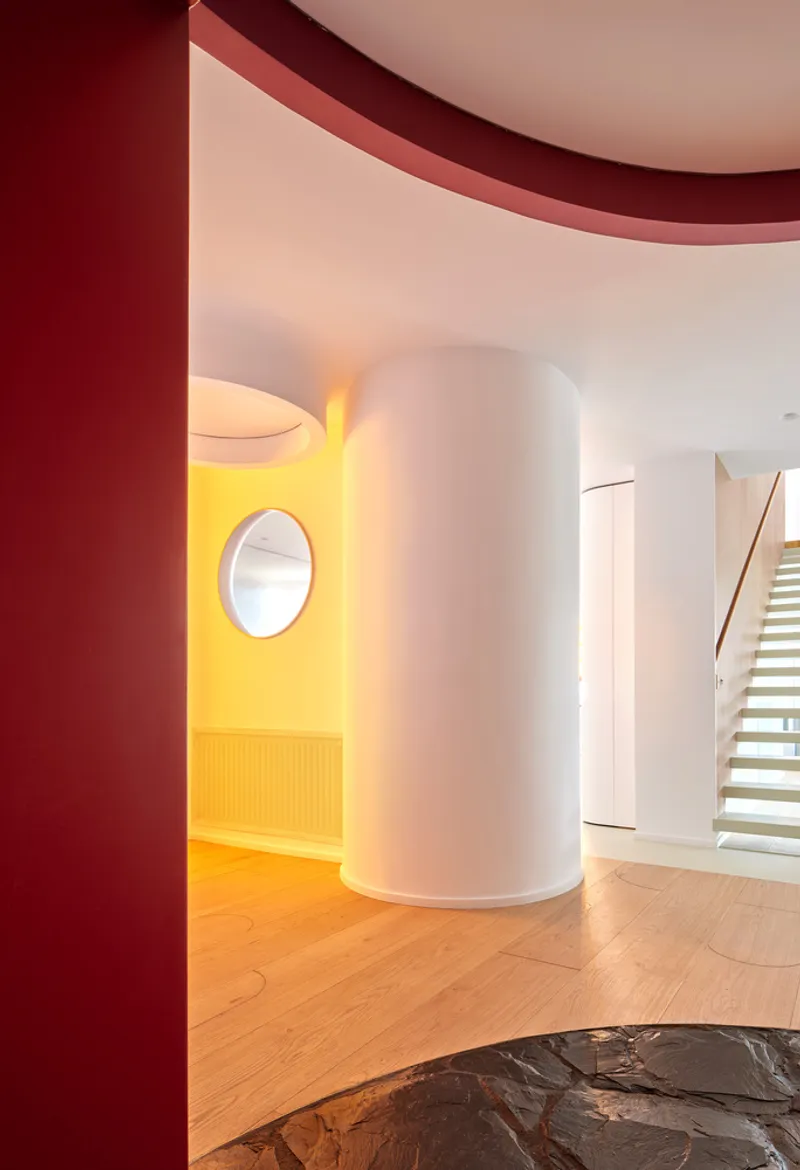
Rethinking Preservation in Modern Architecture
The renovation challenges the rigid frameworks often associated with protected buildings. As Antonio Mora suggests, excessive preservation can limit the evolution of architecture, rendering it obsolete. Instead, this project advocates for a living approach to heritage: one that allows buildings to adapt to changing social, cultural, and environmental contexts.
Eduardo Tazón further emphasizes that true preservation lies in honoring the original ideas rather than freezing physical elements in time. This philosophy positions the project within a contemporary discourse on sustainable renovation, where adaptability and innovation are essential.


A Model for Future Adaptive Reuse Projects
“Remodeling and Rethinking White Towers” stands as a compelling example of how architecture can balance conservation with transformation. By prioritizing spatial quality, material reinterpretation, and conceptual continuity, STUDIO.NOJU demonstrates a forward-thinking approach to adaptive reuse.
The project not only revitalizes a historic apartment but also contributes to a broader understanding of how modernist heritage can remain relevant in today’s urban context. It highlights the importance of flexibility, creativity, and critical thinking in architectural renovation, setting a benchmark for future interventions in protected buildings.
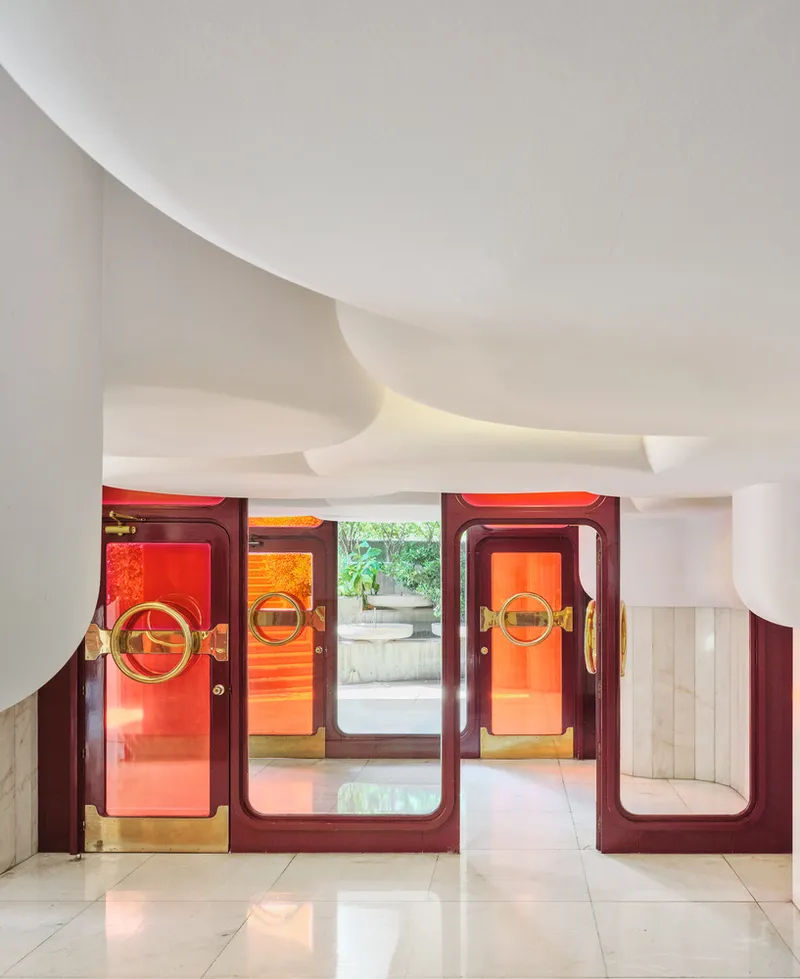
All photographs are works of
Jose Hevia



Popular Articles
Popular articles from the community


Riyadh For All: Intergenerational Urban Design for Active Aging in Rabat
Riyadh For All reimagines urban design in Rabat with intergenerational co-living, adaptive courtyards, and Moroccan cultural exchange today.

The Earth Pod: 3D Printed Homes for Resilient Refugee Communities
The Earth Pod reimagines refugee housing through 3D printed homes made from clay, combining resilience, self-sufficiency, and rapid shelter.

Co-Life: Senior Housing Design That Reconnects Older Adults With the City
Co-Life reimagines senior housing design through healing gardens, shared streets, workshops, and a sustainable community across generations.
EW PARK: Sustainable Architecture Reimagines the Future of Urban Parking
EW PARK reimagines city parking as a modular wooden tower combining automation, solar energy, electric mobility, and adaptable urban design.

Similar Reads
You might also enjoy these articles

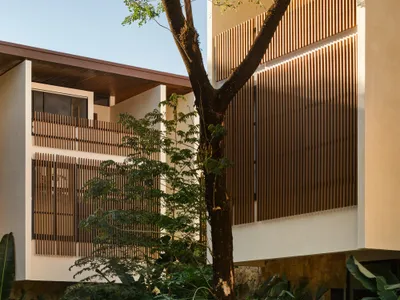
FAMM Arquitectura Organizes Ten Villas Around Courtyards and Jungle in Nosara, Costa Rica
El Molino pairs two elongated volumes with deep overhangs and timber louvers to build a compact coastal community five minutes from the beach.
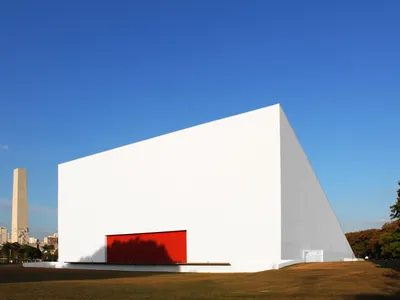
Oscar Niemeyer's Ibirapuera Park Pavilions Define São Paulo's Cultural Identity in Concrete and Curve
A constellation of modernist volumes set within São Paulo's most important urban park, conceived for the city's 400th anniversary in 1954.
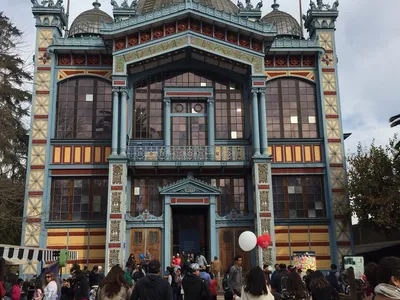
How Henri Picq's 1889 Paris Pavilion Traveled 11,000 Kilometers to Become Santiago's Artequín Museum
A prefabricated iron and glass pavilion built for the Paris Universal Exposition found a second life as a children's art museum in Chile.
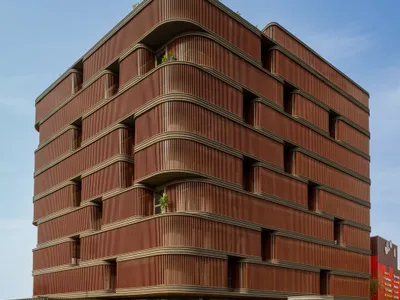
Sanjay Puri Architects Wraps a Jaipur Office Tower in Capsule-Shaped Green Buffers
A nine-level climate-responsive workplace near Jaipur Airport uses stacked planter terraces and aluminium screens to fight 40°C heat.

Explore Interior Design Competitions
Discover active competitions in this discipline


Challenge to design luxury tourism on rails


Challenge to reimagine the Iron Throne


Photograph architecture without architects


VR headsets Storefront design competition
Comments (0)
Please login or sign up to add comments
No comments yet. Be the first to comment!