

Restaurant Pavilion Sahabat Selojene: Redefining Terracotta Architecture in Salatiga
Restaurant Pavilion Sahabat Selojene in Salatiga reimagines terracotta architecture with sustainable design, cultural craftsmanship, and integration with lush gardens.


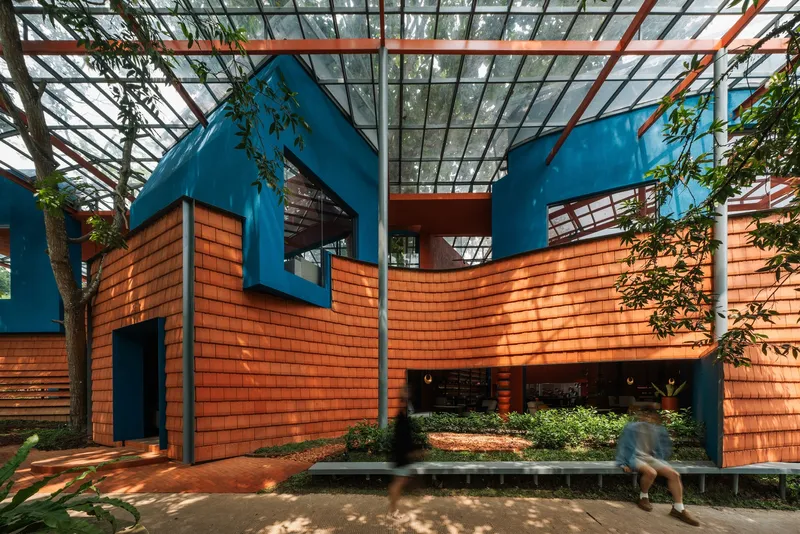
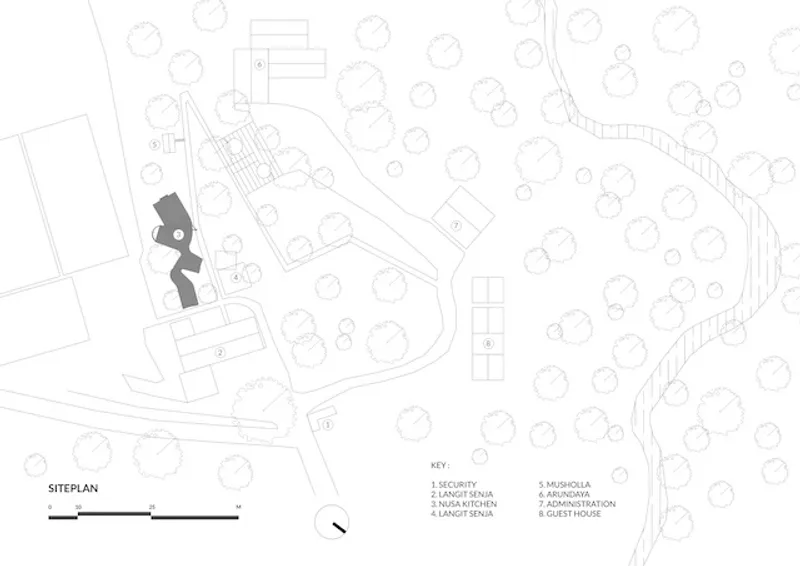
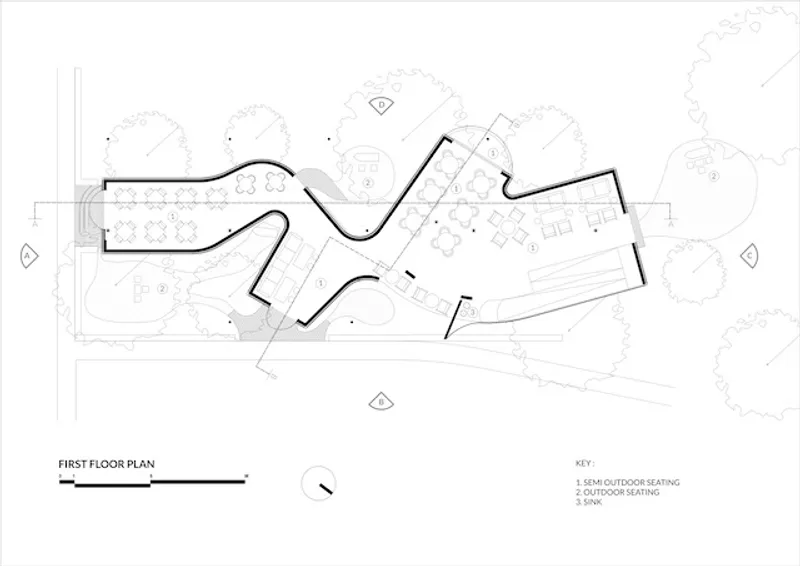
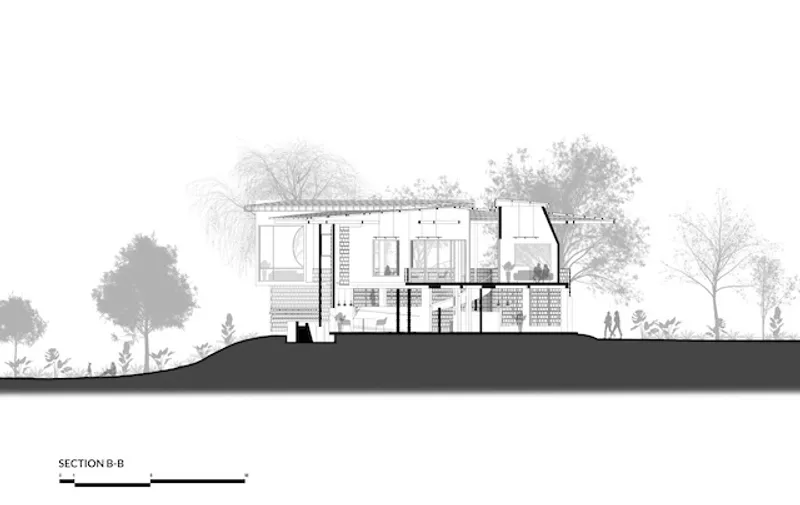
The Restaurant Pavilion Sahabat Selojene in Salatiga, Indonesia, is a bold reinterpretation of terracotta architecture within a lush natural setting. Designed as part of the Bumi Kayom complex, the pavilion spans 1,100 m² across two floors, offering a semi-open dining experience that bridges Eastern and Western culinary traditions. Its innovative use of terracotta tiles transforms traditional building material into a striking contemporary facade, making it a landmark in the town’s architectural and cultural landscape.


A Bold Terracotta Facade
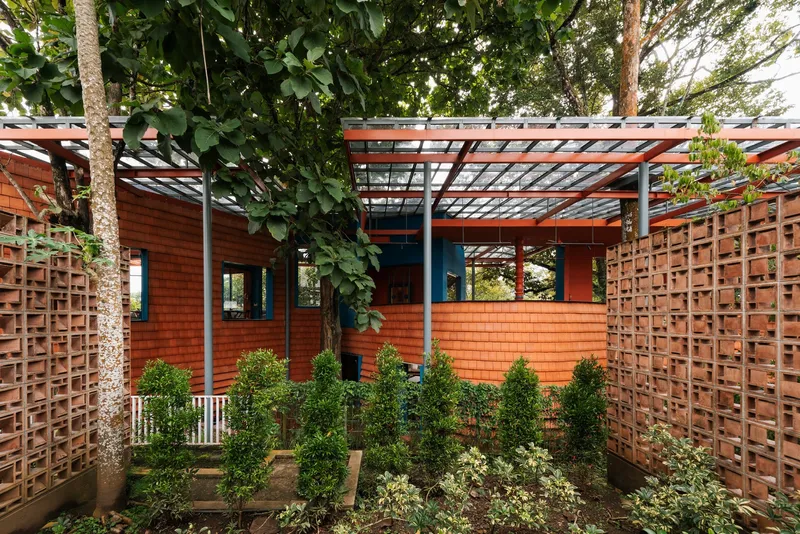
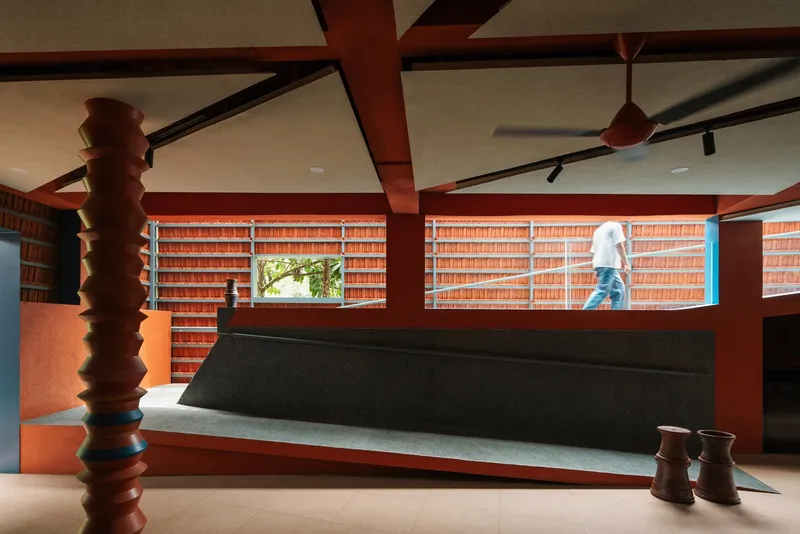
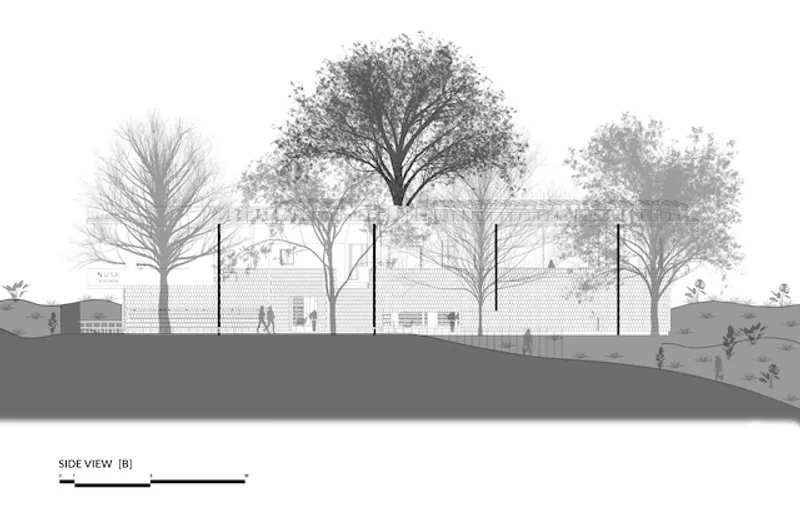
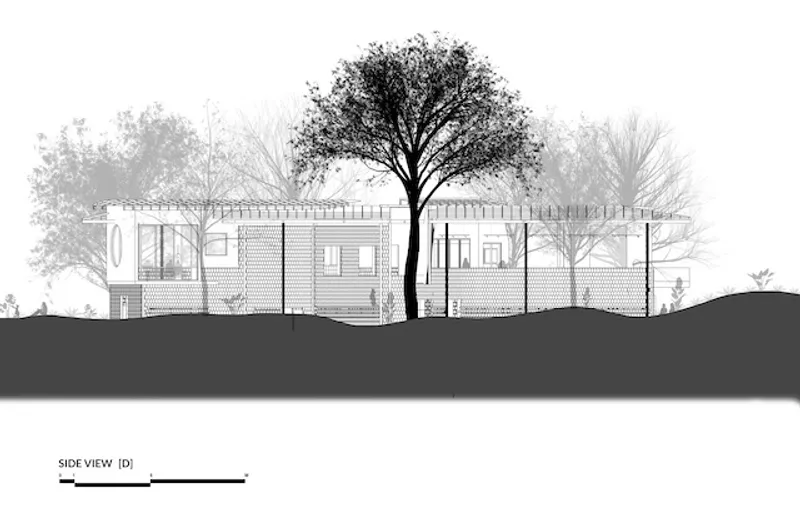
The pavilion’s defining feature is its extensive use of terracotta tiles, with nearly 10,000 pieces applied across the exterior. Traditionally used for roofing in tropical climates, terracotta here becomes an expressive facade, supported by steel frameworks that bring texture and rhythm to the building. On the second floor, an azure blue wall contrasts with the terracotta tones, adding a refined contemporary touch that distinguishes the pavilion within the Bumi Kayom complex.



Integrating Nature with Architecture
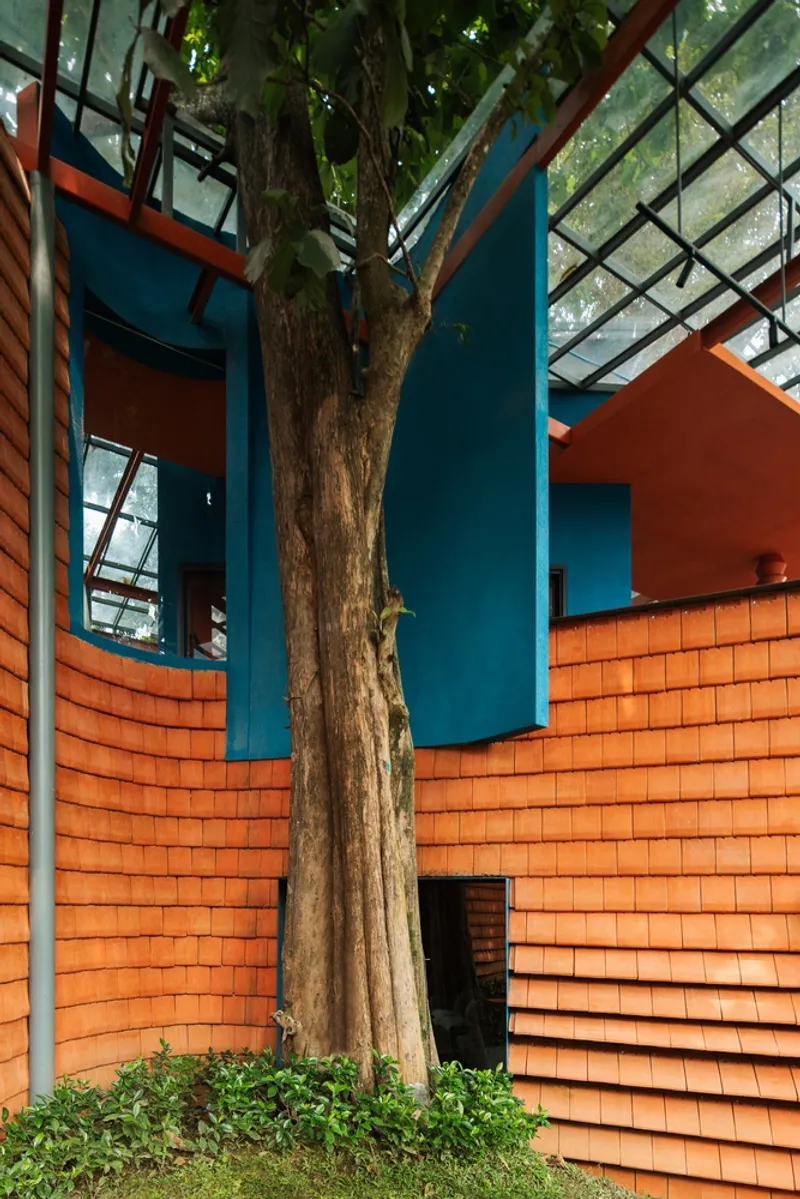
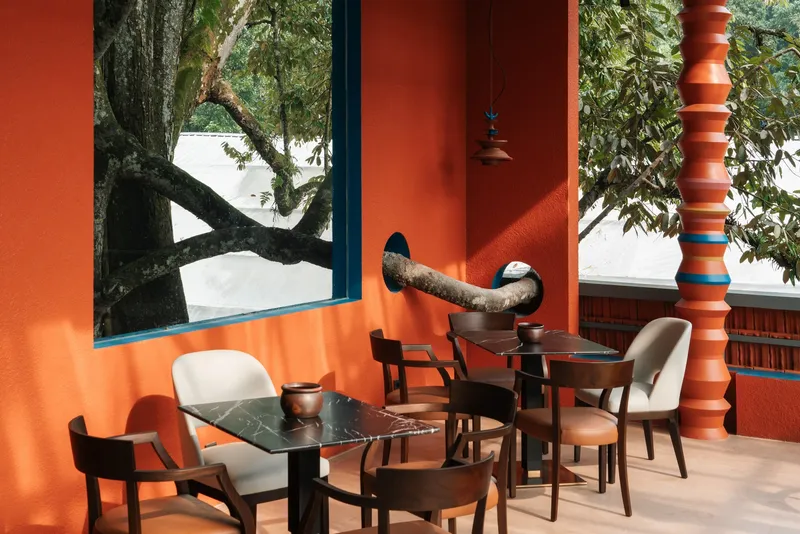
One of the most remarkable aspects of the Restaurant Pavilion Sahabat Selojene is its careful integration with the surrounding garden. Mature durian, rambutan, and teak trees—some decades old—were preserved and woven into the floor plan. The organic layout of the pavilion bends and flows around these trees, allowing branches to puncture walls and terraces. This design decision not only protects the site’s natural heritage but also creates an immersive dining atmosphere where architecture and landscape coexist seamlessly.



Climate-Responsive and Sustainable Design
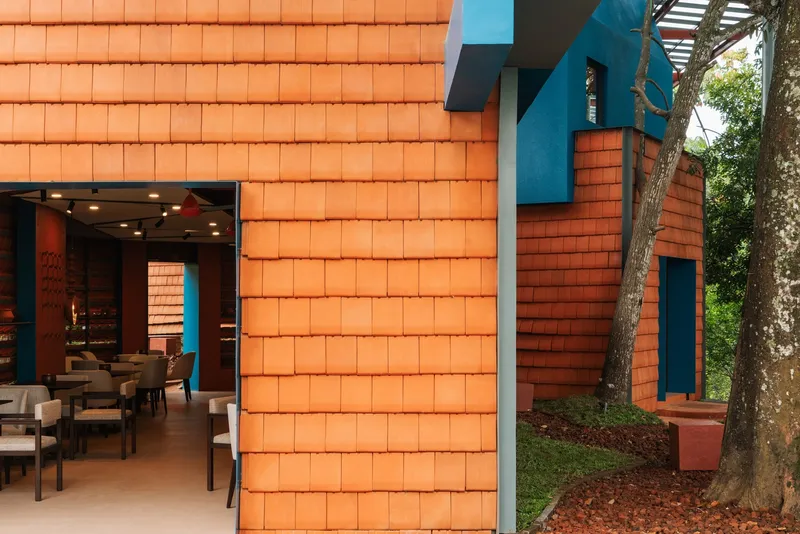
The terracotta tiles used in the pavilion provide natural thermal mass, absorbing and slowly releasing heat to maintain cooler indoor temperatures. The gaps between tiles enhance airflow, strengthening the building’s natural ventilation system. By reducing reliance on air conditioning, the pavilion lowers its carbon footprint, while sourcing all tiles locally supports sustainable construction practices. This climate-responsive design proves that traditional materials can be reimagined for modern, eco-friendly architecture.

Craftsmanship and Artistic Details
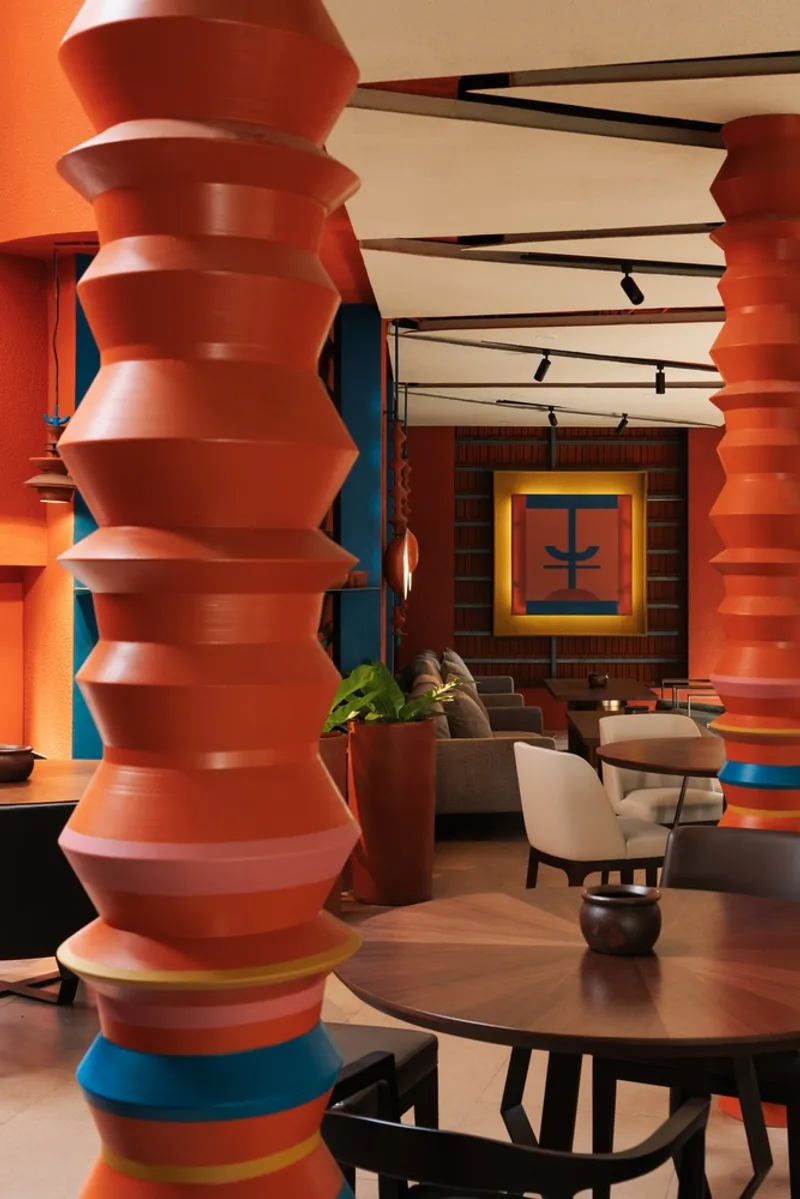
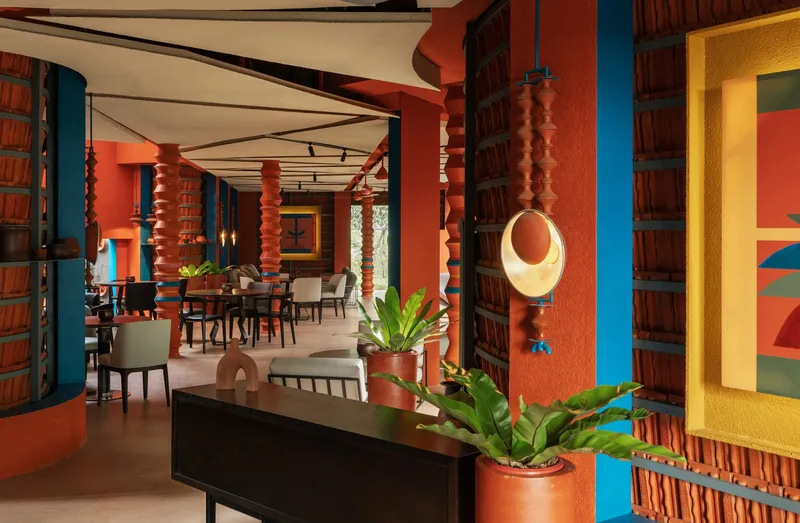
Inside the pavilion, terracotta’s warm tones carry through to the interior. Members of the Selojene Collective—including artists, steel makers, graphic designers, and architects—crafted bespoke elements for the space. Hanging lamps made from local terracotta, wall lights fashioned from repurposed frying pans, and handmade steel fixtures all contribute to the pavilion’s unique identity. Refurbished wooden furniture and “jodog” terracotta elements, typically used in Javanese ceremonies, bring layers of cultural symbolism into the dining environment. The result is a rich tapestry of materiality, craftsmanship, and storytelling.


A Contemporary Landmark in Salatiga
By blending traditional terracotta craftsmanship with bold architectural innovation, the Restaurant Pavilion Sahabat Selojene creates an atmosphere that is both rooted in local culture and forward-looking in design. As part of the pioneering Bumi Kayom complex, it offers more than a dining experience—it presents a vision of how architecture, culture, and sustainability can shape new community landmarks.

The Restaurant Pavilion Sahabat Selojene redefines terracotta architecture in Salatiga by merging traditional materials, natural integration, and contemporary design. It stands as a model for sustainable and culturally grounded hospitality architecture, offering a unique balance between heritage and modernity.

All Photographs are works of Ernest Theofilus




Popular Articles
Popular articles from the community


Riyadh For All: Intergenerational Urban Design for Active Aging in Rabat
Riyadh For All reimagines urban design in Rabat with intergenerational co-living, adaptive courtyards, and Moroccan cultural exchange today.

The Ocean Hive: Sustainable Architecture for a Self-Sufficient Civilization at Sea
The Ocean Hive imagines sustainable architecture at sea, where modular habitats, algae, wave power and ocean waste sustain a growing colony.

Conexión: Biophilic Design Reimagines High-Rise Living in Hong Kong
Conexión reimagines high-rise living in Hong Kong through biophilic design, green facades, shared spaces, daylight, water and nature within.

The Earth Pod: 3D Printed Homes for Resilient Refugee Communities
The Earth Pod reimagines refugee housing through 3D printed homes made from clay, combining resilience, self-sufficiency, and rapid shelter.

Similar Reads
You might also enjoy these articles


FAMM Arquitectura Organizes Ten Villas Around Courtyards and Jungle in Nosara, Costa Rica
El Molino pairs two elongated volumes with deep overhangs and timber louvers to build a compact coastal community five minutes from the beach.

Oscar Niemeyer's Ibirapuera Park Pavilions Define São Paulo's Cultural Identity in Concrete and Curve
A constellation of modernist volumes set within São Paulo's most important urban park, conceived for the city's 400th anniversary in 1954.
How Henri Picq's 1889 Paris Pavilion Traveled 11,000 Kilometers to Become Santiago's Artequín Museum
A prefabricated iron and glass pavilion built for the Paris Universal Exposition found a second life as a children's art museum in Chile.

Sanjay Puri Architects Wraps a Jaipur Office Tower in Capsule-Shaped Green Buffers
A nine-level climate-responsive workplace near Jaipur Airport uses stacked planter terraces and aluminium screens to fight 40°C heat.


Explore Architecture Competitions
Discover active competitions in this discipline



Challenge to reimagine the Iron Throne


Photograph architecture without architects


Illustrate the lost glory of Angkor Wat - Render Challenge


Design challenge to reuse E-waste
Comments (0)
Please login or sign up to add comments
No comments yet. Be the first to comment!