
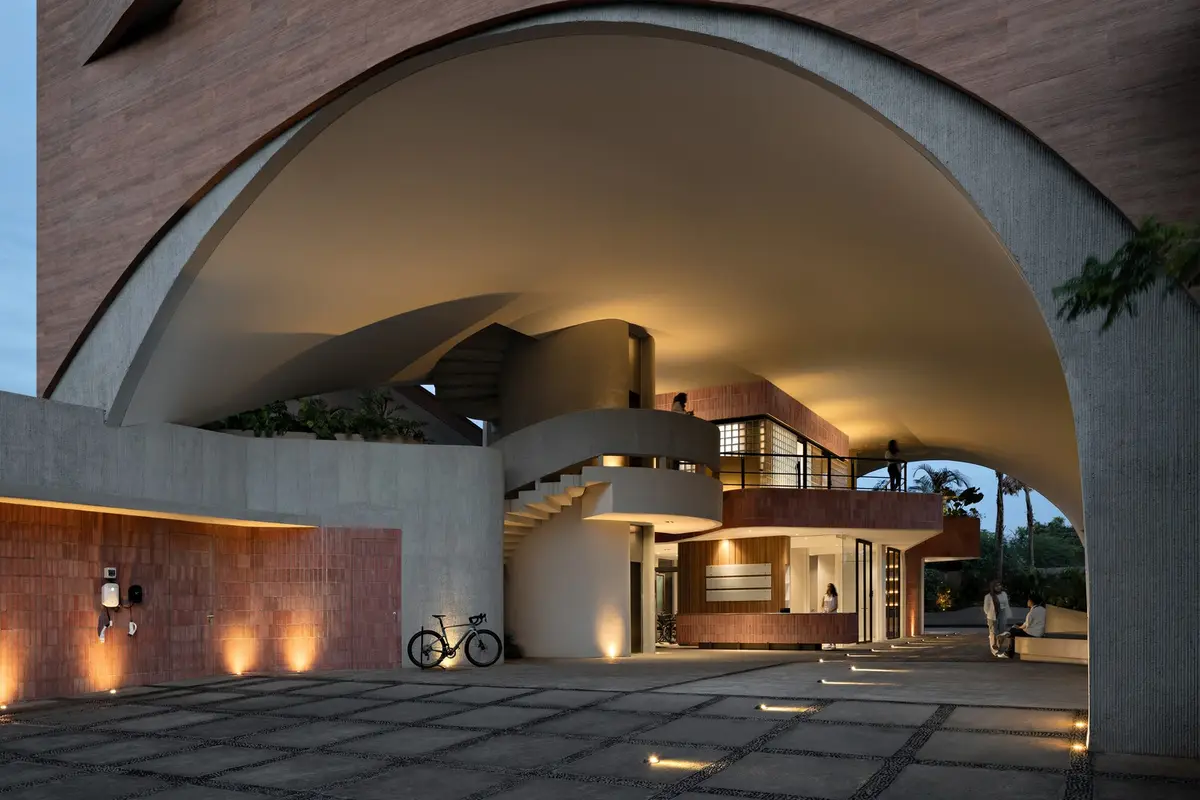
Sagehaus Office Garden: A Benchmark in Sustainable Office Architecture
An exploration of Sagehaus Office Garden’s innovative approach to sustainable office architecture in Jakarta’s tropical climate.


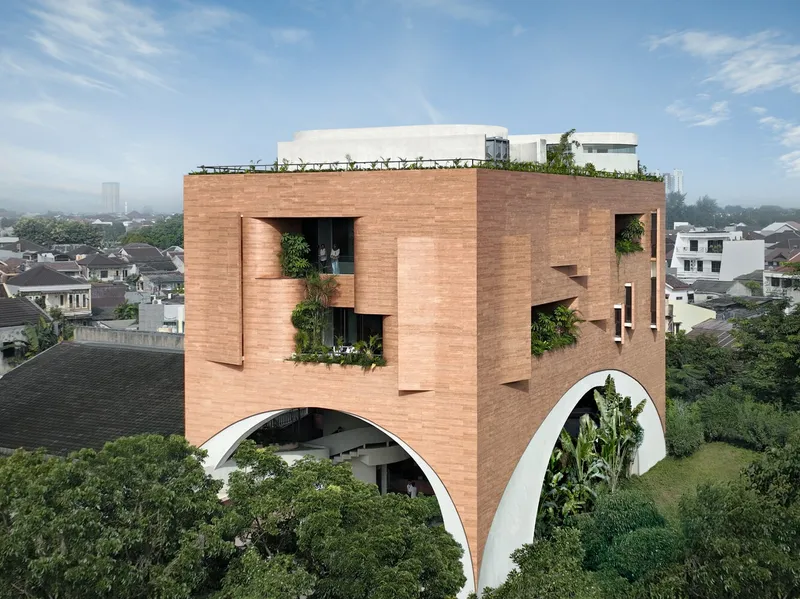
The Sagehaus Office Garden by RAD+ar (Research Artistic Design + architecture) in West Jakarta is a striking example of sustainable office architecture that harmoniously balances flexibility, comfort, and environmental performance. Covering an area of 2000 m², the project is designed to accommodate a dynamic work environment while addressing the challenges of Jakarta's tropical climate. Completed in 2025, the office is home to an athletic sportswear company and stands as a model of how architecture can shape new paradigms for tropical, energy-efficient workspaces.
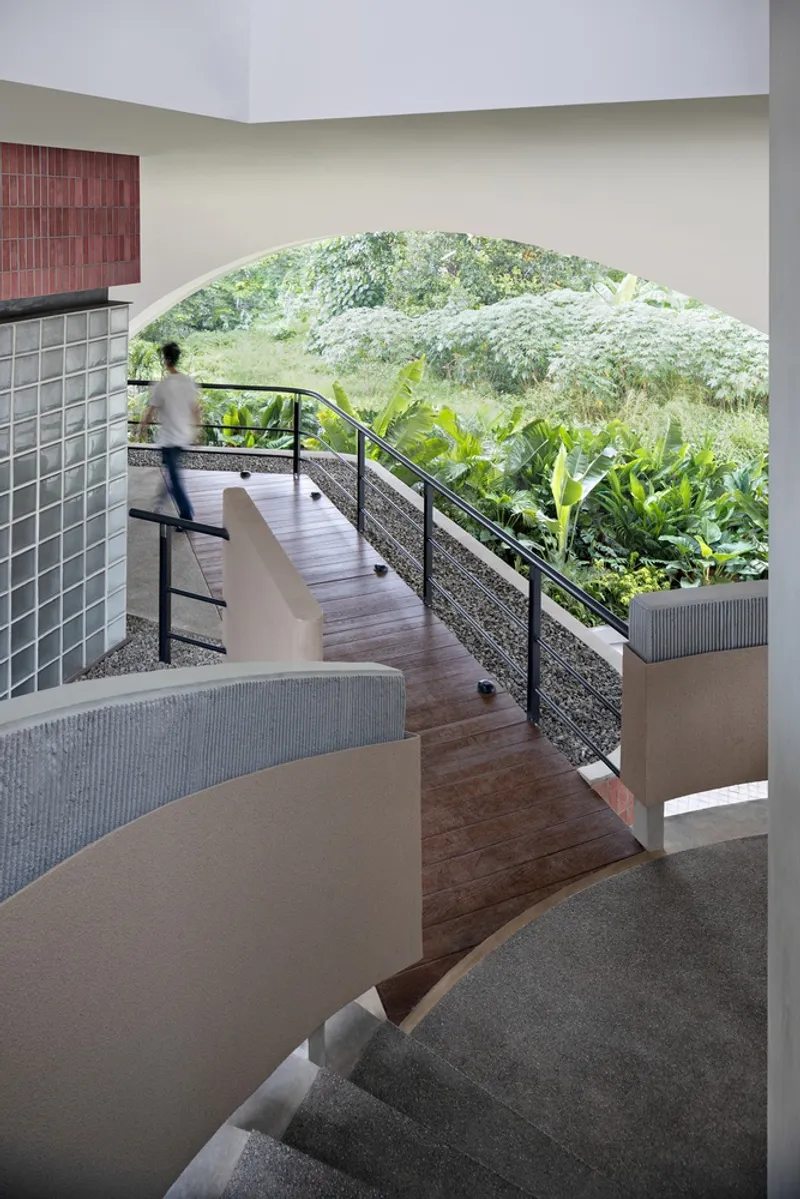
Balancing Creativity and Efficiency
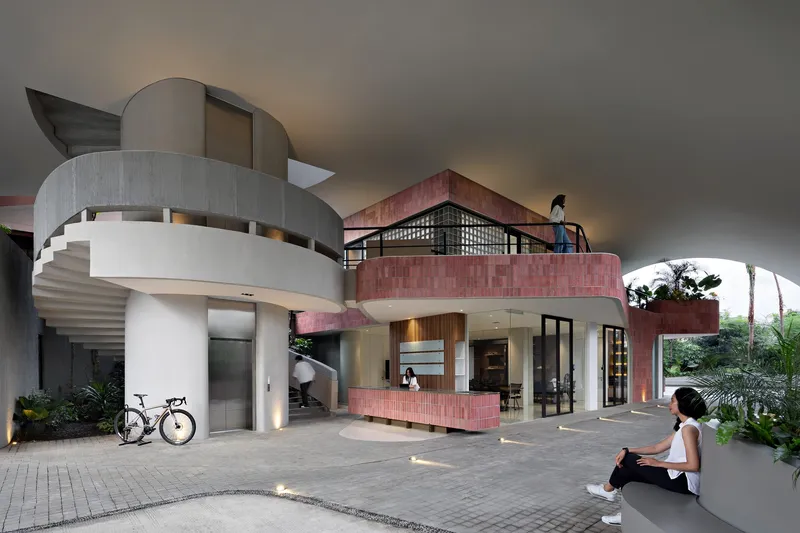
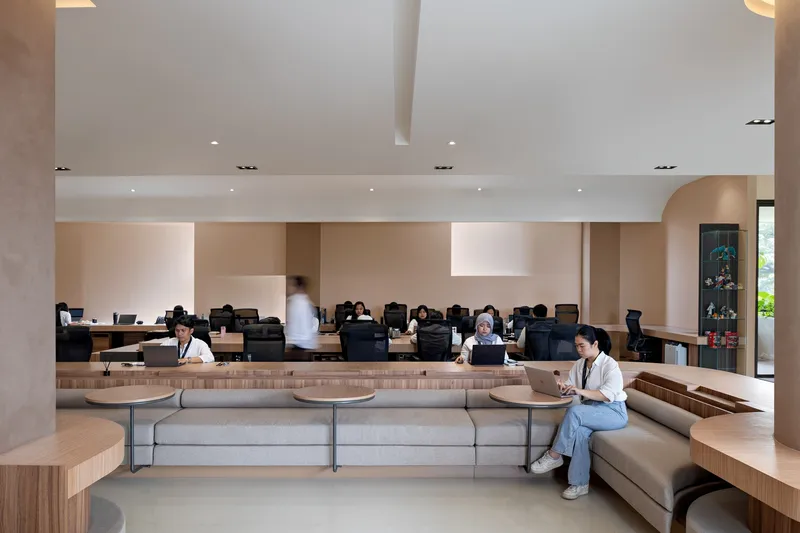
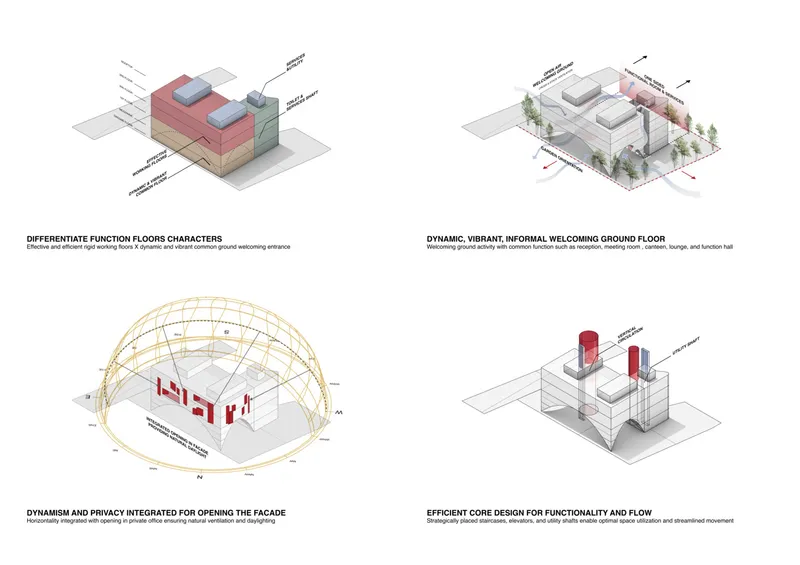
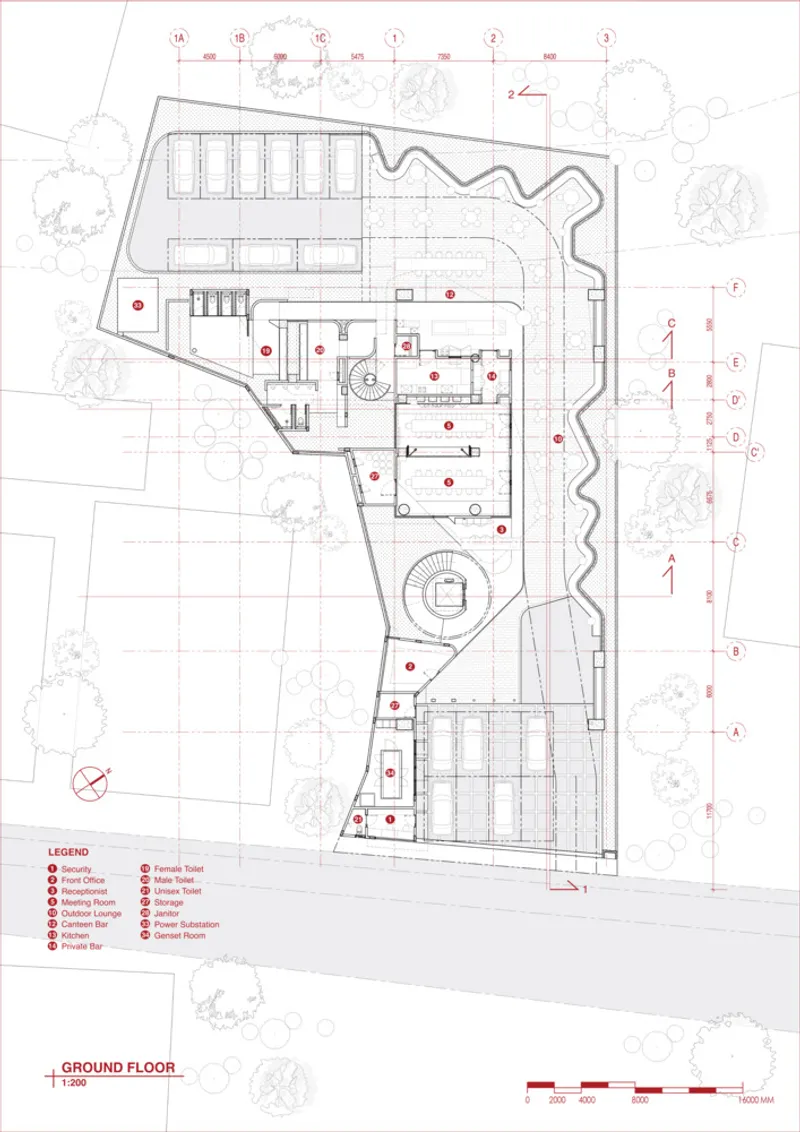
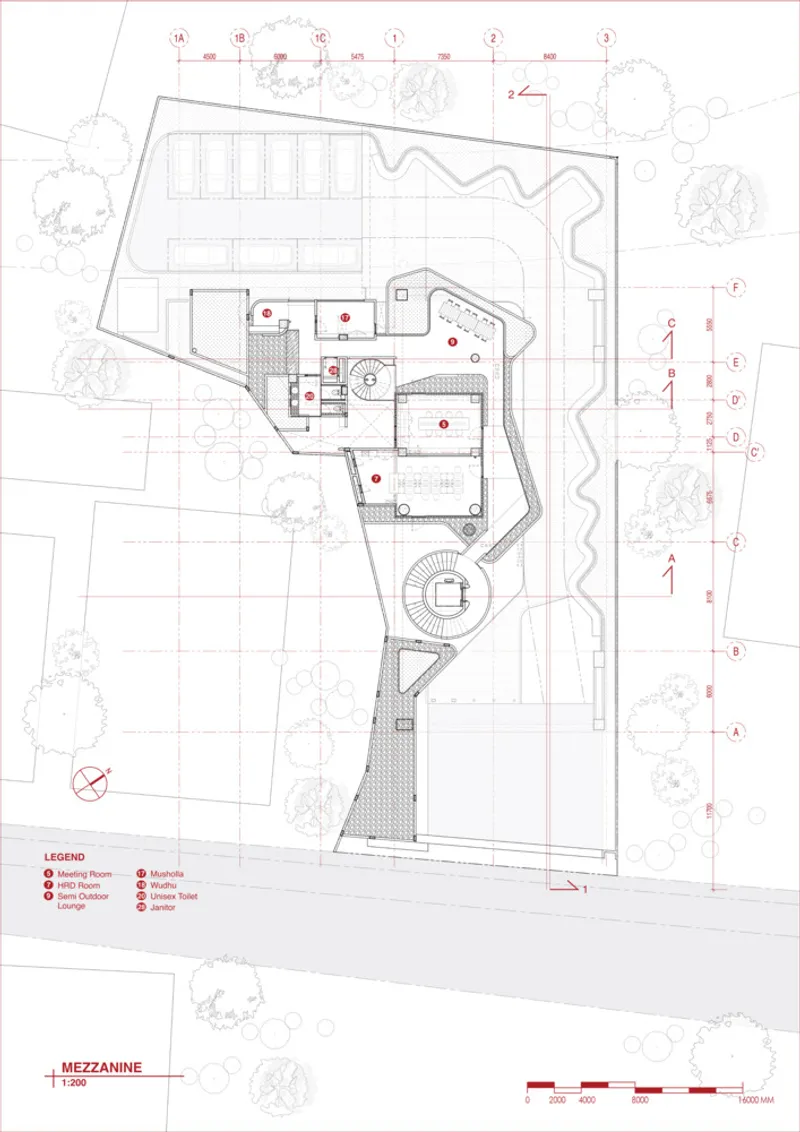
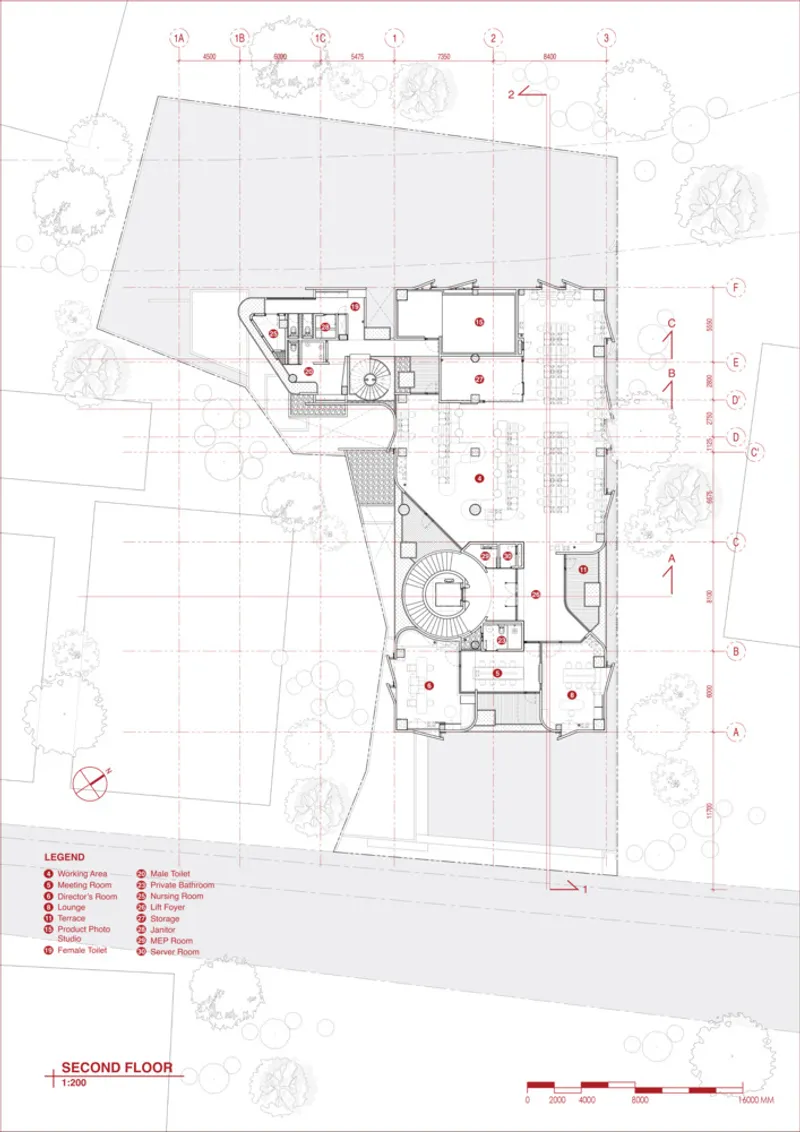
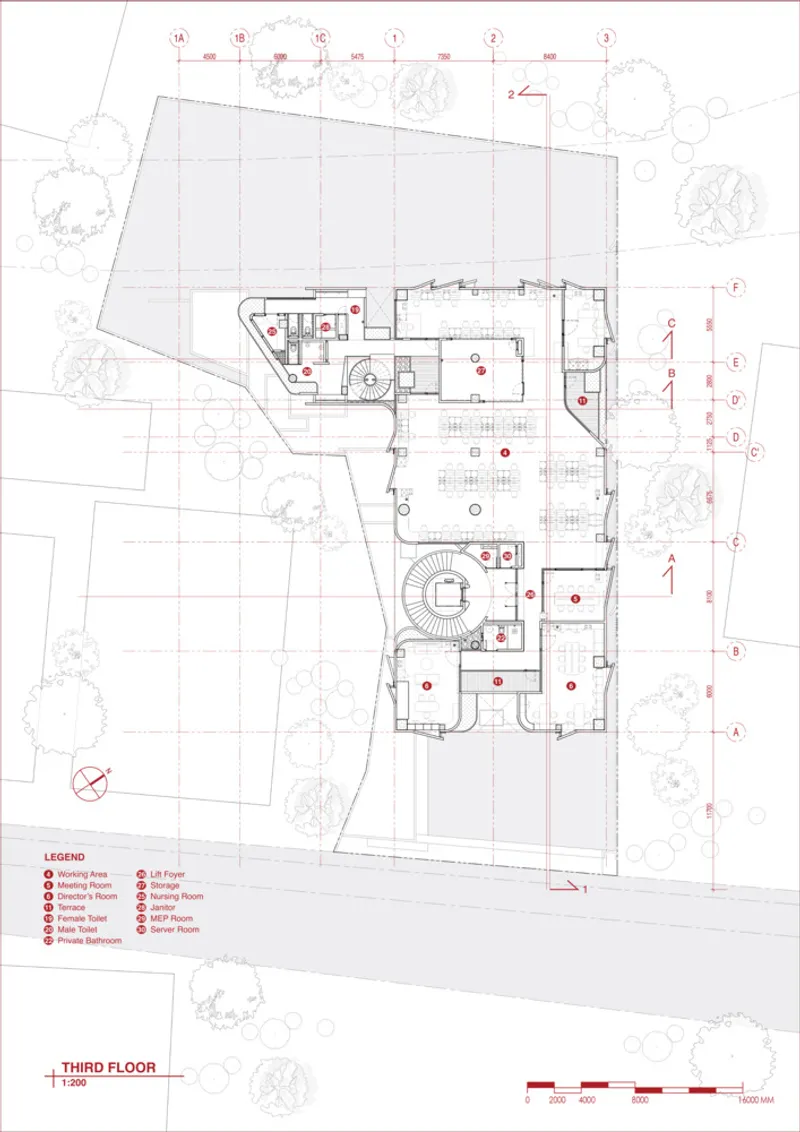
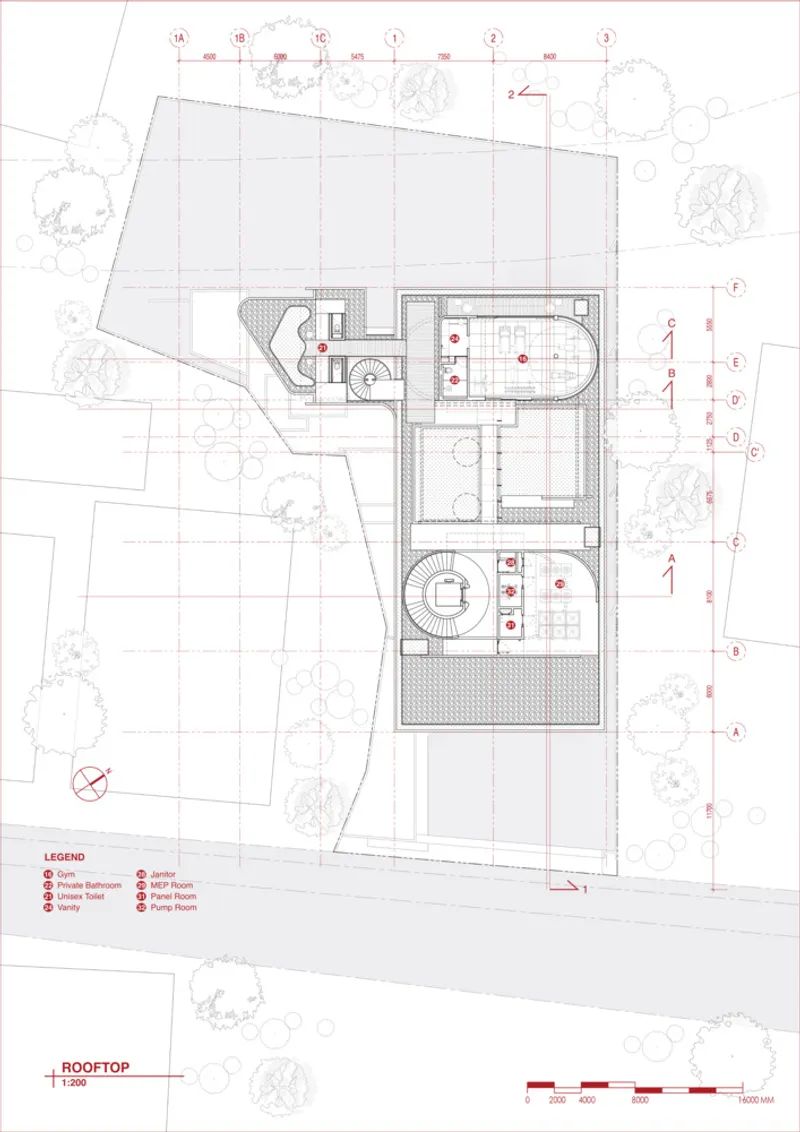
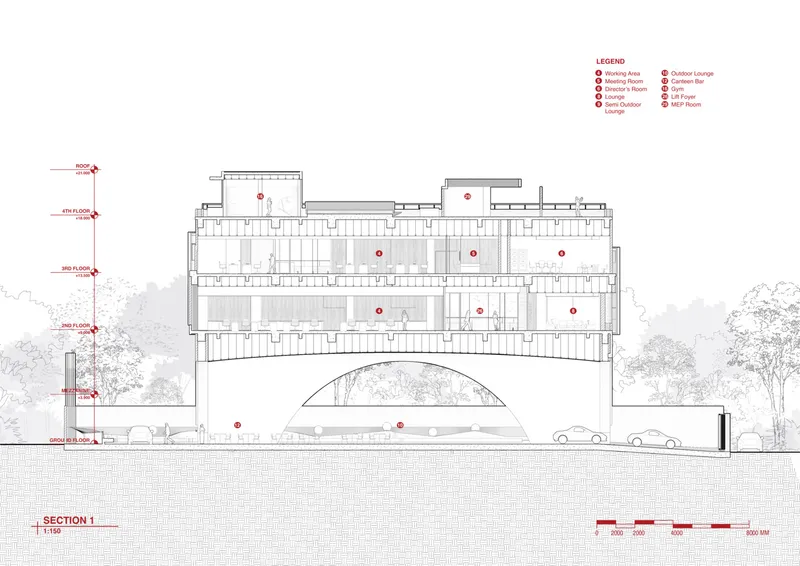
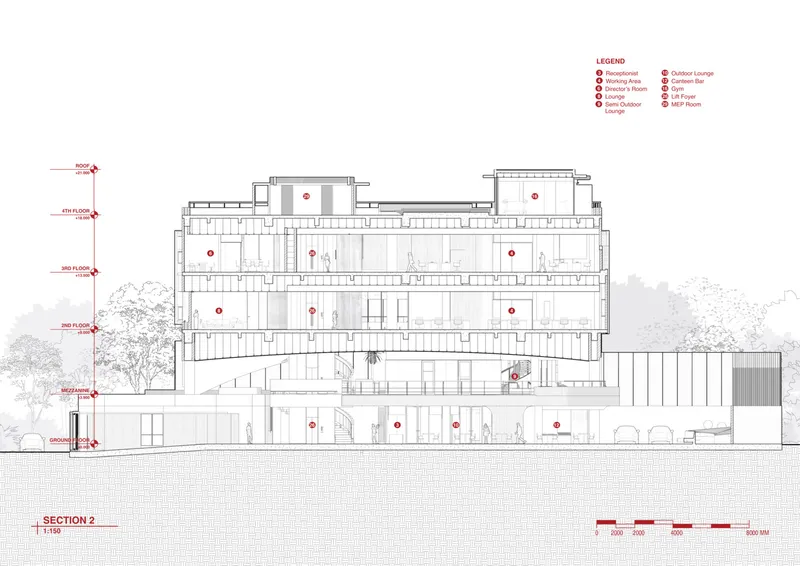
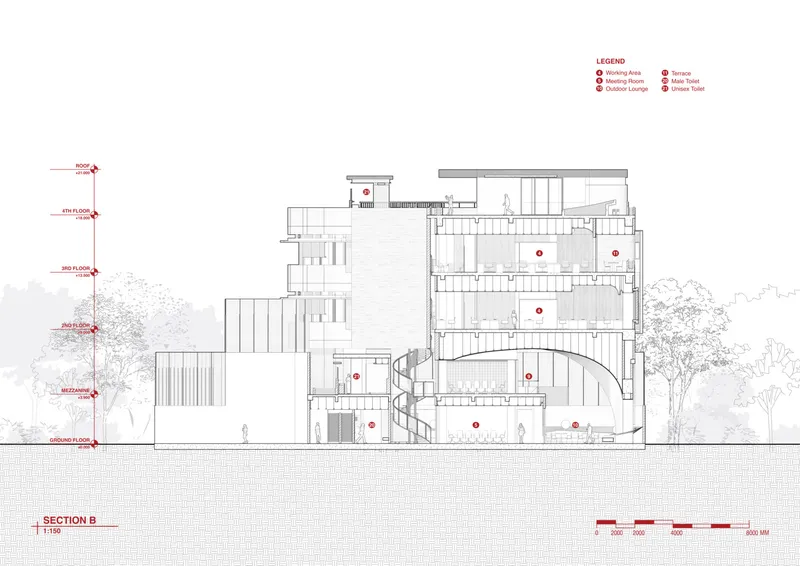
One of the central goals of the Sagehaus Office Garden was to resolve the tension between maintaining an adaptable, creative environment and providing a secure, efficient workspace. The architects divided the building into three horizontally connected zones. The lower level serves as a public space for social and creative activities, the middle floors host efficient office environments, and the rooftop becomes a flexible recreational garden and gym. This layered approach allows the building to adapt to diverse functional needs without sacrificing environmental performance or user comfort.
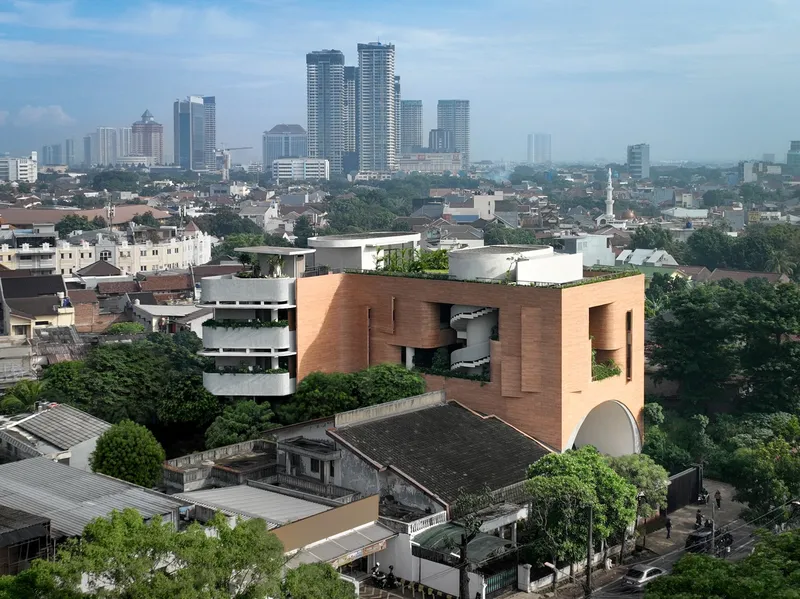
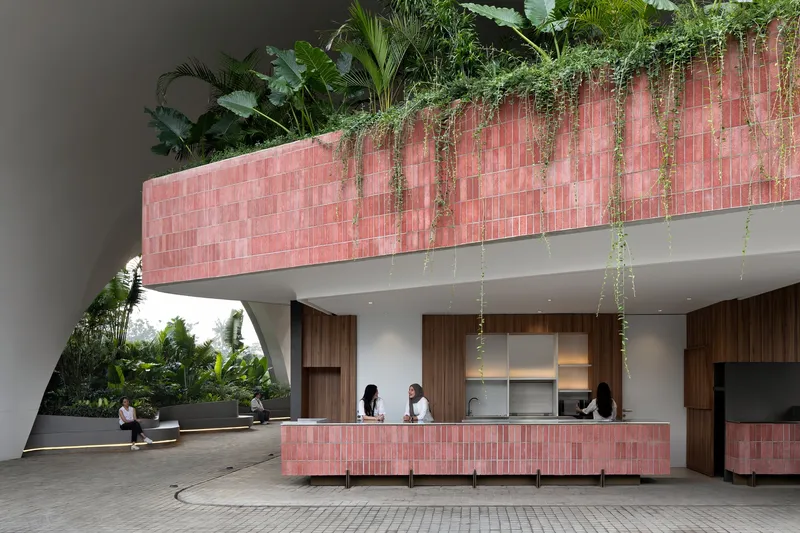
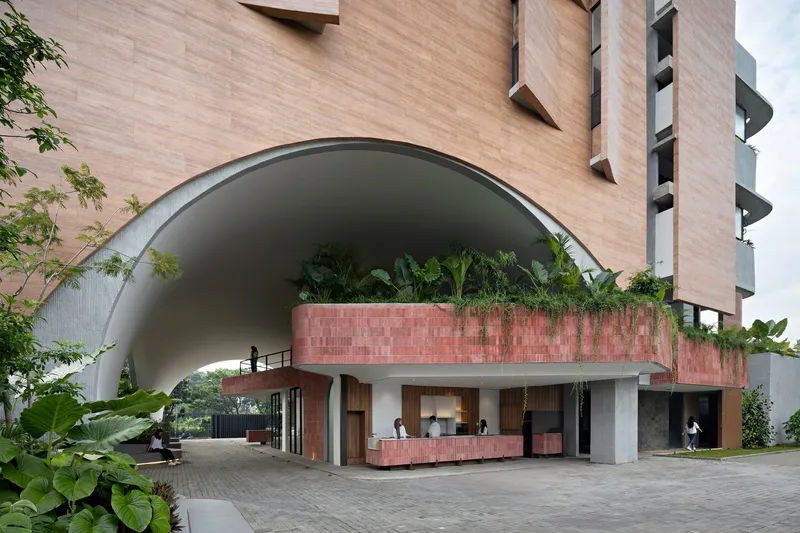
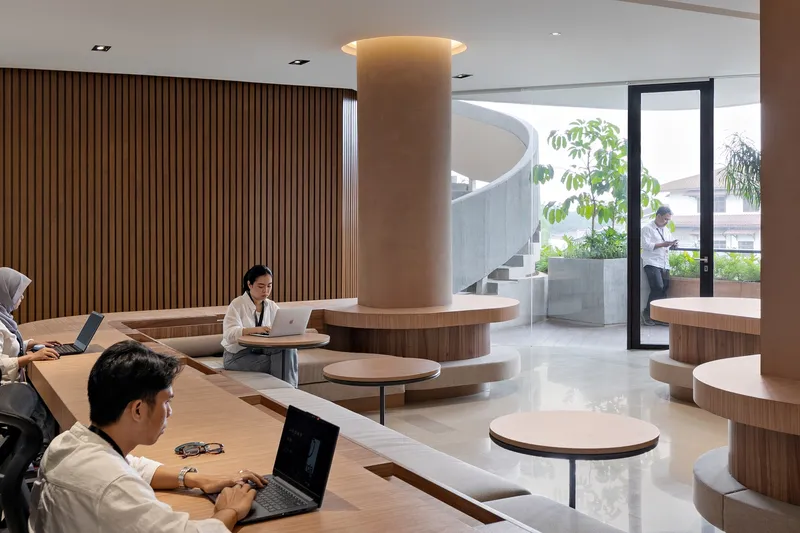
Embracing Wind and Natural Ventilation
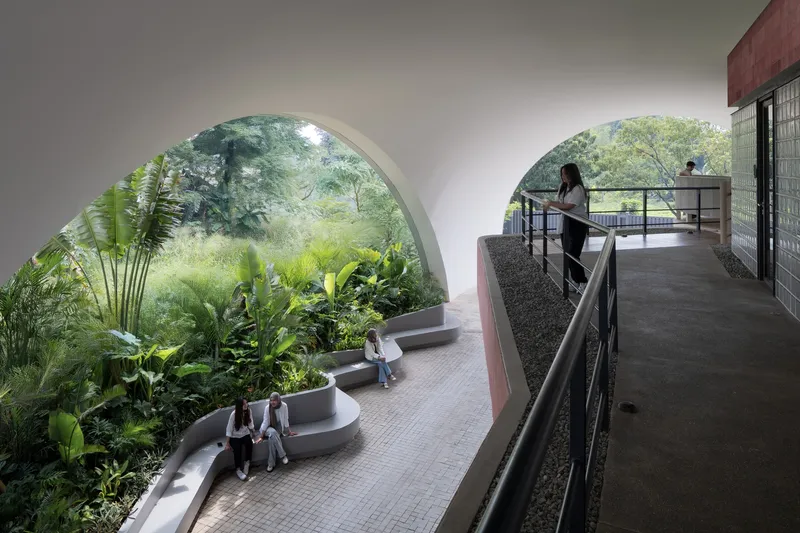
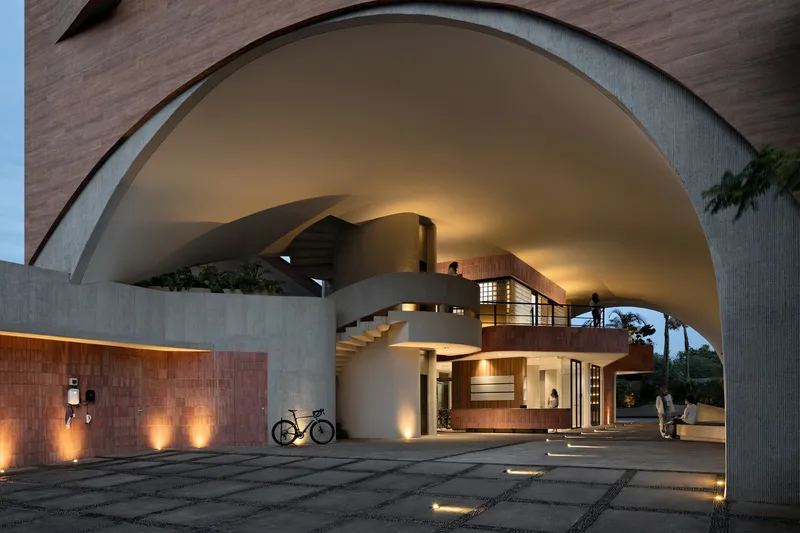
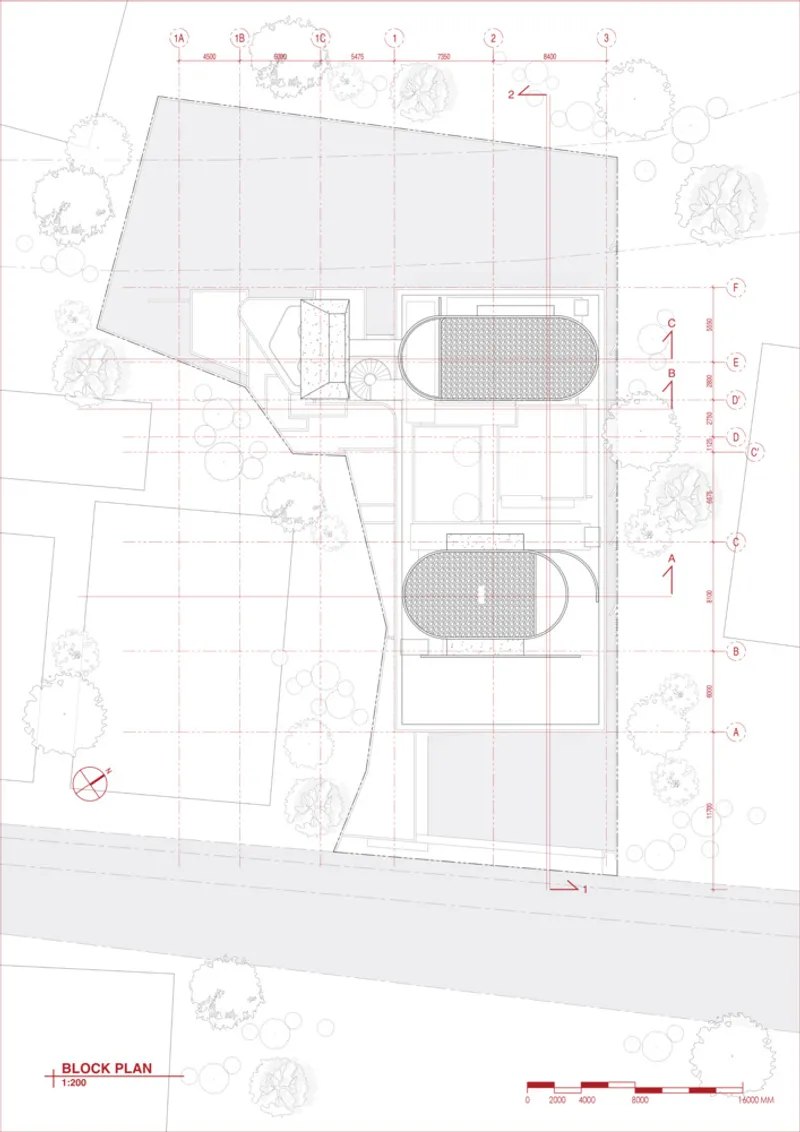
Nicknamed the "Dome for Wind," the building features a reversed carved design that channels Jakarta's gentle breezes through shaded, sheltered breezeways. These interconnected passages between office blocks are designed for maximum thermal comfort, creating inviting spaces for casual interactions and group activities. This wind-guided design effectively cools interior spaces, reducing reliance on mechanical ventilation despite Jakarta's high humidity levels. The rooftop extends this strategy by providing a green roof and gym that foster physical well-being while enhancing environmental performance.
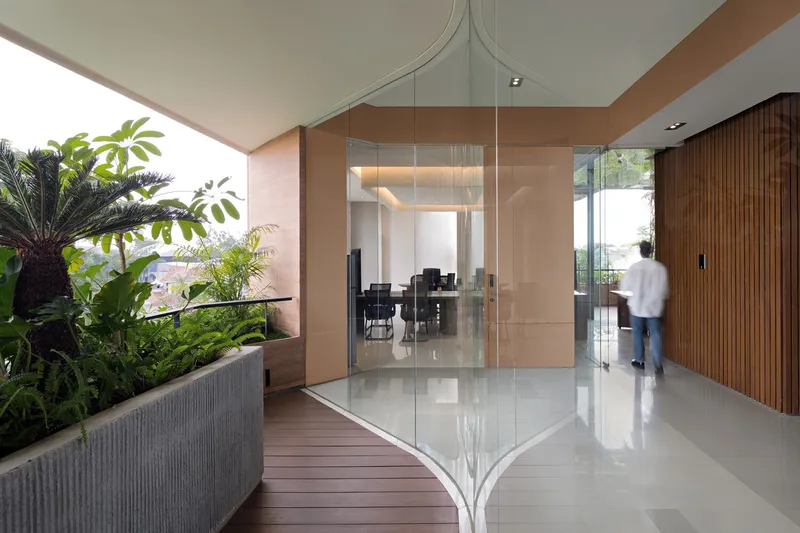
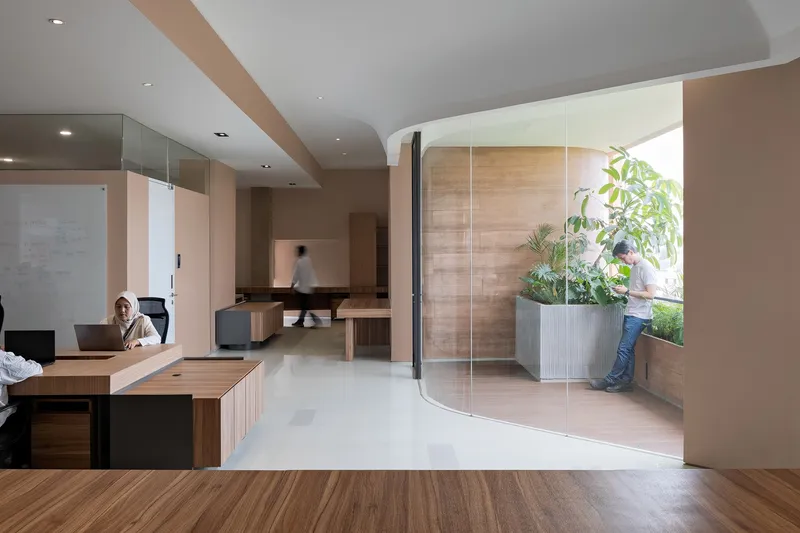
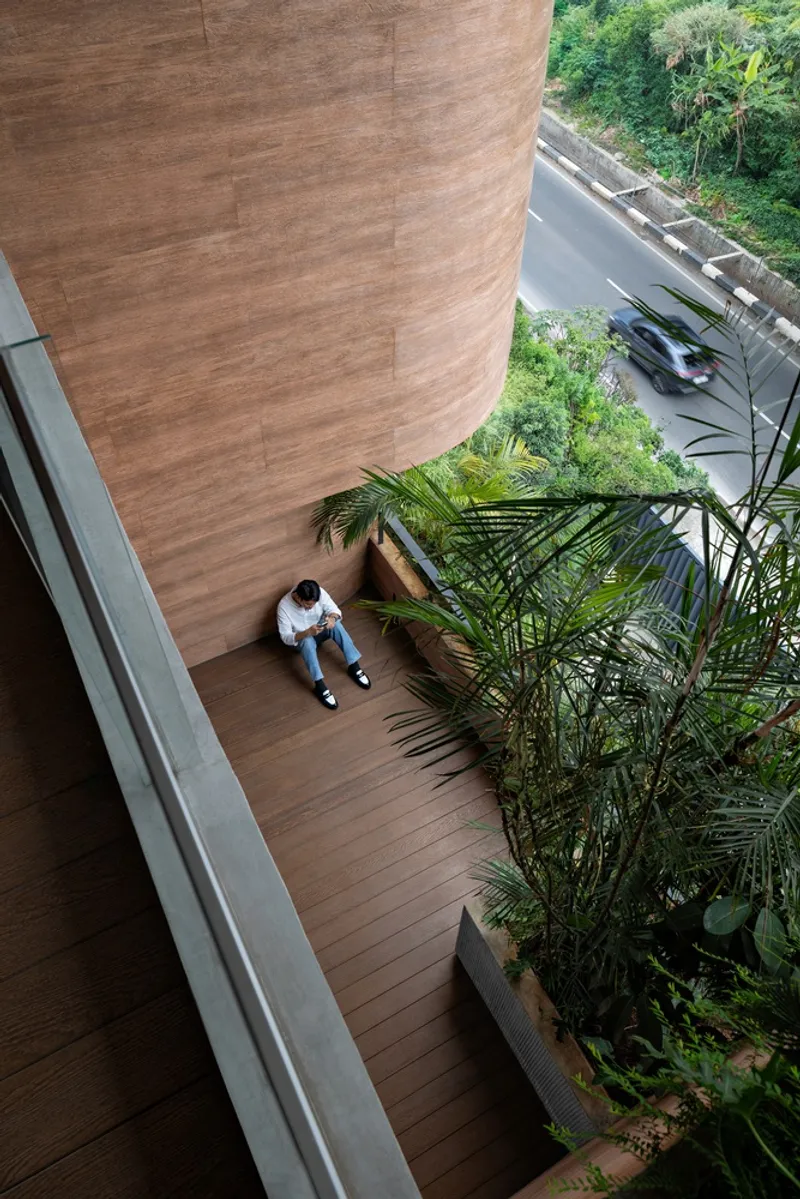
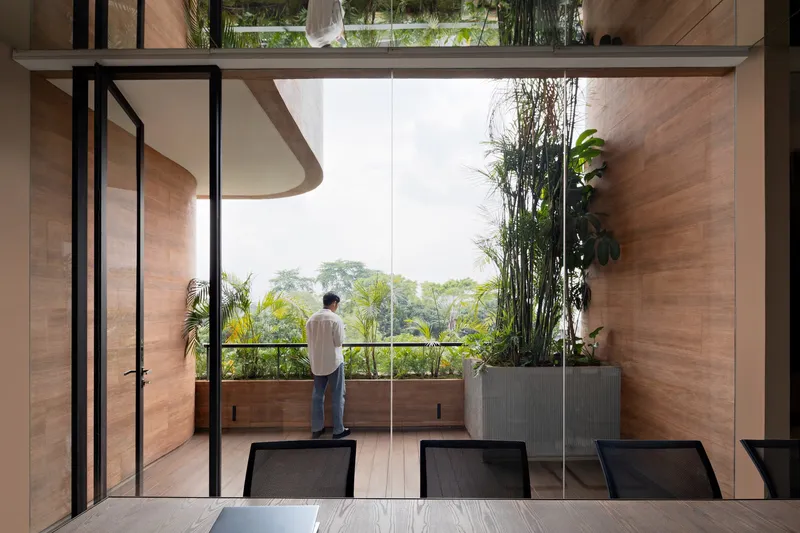
Energy Efficiency Through Design
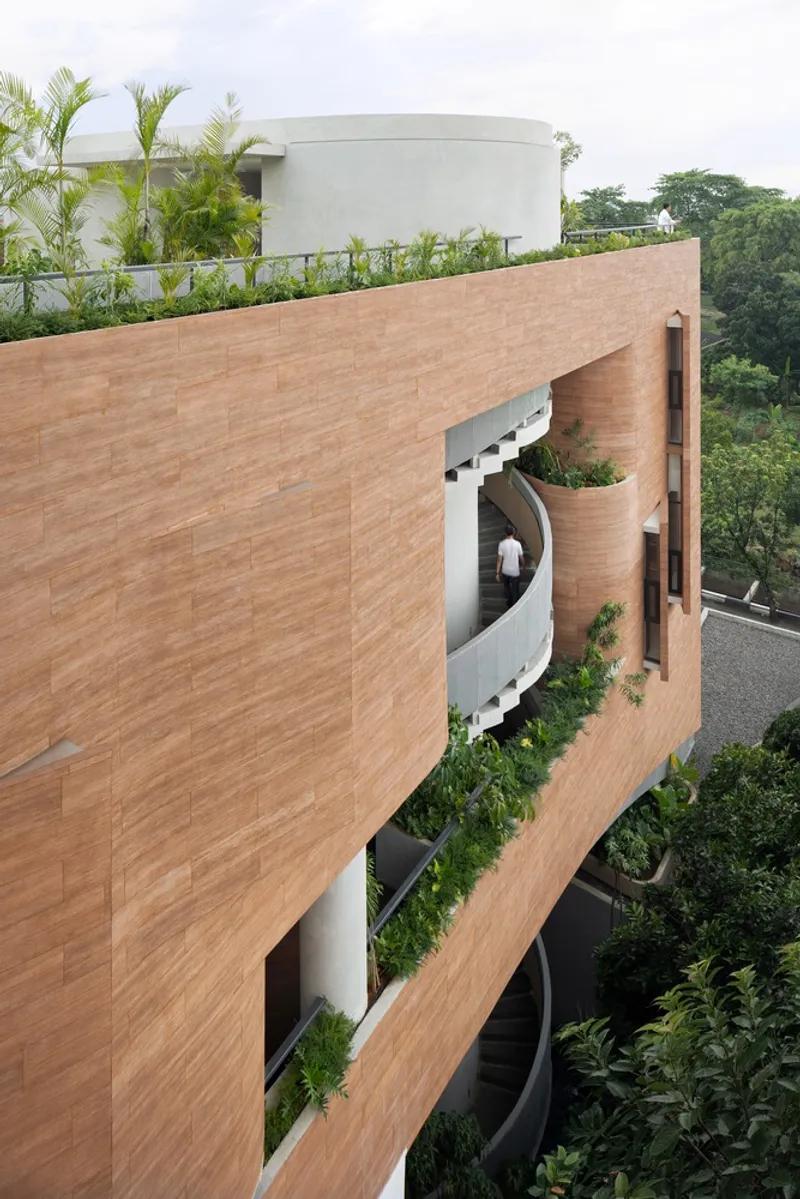
Sagehaus Office Garden integrates passive architectural strategies that ensure energy efficiency while establishing the building’s visual identity. At the heart of the site, the architects shaped the public space as a carved monolith, using its thermal mass to regulate internal temperatures. Prominently designed staircases serve not just as vertical connectors but also as visual anchors, encouraging people to choose stairs over elevators and reducing the building’s overall energy footprint.
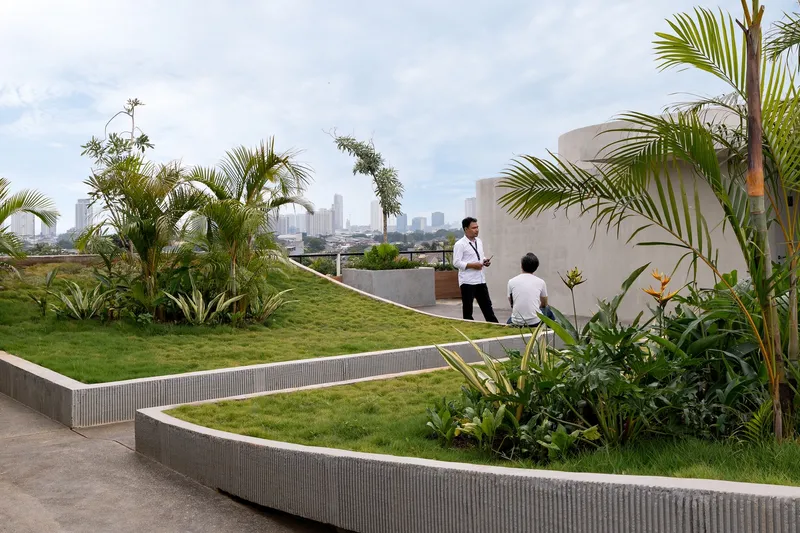
Facade Strategies for Light and Heat
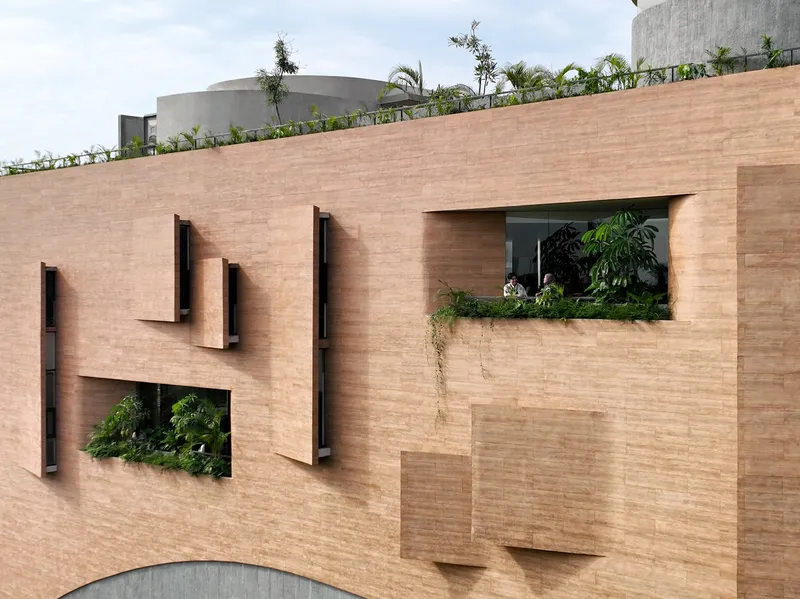
The building's facades feature large, carved openings that balance natural light intake with protection from solar heat gain. Using a combination of slices, punctures, and recessed openings, the design minimizes direct sun exposure, effectively preventing the greenhouse effect while ensuring ample daylight inside. This thoughtful manipulation of the facade not only improves energy performance but also reinforces the building's distinctive architectural character.
Functional and Flexible Interior Layout
Internally, the office is designed with a clear focus on user functionality. At the core lies a high-security file room, surrounded by flexible open-plan workspaces and a series of meeting rooms ranging from small to large. Pocket gardens and casual lounge areas are interspersed throughout, creating short, efficient connections between workstations, meeting zones, and leisure spaces. Each floor offers democratic access to these spaces, with subtle level changes adding spatial variety. Restrooms and services are housed in separate wings designed as garden toilets, enhancing user comfort while minimizing energy use in the tropical setting.
A New Paradigm for Tropical Sustainable Offices
As a dense, perforated urban structure, Sagehaus Office Garden sets a new standard for sustainable office architecture in tropical climates. It combines high-density workspaces with a diverse program of social, athletic, and recreational functions, all while ensuring natural light and ventilation penetrate every corner of the building. The result is a workplace that not only meets the functional demands of its users but also serves as a landmark in sustainable urban design.
The Sagehaus Office Garden by RAD+ar is more than just an office building—it is a visionary statement about the future of sustainable office architecture in tropical environments. With its innovative design strategies, flexible spaces, and focus on energy performance, it offers a blueprint for creating workplaces that prioritize human comfort, environmental responsibility, and architectural excellence.
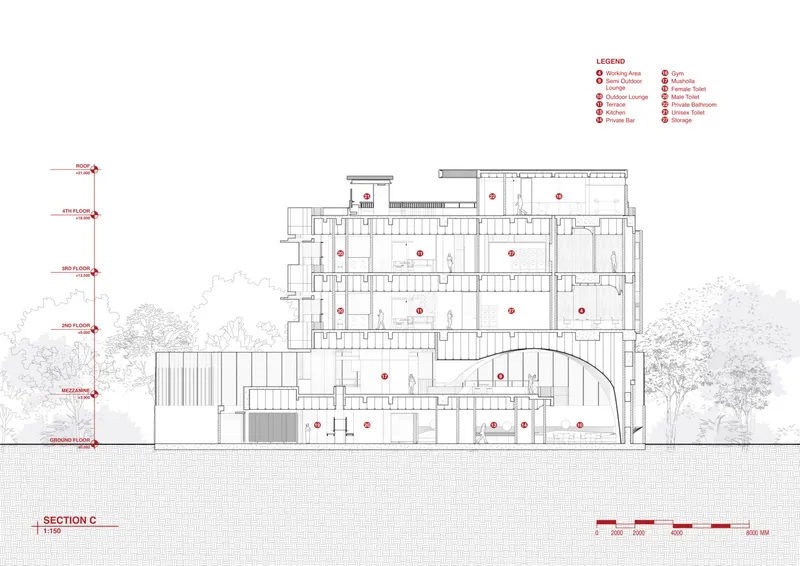
All the photographs are works of Mario Wibowo


Popular Articles
Popular articles from the community


David Ortega Stacks a Two-Story Mexico City Penthouse Around a Steel Stair and a Pergola-Shaded Roof Terrace
In Colonia Roma, a 300 m² penthouse uses oak joinery, a planted steel stair and a slatted roof pergola to make a new-build apartment feel like a house.

longwave studio Reorganizes a 112 m² Tainan Apartment Around the Daily Routines of a Family and Two Cats
In Tainan, Taiwan, birch plywood, rust-red furniture and a freestanding plaster wall link arrival, storage, work and family life in one apartment.

Juan García Correa, John González and Claudia Rueda Sink a Circular Amphitheater into a Manizales Engineering Building
On the La Nubia campus in Manizales, Colombia, the S1 Building folds labs and offices into a hillside of ramped lawns that double as a campus route.

U.GA Architects Wraps an Oval Rooftop Pool in Curved Board-Formed Concrete on Busan's Jeollidan-gil
In Busan's Jeonpo-dong, a 454 m² mixed-use block stacks a neighborhood facility, guest rooms and an oval rooftop pool inside spiraling concrete walls.

Similar Reads
You might also enjoy these articles

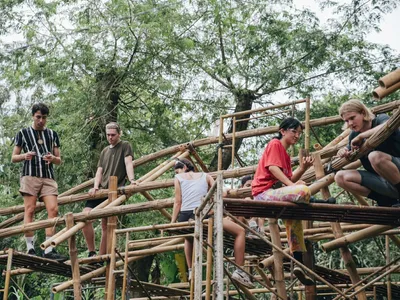
Bamboo Housing Challenge 2026: Design Affordable, Sustainable Homes Using Bamboo
An international design competition by Bamboo U and IBUKU inviting architects and designers to reimagine affordable housing using bamboo — with the winning design built full-scale in Bali.
Computational Design & Education: Beegraphy Design Awards Introduces 7th Category (Featuring Jiyun's Innovative Approach)
Dive into Beegraphy’s 7th Design Awards category, where computational design meets education to create immersive, interactive learning tools, inspired by Jiyun’s work.

From Parametric Lighting to Urban Furniture: Join the 2nd Workshop in Beegraphy’s Computational Design Series
Dive into Cutting-Edge Design Techniques and Practical Applications with Industry Experts

Last Call: Unleash Your Architectural Genius in SHAK's Kindergarten Design Competition
Urgent call for architects to join SHAK's kindergarten design competition before the looming deadline

Explore Architecture Competitions
Discover active competitions in this discipline

Challenge to reimagine the Iron Throne

Photograph architecture without architects

Illustrate the lost glory of Angkor Wat - Render Challenge

Competition to design a workstation for architects
Comments (0)
Please login or sign up to add comments
No comments yet. Be the first to comment!