

Solena Cabin: Sustainable Cabin Architecture in Brazil
Solena Cabin in Brazil merges sustainable architecture with immersive nature experiences, offering functional, cozy interiors and outdoor leisure spaces.


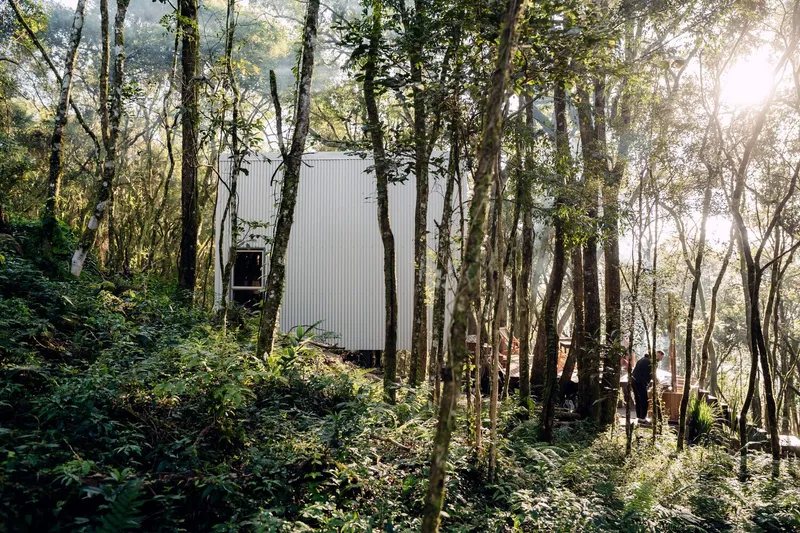
Solena Cabin - Mata by Desterro Arquitetos is a striking example of sustainable cabin architecture in Brazil, located in the countryside of Flores da Cunha, Rio Grande do Sul. Designed to offer a fully immersive nature experience, the cabin seamlessly integrates indoor and outdoor spaces, prioritizing environmental sensitivity and guest comfort.
Site Context and Design Concept
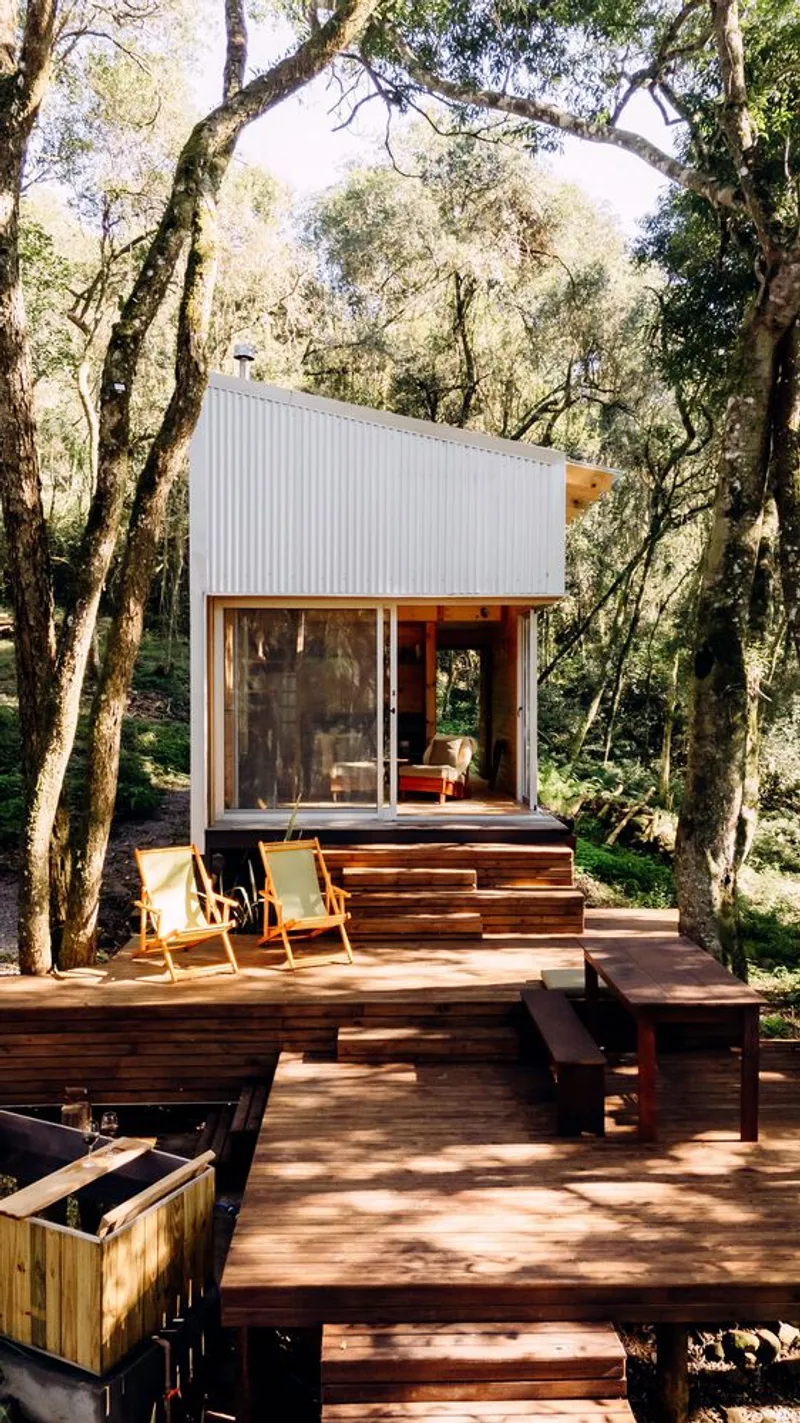
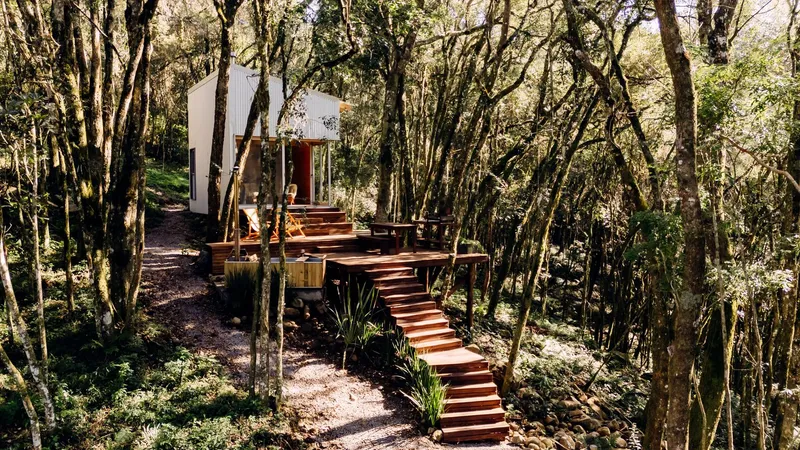
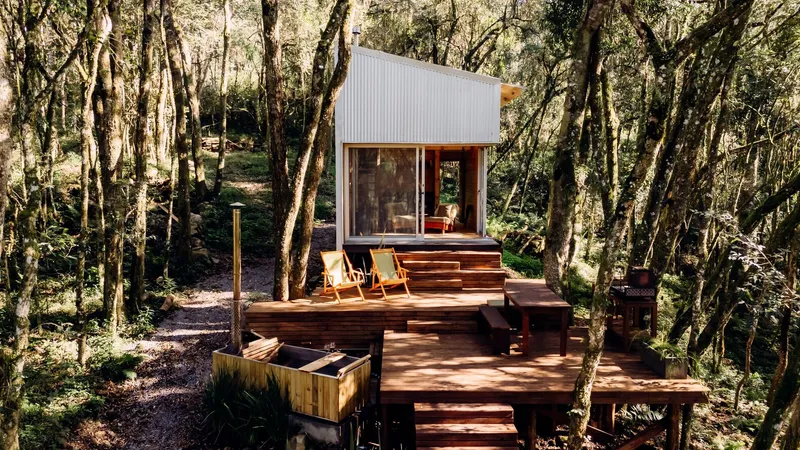
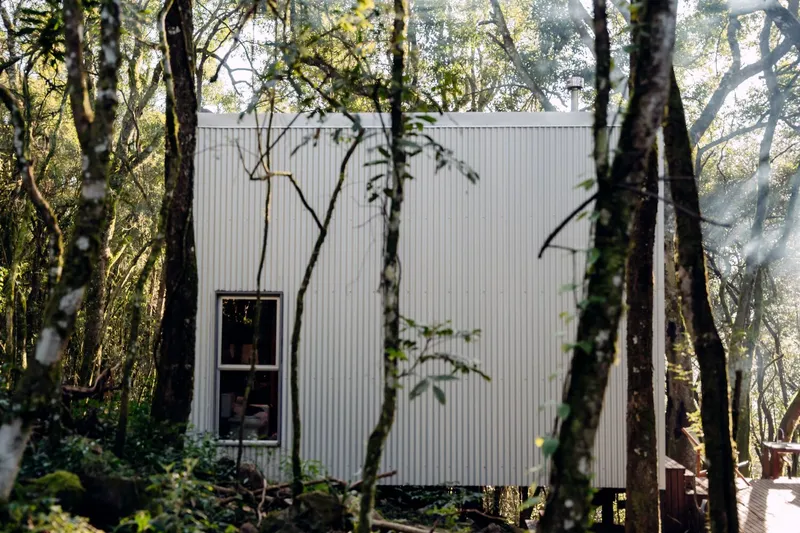
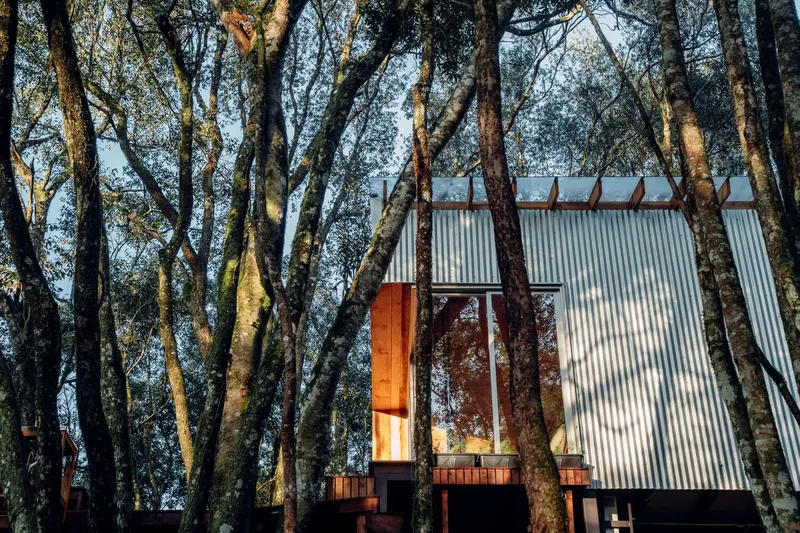
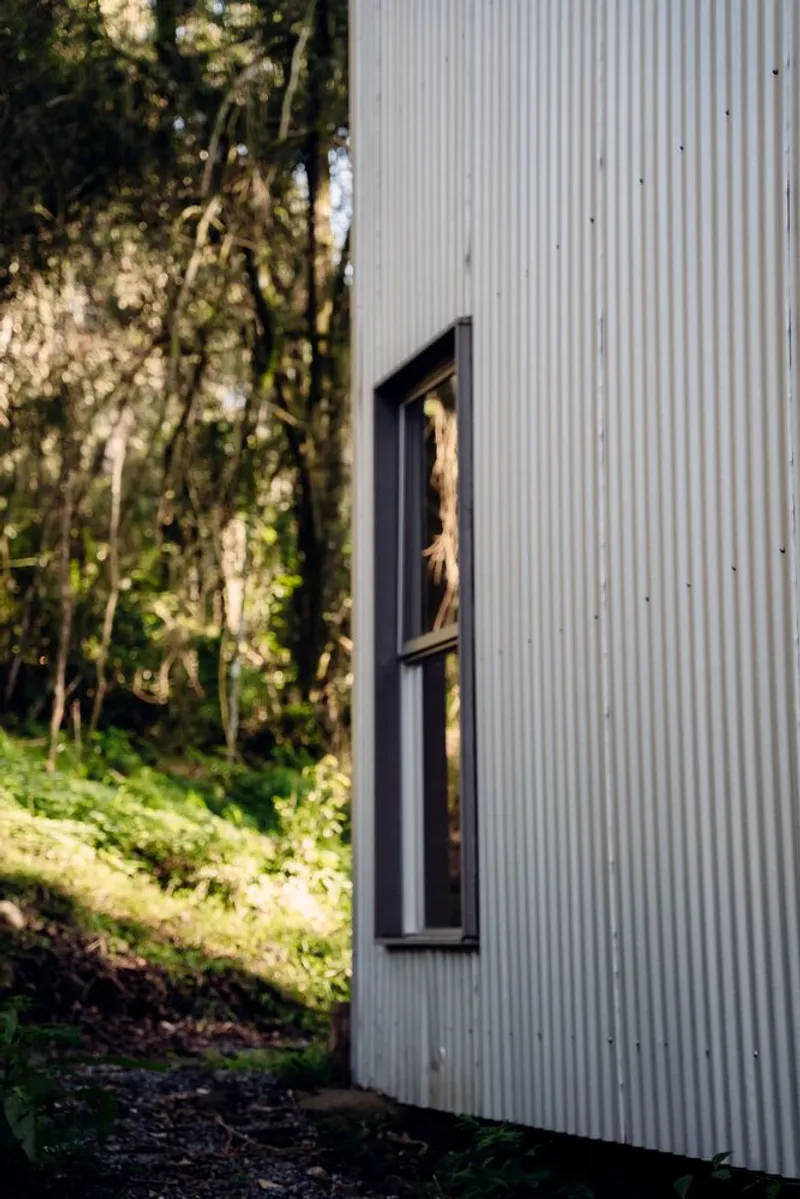
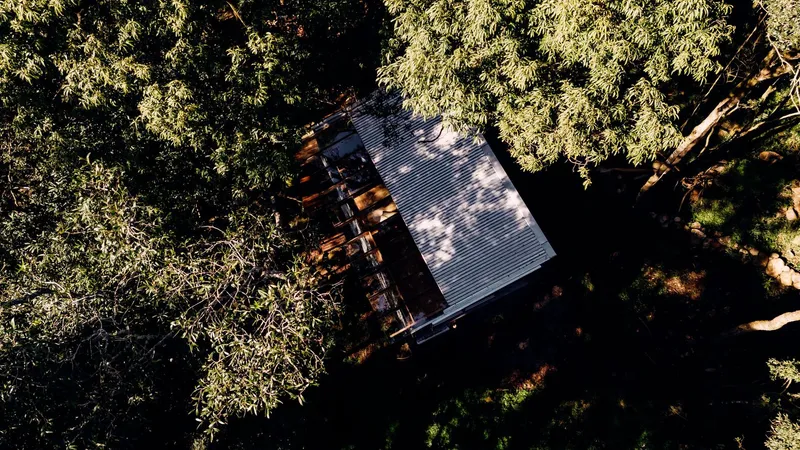
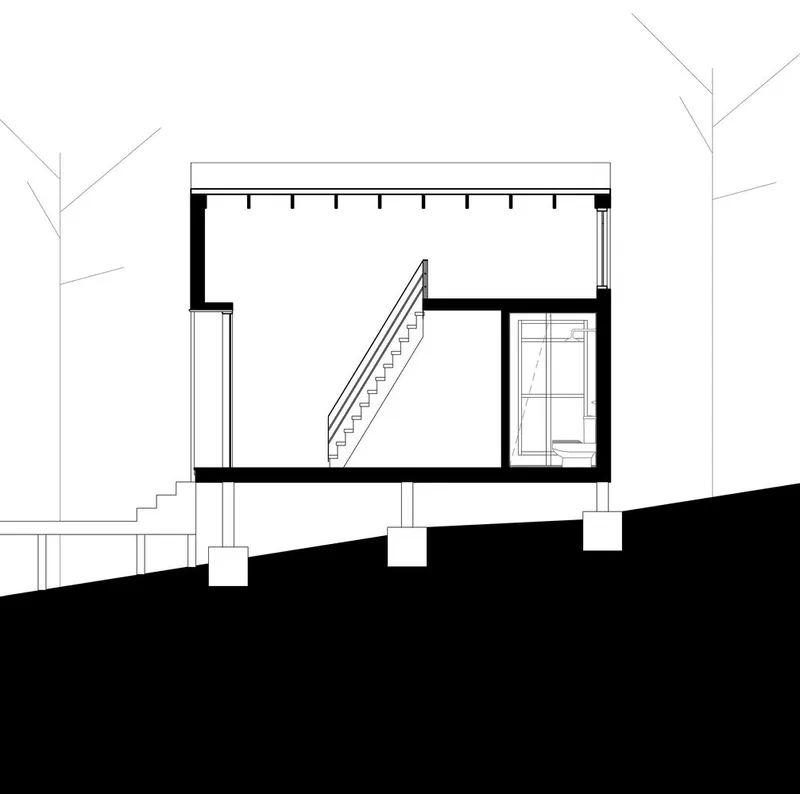
Set within a rural complex, the cabin responds to its forested surroundings with minimal impact. Elevated slightly on a metal frame, the structure respects the natural terrain, allowing the land to remain largely untouched. The design ensures a connection to the landscape while reducing ecological disturbance.


Architectural Form and Spatial Layout
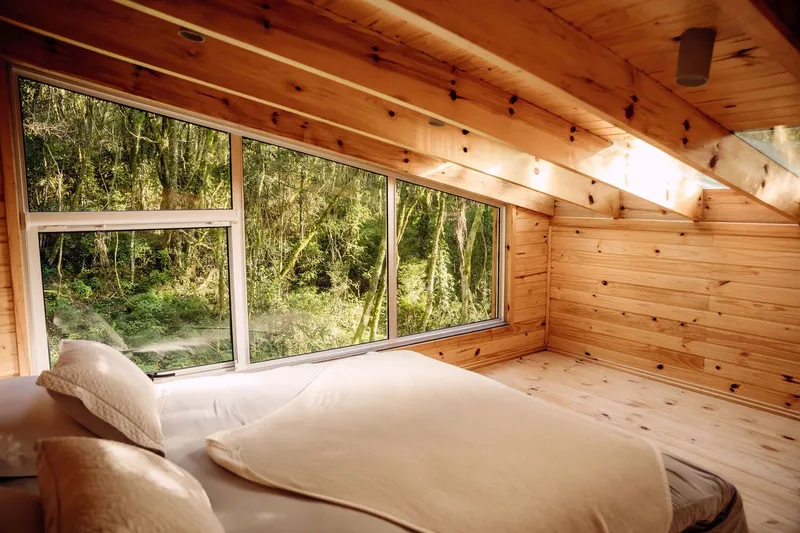
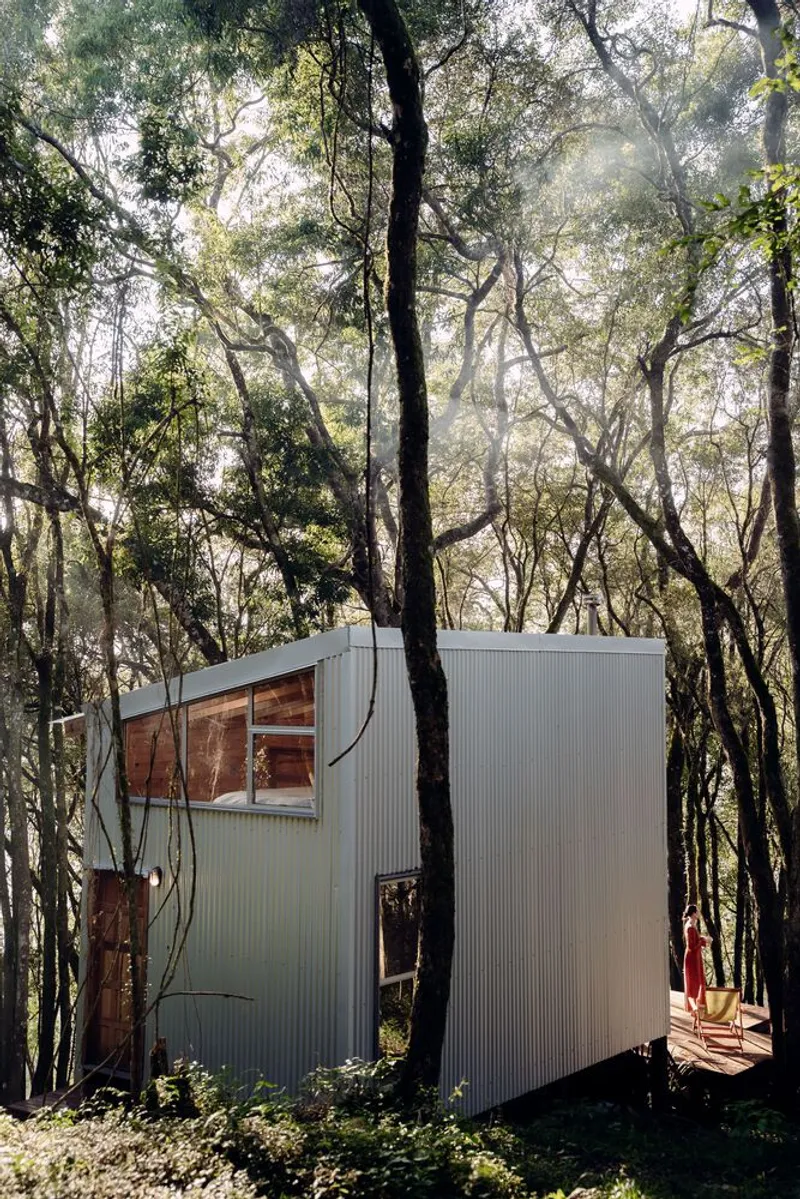
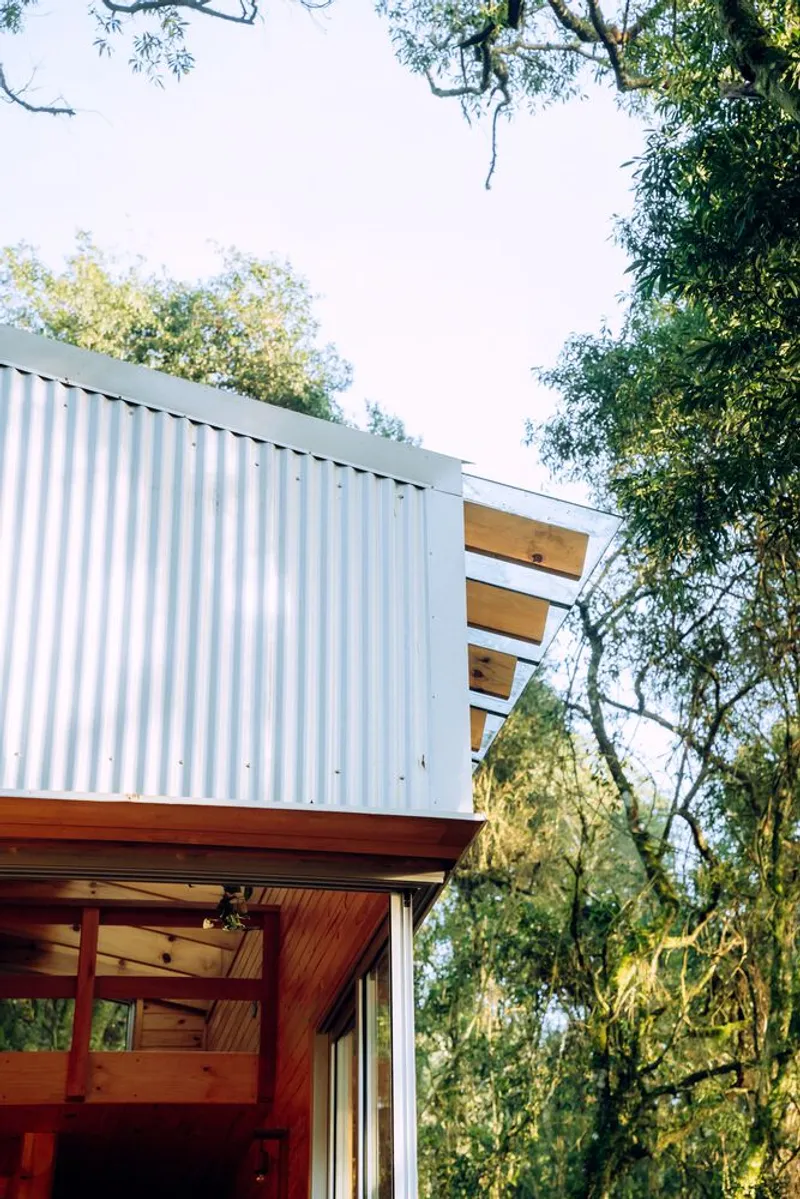
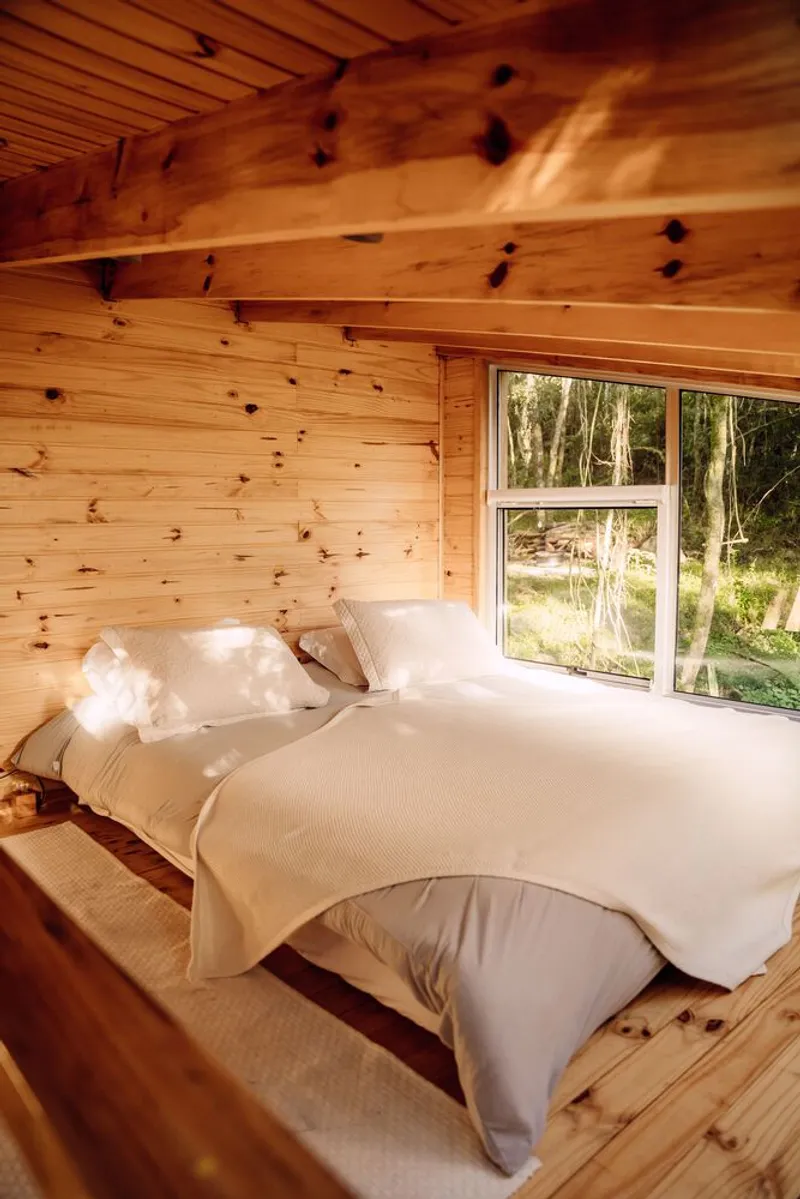
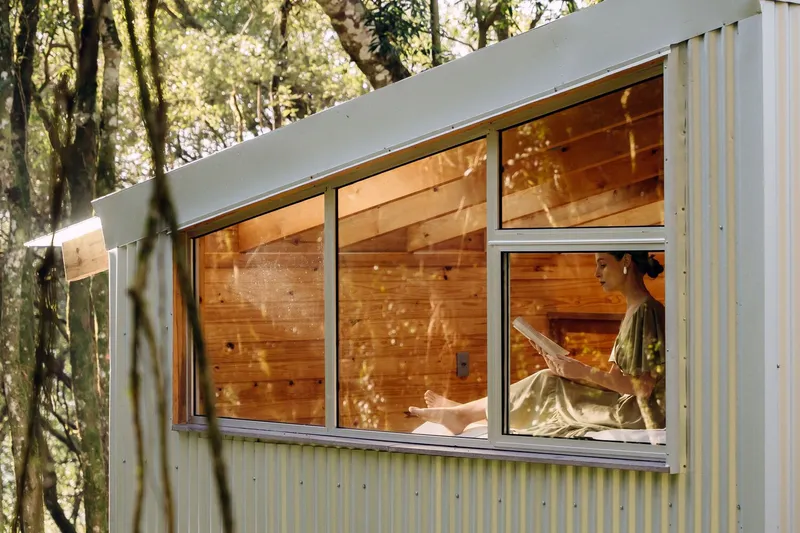
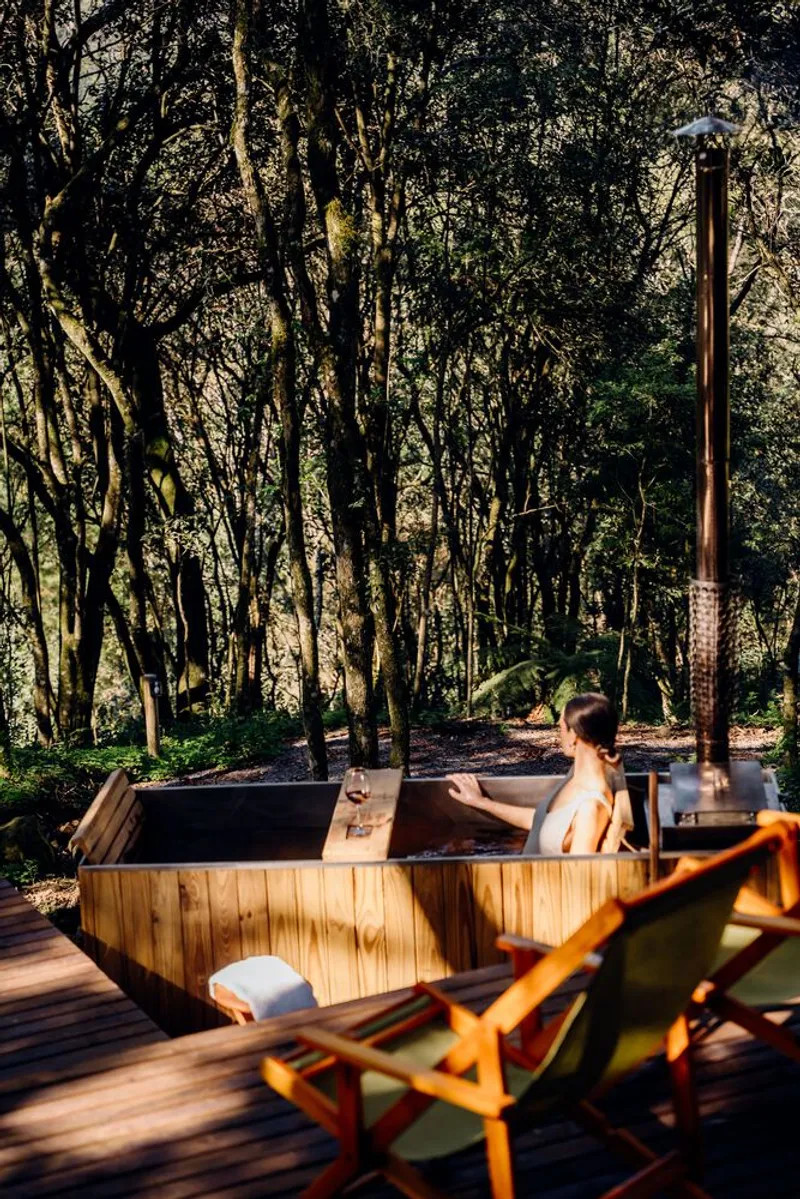
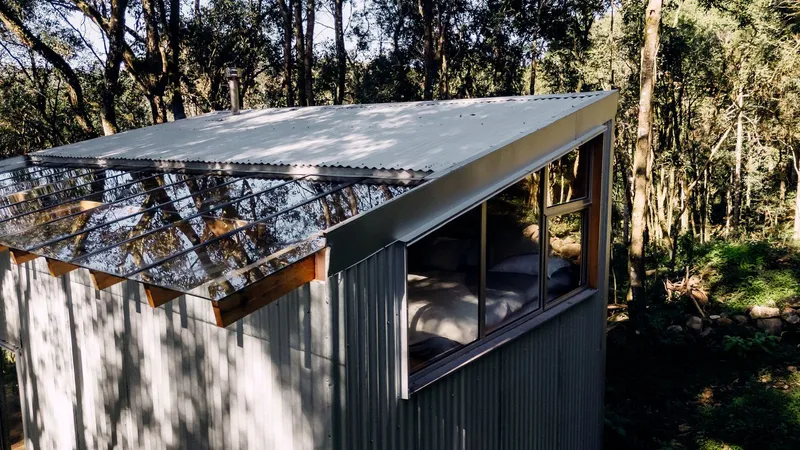
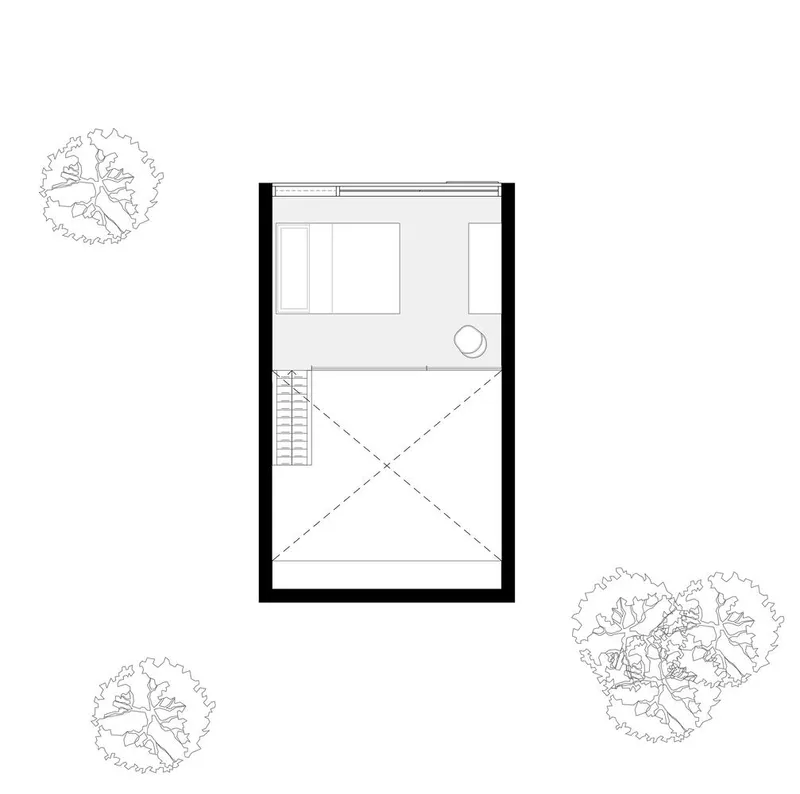
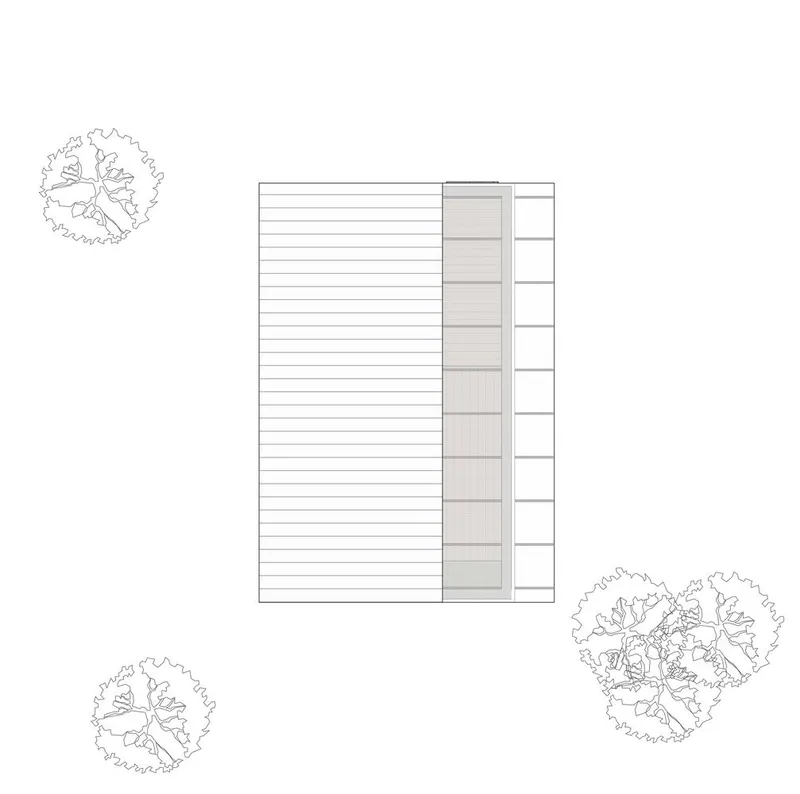
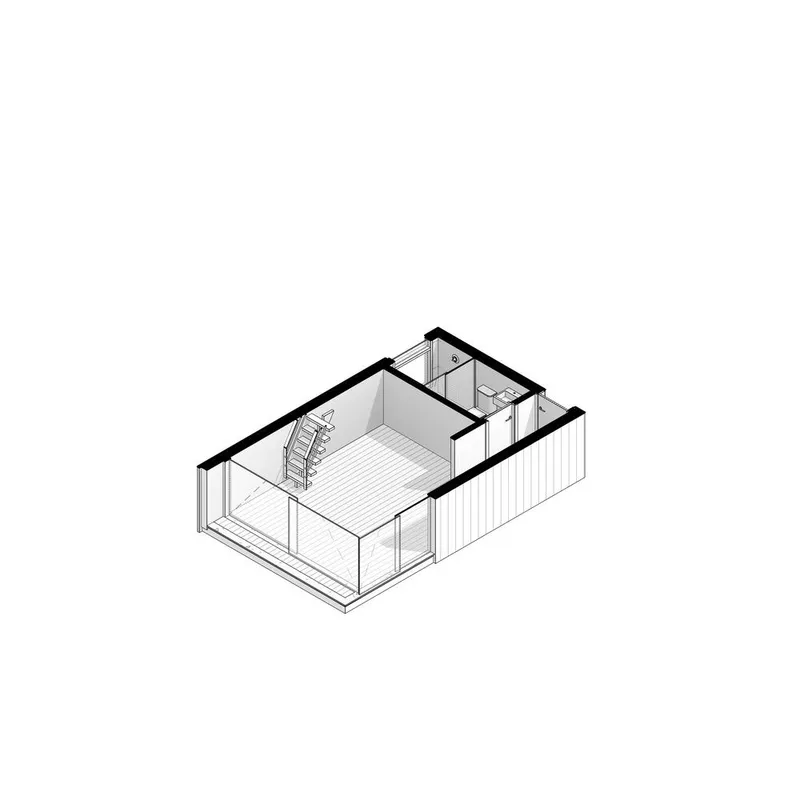
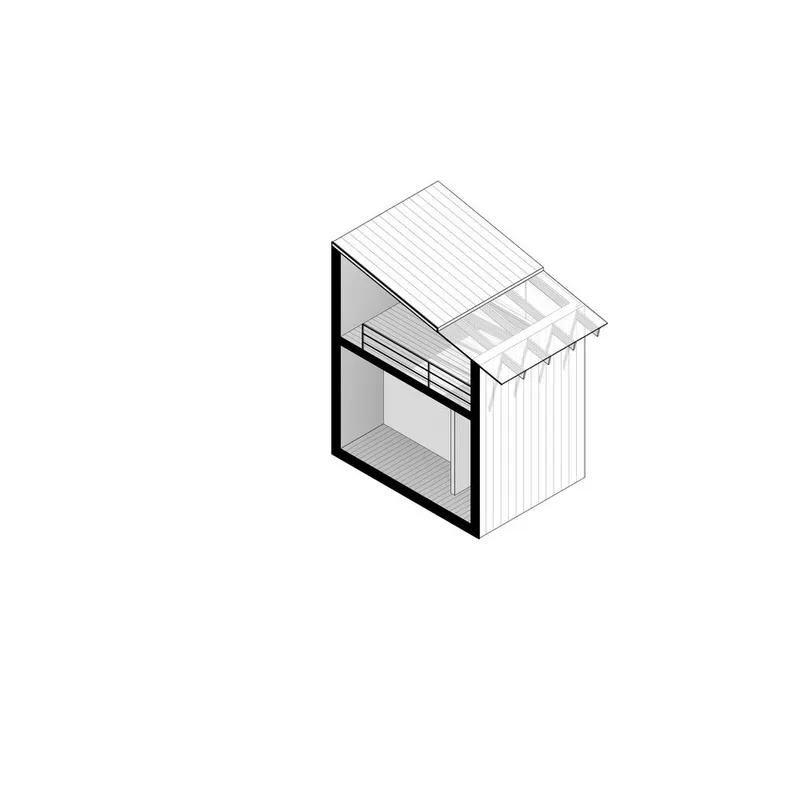
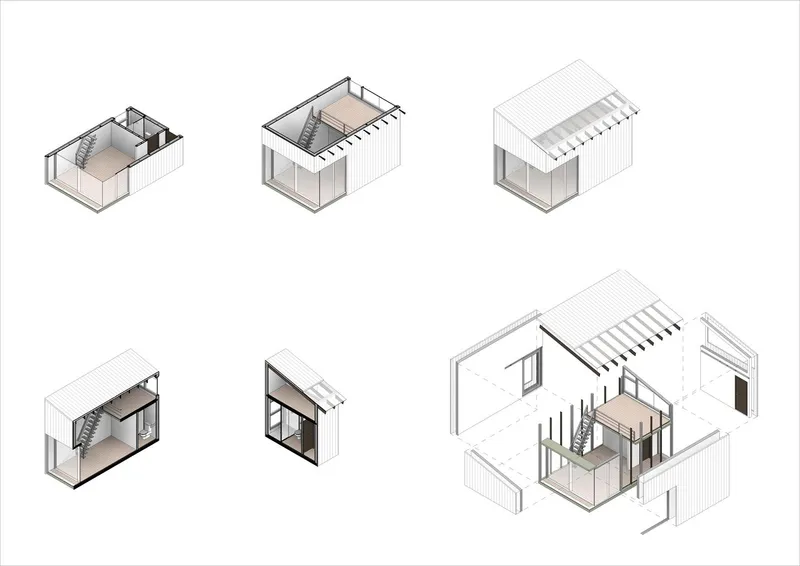
The cabin’s design features a single half-gable roof volume housing the living area, kitchen, bathroom, and a mezzanine bedroom. Large front openings and a linear skylight enhance natural light and visual connection with the outdoors. Tiered outdoor decks provide multifunctional spaces, including a barbecue, lounge area, wood-heated hot tub, and a dry sauna, blending leisure and nature.

Interior Design and Materiality
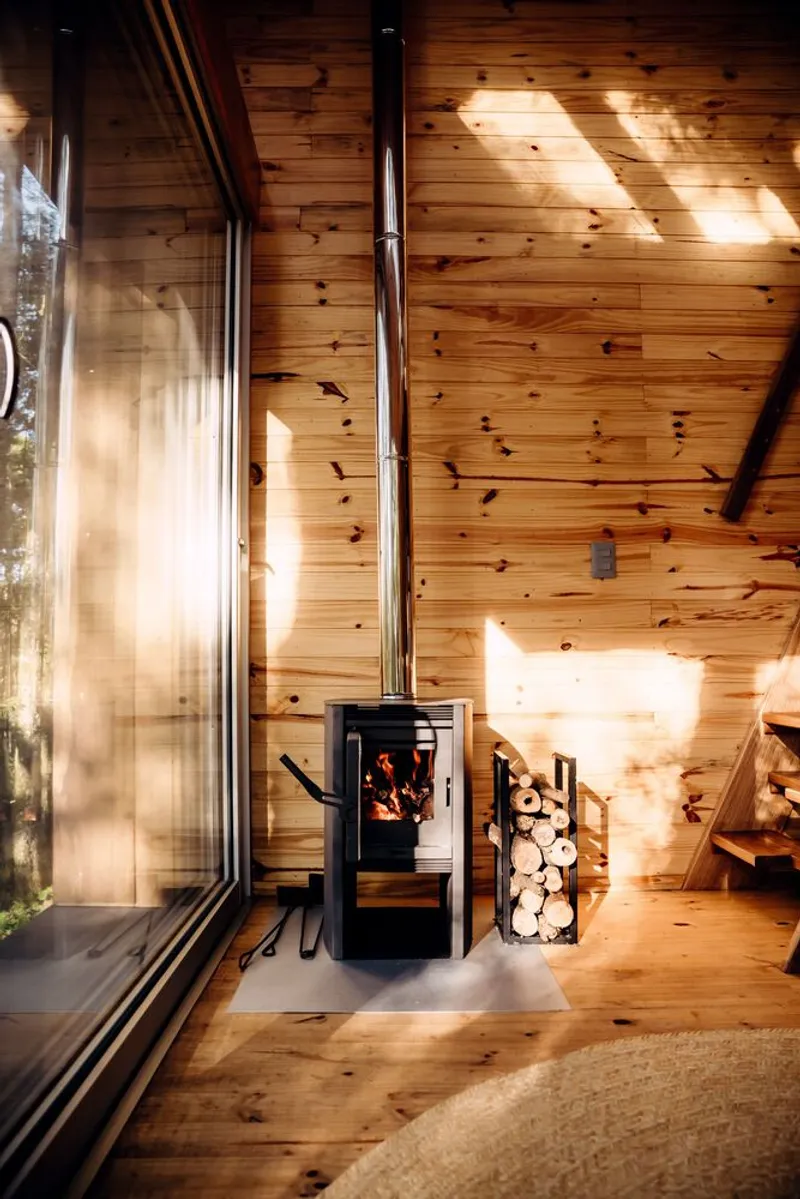
Inside, the cabin is fully clad in wood, creating warmth and comfort. Custom-designed furniture—including the kitchen, staircase, armchairs, and dining table—adds authenticity and intimacy. A floor-to-ceiling window in the bathroom and a triangular mezzanine window allow bathing and sleeping spaces to merge with the forest environment, creating a therapeutic and immersive experience.

Sustainable Strategies
Sustainability is central to the cabin’s architecture. The lightweight metal frame and wood-frame structure minimize ground impact. Rock wool insulation, waterproof membranes, and OSB sheathing improve thermal efficiency, ensuring comfort in the region’s cold climate. Fire elements, such as the wood-burning heater and fire pit, further enhance energy efficiency while adding sensory warmth.

Connection with Nature
The cabin emphasizes a holistic connection with the surrounding forest. Guests experience natural light, forest sounds, and seasonal weather variations throughout the day. Outdoor and indoor areas are intentionally blurred, creating a slow-paced, immersive environment that encourages relaxation and reconnection with nature.


Solena Cabin - Mata exemplifies sustainable cabin architecture in Brazil, combining sensitive site integration, thoughtful materiality, and immersive indoor-outdoor experiences to create a retreat that honors both nature and human comfort.


All Photographs are works of Geórgia L. Thomé


Popular Articles
Popular articles from the community


Cube Design Draws an Ecological Corridor Between Two Shenzhen Hills with the Nankai Building
Beside Shenzhen's container docks, the Nankai Building pairs stacked balconies with a climbing green screen to connect two hillsides across its height.

longwave studio Reorganizes a 112 m² Tainan Apartment Around the Daily Routines of a Family and Two Cats
In Tainan, Taiwan, birch plywood, rust-red furniture and a freestanding plaster wall link arrival, storage, work and family life in one apartment.

GROUP A Strips a 1969 Rotterdam Harbor Headquarters to Its Frame and Wraps It in Timber Louvers
In Rotterdam's M4H harbor district, Ferro Offices reuses a 1969 frame, adds one timber storey and reaches BREEAM-NL Outstanding.

U.GA Architects Wraps an Oval Rooftop Pool in Curved Board-Formed Concrete on Busan's Jeollidan-gil
In Busan's Jeonpo-dong, a 454 m² mixed-use block stacks a neighborhood facility, guest rooms and an oval rooftop pool inside spiraling concrete walls.

Similar Reads
You might also enjoy these articles

Bamboo Housing Challenge 2026: Design Affordable, Sustainable Homes Using Bamboo
An international design competition by Bamboo U and IBUKU inviting architects and designers to reimagine affordable housing using bamboo — with the winning design built full-scale in Bali.

Computational Design & Education: Beegraphy Design Awards Introduces 7th Category (Featuring Jiyun's Innovative Approach)
Dive into Beegraphy’s 7th Design Awards category, where computational design meets education to create immersive, interactive learning tools, inspired by Jiyun’s work.

From Parametric Lighting to Urban Furniture: Join the 2nd Workshop in Beegraphy’s Computational Design Series
Dive into Cutting-Edge Design Techniques and Practical Applications with Industry Experts

Last Call: Unleash Your Architectural Genius in SHAK's Kindergarten Design Competition
Urgent call for architects to join SHAK's kindergarten design competition before the looming deadline

Explore Architecture Competitions
Discover active competitions in this discipline

Challenge to reimagine the Iron Throne

Photograph architecture without architects

Illustrate the lost glory of Angkor Wat - Render Challenge

Design challenge to reuse E-waste
Comments (0)
Please login or sign up to add comments
No comments yet. Be the first to comment!