
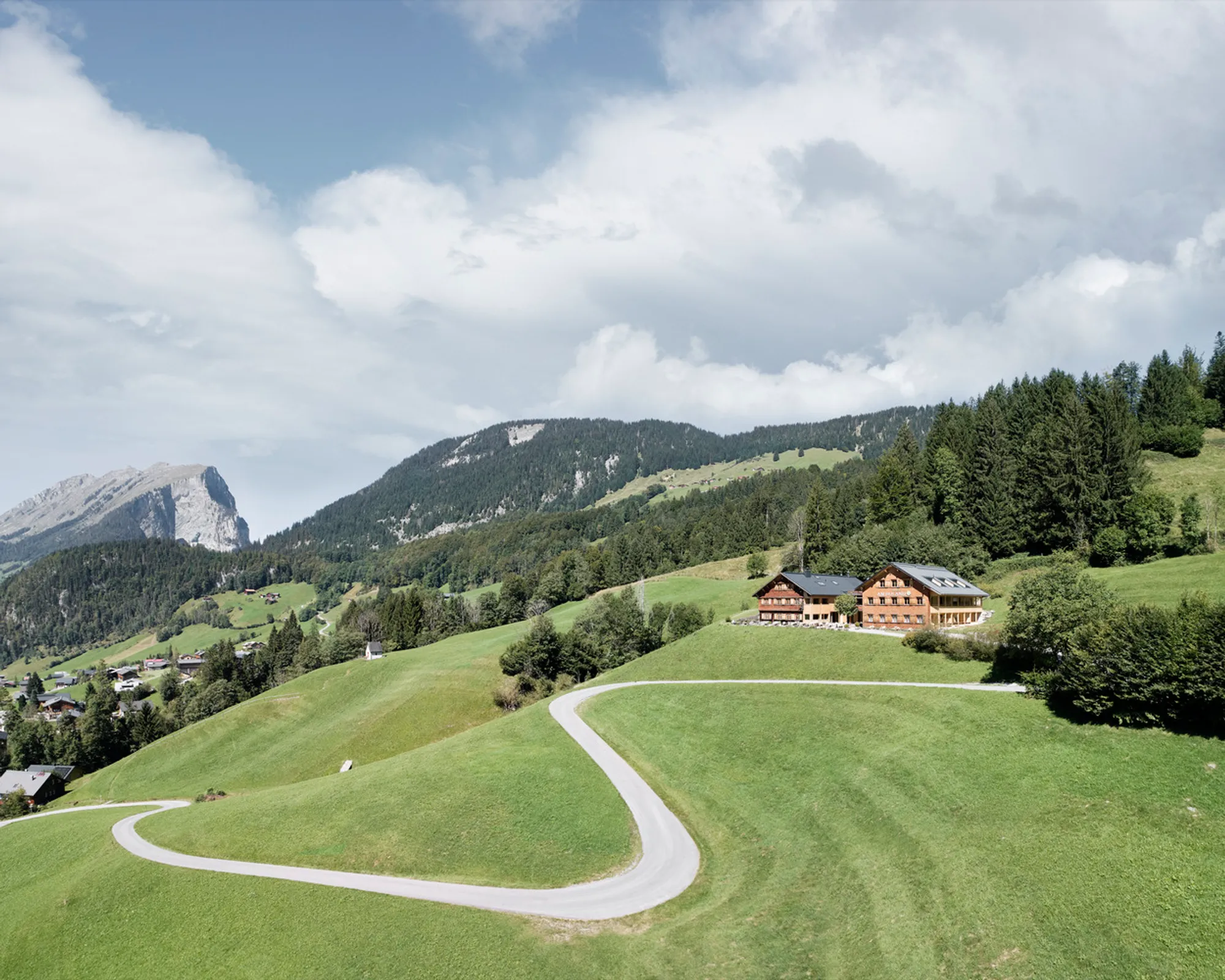
Sustainable Hotel Renovation in Austria: A Case Study of Hotel Am Holand
Exploring the sustainable renovation of Hotel Am Holand in Austria, focusing on design and craftsmanship.


Renovating historical buildings into modern accommodations is a challenge many architects face. Hotel Am Holand in Austria exemplifies how a 200-year-old structure can be transformed into a contemporary hotel while embracing sustainability. This article explores the architectural innovation and sustainable practices behind the renovation of Hotel Am Holand by firm Architekten.
The Renovation Journey
Phase One: Embracing the Landscape
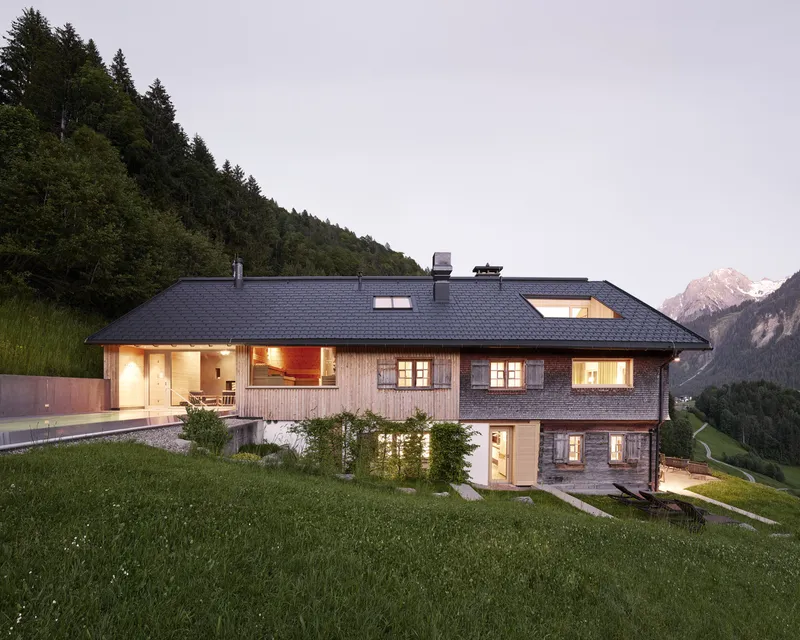
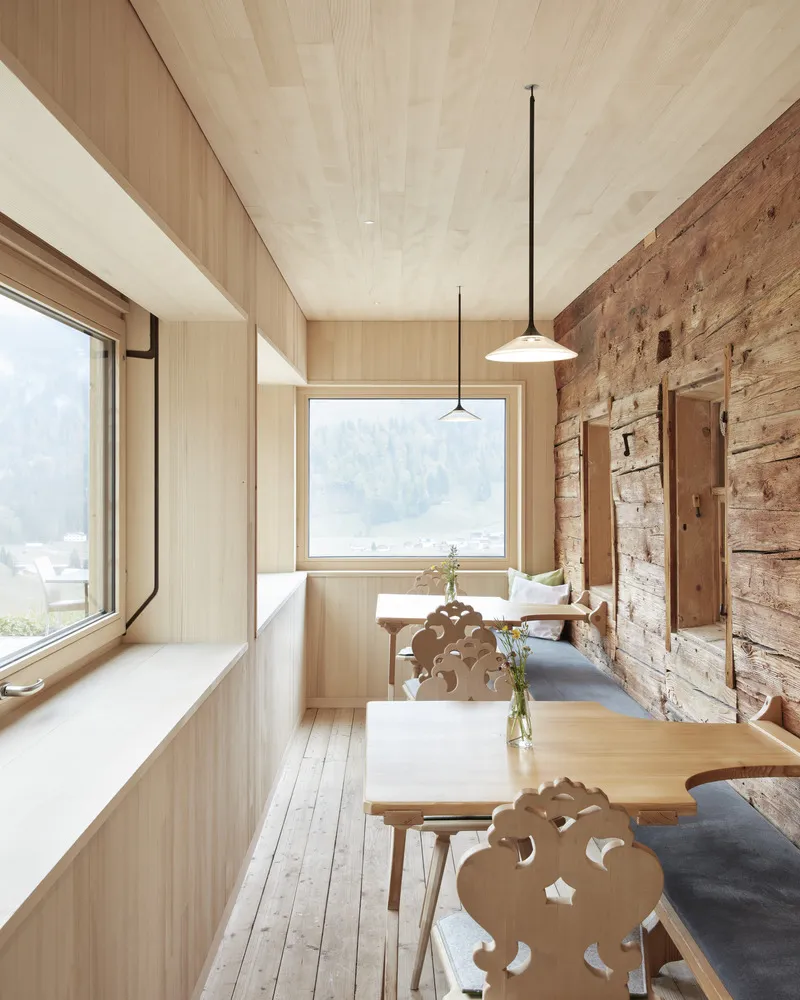
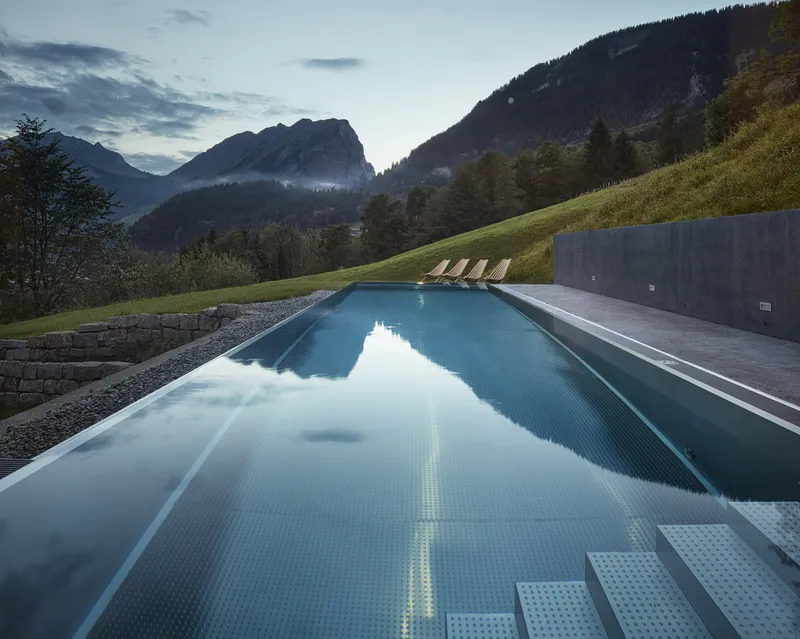
The renovation of Hotel Am Holand began with the vision to enhance the connection between the hotel's interiors and the breathtaking Austrian landscape. The project focused on opening up spaces to provide guests with expansive views and a sense of continuity with the outdoors. The use of large windows and strategic room expansions were key to achieving this goal.
Phase Two: Wellness and Comfort
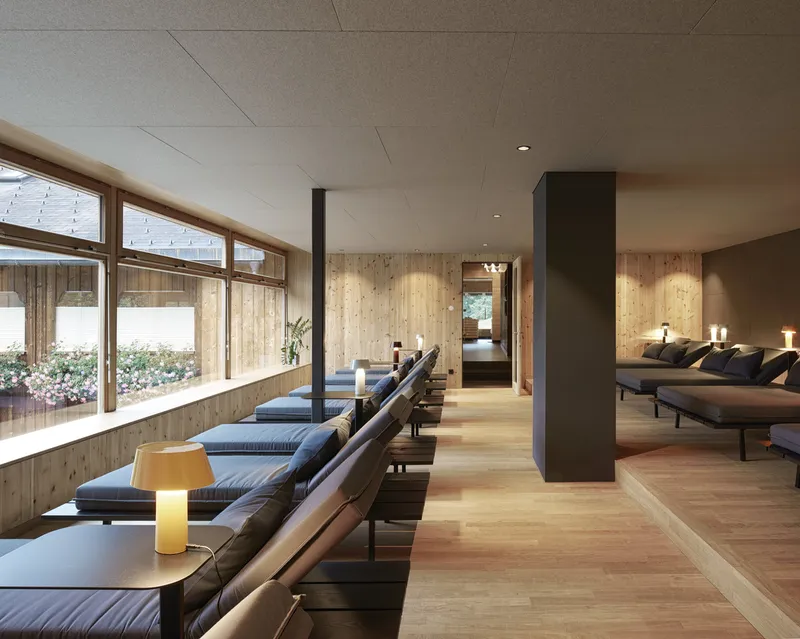
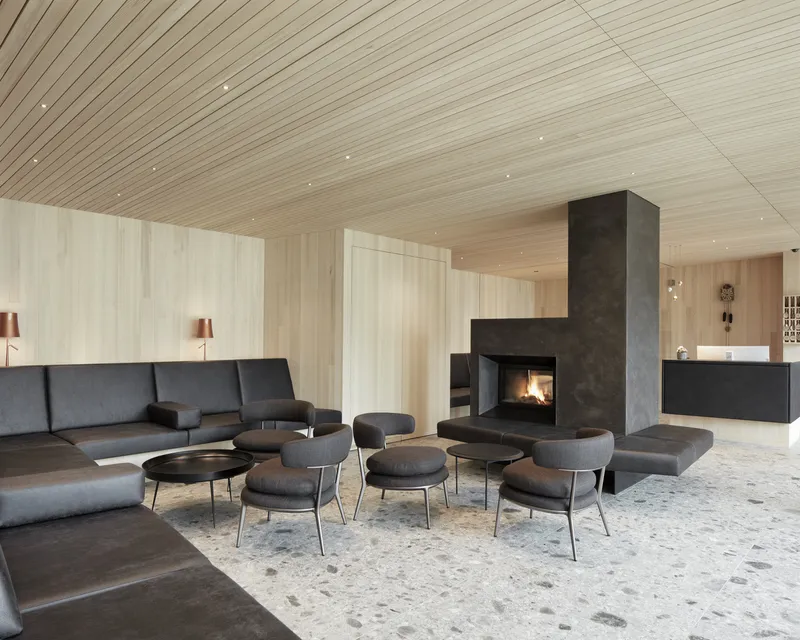
In 2018, the addition of a wellness facility and an outdoor pool marked the hotel's commitment to guest comfort. The wellness area, positioned to offer serene views, added a luxurious touch to the hotel's amenities. The introduction of the "Trustbar" and a new lobby in 2021 further emphasized comfort, offering guests a cozy space to relax by the fireplace.
Phase Three: Culinary Experience and Suite Enhancements
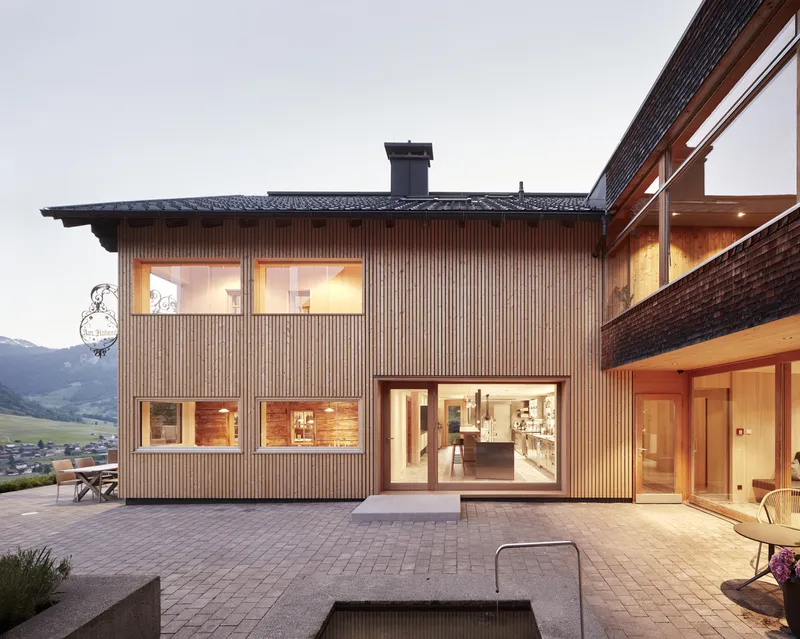
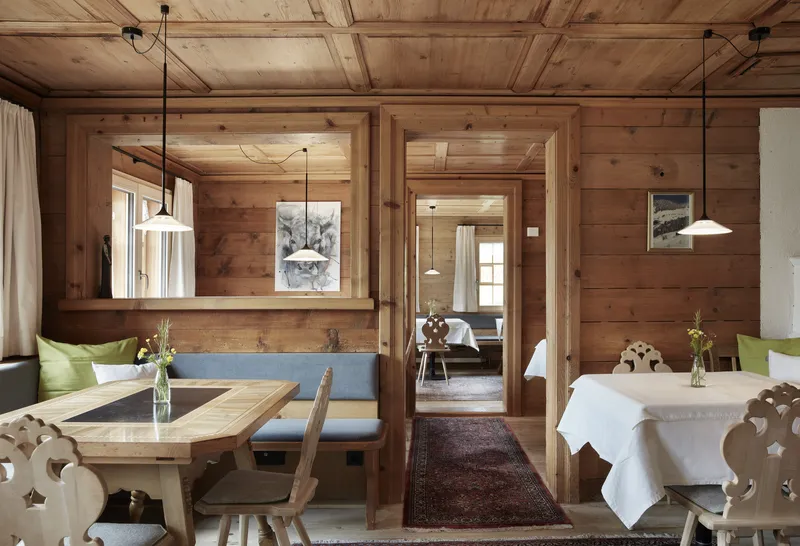
The open kitchen concept introduced in the dining area bridges the gap between the host and the guests, creating an intimate dining experience. The renovation of the dining rooms and the addition of three suites with unique spatial structures and views transformed the guest stay into an exclusive experience.
Sustainable Practices and Local Craftsmanship
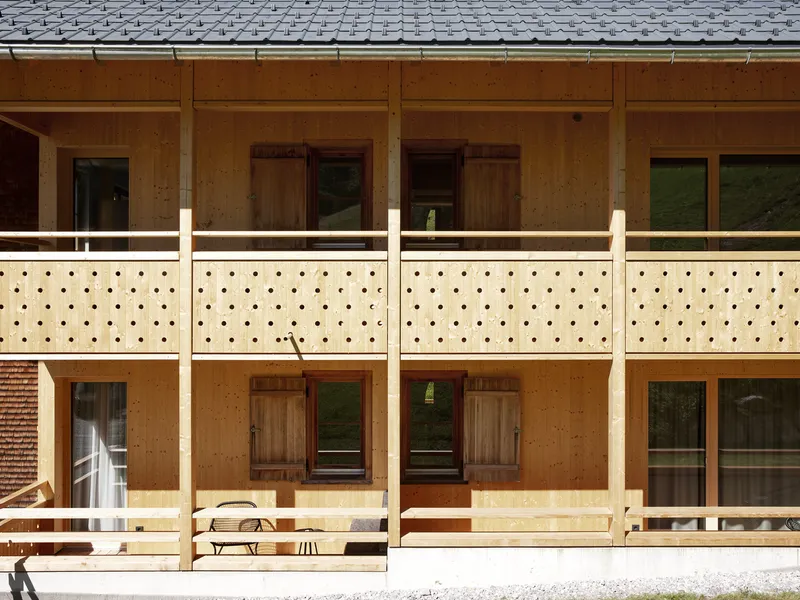
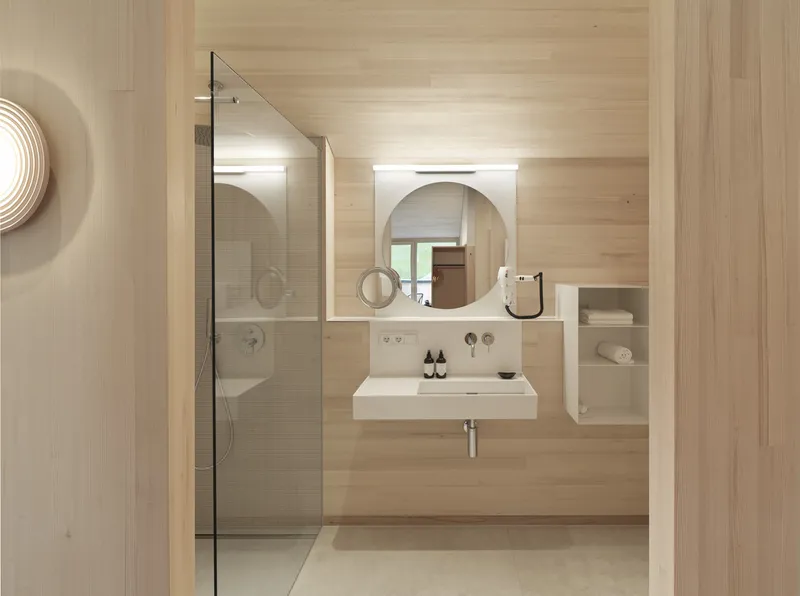
A cornerstone of the renovation was the commitment to sustainability and supporting local craftsmanship. All construction phases utilized local wood and were carried out by village craftsmen, showcasing a dedication to regionality. The materials used, such as brushed fir or beech wood for walls and ceilings and soaped, rough-sawn beech for floors, highlight the natural beauty and sustainability of local resources.
Architectural and Design Highlights
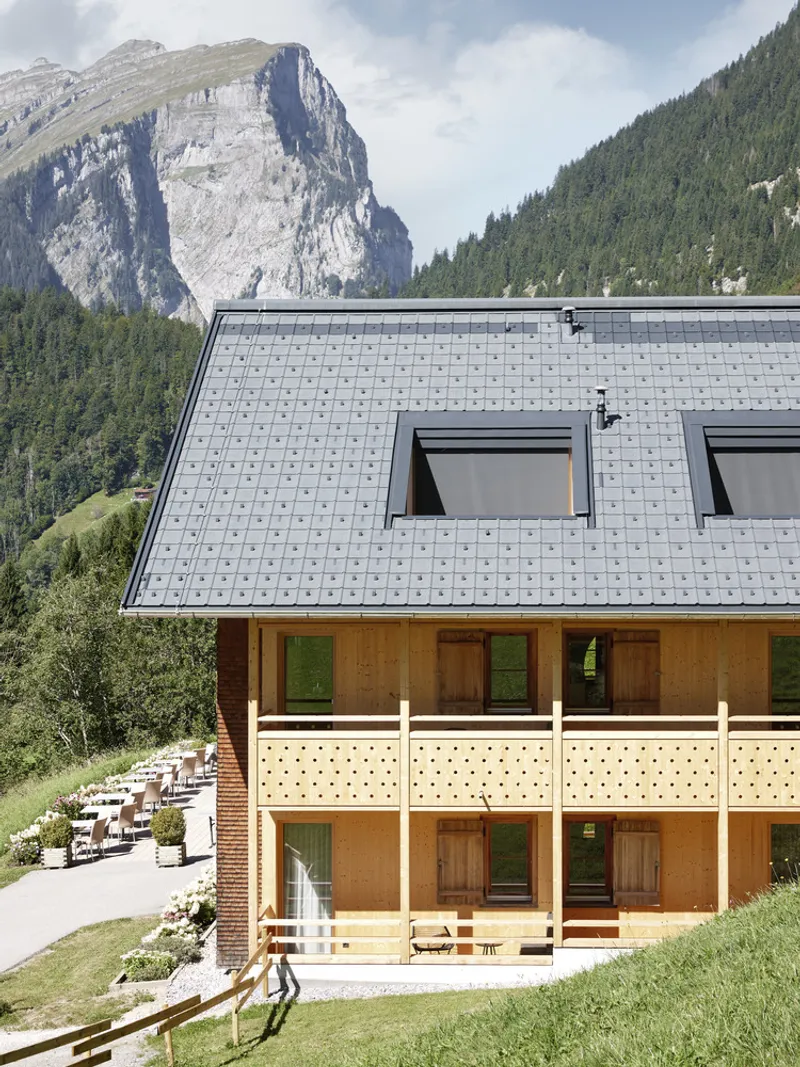
- Outdoor Spaces: The renovation introduced balconies and roof terraces, providing private outdoor areas for guests to enjoy the landscape.
- Material Use: The contrast between the beech furniture and light wooden surfaces, along with the lime plaster in the eastern part of the building, reflects a thoughtful choice of materials that complement the hotel's aesthetic.
- Lighting Design: The lighting concept was carefully crafted to accentuate architectural features and create a warm, inviting atmosphere throughout the hotel.
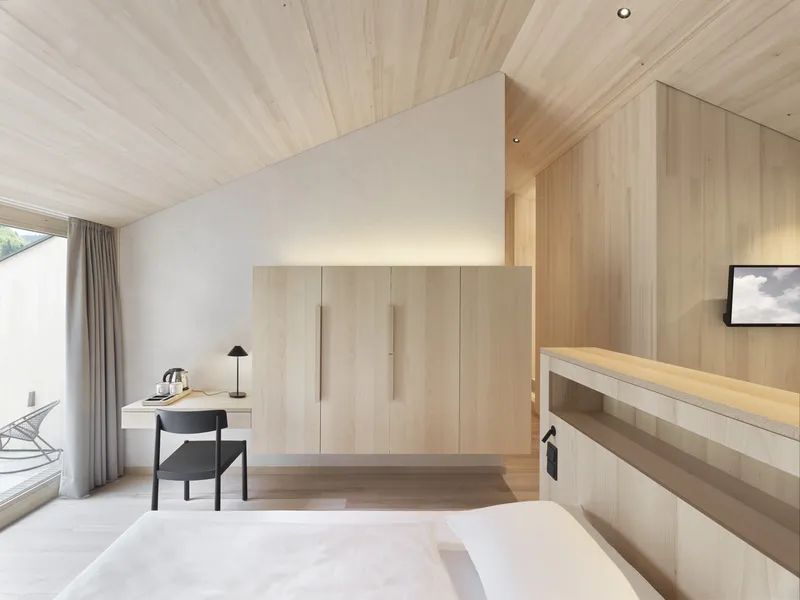
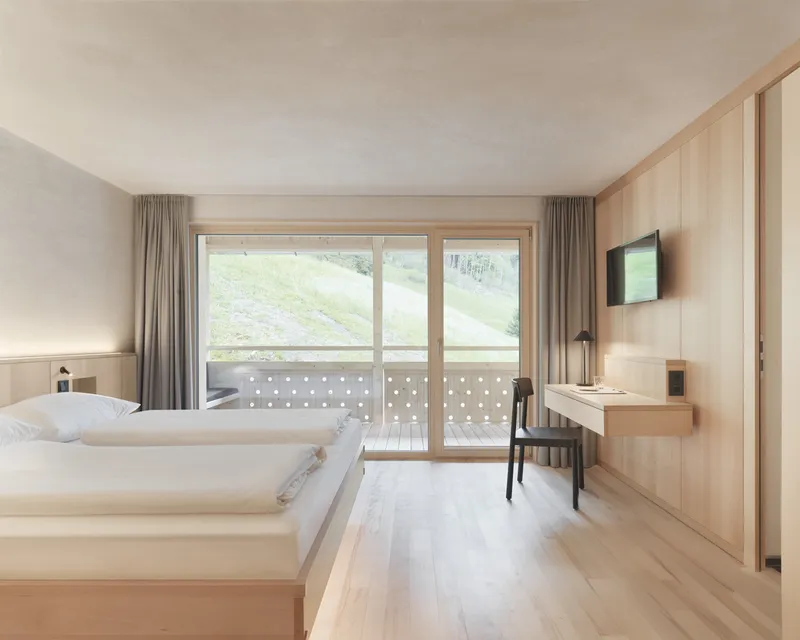
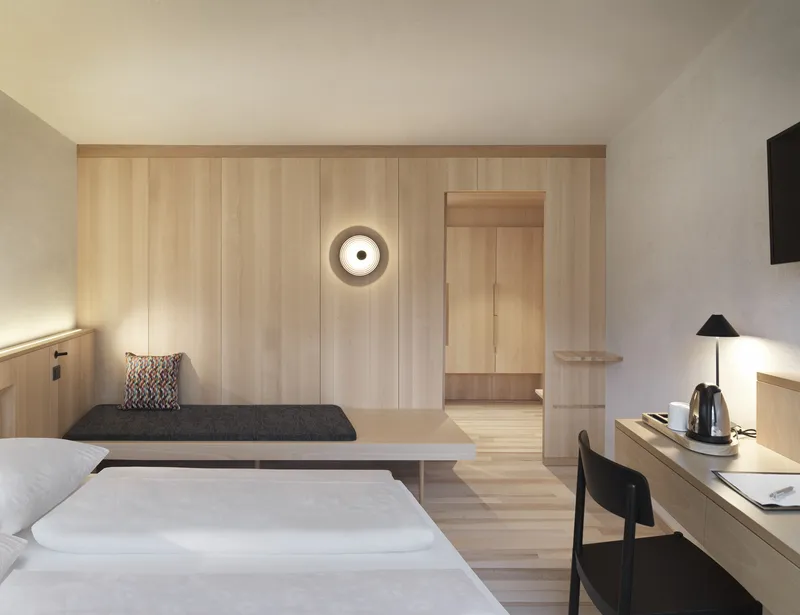
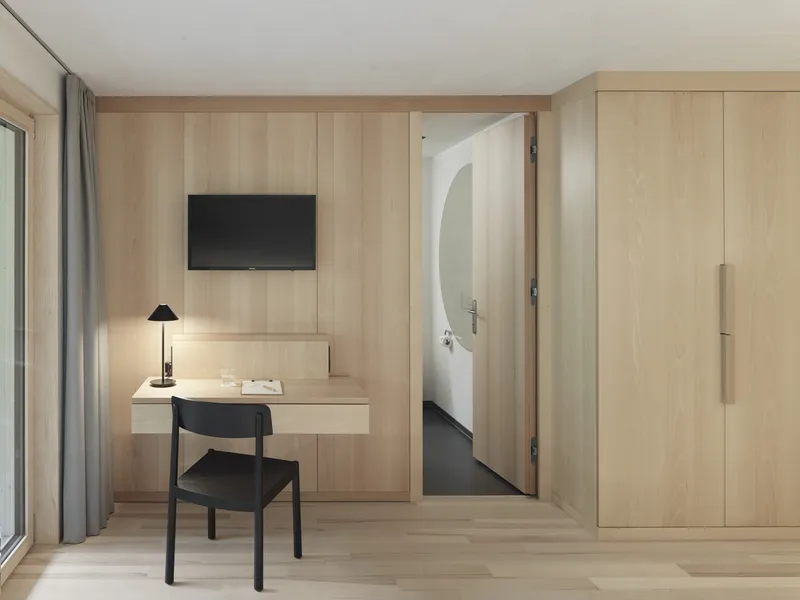
Hotel Am Holand's transformation is a testament to how sustainable practices can be seamlessly integrated into hotel renovations. By focusing on local craftsmanship, material sustainability, and a deep respect for the surrounding landscape, firm Architekten has set a benchmark for future projects in the hospitality industry. This renovation not only provides a luxurious experience for guests but also preserves the cultural and historical essence of the building, making Hotel Am Holand a prime example of sustainable hotel renovation in Austria.
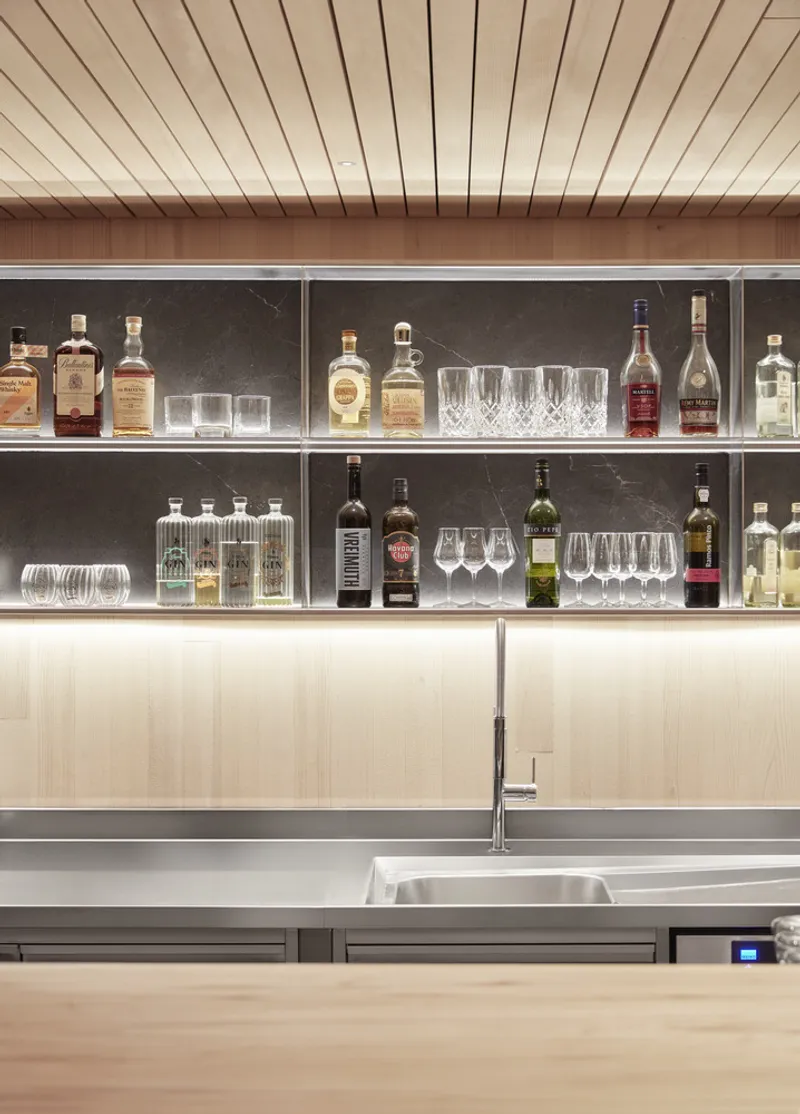
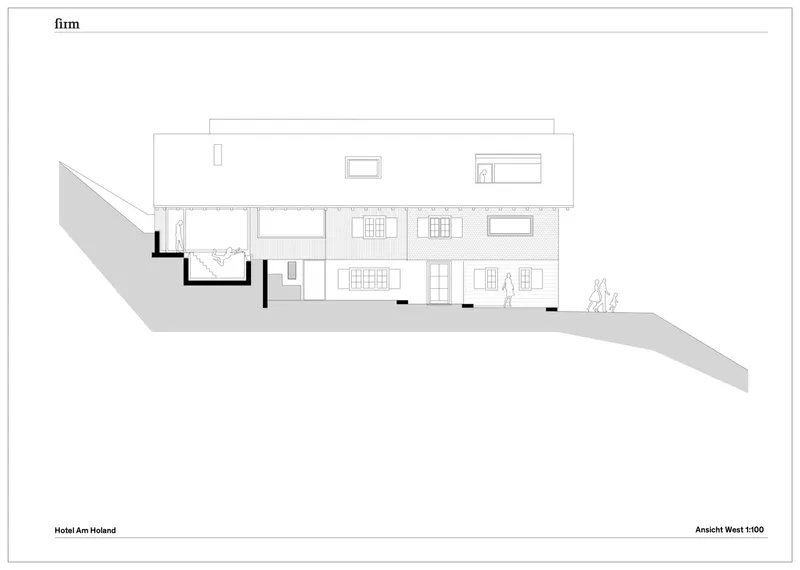
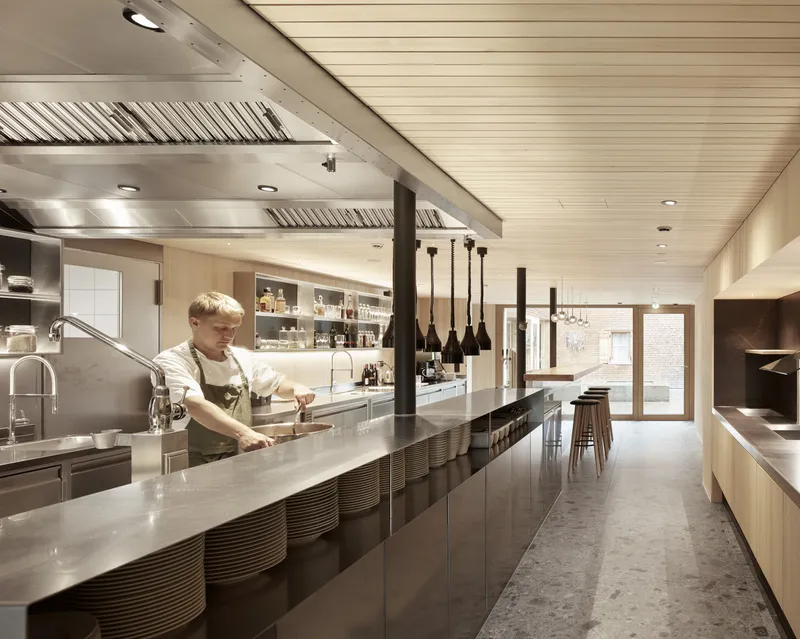
All photographs are work of Adolf Bereuter



Popular Articles
Popular articles from the community


Conexión: Biophilic Design Reimagines High-Rise Living in Hong Kong
Conexión reimagines high-rise living in Hong Kong through biophilic design, green facades, shared spaces, daylight, water and nature within.

Co-life: Sustainable Architecture for Age-Friendly Community Living
Co-life reimagines sustainable architecture for seniors through courtyards, rammed earth, shared gardens, and spaces designed for belonging.

Co-Life: Senior Housing Design That Reconnects Older Adults With the City
Co-Life reimagines senior housing design through healing gardens, shared streets, workshops, and a sustainable community across generations.

Riyadh For All: Intergenerational Urban Design for Active Aging in Rabat
Riyadh For All reimagines urban design in Rabat with intergenerational co-living, adaptive courtyards, and Moroccan cultural exchange today.

Similar Reads
You might also enjoy these articles

FAMM Arquitectura Organizes Ten Villas Around Courtyards and Jungle in Nosara, Costa Rica
El Molino pairs two elongated volumes with deep overhangs and timber louvers to build a compact coastal community five minutes from the beach.
Oscar Niemeyer's Ibirapuera Park Pavilions Define São Paulo's Cultural Identity in Concrete and Curve
A constellation of modernist volumes set within São Paulo's most important urban park, conceived for the city's 400th anniversary in 1954.
How Henri Picq's 1889 Paris Pavilion Traveled 11,000 Kilometers to Become Santiago's Artequín Museum
A prefabricated iron and glass pavilion built for the Paris Universal Exposition found a second life as a children's art museum in Chile.
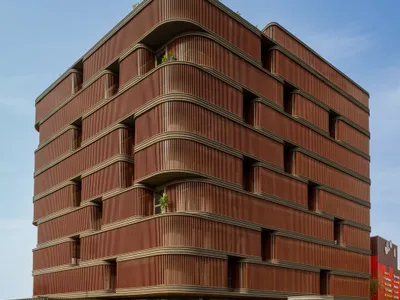
Sanjay Puri Architects Wraps a Jaipur Office Tower in Capsule-Shaped Green Buffers
A nine-level climate-responsive workplace near Jaipur Airport uses stacked planter terraces and aluminium screens to fight 40°C heat.


Explore Hospitality Building Competitions
Discover active competitions in this discipline



Challenge to reimagine the Iron Throne


Photograph architecture without architects


Illustrate the lost glory of Angkor Wat - Render Challenge


Design challenge to reuse E-waste
Comments (0)
Please login or sign up to add comments
No comments yet. Be the first to comment!