
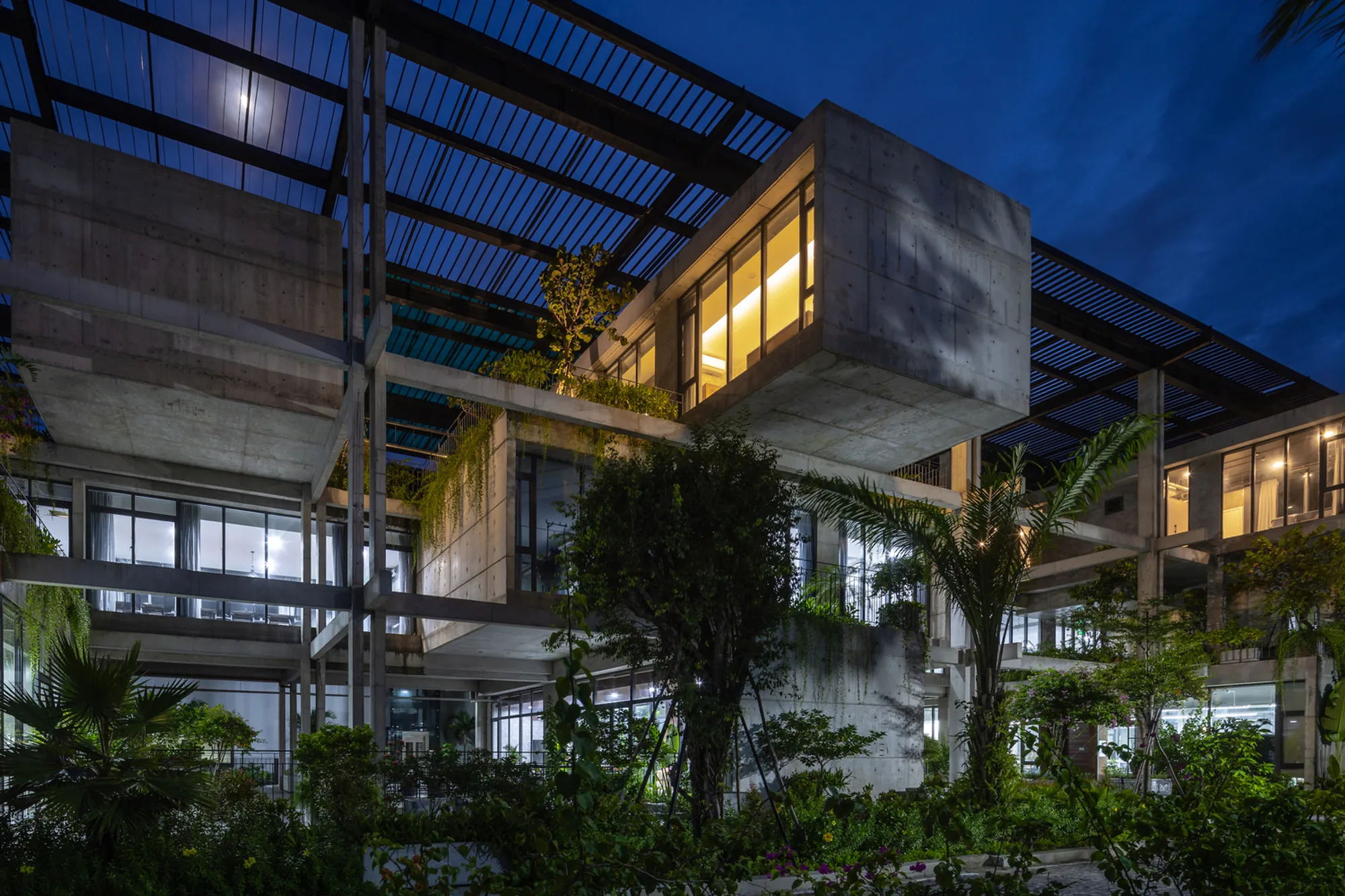
Textile Factory Office: A Landmark in Industrial Office Architecture by Ho Khue Architects
Textile Factory Office by Ho Khue Architects redefines industrial office architecture through craft-inspired design, nature integration, and spatial dignity.


Reimagining the Factory Workplace in Da Nang, Vietnam
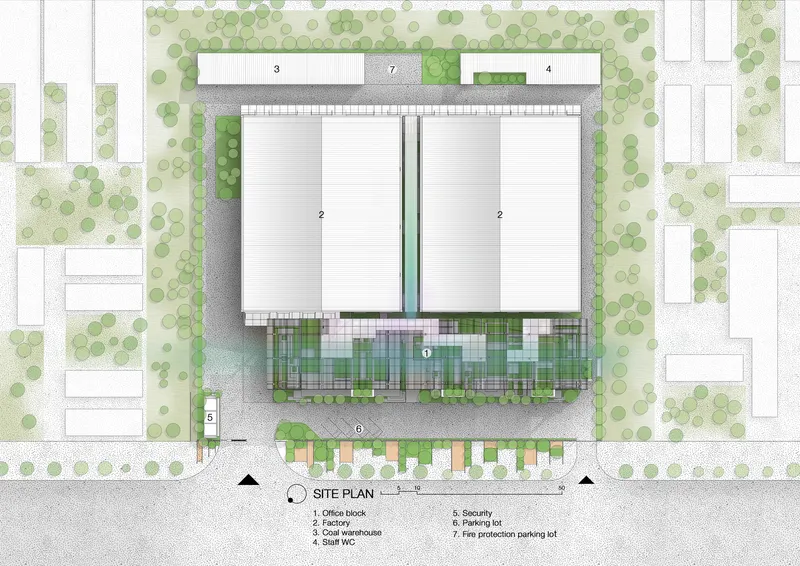
The Textile Factory Office in Da Nang, Vietnam, designed by Ho Khue Architects, challenges the conventional identity of industrial architecture. Completed in 2023 within one of the country’s most active 24/7 manufacturing zones, this 1500 m² project introduces a radically human-centric and environmentally conscious vision of industrial office architecture. Moving beyond utilitarian efficiency, the design foregrounds spatial quality, aesthetic resonance, and deep connection to the local context and craft heritage.
A Site for Productivity and Poetic Design
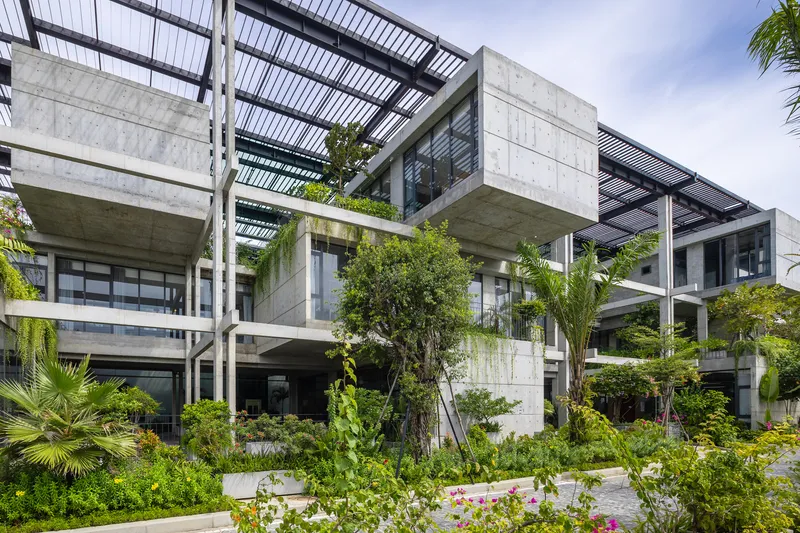
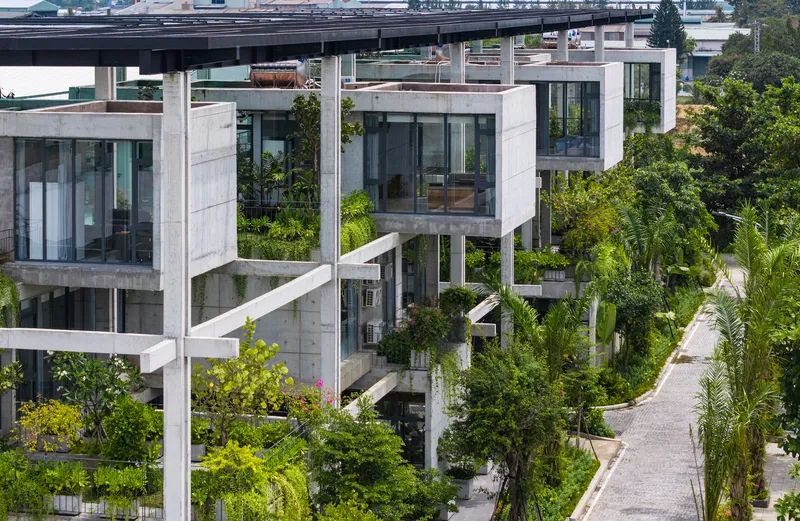
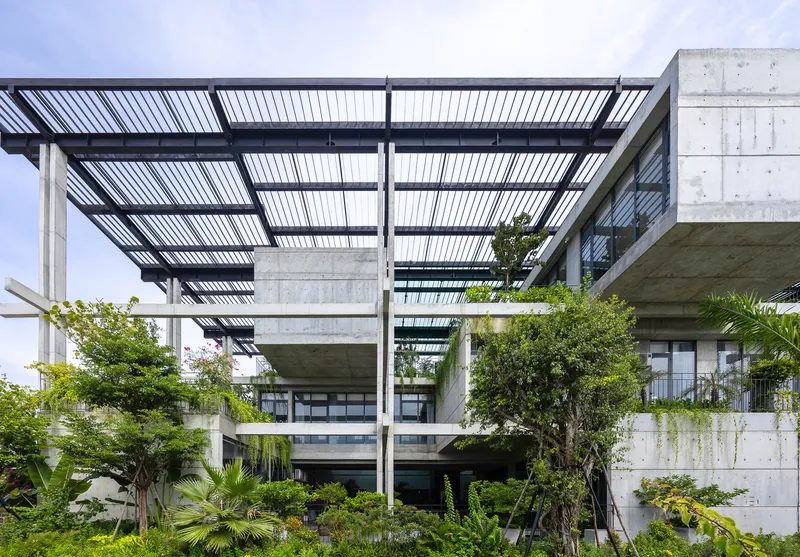
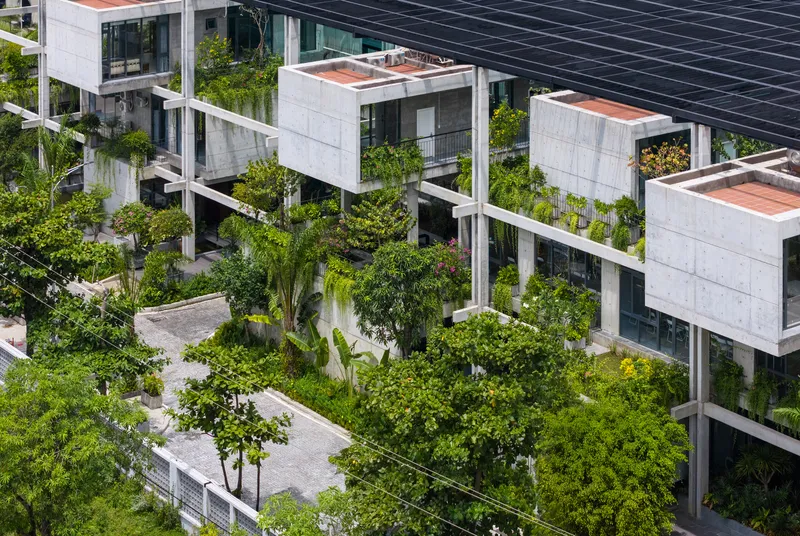
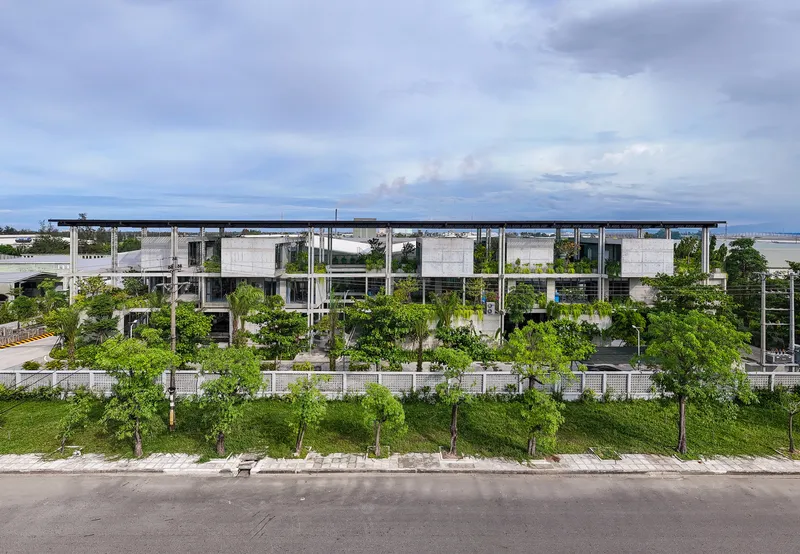
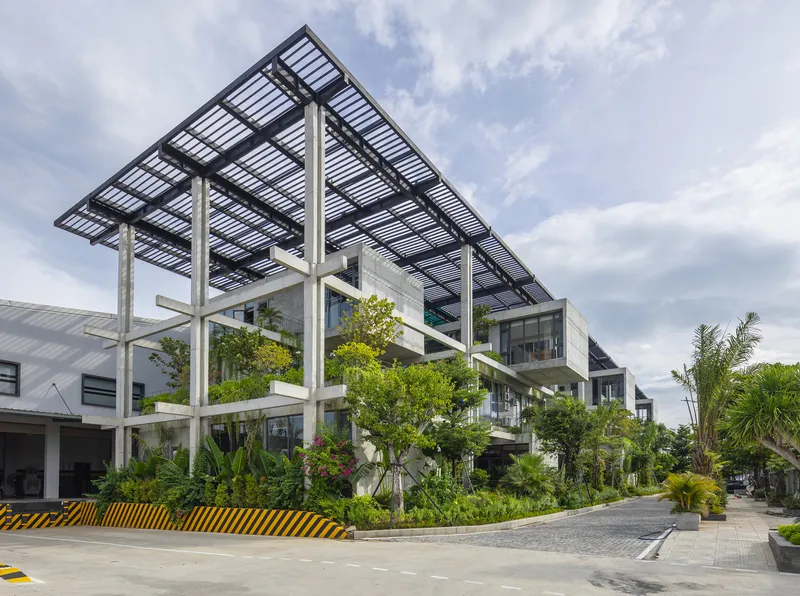
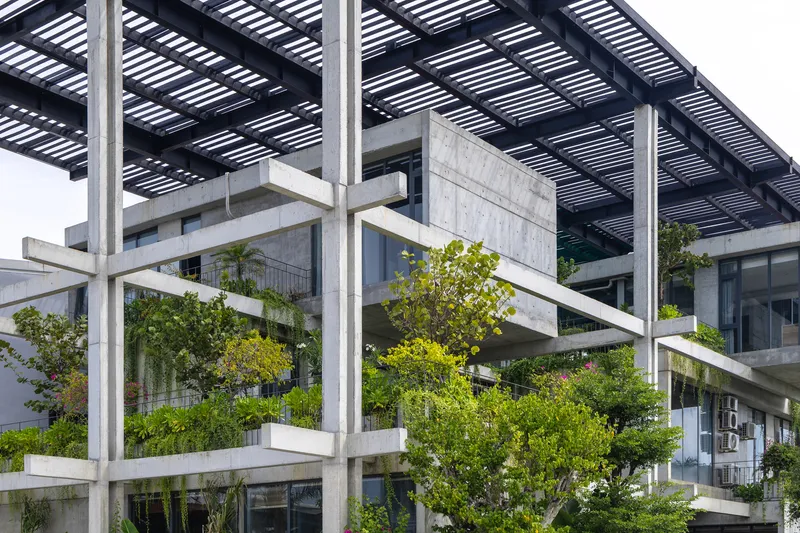
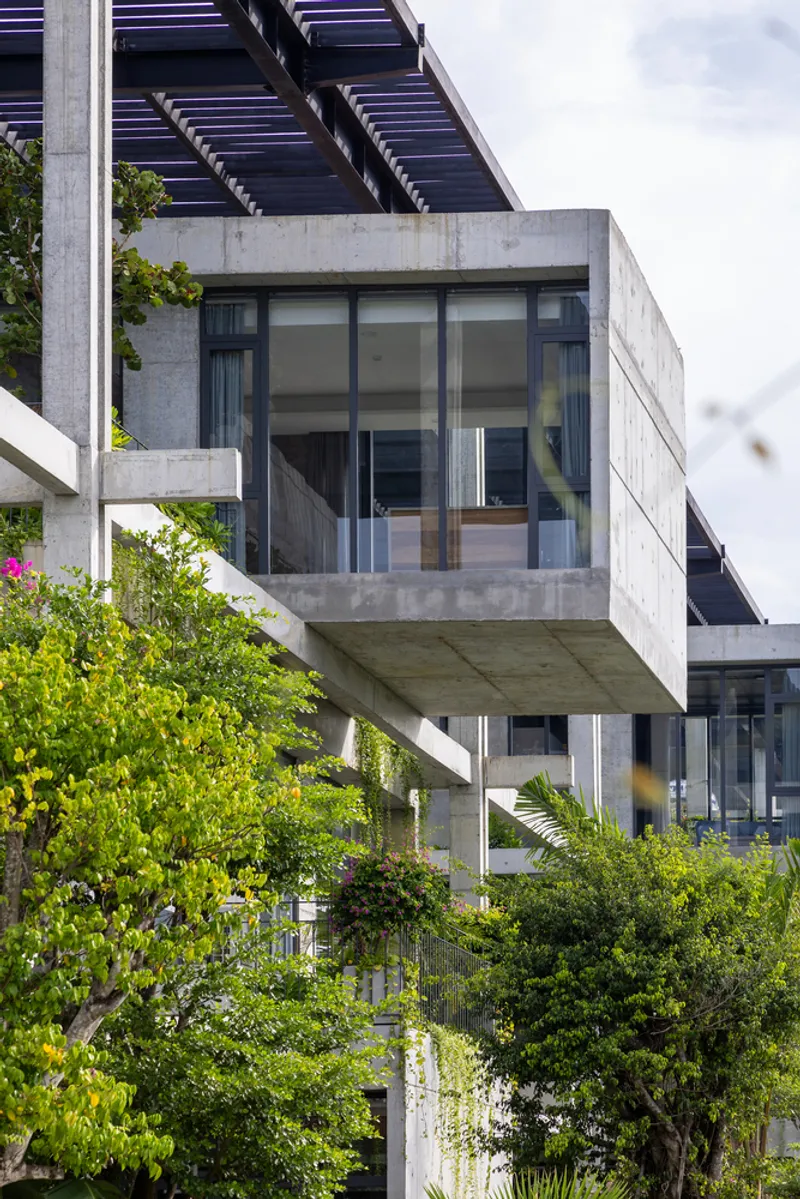
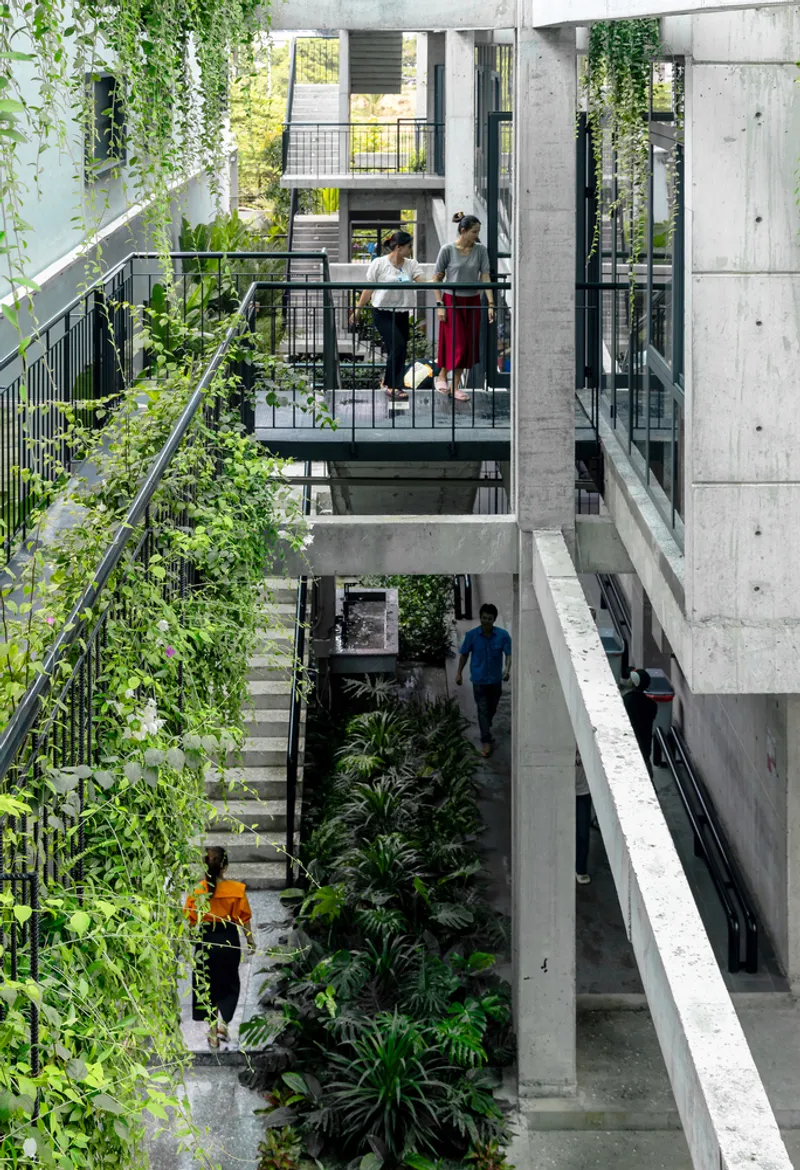
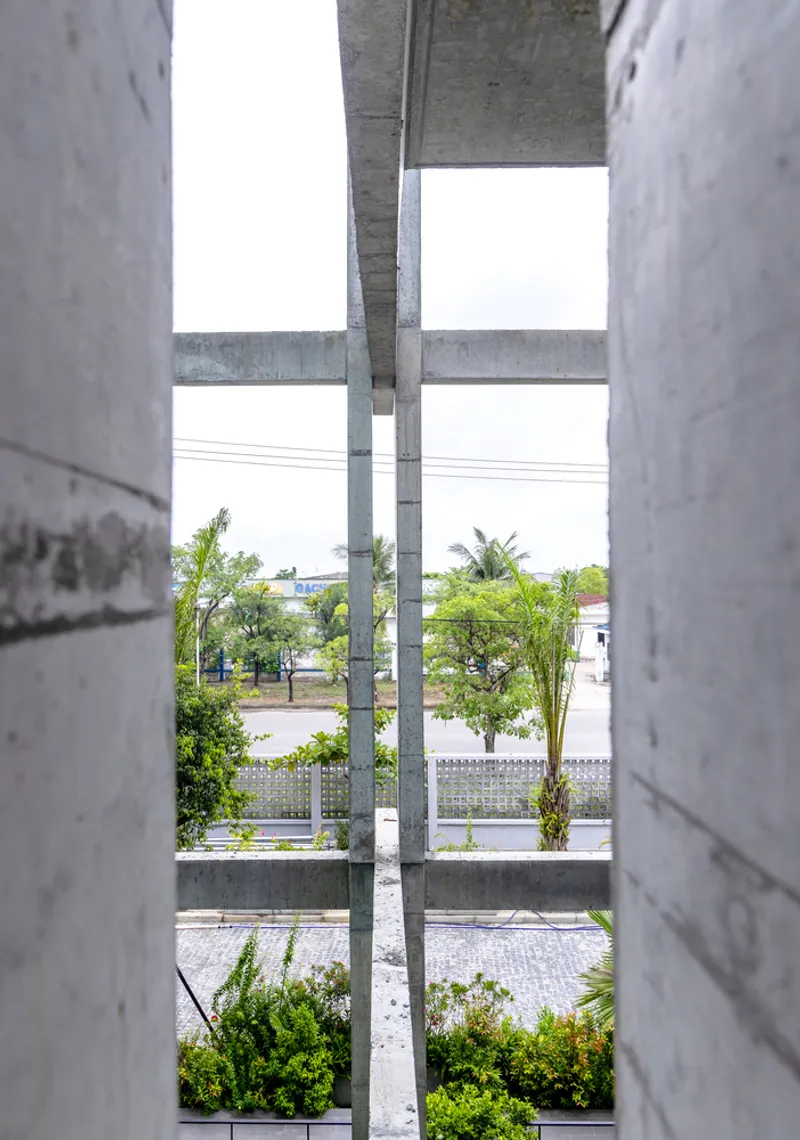
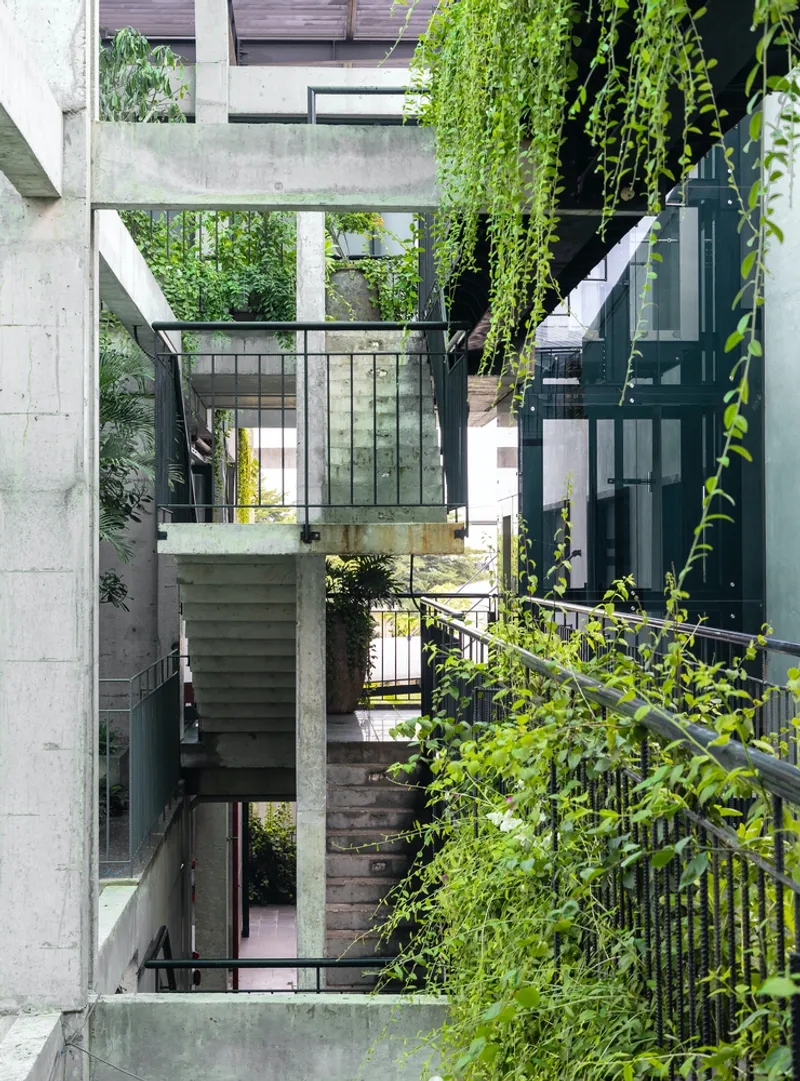
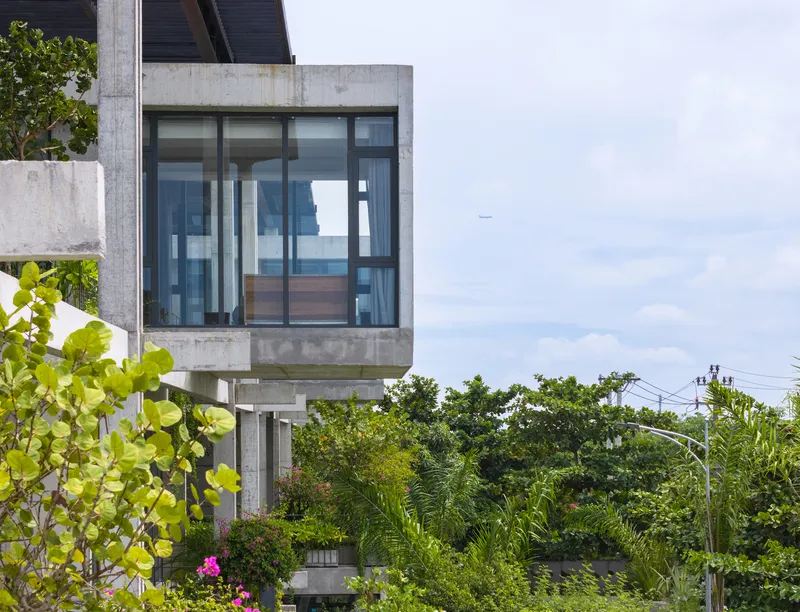
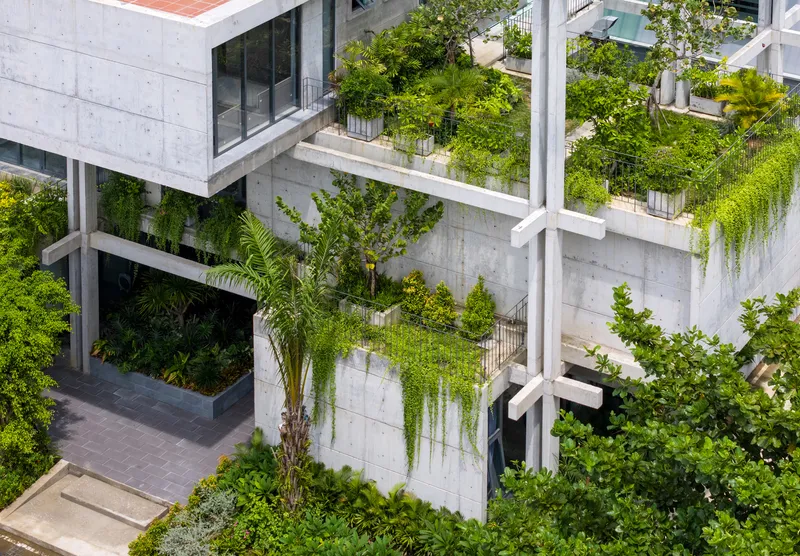
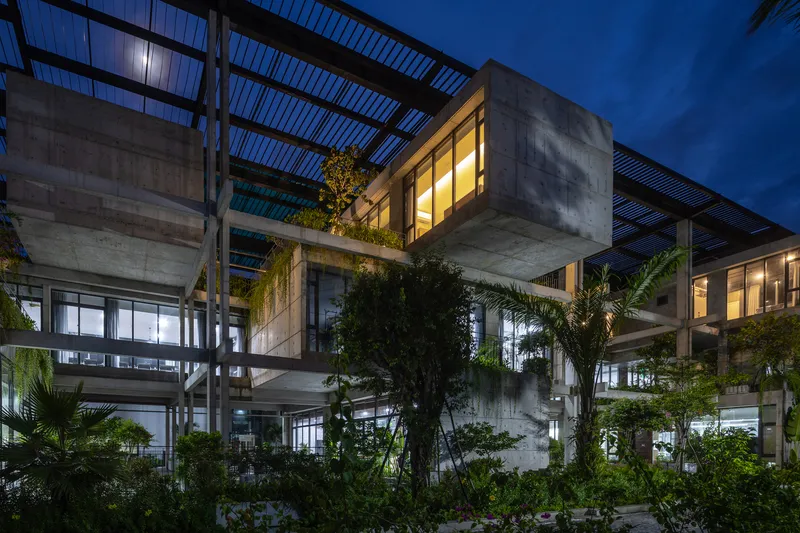
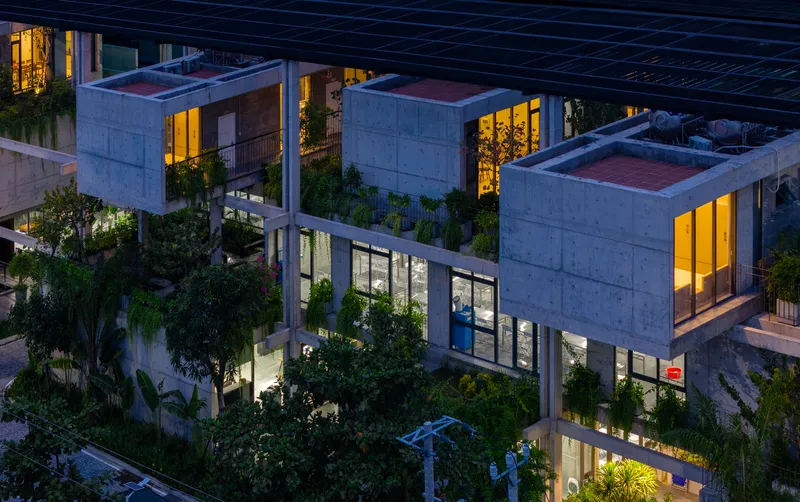
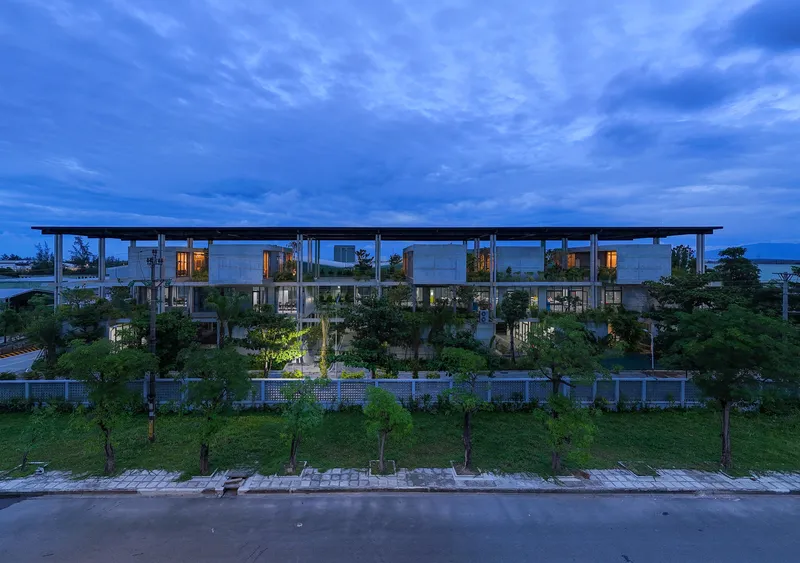
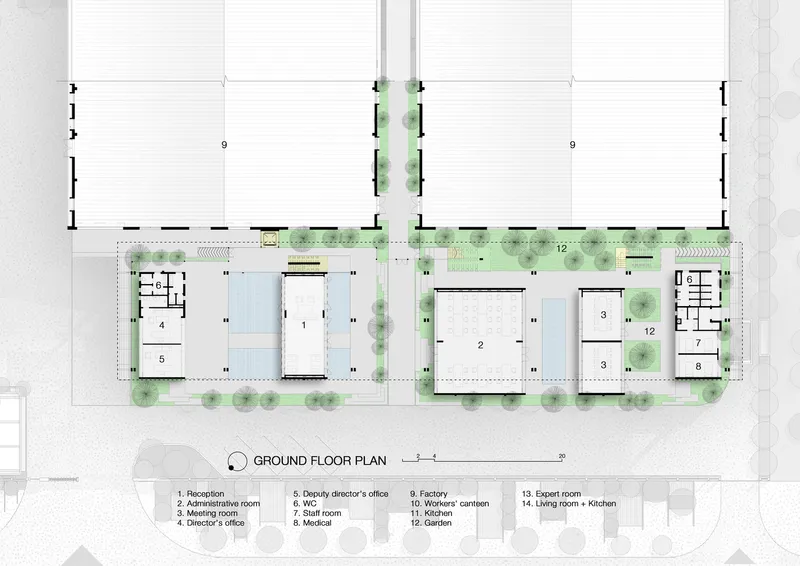
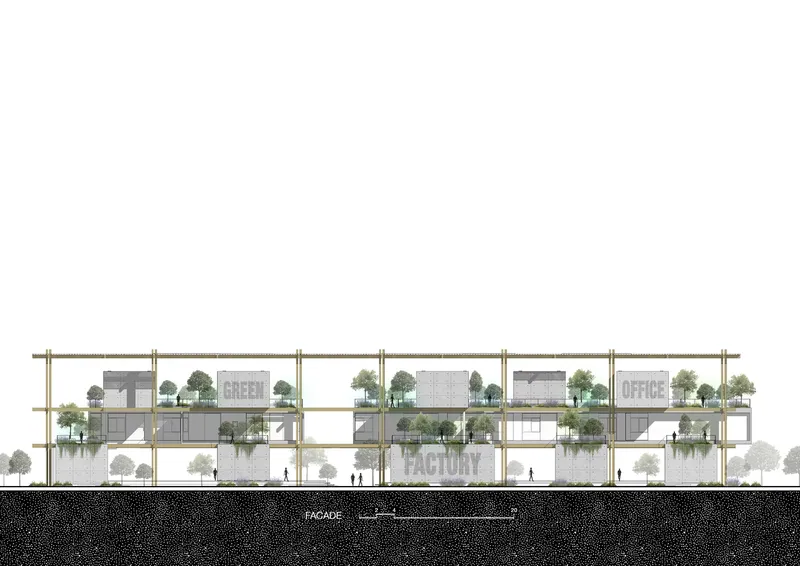
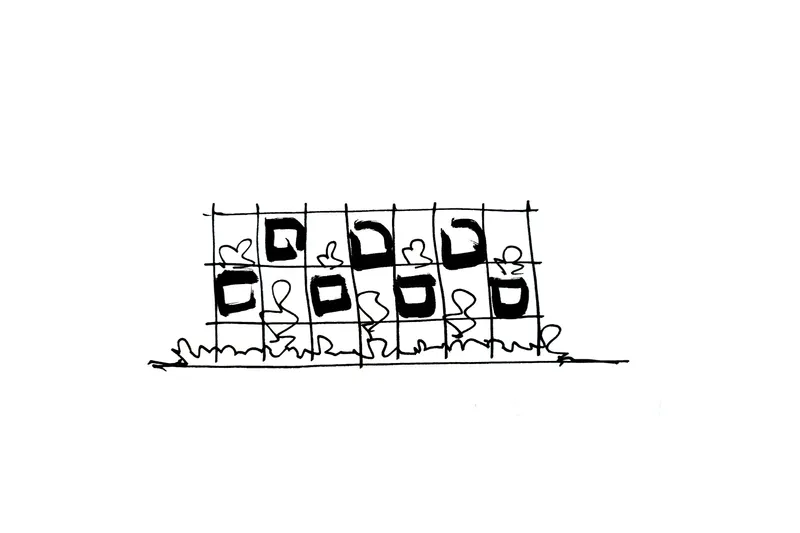
In the midst of the garment industry’s high-speed, high-output demands, the Textile Factory Office becomes a restorative counterpoint. It offers a meditative architectural experience where functionality does not sacrifice dignity or inspiration. The project is deeply rooted in the weaving traditions of Vietnam—its entire form pays homage to the frame of a traditional loom. The office blocks, structured with concrete beams and columns, appear to float across a skeletal framework, much like threads suspended in the loom, creating a dynamic visual interplay of mass and void.
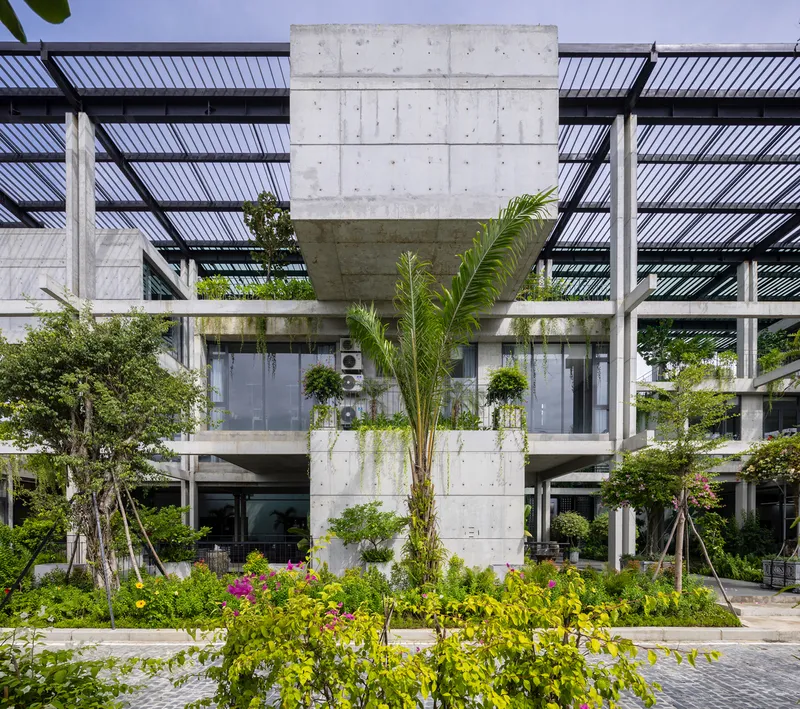
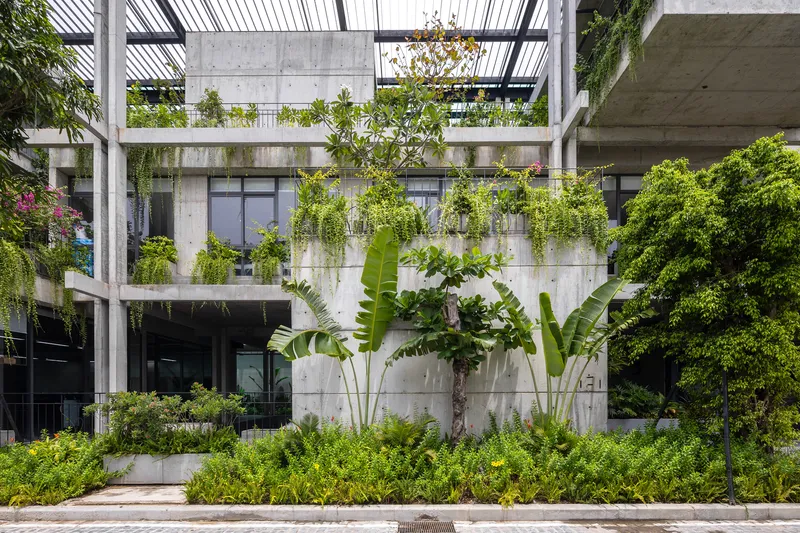
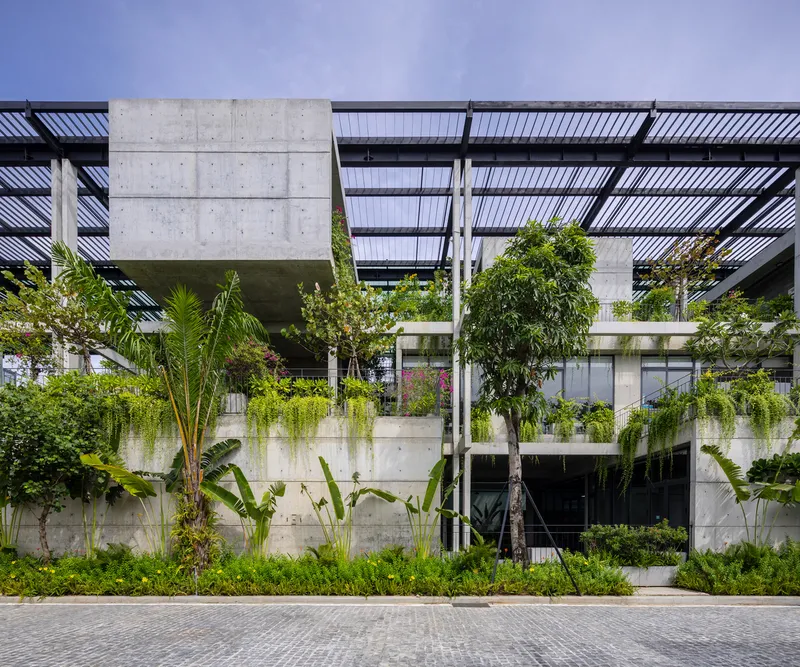
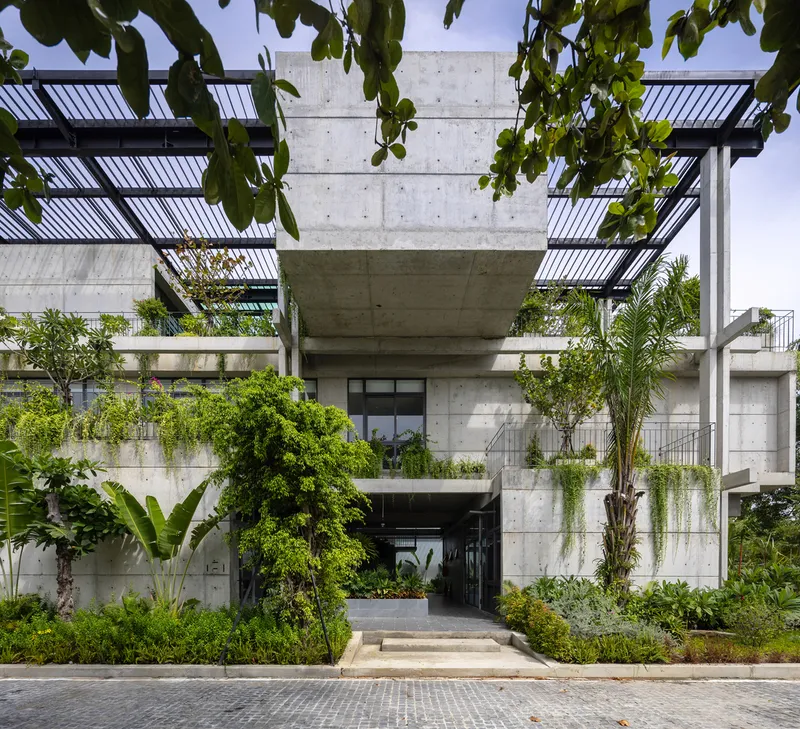
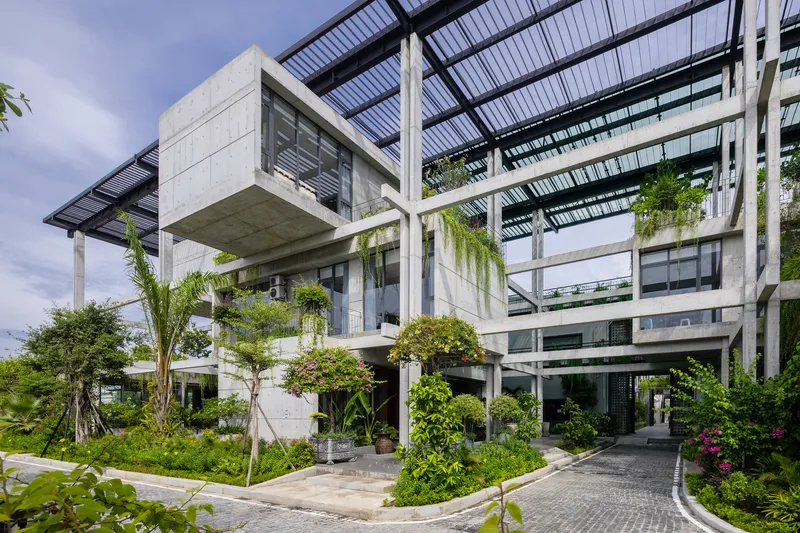
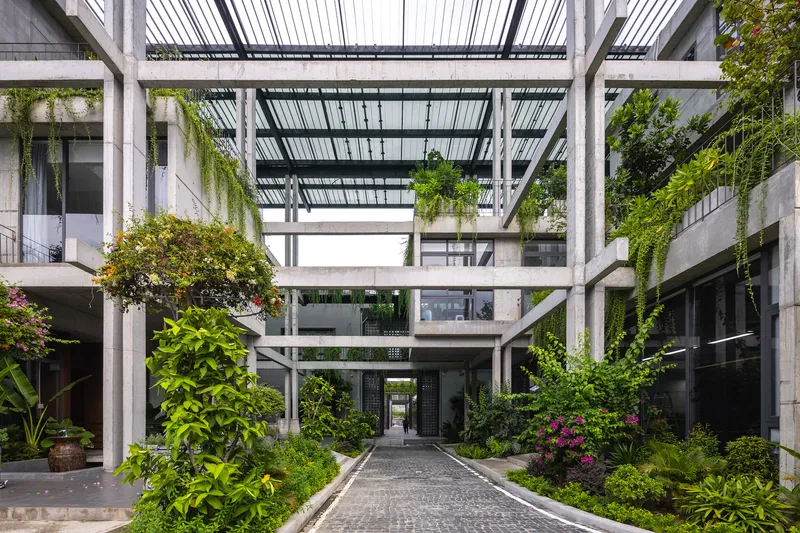
This concept transforms the workplace into a meaningful extension of the textile-making process itself. Architecture becomes both metaphor and mechanism, reflecting a continuum between the labor of the hand and the logic of design.
Connecting Nature and Architecture in an Industrial Context
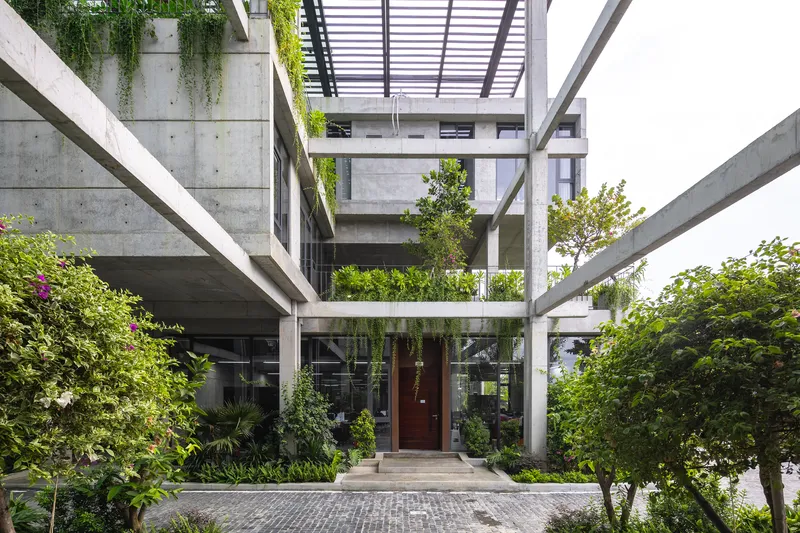
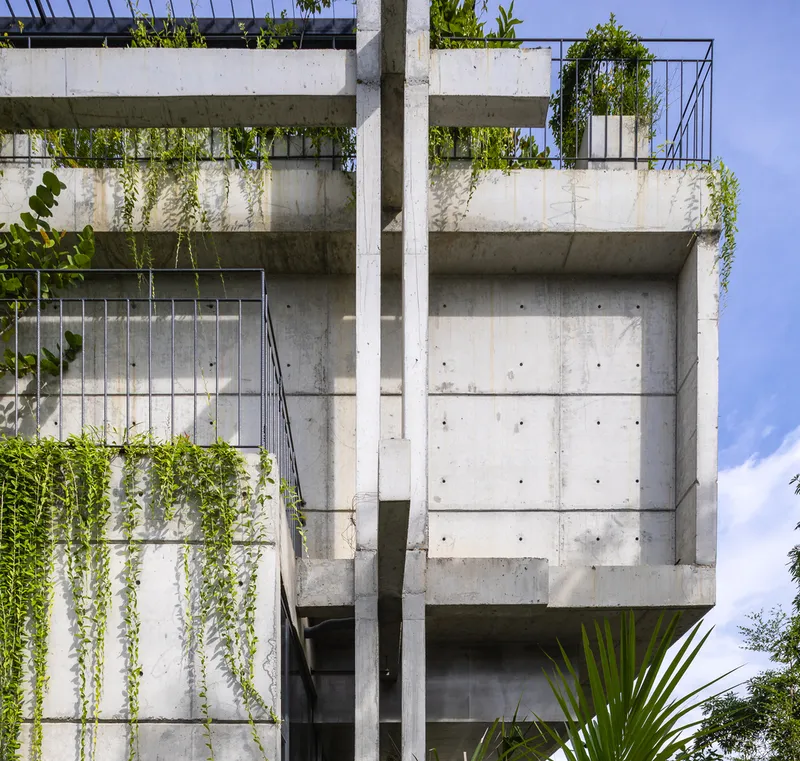
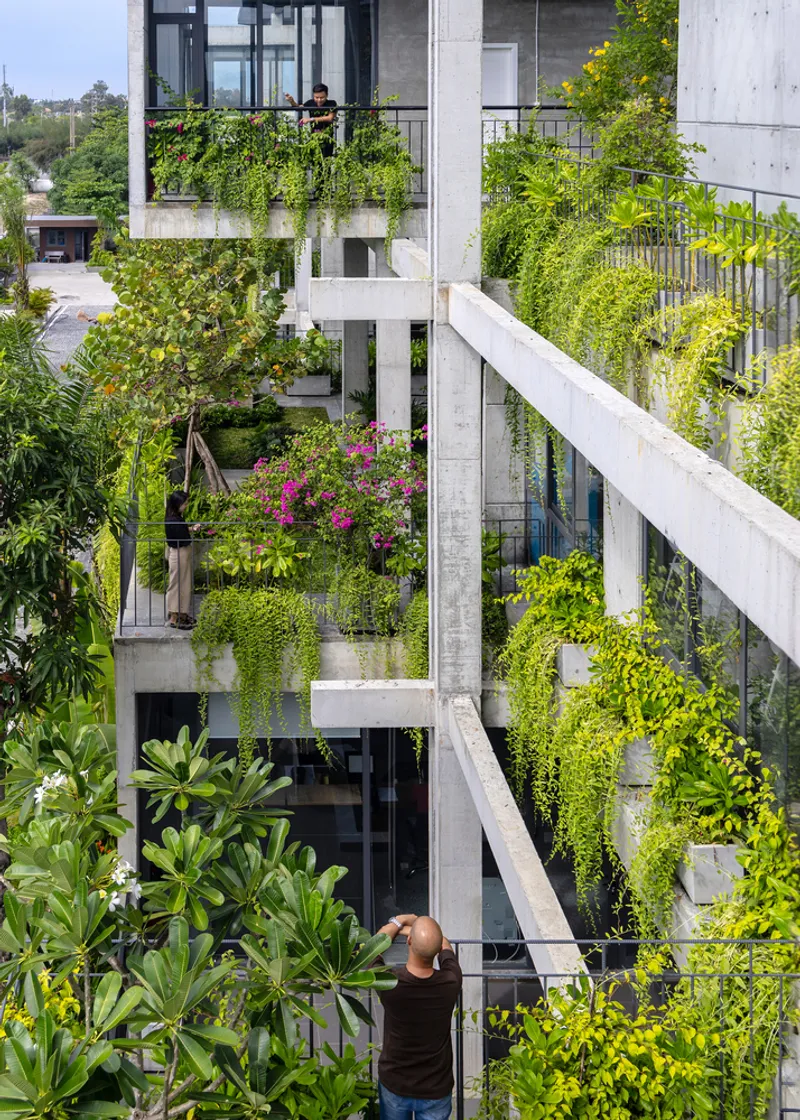
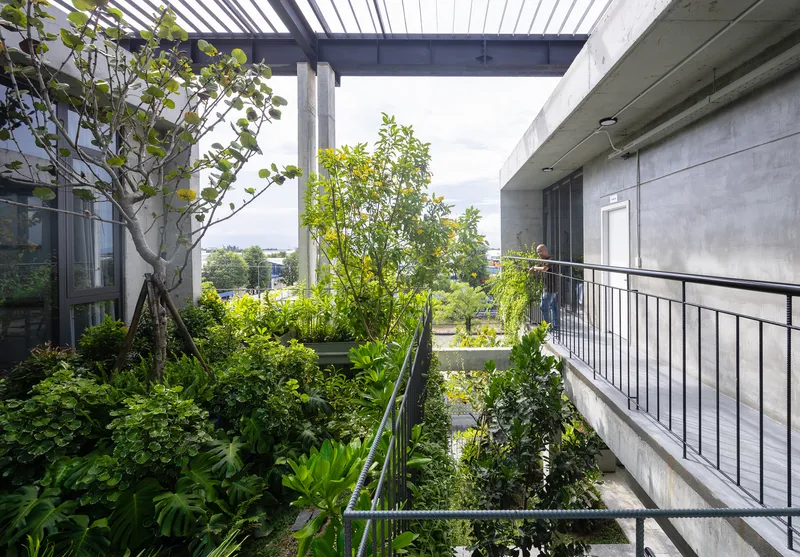
Unlike many industrial buildings that disregard their natural setting, the Textile Factory Office integrates biophilic strategies into every layer. Lush gardens and open balconies punctuate the architecture, allowing light, air, and greenery to permeate the workspace. These gestures do more than soften the concrete volumes—they foster mental clarity, reduce fatigue, and improve overall well-being for the workforce.
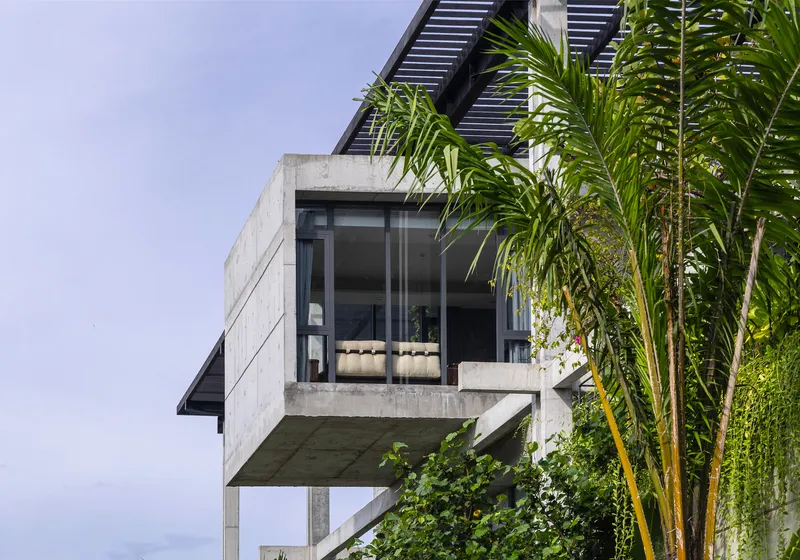
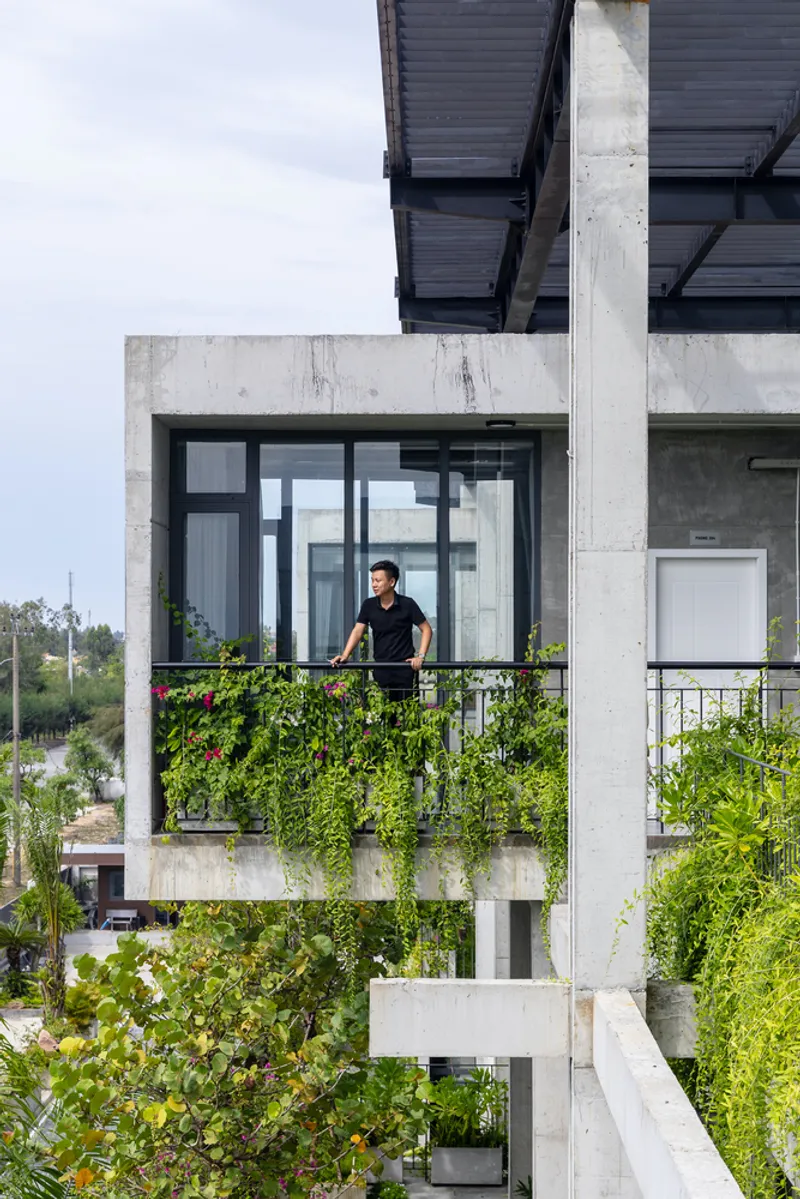
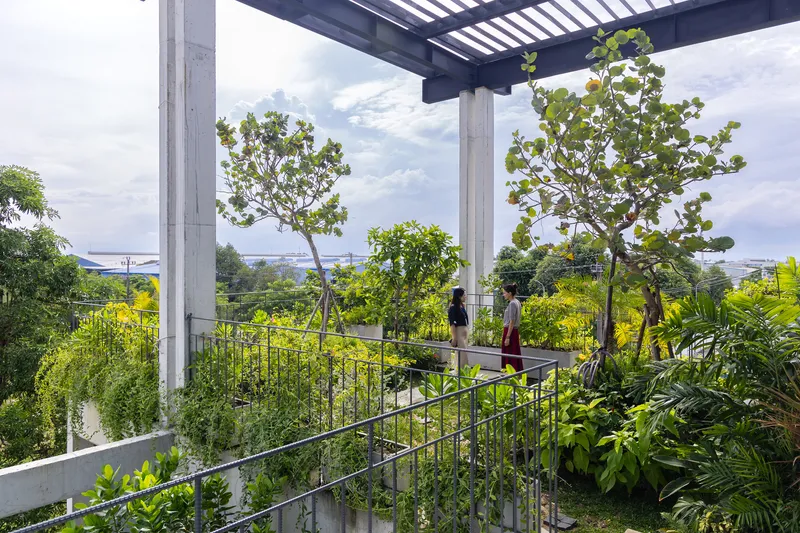
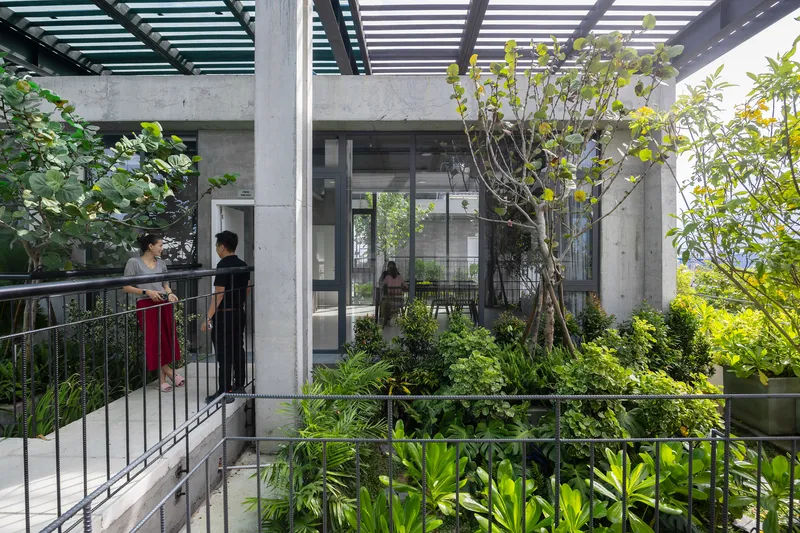
The result is a hybrid typology: an office that responds to industrial needs while serving as a sanctuary for its users. This approach is part of a broader cultural shift in industrial office architecture, emphasizing humane and health-conscious environments in traditionally harsh settings.
A Dialogue Between Heritage and Innovation
One of the most profound achievements of the project is its conceptual balance between past and future. The references to weaving crafts serve as cultural memory embedded in modern materiality. The architectural language speaks of precision, rhythm, and repetition—qualities that echo both the textile industry and contemporary minimalism.
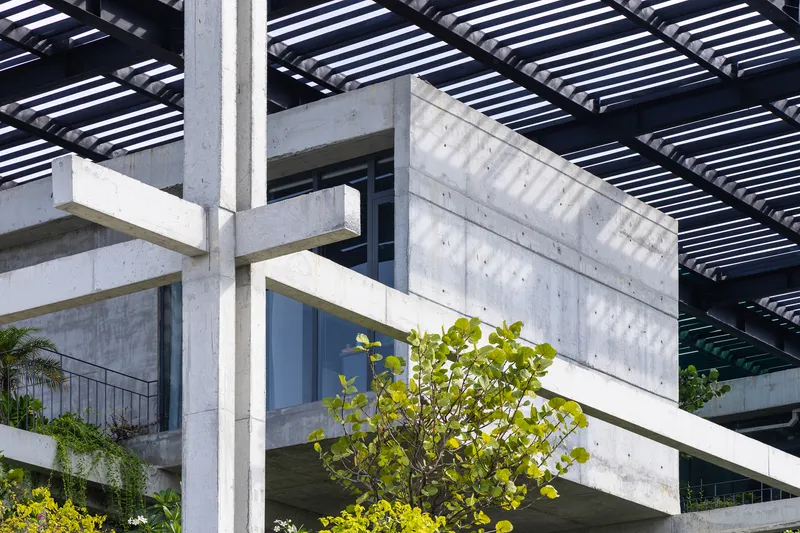
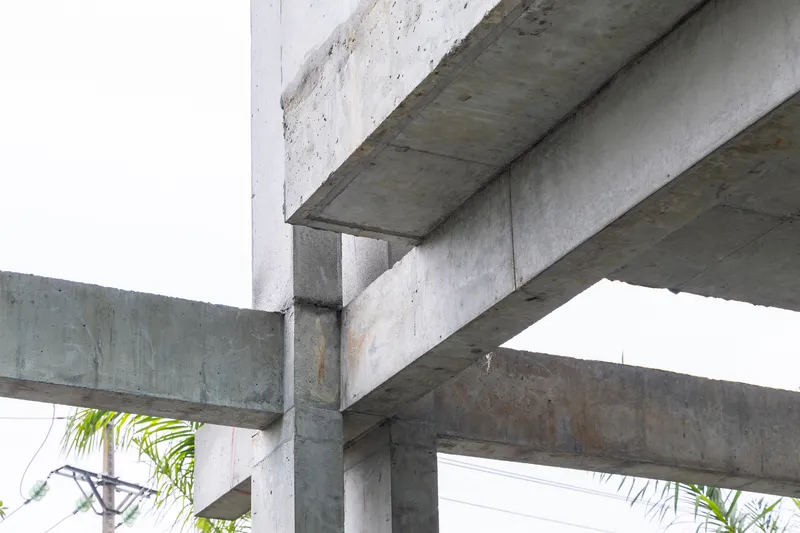
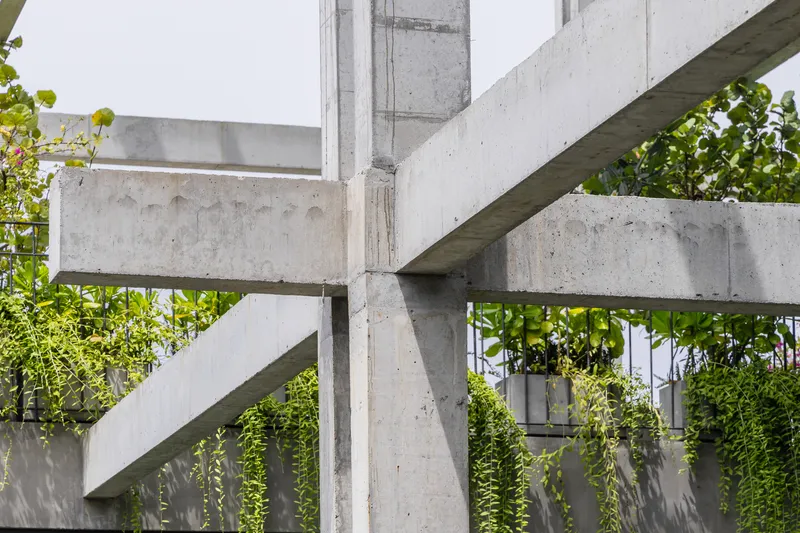
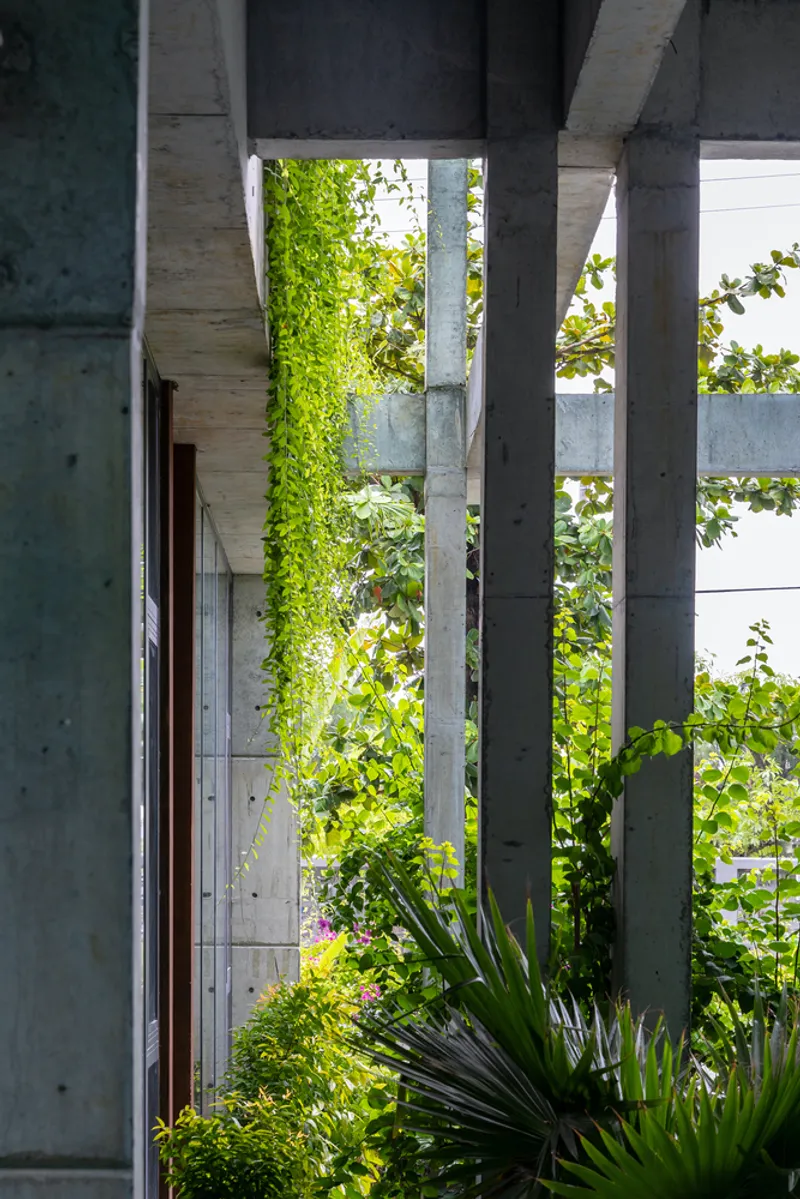
Through its poetic composition and robust material logic, the Textile Factory Office becomes more than a workplace. It becomes a statement about the future of industrial design in Southeast Asia, where craft heritage can be leveraged as a foundation for innovation.
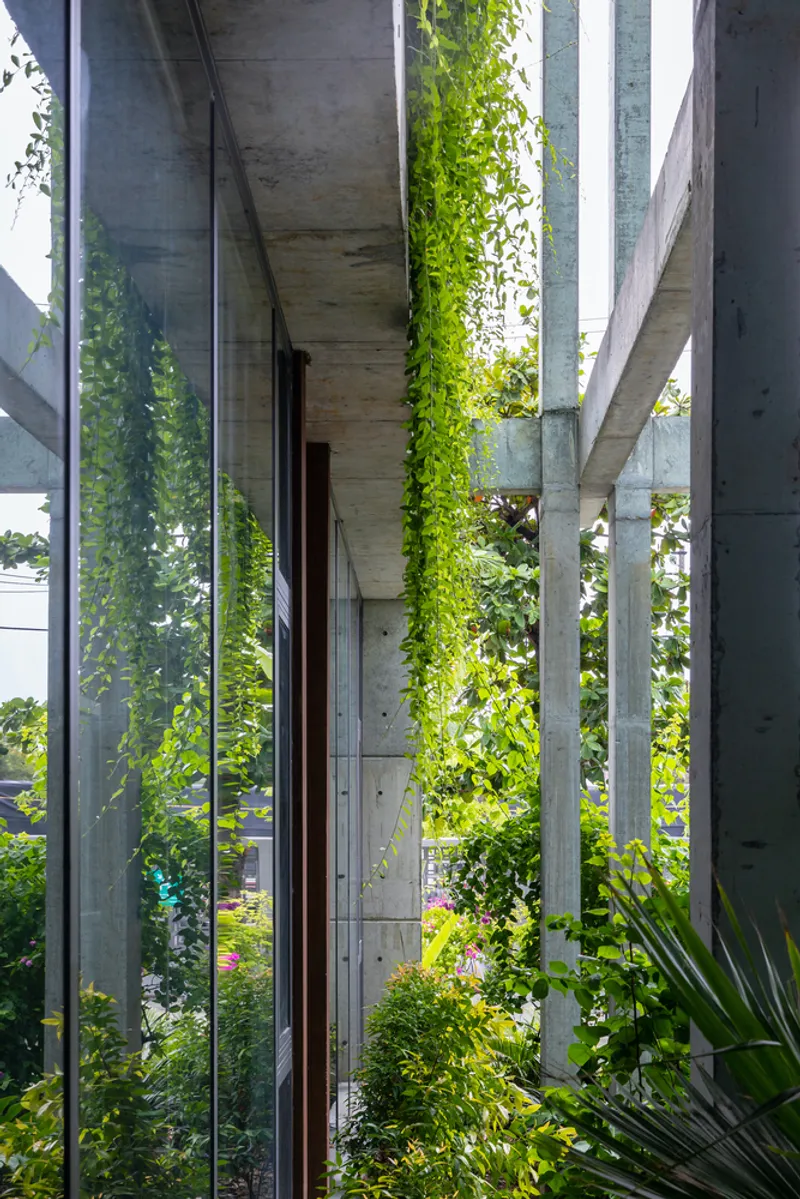
Elevating Workplace Design in the Industrial Sector
Ho Khue Architects demonstrates that architecture can be transformative even in utilitarian contexts. The Textile Factory Office disrupts the idea that industrial spaces must be anonymous, rigid, or soulless. Instead, it offers a model where architectural creativity enhances operational efficiency and uplifts everyday life.
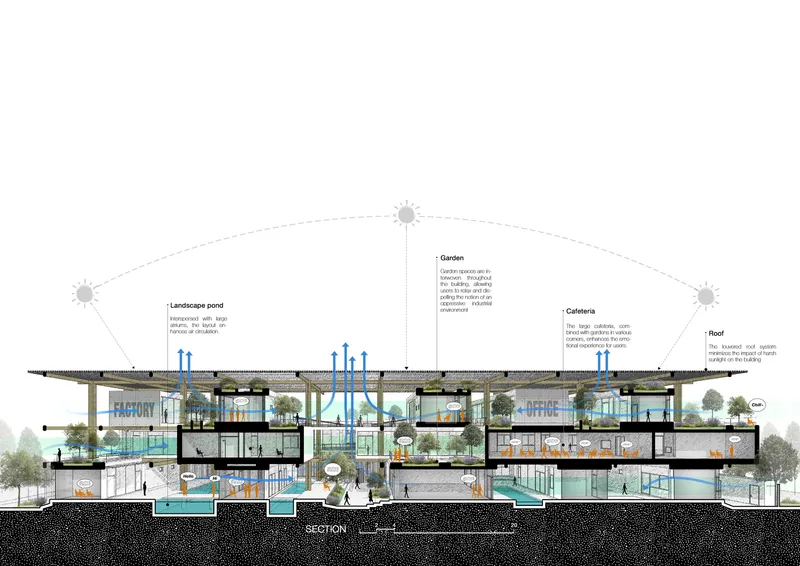
With this project, the firm contributes a new chapter to the evolution of industrial office architecture—a vision in which design serves industry, people, and the environment in equal measure.
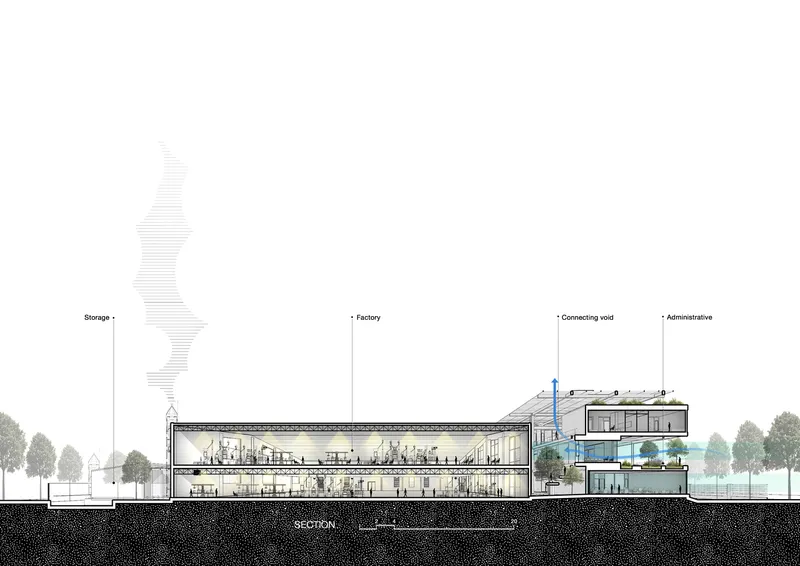
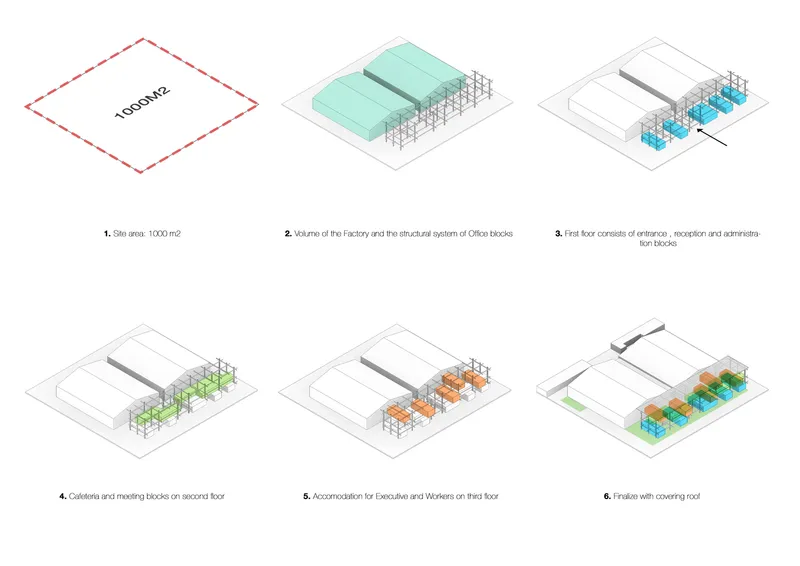
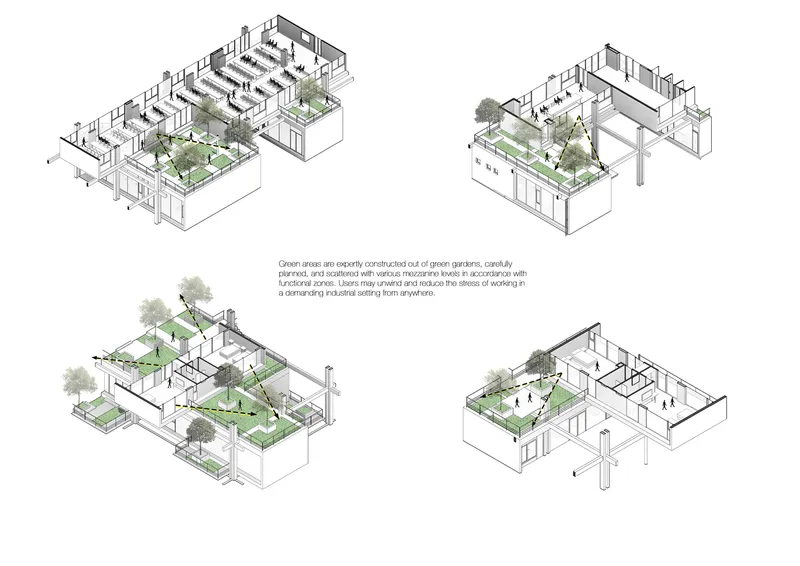
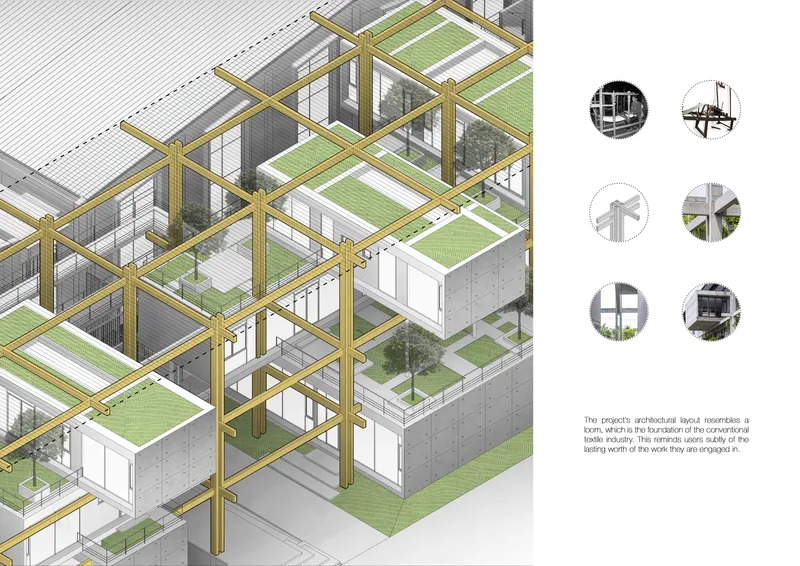
All Photographs are works of Trieu Chien



Popular Articles
Popular articles from the community


The Ocean Hive: Sustainable Architecture for a Self-Sufficient Civilization at Sea
The Ocean Hive imagines sustainable architecture at sea, where modular habitats, algae, wave power and ocean waste sustain a growing colony.

Riyadh For All: Intergenerational Urban Design for Active Aging in Rabat
Riyadh For All reimagines urban design in Rabat with intergenerational co-living, adaptive courtyards, and Moroccan cultural exchange today.

Co-life: Sustainable Architecture for Age-Friendly Community Living
Co-life reimagines sustainable architecture for seniors through courtyards, rammed earth, shared gardens, and spaces designed for belonging.

Hill & Cross Opera: Sculptural Opera House Architecture Shaped by Tallinn’s Landscape and Identity
Hill & Cross Opera reimagines opera house architecture in Tallinn through its sculptural hill, civic plaza, glass wave and a luminous cross.


Similar Reads
You might also enjoy these articles


FAMM Arquitectura Organizes Ten Villas Around Courtyards and Jungle in Nosara, Costa Rica
El Molino pairs two elongated volumes with deep overhangs and timber louvers to build a compact coastal community five minutes from the beach.

Oscar Niemeyer's Ibirapuera Park Pavilions Define São Paulo's Cultural Identity in Concrete and Curve
A constellation of modernist volumes set within São Paulo's most important urban park, conceived for the city's 400th anniversary in 1954.
How Henri Picq's 1889 Paris Pavilion Traveled 11,000 Kilometers to Become Santiago's Artequín Museum
A prefabricated iron and glass pavilion built for the Paris Universal Exposition found a second life as a children's art museum in Chile.

Sanjay Puri Architects Wraps a Jaipur Office Tower in Capsule-Shaped Green Buffers
A nine-level climate-responsive workplace near Jaipur Airport uses stacked planter terraces and aluminium screens to fight 40°C heat.


Explore Architecture Competitions
Discover active competitions in this discipline



Challenge to reimagine the Iron Throne


Photograph architecture without architects


Illustrate the lost glory of Angkor Wat - Render Challenge


Design challenge to reuse E-waste
Comments (0)
Please login or sign up to add comments
No comments yet. Be the first to comment!