
Tokyo House Renovation: Nukui House by ROOVICE Blends Heritage and Modern Living
A modern Tokyo house renovation by ROOVICE transforms a 1976 wooden home through adaptive reuse and thoughtful spatial redesign.


Revitalizing Tokyo’s Aging Architecture Through Adaptive Reuse
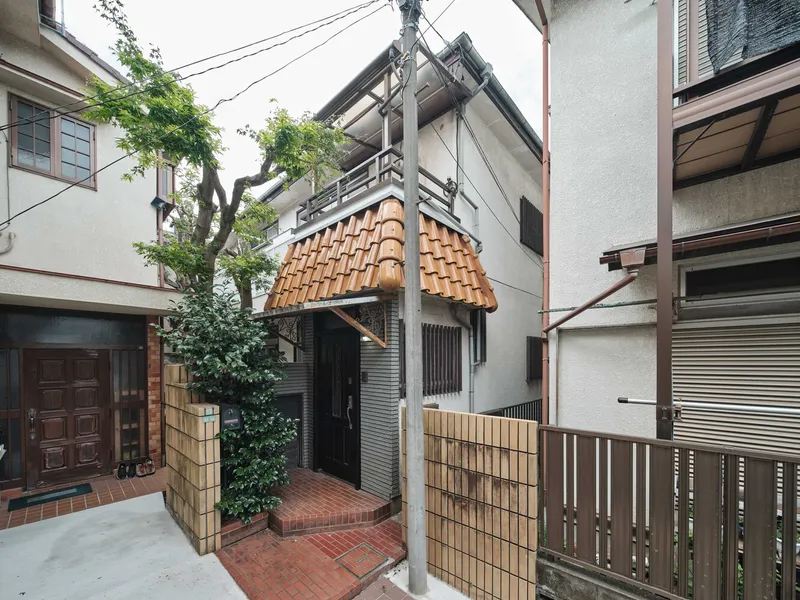
Nukui House is a standout example of Tokyo house renovation, located in the tranquil residential area of Nukui in Tokyo’s Nerima Ward. Designed by ROOVICE, the project is part of the firm’s Kariage initiative, a bold urban regeneration strategy aimed at tackling Japan’s growing akiya (vacant house) crisis. Originally built in 1976, this wooden two-story home has been meticulously transformed, preserving its architectural essence while meeting modern living standards.
Context and the Kariage Initiative
The Kariage initiative plays a pivotal role in the revitalization of unused homes across Japan. It enables vacant properties to be repurposed without any financial burden to the owners, offering a socially and environmentally sustainable alternative to demolition. In the case of Nukui House, the new owners—neighbors who acquired the property for strategic access to the main road—had no immediate plans for redevelopment. Instead, they opted to breathe new life into the dwelling by collaborating with ROOVICE.
Thoughtful Renovation with Respect for Tradition
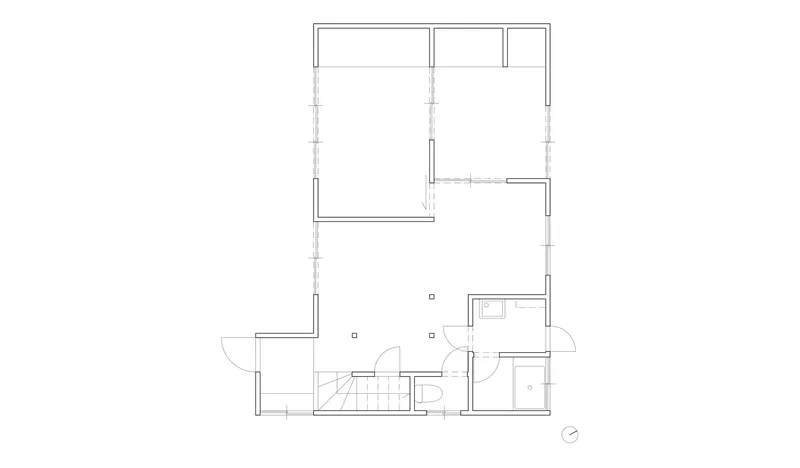
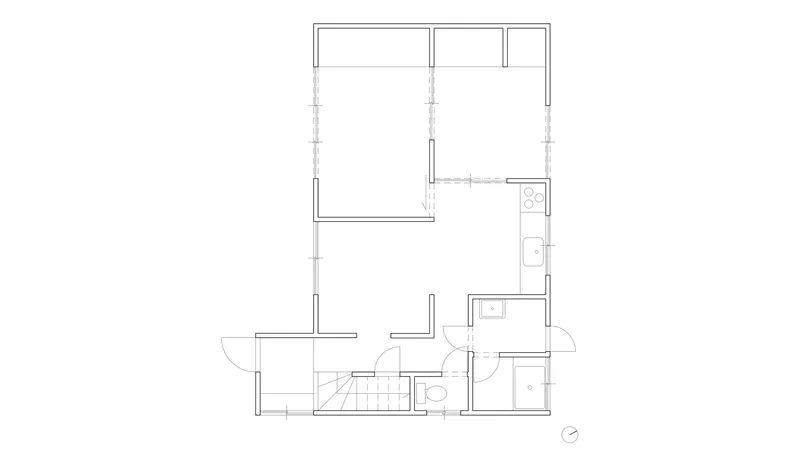
ROOVICE’s approach to this Tokyo house renovation was grounded in balance: retaining key original elements while improving the spatial experience. The original structure featured a 3DK layout on the first floor and a 2LDK layout above. The renovation reconfigured the house into a cohesive 3LDK residence with open circulation and a warm material palette.
First Floor Transformation: Opening Up for Modern Living
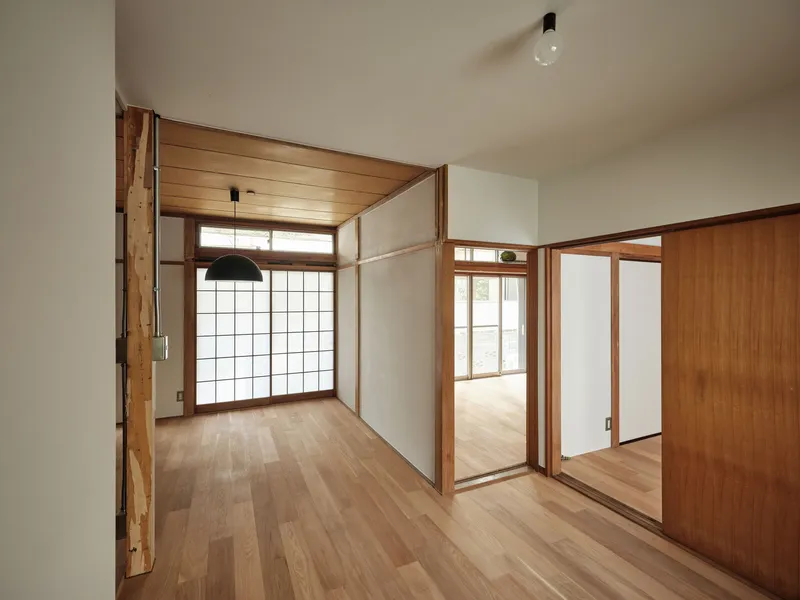
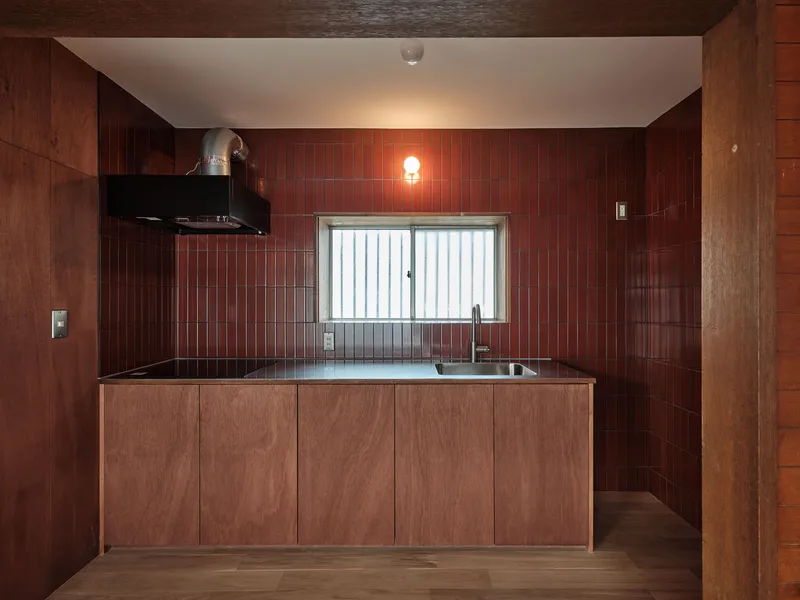
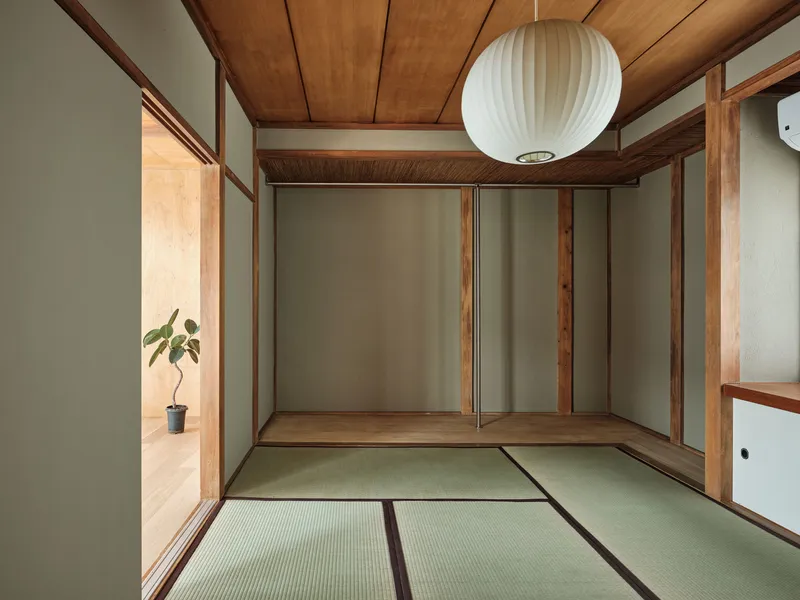
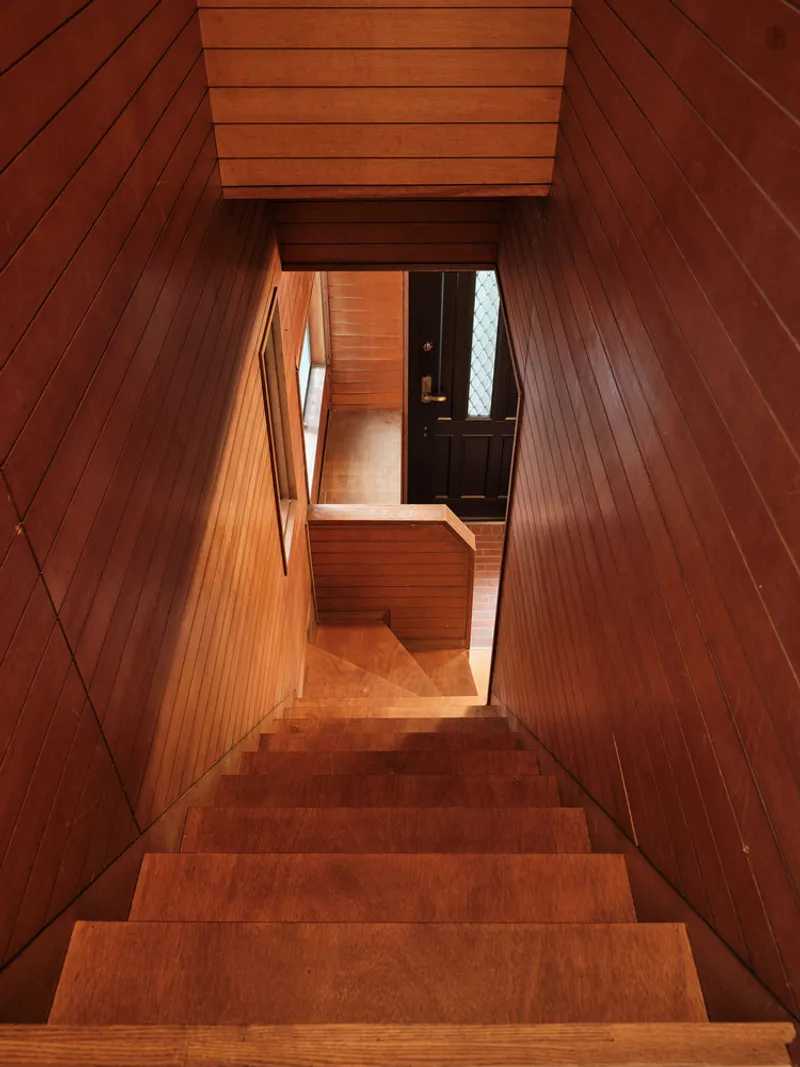
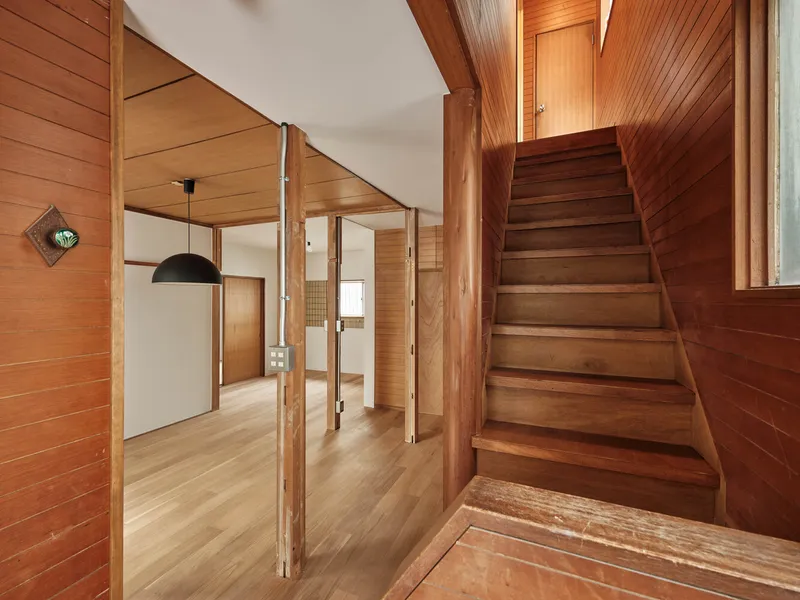
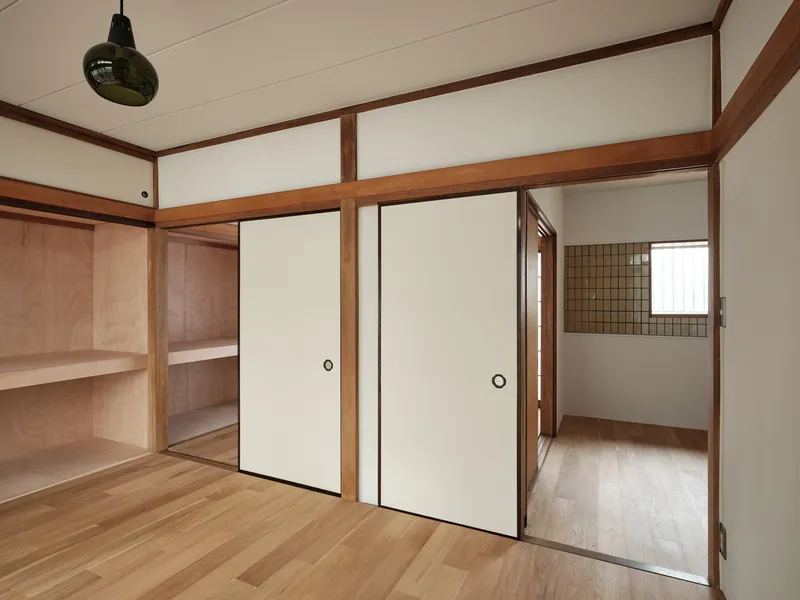
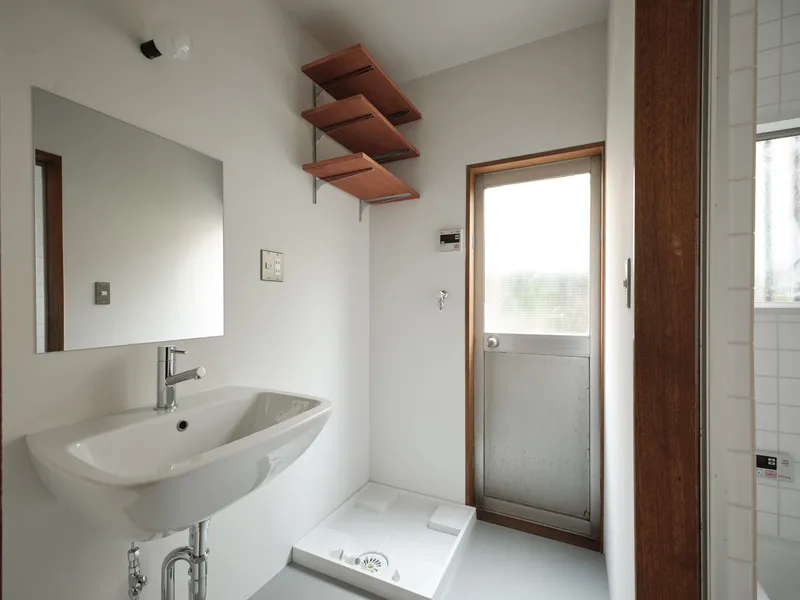
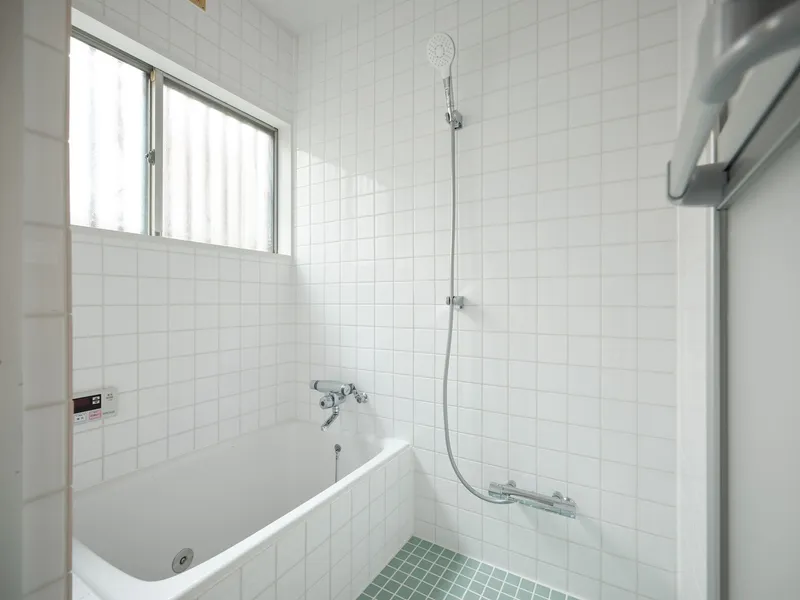
The first floor was previously fragmented, limiting natural light and connectivity. By removing the corridor walls, ROOVICE created an expansive entrance area that flows directly into the living spaces. The kitchen was reimagined, leaving behind only a signature tiled wall as a memory of the old design. The bathroom and toilet were newly installed with fresh tiling, and white paint on the walls helped reflect natural light. Tatami was removed in favor of wood flooring, while traditional shōji screens were lovingly restored—offering a nod to the past within a modern spatial composition.
Second Floor Renovation: Harmonizing Craftsmanship and Functionality
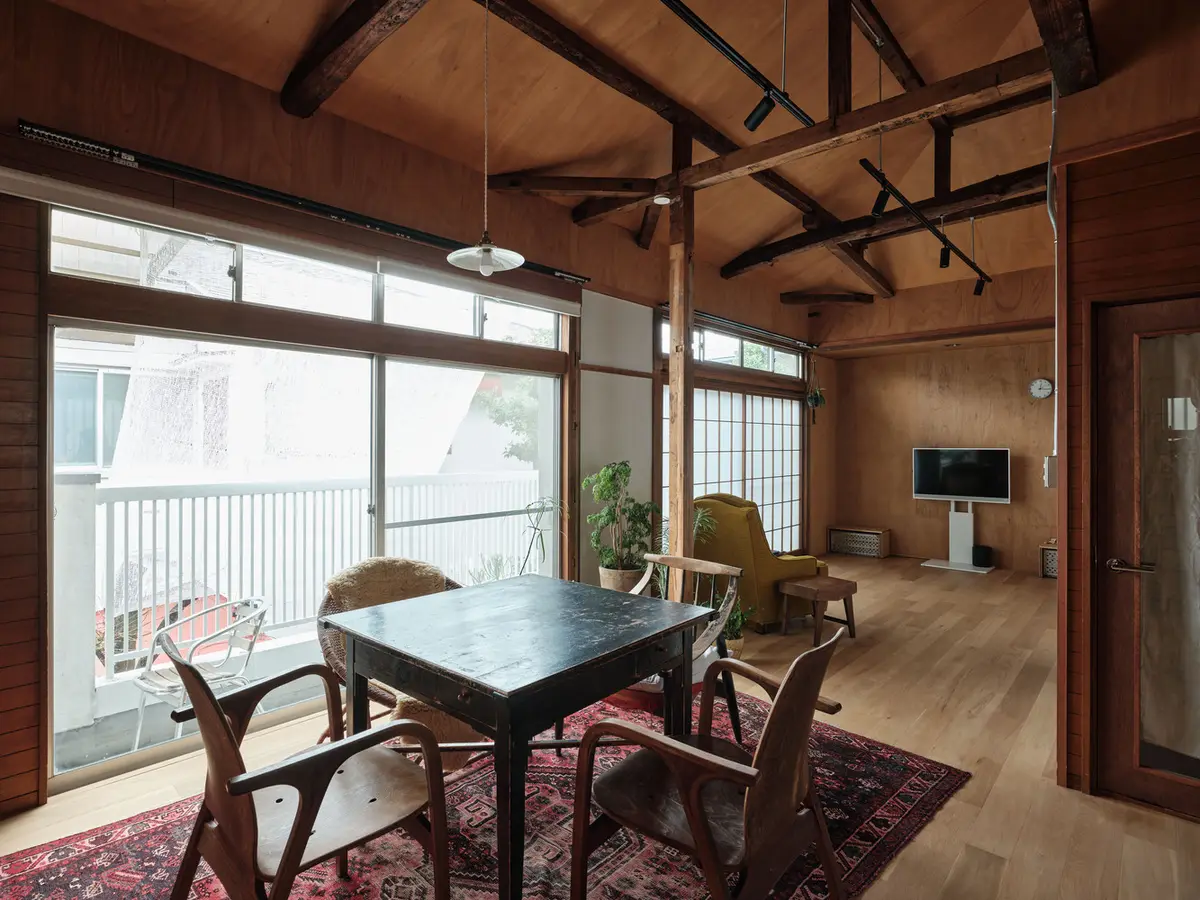
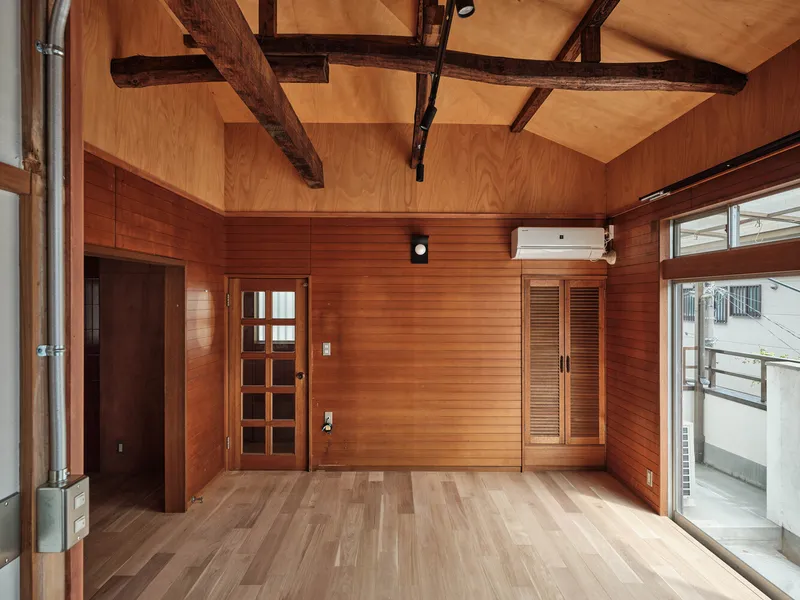
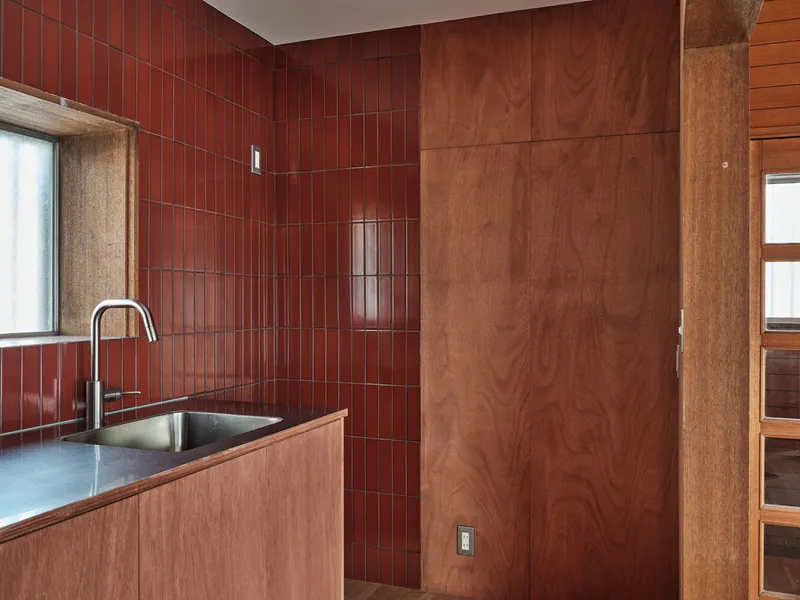
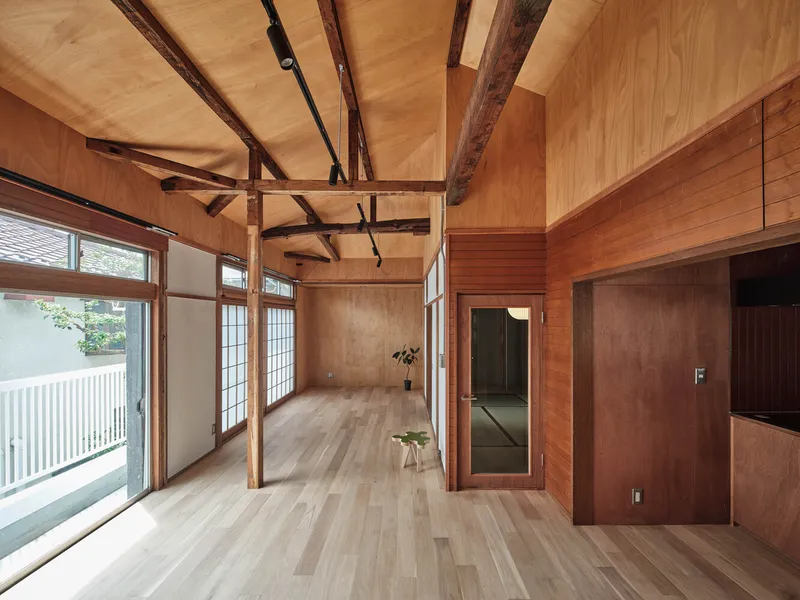
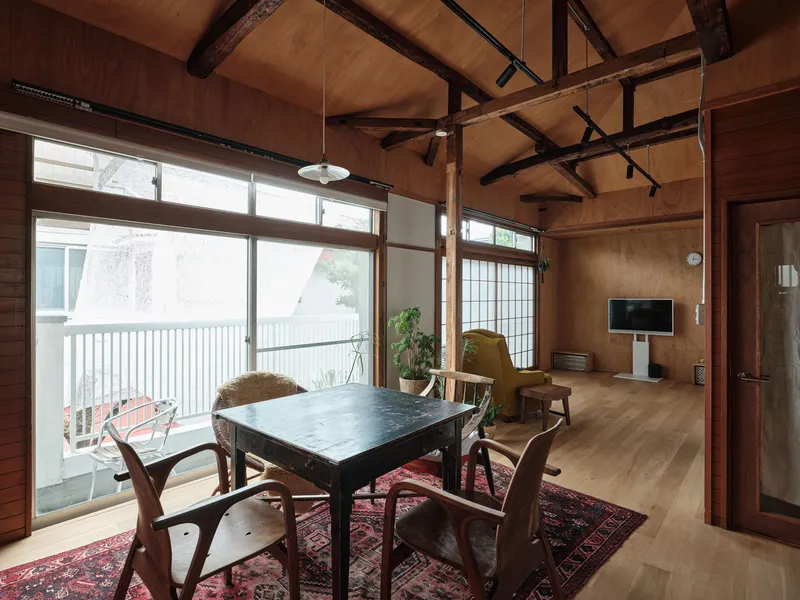
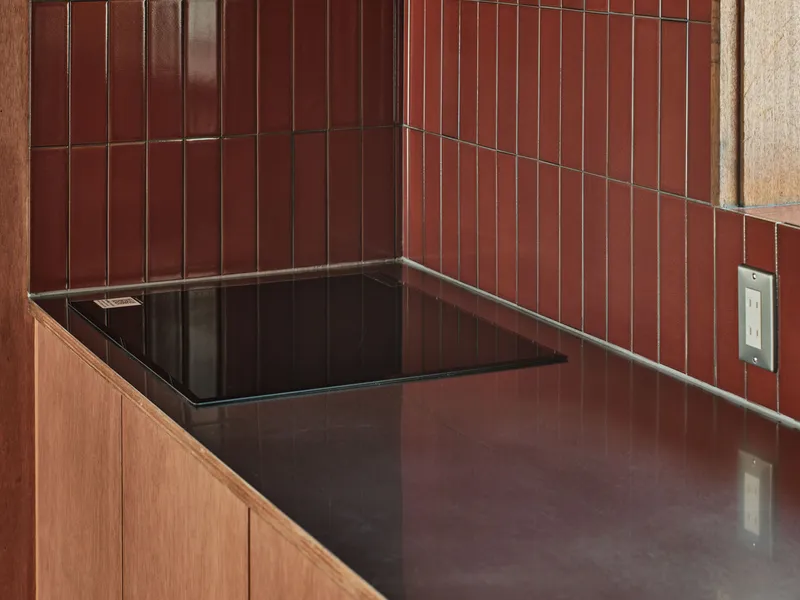
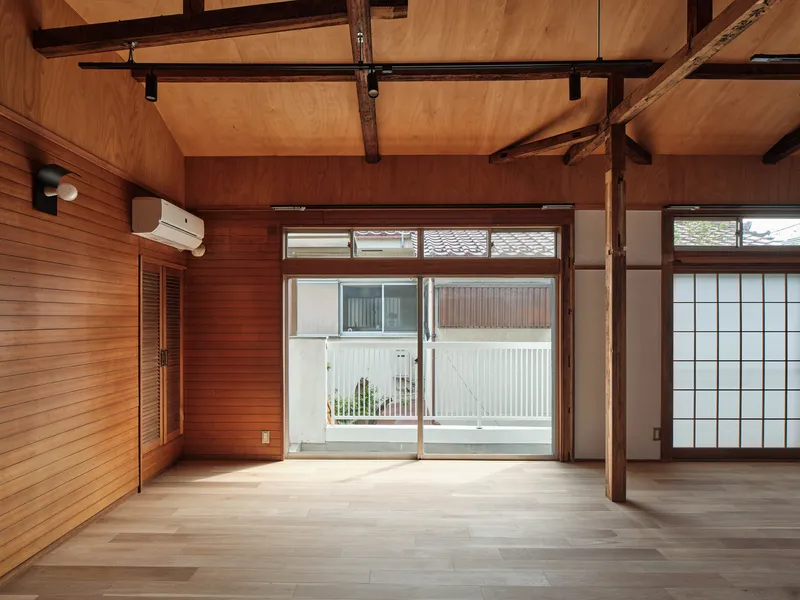
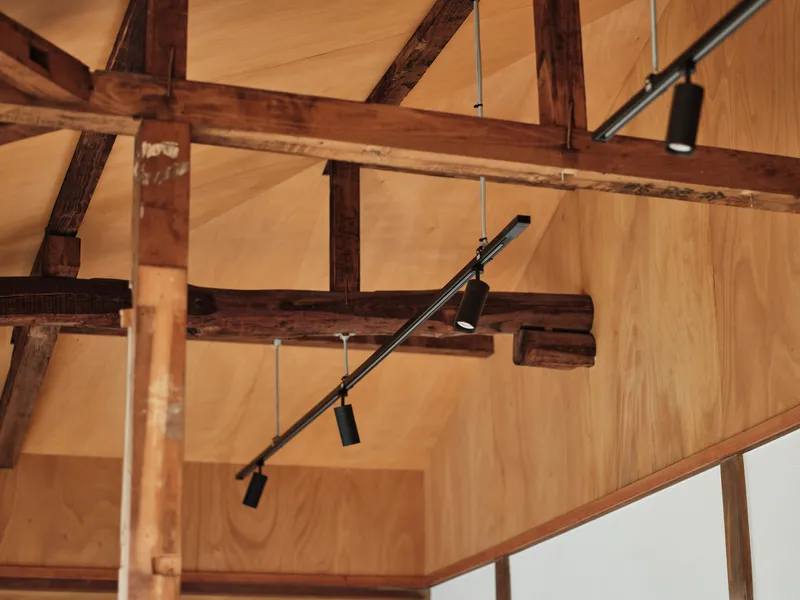
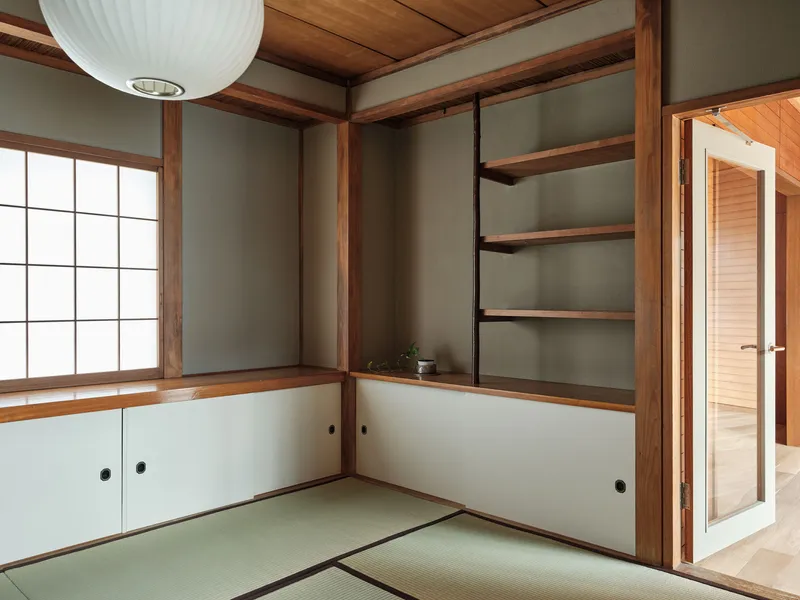
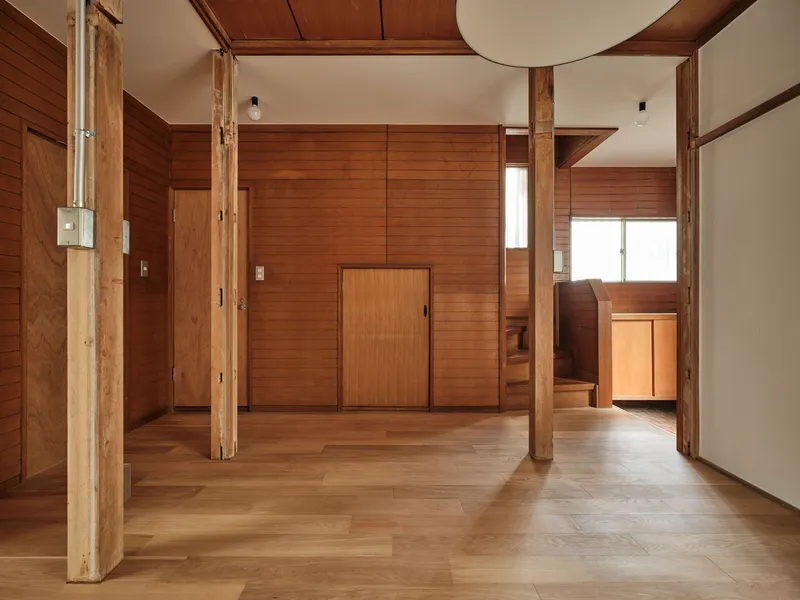
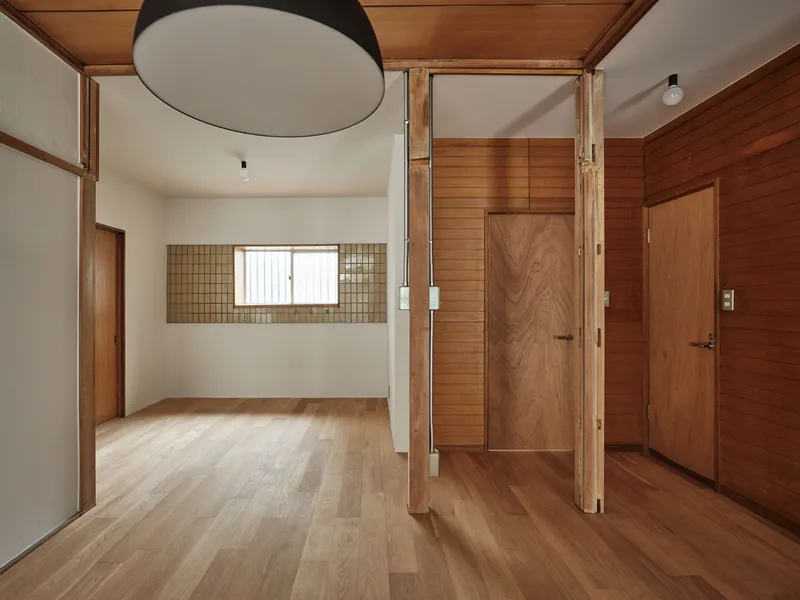
On the second floor, heritage elements were preserved and enhanced. The defining red kitchen tiles were replaced with similar hues to honor the original while introducing modern aesthetics. A new custom kitchen was installed, and the wooden wall panels were retained. The ceiling boards were stripped away to reveal exposed beams, introducing vertical openness and celebrating the home’s structure. New insulation was added discreetly, and the space formerly divided by partitions was unified into a bright, continuous living-dining-kitchen zone. The traditional tatami room was also refreshed, blending seamlessly with the contemporary design language.
Final Outcome: A Contemporary 3LDK Rooted in Context
The completed Tokyo house renovation results in a flexible and spacious 3LDK home with a large, welcoming entrance. ROOVICE’s renovation strategy focused on functional upgrades, efficient spatial planning, and sensitive preservation of material and design history. It is not only a practical housing solution but also a symbol of responsible architectural intervention in Tokyo’s aging urban fabric.
A Model for Sustainable Urban Regeneration
Nukui House represents more than a single-family renovation. As part of the Kariage initiative, it models how vacant homes can be adapted for contemporary use while retaining cultural memory. The project illustrates the potential of Tokyo house renovation to drive community-oriented, sustainable urban development—setting a precedent for future revitalization efforts across Japan.
All photographs are works of Akira Nakamura


Popular Articles
Popular articles from the community

ALGAL REALM: A Bio-Integrated Lunar Habitat Design for Life Beyond Earth
ALGAL REALM reimagines lunar habitat design with algae-powered life support, 3D-printed regolith, and vertical living for a lunar future.

Co-Life: Senior Housing Design That Reconnects Older Adults With the City
Co-Life reimagines senior housing design through healing gardens, shared streets, workshops, and a sustainable community across generations.

Little Red Riding Hood: Architectural Design as a Journey Through Fear, Light, and Storytelling
Little Red Riding Hood reimagines the fairy tale through architectural design shaped by fear, light, scale, memory, uncertainty, and choice.

The Ocean Hive: Sustainable Architecture for a Self-Sufficient Civilization at Sea
The Ocean Hive imagines sustainable architecture at sea, where modular habitats, algae, wave power and ocean waste sustain a growing colony.

Similar Reads
You might also enjoy these articles

FAMM Arquitectura Organizes Ten Villas Around Courtyards and Jungle in Nosara, Costa Rica
El Molino pairs two elongated volumes with deep overhangs and timber louvers to build a compact coastal community five minutes from the beach.
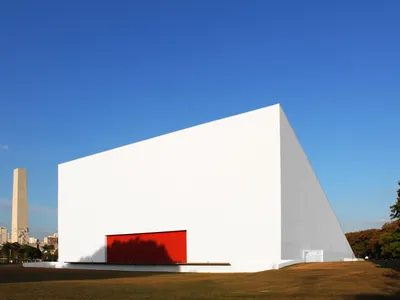
Oscar Niemeyer's Ibirapuera Park Pavilions Define São Paulo's Cultural Identity in Concrete and Curve
A constellation of modernist volumes set within São Paulo's most important urban park, conceived for the city's 400th anniversary in 1954.
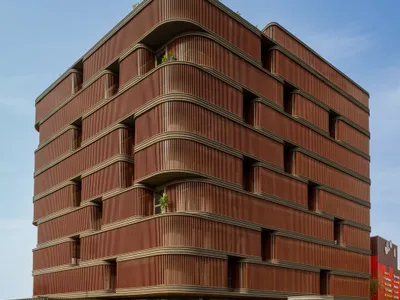
Sanjay Puri Architects Wraps a Jaipur Office Tower in Capsule-Shaped Green Buffers
A nine-level climate-responsive workplace near Jaipur Airport uses stacked planter terraces and aluminium screens to fight 40°C heat.
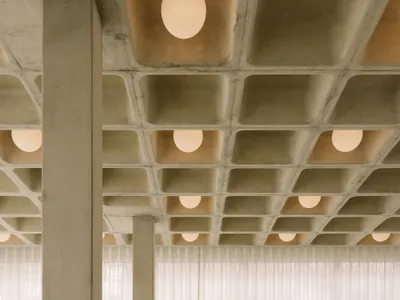
RHO Converts a Berlin Spree-Side Industrial Courtyard into Enkime's 1,000 m² Agency Headquarters
A social media agency's new home in Charlottenburg trades glossy branding for concrete waffle ceilings, glazed tile, and sheer curtains.

Explore Architecture Competitions
Discover active competitions in this discipline

Challenge to reimagine the Iron Throne

Photograph architecture without architects

Illustrate the lost glory of Angkor Wat - Render Challenge

Design challenge to reuse E-waste
Comments (0)
Please login or sign up to add comments
No comments yet. Be the first to comment!