
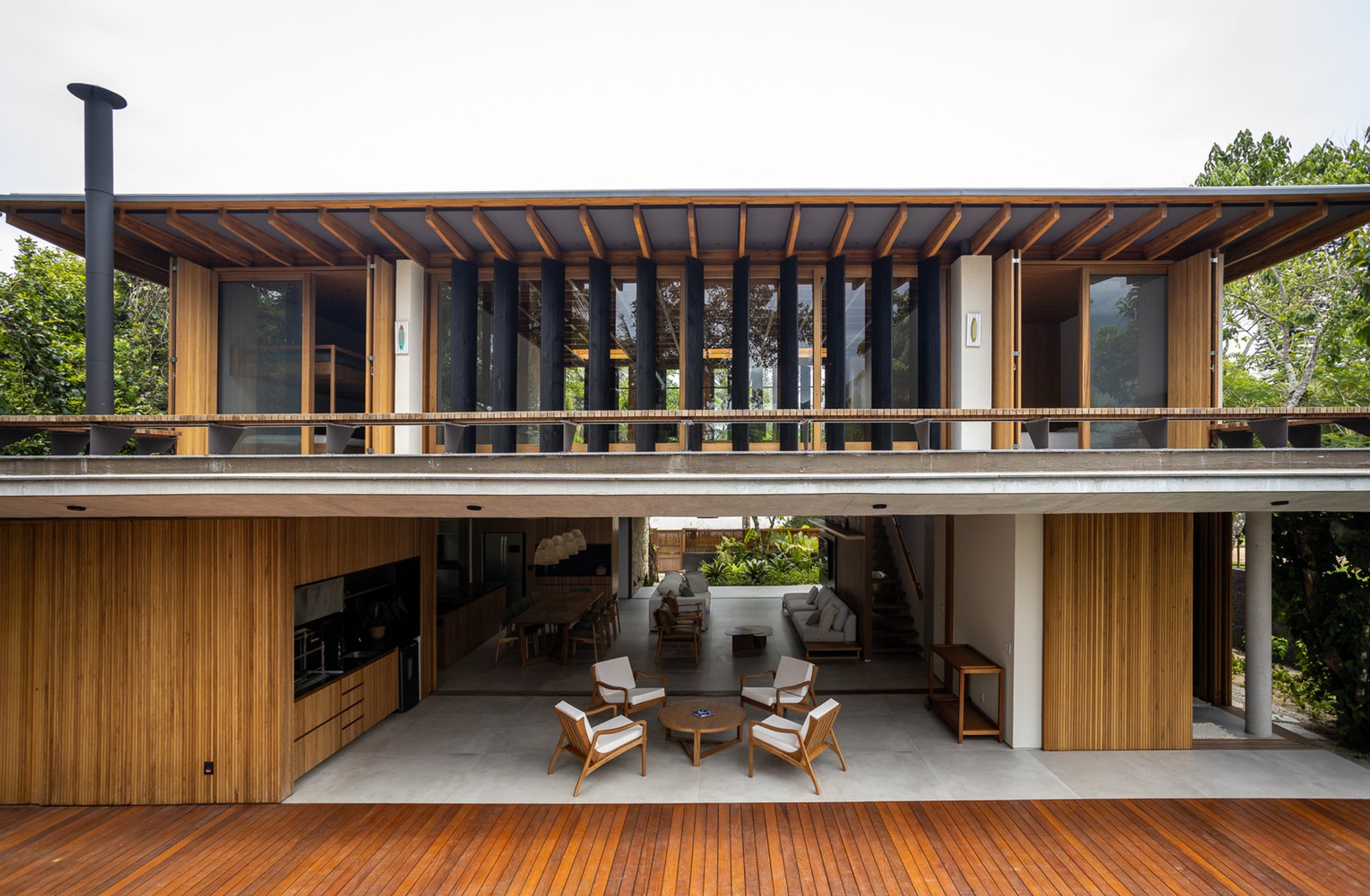
Tropical Contemporary House Design: PCW Residence by Pitta Arquitetura
A luxurious tropical contemporary house seamlessly blending nature and architecture to create a sophisticated, light-filled family retreat.

Introduction to Tropical Contemporary House Design
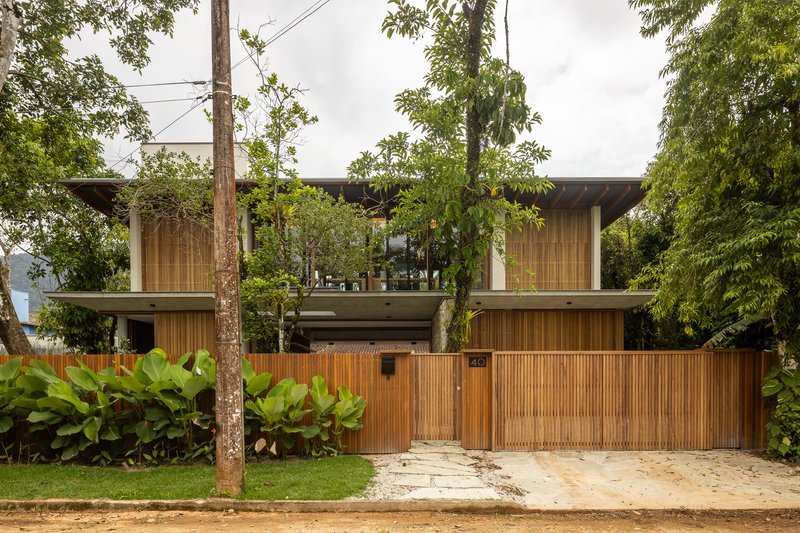
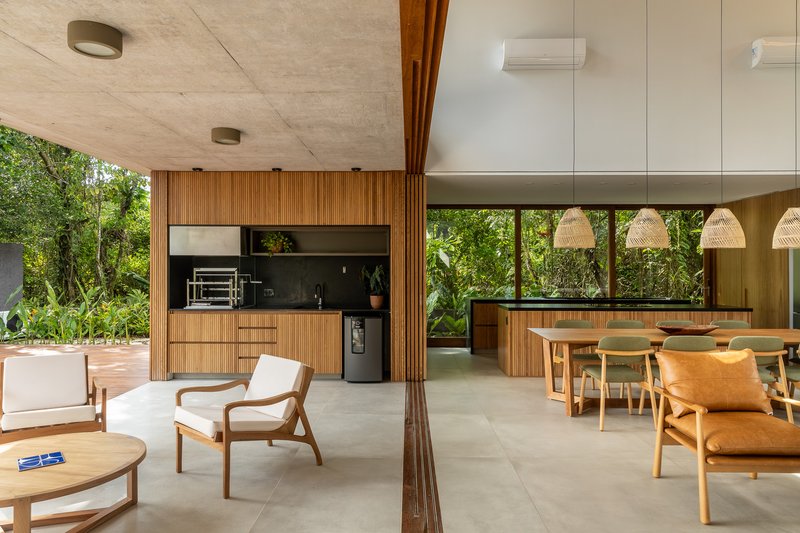
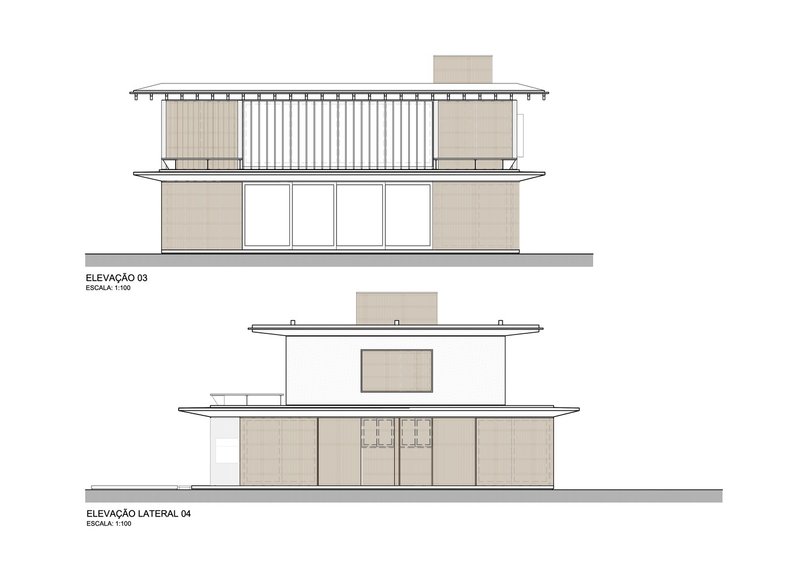
The PCW Residence in Itamambuca, Ubatuba, Brazil, designed by Pitta Arquitetura, is a striking example of tropical contemporary house design. With an area of 260 m², this modern beach house offers a sophisticated yet welcoming refuge that immerses residents in the surrounding natural landscape. The project masterfully combines wood, exposed concrete, and glass to create a light-filled, airy space that blurs the line between indoors and outdoors.
Architecture and Natural Integration
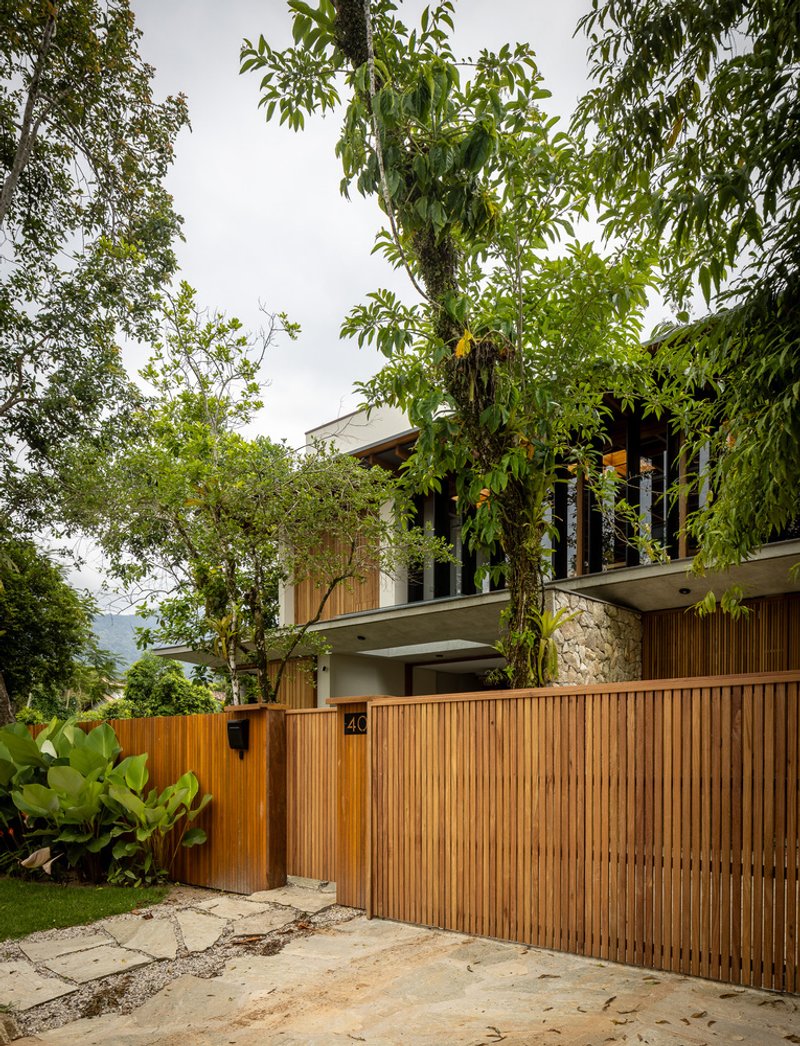
The PCW Residence was envisioned as a home that celebrates harmony between architecture and nature. The design uses natural materials not only for their visual and tactile qualities but also to strengthen the connection with the lush tropical setting. The architects, led by Thiago Brunini Pitta, sought to create a home that feels comfortable and luxurious while maintaining a deep respect for its natural surroundings. Every material, from the MLC wood used in the roof to the glass walls, was selected to foster this sense of unity.
Design Features and Spatial Flow
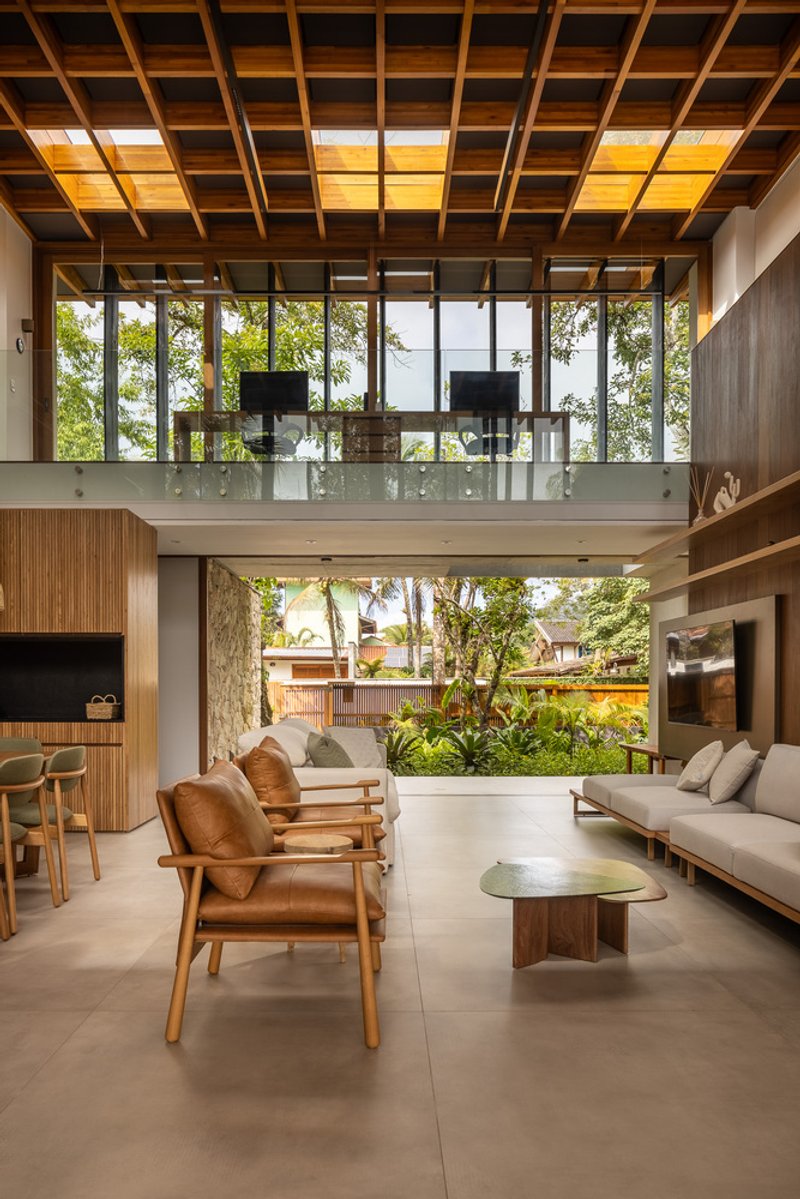
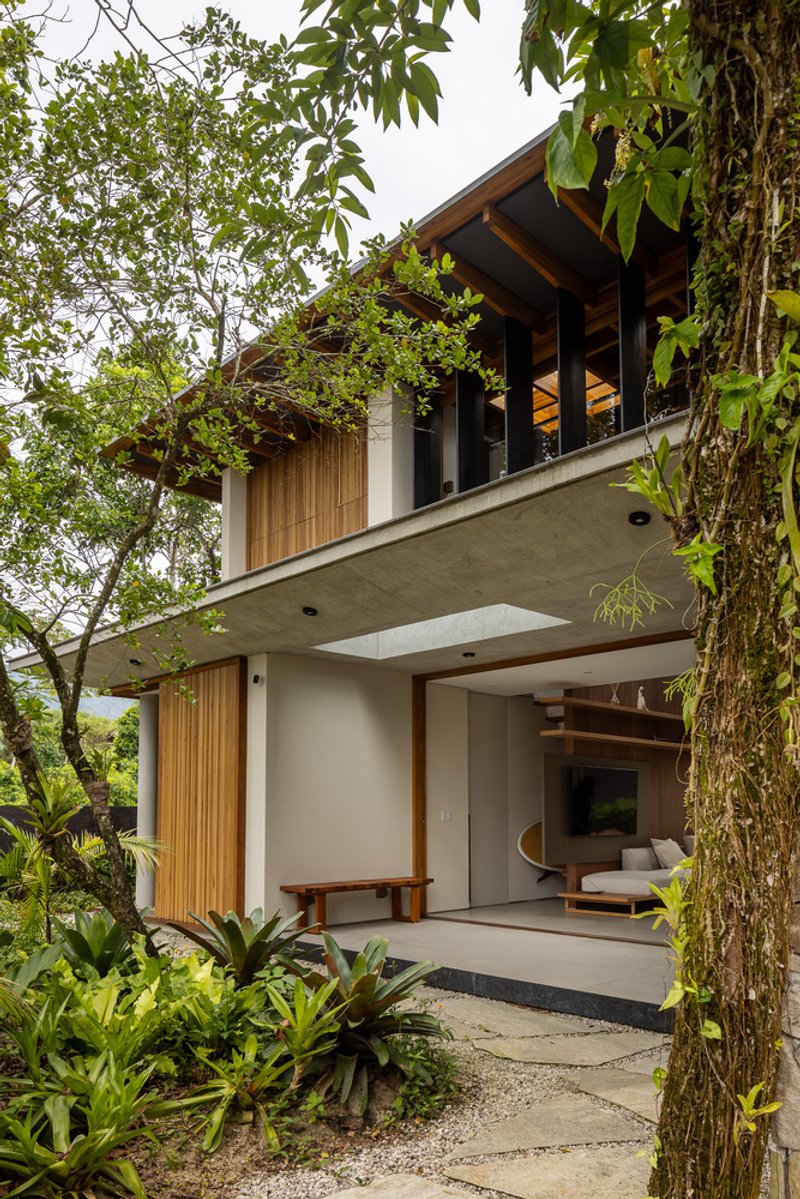
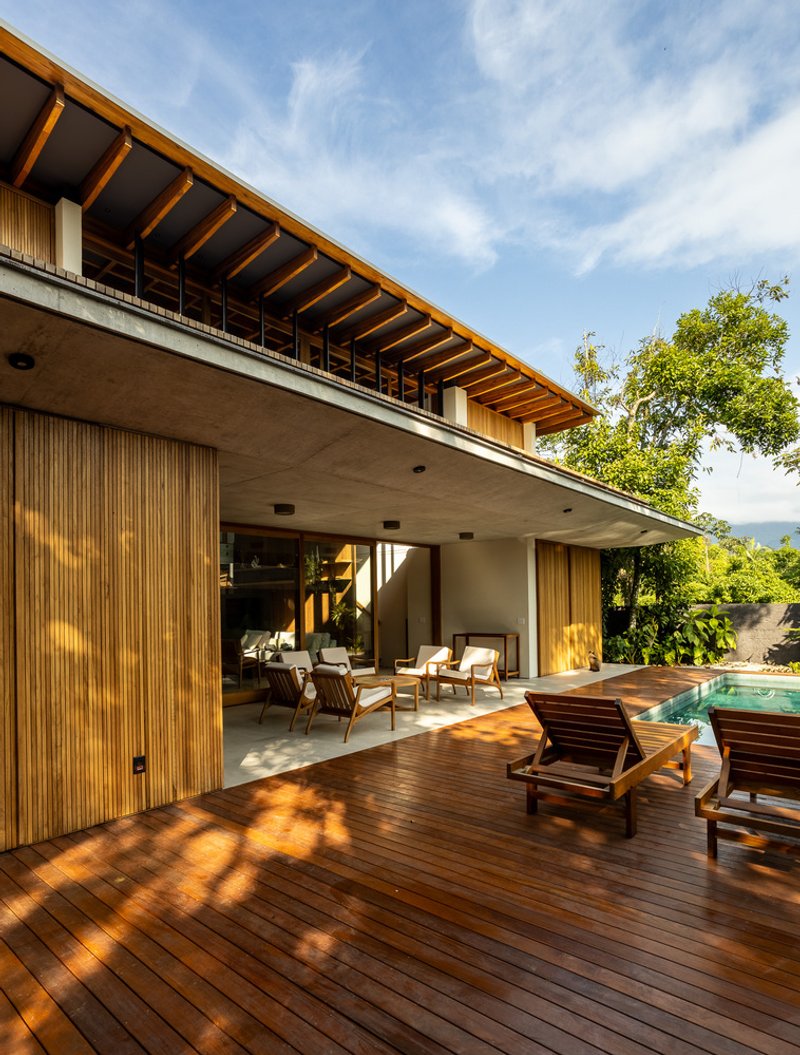
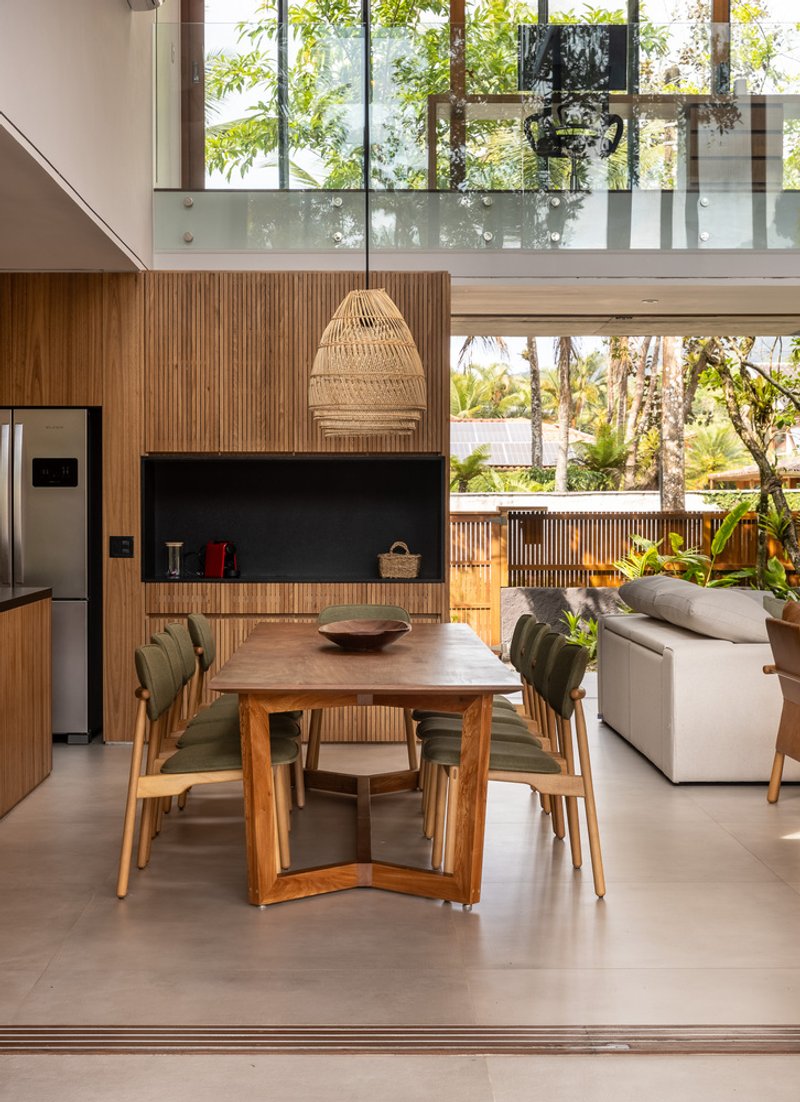
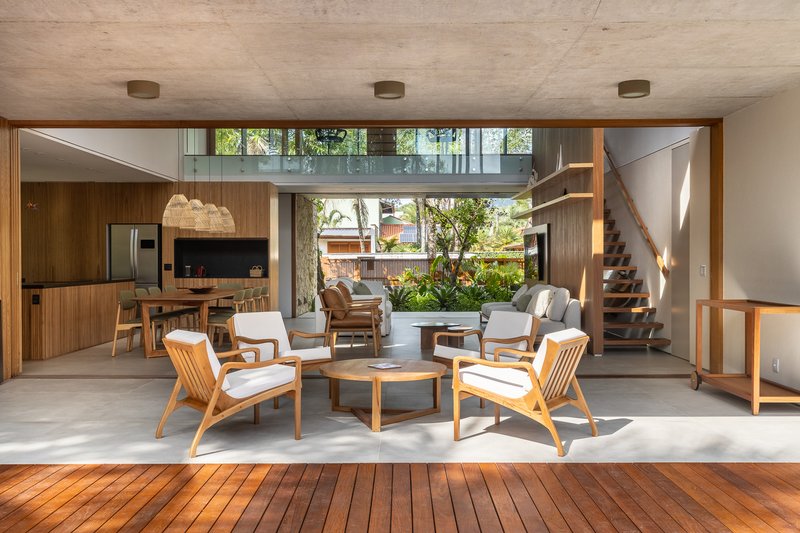
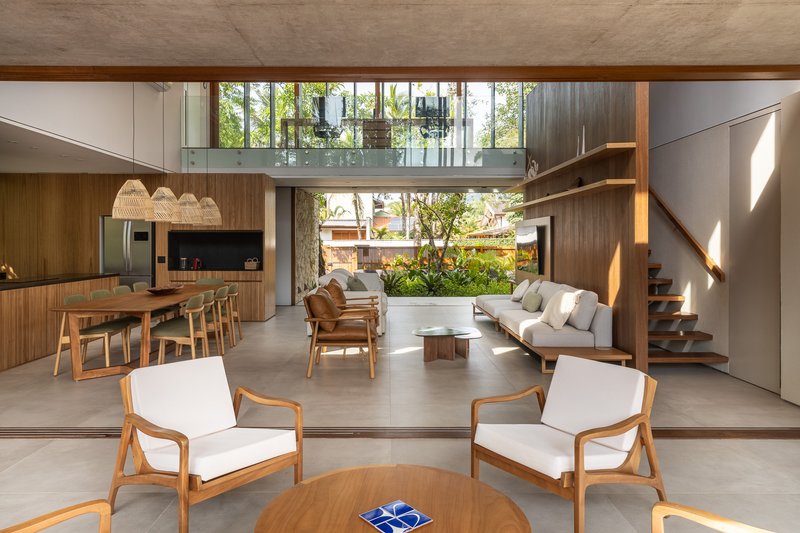
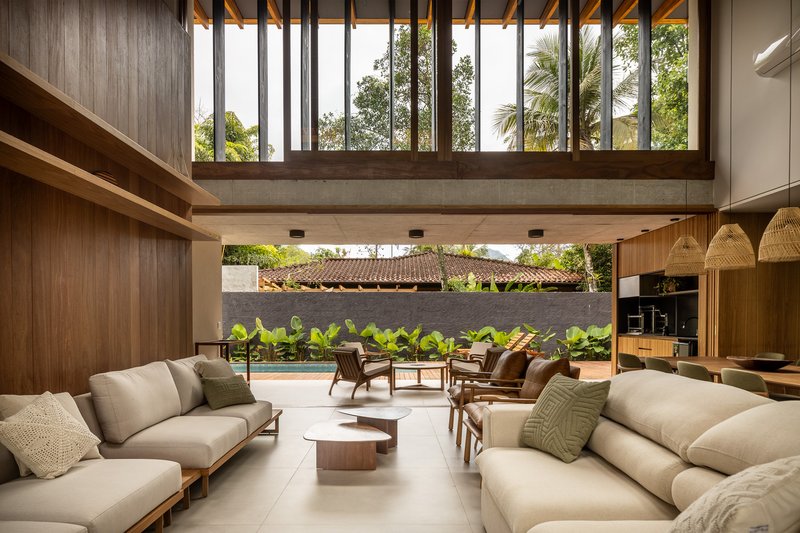
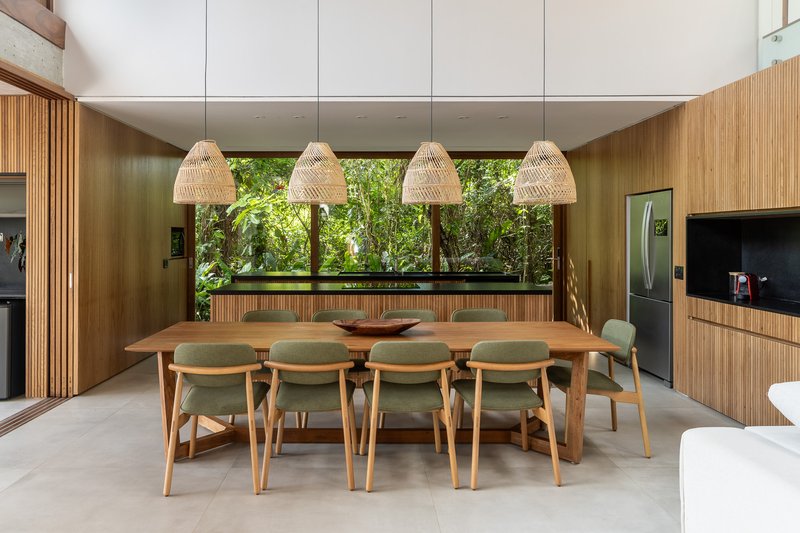
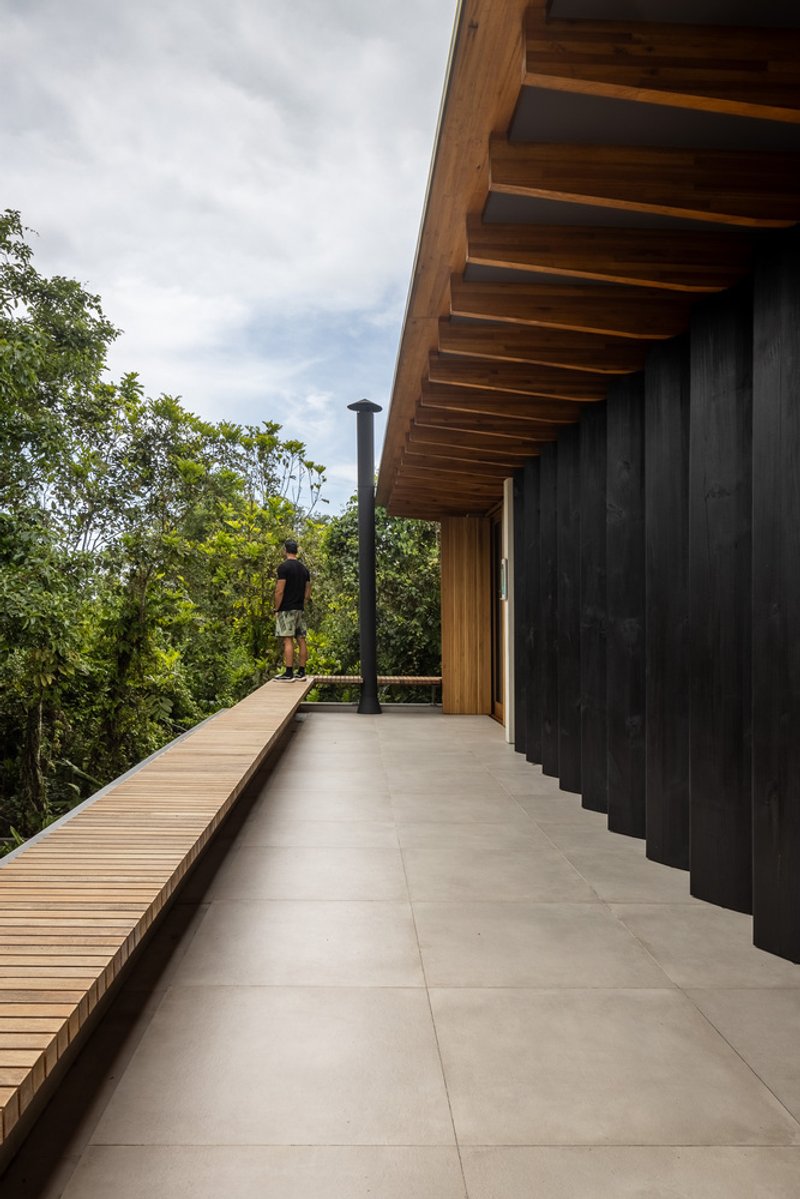
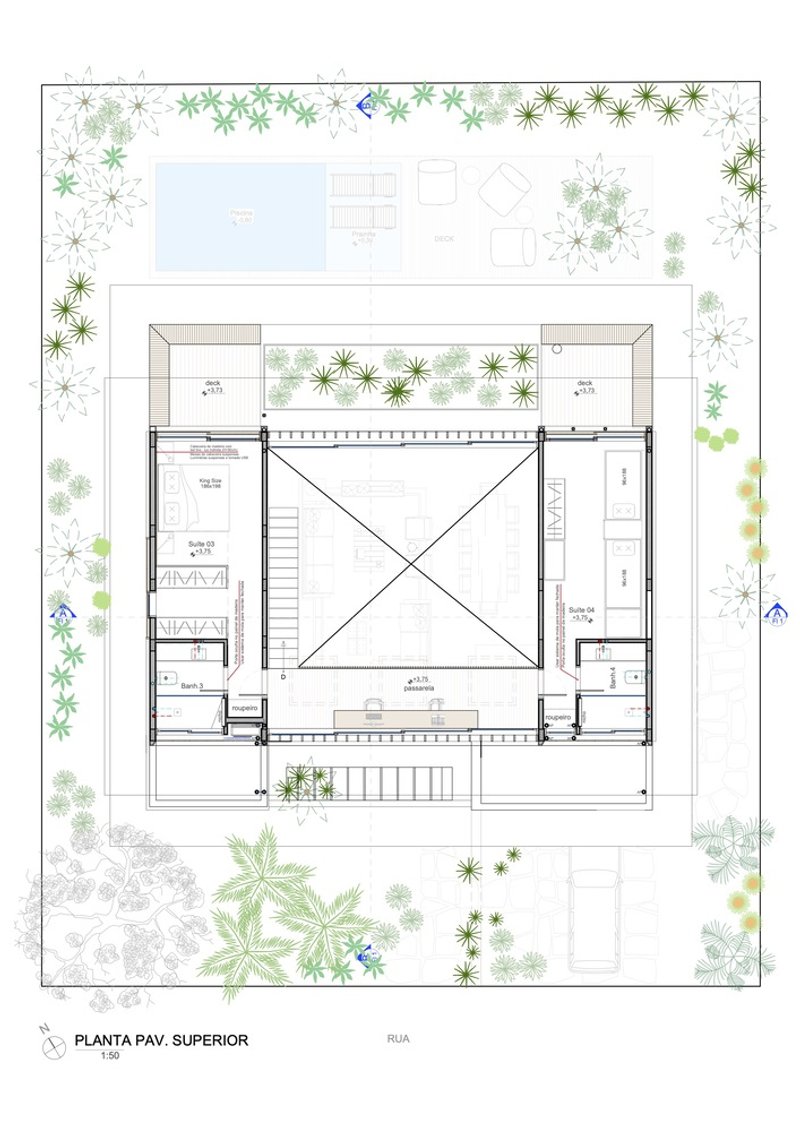
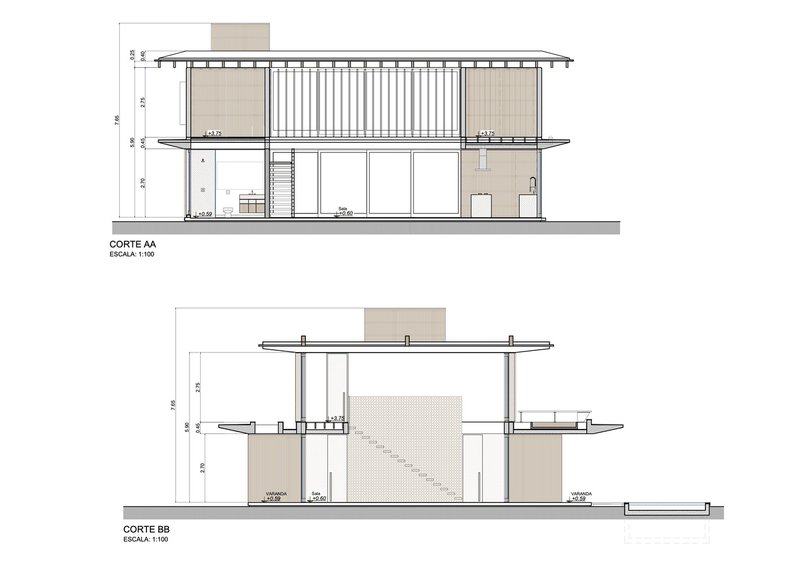
A defining feature of this tropical contemporary house design is its openness to the outdoors. Large sliding panels, movable brise-soleils, and generous eaves allow the home to fully embrace the natural environment, ensuring seamless integration between interior and exterior spaces. The double-height ceiling amplifies the sense of openness and provides sweeping views of the sky, while strategically placed skylights bring abundant natural light into the heart of the home.
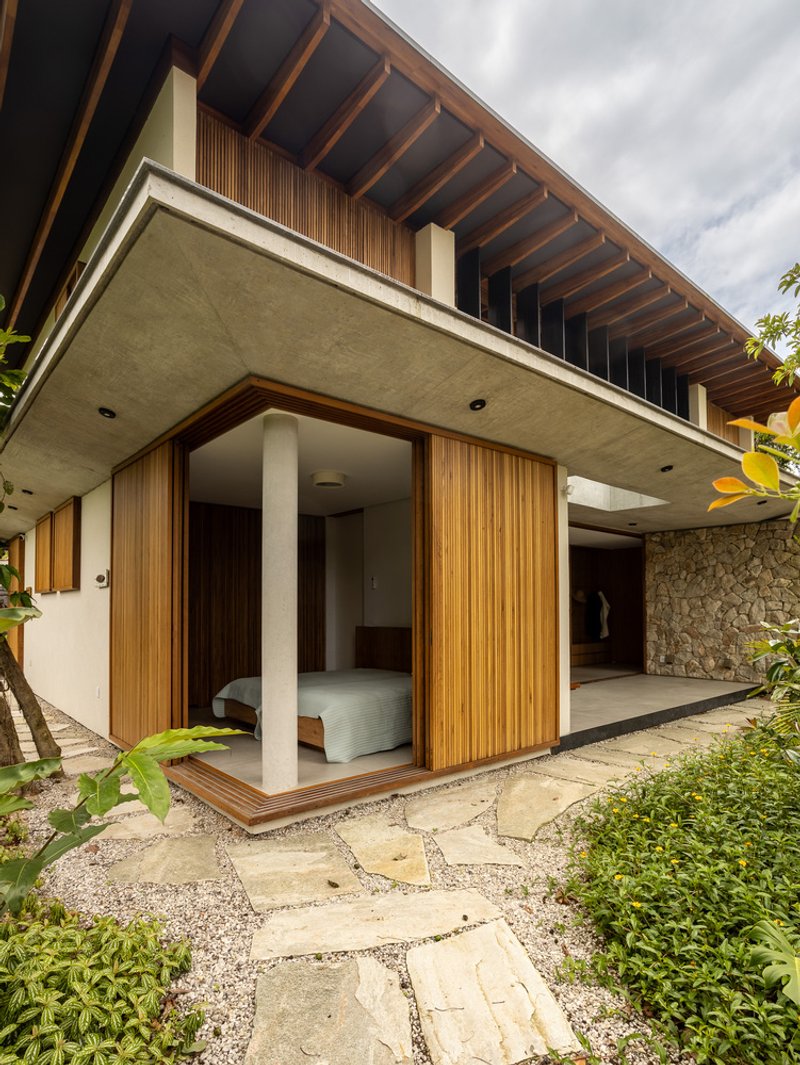
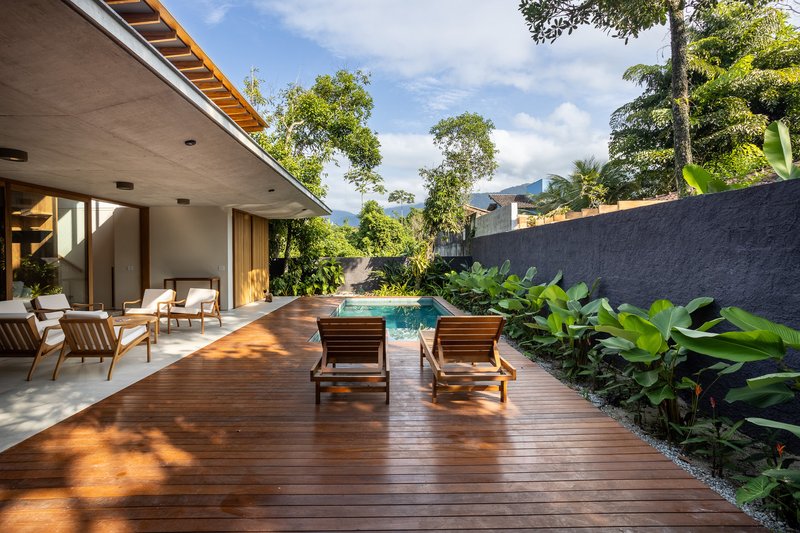
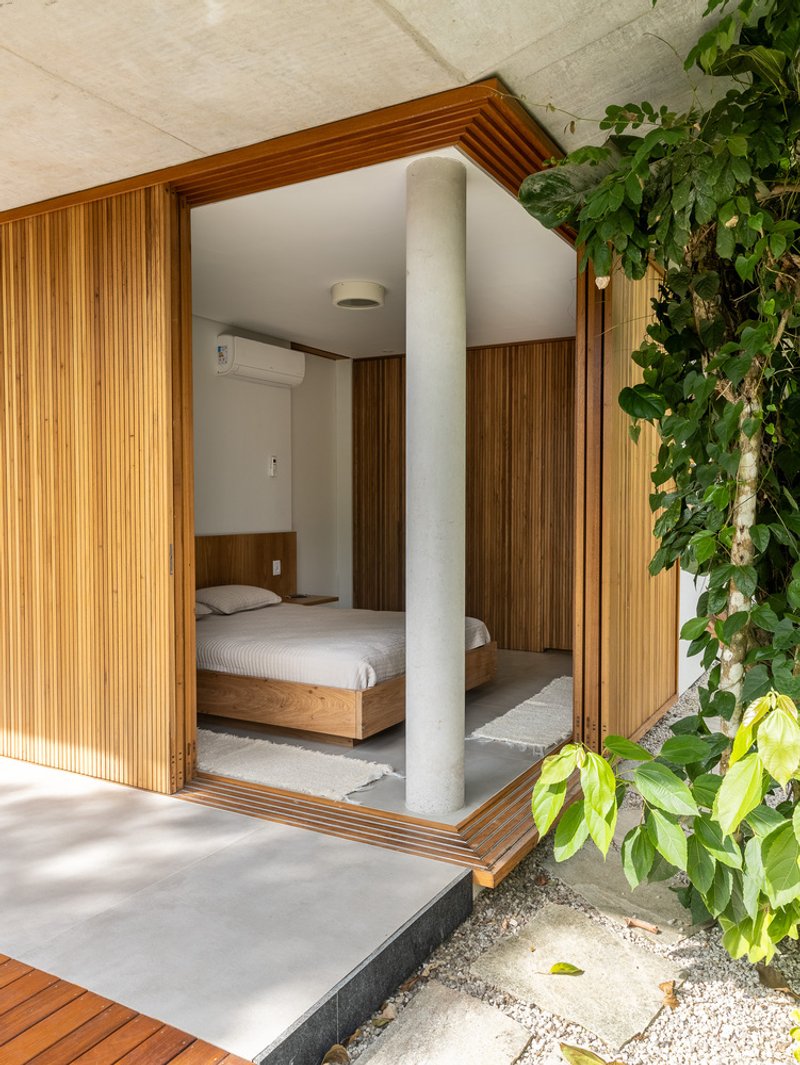
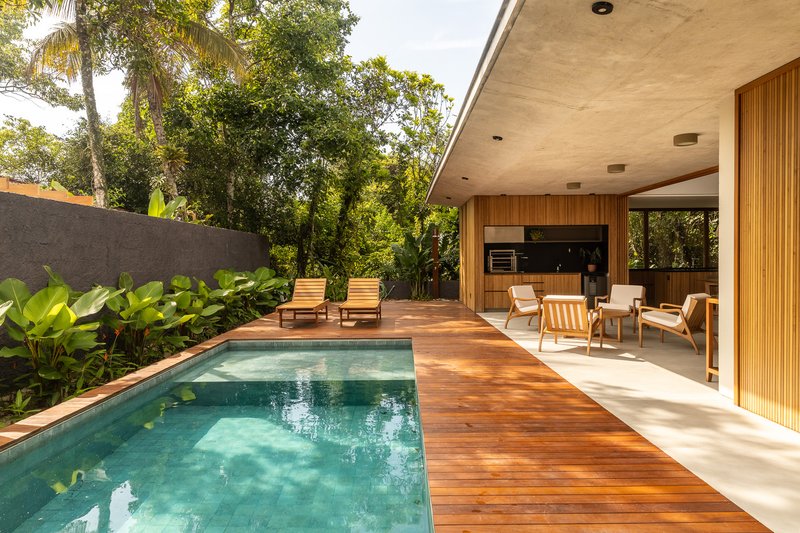
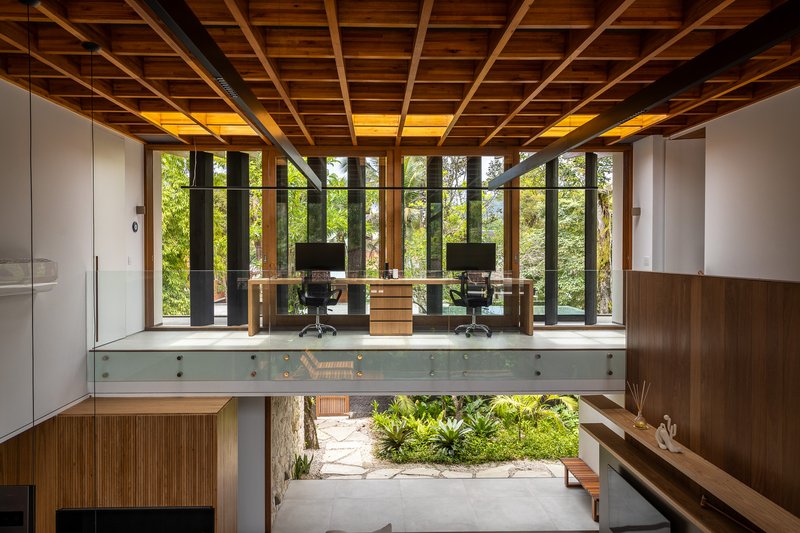
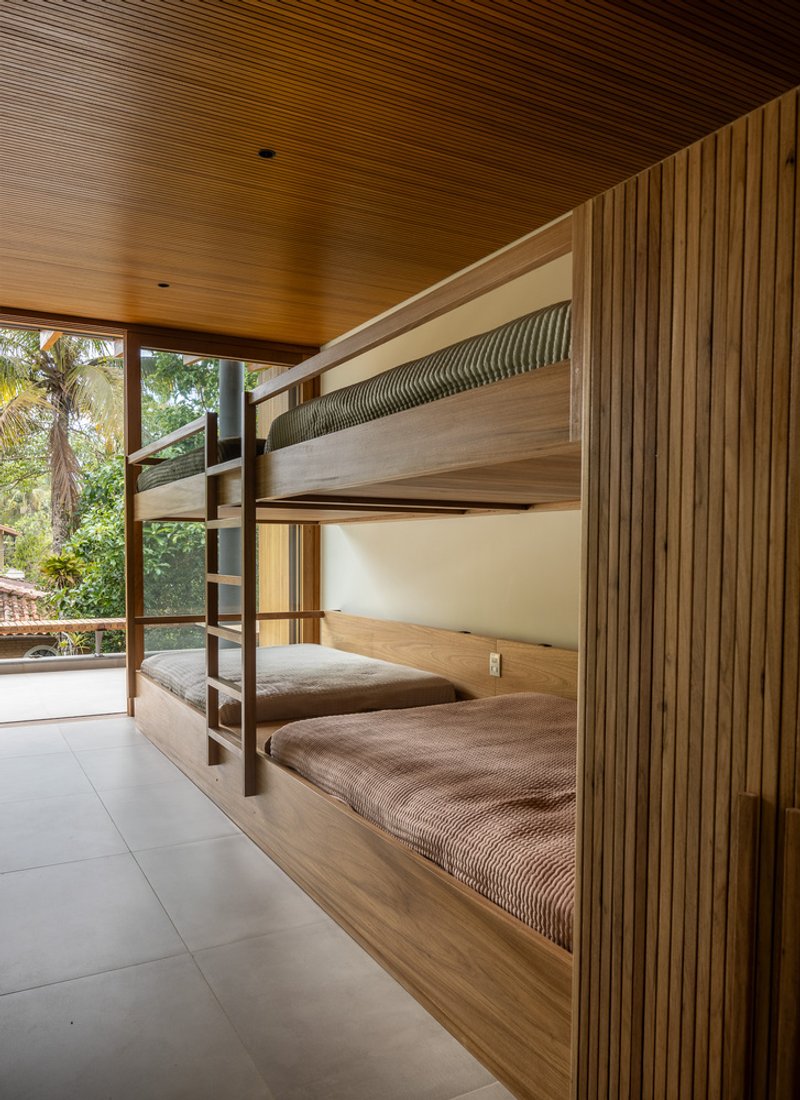
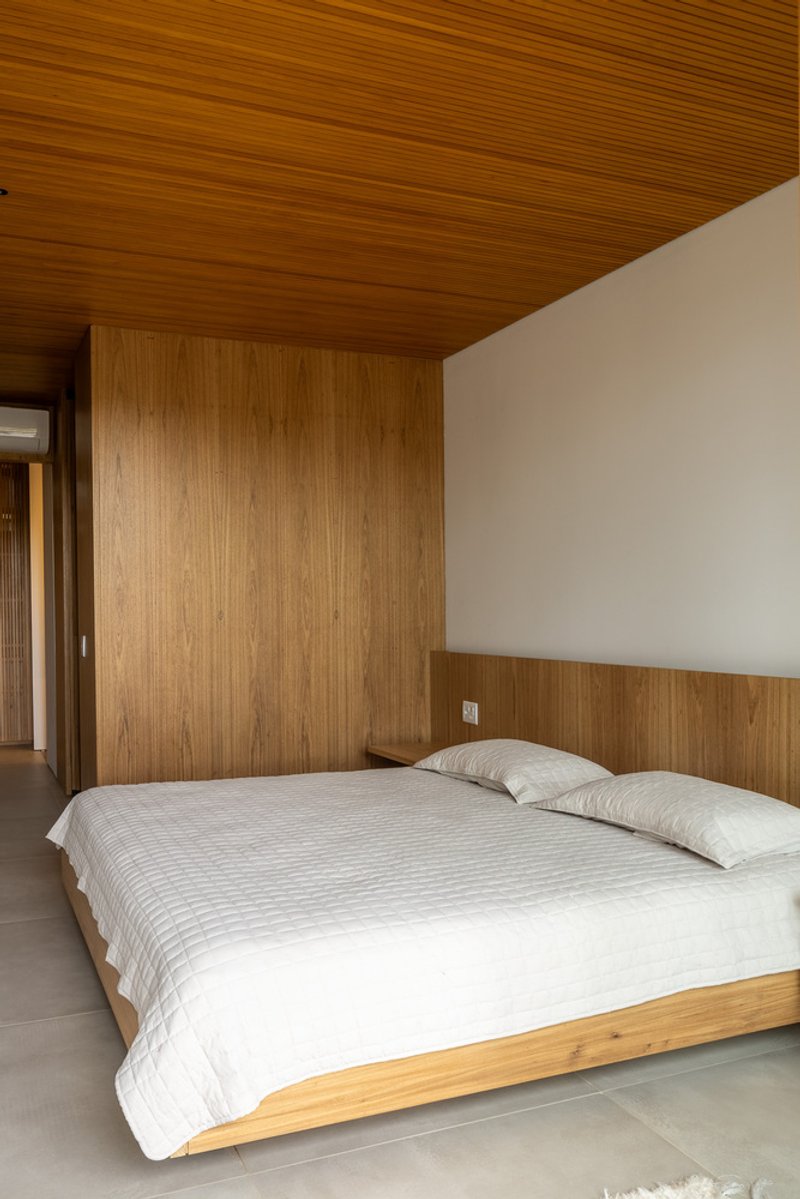
On the ground floor, the living room flows effortlessly into the kitchen, gourmet area, garden, and a poolside deck, creating a social space that is both spacious and inviting. Two guest suites offer privacy and comfort, while the upper floor is reserved for the main family suites, including a dedicated area for the daughters and a master suite for the couple. The service spaces are thoughtfully tucked away to maintain a smooth, uninterrupted flow throughout the house.
Materiality and Atmosphere
The use of wood and other natural materials is central to the atmosphere of the PCW Residence. The architects deliberately chose materials that would evoke warmth and a sense of place, bringing the outdoors inside while adding sophistication to the interiors. The wooden ceiling structure, combined with stone, concrete, and expansive glass surfaces, creates a tactile, visually rich experience that resonates with the tropical climate. The result is a home that feels both contemporary and deeply connected to nature.
Tropical Contemporary Living
With its “tropical contemporary architecture” concept, the PCW Residence reflects a design philosophy centered on fluidity, comfort, and practicality. The home’s open configuration promotes natural ventilation, enhancing the comfort of its occupants while reducing energy consumption. The careful balance between openness and protection ensures that residents can enjoy the beauty of the natural surroundings without compromising on luxury or privacy. This project, which took one year to design and 1.5 years to construct, sets a benchmark for tropical contemporary house design that responds to both environmental and human needs.
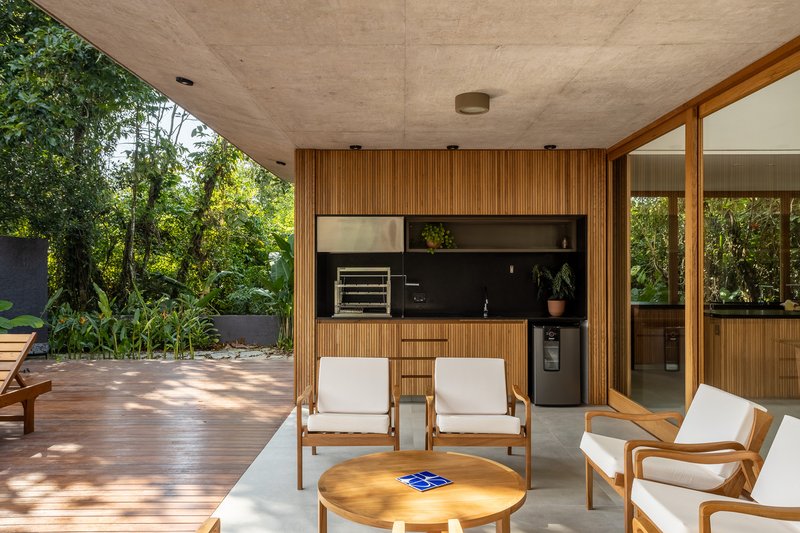
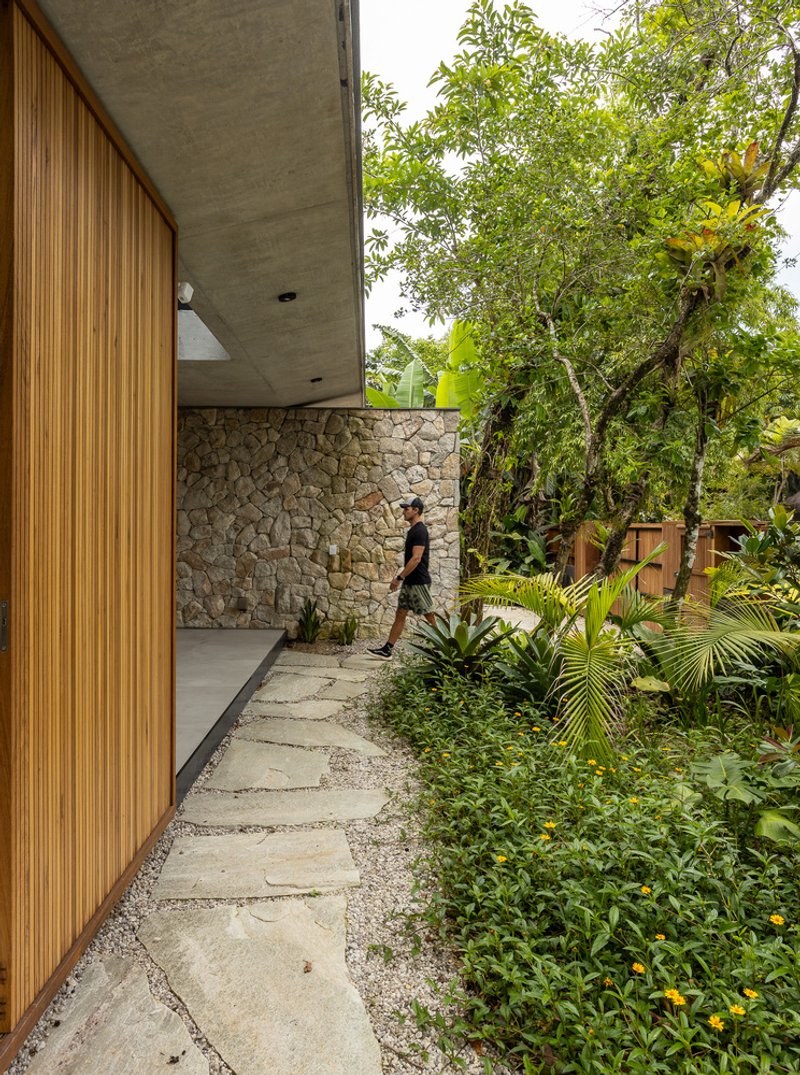
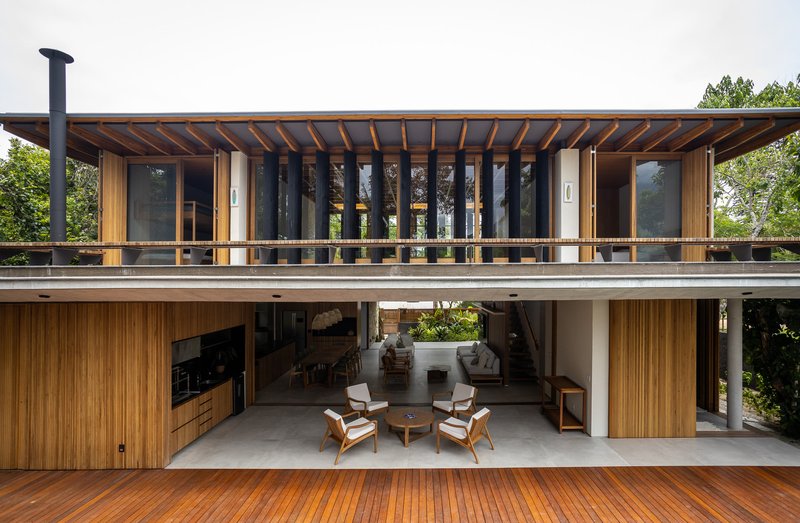
The PCW Residence by Pitta Arquitetura is a shining example of tropical contemporary house design, where architecture and nature exist in perfect harmony. With its sophisticated materials, thoughtful spatial flow, and deep respect for its setting, this beach house offers an inspiring model for modern living in tropical environments.
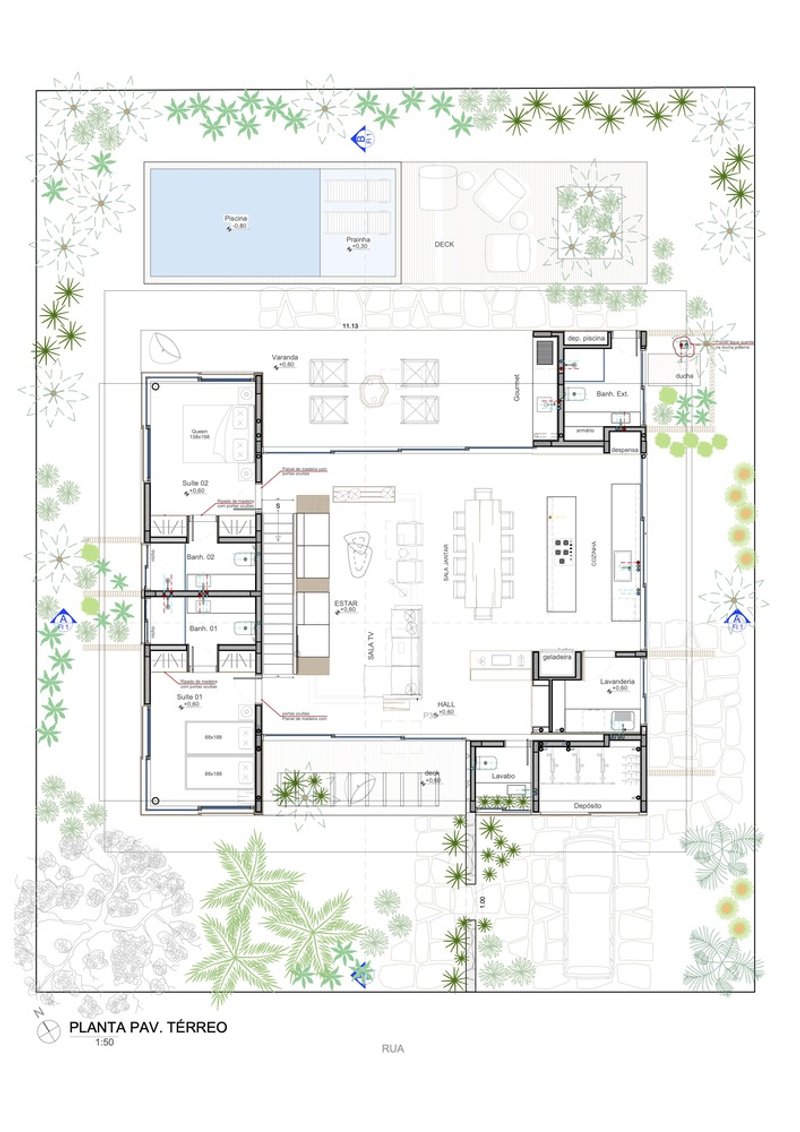
All the photographs are works of João Paulo Soares de Oliveira




Popular Articles
Popular articles from the community

20 Most Popular Furniture Design Projects of 2025
Modular street systems, parametric benches, and insect hotels: the furniture design projects that captivated architects on uni.xyz in 2025.

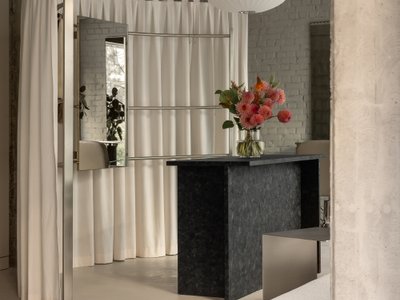
MAVA Design Turns a Column-Riddled Shell into a Serene Hair Extension Salon in Kyiv
Inside a former motorcycle factory campus, a 110 square metre beauty atelier treats structural obstacles as spatial anchors.
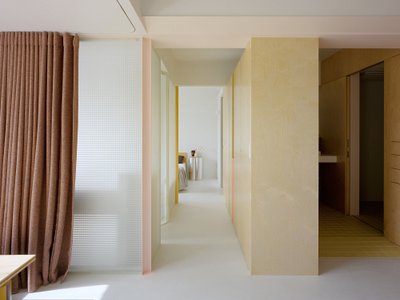
OUJ Rewires a 72-Square-Meter Taipei Apartment for Multigenerational Living After the Pandemic
Inside a 40-year-old public housing block, plywood volumes and translucent screens turn three cramped bedrooms into a flexible family home.
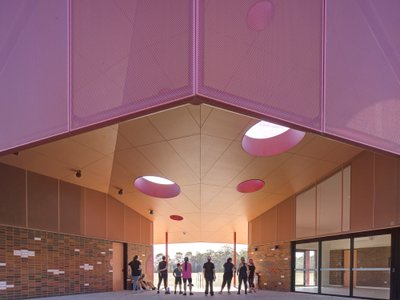
Sam Crawford Architects Anchors a Sports Pavilion in 10,000 Years of Indigenous History
A V-shaped brick and steel pavilion in southwest Sydney translates ancient clay ovens and gathering traditions into civic architecture.


Similar Reads
You might also enjoy these articles

Bamboo Housing Challenge 2026: Design Affordable, Sustainable Homes Using Bamboo
An international design competition by Bamboo U and IBUKU inviting architects and designers to reimagine affordable housing using bamboo — with the winning design built full-scale in Bali.

Computational Design & Education: Beegraphy Design Awards Introduces 7th Category (Featuring Jiyun's Innovative Approach)
Dive into Beegraphy’s 7th Design Awards category, where computational design meets education to create immersive, interactive learning tools, inspired by Jiyun’s work.

From Parametric Lighting to Urban Furniture: Join the 2nd Workshop in Beegraphy’s Computational Design Series
Dive into Cutting-Edge Design Techniques and Practical Applications with Industry Experts

Introducing Sphere by UNI: Pioneering a New Era in AEC Industry
Unlocking Global Potential with BIM and Agile Management


Explore Architecture Competitions
Discover active competitions in this discipline




The International Standard for Design Portfolios


The Global Benchmark for Architecture Dissertation Awards


The Global Benchmark for Graduation Excellence


Challenge to reimagine the Iron Throne
Comments (0)
Please login or sign up to add comments
No comments yet. Be the first to comment!