
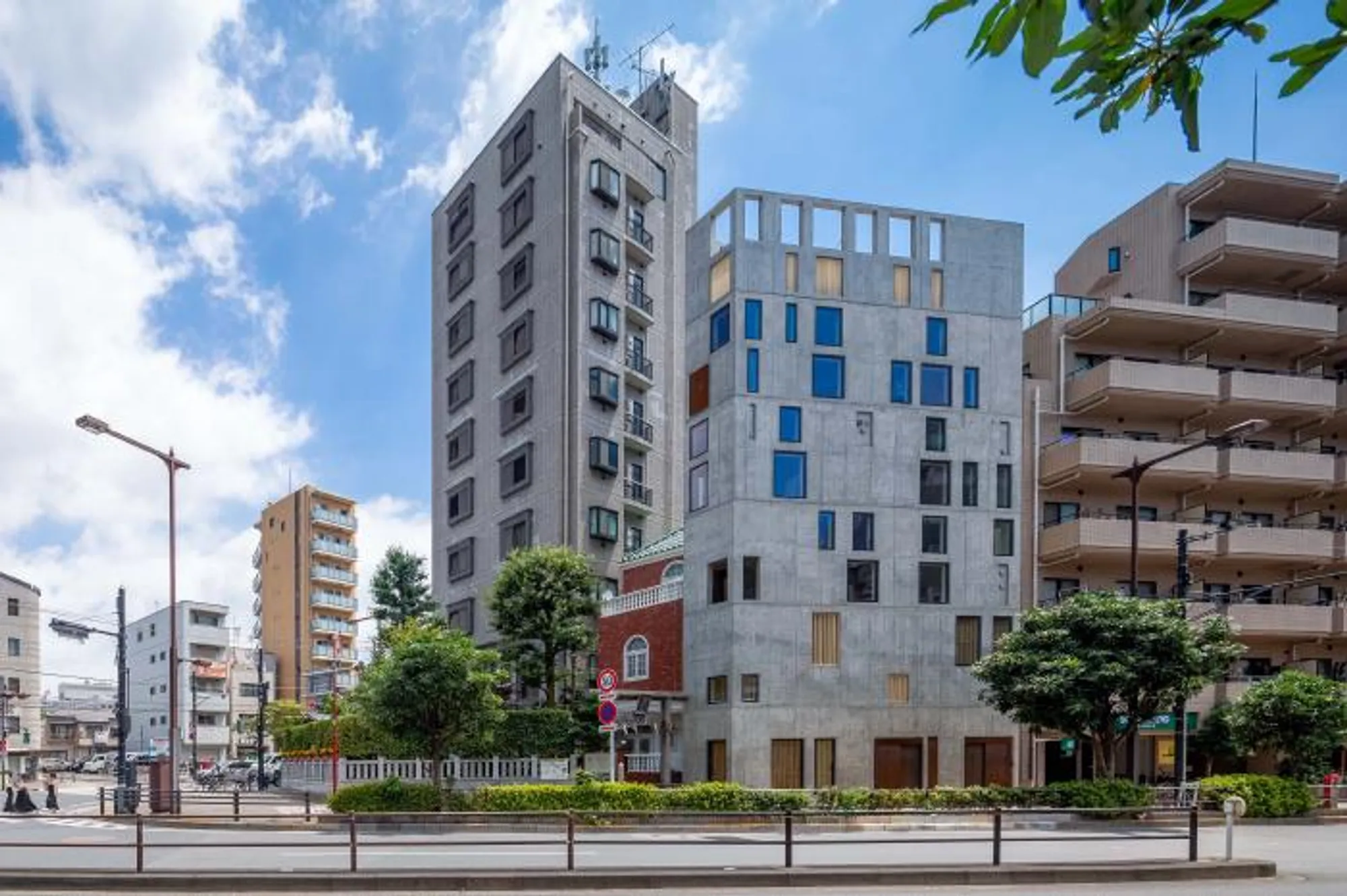
Unlocking Urban Elegance: Discover the Nobori Building by Florian Busch Architects!
Is the Nobori Building by Florian Busch Architects Redefining Modern Skyscrapers with Elegance and Innovation?


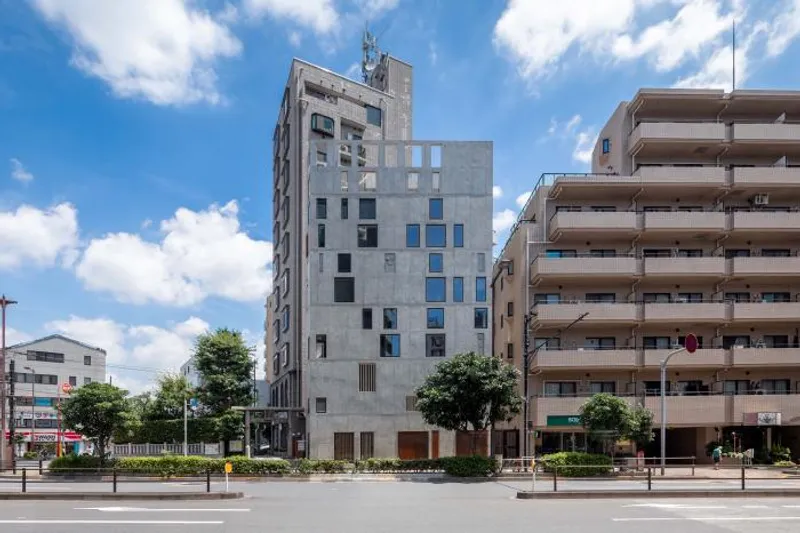
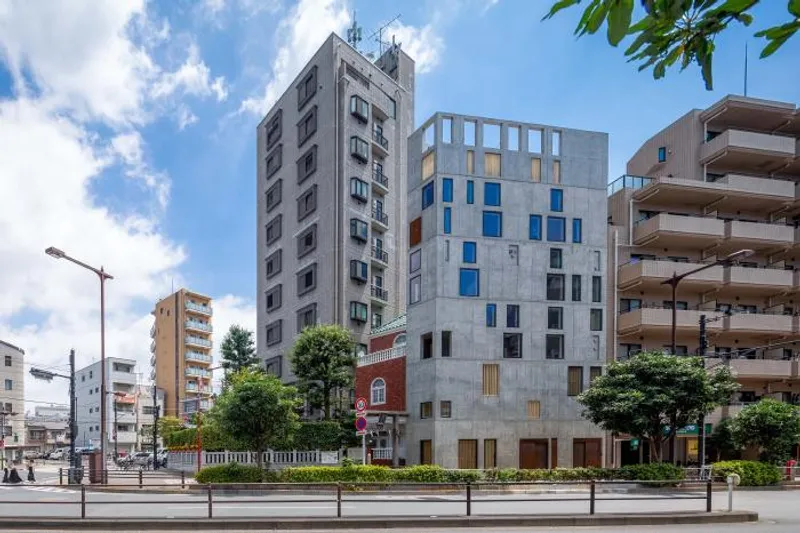
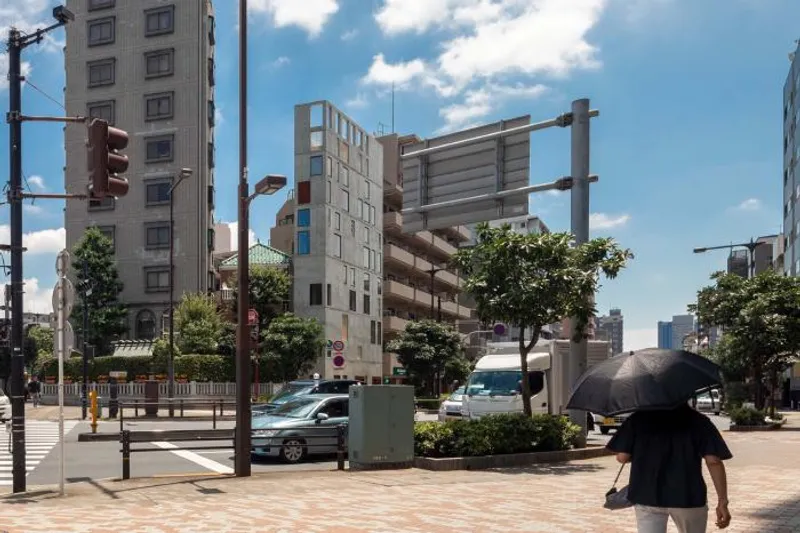
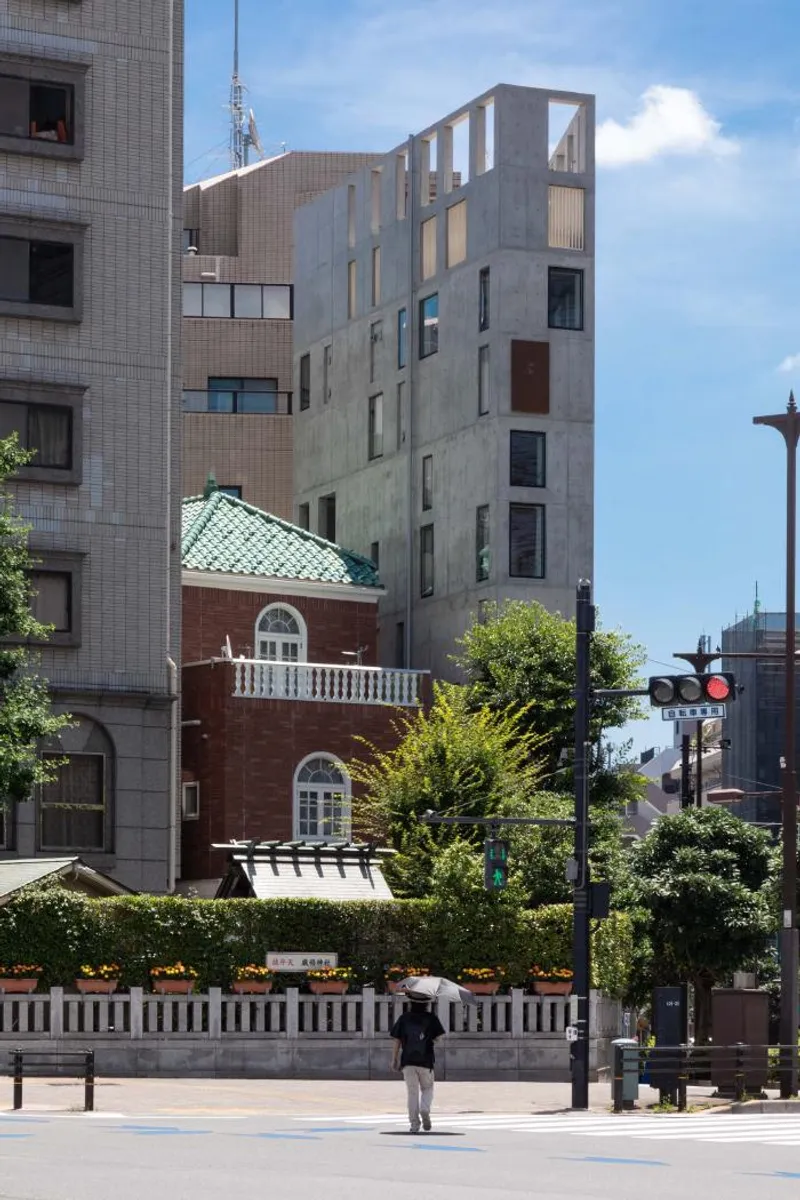
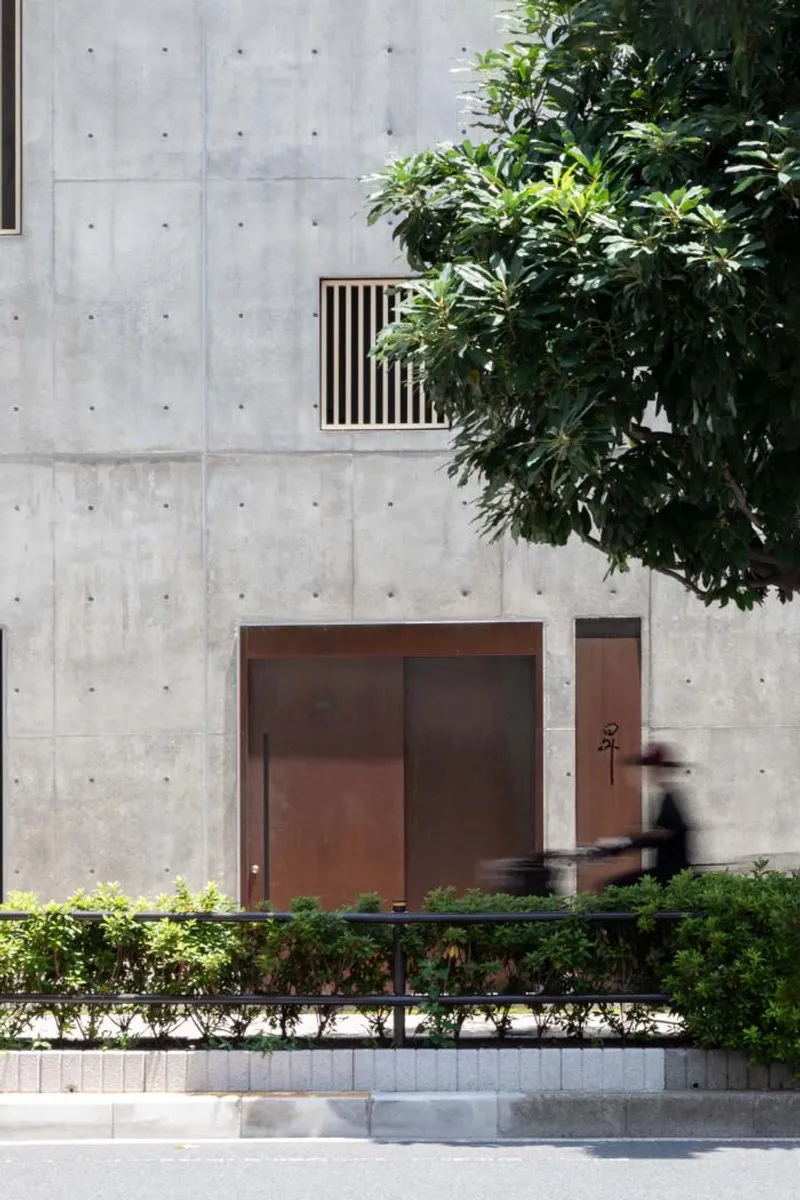
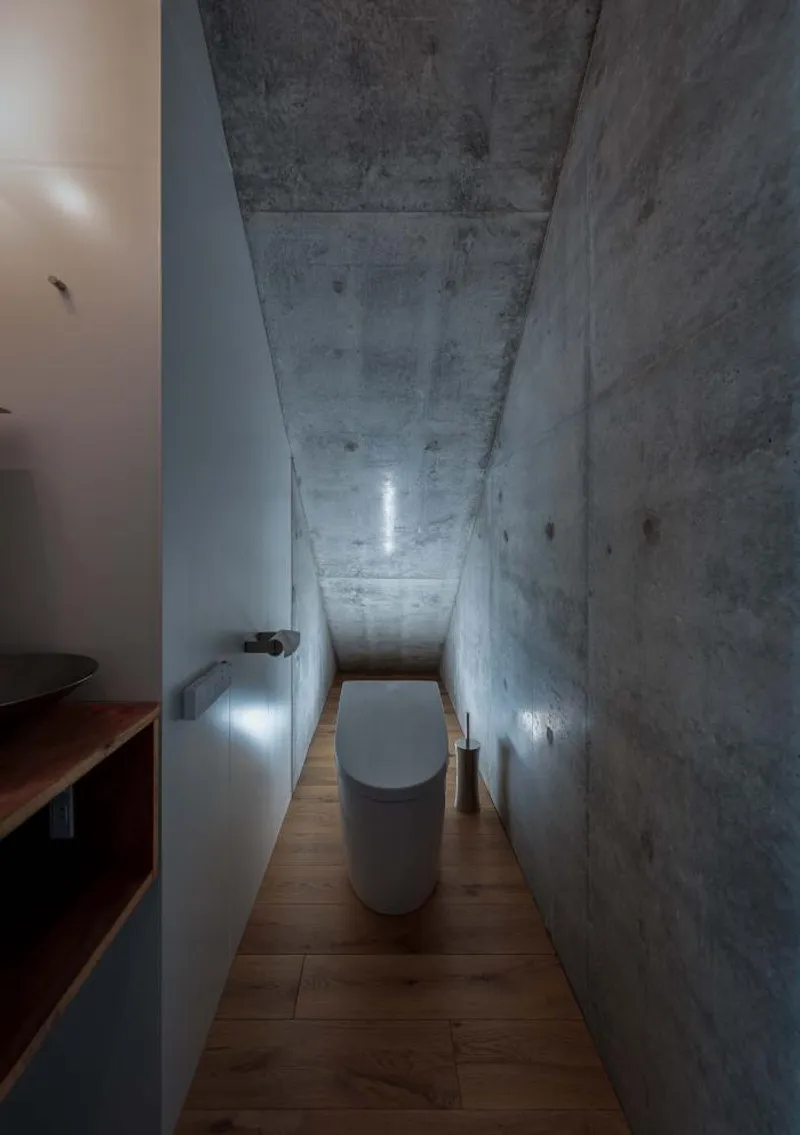
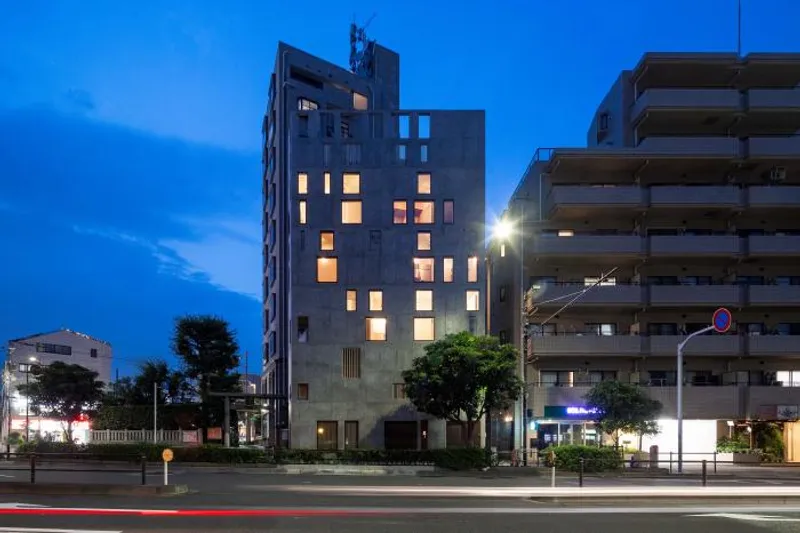
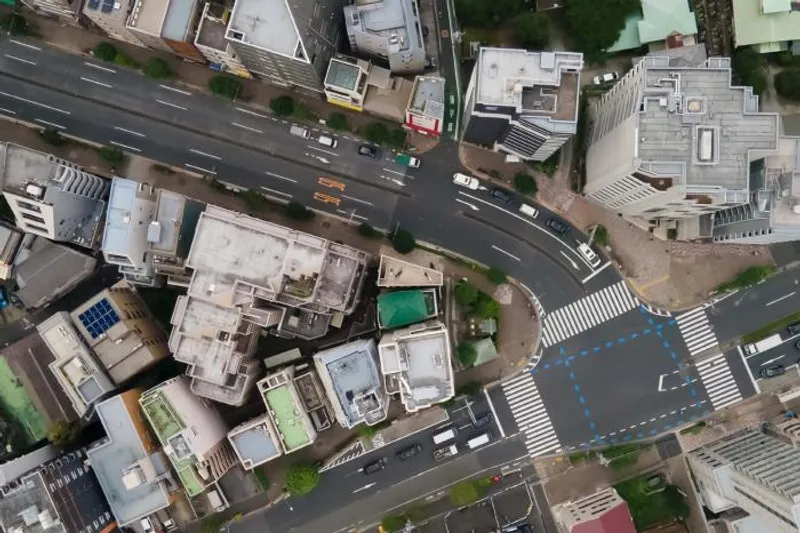
Nestled atop the sloping path leading to Tokyo's historic Nukebenten, the unassuming Itsukushima Shrine conceals a modern architectural marvel with a rich historical backdrop. Known as the Nobori Building, this ingenious structure stands on a mere 48 m² trapezoid plot adjacent to the shrine, combining contemporary design with a nod to its past.
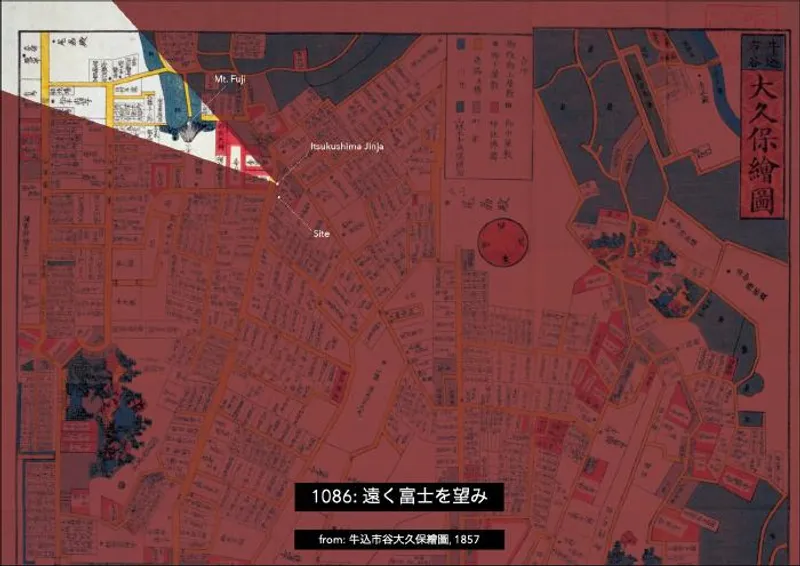
The genesis of the Itsukushima Shrine dates back to 1086 when Minamoto no Yoshiie, a prominent military leader, chose this elevated location as a temporary army camp during his journey to Mutsu. Recognizing its strategic advantages, including panoramic views of Mt. Fuji and a vantage point to detect potential threats, Yoshiie laid the foundation for the shrine, which endures to this day.
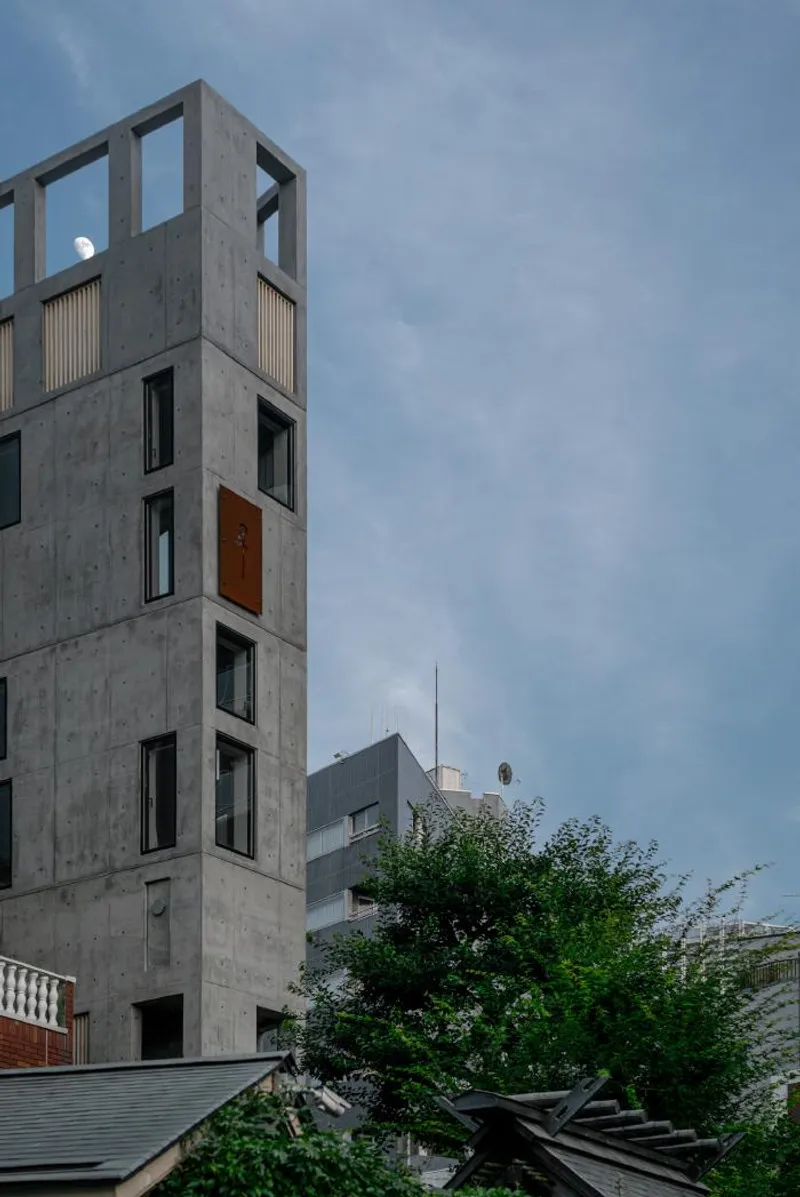
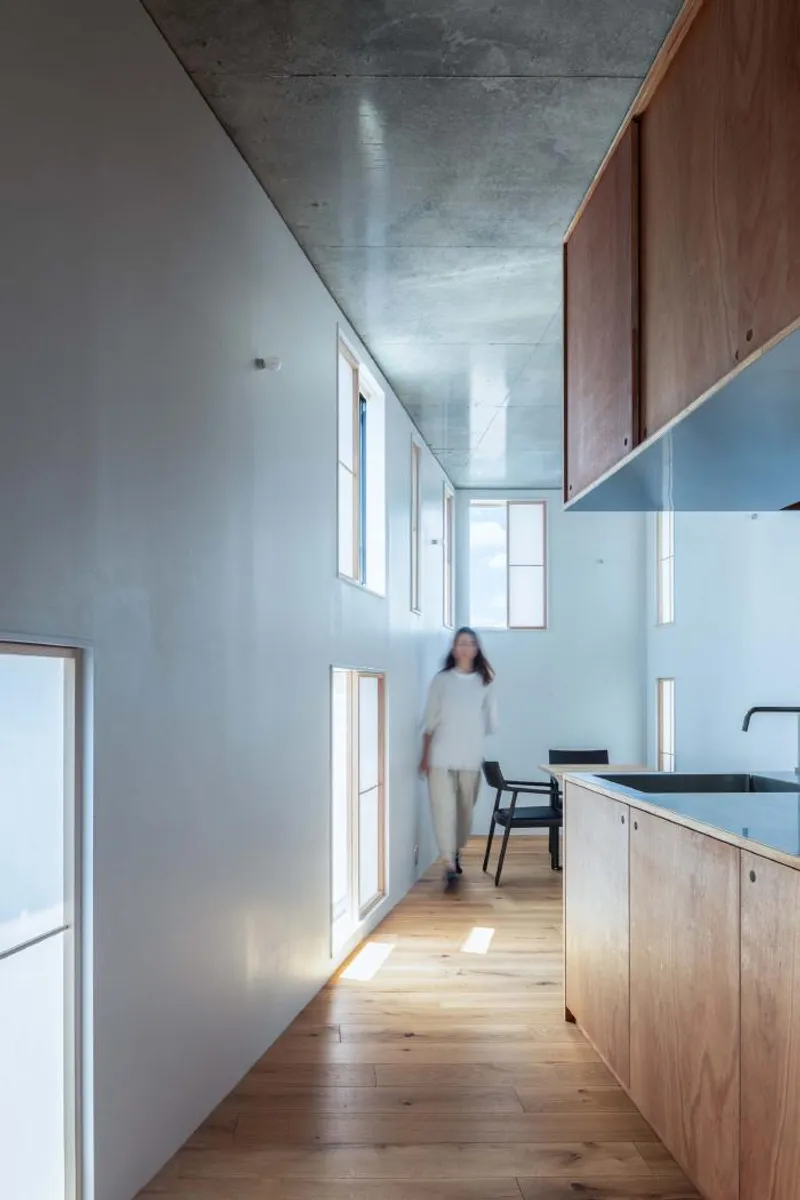
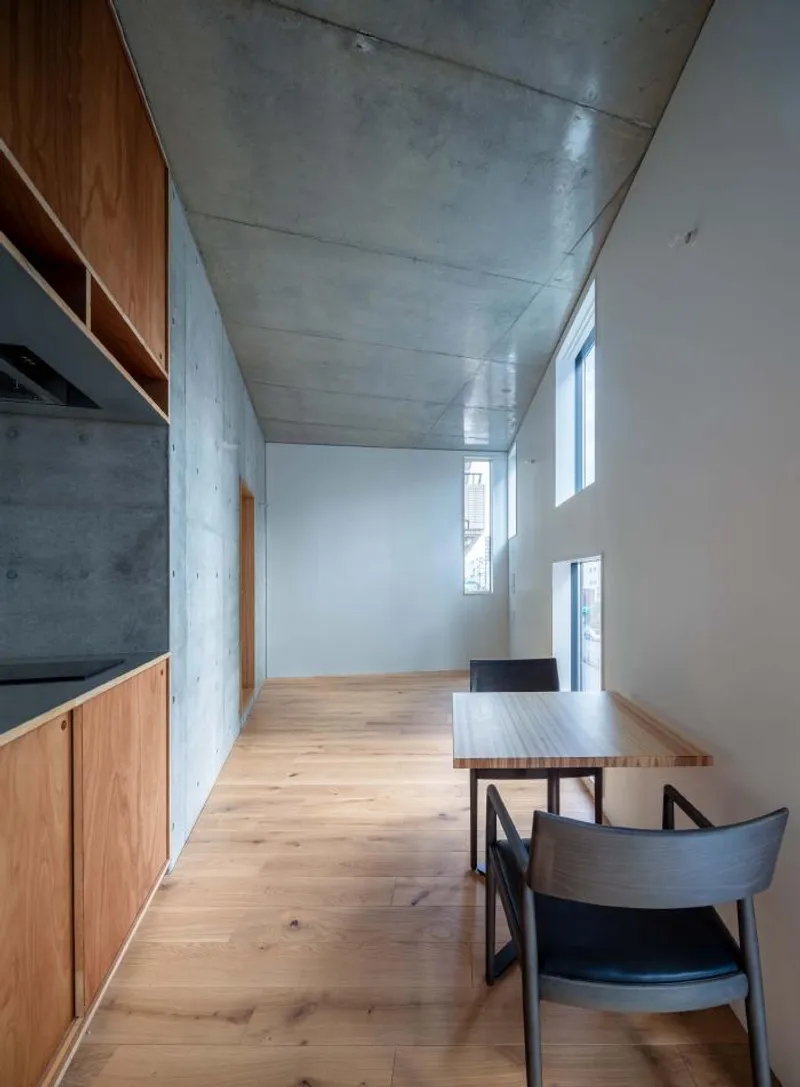
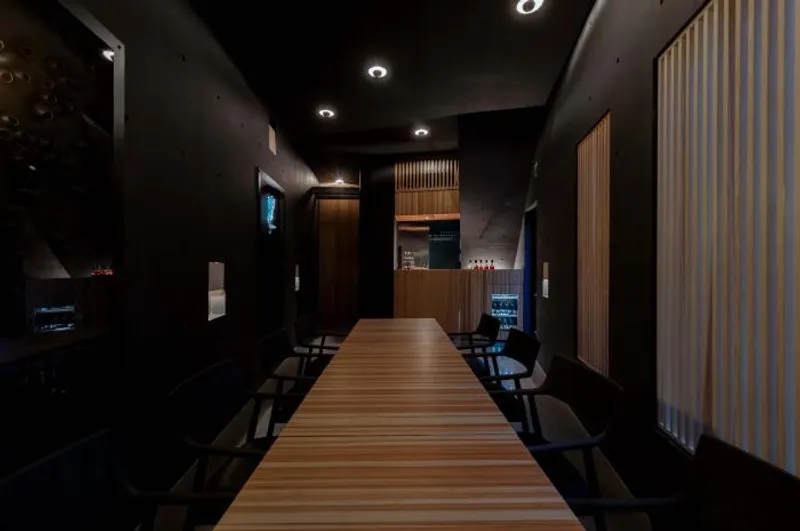
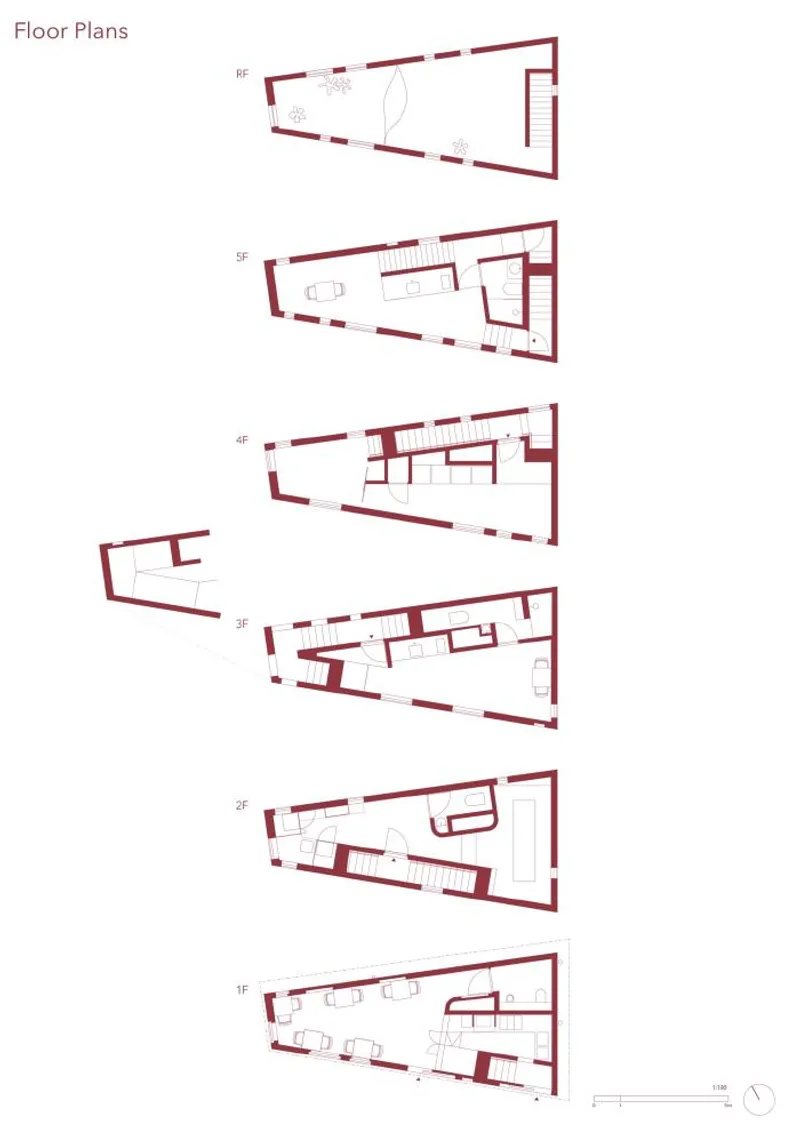
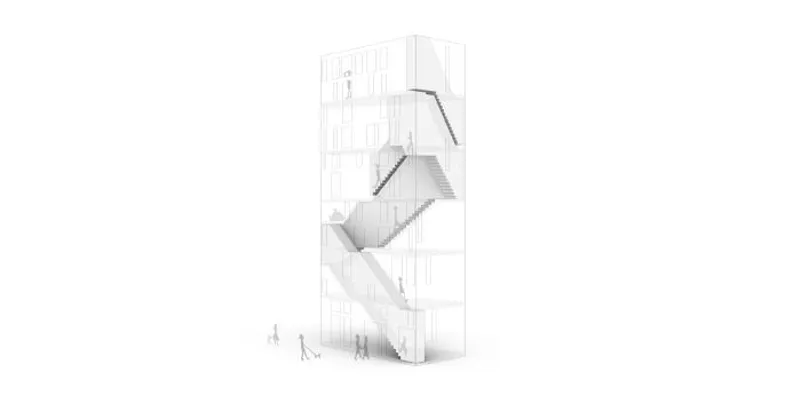
Challenges often inspire creativity, and the Nobori Building's name itself, meaning "to rise" or "to climb," reflects the project's ambitious spirit. With a restricted 80% maximum footprint on the small site, the architects faced the task of accommodating a restaurant and multiple apartments. Their strategy was to extrude the maximum footprint vertically, maximizing the use of space while embracing "vertical generosity."
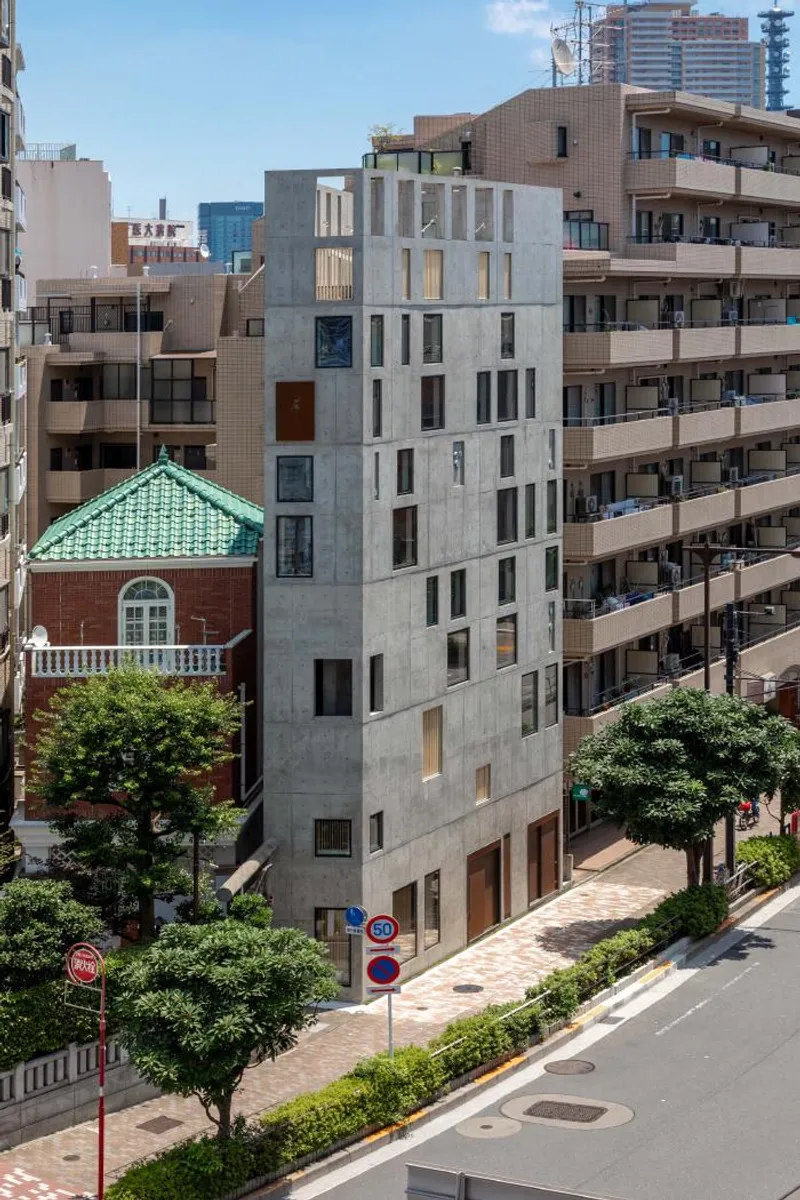
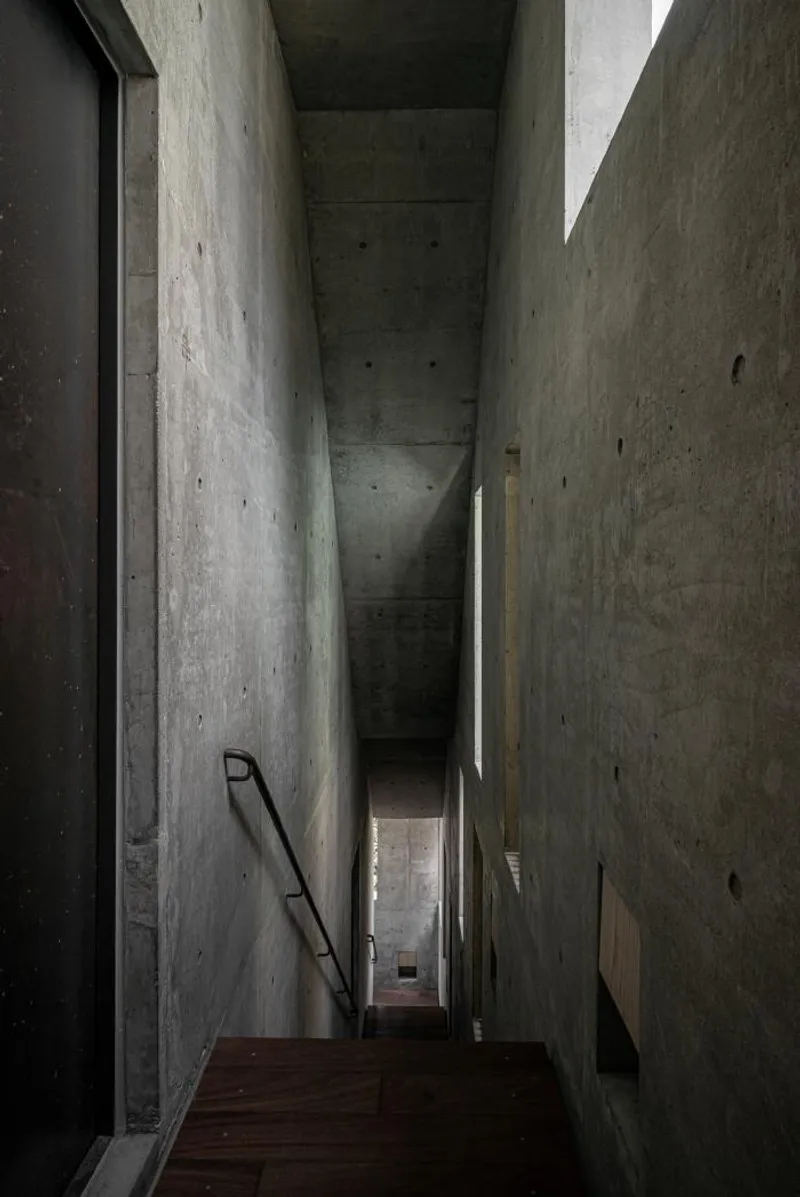
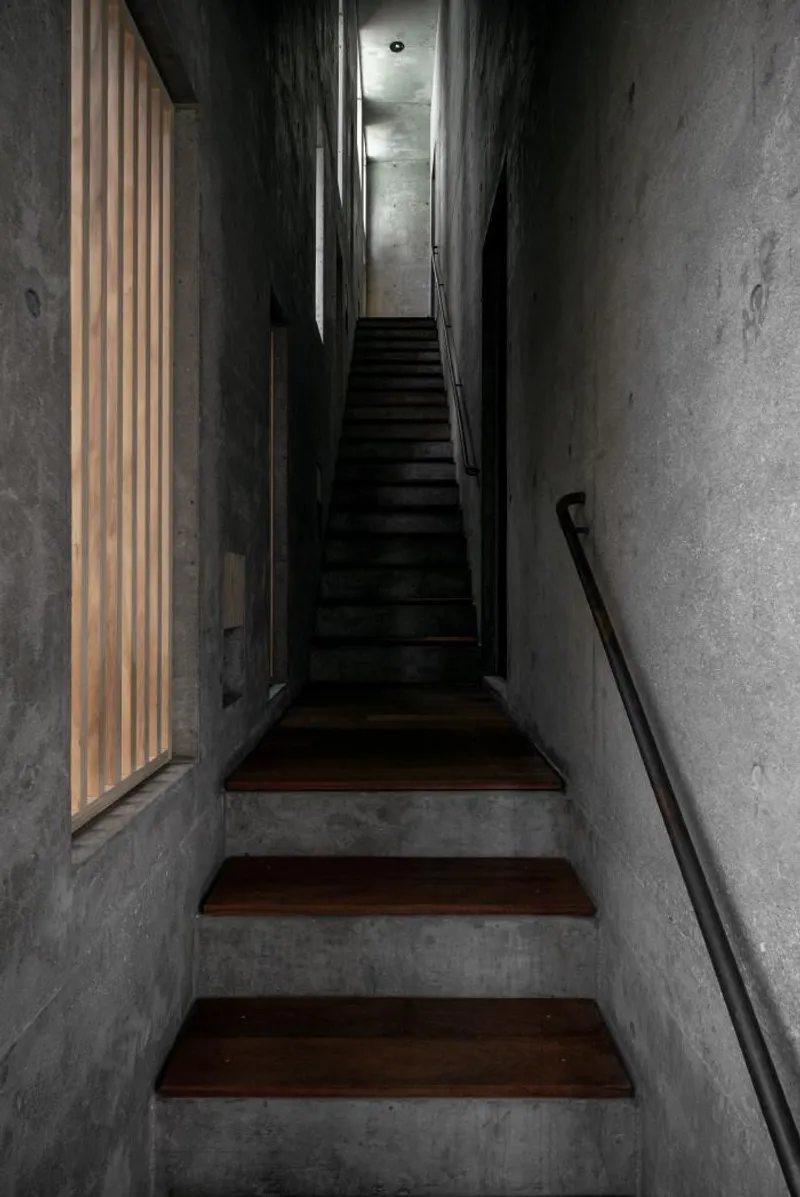
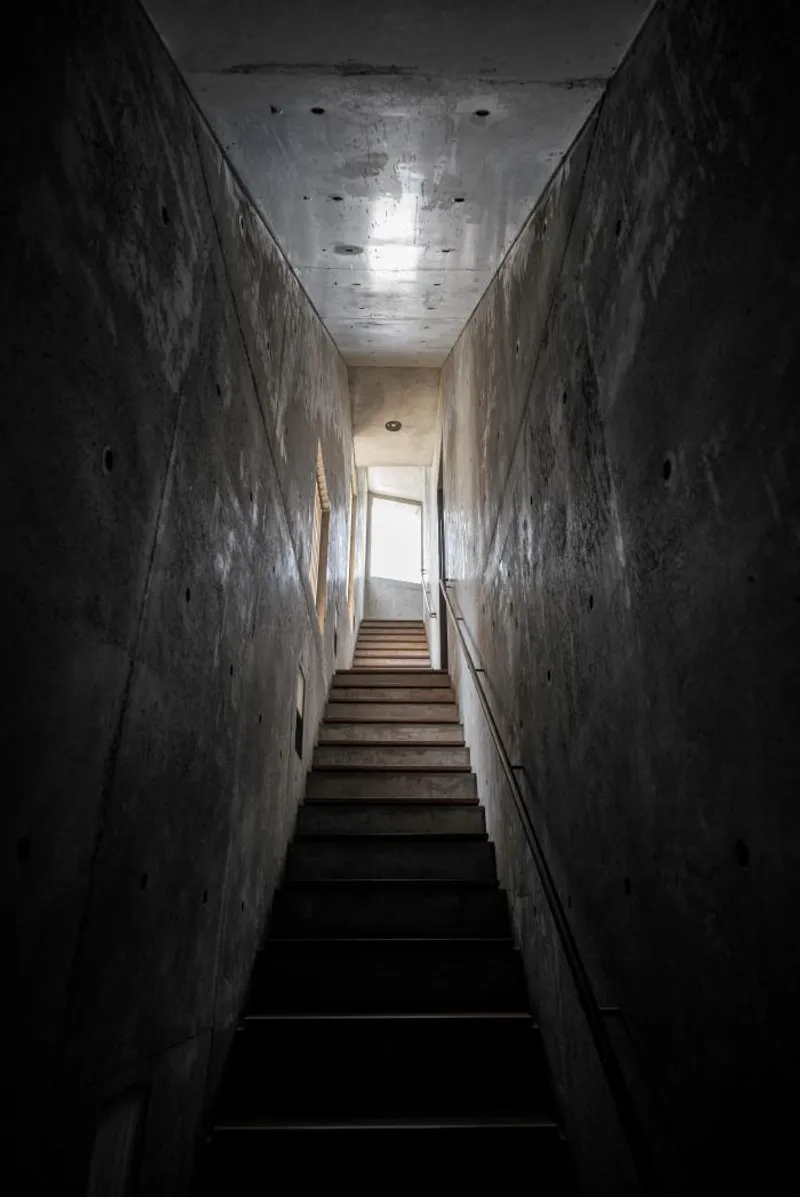
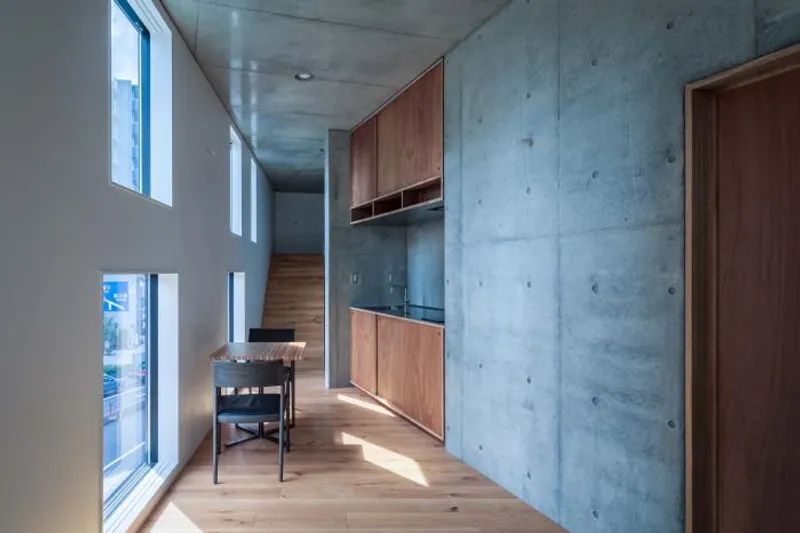
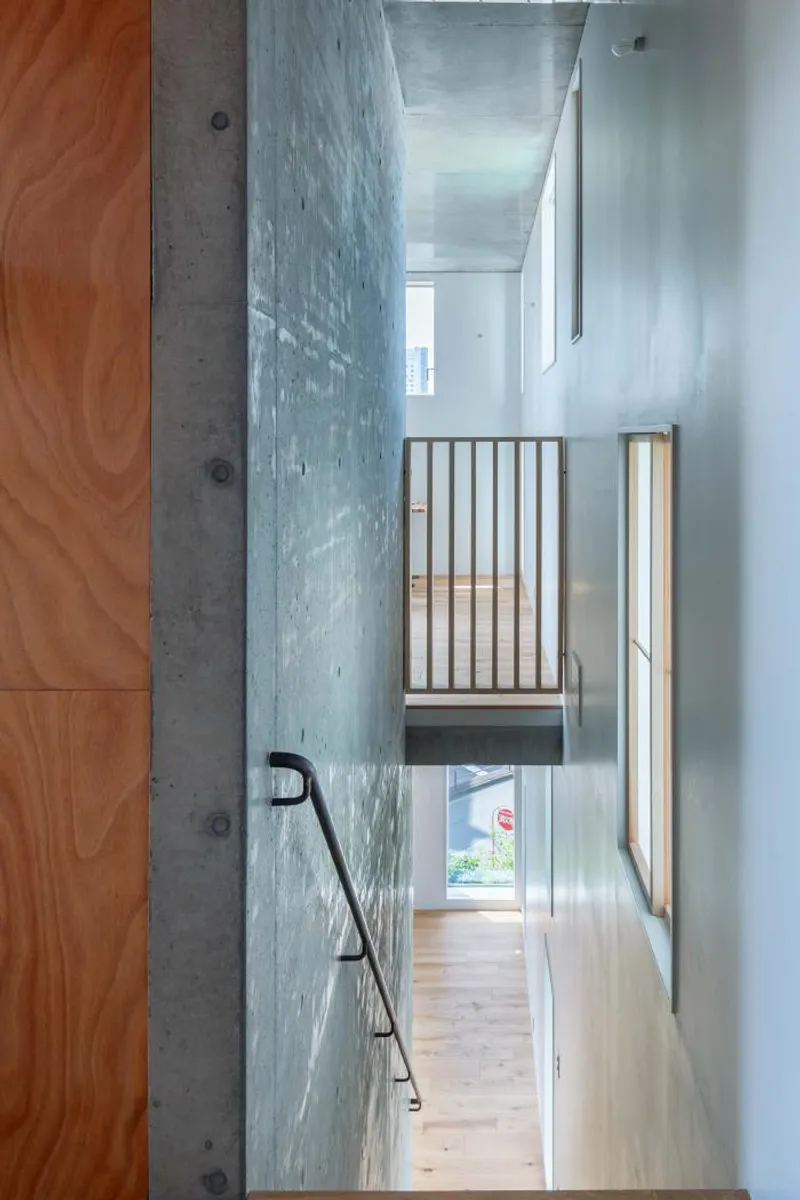
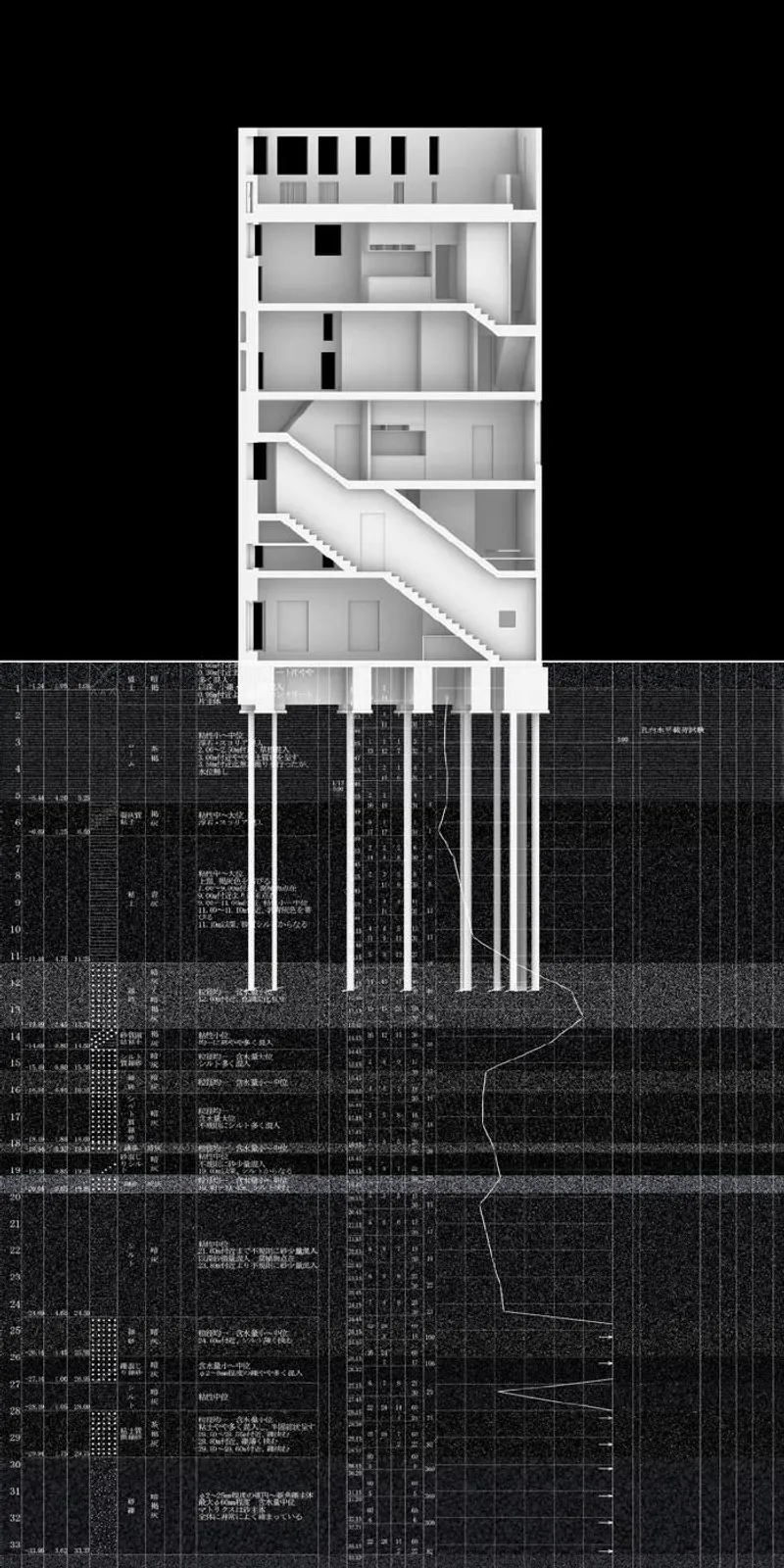
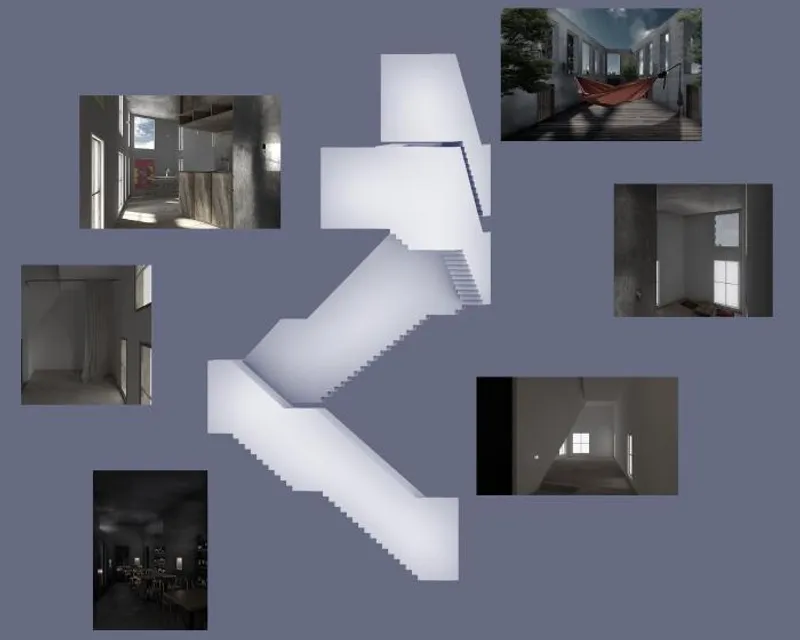
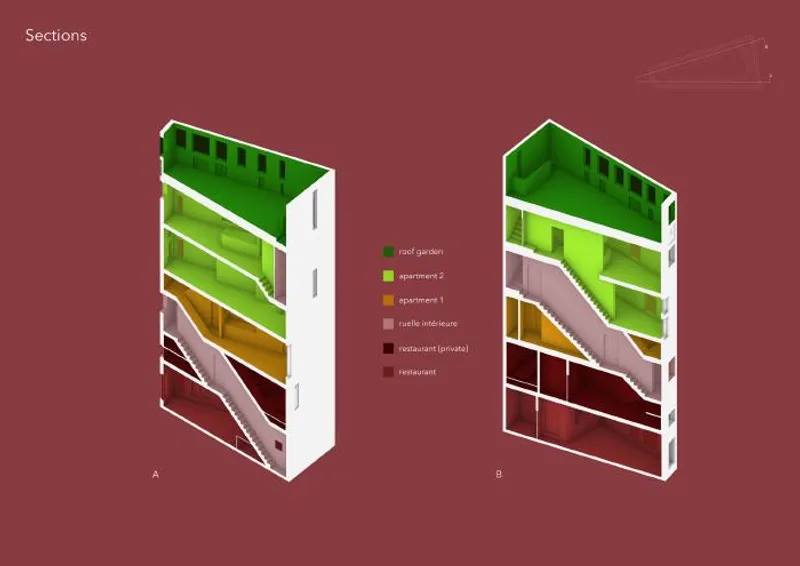
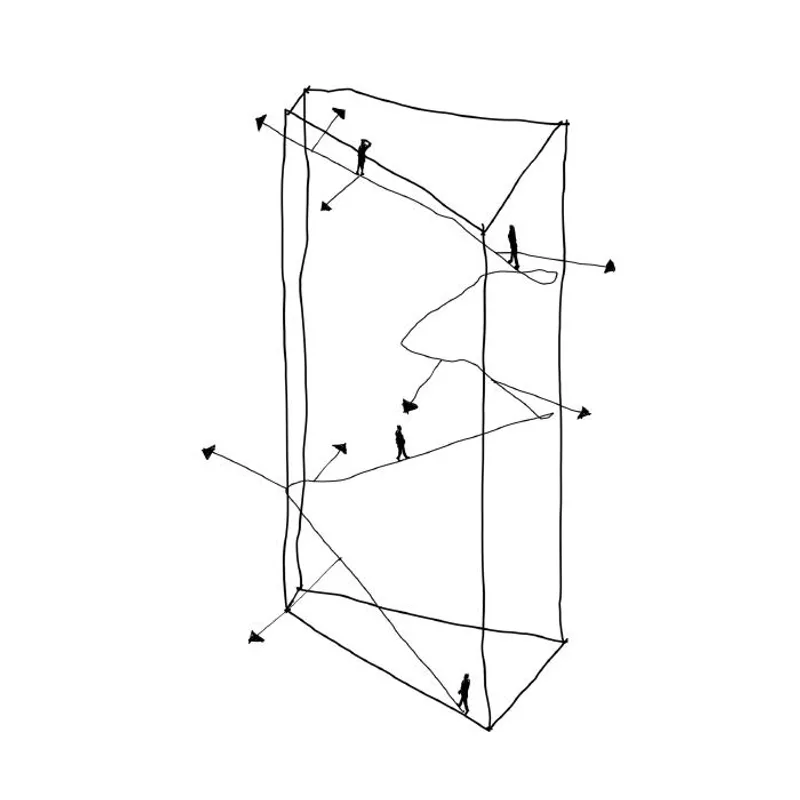
Unconventionally, the architects dissolved the traditional core structure to give rise to an inventive circulation system. Stairs ascend and descend around the building's periphery, offering an experience akin to wandering through Tokyo's residential back alleys that bridge the city's diverse scales. This approach transforms the building's entrance into a journey of exploration.
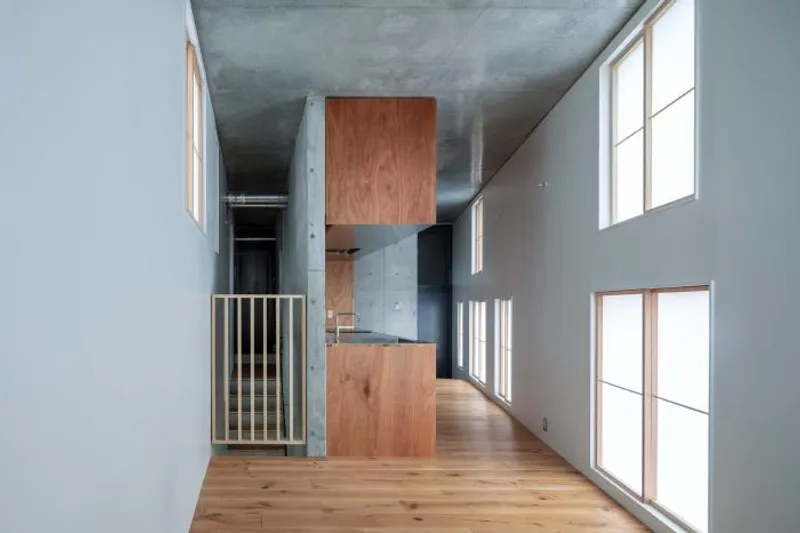
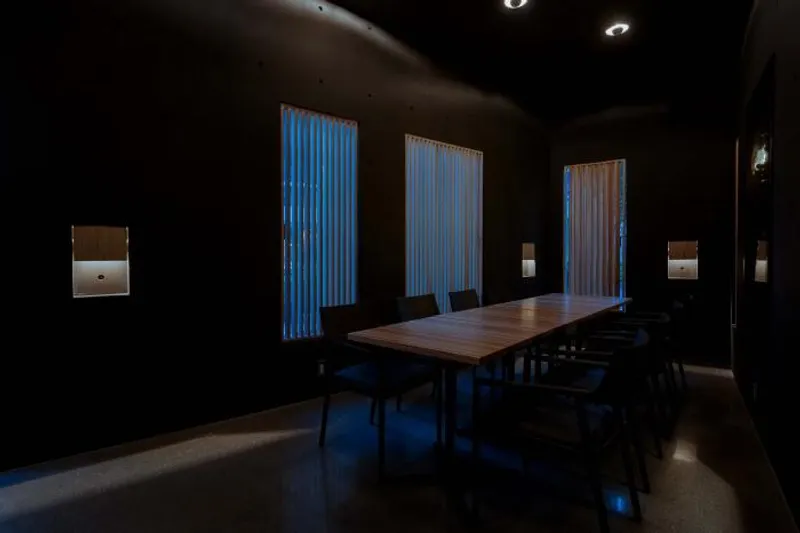
While appearing unassuming from the exterior, the Nobori Building conceals a realm of complexity within. The stair path intersects the levels at various points, leading to unique floor layouts. Vertical generosity allows for interstices between stair volumes and slabs, enabling unexpected usages and enhancing the overall spatial experience.
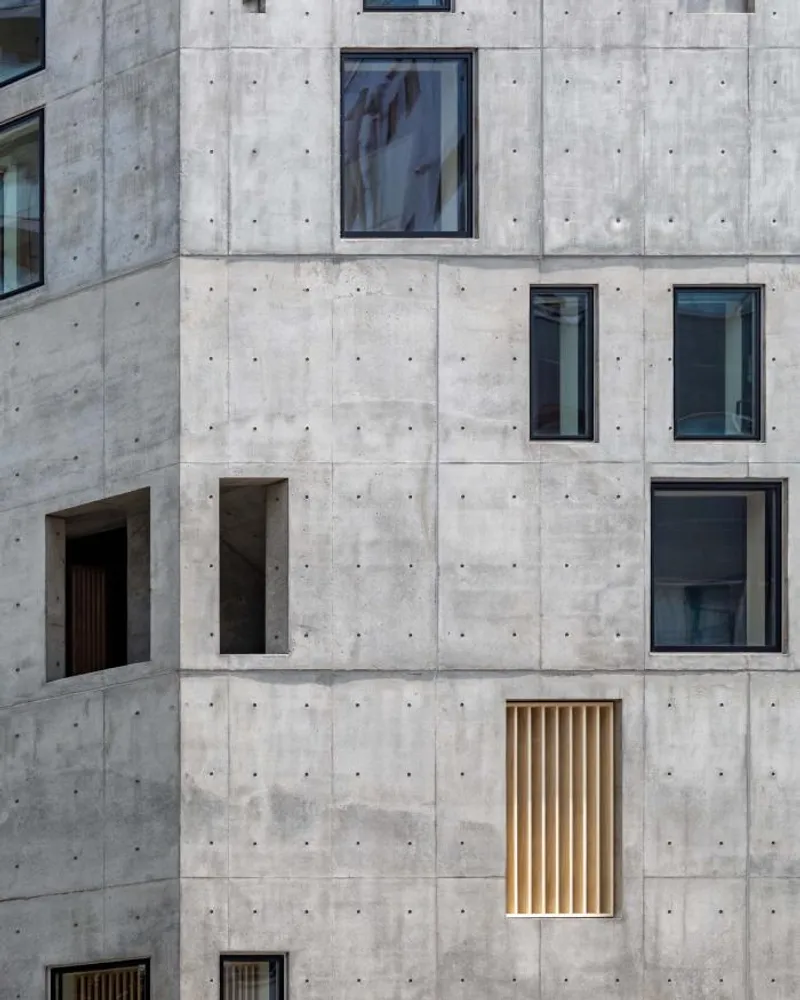
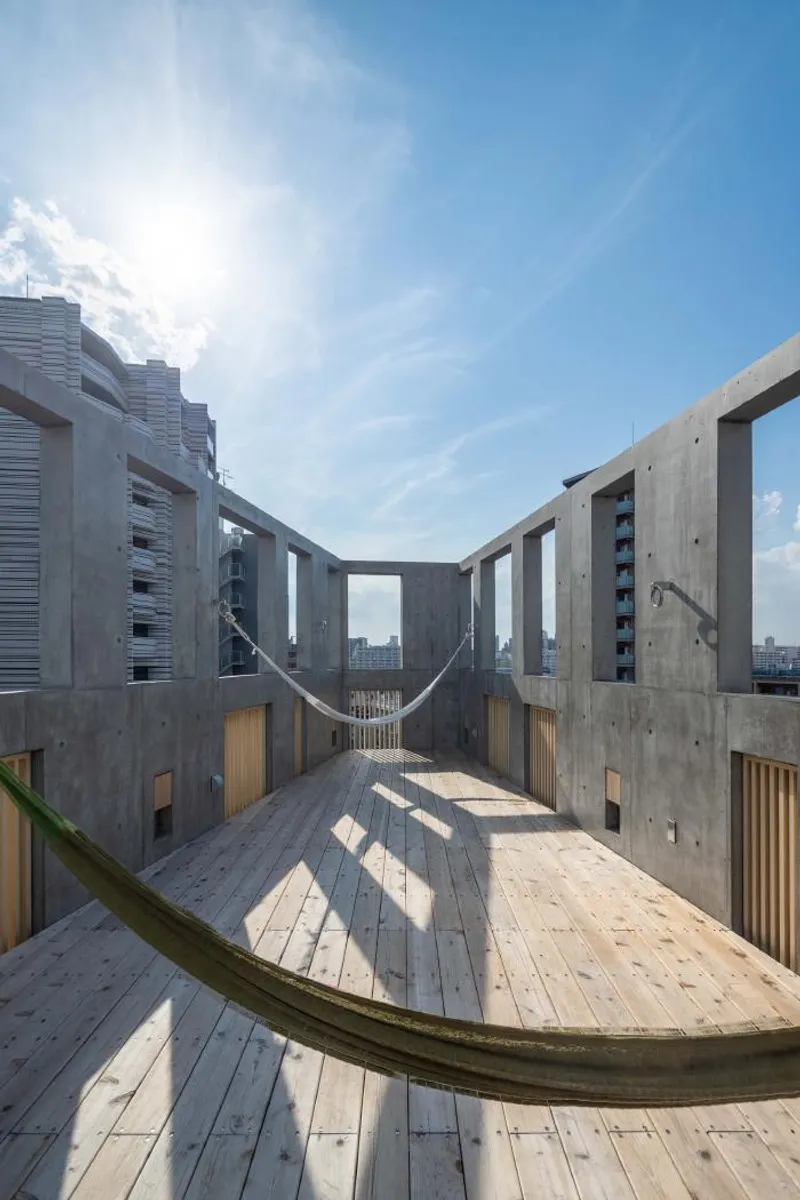
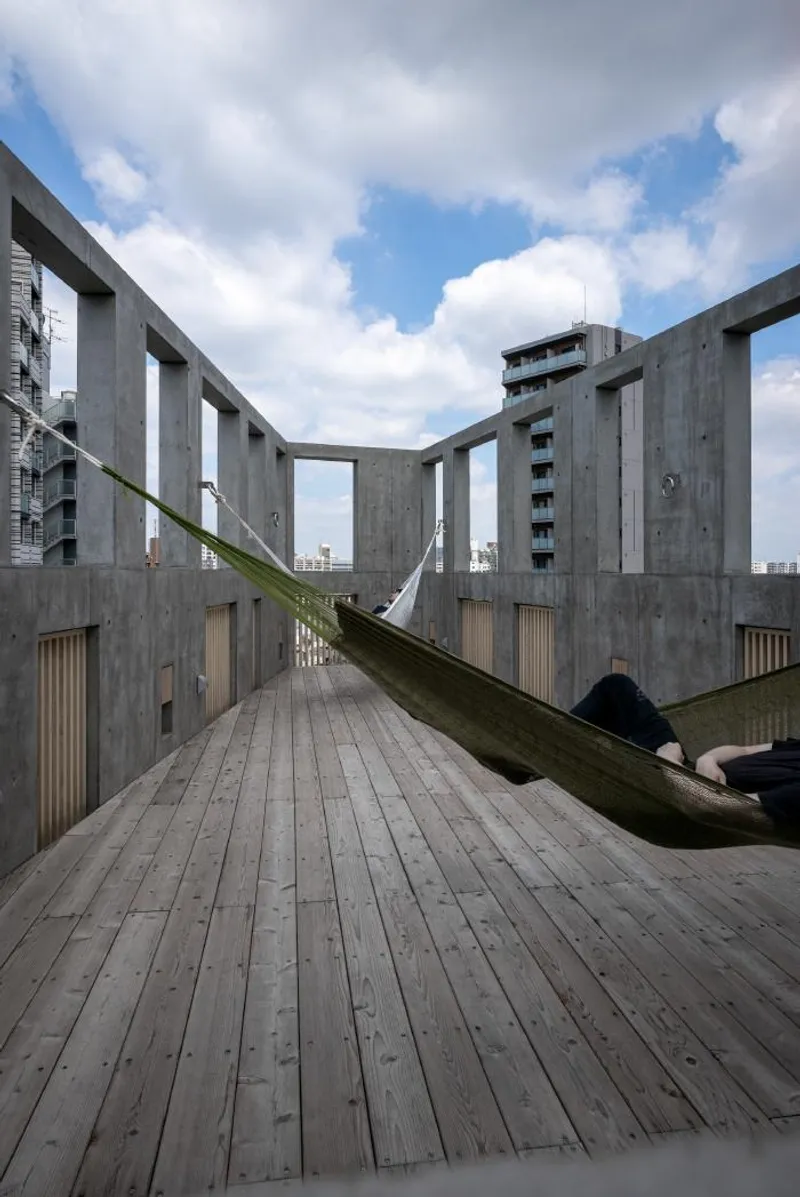
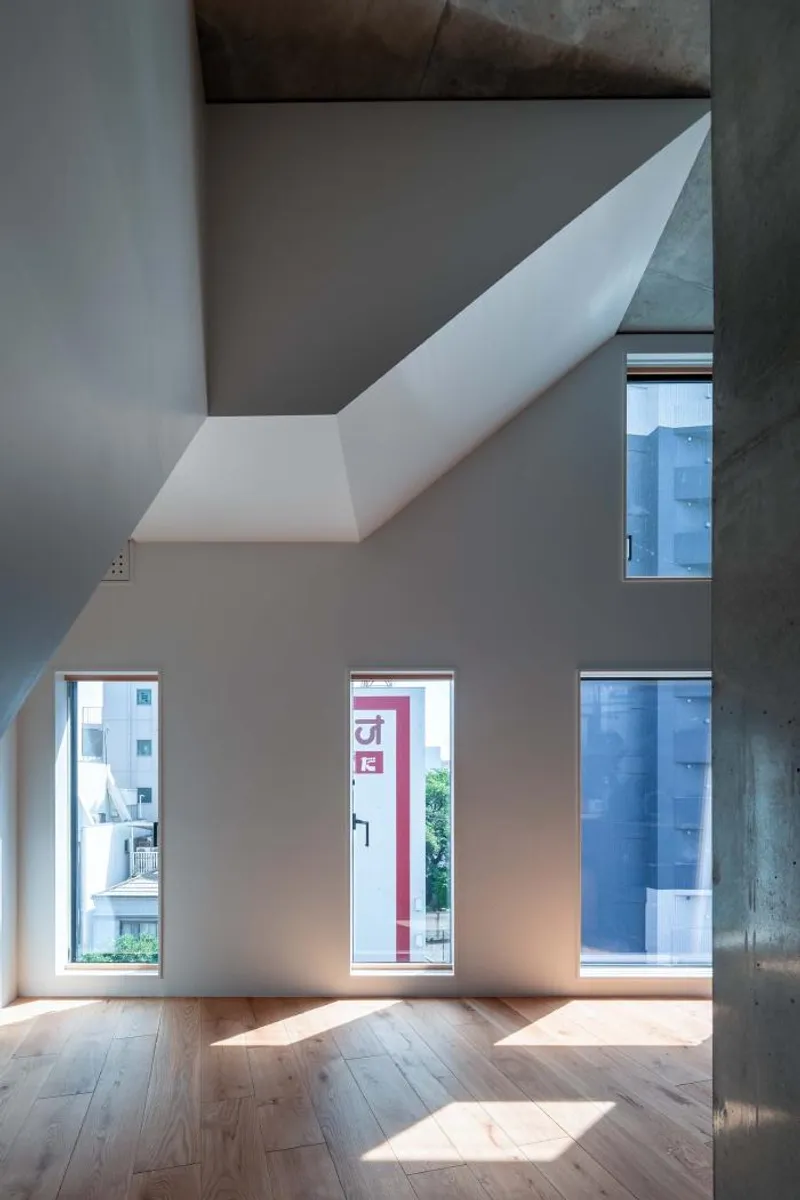
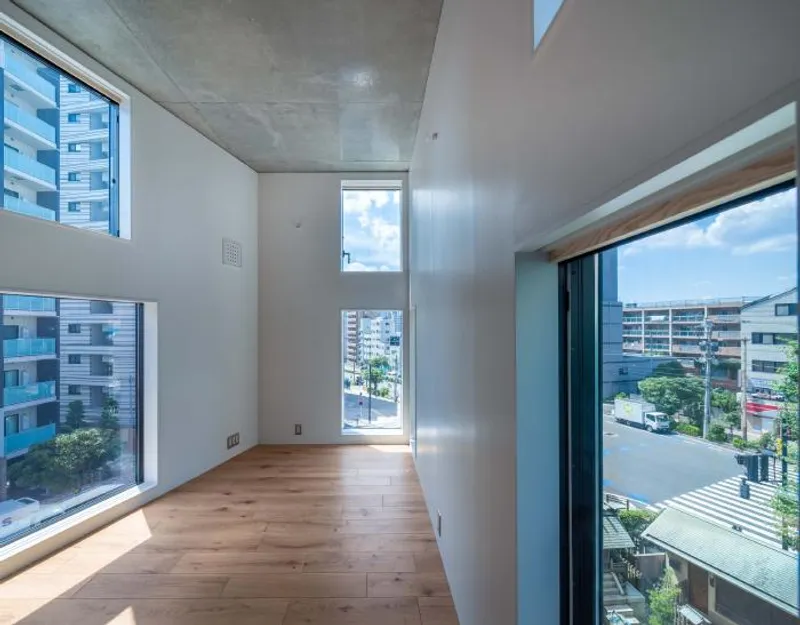
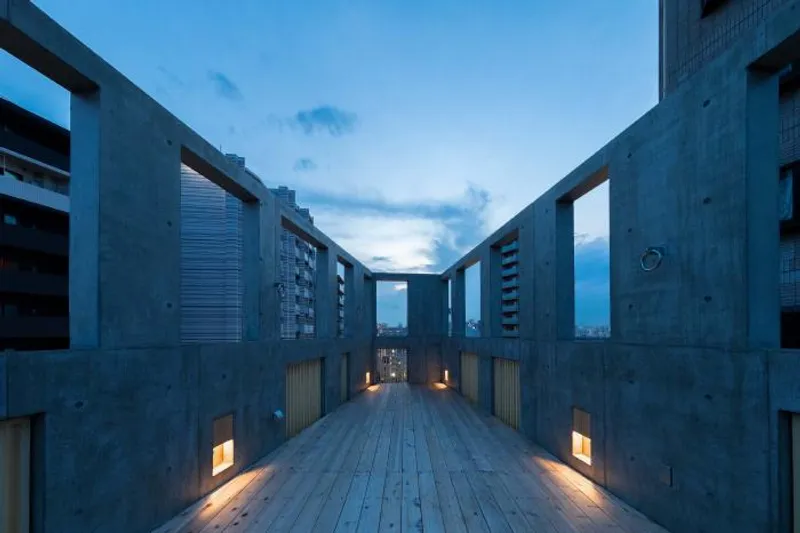
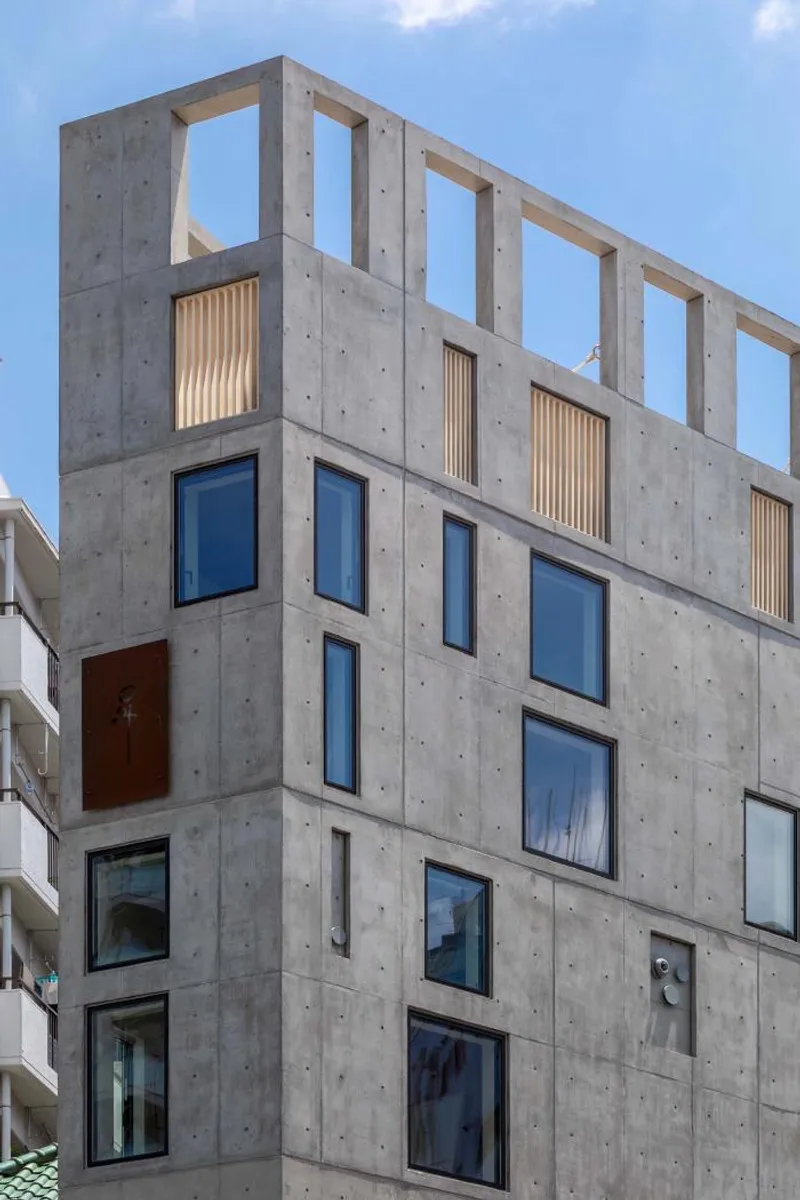
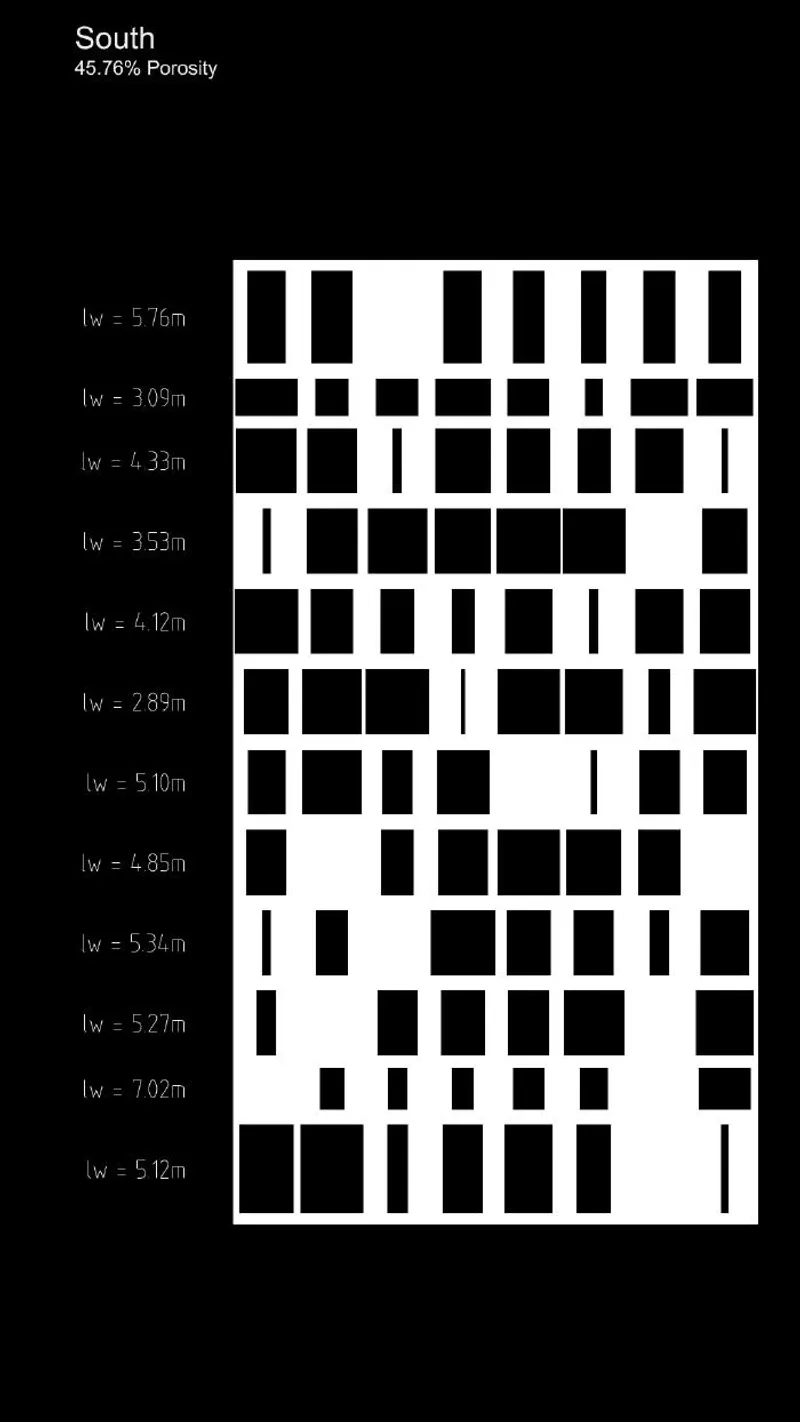
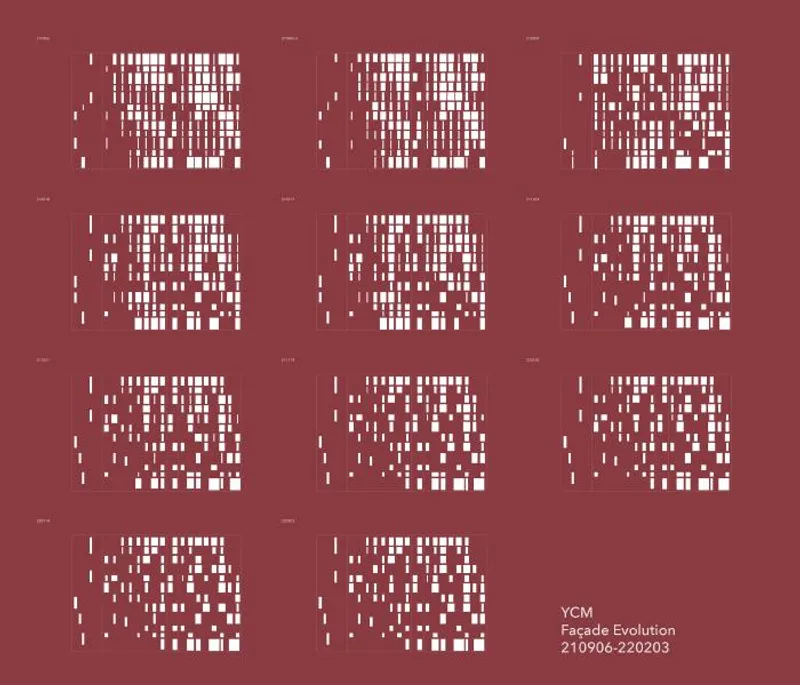
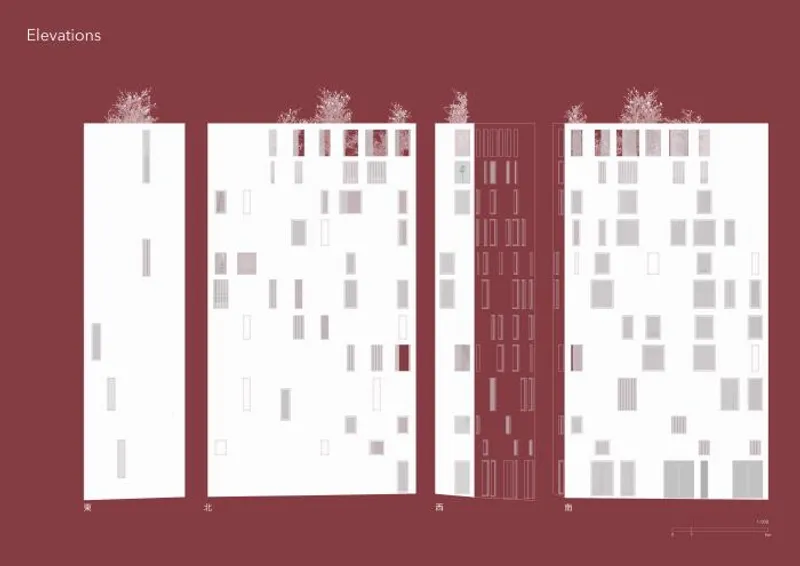
The façade of the Nobori Building serves as an artistic canvas, showcasing spatial ambiguity and polyvalence. The building's scale allows the external skin to bear structural loads, providing the architects with the freedom to create a play of openings, porosity, and adaptability. This dynamic approach evolves throughout the design process, expertly balancing multiple constraints such as structure, views, lighting, ventilation, and budget.
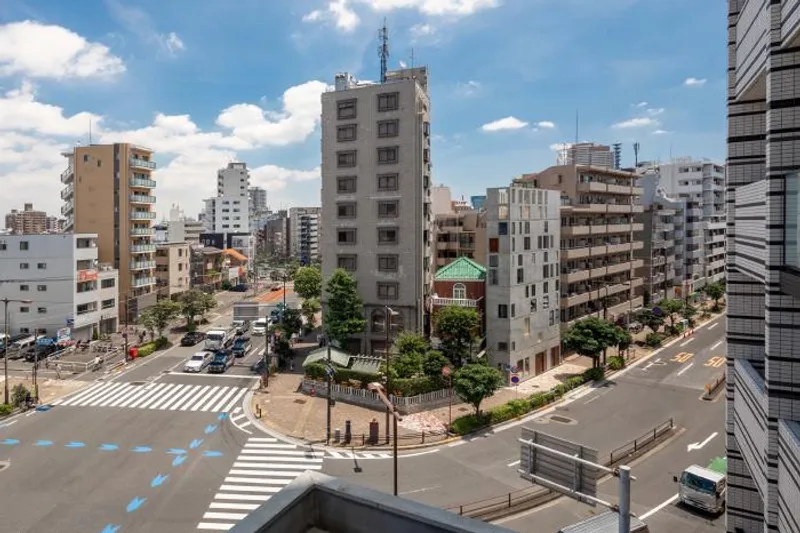
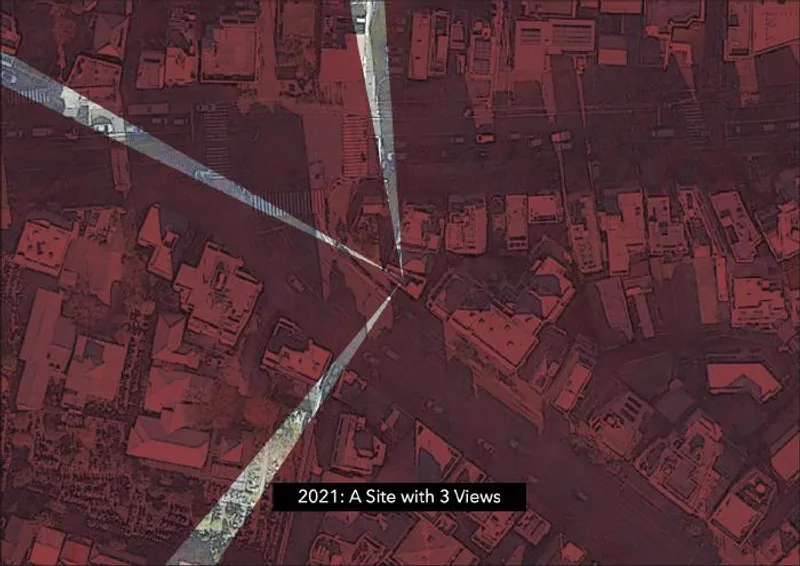
While the bustling Tokyo of today vastly differs from the serene nature of the past, Nobori Building's strategic design still captivates its surroundings. As the building ascends, capturing diverse frames of the city, echoes of Yoshiie's strategic advantage can still be felt. View corridors reveal Tokyo's vastness, providing a fresh perspective on the ever-evolving urban landscape.





Popular Articles
Popular articles from the community


The Ocean Hive: Sustainable Architecture for a Self-Sufficient Civilization at Sea
The Ocean Hive imagines sustainable architecture at sea, where modular habitats, algae, wave power and ocean waste sustain a growing colony.

Co-life: Sustainable Architecture for Age-Friendly Community Living
Co-life reimagines sustainable architecture for seniors through courtyards, rammed earth, shared gardens, and spaces designed for belonging.

Conexión: Biophilic Design Reimagines High-Rise Living in Hong Kong
Conexión reimagines high-rise living in Hong Kong through biophilic design, green facades, shared spaces, daylight, water and nature within.

Hill & Cross Opera: Sculptural Opera House Architecture Shaped by Tallinn’s Landscape and Identity
Hill & Cross Opera reimagines opera house architecture in Tallinn through its sculptural hill, civic plaza, glass wave and a luminous cross.


Similar Reads
You might also enjoy these articles
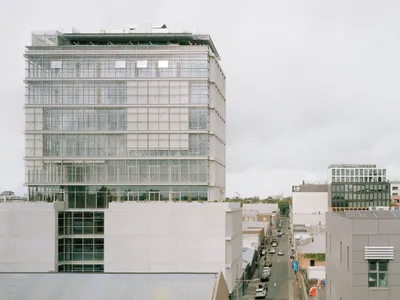
116 Rokeby Building, Collingwood
Sustainable Collingwood office building featuring double-skin façade, natural ventilation, rooftop amenities, and carbon-neutral design focused on wellbeing and longevity.
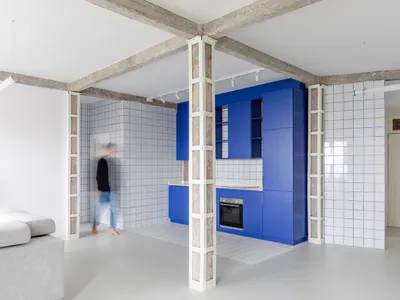
Contemporary Apartment Renovation in Spain: RV House by BIAN Opens Up to the Sea
A minimalist 1930s apartment in Santander is transformed into a flexible, sea-facing home through contemporary Spanish renovation.
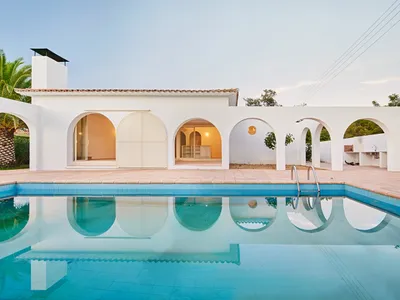
3 Marías House: A Contemporary Mediterranean Courtyard Retreat by Bajet Giramé + Burckhardt
Mediterranean courtyard home blending traditional architecture with modern design, terracotta flooring, flexible interiors, sustainable climate strategies, and garden integration.
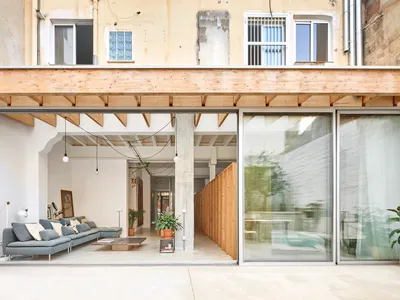
NZ10 Apartment by auba studio: Adaptive Reuse in Palma de Mallorca
Adaptive reuse apartment transforms bakery into light-filled home with patios, privacy layers, and wood interiors enhancing urban living experience.


Explore Tetsuo Kobori Architects Competitions
Discover active competitions in this discipline



Challenge to reimagine the Iron Throne


Photograph architecture without architects


Illustrate the lost glory of Angkor Wat - Render Challenge


Design challenge to reuse E-waste
Comments (0)
Please login or sign up to add comments
No comments yet. Be the first to comment!