
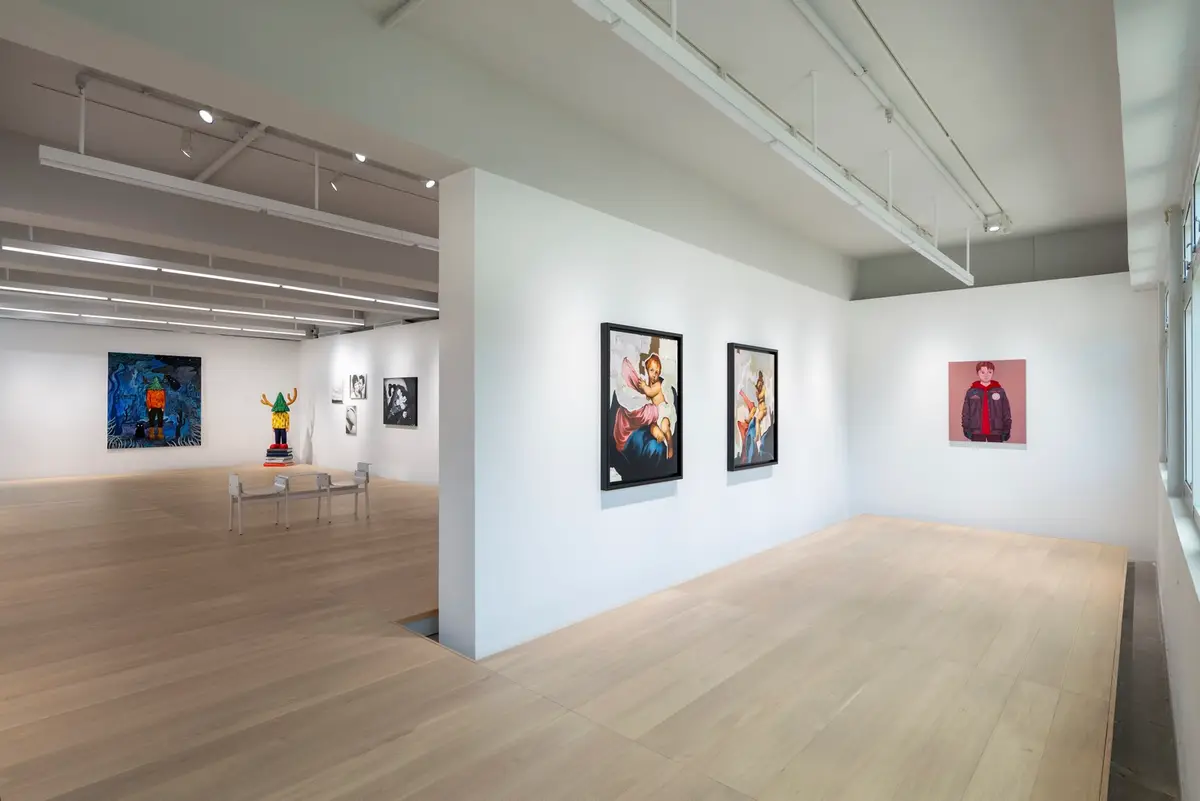
WKM Gallery / CASE-REAL: A Testament to Japanese Interior Design
Exploring the WKM Gallery's blend of Japanese interior design and contemporary art in Hong Kong.


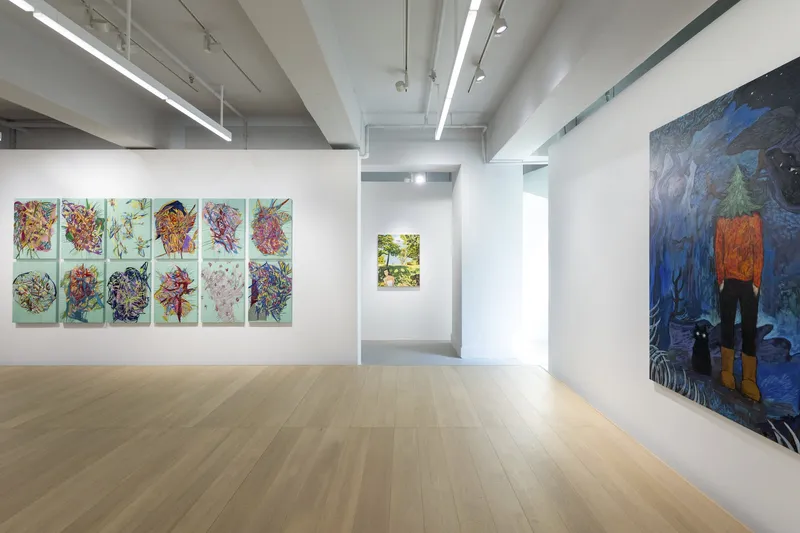
In the heart of Hong Kong's Wong Chuk Hang district, an area burgeoning with contemporary art and street art vitality, the WKM Gallery emerges as a beacon of cultural synthesis and artistic expression. Spearheaded by the architectural firm CASE-REAL, the project is a masterful execution of space, materiality, and light, serving as a global platform for both emerging and established artists. This long-form article delves into the intricate planning and thoughtful design behind the WKM Gallery, underscoring its significance in the realm of Japanese interior design.
The Essence of Spatial Harmony
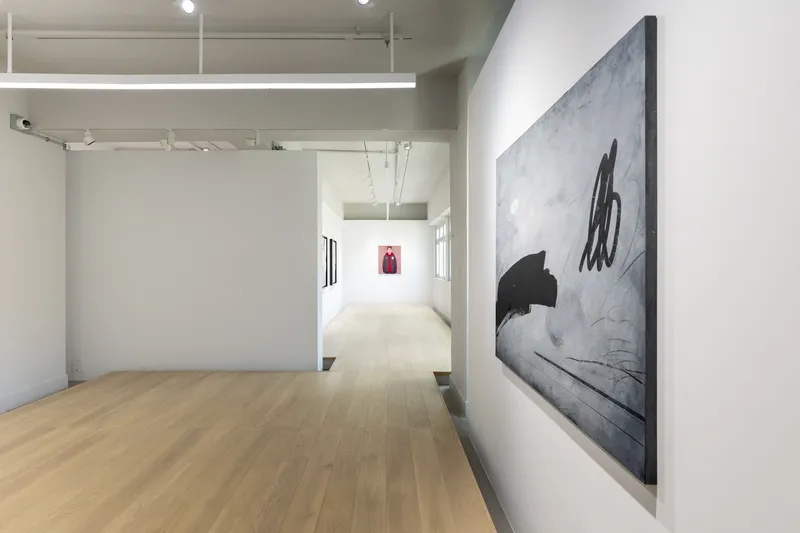
At the core of the WKM Gallery's architectural narrative is the ambition to infuse the space with a distinct Japanese ambiance, a challenge adeptly met by CASE-REAL. The design revolves around the concept of "ma 間," a traditional Japanese term that refers to the dynamic space between objects, suggesting a profound appreciation for the art it houses. This spatial philosophy is materialized through the careful detachment of new floors and walls from the existing structure, allowing the art to be framed by a meticulously considered backdrop.
Boundaries Redefined
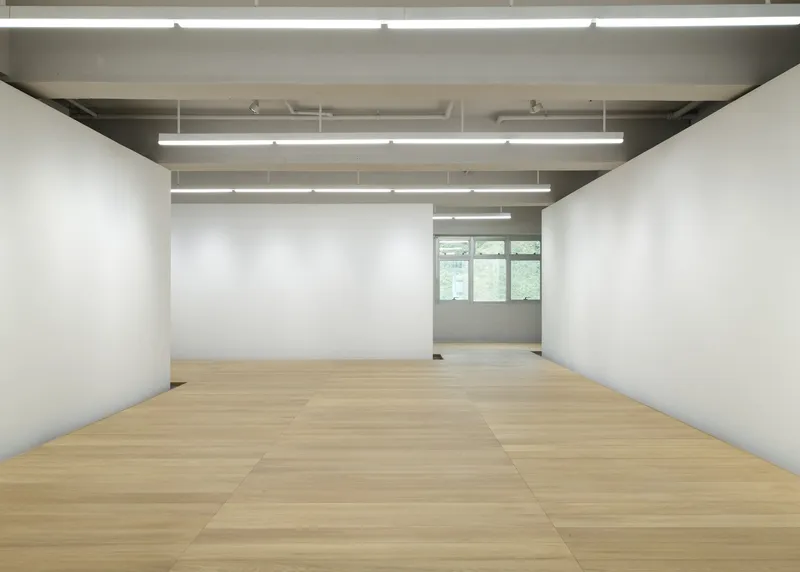
The gallery's design is a response to three main boundaries: the environmental contrast between the gallery and the city's liveliness, the juxtaposition of the building's age with the freshness of the new space, and the transitions within the gallery's expansive zones. By embracing these contrasts, CASE-REAL has crafted a gallery that stands as a serene counterpoint to the bustling urban environment of Wong Chuk Hang.

Materiality with Meaning
Material selection plays a pivotal role in achieving the gallery's serene atmosphere. White wood for furniture and frame dividers, along with new floors, introduces a sense of purity and simplicity, while the preservation of the building's original rugged textures in light gray maintains a dialogue with the past. This interplay of materials enhances the gallery's ambiance, making it a refined setting for the appreciation of art.

Lighting: A Design Statement
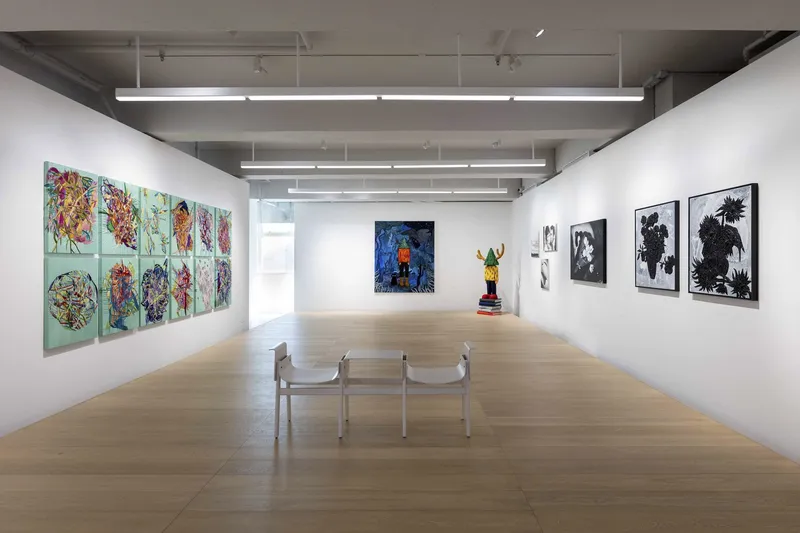
Lighting design, executed by BRANCH lighting design, further accentuates the gallery's spatial dynamics and the art it displays. The thoughtful integration of natural and artificial light sources creates a play of shadows and illumination, enriching the visual experience and highlighting the textural contrasts within the space.
A Synthesis of Art and Space
The WKM Gallery stands as a testament to the power of Japanese interior design principles, applied within the context of Hong Kong's vibrant art scene. It is not merely a space for exhibiting art but an artistic endeavor in its own right, reflecting a deep understanding of spatial harmony, material contrast, and the subtle interplay of light. Through this project, CASE-REAL has not only provided a platform for artists but has also contributed to the discourse on contemporary gallery design, making the WKM Gallery a landmark project in the field of Japanese interior design.


All photographs are work of Hiroshi Mizusaki,Studio Lights On


Popular Articles
Popular articles from the community


Architekt Andreas Gruber Scatters 23 Dark Timber Chalets Across a South Tyrolean Forest Edge
In Molini di Tures, Amonti Chalets breaks a resort into a hamlet of gabled timber houses, with parking, storage and services pushed into the slope.

longwave studio Reorganizes a 112 m² Tainan Apartment Around the Daily Routines of a Family and Two Cats
In Tainan, Taiwan, birch plywood, rust-red furniture and a freestanding plaster wall link arrival, storage, work and family life in one apartment.

LT2A and OPEN Architectes Thread a Brick and Glass High School Through a Wooded Belgian Campus
In Braine-l'Alleud, a 3,000 m² wing for Collège Cardinal Mercier pairs pale brick with a glazed colonnade, deferring to a small chapel and a dense wood.

Juan García Correa, John González and Claudia Rueda Sink a Circular Amphitheater into a Manizales Engineering Building
On the La Nubia campus in Manizales, Colombia, the S1 Building folds labs and offices into a hillside of ramped lawns that double as a campus route.

Similar Reads
You might also enjoy these articles

Gil Mello Arquitetura Tilts a Single Roof Toward the Waterfalls on a Plateau Above Aiuruoca, Brazil
In Aiuruoca, Minas Gerais, a 200 m² house of local labor and reclaimed poles pairs a low valley veranda with a tall mountain one.

U.GA Architects Wraps an Oval Rooftop Pool in Curved Board-Formed Concrete on Busan's Jeollidan-gil
In Busan's Jeonpo-dong, a 454 m² mixed-use block stacks a neighborhood facility, guest rooms and an oval rooftop pool inside spiraling concrete walls.

Felipe Hess Arquitetos Turns a Blind Stone Wall to the Street and Opens a Brazilian House onto a Courtyard and Canal
A canal-front house in Brazil hides behind painted stone and planting, then opens to an olive-tree courtyard, a reed-ceilinged porch and a curving pool.

David Macias Steps a Doorless Stone and Plaster House Down a Tropical Colombian Hillside
In the humid hills of Colombia, Threshold House replaces the front door with an open void and terraces its 850 m² down the slope instead of fighting it.

Explore Art Gallery Competitions
Discover active competitions in this discipline

Challenge to reimagine the Iron Throne

Photograph architecture without architects

VR headsets Storefront design competition

Illustrate the lost glory of Angkor Wat - Render Challenge
Comments (0)
Please login or sign up to add comments
No comments yet. Be the first to comment!