

zahra shirzadnia
A wing is enough to fly
Journals 1

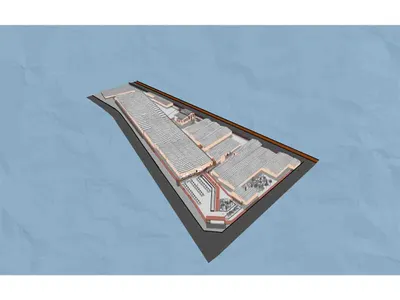
“Empathy with Nassaji”
Ghaemshahr Textile Factory No. 1 is one of the first and oldest textile factories in the country, which was built in Aliabad and Ghaemshahr, mazandaran today. The construction of this factory started in 1377 with 65795 square meters and this factory is located in the center of the city and the main street and the national railway are located on both sides of it. The main reason for choosing this place for the factory was the roads were not asphalt and the vehicles were limited in the past, they had to use the railway line for the raw materials of the boiler fuel. Ghaemshahr Textile has been the center of the country's textile and had three large textile factories number one, two and three, each one fabric production including spinning (cotton yarn production), weaving, dyeing and marketing to bazaar and had cloth sales branches all over the country. Some people migrated from Semnan, Gilan, Tabriz and all over the country and chose this industrial city as their place of residence and the economy of this city was based on this industry. Due to importance of these factories, the name of football team was changed to "Nassaji" and now people feel as much as belonging to this team the same before. These factories, like many other national brands in the country, declined 15 years ago. In 1991, factories No. 1 and 3 were almost semi-activated and the workers of Factory No. 2 were transferred to Factory No. 3, and now Factory No. 2 has been demolished. Unemployment and poverty have gradually increased, and the people of the city have forgotten this factory, despite the walls being built all over it. The importance of this issue, based on the use of a large plot of land leads to public use of the factory site along with its activities. By aiming at the surrounding walls, we intend to empathize with the factory by providing cultural, commercial, educational use to inactive sheds, we try to involve the people to improve the social and economic dimensions of the city in terms of sustainable development. some solutions such as environmental, social, economical issues are suggested in the methodology section. In general, to advance these strategies, 4 categories are needed: people, factories, workers and the city.