
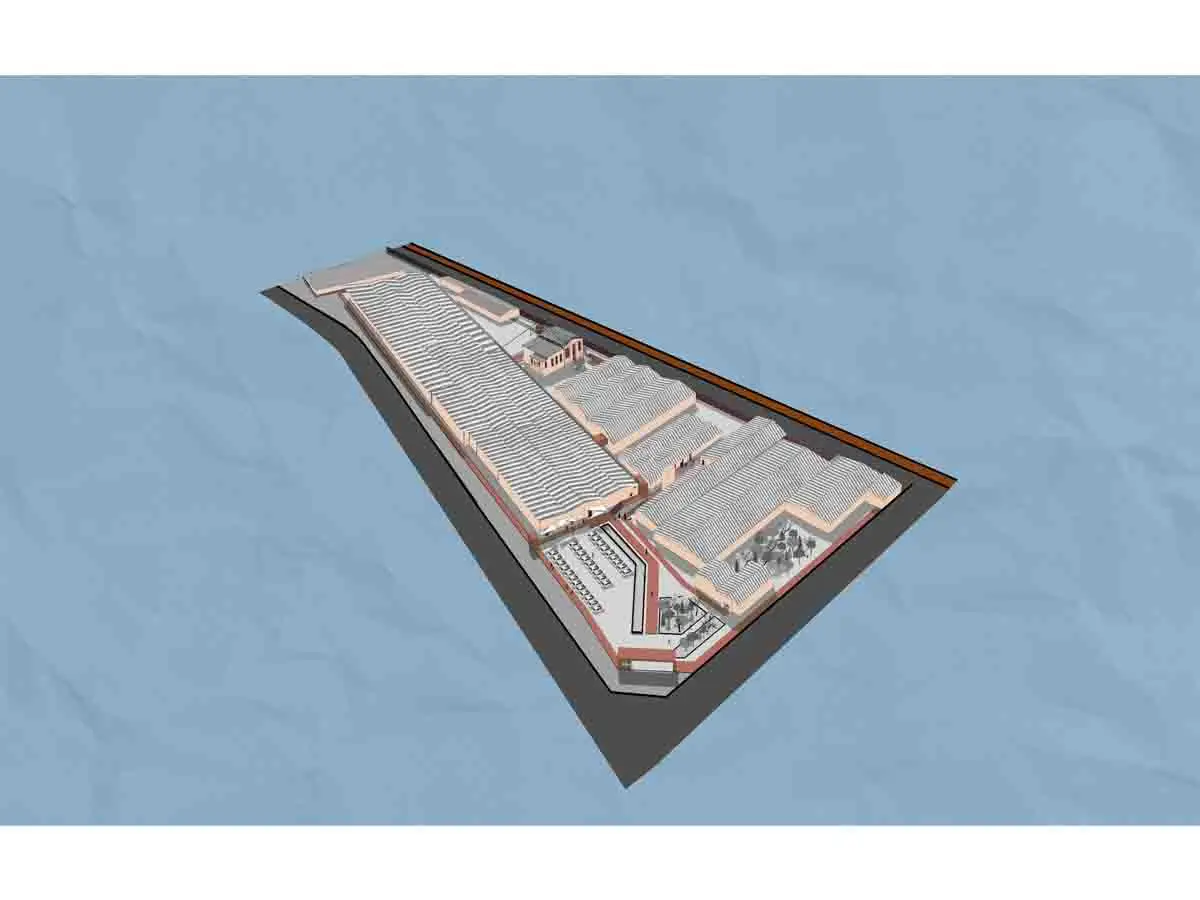
“Empathy with Nassaji”
Ghaemshahr Textile Factory No. 1 is one of the first and oldest textile factories in the country, which was built in Aliabad and Ghaemshahr, mazandaran today. The construction of this factory started in 1377 with 65795 square meters and this factory is located in the center of the city and the main street and the national railway are located on both sides of it. The main reason for choosing this place for the factory was the roads were not asphalt and the vehicles were limited in the past, they had to use the railway line for the raw materials of the boiler fuel. Ghaemshahr Textile has been the center of the country's textile and had three large textile factories number one, two and three, each one fabric production including spinning (cotton yarn production), weaving, dyeing and marketing to bazaar and had cloth sales branches all over the country. Some people migrated from Semnan, Gilan, Tabriz and all over the country and chose this industrial city as their place of residence and the economy of this city was based on this industry. Due to importance of these factories, the name of football team was changed to "Nassaji" and now people feel as much as belonging to this team the same before. These factories, like many other national brands in the country, declined 15 years ago. In 1991, factories No. 1 and 3 were almost semi-activated and the workers of Factory No. 2 were transferred to Factory No. 3, and now Factory No. 2 has been demolished. Unemployment and poverty have gradually increased, and the people of the city have forgotten this factory, despite the walls being built all over it. The importance of this issue, based on the use of a large plot of land leads to public use of the factory site along with its activities. By aiming at the surrounding walls, we intend to empathize with the factory by providing cultural, commercial, educational use to inactive sheds, we try to involve the people to improve the social and economic dimensions of the city in terms of sustainable development. some solutions such as environmental, social, economical issues are suggested in the methodology section. In general, to advance these strategies, 4 categories are needed: people, factories, workers and the city.


Popular Articles
Popular articles from the community


Wave 'Coral': Four Perforated Canopies Bring Human Scale to a Monumental Plaza
A wavy lattice shell repeated four times around an obelisk, turning a vast paved square into pockets of shade, planting and places to sit.

Vietnam S: Rhymes of the River Built From Upturned Boat Hulls and a Shared Rooftop
Timber-ribbed, hull-shaped pavilions gather around a water courtyard, turning a street market into an authentic, dynamic place to chill out.


Charlene Koetz Arquitetura Lifts a Glass House on Piers Above a Mossy Forest Slope in Gramado
In Vila Prinstrop, Brazil, a 455 m² house pairs black-framed glazing with board-formed concrete, rough stone and a forest it barely disturbs.

Engagement Through Sculpture: Concrete Shells That Turn a Paris Square Into a Climbable Lookout
A winning Sculpt[r] 2020 entry drapes timber stairs over sloping concrete shells, offering Parisians a climb, a view and shade beneath.

Similar Reads
You might also enjoy these articles

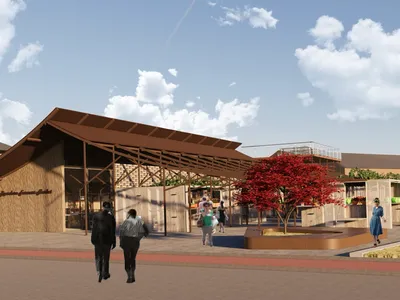
The Rhythm of Seasons
A Farmers' Market Connecting Nature and the City
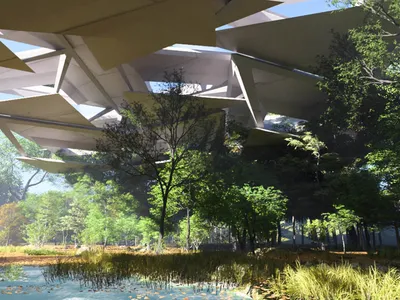

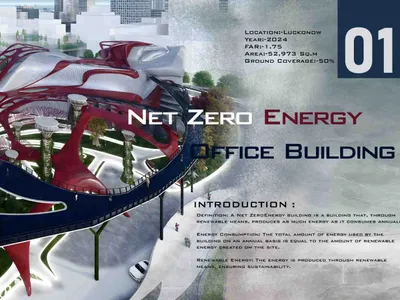
More Than a Building-Designing a Living System
More Than a Building-Designing a Living System
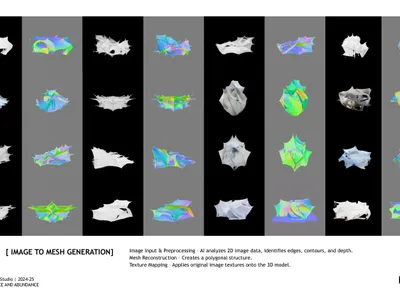
Base Beyond
DESERT COMPOUND ARID: TOURISM OF ABSENCE AND ABUNDANCE

Explore Sustainable Design Competitions
Discover active competitions in this discipline


Submit a world, not a render

Studio work deserves a jury

The International Standard for Design Portfolios

The Global Benchmark for Architecture Dissertation Awards
Comments (0)
Please login or sign up to add comments
No comments yet. Be the first to comment!