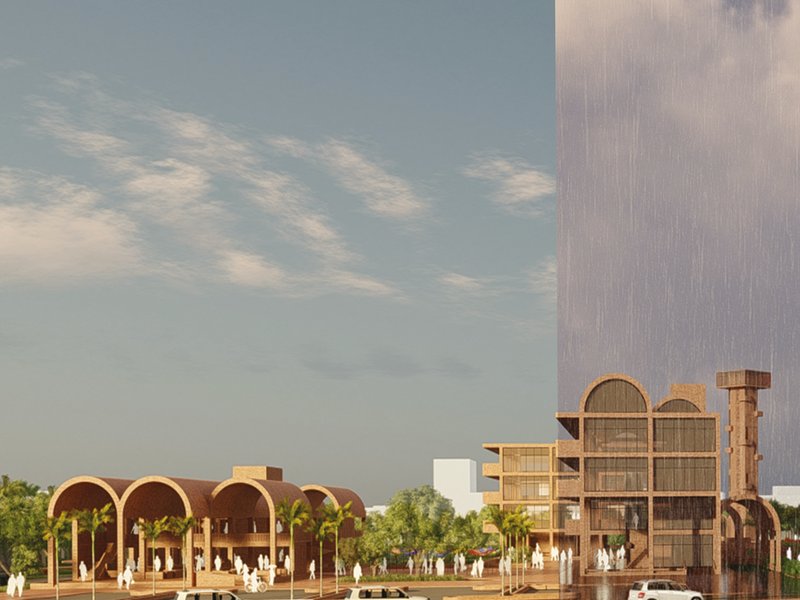
Nascence of Vibrancy: Regenerating Nathullabad Through Celebrating Vacancy
The urban regeneration proposal centered on Nathullabad, a significant node in Barishal, Bangladesh, strategically located at the intersection of two southern divisions. Currently functioning as the city’s main bus terminal, Nathullabad is set to undergo a transformation due to its proposed relocation under the Barishal City Master Plan 2010. While the master plan earmarks the terminal's removal, it remains silent on the future use of the newly vacated land—opening up a critical opportunity for intervention and reimagination. Rather than allowing this centrally located site to be overtaken by dense commercial development or hard-surfaced infrastructure, the research advocates for an alternative approach: celebrating urban vacancy as a generative design strategy. This vision positions vacant land not as an urban void but as a strategic resource—a breathing space in the dense urban core that can anchor civic life, foster social inclusivity, and support ecological and spatial resilience. The study is grounded in a multi-layered methodology combining spatial and social research tools. City image analysis, land use mapping, and morphological studies reveal how the area functions within the broader urban fabric, while site observations and questionnaire surveys capture the lived experiences and desires of Barishal’s residents. Together, these analyses identify critical gaps in accessible public infrastructure, informal gathering spaces, and democratic civic environments within the city center. The resulting design framework proposes a flexible, low-impact intervention that emphasizes openness and community-driven use. The concept of "celebrated vacancy" becomes central—not as empty land waiting for construction, but as a buffer zone, a shared common, and a catalyst for everyday urban vibrancy. Instead of imposing large-scale architecture, the proposal embraces incremental development, with spaces evolving in response to public use, environmental patterns, and future needs. By creating a landscape of possibility—where people, nature, and the city can coexist dynamically—this project challenges conventional urban development models. It offers a context-sensitive, resilient alternative that prioritizes quality of life over commercial maximization. Ultimately, the chapter positions Nathullabad as a prototype for how centrally located urban voids can be reimagined into vibrant, inclusive, and future-ready civic spaces.



Similar Publications
Discover more publications you might be interested in


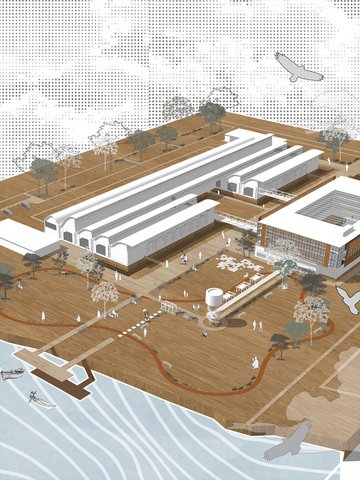
A Design Proposal for Adamjee Jute Mill Development and Research Center






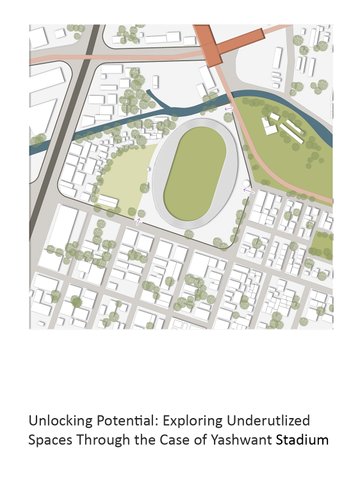
Unlocking Potential: Exploring Underutlized Spaces Through the Case of Yashwant Stadium

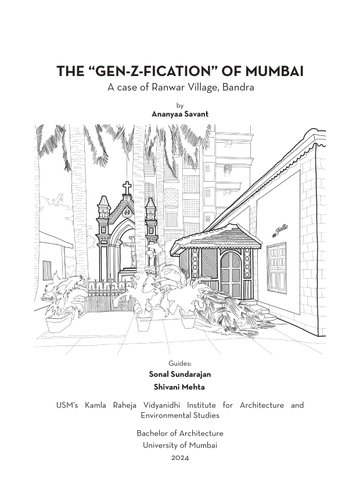
The "Gen-Z-fication" of Mumbai: A Case of Ranwar Village, Bandra


Hodi-Mandai Geram: A Culturally Sensitive Village for a Disappearing Ethnic Group


Explore Architecture Competitions
Discover active competitions in this discipline




The International Standard for Design Portfolios


The Global Benchmark for Architecture Dissertation Awards


The Global Benchmark for Graduation Excellence


Challenge to reimagine the Iron Throne
Comments (0)
Please login or sign up to add comments
No comments yet. Be the first to comment!