
Memorial/Installation Design
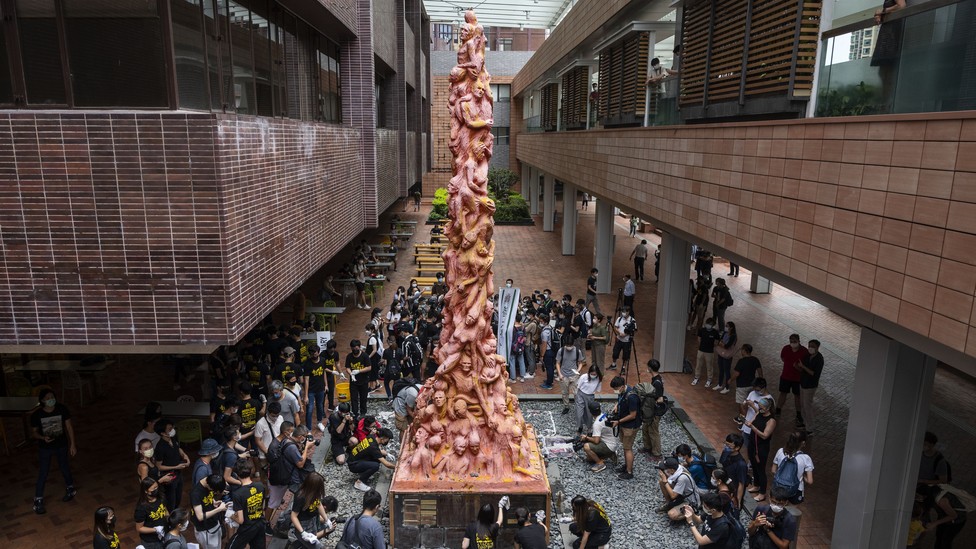 Fig: 1 - Protest memorial in Hong Kong (Credits: theatlantic.com)
Marking a point in time
"History cannot give us a program for the future, but it can give us a fuller understanding of ourselves, and of our common humanity so that we can better face the future."
Our cities and the physical environments bear witness to every milestone of human civilization. Countless events in our history of existence are recorded and celebrated, or mourned, around the world. The public spaces in a city often become sites for placing these reminders, pleasant or painful, to continue to be a part of the memory of following generations.
Social uprisings, rebellions, and public expression of their rights to a way of life, their fights for their beliefs have again and again impacted the status quo of things. No matter the result, some events are as successful as lighting a spark, some eventually fade out like a dying flame, and some forever alter the course of history. Nevertheless, there is almost always an extent of damage and loss involved. These events are eventually significant in the timeline of society, and we mark them as reminders within us, of the journeys of reaching the present.
As designers, how can we enable our history to blend with our current condition? How can physical markers in our urban environments be designed to symbolize and memorialize an event like a protest?
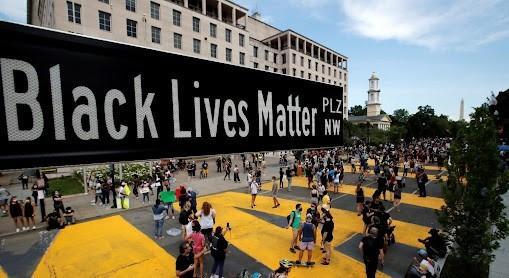 Fig: 2 - Black Lives Matter Plaza, Washington DC, USA. (Credit: Carlos Barria/Reuters)
Brief
The challenge is to create a befitting memorial/symbolic installation to commemorate the success, failure, or continuity of a protest for an imagined cause.
Select a location and site of relevance and significance for your chosen cause and form of protest. The choice of location will be critical and dependent on the nature of the symbolic intervention and the message(s) it shall communicate. The design may use present or anticipated technology to determine the mode and method of communication.
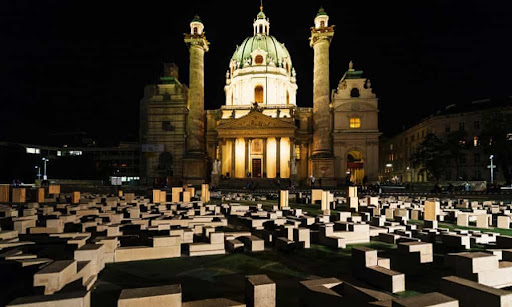 Fig: 3 - Hypotopia, a protest installation (model city) in Vienna, Austria. (Credit: Cesar Carlevarino Aragon on Unsplash)
Design pointers
The design intervention should aim for the following:
- To encapsulate/capture the essence of the proposed/imagined cause for which the protest was held in the past with success or without, is being held presently or is a part of an ongoing extended protest being undertaken for an unresolved long-term/distant cause.
- The facility may be physical, virtual, static, mobile, dynamic, interactive, changeable, etc.
- With no dimensional limitation, the design idea should be executable with the presently available or foreseeable technology.
- To possess a landmark-quality and create a visual impact on the surrounding by maintaining a balance of purpose and expression.
- The design must be accessible and inclusive of all audiences of all communities that resonate with the protest.
- It could be a beacon, strike conversations, convey protest messages across places by engaging with people.
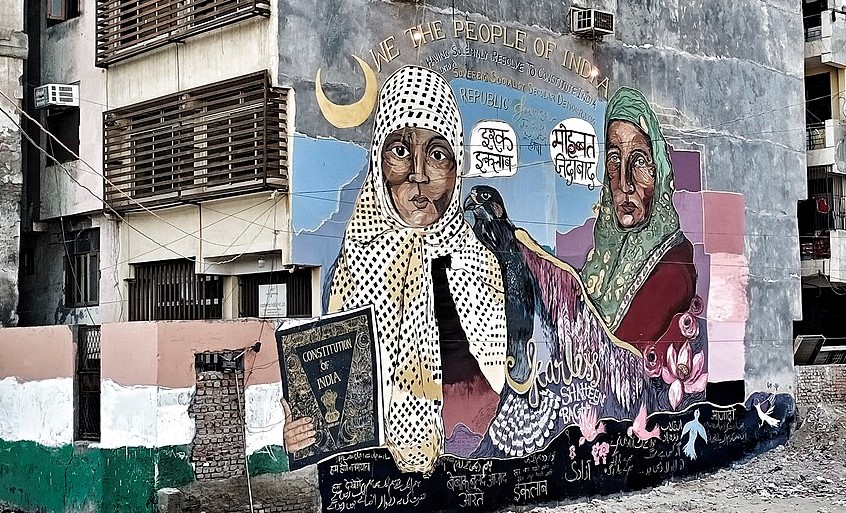 Fig: 4 - Protest mural in Delhi, India. (Credit: DTM, CC0, via Wikimedia Commons)
Similar Competitions
Discover competitions you might be interested in


Design challenge to reuse E-waste

Challenge to design locus for the upliftment of human rights


A Global Graduation Competition for Architecture, Urban Design & Interior Design


Aesthetic Design Ideas for a Better World · Student Category
