
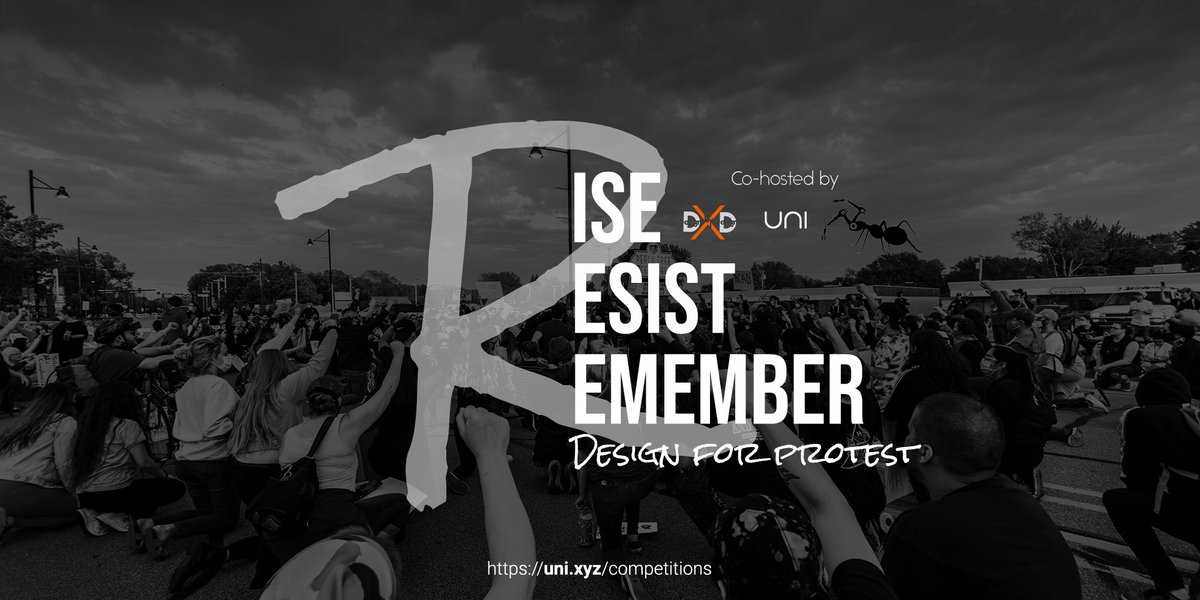
RISE, RESIST, REMEMBER
Design for protest
Protest March Route Design Challenge
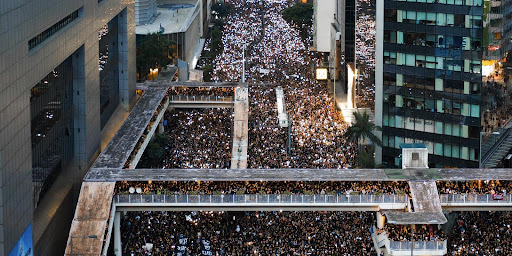 Fig: 1 - Hong Kong protest march
Movement in space
"You never change things by fighting the existing reality. To change something, build a new model that makes the existing model obsolete."
History is dotted with countless 'movements' that signify the milestones and nodes of change in our societies. 'Movement' is necessary for change, whether it be of thought or bodies. Moving about to make things happen is something that encapsulates protest, where the public move out on the streets; move to a certain location, and come together to shake things and bring issues to the surface. The urban environment that accommodates such movement, then, needs to be equipped to handle, support, and carry out these events safely and healthily - both, for the protestors and the city.
Which brings us questions - How can we prepare our public spaces to act differently during and after the protest? What do the urban places need to have or provide the citizens with, in terms of design and infrastructure? With the help of design thinking and current technological trends can we transform current places of protest into much accessible, safe, and strategic spots?
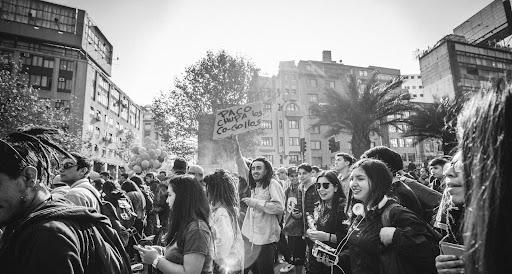 Fig: 2 - Protestors marching in Chile (Credit: Cesar Carlevarino Aragon on Unsplash.com)
Brief
The challenge is to design a route for a protest march that can be walked through with the necessary beginning, halts, and conclusion.
Select an area/precinct within the city of your residence or your choice anywhere in the world that according to you may lend itself well to holding a public protest in the form of a march/procession, starting from and concluding at prominent landmark urban nodes or culturally significant physical settings of the city.
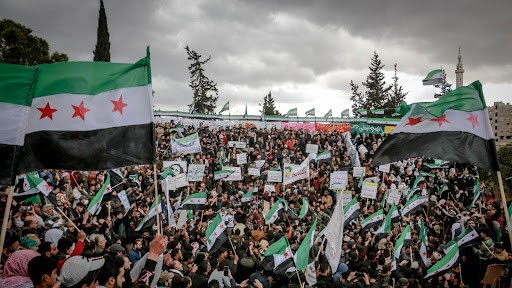 Fig: 3 - Protest marches in Syria (Credit - Ahmed Akacha via pexels.com)
Design pointers
The route should be delineated creatively, taking into account the following:
- Chalk out an intentionally designed route for a procession or an orchestrated ‘parade route’ that can be walked through with all the necessary beginning, ending and pauses within an 8-hour long typical day cycle.
- Assign carefully and meaningfully selected places for the purposes of gathering/launching and finale/dispersal.
- Buttress a sense of purpose and pride of place by designing the route to include prominent/symbolic monuments/buildings along with dramatic vistas, experiences of turning a corner and seeing anew, etc.
- Identify strategic outdoor plaza spaces enroute for resting.
- Leverage any underutilized spaces enroute that could become temporary refreshment/recreational spaces.
- Create possibilities of detour to enhance the experience for the marchers and those watching.
- Build in concern for crowd safety against some form of attack and provide for medical emergencies.
- Integrate new technology to help coordinate, connect and communicate on the parade route.
- Make provisions at micro detail level for the differently able-bodied, wheelchair-bound, or those with strollers.
- Provide for making the experience more three-dimensional and immersive with the help of temporary tree houses, elevated catwalks, bridges and tired seating elements, etc.
- Show greater consideration for human comfort against climatic trauma by throwing temporary visually porous/lightweight shading/protection devices across and over the streets.
- Introduce at regular intervals small pieces of infrastructure that may include well-conceived speech/address podiums, restrooms, information, drinking water spouts, etc.
- Anticipate some uncertainties and incorporate flexibility in design for unprecedented events.
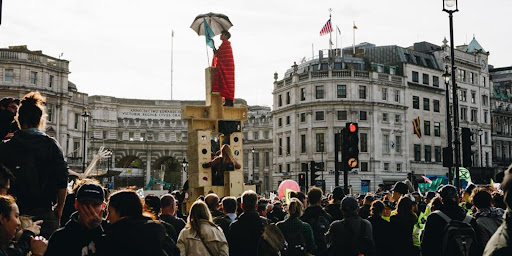 Fig: 4 - Protests near Trafalgar Square, London, UK (Credits: Joe Goodman Natasa Leoni)
Similar Competitions
Discover competitions you might be interested in




Design challenge to reuse E-waste




Imagining parliament for an unified world.


Design challenge fostering public involvement in wildlife research


Design an urban fitness centre

