
Nano Nest 2020
Maximizing tiny living spaces
Overview
Premise
 With the growing population, the land is constantly seen as a depleting resource and thus has increased real estate prices. Today, the definition of a house has barely boiled down to it being a commodity that constitutes a kitchen, a living area, bedroom and bathroom.
This commodity offered is sometimes so inhabitable that it even lacks the basic notion of light and ventilation. Eventually, all the other additional notions of what a house should offer then become secondary.
How do we then redefine a modern living space for a space crunch situation that is not just habitable, but also restores these essential notions that make it a house?

Objectives
Areas to serve the purpose of sleep, eat and sanitating are the basics to accommodate living. However, for it to become a home, this list goes longer as well as becomes subjective. It is even tougher to house this long list when the plot is tight.
Design Challenge: Design a ‘Living Space’ for a family of 6 (people from 3 generations to be considered). The participants must give a character sketch of the users/family chosen.
Based on this, propose a modern way of living in a space crunch scenario for them. The proposal could constitute designated areas to perform every minute activity without making space feel claustrophobic. This would require a new way of thinking and designing homes, it could be in such a way that they’re open yet secure, compact yet comfortable.
Optimization: Optimum use of the available plot size.
Basics: Natural light and natural ventilation.
Contextuality: Anchorage to site.
Imagination: Be imaginative to propose new ways of living and a modern lifestyle.
Site details

The plot size for intervention is 4 meters by 12 meters, participants strictly adhere to these dimensions. The width of the carriageway in front of the houses is 9 meters. The intervention cannot have any openings on any of the adjoining walls even at a higher level (reference project can be found here)
Plot Area - 48m2
Maximum Permitted Height- 12m (including parapet)
Urban Fabric
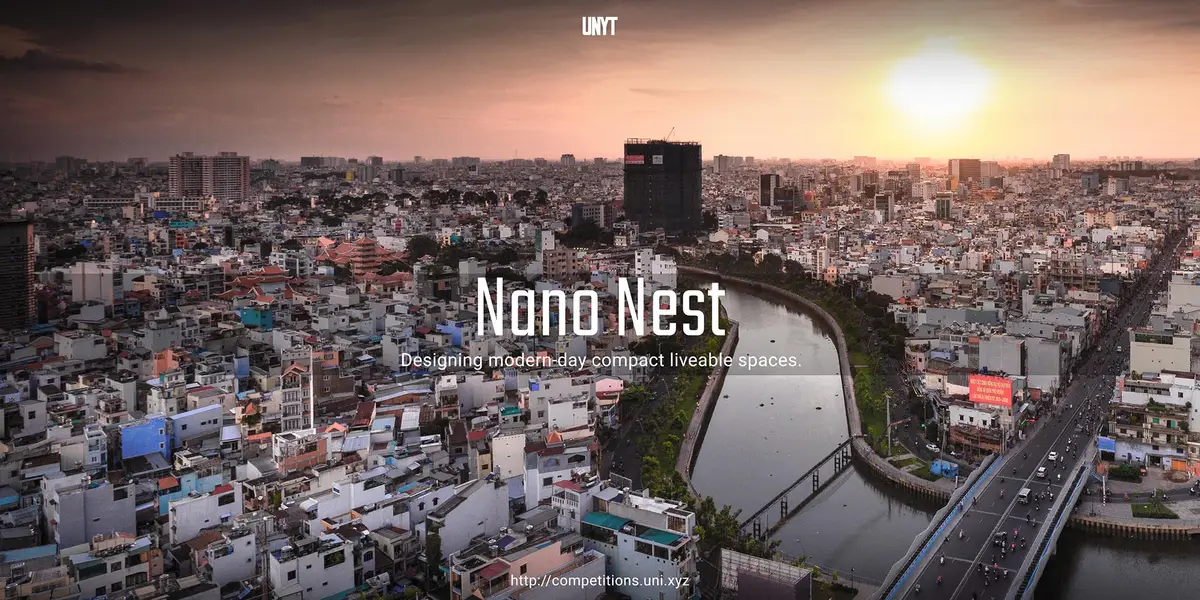
The urban context for the intervention can be any dense urban residential fabric where the plot sizes are relatively smaller than the other parts of the city. The intervention should respond to the climate of the chosen location.
The proposed intervention should reflect certain aspects of the chosen city/context (reference project can be found here). The heights and width of adjacent buildings cannot be changed.


